Hey guys, this is Nikki the lead Vet tech with Posh Dog Knee Braces. Today let’s talk about signs that your dog has a wrist injury, sprain, or carpal hyperextension. First off, a sprain can sometimes be much more painful initially than other injuries. There can be swelling or redness, bruising, swollen paws, lameness, sensitive to the touch, general discomfort, and of course getting more cranky with mom and dad.
If you dog has begun showing signs of guarding a leg, or more irritable with people they normally love to be around, it may be time to have things checked out. Sometimes a splint or a brace is needed to help with pain and stopping movement of a joint to allow healing.

Sometimes damage to a joint can be mild, like a stretch or strain, but they can also be completely torn. This can happen with carpal hyperextension. Our ligaments are made of lots of little collagen fibers. Some breeds are predisposed to these fibers becoming brittle, like with degenerative joint disease, and breaking easy. Over time the more fibers that break, the more hyperextended we see the wrist become. Normally a dog should stand with a straight and upright front legs, ending at the paw.
Hyperextension makes it look like they are flatfooted, similar to a duck. Luckily we do have a brace to fix this issue, and help these patients get back into normal activities! Ask about our Posh Carpal braces.
Injuries can also cause wrist issues, such as allowing your dog to jump from high places. One of the most common is decking and vehicles. Jumping out of the back of a high pickup truck seems harmless, however, one wrong move and that wrist is toast. Think about if you jumped off a 6ft fence and landed over and over on your front legs. Eventually something will give or get injured.
We can also see fractures from this, or dislocations. Remember, our furry friends are just as able to be injured as we are, and it is our job to help protect them from themselves sometimes. Grabbing their harness to help them down the steps, car, deck, ect can save you thousands on injuries.
Again please let me know if you have any questions! Contact us via our contact page or visit our Facebook Page.
Articles from the Posh Dog Knee Brace team — a group effort with our licensed veterinary technicians and brace specialists, sharing 15+ years of experience helping dogs recover from CCL/ACL injuries and mobility challenges.
Carpal hyperextension and other wrist injuries in dogs can cause discomfort and affect their mobility. Identifying these issues early is crucial for prompt veterinary intervention. Here are some signs and symptoms, as well as potential causes of canine carpal hyperextension and other common wrist injuries:
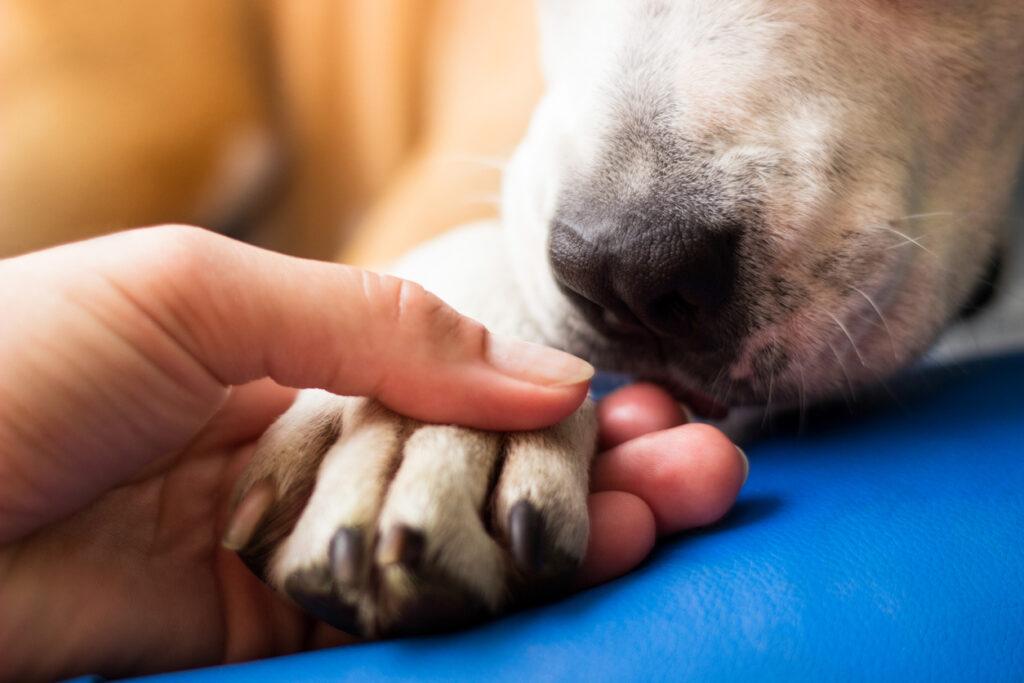
If you suspect a wrist injury in your dog, it’s crucial to seek veterinary attention promptly. The veterinarian will conduct a thorough examination, possibly including imaging, to diagnose the specific injury and recommend an appropriate treatment plan. Treatment may involve rest, medication, physical therapy, or in severe cases, surgical intervention. Early detection and intervention contribute to a better prognosis and faster recovery for your dog. If you are interested in a Posh Carpel/Wrist Brace or have questions you can contact us via our contact form or visit our Facebook Page.
Articles from the Posh Dog Knee Brace team — a group effort with our licensed veterinary technicians and brace specialists, sharing 15+ years of experience helping dogs recover from CCL/ACL injuries and mobility challenges.
Hi guys, this is Nikki, lead veterinary technician with Posh Dog Knee Braces. Today, let’s discus osteoarthritis (OA) in dogs. Osteoarthritis is the most common form of arthritis in dogs, affecting about 25% of our dog populations. This is a chronic, not acute, disease that is due to loss of joint cartilage (our buffers), thickening of the joint, and bone formation around the joint leading to pain and limping. A lot of our OA patients have other developmental issues or disease, which predisposes them to having OA. This includes Cruciate disease, hip dysplasia, elbow dysplasia, OCD, patella luxation.
Sometimes, there may not be a reason that this occurs, and a patient just develops for no known reason. Some factors that can make this worse include obesity, gender, breed, exercise, and diet.
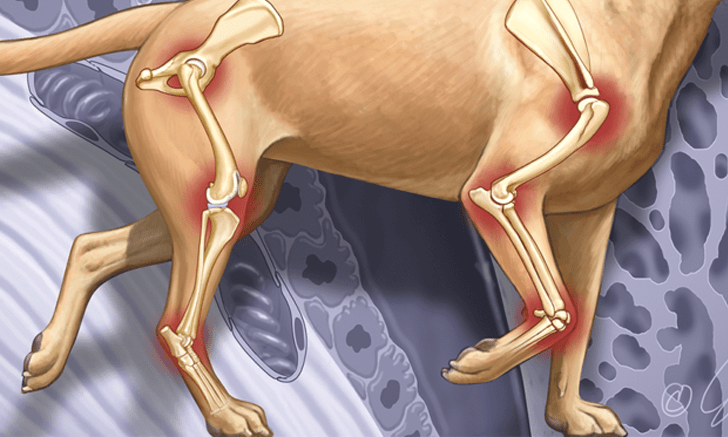
Signs of OA are sometimes reluctance to walk or exercise, acting stiff, limping, bunny hoping while running. Pain on palpation, possible aggression or discomfort is also usually present. They hurt and ache.
This is why it is always good to have an xray with limping patients over 6 years old, to rule out other things that can cause limping such as OA.
Treatment of OA includes weight and diet control, such as feeding Raw diet or diets with better protein, less carbs. Limiting the higher impact activities, such as running or jumping, replace with leash walks and range of motion activities. Physical therapy can really help build back those lost muscles, such as swimming. Laser therapy can also really help.
Supplements with fatty acids, such as fish oils, or green lipped muscle have shown to really improve quality. Adequan injections are one of the only leading products right now specifically formulated to fight OA, and prevent things from getting worse, I strongly recommend. Bracing may also be needed, to help alleviate the pressure on the joint, and act as a support and shock absorber, especially if it was due to CCL disease. Bracing may also help build back lost muscle, and alleviate the pain with walks.
Lastly, some form of anti-inflammatory may be recommended, but there are several natural anti-inflammatories that may be tummy safe, such as CBD oil or white willow bark.
Dogs that have undergone surgery, such as TPLO, have been shown in many studies to have more 77% more OA just 8 weeks post op than before on radiographs. So, if a patient has had TPLO, there is a much higher chance that dog will develop arthritis later on.
Thanks, and please visit poshdogkneebrace.com with any questions, or visit our Facebook page we are happy to help!
Read reviews check out our Google Reviews online. Click Here
Articles from the Posh Dog Knee Brace team — a group effort with our licensed veterinary technicians and brace specialists, sharing 15+ years of experience helping dogs recover from CCL/ACL injuries and mobility challenges.