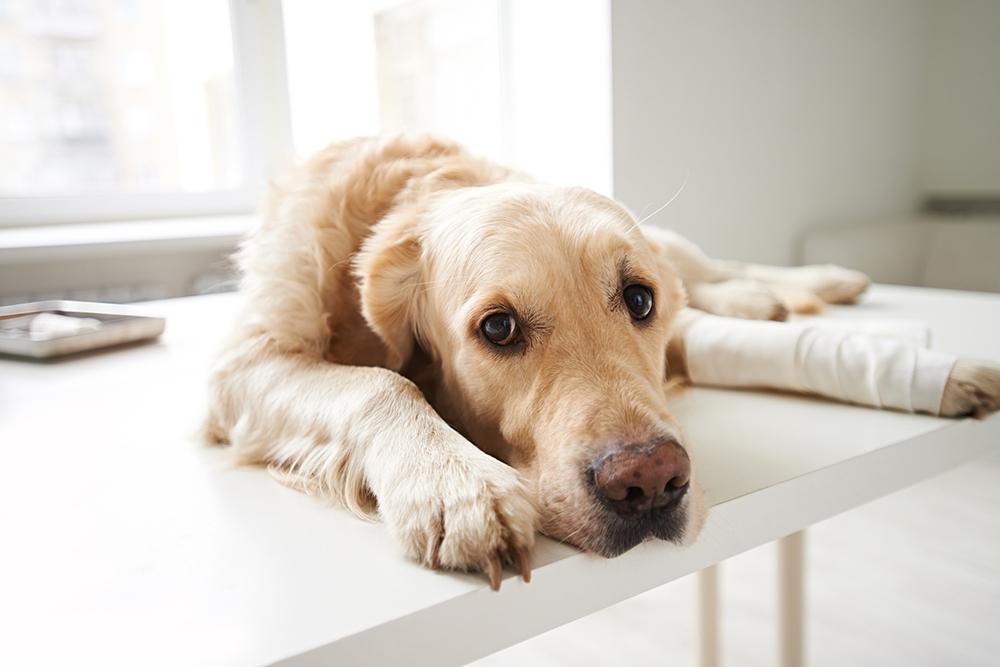
While home treatments can be helpful for minor injuries or as supportive measures alongside veterinary care, it’s crucial to consult with a veterinarian before attempting any treatment. Serious injuries or conditions require professional medical attention. Here are some general home treatments for injured dogs:
12 Home Treatments
Rest and Restriction:
Allow the injured dog to rest and limit movement. Provide a quiet and comfortable space for recovery.
Cold Compress:
Apply a cold compress (ice pack wrapped in a cloth) to reduce swelling in the initial stages of an injury. Use for 10-15 minutes at a time, with breaks in between.
Moist Heat Therapy:
After the initial swelling has decreased (usually after 48 hours), heat therapy (warm compress or heating pad) can be applied to promote blood circulation and soothe muscles. Be cautious with heat to avoid burns.
Elevation:
Elevate the injured area, if possible, to reduce swelling. This is particularly applicable for limbs.
Topical Treatments:
For minor wounds, clean the area with a mild antiseptic solution or saline solution. Apply a pet-safe antibiotic ointment to promote healing.
Pain Management:
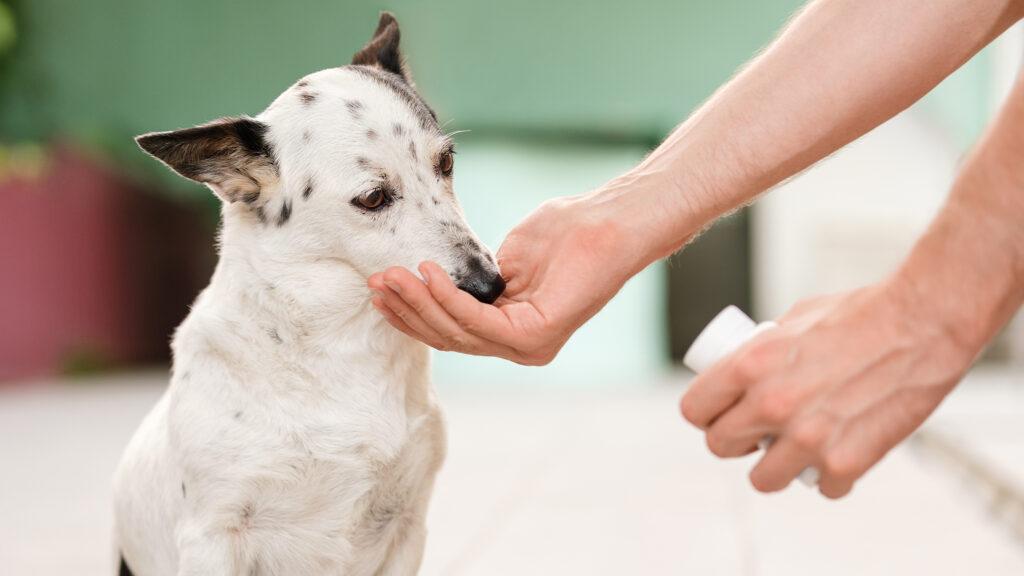
Consult with a veterinarian before giving any pain medications. Over-the-counter medications like acetaminophen and ibuprofen can be toxic to dogs, so use only medications prescribed by a vet.
Compression Bandages:
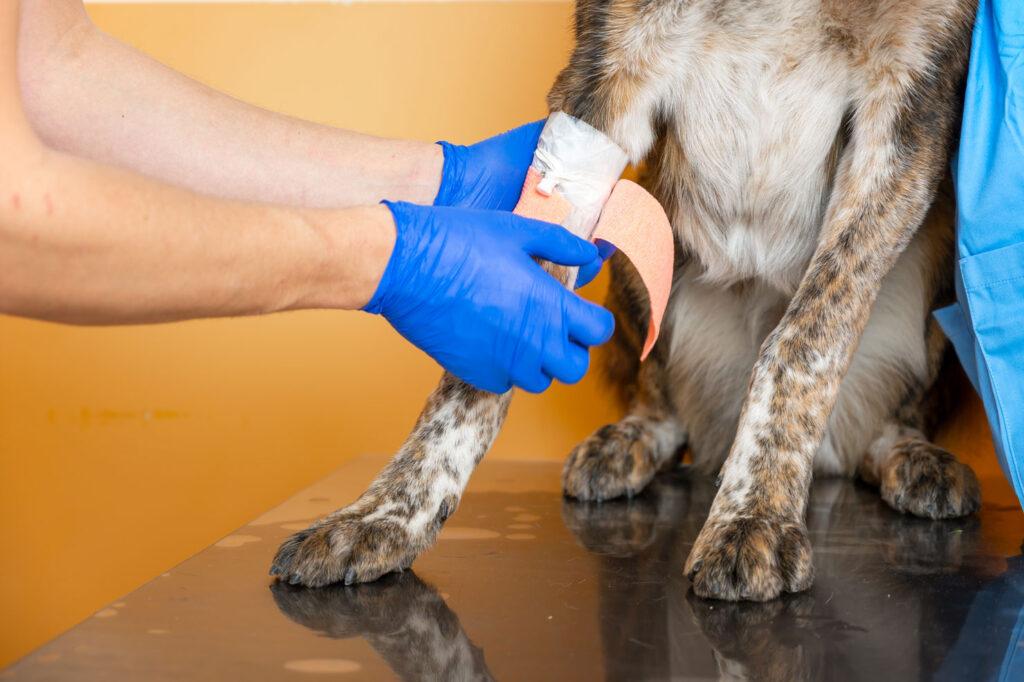
In some cases, a compression bandage may be applied to control swelling, but it should be done under the guidance of a veterinarian to avoid restricting blood flow.
Gentle Massage:
If approved by your vet, gentle massage can help improve blood flow and reduce muscle tension. Be careful not to cause additional discomfort.
Hydration and Nutrition:
Ensure your dog stays hydrated and continues to eat a balanced diet to support overall health and healing.
Homeopathic Remedies:
Some homeopathic remedies may be recommended by holistic veterinarians for pain relief or to support the healing process. Always consult with a professional in this field.
Adequate Shelter and Comfort:
Provide a warm, dry, and comfortable environment for your dog. Ensure they have a soft and supportive bed.
Keep the Dog Calm:
Minimize stress and excitement to promote a calm environment, which aids in the healing process.
It’s crucial to note that while these home treatments can be beneficial for minor injuries or as supportive measures, they are not substitutes for professional veterinary care. If your dog experiences a significant injury or shows signs of distress, consult with a veterinarian immediately. Professional guidance ensures that the right diagnosis is made, and appropriate treatment is administered for a safe and speedy recovery. If you have any more questions about home treatments you can contact us via our contact page or visit our Facebook page.
Articles from the Posh Dog Knee Brace team — a group effort with our licensed veterinary technicians and brace specialists, sharing 15+ years of experience helping dogs recover from CCL/ACL injuries and mobility challenges.
How many Hours a Day Should My Dog Wear the Brace?
Hi guys, this is Nikki Lead Veterinary Technician with Posh Dog Knee Braces, and today let’s discuss how many hours a day your dog should wear a knee brace. Now this also really depends on what we are treating. If we have a full CCL tear with meniscus involvement, I may suggest you use the brace more often than a patient with a partial tear.
Also, how much energy your dog has is a big factor on how many hours you really need to be using the brace. Some brace companies say wear the brace all day long, with no breaks. This can lead to a lot of problems initially, if you have not properly broken in the wearing time of your brace.
How Many Hours a Day to Wear the Brace
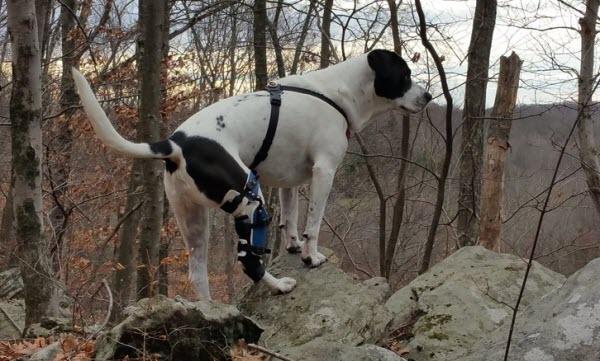
If you have a high energy dog, one that dives off of stairs and furniture, and is harder to control, you may be advised to use the brace a bit more. Now, we only suggest using braces during times that your dog is supervised. This is a medical device, and should not be worn without direct supervision. I would suggest starting out slow, just using the brace during walks and activities hours your veterinary technician will go over with you. Once your dog has been using the brace well, and you feel more confident, you can begin to increase the amount of time (hours) your dog uses the brace.
I still like to give breaks during the day, especially if there is a time they like to lay down and nap. For instance, using the brace for 2 to 3 hours in the morning, while they get the wiggles out, go potty, walk, and breakfast is perfectly fine. You may then opt to remove the brace during lunchtime, as most dogs calm down around this time. Then, you can place the brace back on in the afternoon, and remove prior to going to bed. This is just a suggested scenario, but again you do need to continue monitoring them with the brace.
We do not suggest any patient to wear the brace 8-12 hours a day, as anything that is worn that long on human or dog can cause skin irritation.
If your dog is pretty chill, relaxed, and only really active outside (such as giant breeds), then I would suggest using the brace just for activities. These can include walks, car rides, when someone comes to visit, playing with another dog, stairs, ect. If they spend most of their time laying down, it would not be comfortable to leave a brace on all day long. Let them get cozy, but we will be suggesting some Physical therapy activities to help prevent atrophy.
Put a sign outside your door, this will help discourage people from ringing the doorbell or knocking. Most dogs react to hearing a knock and doorbell, so if we can cut back on those times that will really help with preventing re-injury. Instead, put your phone number on the sign, so they can text you if someone arrives to visit.
Always feel free to speak to your service veterinary technician with any questions, that is what we are here for! Thank you, and give your dog a big hug for us!
Let Your Dog Recover With Our Custom Dog Knee Brace! We’ve Helped Dogs All Around The World, Now We Want To Help Yours…
The Posh Dog Knee Brace is a 100% custom Dog knee brace, hand made only for your Dog. We make our custom brace with no casting. Our state-of-the-art brace for Dogs is very durable, waterproof, sand proof, and easily adjustable by customers. Our Veterinary Technicians provide personal live video supervision of measuring, and fitting of your Dog ACL brace in the comfort of your own home.
Articles from the Posh Dog Knee Brace team — a group effort with our licensed veterinary technicians and brace specialists, sharing 15+ years of experience helping dogs recover from CCL/ACL injuries and mobility challenges.
How to Identify Canine Carpal Hyperextension and Other Common Wrist Injuries in Dogs
Carpal hyperextension and other wrist injuries in dogs can cause discomfort and affect their mobility. Identifying these issues early is crucial for prompt veterinary intervention. Here are some signs and symptoms, as well as potential causes of canine carpal hyperextension and other common wrist injuries:
Signs and Symptoms Canine Carpal Hyperextension:
Limping or Lameness:
Dogs with wrist injuries may show a noticeable limp or may refuse to put weight on the affected leg.
Swelling:
Swelling around the carpal joint or wrist area can indicate inflammation or injury.
Pain or Discomfort:
Dogs may exhibit signs of pain, such as whimpering, yelping, or guarding the affected leg.
Change in Gait:
Altered walking patterns, such as a shortened stride or an unusual gait, may be observed.
Difficulty Moving:
Dogs may hesitate or struggle to use the affected leg for activities such as climbing stairs or jumping.
Warmth or Heat:
Increased temperature or warmth around the wrist joint may indicate inflammation.
Visible Deformity:
In severe cases, there may be a noticeable deformity or abnormal positioning of the wrist joint.
Reluctance to Bear Weight:
Dogs may be reluctant to bear weight on the injured leg.
Potential Causes:
Carpal Hyperextension:
Carpal hyperextension occurs when the carpal joint (wrist) extends beyond its normal range of motion. This can be caused by trauma, ligament injury, or developmental issues.
Sprains and Strains:
Injuries to ligaments or tendons in the wrist can result from trauma, sudden twists, or overexertion.
Fractures:
Fractures of the carpal bones or nearby bones can occur due to trauma or accidents.
Arthritis:
Chronic inflammation of the joint, often seen in older dogs, can lead to arthritis and stiffness in the wrist.
Infections:
Infections in the wrist joint can cause swelling and pain.
Autoimmune Conditions:
Conditions like lupus or rheumatoid arthritis can affect joints, including those in the wrist.
How to Identify Canine Carpal Hyperextension:
Physical Examination:
Observe your dog’s gait and posture. Check for any signs of swelling, heat, or pain around the wrist joint.
Palpation:
Gently feel the area around the wrist for any abnormalities, swelling, or signs of pain.
Range of Motion:
Carefully move your dog’s wrist joint through its normal range of motion to assess for any stiffness, resistance, or signs of discomfort.
X-rays and Imaging:
Diagnostic tools such as X-rays may be necessary for a more detailed evaluation of the bones and joints.
If you suspect a wrist injury in your dog, it’s crucial to seek veterinary attention promptly. The veterinarian will conduct a thorough examination, possibly including imaging, to diagnose the specific injury and recommend an appropriate treatment plan. Treatment may involve rest, medication, physical therapy, or in severe cases, surgical intervention. Early detection and intervention contribute to a better prognosis and faster recovery for your dog. If you are interested in a Posh Carpel/Wrist Brace or have questions you can contact us via our contact form or visit our Facebook Page.
Articles from the Posh Dog Knee Brace team — a group effort with our licensed veterinary technicians and brace specialists, sharing 15+ years of experience helping dogs recover from CCL/ACL injuries and mobility challenges.
5 Key Aspects to Dog Knee Braces
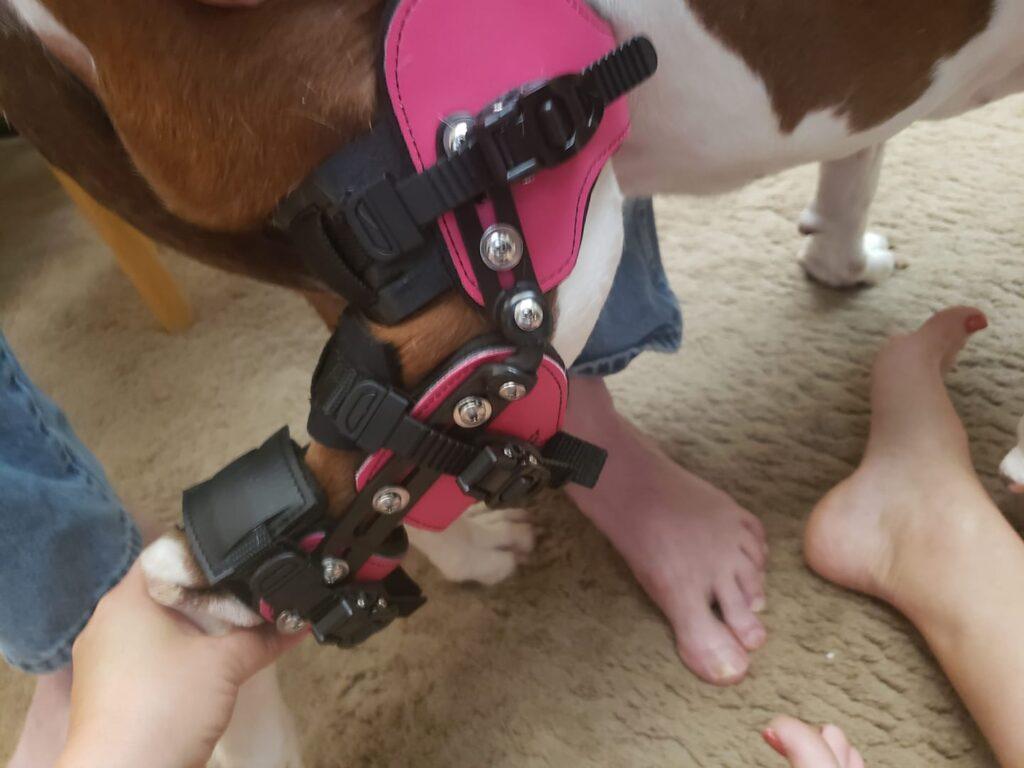
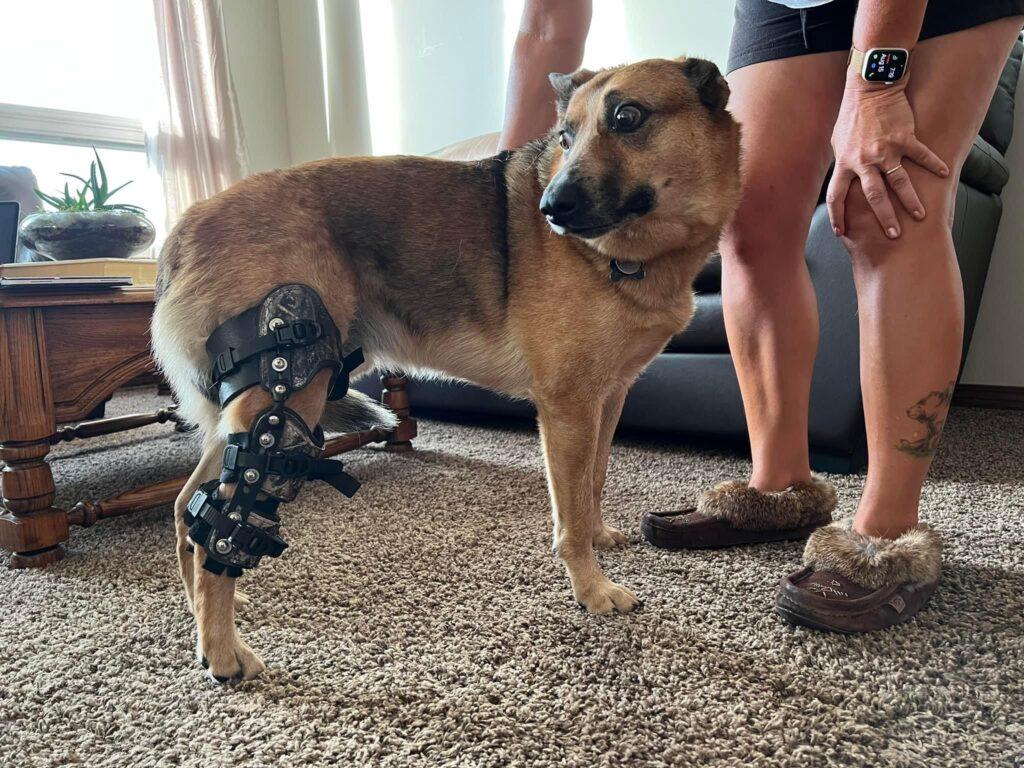
Dog knee braces, also known as stifle braces, are orthopedic devices designed to provide support, stability. These braces are commonly used in the management of various knee-related issues, including ligament injuries, osteoarthritis, or after surgical procedures. The science behind dog knee braces involves biomechanics, support, and the promotion of healing. Here are some key aspects:
Key Aspects to Dog Knee Braces
Biomechanical Support:
Stability Enhancement: Knee braces aim to provide additional stability to the knee joint, particularly when ligaments are compromised. This stability helps prevent excessive movement that could exacerbate the injury or hinder the healing process.
Joint Alignment: Braces are designed to maintain proper alignment of the knee joint, ensuring that forces are distributed evenly, reducing stress on specific areas and promoting more natural movement.
Post-Surgical Support:
Rehabilitation Aid: After surgical procedures, such as cruciate ligament repair, knee braces are often used as part of the rehabilitation process. They provide support to the healing structures, assist in maintaining the correct joint position, and protect against excessive stresses during the recovery period.
Customization and Fit:
Individualized Design: Many dog knee braces are designed to be adjustable and customizable to fit the specific anatomy of the dog. This ensures a snug and comfortable fit, optimizing the effectiveness of the brace.
Material Selection: Braces are typically made from materials that are lightweight and supportive
Rehabilitation and Exercise:
Facilitating Controlled Movement: Knee braces are often used during controlled exercise or rehabilitation sessions. They allow for controlled movement, preventing excessive stress on the injured area while promoting the engagement of supporting muscles.
Reducing Secondary Complications:
Preventing Secondary Injuries: By providing support and stability, knee braces can help prevent secondary complications that may arise due to altered gait or weight distribution resulting from a knee injury.
While knee braces can be beneficial, they are not a one-size-fits-all solution, and their effectiveness may vary depending on the nature and severity of the knee issue. Always consult with a veterinarian for a proper diagnosis and guidance on the use of knee braces for your dog’s specific condition. Also check the materials, and make sure the brace is custom.
If you are interested in a Posh Dog Knee Brace you can order online or contact us with more information, visit our Facebook Page to see what our customers have to say.
Articles from the Posh Dog Knee Brace team — a group effort with our licensed veterinary technicians and brace specialists, sharing 15+ years of experience helping dogs recover from CCL/ACL injuries and mobility challenges.
8 Activity-Related Dog Injuries
Dogs can be prone to injuries related to various physical activities. Understanding the types of injuries associated with specific activities can help dog owners take preventive measures and seek appropriate veterinary care when needed. Here are common activity-related dog injuries:
8 Activity-Related Dog Injuries
Running and Jumping:
Muscle Strains: Dogs, especially active breeds, may experience muscle strains from sudden acceleration, deceleration, or awkward landings during running or jumping activities.
Agility Training:
Sprains and Strains: Dogs participating in agility courses may experience sprains or strains, particularly in joints and soft tissues, due to sudden twists, turns, or jumps.
Frisbee and Fetch:
Soft Tissue Injuries: Overexertion during games of fetch or frisbee can lead to soft tissue injuries, including strains, sprains, or even ligament tears.
Biking and Jogging:
Overexertion: Long-distance running or biking can lead to overexertion, dehydration, and heat-related issues. Pay attention to your dog’s fitness level and provide water breaks.
Aggressive Play with Other Dogs:
Soft Tissue Injuries: Dogs engaged in rough play can sustain injuries such as bruises, muscle strains, or even more severe injuries if play becomes too aggressive.
Skateboarding or Scootering:
Muscle Strains and Joint Stress: Dogs engaging in activities like skateboarding or pulling scooters may experience muscle strains or stress on joints, especially if they are not conditioned for these activities.
Catching Toys in the Air:
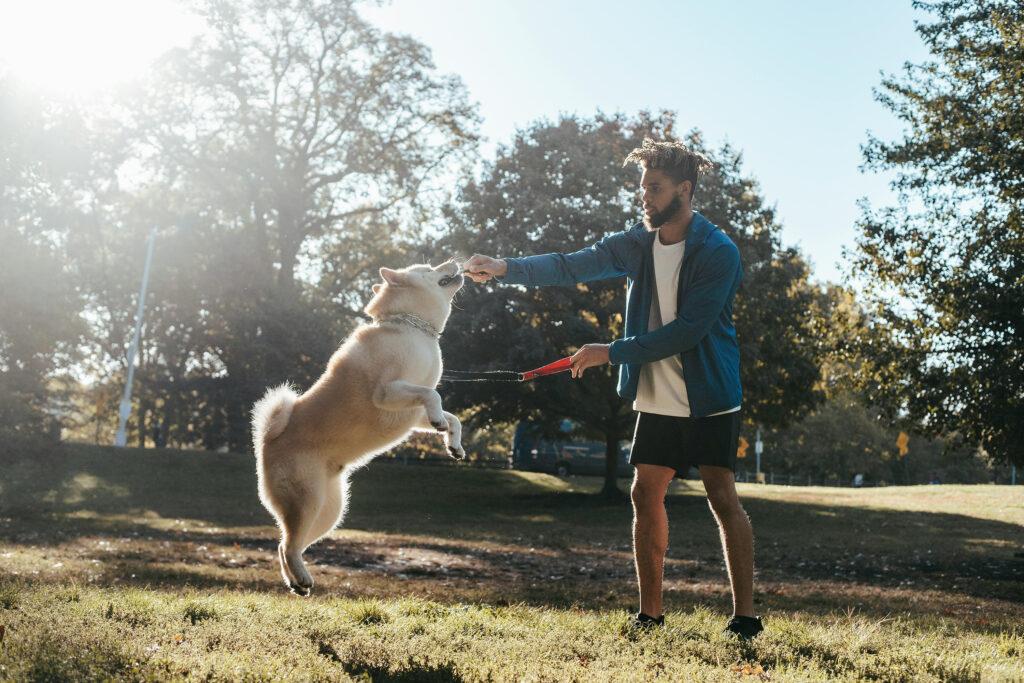
Joint Injuries: Dogs that repeatedly jump to catch objects in the air may be prone to joint injuries, particularly in the hips and knees.
Aggressive Ball Retrieval:
Oral Injuries: Dogs that obsessively retrieve balls may wear down their teeth or suffer oral injuries. Monitor for signs of dental issues.
Preventing activity-related injuries involves being mindful of your dog’s limitations, ensuring they are adequately conditioned for the activity, and providing proper warm-up and cool-down periods. Regular veterinary check-ups can help detect and address any underlying health issues that might predispose a dog to injuries during physical activities. If an injury occurs, prompt veterinary attention is essential to ensure proper diagnosis and treatment.
For more information about related injuries or if you would like information about our brace contact us via our contact form or visit our Facebook page.
Articles from the Posh Dog Knee Brace team — a group effort with our licensed veterinary technicians and brace specialists, sharing 15+ years of experience helping dogs recover from CCL/ACL injuries and mobility challenges.
11 Holistic Treatments for your Dogs’ Injuries
Holistic treatment for your dog’s injuries involves considering the overall well-being of the animal, addressing physical, emotional, and environmental factors. Always consult with a holistic veterinarian before implementing holistic approaches to ensure they are safe and suitable for your dog’s specific condition. Here are some holistic strategies for treating your dog’s injuries:
11 Holistic Treatments
Balanced Nutrition:
Provide a well-balanced and species-appropriate diet to support overall health and healing. High-quality food with essential nutrients, vitamins, and minerals is crucial for recovery.
Herbal Remedies:
Some herbs may have anti-inflammatory or pain-relieving properties. Examples include turmeric, ginger, and arnica. Consult with a holistic veterinarian for proper dosage and administration.
Supplements:
Consider supplements such as omega-3 fatty acids (fish oil) for their anti-inflammatory effects and glucosamine/chondroitin for joint health, and green lipped mussel.
Homeopathy:
Homeopathic remedies may be used to address specific symptoms or conditions. A holistic veterinarian can guide you in choosing the right remedies based on your dog’s individual needs.
Acupuncture:
Acupuncture involves the insertion of thin needles into specific points on the body to promote healing, reduce pain, and improve energy flow. Seek the services of a certified veterinary acupuncturist.
Massage Therapy:
Gentle massage can help improve circulation, reduce muscle tension, and promote relaxation. It may aid in the recovery process and improve overall well-being.
Chiropractic Care:
Chiropractic adjustments may be beneficial for musculoskeletal issues. Ensure that the practitioner is a licensed veterinary chiropractor.
Environmental Modifications:
Create a comfortable and stress-free environment for your dog. Provide a quiet and cozy space for rest and recovery.
Hydrotherapy:
Water-based therapies, such as swimming or underwater treadmills, can provide low-impact exercise and aid in muscle strength without putting too much strain on joints.
Mind-Body Techniques:
Engage in activities that promote mental and emotional well-being, such as gentle play, interactive toys, or puzzle feeders.
Limit Stress:
Minimize stressors in your dog’s environment. Stress can hinder the healing process, so provide a calm and supportive atmosphere.
Remember that holistic approaches should complement, not replace, conventional veterinary care. It’s important to work closely with a veterinarian who has experience in holistic or integrative medicine to create a comprehensive and safe treatment plan tailored to your dog’s specific needs.
If you are interested in one of our Posh Dog Braces you contact us via our contact page or visit our Facebook Page for more information.
Articles from the Posh Dog Knee Brace team — a group effort with our licensed veterinary technicians and brace specialists, sharing 15+ years of experience helping dogs recover from CCL/ACL injuries and mobility challenges.
Enzyme Therapy for Quick Dog Injury Recovery – 7 Aspects
Enzyme therapy is a holistic approach that involves the use of specific enzymes to support the healing process in injured dogs. While some anecdotal evidence and studies suggest potential benefits, it’s important to note that this approach should be used under the guidance of a holistic veterinarian, and more research is needed to fully understand its efficacy. Here are some aspects of enzyme therapy that may be considered for quick dog injury recovery:
Enzyme Therapy
Systemic Enzymes:
Bromelain and Papain: These are derived from pineapple and papaya, respectively, have anti-inflammatory properties and may aid in reducing swelling and promoting healing.
Proteolytic:
Trypsin and Chymotrypsin: These help break down proteins and may support tissue repair and reduce inflammation.
Anti-inflammatory Properties:
They may help modulate the inflammatory response, potentially reducing pain and swelling associated with injuries.
Immune System Support:
Some proponents of enzyme therapy suggest that it may have immune-boosting effects, which could aid in the overall healing process.
Oral Supplements:
These are available in various forms, including powders, capsules, or chewable tablets. Dosage and administration should be determined in consultation with a veterinarian.
Topical Enzyme Applications:
Some preparations are available in topical forms (creams or ointments) for application directly to affected areas.
Preventing Blood Clots:
They may help prevent the formation of blood clots, which can be a concern during the recovery process.
It’s essential to approach therapy with caution and only after consultation with a veterinarian. Enzyme supplements may interact with medications or have contraindications for certain medical conditions. Additionally, the quality and source of supplements can vary, so it’s important to choose products from reputable manufacturers.
While some pet owners report positive experiences with this therapy, it should not replace traditional veterinary care. Veterinary guidance is crucial to ensure that the chosen therapy is appropriate for the specific injury and overall health of the dog. Always discuss any complementary or alternative therapies with your veterinarian before incorporating them into your dog’s treatment plan.
If you are interested in a Posh Dog Knee Brace contact us via our contact form or visit our Facebook Page for more information.
Articles from the Posh Dog Knee Brace team — a group effort with our licensed veterinary technicians and brace specialists, sharing 15+ years of experience helping dogs recover from CCL/ACL injuries and mobility challenges.
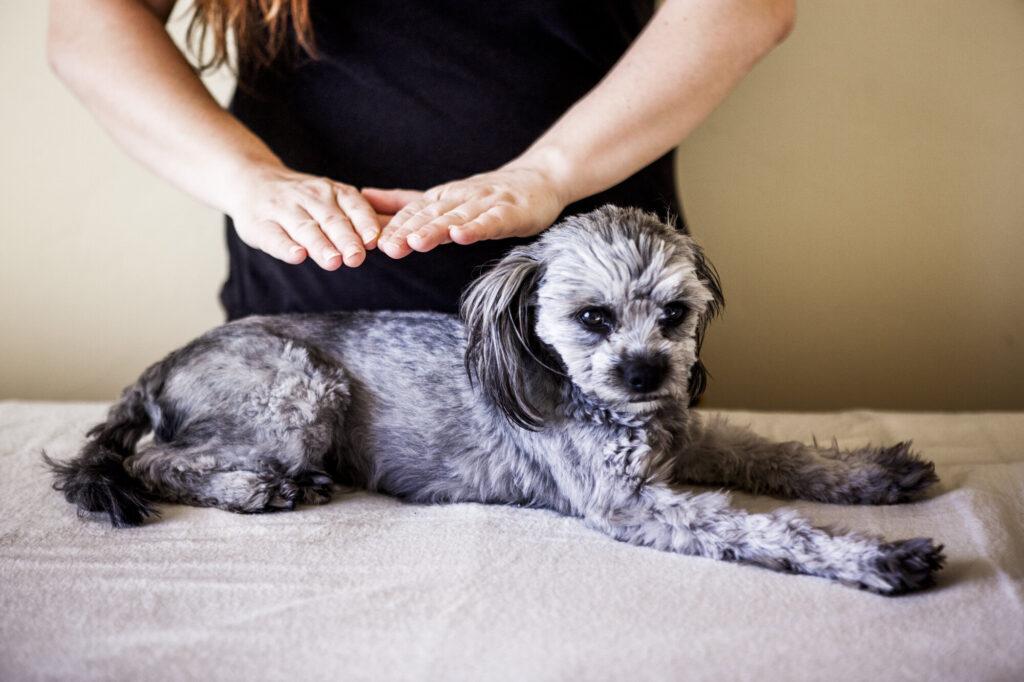
8 Tips on How Reiki Can Help Your Dog
Reiki is a form of alternative therapy that originated in Japan and is based on the concept of channeling healing energy through the practitioner’s hands. While scientific evidence supporting the effectiveness of Reiki is limited, some dog owners and practitioners believe that it can provide various benefits for dogs. It’s essential to note that Reiki should not replace conventional veterinary care but can be used as a complementary approach.
Here’s how Reiki may potentially help your dog:
Stress Reduction:
Reiki is thought to promote relaxation and reduce stress by balancing the energy flow in the body. Dogs, like humans, can experience stress due to various factors, and a calm and relaxed state may contribute to overall well-being.
Pain Management:
Some believe it can help alleviate pain by promoting a sense of comfort and relaxation. While not a substitute for pain medication or veterinary care, it may complement pain management strategies.
Supporting Emotional Well-Being:
It is believed to work on a holistic level, addressing not only physical but also emotional and spiritual aspects. Dogs experiencing anxiety, fear, or behavioral issues may benefit from the calming and balancing effects of Reiki.
Promoting Healing:
Practitioners suggest that it may enhance the body’s natural ability to heal itself by balancing energy flow. This could potentially aid in the healing process after surgery or injury.
Enhancing the Bond:
Providing Reiki to your dog may strengthen the bond between you and your pet. The calm and focused attention during a session can be a positive and intimate experience for both the practitioner and the dog.
Comfort during Illness:
For dogs dealing with chronic illnesses or at the end of their lives, it may offer a sense of comfort and relaxation. It can be used as a supportive measure in conjunction with veterinary care.
Behavioral Support:
Dogs with behavioral issues, such as aggression or fear, may benefit from the calming and grounding effects of Reiki. It may help create a more balanced emotional state.
Energy Balancing:
Reiki practitioners believe in balancing the energy centers (chakras) in the body. When the energy flows smoothly, it is thought to contribute to physical and emotional well-being.
How Reiki Sessions for Dogs Typically Work:
Hands-On or Distant Healing: Sessions can be conducted with hands-on techniques, where the practitioner places their hands on or near the dog’s body, or through distant healing, where the energy is sent from a distance.
Quiet Environment: Reiki sessions are often conducted in a quiet and peaceful environment to minimize distractions and allow the dog to relax.
Voluntary Participation: Dogs are free to accept or decline the energy during a session. They may choose to move away or engage with the practitioner based on their comfort level.
Frequency and Duration: The frequency and duration of Reiki sessions can vary depending on the dog’s needs and the goals of the therapy.
While some dog owners report positive experiences with Reiki, it’s important to approach it with an open mind and consult with a veterinarian before incorporating it into your dog’s care plan. Always prioritize conventional veterinary care for diagnosing and treating medical conditions.
For more information on how to help your dog recover with their injuries or if you are interested in a Posh Dog Knee Brace you can contact us via our contact page or visit us on Facebook.
Articles from the Posh Dog Knee Brace team — a group effort with our licensed veterinary technicians and brace specialists, sharing 15+ years of experience helping dogs recover from CCL/ACL injuries and mobility challenges.
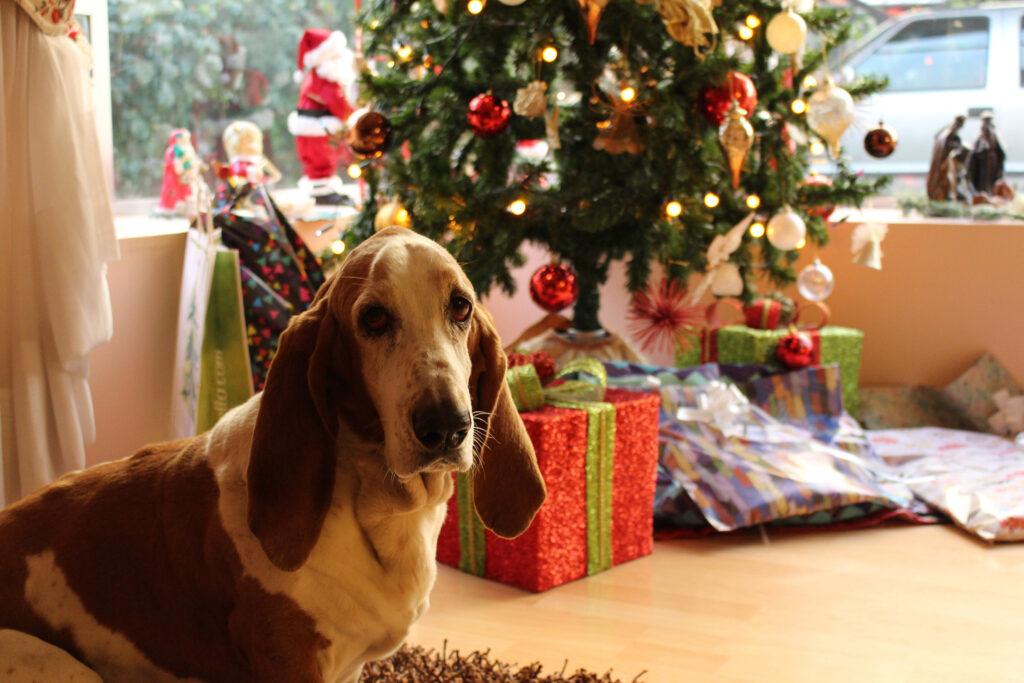
24 Best Christmas Gifts for Dogs (and their parents) and Why?
Christmas gifts for dogs are great for several reasons:
1. Joyful Surprise: Dogs, like humans, appreciate surprises and new experiences. Christmas gifts can bring excitement and joy to their lives.
2. Bonding Opportunity: Choosing and giving a gift to your dog can strengthen the bond between pet and owner. It’s a shared experience that fosters a sense of connection.
3. Enrichment and Stimulation: Many dog gifts, such as interactive toys or puzzle feeders, provide mental and physical stimulation. These contribute to a dog’s overall well-being and happiness.
4. Seasonal Festivity: Including dogs in holiday celebrations adds a festive and inclusive atmosphere to the household. Special gifts make them feel like a part of the family’s joyous occasions.
5. Practical Benefits: Some Christmas gifts, like cozy beds or grooming tools, offer practical benefits by enhancing the dog’s comfort, health, or grooming routine.
6. Expressing Love and Care: Gifting a dog something special shows love and care. It’s a way for owners to express gratitude for the companionship and joy their furry friends bring to their lives.
7. Creating Memories: The act of giving and receiving gifts during the holiday season creates lasting memories. It becomes a part of the shared history between the dog and its family.
8. Fulfilling Needs: Christmas gifts can address specific needs or preferences of the dog, whether it’s a new chew toy, a cozy blanket, or tasty treats.
Here are our top 24 Christmas Gifts for your dog and for you to enjoy:
1. Personalized dog tags: Adds a personal touch while ensuring pet safety.
2. Interactive treat-dispensing toys: Keeps pets mentally stimulated and entertained.
3. Cozy pet bed with memory foam: Provides comfort and supports joint health.
4. Customized pet portrait: A unique and sentimental keepsake for pet parents.
5. Pet subscription box: Offers a variety of treats, toys, and accessories regularly.
6. GPS pet tracker: Ensures peace of mind by helping locate pets if they wander.
7. Pet-friendly spa day: A pampering experience for both pets and their owners.
8. High-quality pet food or treats: Shows care for the pet’s well-being and health.
9. Pet DNA testing kit: Provides insights into the pet’s breed and health history.
10. Stylish pet apparel: Adds a fun and fashionable element to pet ownership.
11. Pet camera with treat dispenser: Allows interaction and monitoring remotely.
12. Elevated food and water bowls: Enhances comfort and reduces strain on pets’ necks.
13. Pet grooming kit: Useful for regular grooming sessions, fostering a bond.
14. Pet-friendly puzzle games: Mental stimulation and a fun bonding activity.
15. Automatic pet feeder: Convenient for pet parents and ensures timely meals.
16. Pet-friendly holiday advent calendar: Adds excitement to holiday celebrations.
17. Pet massage or acupuncture session: Promotes relaxation and well-being.
18. Pet-friendly tech gadgets: Fun and innovative devices for tech-savvy pet parents.
19. Pet first aid kit: Essential for handling minor injuries or emergencies.
20. Comfy pet blanket or throw: Provides warmth and a cozy spot for pets.
21. Pet-friendly travel accessories: Useful for pet parents who love to travel with their companions.
22. Pet-friendly subscription service (e.g., toys, treats): A continuous supply of goodies.
23. Pet training classes or sessions: Enhances the bond between pets and owners.
24. Pet-friendly fitness tracker: Encourages an active lifestyle for both pets and owners.
In summary, Christmas gifts for dogs contribute to the overall well-being, happiness, and shared experiences between pets and their owners, making the holiday season more memorable and enjoyable for everyone involved.
If you were interested in one of our products or have questions you can contact us via our contact form or visit us on Facebook page.
Articles from the Posh Dog Knee Brace team — a group effort with our licensed veterinary technicians and brace specialists, sharing 15+ years of experience helping dogs recover from CCL/ACL injuries and mobility challenges.
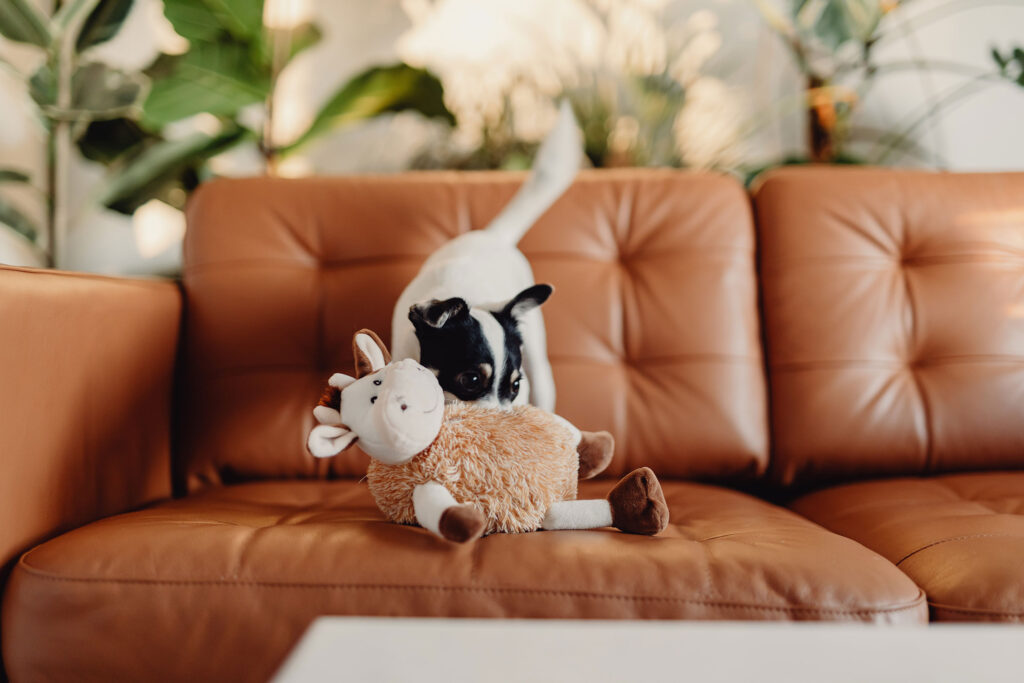
Squeaky Toys Why Do Dogs Like Them? – 7 Common Toys Your Dog Will be Eager to Play With
Dogs are drawn to squeaky toys because of their natural instincts and behaviors, which the toys trigger and reinforce. There are several reasons why dogs are fond of squeaky toys:
Prey Instinct: Dogs have a natural prey drive inherited from their ancestors. Squeaky toys mimic the sounds of small prey animals, such as rodents or birds, which can trigger a dog’s hunting instincts. The sound can make the toy more appealing and exciting for them to “capture.”
Interactive Play: Squeaky toys encourage interactive play between dogs and their owners. When a dog bites down on the toy, it squeaks, rewarding the dog for their action and encouraging them to continue playing.
Sensory Stimulation: The high-pitched sound can be intriguing and mentally stimulating for dogs. It provides auditory and tactile feedback, keeping them engaged and entertained.
Release of Energy and Stress Relief: Dogs may use these toys to release excess energy and relieve stress. Chewing on the toy and hearing the sound can be satisfying and soothing for some dogs.
Positive Association: If a dog receives a squeaky toy as a gift or during a fun play session, they may develop a positive association with the toy, making it a preferred choice for playtime.
Novelty and Variety: Dogs, like humans, can enjoy novelty and variety in their toys. These toys offer a unique sensory experience that differs from regular plush toys or chew bones.
8 Types of Squeaky Toys
There are various types of dog toys designed to cater to different play styles and preferences. Here are some common types:
Plush Squeaky Toys:
Soft and cuddly plush toys often come with a squeker inside. These can resemble animals, characters, or everyday objects. Some plush toys are designed to be tougher for dogs who like to chew.
Rubber Squeaky Toys:
Rubber toys are durable and often have a textured surface for chewing. Many rubber toys, like KONGs, have a hollow center where you can hide treats to add an extra level of engagement.
Vinyl Squeaky Toys:
Vinyl toys are typically easy to clean and come in various shapes and sizes. They are often designed for bouncing and fetching, making them suitable for active play.
Interactive Squeaky Toys:
Some squeaky toys are designed to be interactive puzzles. These toys may have multiple squeakers, compartments for hiding treats, or other features that engage a dog’s problem-solving skills.
Latex Squeaky Toys:
Latex toys are soft and often have a satisfying squeak. They come in different shapes and sizes, catering to dogs of various breeds and sizes. However, they may not be as durable as some other materials.
Floating Squeaky Toys:
These toys are designed to float in water, making them suitable for dogs who love to play in the pool or during water activities. They often have a squeaker to keep dogs entertained.
Rope Toys:
Combining the benefits of both rope toys and squeaky toys, these toys often have a plush or rubber component with a squeaker, along with rope for chewing and tugging.
Electronic Toys:
Some toys have electronic or motorized components that produce a squeaking sound when activated. These can add an extra layer of interest for dogs.
It’s important to note that not all dogs are interested in squeaky toys, and individual preferences can vary. Additionally, some dogs may be overstimulated or become obsessive with squeaky toys, leading to potential behavior problems or compulsive chewing. As with any toy, it’s essential to supervise your dog while playing and ensure that the toy is safe and appropriate for their size and chewing habits.
If your dog enjoys squeaky toys, they can be a fun and engaging way to provide mental stimulation and interactive play. However, always consider your dog’s preferences, safety, and play style when choosing toys to keep them entertained and happy.
For more information about our Posh Dog Knee Brace you can contact us via or contact form or if you would like to follow us on Facebook click here.
Articles from the Posh Dog Knee Brace team — a group effort with our licensed veterinary technicians and brace specialists, sharing 15+ years of experience helping dogs recover from CCL/ACL injuries and mobility challenges.
How Much Exercise Do Dogs Need? – 5 Things to Know
The amount of exercise a dog needs can vary depending on factors such as their breed, age, size, and overall health. However, most dogs require a combination of physical and mental exercise to stay healthy and happy. Here are some general guidelines for the amount of exercise dogs need based on their life stage:
What Exercise for which dog age
Puppies: Puppies have boundless energy and need frequent, short bursts of play and activity throughout the day. As they grow, their activity can gradually increase. Aim for a total of 30 minutes to 2 hours of exercise daily, spread across several short play sessions.
Adult Dogs: Adult dogs generally require around 30 minutes to 2 hours of exercise each day, depending on their breed and activity level. Breeds with high energy levels, such as Border Collies or Retrievers, may need closer to 1-2 hours of activity daily, while smaller or less active breeds may be content with 30 minutes to an hour.
Senior Dogs: Older dogs may have reduced energy levels and mobility, but they still benefit from regular exercise. Lighter and shorter exercise sessions are more appropriate for seniors, typically around 30 minutes per day. Keep in mind that senior dogs may need more frequent breaks and slower-paced walks.
Know Your Dog’s Breed and Individual Needs:
Different dog breeds have varying energy levels and exercise requirements. Research the characteristics of your dog’s breed to understand its typical energy level and activity needs. Additionally, consider your individual dog’s age, health, and temperament.
Observe Your Dog’s Behavior:
Pay attention to your dog’s behavior to gauge if they are getting enough exercise. Signs of a well-exercised dog include contentment, a calm demeanor, and appropriate behavior indoors. On the other hand, excess energy may lead to destructive behavior, excessive barking, or restlessness.
Mix Up Exercise Routines:
Dogs can benefit from a combination of activities. Include daily walks, playtime, and interactive games. Mixing up the routine not only provides physical exercise but also mental stimulation. Try activities like fetch, agility training, or puzzle toys to keep your dog engaged.
Regular Walks:
Daily walks are a fundamental form of exercise for most dogs. The duration and intensity of the walk will depend on your dog’s size, breed, and health. Some dogs may need multiple short walks, while others may benefit from a longer stroll. Aim for at least 30 minutes to two hours of exercise per day, depending on your dog’s needs.
Consult with Your Veterinarian:
Before implementing a new exercise routine or if you have concerns about your dog’s health, consult with your veterinarian. They can provide guidance based on your dog’s age, breed, and overall health. Certain health conditions or age-related issues may require adjustments to the exercise plan. Consulting with your veterinarian can also help determine the appropriate amount of exercise for your dog based on their specific breed, age, and health conditions. Tailoring the exercise routine to your dog’s individual needs will help ensure they remain healthy, happy, and well-exercised.
In addition to physical exercise, mental stimulation is crucial for all dogs, regardless of age. Mental exercises, such as puzzle toys, training sessions, and interactive games, help keep their minds sharp and prevent boredom.
Remember that these are general guidelines, and individual dogs may have different needs. It’s essential to observe your dog’s behavior and adjust their exercise routine accordingly. Some signs that your dog may need more exercise include restlessness, excessive barking, destructive behavior, or weight gain. On the other hand, if your dog appears tired, lethargic, or is experiencing difficulty exercising, consider reducing the intensity or duration of their activities.
If you have any questions you can contact us via our contact page or visit our Facebook page for more information.
Articles from the Posh Dog Knee Brace team — a group effort with our licensed veterinary technicians and brace specialists, sharing 15+ years of experience helping dogs recover from CCL/ACL injuries and mobility challenges.
Homemade Dog Food Ingredients: 3 Essential Foods for Dogs
When preparing homemade dog food, it’s essential to include a balanced combination of ingredients that provide the necessary nutrients for your dog’s health and well-being. Here are three essential foods for dogs that you can incorporate into homemade dog food recipes:
Dog Food Ingredients
Protein Source: Protein is a crucial component of a dog’s diet, as it helps build and repair tissues, supports the immune system, and provides energy. Good sources of protein for homemade dog food include:
Cooked lean meats such as chicken, turkey, beef, or lamb (remove bones and excess fat).Fish like salmon or sardines (make sure they are boneless and fully cooked).Eggs (cooked), which are a complete protein source.
Plant-based proteins like lentils, chickpeas, or quinoa can be used for dogs with dietary restrictions or as a partial protein source.
Vegetables: Vegetables are a valuable source of vitamins, minerals, and fiber for dogs. Some dog-friendly vegetables include:
Carrots: Rich in beta-carotene, vitamins, and fiber.Sweet potatoes: Provide vitamin A, potassium, and antioxidants.Green beans: Low in calories and a good source of vitamins and minerals.Peas: Contain protein, vitamins, and essential nutrients.
Spinach (cooked): Offers iron, calcium, and vitamins.
Healthy Fats: Healthy fats are essential for a dog’s skin, coat, and overall health. Include a small amount of healthy fats in the homemade dog food, such as:
Olive oil: Contains healthy monounsaturated fats.Flaxseed oil or ground flaxseeds: Provide omega-3 fatty acids.
Coconut oil: Contains medium-chain triglycerides, which can benefit dogs’ digestion and skin.
Always consult with your veterinarian to ensure that the homemade dog food recipe meets your dog’s specific nutritional requirements, taking into account their age, size, breed, and any health conditions they may have.
Keep in mind that homemade dog food should be properly balanced and varied to provide a complete and nutritionally adequate diet. A qualified veterinary nutritionist can help you create a balanced homemade diet plan tailored to your dog’s individual needs and preferences.
If you are interested in one of our products you can check out our Shopping Page, if you would like to join our Facebook page click here.
Articles from the Posh Dog Knee Brace team — a group effort with our licensed veterinary technicians and brace specialists, sharing 15+ years of experience helping dogs recover from CCL/ACL injuries and mobility challenges.
Best Activity Level With a CCL Tear
Today I would like to talk about recommended activity levels with a brace or CCL tear. It is still important to remember that this is not a race. Recovery from a CCL takes time, which is why we use a gradual increase in activities.
Initially, we start with walks and light physical therapy and massage. Gradually, we can increase activities, such as adding hills or inclines to the walk, sit stands, more muscle building activities.
Not Recommended for CCL Tear
It is not recommended to let your dog run off leash while in recovery. This can lead to injury of the other leg potentially. Braced walks are meant to be nice and slow, not a jog. The goal is to have your dog placing full weight down on his leg. If you walk or run too fast, they will skip and not place full weight on the leg.
We will get to a point where your pup can play off leash, but ask first, and take things slow. Feel free to email or send in a contact request with any questions, we are happy to help!
Give Your Dog a Big Hug From Us!
Nikki, Posh Lead Veterinary Technician
Looking for more information about our Posh Dog Knee Brace contact us via our contact form or visit our Facebook Page.
Articles from the Posh Dog Knee Brace team — a group effort with our licensed veterinary technicians and brace specialists, sharing 15+ years of experience helping dogs recover from CCL/ACL injuries and mobility challenges.
11 Tips on How to Trim Dog Nails?
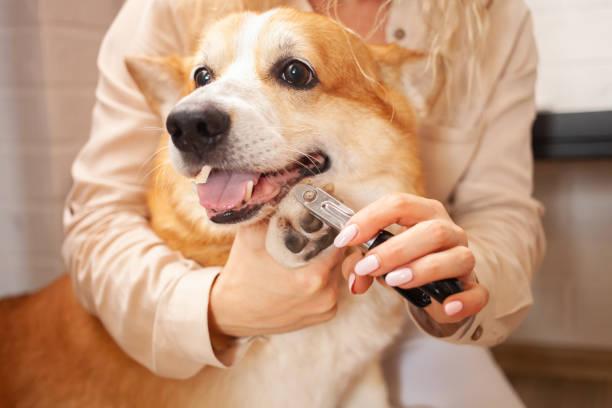
Trimming your dog’s nails is an important part of their grooming routine to ensure their comfort and health. Long nails can be uncomfortable for your dog and can even lead to health issues. Here’s a step-by-step guide on how to trim your dog’s nails:
Tips on Trimming Dog Nails
1. Gather your supplies:
Dog nail clippers (either guillotine-style or scissor-style, whichever you are comfortable with)
Styptic powder (in case you accidentally cut the quick)
Treats or rewards for your dog
A leash and collar, if needed, to keep your dog calm and in place
2. Familiarize yourself with your dog’s nails:
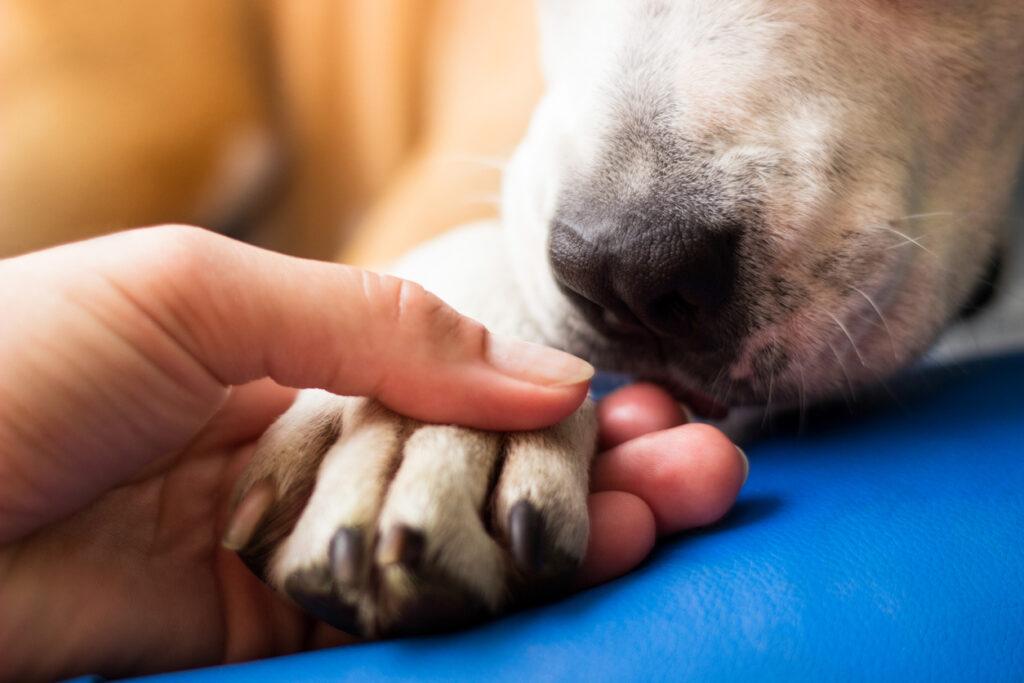
Examine your dog’s nails to locate the quick, which is a pinkish area inside the nail. Avoid cutting the quick because it contains blood vessels and nerves. If your dog has clear or light-colored nails, the quick is easily visible. In dark-colored nails, it may be more challenging to identify.
3. Prepare your dog:
Get your dog accustomed to the process by touching their paws and nails regularly. Offer treats and praise to create a positive association.
4. Choose a comfortable location:
Find a quiet, well-lit area for nail trimming. You can use a table or sit on the floor, depending on your dog’s size and comfort level.
5. Trim the nails:
Hold your dog’s paw gently but firmly and use the clippers to trim a small portion of the nail. Be very cautious and avoid cutting too close to the quick. If you’re unsure, it’s better to trim small amounts at a time.
6. Use proper technique:
If you’re using guillotine-style clippers, position them perpendicular to the nail, and make a swift, clean cut. For scissor-style clippers, make a straight cut from underneath the nail.
7. Monitor the progress:
Check the cut end of the nail to see if you’ve exposed the quick. If you see a pinkish or grayish center, stop immediately.
8. Stop bleeding (if necessary):
If you accidentally cut the quick, it can bleed. Use styptic powder to stop the bleeding. Apply it gently and keep your dog calm.
9. Continue with the other nails:
Trim all the nails, but remember to take it slow and be patient, especially if your dog is anxious.
10. Reward and praise:
After each successful nail trim, reward your dog with treats and praise to make the experience positive.
11. Maintain a regular schedule:
To prevent nails from getting too long, establish a regular trimming schedule. The frequency depends on your dog’s activity level, but once a month is a common starting point.
If you are unsure about trimming your dog’s nails or if your dog becomes overly stressed during the process, consider having a professional groomer or your veterinarian do it for you. They have the experience and tools to ensure a safe and comfortable nail trim for your pet.
If you are interested in a Posh Dog Knee Brace contact us via our contact form or visit our Facebook Page.
Articles from the Posh Dog Knee Brace team — a group effort with our licensed veterinary technicians and brace specialists, sharing 15+ years of experience helping dogs recover from CCL/ACL injuries and mobility challenges.
11 Tips: Dog Exercises and Injury Prevention
For dogs to maintain their physical and mental health, regular dog exercise is crucial. To avoid injuries, it’s important to select workouts that are suitable for your dog’s age, breed, size, and degree of fitness. The following canine workouts and injury prevention advice:
10 Dog Exercises Tip
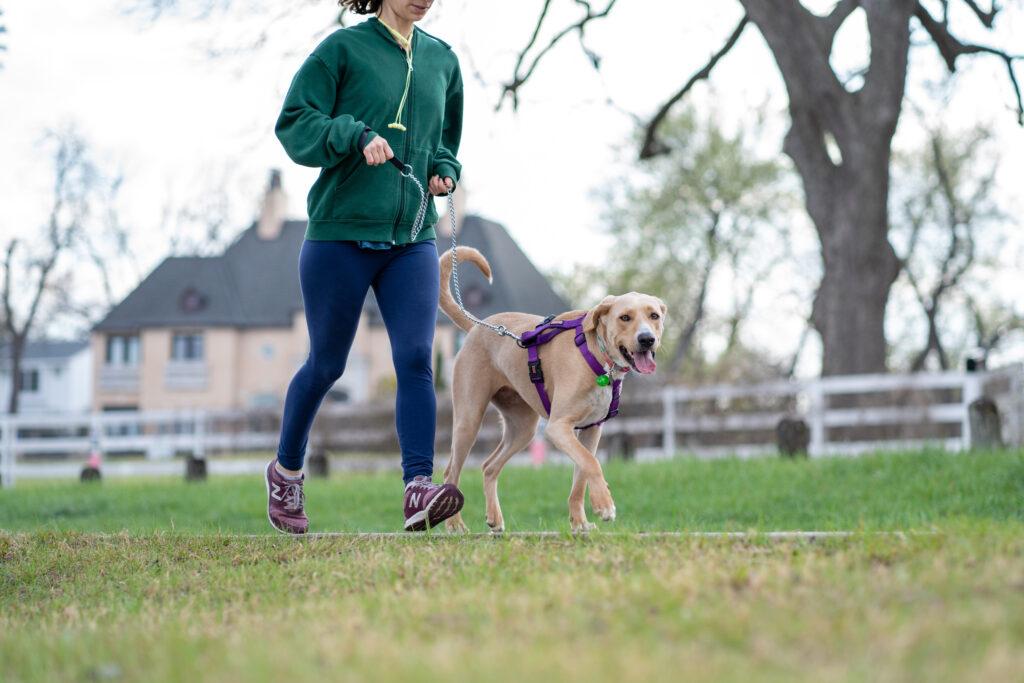
Walking: For the majority of dogs, regular walks are a basic type of exercise. As your dog gains endurance, start with short walks and progressively extend the distance. Always retain control during walks by wearing a robust leash, collar, or harness.
Swimming: is a low-impact activity that is easy on the muscles and joints. It is especially helpful for dogs that have movement problems or arthritis. Always keep an eye on your dog while they are swimming, and make sure they can get out of the water safely.
Fetch: Playing fetch can provide your dog both mental and physical activity. Use soft, non-abrasive toys and limit your physical activity, especially when it’s hot outside.Tug-of-War: Tug-of-war is an excellent dog exercise to engage your dog’s muscles, but play with caution. Teach your dog to release the toy on command to avoid potential injuries.
Agility training: Agility dog exercises can mentally and physically tax your dog. To avoid sprains or strains, start with simple barriers and progressively add new ones.
Stairs: If your dog is prone to injuries or has joint problems, you should restrict their access to stairs, especially if they are of a breed that is predisposed to hip dysplasia.
Warm-Up and Cool-Down: Walk your dog for a little period of time at a leisurely pace to warm up before beginning any strenuous training. Allowing them to cool down with a leisurely walk after exercise will help to prevent muscle stiffness. Monitor Playtime: If your dog enjoys playing with other dogs, ensure the play is supervised and remains safe. Dogs should be of similar size and play style to prevent accidental injuries.
Weight management: Keep your dog at a healthy weight to minimize obesity-related problems and lessen the strain on their joints.
Surface Sensitivity: Pay attention to the surface your dog is exercising on. A slick surface that can cause falls or strains should be avoided.
Appropriate Footwear: In cases of extreme weather, think about wearing dog boots to shield your dog’s paws from cold or scorching concrete.
Routine Veterinary Checkups: Plan regular veterinary checks to find any hidden health issues and ensure that your dog is in good enough health to exercise. Always keep an eye out for signs of weariness, lameness, or pain in your dog both during and following the dog exercise. Consult your veterinarian right away if you detect any strange behavior or injury symptoms. Your dog can have a long, healthy, and injury-free life if you give them the right kind of exercise and adhere to injury prevention guidelines.
If you are interested in more information you can contact us via our contact page or visit our Facebook page.
Articles from the Posh Dog Knee Brace team — a group effort with our licensed veterinary technicians and brace specialists, sharing 15+ years of experience helping dogs recover from CCL/ACL injuries and mobility challenges.