Lasserriffic has what you need! Use coupon code “POSHDOG” to receive $500 off the price of laser therapy.
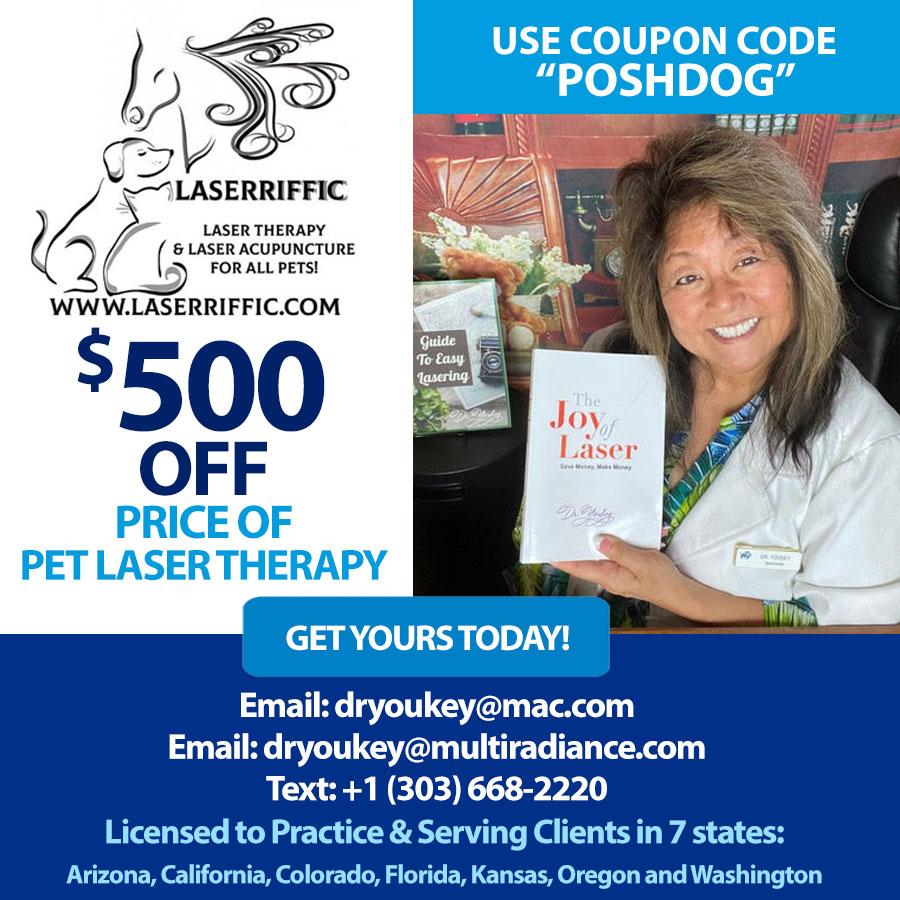
Dr Yukiko Kuwahara, (also known as Dr. Youkey) received her Doctorate in Veterinary Medicine from Colorado State University. She has a vast 45 years of experience in the pet industry including a Hospital Administrator of a busy 24 Hour Emergency & Referral hospital, President of a pet toy manufacturing firm, operating a humane animal breeding facility providing pets for the pet stores, starting a non-profit charity to help the pets of the homeless, and a radio talk show host of the “The Wild & Wacky World of Pets & Animals” on two syndicated radio stations.
She has also been an On-Set-Vet ensuring that the animals used on movie sets & commercial shoots are not harmed but treated humanely. Currently, she is a mobile laser acupuncturist helping patients in 7 states. She also sells over 33 lasers from 13 companies and distributes many other select veterinary equipment.
She continues to lecture worldwide teaching other vets how to select their lasers and to use them properly. She has authored 4 books and created an app that helps to use their laser to its optimum level. If you catch her at one of her live lectures, she will entertain you & you won’t be bored when you sit in one of her joyous lectures. She enjoys WATCHING others hike while she participates in the more relaxing world of books and movies.
If you have any questions you can contact us through or contact page or visit our Facebook Page.
Although fish oil has been shown to have many health benefits for dogs with arthritis, it can also aid your dog’s skin irritation, brain function, and other conditions.
Veterinarians frequently suggest fish oil for canine arthritis. This is due to the fact that this oil is a natural anti-inflammatory that has been shown to relieve sore joints.
When supplementation began, arthritis-ridden dogs “had a considerably increased ability to rise from a resting position and play at six weeks and enhanced ability to walk at 12 and 24 weeks, compared with control dogs.” But that’s the problem. You must allow the fish oil time to function. Clinical progress might not be seen for at least a few months.

This supplement can help with the following in addition to arthritis:
Salmon, sardines, and anchovies, which are cold water fish, are the typical sources of this oil.
Eicosapentaenoic acid (EPA) and docosahexaenoic acid are two of the omega-3 fatty acids that are abundant in fish oils (DHA). The anti-inflammatory effects of EPA and DHA provide advantages for the skin, heart, kidney, brain, and joints.
You can begin taking fish oil supplements at any age, but if your dog is still a puppy or taking medication, talk to your physician first. For an energetic, athletic dog, sooner is preferable to later.
Depending on the ailment being treated, the recommended dosage of combined EPA and DHA (omega-3 fatty acids; see sidebar) ranges from 70 to 310 milligrams per kilogram (mg/kg) of body weight, or 1 mg per 2.2 pounds of your dog’s body weight. The National Research Council (NRC) states that 370 mg/kg is the maximum safe level.
Introduce your dog to fish oil gradually to ensure that it is tolerated because some dogs can be sensitive to them, particularly if they have a history of pancreatic or gastrointestinal problems. Dogs who consume too much may get vomiting, pancreatitis, and greasy diarrhea.
Make sure to include the fat content of fish oil in your dog’s calorie budget if your dog is overweight. The veterinarian of your dog should be consulted if you are unclear of the recommended dosage for your dog.
What Benefits Does Fish Oil Provide Dogs?
The quality of supplements like fish oil is not regulated by the American Food and Drug Administration (FDA). To ensure that you are giving your dog is safe and devoid of toxins like heavy metals or polychlorinated biphenyls, please make sure you buy it from a reliable supplier (PCBs).
We advise selecting a fish oil dietary supplement that bears the National Animal Supplement Council (NASC) seal. The NASC is an independent organization that makes certain that its member businesses follow the high requirements for ingredient quality and advertising techniques.
If you would like to know more about supplements for your dogs ormore information on our Posh Dog Knee Brace, you can contact us via our form, click here, if you would like to check out our Facebook Community click here.
Give Your Dog a Big Hug from Us! Let Your Dog Recover With Our Custom Dog Knee Brace!
We’ve Helped Thousands Of Dogs, Now We Want To Help Yours… The Most Comfortable Dog Knee Brace For Dogs With A Torn CCL/ACL!
We Accept Care Credit Financing.
Our Custom Dog Knee Brace Is Much More Effective Than A Ready To Wear, Or A Soft Dog CCL Brace. The No-Casting Posh Dog Knee Brace: We Made The Cast, An “Ordeal” Of The Past.
Any number of ailments might result in a dog’s hind-legs losing strength. The following hints will help your veterinarian identify the problem’s root cause.
Regardless of the source, a dog’s weakness normally manifests itself first in the hind limbs. This seems obvious given how much work the dog’s hind-legs perform. They are in charge of pushing the body upward from a seated or lying position as well as driving the body forward when moving. You will be made aware of a weakness-related issue if you experience difficulty with these routine daily tasks.
What does a weak set of back legs on your dog look like? Hind-limb weakness is indicated by a variety of behaviors, including slow rising, sinking on the back limbs, dragging the tops of the toes, swaying of the hind end, occasionally crossing of the limbs, intolerance to physical exertion, slipping, sliding, and collapse of the hind end. The ability to stand on its hind-legs may also suddenly disappear in your dog.
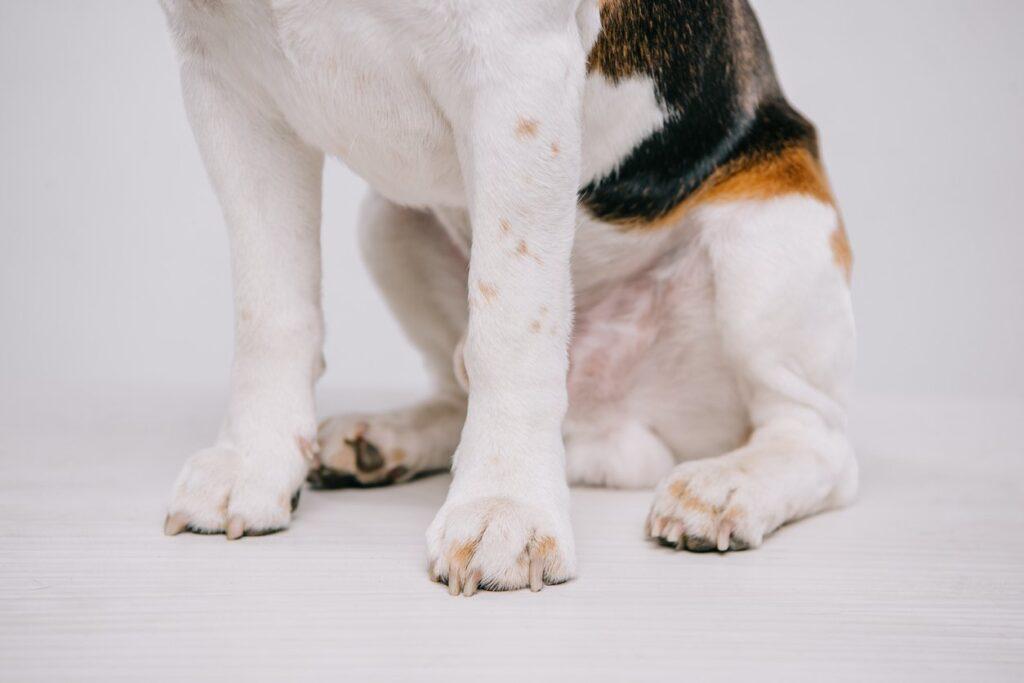
If your dog exhibits any of these symptoms, you should pay attention to a few details that can aid your vet in identifying the problem:
Some problems are more likely than others depending on your dog’s age and size. This is applied to the diagnostic procedure as well.
The four primary categories of causes of hind-leg weakness are orthopedic, neurologic, metabolic, and cardiac.
Chronic joint inflammation/pain is the primary orthopedic cause of canine hind-leg paralysis (osteoarthritis, degenerative joint disease). Although arthritis is obviously painful, it is frequently accompanied by compensatory pains, which are muscle aches and pains. The dog finds it difficult to stand up and move as a result. He might become more sedentary as a result, which would worsen the condition by causing him to lose muscle mass and fitness.
Due to the wear and tear on the joints over time, arthritis most frequently affects older dogs; overweight dogs endure an additional burden because of the increased tension those extra pounds place on the joints. Hip arthritis may appear in puppies of dogs with hip dysplasia, which results in improperly shaped hip joints. These arthritic disorders typically present with a delayed, sneaky onset of hind-leg weakening. It won’t appear to have occurred overnight.
Immune-mediated arthritis and Lyme arthritis are two acute types of arthritis that can cause a dog’s hind end to suddenly weaken. In addition to fractures and intervertebral disc disease (IVDD), overweight dogs frequently suffer from bilateral anterior cruciate ligament (ACL) tears, which are additional orthopedic reasons of hind-leg paralysis. Your veterinarian will be able to identify these diseases and recommend the proper treatment with the use of blood tests and x-rays.
IVDD: When an unhealthy disc (or discs) puts strain on the spinal cord and causes neurologic weakness, IVDD transitions from an orthopedic problem to a neurologic one. The majority of these instances are treatable medically, but surgery is necessary if paralysis develops or medical treatment is ineffective.
Spinal tumors: Similar symptoms are brought on by neurologic disorders such as spinal tumors. For a diagnosis, sophisticated imaging techniques like computed tomography (CT) or magnetic resonance imaging (MRI), as well as occasionally cerebrospinal fluid examination, are needed.
Diskospondylitis: An infection of the intervertebral disc and the ends of the surrounding vertebrae is known as diskospondylitis. It can be challenging to diagnose, produces hind-limb paralysis regularly, and is excruciatingly painful. Long-term antibiotic use is the course of treatment (six to 12 months). Your dog may need more x-rays and/or more sophisticated testing, such as CT or MRI, to make a certain diagnosis because this ailment can be challenging to diagnose in its early stages. These canines can fully recover if they are diagnosed and treated appropriately.
Lumbosacral stenosis: Cauda equina syndrome, or lumbrosacral stenosis, is a degenerative disorder that affects only the lumbosacral joint and is related to IVDD. This joint joins the last vertebra to the pelvic region. It differs from the other intervertebral joints in that the spinal cord sends all of the peripheral nerves that travel to the hind end to this joint. In addition to being extremely painful, this type of disease typically results in neurologic impairments and weak hind limbs.
Degenerative myelopathy: Weakness in the hind-legs is a symptom of degenerative myelopathy (DM), a slow but progressive deterioration of the spinal cord. Although it affects various breeds, the German Shepherd Dog serves as the disease’s mascot. Typically, older and middle-aged canines are affected. There is just supportive care available as a treatment for DM right now.
Myasthenia gravis: An autoimmune neuromuscular condition called myasthenia gravis (MG) causes muscle weakness that worsens with exertion. It may begin with weakness in the back limbs but quickly progresses to total body weakness and collapse.
Here’s a situation that is typical of Myasthenia gravis: Your dog wakes up after a nap and acts normally. As soon as you start walking, he begins to sink, slip, and stumble until he is unable to stand or walk. He can resume short-term function after a period of rest that enables the replacement of damaged neuromuscular transmitters. A blood test is required for diagnosis. Long-term therapy is required (six months or longer). Some canines will have remission and resume their regular lives. Others will require care and support throughout their lives.
Exercise-induced collapse: Labrador Retrievers and a few other breeds are susceptible to the genetic illness known as exercise-induced collapse (EIC). It usually manifests itself between the ages of 6 months and 2 years. It takes place following several minutes of intense exercise. The dog quickly starts to weaken and lose coordination in his hind limbs, eventually collapsing. For this, there is no cure. Avoiding vigorous exercise is one method of prevention. It is crucial that you get your puppy from a breeder who has tested the parents for this gene for the aforementioned reasons. Have your adoptive dog’s EIC gene checked if he exhibits these symptoms.
Idiopathic vestibular syndrome: In elderly dogs, idiopathic vestibular dysfunction is a frequent cause of weakness in the rear limbs and lack of coordination. It appears abruptly and may give you the impression that your dog is having a stroke. This disorder’s origin is uncertain. It typically comes with a head tilt and balance problems. With supportive care, the majority of dogs will recover in time.
Numerous illnesses transmitted by ticks can result in generalized neuromuscular weakness, which may first show in the rear limbs. If you notice ticks on your dog, let your vet know.
Hypoglycemia (low blood sugar), anemia (few red blood cells), and hypokalemia (low potassium) are a few examples of metabolic conditions that might weaken the hind-legs. Blood testing can quickly diagnose this. For these problems to be solved, identifying their underlying causes, which necessitates more diagnostic testing, is crucial.
Weakness can result from endocrine conditions such as insufficient thyroid hormone (hypothyroidism) and underactive adrenal glands (Addison’s disease). Blood tests are used to diagnose both conditions, and there is no cure.
Hepatic encephalopathy, a metabolic disorder that causes sporadic weakness and confusion and is most noticeable after eating, can be brought on by certain liver disorders.
All of the body’s tissues must receive sufficient blood flow and oxygen, which depends on healthy heart function. Weakness happens when heart function is compromised, regardless of the underlying cause. Again, for the reasons already mentioned, weakness in dogs typically manifests itself in the hind-legs first.
Heart illnesses that affect dogs include heartworm disease, congestive heart failure, heart muscle disease (cardiomyopathy), cardiac arrhythmias, cardiac or pericardial tumors, and fluid in the sac surrounding the heart (pericardial effusion).
Your veterinarian will discover a cardiac explanation for the hind-leg weakness you’ve noticed during your dog’s physical examination, and treatment and diagnosis will proceed from there.
As you can see, there are many different possible reasons why dogs’ hind limbs get weak. Because of this, it’s crucial to have your dog inspected if you notice this problem; never just brush it off as a “old dog” problem. Many of the underlying causes can be ruled out by your veterinarian, who can then hopefully provide a conclusive diagnosis. Even if your dog is quite old, diagnosing and treating some of these disorders can completely transform his life!
There is no cure for some chronic illnesses, such as osteoarthritis. However, there is a lot you can do to enhance and preserve your dog’s quality of life for a very, very long period. Your sensitive loving care and dedication to supportive measures are the first step.
Support for Mobility Issues Caused by Arthritis
If you are interested in more information about our Posh Dog Knee Brace you can contact us on our form or if you would like to purchase our brace you can click here, you can also join our Facebook Group page to hear how other dog parents help their dog with their pain management and therapies.
Age-related osteoarthritis affects many older dogs, as well as some larger breeds who are genetically predisposed to it. Dogs that have arthritis have changes in their affected joints, which can be excruciatingly unpleasant for your pet.
Though it can affect any joint, arthritis most frequently affects the shoulders, hips, elbows, and knees. In addition to localized damage, genetics, and disease, it can also be brought on by continual wear and tear.
If your dog exhibits any of the following 7 symptoms, schedule an appointment with your veterinarian to develop a care plan.
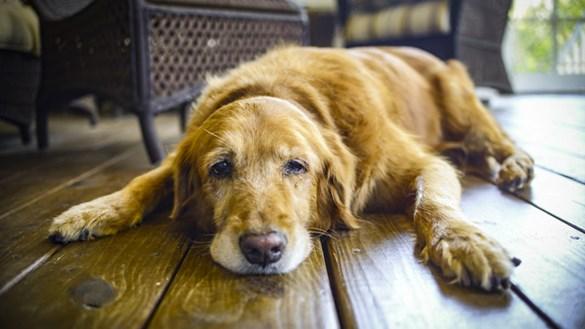
You could notice that your dog is hesitant to perform tasks that they previously completed without issue.
Maybe you’re pet used to dash into your car as soon as the doors opened, but now they seem unconcerned. You could observe that your dog has trouble ascending or descending the steps. Has your pet lost interest in playing and running around like it once did? Maybe you take walks slowly?
If your pet exhibits these changes, arthritis may be to blame. These formerly simple actions probably hurt now that your joints are inflamed.
You might notice your pet limping or favoring one or more legs over the others, depending on which joints are damaged. Your pet may even become lame in one or both rear legs if the spine is harmed.
Upon getting up or down, your dog could appear to be in discomfort or stiffness, but once they have walked a little and “warmed up,” it seems to go away.
Joint inflammation can make the affected parts feely to the touch.
If your dog appears to be rejecting your affection or howls in pain when you pet them, you may have found the source of the issue.
Has your once-adorable dog started acting more and more like an elderly man?
If moving caused you chronic discomfort, you probably would have a shorter fuse as well. That also applies to your dog. When you try to touch them, they could bite or snap, especially if you are handling them in a way that makes the discomfort worse.
Dogs with discomfort frequently don’t want to be bothered. Your pet might spend more time in the house’s quiet corners or quit pursuing you around. It’s possible that their schedule will change and they won’t be available for your usual walk or play session.
An arthritic pet will frequently focus their attention on hurting joints. They may frequently lick or chew on one or more locations, even to the point of causing hair loss and inflamed skin.
Pain wears them out!
Pets won’t want to walk as far or play as much if it is difficult for them to move around. They might spend more time relaxing or sleeping instead.
Dogs with arthritis frequently experience muscular atrophy from inactivity.
Some muscles will gradually atrophy as a result of less use. You might notice that one or more of your legs appear thinner than the others if you have arthritis in those legs.
Please schedule an appointment with your veterinarian as soon as you can if you see any of these symptoms in your pet. Even though arthritis cannot be cured, developing a treatment plan in its early stages can help your dog live a better life and make the condition more tolerable.
If you would like more information on your dog’s arthritis please contact us on our form, or you can visit our Facebook Group to see how others have helped their dogs. If you are interrested in purchasing a brace for your dog you can visit our shopping page.
Signs your dog is in pain. The idea is to be aware of your dog’s typical movement and react swiftly to any abnormalities.
Mental alarms may be triggered by your energetic dog limping or moving in an unnatural manner. A sprain, perhaps? A strained muscle perhaps a strained ligament or tendon what should you do in response to this?
You should first determine whether the aberration is a short-term or long-term symptom.
An acute injury is one that manifests abruptly, typically 24 to 48 hours after the initial trauma. Sprains, falls, accidents, and other impacts can cause acute injuries, which are characterized by sharp, immediate pain, soreness, redness, swelling, warm-to-the-touch skin, and inflammation.
In contrast, chronic injuries take longer to manifest, get better and worse, and result in persistent soreness or dull pain. Overuse, arthritis, and acute injuries that were never appropriately treated are the typical causes of chronic injuries.
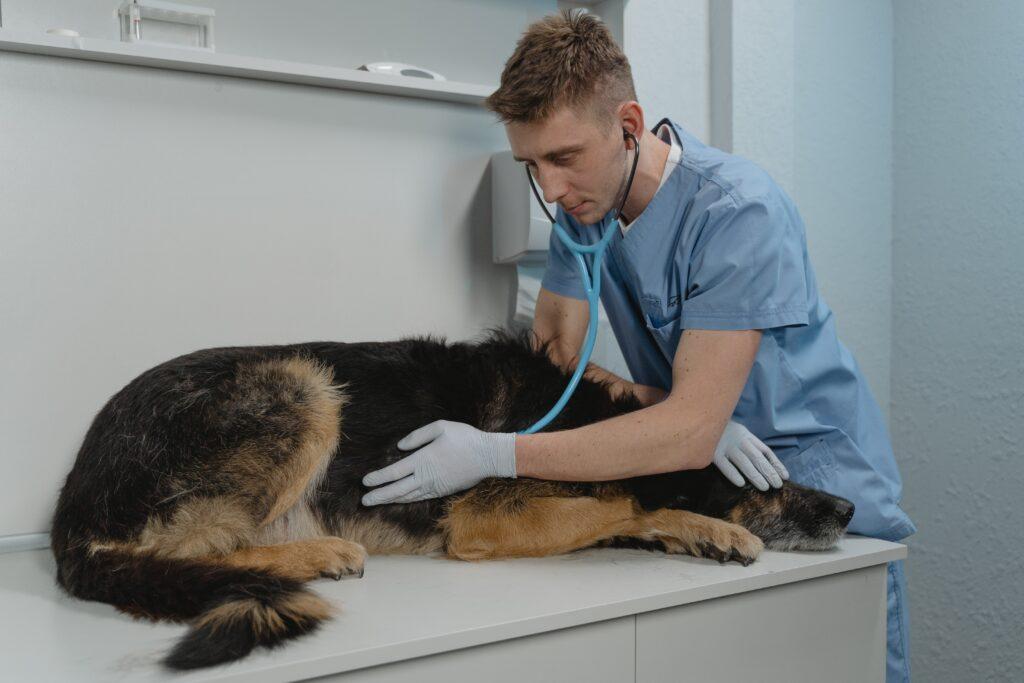
Sometimes a dog’s injury is visible because they are limping, howling in pain, or are unable to move. But paying attention to your dog’s movement and demeanor is time well spent because spotting mild indications can help prevent more serious issues. These are some examples of pain and stress signals:
The majority of canine injuries are chronic rather than acute. Chronic injuries are caused by overuse, excessive motion, and wear and tear. Every dog is susceptible to injuries, but some are more vulnerable than others, such as dogs that are overweight, weekend athletes, couch potatoes, elderly dogs, dogs with arthritis, dogs used in search and rescue, and canine athletics (such as dogs competing in fly ball, agility, freestyle, disc dog, hunting, field work, dock diving, obedience, weight pulling, dog sledding, and other active sports).
Rest is the number one suggestion for canine wounds. In particular, if the damage involves ligaments or tendons, which lack a blood supply that provides healing nutrients to the injury site, both visible injuries and subtle micro tears require time to heal. As soon as even little symptoms appear, it’s crucial to cease trekking, running, playing, or competing.
Check your dog’s nails, paw pads, and fur if he becomes abruptly lame, bleeds, or compulsively licks a paw, advises Dr. Davis. It’s common to see grass awns embedded in the skin between the toes. The pads are frequently affected by cuts, stingers, or foreign objects and a ripped nail can be painful.
If the injury is serious, take your dog right away to the vet; however, if it’s only minor or a visit to the clinic isn’t feasible, take your dog home and confine him to a quiet place. Write down any changes you observe, beginning with the day and hour you first noticed the issue and a description of what your dog was doing at the time. Your veterinarian or other therapist will be able to recognize and treat the injury with the aid of an accurate history of symptoms and treatments.
Range-of-motion exercises, such coaxing your dog with a food or toy into a turn to the right or left or raising and lowering his head, can help you record symptoms. Additionally, daily massage and tender touch reveal hints. When you pet or press your dog’s shoulder or hindquarters, does she turn away? Is there somewhere on your body that seems especially heated, hard, stiff, sensitive, or swollen? One of the quickest methods to find inflammation, muscle strains, and other discomforts is through touch.
Rest, ice, and massage are effective treatments for many minor and severe muscle, tendon, and ligament injuries. “Going outside on a leash to relieve itself counts as resting your pet; walks, treks, running, jumping, climbing stairs, or playing with other animals do not. Visit your veterinarian for a precise diagnosis if, after a few days, your pet has not improved, does not get better, or continues to display the same symptoms.
For severe injuries, cold is advised since it lessens discomfort and swelling. Dogs who are hurt instinctively look for places to stand or lie down, such as puddles, ponds, streams, and snow banks.
It is untrue for a bag of frozen peas to work as an efficient ice pack. The peas don’t remain cold for long enough to be useful. Pet supply shops have cold therapy items for animals, while businesses that sell medical supplies also sell cold packs for sports injuries. The finest cold packs have a gel inside that doesn’t harden when frozen, allowing you to shape them to a dog’s body.
Make your own cold packs by combining two cups of water, one and a half cups of isopropyl (rubbing) alcohol, and two tablespoons of salt in a self-sealing plastic bag. Double-bag the bag to ensure a tight closure.
Any open ice pack should be covered with a towel before application, removed after 10 to 15 minutes, and left off for at least two hours before reapplying because cold limits circulation and ice left on for too long might result in difficulties. Never use cold treatments right before working out, practicing, or competing.
Put two cups of uncooked rice in a sock, tie the top, and microwave for one minute to create your own warm pack. It will continue to be warm for 20 minutes. For additional relaxation, add a sprig of lavender or a drop of essential oil. The sock can be utilized repeatedly. If you don’t have a microwave, put the raw rice in a cookie sheet and preheat the oven to 150°F for 5 to 7 minutes.
Then, pour the warm rice into a sock or pouch, make sure it’s a safe temperature before applying, and check to make sure it’s still warm enough. As an alternative, soak a towel in warm water, wring it out thoroughly, and apply to the affected region. As required, reheat.
Whenever utilizing a warm pack, never leave a dog alone. To ensure the optimum temperature, always place a towel between the pack and your skin.
The fundamentals of massage are simple to master, and the majority of dogs like to be touched, stretched, and caressed. Restoring range of motion, calming the patient, and repairing injured tissue are all benefits of massage therapy. Hire a professional dog massage therapist, or study the foundations in books or on videos.
Chiropractic adjustments restore proper joint and vertebral alignment to alleviate pain, lessen muscular spasms, enhance coordination, and improve general health.
Musculoskeletal issues like arthritis, disc diseases, stiffness, and lameness can be improved or treated by acupuncture. It’s near relative, acupressure, involves pressing on acupressure points without using needles. Gent finger pressure or small, counterclockwise or clockwise-moving circles can be used to accomplish this.
Veterinarians and canine rehabilitation therapists provide a range of treatments for wounds, including hydrotherapy, shock wave therapy, therapeutic exercise, therapeutic ultrasound, therapeutic laser, PEMF therapy, cryo therapy, orthotics and braces, electrical stimulation, herbal remedies, and energy healing modalities like Reiki.
Without first visiting your veterinarian, avoid giving your dog any over-the-counter medications. Numerous human drugs “may not be taken by your pet” or “may produce undesirable reactions with your dog’s other meds.”
Even if your dog appears to be in good health and reacts well to pain medication, follow your vet’s advice to rest and only engage in light exercise while the injury heals.
Helping your dog avoid damage by taking precautions takes time and effort, but it’s time well spent.
Preventing obesity is a crucial objective. Carrying too much weight puts too much strain on the muscles, tendons, and ligaments. “Obesity is also an inflammatory condition. Degenerative joint disease and a variety of other problems throughout the body can be brought on by chronic inflammation. Reduce the amount of treats your overweight dog receives during training and forbid family members from giving her more. It takes a village to lose weight successfully in dogs.
Similar to humans, pets benefit from having a strong core to lessen stress on the spine and limbs. Regular conditioning should be a lifelong objective for your dog. Your dog need not be an athlete to train like one. There are several online athletic and conditioning communities, and your neighborhood kennel club might know of them.
Avoiding repeatedly doing the same movements is another protective measure. Tennis ball throwing may be your dog’s favorite exercise, but repetitive ball throwing can lead to injuries, so mix it up with other hobbies.
Keep toenails short because overgrown toenails alter the biomechanics of the toes, which affects the alignment and mobility of the legs and spine.
Be practical while planning your dog’s schedule. Sprains and strains are brought on by abruptly changing from couch potato to canine athlete. For ambitious games of fetch, trail runs, and other “too much fun” occasions, inactive dogs require time and progressively increasing activity. And if your dog is hurt, have patience. Keep in mind that one of your dogs strongest heals is time.
If your dog is in need of a knee brace or elbow brace due to injury you can order your brace today via our shopping page, if you have any further questions about what you should do you can contact us via our contact form, or visit our Facebook page or Group page for more information.
Dog Knee Recovery Without Surgery
By Rosemary Levesque, Licensed Spiritual Healer
Second Nature Healing®https://secondnaturehealing.com
Rosemary@secondnaturehealing.com or call directly 503-747-3307
The following article is written in gratitude to Posh Dog Knee Brace for their support during Gracie’s recovery from a torn CCL. Gracie wore the brace and healed well without surgery. In honor of Gracie who had a long healthy life, I’m offering:
The cranial cruciate ligament (CCL) in dogs is a band of connective tissue that connects the upper leg bone (thigh) to the two lower leg bones (tibia and fibula) at the knee joint – called the stifle in dogs. The CCL helps stabilize the stifle, and is highly vulnerable to tears which destabilize the joint. Damage to the knee joint is the leading cause of rear-leg lameness and the major cause of degenerative joint disease in dogs. (1)
If you can’t wait to get started with healing and recovery, please begin here.
My number ONE product source for healing and recovery is https://avinihealth.com/rosemary.
These products are designed with humans in mind, but with my years of experience working with animals, I know how critical it is to use these products, safely and easily, across the board, with all species. Call me for a consultation on how to help your dog heal faster, without surgery, using the Posh Dog Knee brace and my products.
There are many situations that could result in a CCL tear:
Contributing factors like obesity, genetics, and general health may also have a role in causing a torn CCL. Since animals are excellent at hiding their injuries and illnesses, you’ll want to be especially observant if you suspect a tear. In addition to limping or lameness, watch for muscle atrophy in the thigh or imbalance in the spine.
When Gracie jumped into the car as usual one beautiful spring day after a pleasant walk in the park, she yelped in pain. Yet after her initial jolt, she seemed fine. She ate and walked normally for several weeks until we had our next vet visit, a yearly wellness check-up. Suddenly she picked up her hind leg, revealing her lameness. It surprised me that she’d wait until we were in his office to say something about her problem. She hadn’t shown me any sign of lameness since the incident a few weeks prior.
A veterinary examination for stifle injury usually includes manipulation of the joint and is called a “drawer test”. Physical manipulation of the joint forces the ligaments to stretch and tear more. Unfortunately, it was an issue and Gracie became obviously lame after that. That’s why I add this test to the list of causes. Even if a small tear already exists, it can worsen after such manipulation. If you suspect a torn CCL, do NOT allow your vet to perform the drawer test.
Our vet suggested that we see a specialist for CCL surgery. He also offered cold laser treatments at his clinic to help speed healing and recovery. I felt hopeful about Gracie’s healing and recovery with the healing methods I already know and use. So, in addition to frequent cold laser treatments, my plan included Reiki, essential oils, and acupuncture. I opted to not have invasive, expensive surgery.
The most common response to a torn CCL is to perform a surgery called Tibial Plateau Leveling Osteotomy (TPLO). In this surgery, the tibia, a lower leg bone, is cut (leveled) and rotated to change the direction of movement. A plate is added to secure the new location of the joint. Following weeks of immobility and pain management with medications the problem may be resolved. The cost of surgery and x-rays may range from $2500 to upwards of $6000.
However, cost isn’t the only issue to consider. Weeks of restrained immobility are not only depressing for your active animal, but difficult to control and have other effects such as weight gain, muscle atrophy, and risk of infection as well as the risks associated with the surgery itself. Pain medications can often have harmful side-effects. More importantly, studies now show a definite link between TPLO surgery and osteosarcoma (bone cancer) at the site of surgery.
“. . . dogs with a history of TPLO were 40 times as likely to develop proximal tibial osteosarcoma as were dogs with no history of TPLO. In addition, each 1-kg (2.2-lb) increase in body weight was associated with an 11% increase in the odds of proximal tibial osteosarcoma.” (2)
What’s really best for your dog? Is there another way?
Gracie did well with the holistic methods I used to support her healing. Most importantly, we were still able to walk her short distances while she gradually improved. We purchased a set of stairs for the car so she wouldn’t jump into the car anymore to risk further injury. We added specific supplements to support joint healing and repair.
All of it worked pretty well until one cold winter day when Gracie slipped on the ice. She reinjured her CCL and was in obvious pain. Back to the start once again, I panicked and scheduled an appointment with a surgeon for that week. Fortunately, my intuition told me to keep looking. That’s when I found the REAL ANSWER that saved Gracie’s knee and allowed her to heal – finally – without surgery.
I began searching for a knee brace for Gracie and discovered that they fall into several categories:
Of course, the custom fit seemed like the better way to go, and quality, durability, and customer service and support were also important. That’s when I finally found Posh Dog Knee Brace. (3) They provide a way to make a custom fit brace with highly durable materials that are waterproof (and beach-proof) and long-lasting with a superior guarantee. Their fast service provided us with a custom-fit brace for Gracie in just days.
Immediately on the first try-on, Gracie was able to take her first steps. We started using the brace for short walks until she regained her strength and balance. That’s when I noticed how much she had been compensating for her injury. She was finally able to walk straight without limping, and without any curve or adjustment in her spine. The thigh muscles which had atrophied began to get strong once again. We continued with natural healing techniques and tools which were much more effective now that Gracie had the support of her brace to stabilize the stifle.
There may be little difference in perceived success when comparing TPLO surgery to using an ordinary or inferior knee brace (one that doesn’t fit properly or doesn’t fully support the stifle joint). I believe the real differences come in the form of ease and comfort while healing as well as from the quality of the brace. Many of the sites I investigated, including articles from the American Veterinary Association, Veterinary Medicine websites, and holistic journals gave a more comprehensive picture. Surgeons at the School of Veterinary Medicine at the University of Pennsylvania don’t use TPLO surgery.
Dr. Amy Kapatkin, a board-certified orthopedic surgeon says, “Why break a bone to fix a ligament” (4)
It’s critical to support healing from every angle while the stifle joint is stabilized.
[1] https://www.petmd.com/dog/conditions/musculoskeletal/c_dg_cranial_cruciate_ligament
[2] Association of tibial plateau leveling osteotomy with proximal tibial osteosarcoma in dogs
Journal of the American Veterinary Medical Association
September 15, 2018, Vol. 253, No. 6, Pages 752-756
Laura E. SelmicBVetMed, MPH; Stewart D. Ryan BVSc, MS; Audrey Ruple DVM, PhD; William E. Pass DVM; Stephen J. Withrow DVM
Flint Animal Cancer Center, Department of Clinical Sciences, College of Veterinary Medicine and Biomedical Sciences, Colorado State University, Fort Collins, CO 80523. (Selmic, Ryan, Pass, Withrow); Department of Comparative Pathobiology, College of Veterinary Medicine, Purdue University, West Lafayette, IN 47907. (Ruple)
[3] https://www.secondnaturehealing.com/docs/Posh%20Flyer%20Gracie%20-%20SecondNatureHealing.pdf
[4] https://www.whole-dog-journal.com/issues/13_2/features/Dog-Surgery-Alternatives_16198-1.html
The majority of dog owners are aware that socializing a dog is best done when the dog is still a puppy. Between the ages of three and twelve weeks, a dog is most sensitive and receptive, thus the earlier you can socialize your dog, the better. After twelve weeks, a puppy may be quite resistant to anything new or unfamiliar.
Unfortunately, socializing a dog well during this window isn’t always possible. Perhaps as a young puppy, your dog suffered from a serious illness, and your veterinarian advised keeping them inside and away from other dogs. Or maybe you found them later in life and they simply never had a good chance to meet people.
Whatever the reason, your dog doesn’t have to live a life without companions or the opportunity to freely play with others because they weren’t socialized as a puppy. Here is some advice on how to socialize your dog:
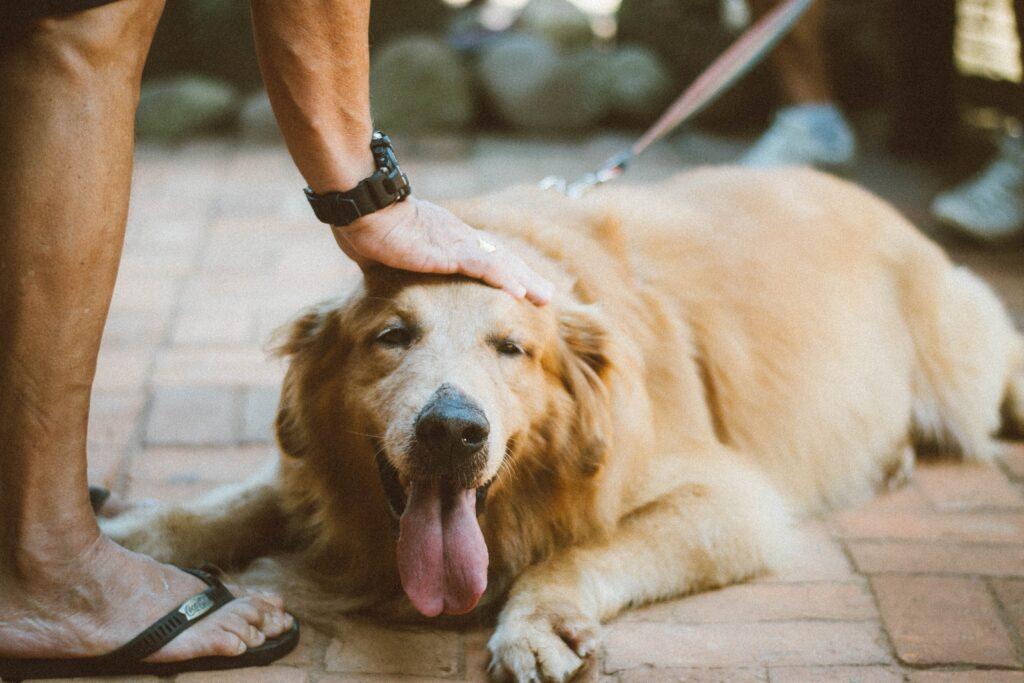
Dog walks are fantastic ways for your dog to observe and maybe interact with other dogs and humans while also practicing polite conduct in public.
Why? Well, for one thing, because going for a stroll will always put you in more social circumstances than staying at home. However, walks are also great for socializing dogs because they will be calmer and more obedient because they will have less pent-up energy as a result of the exercise.
Remember not to yell at your dog or pull back on the leash if they bark or otherwise act out because this will just make them more excited, make the experience unpleasant, and teach them to associate that enthusiasm with other dogs.
Instead, keep your energy calm and assertive while distracting them with a reprimand, such as a sound you’ve trained them to respond to, a fast tug of the leash in a sideways direction, or a touch. You can always peacefully leave if all else fails.
If you are aware that your dog barks or growls at other dogs, wearing a muzzle can make things easier.
Of course, this eliminates the possibility of biting or attacking, but it may also reduce tension between the dogs, allowing for a more enjoyable meeting encounter.
Don’t rush things, but if you can get your dog involved in one new activity per week, it will help them socialize and stay calm and well-behaved. This can be accomplished by using a leash and muzzle, as well as by initially training your dog to be an observer.
For instance, you may gradually introduce your unsocialized dog to dog parks by strolling them around the perimeter of the fence and letting them observe the dogs having fun instead of just bringing them in and hoping for the best.
Socialize your dog doesn’t have to be something that you struggle through on your own, you can always reach out to a dog trainer for additional help.
Let Your Dog Recover With Our Custom Dog Knee Brace!
We’ve Helped Thousands Of Dogs, Now We Want To Help Yours…
The Posh Dog Knee Brace is a 100% custom Dog knee brace, hand made only for your Dog. We make our custom brace with no casting. Our state-of-the-art brace for Dogs is very durable, waterproof, sand proof, and easily adjustable by customers. Our Veterinary Technicians provide personal live video supervision of measuring, and fitting of your Dog ACL brace in the comfort of your own home.
If you are interested in our product you can check out our shopping page, if you would like to join our Facebook click here.
Today we will be talking about dog acupuncture. The treatment is effective, especially for canines with arthritis or neurological issues, whether the veterinary acupuncturist uses Traditional Chinese Medicine or Western medical acupuncture.
Dogs with osteoarthritis and some neurologic and musculoskeletal problems may get relief from pain through acupuncture, which also enhances their comfort and quality of life. It works best when combined with other techniques and modalities, such as analgesics (painkillers), laser treatment, massage, and physical therapy, as a complimentary therapy.
Around 100 BC, acupuncture emerged as a crucial tool utilized by practitioners of Traditional Chinese Medicine (TCM). The original TCM principles are still followed in its usage for human and veterinary medicine, as well as by others who find it useful for reasons other than those covered by TCM.
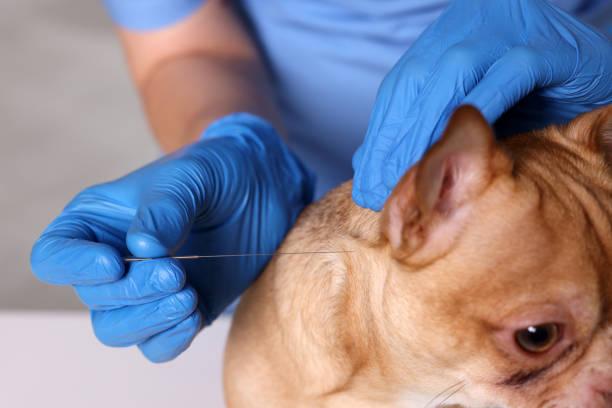
Traditional acupuncture is regarded as an alternative medical treatment since the rationales behind its application do not align with contemporary evidence-based medicine.
According to TCM, the life force energy known as Chi (occasionally spelt “qi,” but always pronounced “Chee”) permeates all of nature, including people and animals. A network of meridians or passageways is thought to be the body’s primary means of transport for chi. Meridians are invisible passageways through which the essential life force travels; they are not visible bodily features like blood vessels or neurons. Similar to people, dogs have named and mapped meridians, and each one has an effect on specific bodily systems and physiological processes.
Yang and Yin are the two polar opposites of Chi. A body that is balanced in both Yin and Yang is one that is healthy and harmonious. Consider the polarities on a battery’s ends. The positive terminal is on one end of the battery, and the negative terminal is on the other. Electricity travels from the positive terminal of a battery to the negative terminal when it is inserted into a device, such as the remote control for your television. Similar to the Yin and Yang in a healthy dog or human, the flow of electricity is steady and balanced.
According to TCM, a Yin/Yang imbalance is what causes disease and agony. A certain meridian may experience congestion, blockage, or stagnation in the flow of Chi. This could result in that meridian having more Yin and less Yang.
In order to stimulate specific spots (referred to as acupoints) along the blocked meridians and restore the equilibrium between Yin and Yang, acupuncture involves inserting very small needles into the skin. Acupuncturists study and memorize each acupoint’s name and function on the body’s 12 meridians in order to treat particular diseases and injuries as well as to promote health and ward off disease.
Dry needling, a technique used in traditional acupuncture, involves inserting very small needles into acupoints connected to certain medical disorders and leaving them there for 10 to 30 minutes. Dog Acupuncture in other forms includes:
When you take your dog to a veterinarian that uses traditional Western medicine, the doctor will inquire about your dog’s appetite, drinking habits, and level of energy. She’ll want to know what you feed your dog and whether or not her bowel movements are consistent with typical behavior. These inquiries will typically be made by the vet as she examines your dog physically, palpating her abdomen, feeling her heart and lungs, and peering into her eyes, ears, and mouth.
Some of the same questions will be asked by veterinary acupuncturists, but they may also add some that may sound strange to you. For instance, they might ask if your dog enjoys a soft or a hard bed to sleep in, and whether she loves to do so in warm or cool environments. Additionally, when they conduct a physical examination of your dog, they will perform procedures that traditional medical professionals do not, like feeling (rather than just counting) your dog’s pulse in several locations, particularly the femoral artery (inside each of the dog’s hind legs, close to the groin), and examining your dog’s tongue.
Veterinarian acupuncturists determine where your dog’s Chi is obstructed or stuck and which acupoints they need to stimulate to restore the healthy flow of Chi using the additional information about your dog’s health collected by these alternative diagnostics.
The acupuncturist typically places needles in six to thirty different places on your dog. As the treatment begins to take effect, dogs almost invariably become extremely calm, and many dogs fall asleep for the about 20 minutes that the needles are left in place.
Acupuncturists typically advise having the canine patient return for at least six or eight sessions of acupuncture, scheduled at least once or twice a week for a few weeks, and subsequently at longer intervals, even though favorable effects may be noticed as soon as the same or next day.
Studies on the effectiveness of the method have often produced conflicting results, and Western scientists have not discovered any evidence to support the presence of acupuncture points or energy meridians in the body. Nevertheless, there is sufficient anecdotal evidence to support its capacity to achieve better results in treated humans and animals that many practitioners use the modality without necessarily believing in the TCM beliefs that underlie the technique.
The phrase “Western Medical Acupuncture,” which is becoming more and more common nowadays, refers to the use of acupuncture in addition to traditional medical diagnoses and treatments.
Modern researchers have looked for alternate explanations for acupuncture’s success, arguing that acupoints and meridians may exist along important facets of the neuromuscular system even though they are not yet detectable with diagnostic methods in use today. Acupoints have been discovered to connect with muscle/tendon junctions, superficial nerve plexuses, and points where nerves enter muscles. Additionally, the meridians on TCM maps, or the channels through which Chi flows, frequently follow the same routes as peripheral nerves.
But there is enough proof that when acupoints are stimulated, the body reacts in measurable ways. Endorphins and endogenous opioids are released, which may have analgesic (pain-relieving) effects. Anti-inflammatory mediators (known as cytokines) are transported to the region as a result of increased blood flow to the area surrounding the acupoints. This lessens inflammation and aids in the healing process.
Dog Acupuncture can be a useful addition to traditional therapy for some medical disorders, according to recent studies. A dog’s comfort and movement may be enhanced more than with only analgesics and physical therapy alone when musculoskeletal and osteoarthritis pain is treated with acupuncture, physical therapy, and analgesics. Additionally, electroacupuncture may help dogs whose mobility has been reduced or decreased as a result of intervertebral disc condition (IVDD).
Find a veterinarian who is certified in veterinary acupuncture if you’re interested in using acupuncture in your dog’s therapy program for osteoarthritis, musculoskeletal discomfort, or IVDD. Veterinarians who hold this specialty certification have undergone extensive training in veterinary acupuncture and its integration with Western medicine.
If you need more information about dog acupuncture you can contact through our contact page or visit us on Facebook.
You must socialize your dog with people if you want him to be hospitable to both friends and family. Here are some pointers for socializing your dog with others.
Congratulations! You’ve just added a new dog or puppy to your home, and both he and you are adjusting to life together rapidly. It’s possible that you didn’t consider how much or even how to socialize your new dog or puppy when you were adopting them. You must introduce your dog to new people if you want him to be hospitable to both friends and relatives.
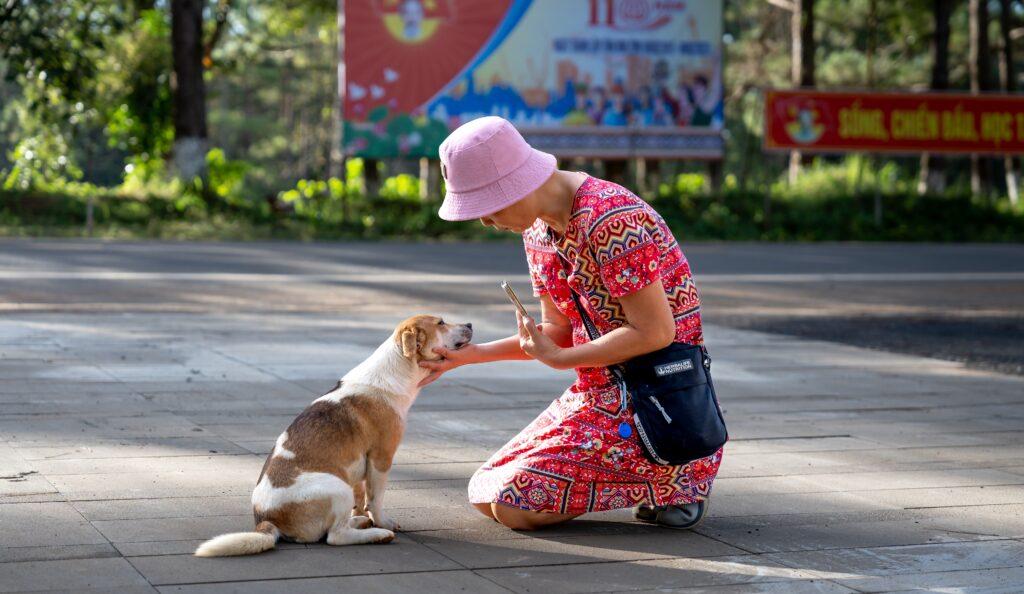
A major deal—for everyone—is introducing your significant other to the family. It’s quite different when you socialize your dog to your significant other. Regardless of how hostile your family may be against a new spouse, at least they won’t bite, right?
It’s been “the two of you” when you share your life with your dog prior to welcoming a new person. Your dog will be used to being the “top dog,” so when you bring home a significant other, he can feel displaced and not be happy about it.
You can do the following things to make the introductions go more smoothly:
There’s a good possibility you won’t have time to set up these “neutral ground” conversations if you’re throwing a party or hosting houseguests. Your visitors should be aware that they are entering your dog’s domain and that it can take the dog some time to get used to them. These folks are strangers to your dog, so you should introduce them to him the same way you would any stranger. These first socialize interaction must be watched over and conducted as calmly as possible.
You can introduce your dog to home guests in the following ways:
You must maintain command of the circumstance. Keep your dog on a leash if you know he will become aggressive against outsiders who invade his domain or if you are unsure of his reaction. Allow visitors to enter, and once they are inside, let your dog start the introduction.
Allow your dog to greet your guests while keeping him on a short leash. Allow your guests to give him a tiny present if you are confident that he will accept it well. This serves to further solidify the association between stranger and treatment. Give your dog a treat when he behaves well and is calm.
Use the commands “sit,” “down,” or “stay” if your dog has been taught them when guests arrive at your home.
You should greet visitors first so that your dog can observe your interactions. Your dog will detect the pleasant interaction, will notice that you’re relaxed, and that might encourage him to relax, whether you shake their hands or embrace them.
Inform your visitors if your dog jumps. Inform your visitors that if your dog jumps on them, they should turn their backs to the dog and place their arms across their chests. Ask them to refrain from addressing your dog by name or even from saying “down.” The fact that they are turning away will deter the dog from jumping because he is not being petted and is being ignored.
You could choose to let your dog off his leash once the visitors have entered your home and he seems at ease with them being there. Keep an eye on his level of tension and provide your visitors with advice on how to speak with him.
Extreme caution must be used whenever children are present, whether you are bringing a new baby home, hosting visitors with children, or running into kids on the street.
Children squeal, run around, and sometimes yank the dog’s fur or unintentionally step on its paws or tail. A youngster running around may in some cases and with some breeds trigger the dog’s predatory instinct, which can have catastrophic results. Avoid interacting with dogs you don’t know too much. If you have children and are adopting a dog for your family, do your research to make sure the dog is “kid friendly.”
Here are some pointers to socialize your dog to kids in a secure way:
You, the pet parent, must pay attention to your dog and his body language if you want to foster positive connections between your dog or puppy and visitors to your home, people you meet on the street, or if you’re bringing home a new, little human. When he feels at ease, move cautiously. When your dog shows signs of anxiety, you should go more slowly or remove him from the environment and try again later.
Dogs strive to win over their owners. They might take some time to warm up to a stranger, but with time and encouragement, your dog and the people in your life will develop a close friendship that will last a lifetime.
If you are interested in any of our products please check out our store page and if you would like to join our Facebook page click here.
When dogs wag their tails and strike objects with them repeatedly, they commonly suffer from this dog tail injury.
Nobody is thrilled if your dog develops what is known as “happy tail syndrome,” though. Dog tail injuries are common, especially in cheerful dogs, but they are challenging to treat.
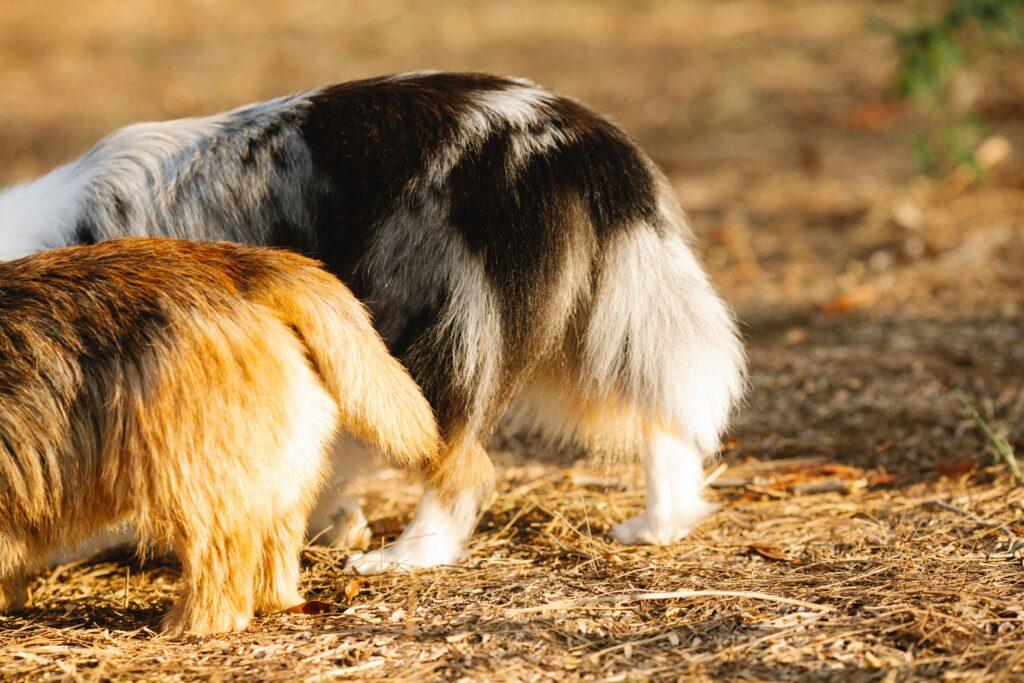
Dogs with long, slender tails that wag vigorously and traumatize the tip of their tail when it strikes a hard surface are said to have “happy tail syndrome.” Every time they bang the tail, they cause more harm to the skin there. It also bleeds. A lot. While the dog is at rest, it might create a clot or scab, but as soon as the dog is up and wagging—or strikes something—the scab falls off, the wound cracks open, and the bleeding resumes. It’s extremely frustrating.
Now what? Finding a means to shield the tail tip from the recurrent damage is a key component of happy tail syndrome treatment. You might be able to encourage it to heal if you can.
The key is creativity. These wild happy tails are difficult to maintain bandaged, and dogs aren’t always ready to do so. People have experimented with a wide variety of items, including pool noodles, toilet paper rolls, chopped water bottles, foam pipe insulating tubes, and syringe casings from your veterinarian. There are commercial kits that use cushioning devices that fit into a bandage on the tail to protect the dog’s tail.
Here are a few pointers: Try to keep it as light as you can. The likelihood that the bandage may go winging off with the wagging increases with its weight. I apply white first-aid tape that extends several inches down the tail before being incorporated into the bandage covering the wound. The goal is to increase the bandage’s “grab” so that it will adhere better. Make sure it’s not too tight! Keep the protective tube’s end open to allow air to flow to the tail tip.
Sadly, even if you are successful in helping your dog’s tail recover, it will probably reoccur again. You could try padding the walls, corners, and other surfaces where he constantly bumping his tail, but that’s difficult to accomplish and not very appealing when visitors are over. Only where there is room can you try to interact with your dog, but that is also impractical.
In Conclusion! Talk to your veterinarian about having the tail amputated if you can’t get it to mend or if you’re sick of returning home to a bloody scene straight out of a horror movie. If you go short enough, the surgery will take care of the traumatized tip and ensure that it never happens again. These dogs occasionally develop adorable tiny bob tails. You won’t get any blood splatter, and they are still free to wag as fiercely as they want.
Let Your Dog Recover With Our Custom Dog Knee Brace!
We’ve Helped Thousands Of Dogs, Now We Want To Help Yours…
The Posh Dog Knee Brace is a 100% custom Dog knee brace, hand made only for your Dog. We make our custom brace with no casting. Our state-of-the-art brace for Dogs is very durable, waterproof, sand proof, and easily adjustable by customers. Our Veterinary Technicians provide personal live video supervision of measuring, and fitting of your Dog ACL brace in the comfort of your own home.
If your dog is in need of a Posh Dog Knee Brace you can order from our Shop page if you would like to join our Facebook Group please click here. Thank you for reading this article for more information you can contact us anytime.
One of the first things you’ll do to help your dog adjust to his new home is potty training, and there are several different approaches you can take. To ensure success for both you and your dog, try these seven tips.
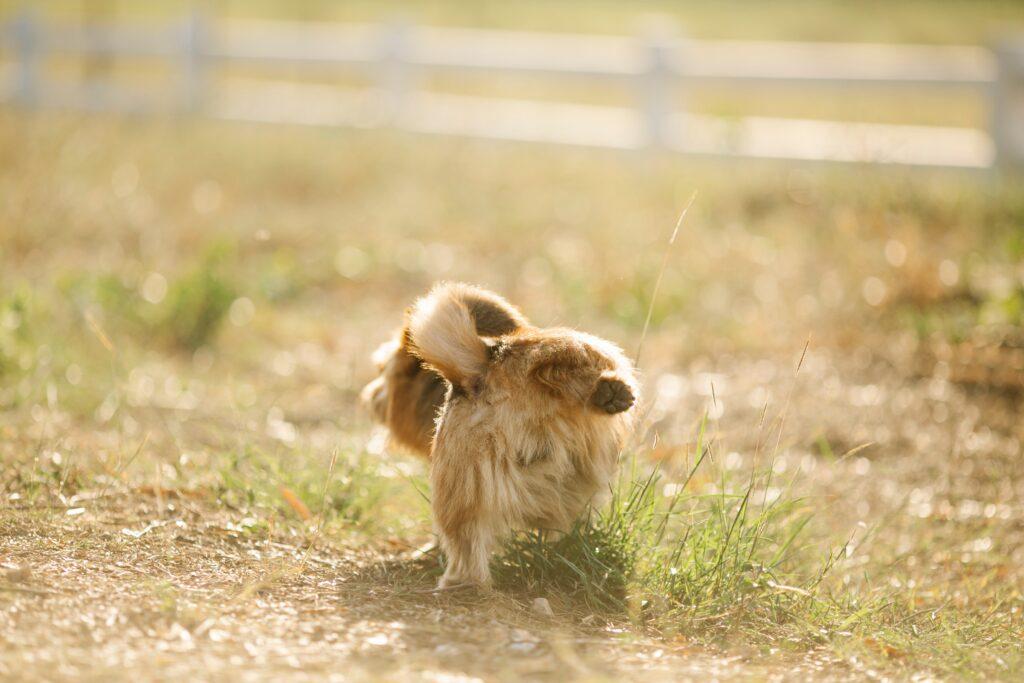
Decide where you want your new friend to “go” outside the house before you start potty training. Do you have a yard? Point them in the direction of a place that is easy to reach from the door. Dogs living in apartments should also be able to recognize open, accessible natural terrain that isn’t blocked by people or vehicles.
Once you’ve chosen the location you’ll take your dog during this potty training phase, be sure to take them there each time they need to go outdoors. Consistency is key while teaching a puppy to use the bathroom since dogs can scent their territory.
Although your new puppy may not be able to communicate with you in your native tongue, they will nonetheless make an effort to let you know when they need to go potty. Fortunately, there are several indicators you can watch for. As soon as you see them, take your dog outdoors to their designated potty training area:
When your dog exhibits the final symptom on the list, it might already be too late. So that they are aware that their customary space is up for grabs before they go in the wrong location, be prepared to open the door nonetheless.
Plan beforehand so you can swiftly take your dog outside if you see any of these symptoms. Keep a leash directly by the door so you can quickly lead the pet outside. Keep in mind to direct your dog to the same location each time they need to urinate. Once they are aware of the location of their designated bathroom, they will go there on their own.
Maintain a routine for all meal and snack times while potty training a dog. This is beneficial in two ways: The first benefit of planned meals is that they will teach your dog when to expect meals throughout the day. Second, if you feed your dog at regular intervals, you may follow up and take them to their designated potty training area in the knowledge that they’ll be prepared to relieve themselves shortly after they finish eating.
It’s likely that your dog will urinate frequently if they consume a lot of water. During the potty training stage, take your puppy outside soon after drinking so that they are in the appropriate location at the appropriate time.
Take your dog outside as soon as you wake up, after each feeding, and whenever you notice signs that they might need to relieve themselves. A lot of dogs have a bowel movement 30 minutes after eating. Until you have a better understanding of how frequently your dog does potty, take them outside every hour to prevent accidents. Based on their age, the following are some rough guidelines for how long puppies can “hold it”:
While small breeds with smaller bladders may require more frequent bathroom breaks, big breeds have a stronger ability to wait. Most dogs can wait seven hours or more by the time they are seven months old. They ought to know how to alert you when they need to go outside by that age. Always take your dog out before you go to bed to prevent 3 a.m. wake-up calls or morning surprises.
Everyone enjoys being told when they are doing a good job, and your dog will benefit greatly from this encouragement. It doesn’t matter if you give them treats or just pat them while saying “excellent work.” Just make sure they understand how much you value their attempts to conduct themselves properly. To teach the command “go to the bathroom,” think about identifying the deed. For instance, you might tell your dog to “take a break” before engaging in play.
Puppies prefer not to go potty close to where they eat or sleep. By crate training your dog, you can use it to reinforce housetraining. A puppy can easily relieve themselves in one part of a bathroom or laundry room while sleeping and playing in the remaining areas. If you need to use the phone or check your email while keeping an eye on your young dog, keep them in their kennel.
They will let you know if they need to use the restroom because they won’t want to mess up this place. Put them back in the kennel when you reach home if they play unproductively while outside. A crucial lesson that every puppy should learn is that if they mess up the kennel, they will have to temporarily live with it.
Accidents happen frequently during house training. When your dog needs to go outdoors to the designated pee place, quietly direct them there immediately away. Punishing a puppy could exacerbate the problem and lead to more accidents at home.
Clear the space right away. Ammonia should be avoided since it smells a lot like pee. While disinfecting, bleach cannot get rid of odors. Your dog will probably go potty there again if they smell feces in your house. Use an enzymatic cleanser or odor neutralizer made especially for pet excrement to clean the stained area. While it dries, keep your dog away from the area.
When encountering new people or animals, puppies may squat out of excitement or respect. Before meet-and-greets, give them bathroom breaks to prevent a mess. Take frequent bathroom breaks while traveling as well. If you want to board your dog while you are away, make sure to provide the facility detailed instructions to ensure consistency. Restart house training if you move to a new residence. Limit them to one area of the house, show them where the new toilet is, and give them praise when they behave well.
Many dogs don’t like going outside in the rain or don’t like going potty in the snow. A puppy may be terrified of the cold and rain for the first time, but even older dogs prefer to potty in comfort. To provide some weather protection, keep an umbrella close at hand.
Create a trail to your dog’s chosen bathroom location so they can go without exposing their tails to the bitterly cold ground. Increase their reward for using the restroom in poor weather by giving them twice as many treats. This will lessen the likelihood of unpleasant surprises beneath the piano bench. Even the best-trained dogs are more likely to have accidents in the house if they are overly anxious, stressed out, or afraid. Consult your veterinarian to rule out any health issues whenever your house-trained dog has a number of accidents.
Not all dogs pick things up at the same rate. By eight or ten weeks old, some puppies are experts at house training. Other puppies, such those of toy breeds, may take longer to grasp your expectations and may not show consistency until they are a few months old. In most circumstances, all dogs can learn to relieve themselves in a permitted area with your patience, encouragement, and persistence.
If you are interested in our Posh Dog Knee Brace you can purchase one through our Store or if you have any questions you can reach us on our contact page. If you would like to learn more about us you can also check out our Facebook Page and community.
After they poop, dogs will occasionally use their hind feet to scratch or kick the ground. Give them freedom to; we don’t know why they do it, but it seems they like it.
It’s a routine ritual. A dog urinates or defecates, then scuffs dirt, grass, or gravel into the air in what appears to be an accomplishment or at the very least, a mark of celebration. What motivates canines to behave in this way?
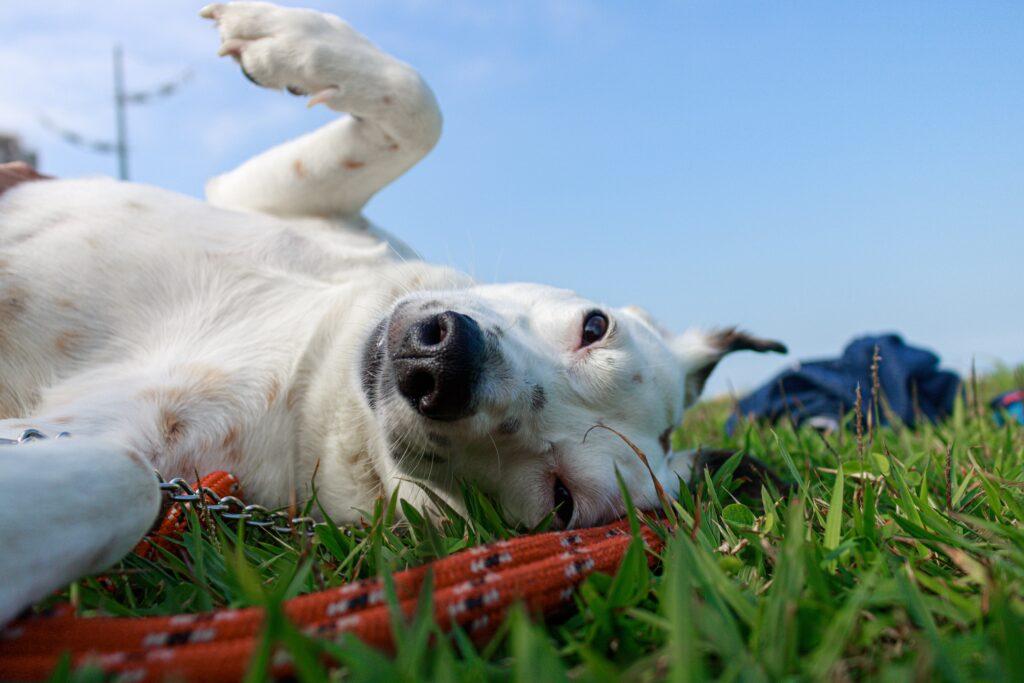
According to certain research, males engage in this behavior substantially more frequently than females when other dogs are present.
Dogs may do this for a variety of reasons, depending on the people present and what they are attempting to convey through visual, olfactory, and aural cues. He claims that dogs who exhibit this behavior appreciate it and that it appears to have significance for them.
If your dog’s grass kicking harms your yard or causes other issues, find entertaining diversionary strategies and encourage other habits until this one is under control. If not, wait until your dog has finished speaking before moving on with your walk. This will allow them to finish their message.
The Posh Dog Knee Brace is a 100% custom Dog knee brace, hand made only for your Dog. We make our custom brace with no casting. Our state-of-the-art brace for Dogs is very durable, waterproof, sand proof, and easily adjustable by customers.
If you are interested in a Posh Dog Knee Brace you can contact us on our contact page or you can order from our store. If you would like to check out our community page on Facebook click here.
Here is the best advice and tips on how to bathe a dog, from selecting the right shampoo to washing a dog’s head.
A little shampoo, some water…. How challenging can bathing a dog be? Occasionally, harder than you’d expect. Regular dog baths are an essential element of pet care, regardless of whether your dog enjoys them or flees when you say “B-A-T-H.”
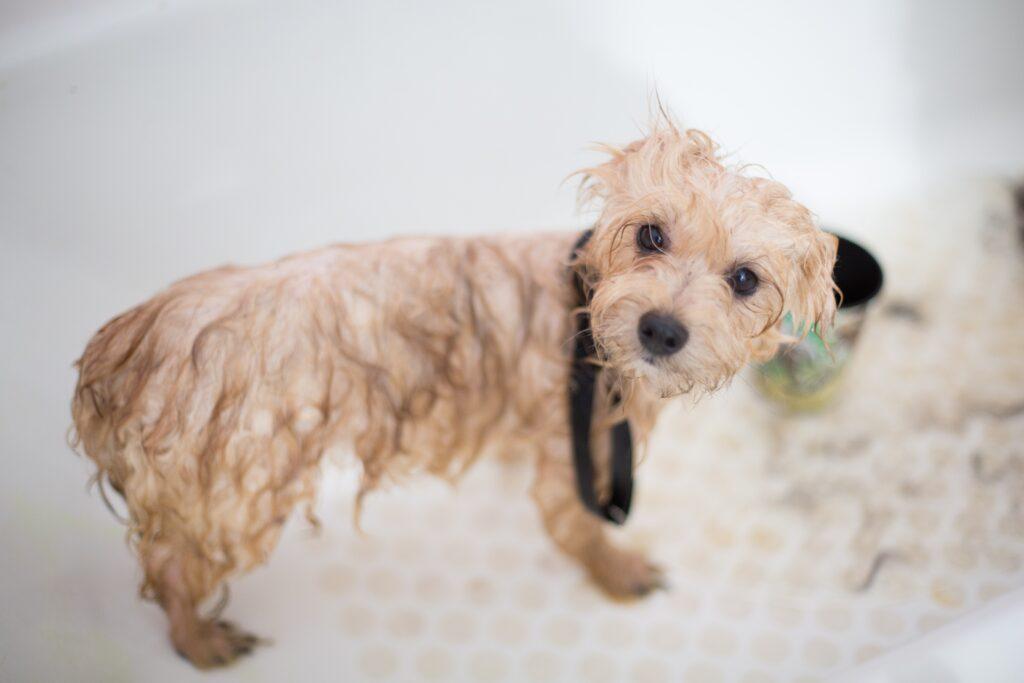
You usually don’t need to bathe your dog more frequently than once a month, unless your pet had spent the afternoon playing about in mud puddles. Breed-specific factors come into play here; for example, longer-coated dogs may need more regular bathing or even visits to a groomer. Consult a groomer or your veterinarian if you’re unsure how frequently to soap up your dog. (IMPORTANT TIP) Giving a bath once a month is crucial, though.
Dogs develop a completely new layer of skin cells every 30 days or so. “The aged cells therefore slough off. Dander and other similar products are produced in this way. Therefore, regular grooming or bathing helps to reduce that dander.
Your initial choice will probably be where you will bathe your dog. Your decision will probably be influenced by the size of your dog. A little dog might fit in the kitchen sink for a bath, but a large dog will need more room. Some pet owners like dog-specific bathtubs, whether they are standalone units, built-in units, or located in a DIY dog bath facility. Fur and filth can be prevented from blocking your family bathtub by using a designated dog bath space. But it’s also acceptable if you want to bathe your dog in the household bathtub. Simply pick a location where you can bring your dog in and out of the cleaning area without risk.
Then, make sure you have all your supplies and tools close at hand before turning on the faucet. You don’t want to have to go around your house chasing a wet dog in search of conditioner. Of course, you’ll need towels, shampoo, and conditioner on your supplies list. Just in case, you might also want an eye wash and a non-slip bath mat.
You need to start with the correct supplies if you want to give your dog a thorough bath. Make careful to use shampoo designed exclusively for pets. Dogs’ skin has a different pH than people’s. Therefore, they are more alkaline. It can irritate someone’s skin if they use shampoo designed for people.
Puppy-specific shampoo may be a good idea when bathing a puppy. Puppy shampoo’s pH is similar to that of a dog’s eyes, so if any goes in there, it won’t bother the eyes as much.
Ask a groomer what products they use if you’re unclear of the ones to choose for your particular dog. Use a gentle shampoo, a shampoo made to treat the ailment your dog is having, such as itchy skin, may be the best option.
The crucial next step is applying a conditioner to your dog’s coat after shampooing. When doing your own grooming at home, you should always follow up with a conditioner because using shampoo strips the skin and hair of many of their natural oils. Therefore, your conditioner both hydrates the epidermis and seals up every cell on the exterior of the hair shaft itself. “Basically, using the conditioner is rehydrating.”
The real fun starts once you have selected the ideal location and ready-to-use supplies. Here is our bathing process:
One of the trickiest steps in giving your dog a bath is washing his head. Avoid getting water or soap in your dog’s eyes, nose, or other delicate body parts. Delaying this step until after the bath and suggests wiping your pet’s face with a washcloth.
Your dog’s head and face should be gently washed with the washcloth dipped in soapy water. After that, rinse with clear water using a fresh washcloth. Make sure all of the soap is removed from those locations.
You should try to avoid the eye area as much as possible when applying shampoo, even if the shampoo is intended to be gentler on puppies’ eyes. Have an eye wash on hand to use if shampoo does get in your dog’s eyes. Moistening eye goobers on your dog before gently removing them with a toothbrush.
Even though some dog breeds adore the water (golden retrievers come to mind), many dogs tremble at the mere sound of the bath tap going on. Give your dog lots of praise while bathing him to help combat this. Treats are preferable to praise. When your dog next sees you gathering the dog shampoo, make sure he associates it with good things.
Having a companion hold the dog while you give him a wash is also beneficial. Additionally, if at all feasible, begin bathing your dog as a puppy to get him accustomed to the experience.
First, try your best to towel-dry your dog. Then, put a human hairdryer to a medium or cool setting or use a hairdryer designed specifically for dogs. When your dog is drying off, start brushing him. As long as your dog doesn’t shiver excessively or get the chills, you might also let him air dry.
“Every 10 or 15 minutes run a brush through them as they’re drying and that’ll help avoid mats or help separate mats if they have them,” if you’re air-drying your dog.
Your dog will look and smell better after a bath. Additionally, you will feel good knowing that you did something good for your dog’s wellbeing and appearance.
If you have any questions you can reach out to us through our contact form or you can check us out on Facebook.
Hey guys! This is Nikki, Lead Veterinary technician with Posh Dog Knee Braces, and today I would like to discuss the hard decision of how to pick conservative management, and if that is the path for you. I am going to be attaching an excellent article, written by Dr. Narda Robinson, DVM, from Colorado State University. Note, this article is from 2012, but sadly what she said is still 100% true, and most studies done are still being ignored, even if they show proof that surgery is not always the best option for our beloved furry family members.
https://www.veterinarypracticenews.com/questioning-canine-cruciate-ligament-surgery/
Here Dr. Robinson goes on to talk about 8 false claims that surgery is best for your dog. Have I mentioned I love her! Her genuine honesty in the Veterinary field is a breath of fresh air. In this article, she uses actual facts and her experience to back up false claims that TPLO is the ONLY option for every dog with a CCL/ACL or meniscus tear.
She also dives into the diversity comparing humans to dog knees, and why the veterinary field is so quick to tell you they are different. Because they know that in human medicine, people choose conservative management, and go on to lead perfectly healthy and active lives ALL the time. They also know, that in no way would a person elect to have their tibia completely severed in pieces, and literally screwed back together to fix a ligament tear.
Just last week, I took my son to a human orthopedic Dr. for a recheck of his arm. We got to talking about our pets, and he told me that his 8 year old Labrador retriever had a CCL tear in the left hind leg. I asked if he was considering the surgery, and he immediately said no. He said there was no way he would put his dog through that expensive surgery right off, without at least giving his dog a few weeks to see if he made any improvements.
We discussed bracing and Conservative Management , and he immediately took my card and said what a great option we had. So, here we have a trained orthopedic surgeon for humans refusing to do surgery on his dog, because he knew from experience that it was not always warranted.
We can always do more with conservative care, such as weight loss, supplements, diet changes, PRP, massage, acupuncture, laser, hydrotherapy, and much more! I always tell people, you have a lot of options initially, and surgery may eventually be warranted, however, you do have some time to explore alternative solutions first. We can always do more Conservative Management, but once you cut the bone, there is no going back from that, especially if your dog is the 1 in 4 that has a lifelong complication.
Please check us out at poshdogkneebrace.com, or you can leave us a message on our contact page if you have any questions about Conservative Management.
~Nikki, Posh Lead Veterinary Technician
The Posh Dog Knee Brace is a 100% custom Dog knee brace, hand made only for your Dog. We make our custom brace with no casting. Our state-of-the-art brace for Dogs is very durable, waterproof, sand proof, and easily adjustable by customers. If you are interesed in purchasing a Posh Dog Knee Brace you can order a brace online or you can contact us with any questions you may have about or dog knee brace.
Dog Toys are not a luxury but rather an absolute necessity for dogs and other pets.
The well-being of your dog depends on its toys. When you must leave your dog at home, toys keep them entertained and reassure them when they’re anxious. Even the development of some negative behaviors in your dog can be delayed with the use of toys.
Dogs are frequently more than happy to play with whatever object they can get their paws on. To avoid any “unscheduled” activities, you will therefore need to monitor your dog’s playtime carefully.
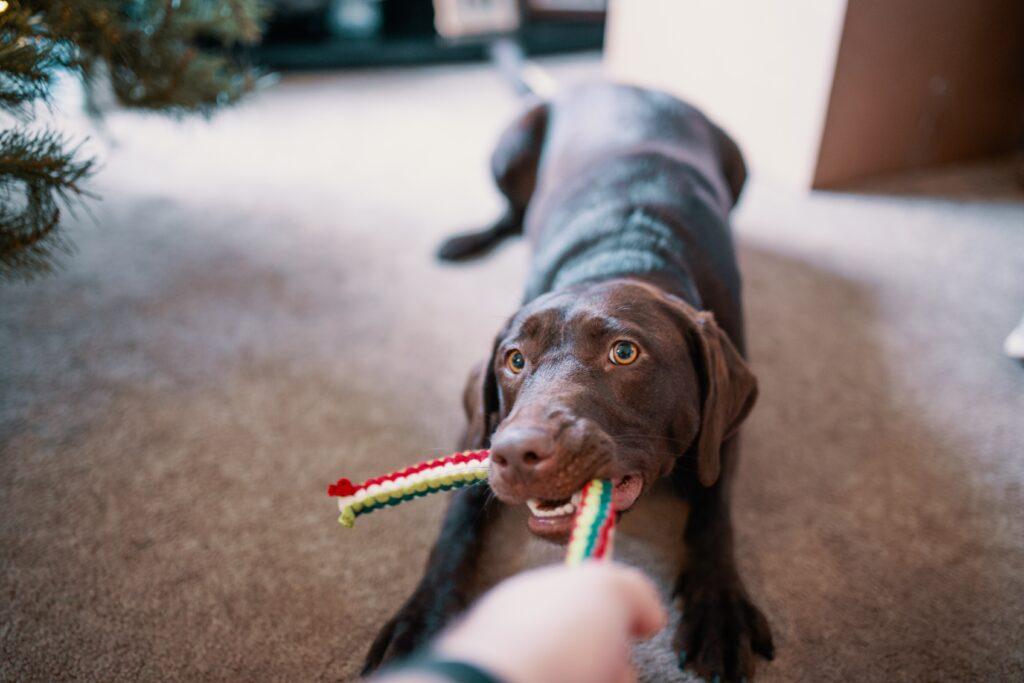
The size, activity level, and preferences of your dog all play a part in determining whether a dog toy is safe or dangerous. The environment in which your dog spends their time is another factor to take into account. The safety of any particular toy cannot be guaranteed, however we can provide the following recommendations.
Dogs typically find the most dangerous things to be the things that they find most appealing. Remove all strings, ribbons, rubber bands, children’s toys, pantyhose, and other potentially ingestible materials from your home to dog-proof it.
Make sure the dog toys you buy for your dog are the right size. Smaller toys run the risk of being ingested or getting stuck in your dog’s throat.
If you don’t watch your dog playing with squeaky toys, they can eat the squeaking object since they feel the need to find and destroy it.
Toys that aren’t “dog-proof” should be avoided or modified by taking out any ribbons, strings, eyeballs, or other pieces that could be chewed off and consumed. Dog Toys that are tearing or starting to shatter into pieces should be thrown away. Check the labels on plush animals to make sure they are suitable for children under three and don’t have any poisonous fillings. Nutshells and polystyrene beads are examples of problematic fillings, but even “safe” fillings aren’t actually digestible. Though certain soft dog toys are more durable than others, keep in mind that they are not invincible. Soft toys ought to be washable in the machine.
If you’re considering giving your dog a rawhide chew toy, make sure to ask your vet which ones are secure and suitable for your dog. Give these toys to your dog only when you can keep an eye on them as they may present choking concerns.
Rawhide is a byproduct of the brutal international fur trade in large quantities. Consider toys made of extremely firm rubber, which are safer and last longer, as a kinder substitute.
Industry insiders categorize dog toys into many categories since they are now so common and diversified. Here are five categories for toys:
Tennis balls are excellent fetching toys for dogs, but they don’t hold up well to chewing. Tennis balls that have been eaten through should be thrown away since they could choke your pet.
An old t-shirt, pillowcase, towel, or other piece of filthy laundry, especially one that smells like you, can be quite comforting to a dog. Be aware that diligent fluffing, transporting, and nosing may result in the item being.
Puppies develop the impulse to chew on everything between the ages of 12 weeks and 6 months as their baby teeth fall out and their adult teeth begin to erupt through their gums. Providing children with teething toys will increase their comfort and protect your hands, shoes, and furniture. Rubber toys and sturdy nylon bones can withstand weeks of chewing without shattering into fragments that could be ingested. You may purchase specialist puppy teething toys that can be frozen and have calming textures printed on them.
Only have a few toys available at once to ensure weekly toy rotation for your dog. Maintain a range of accessible kinds. You might want to keep a favorite toy for your dog out at all times if it is soft.
Give your dog toys that may be used in a variety of ways, including carrying, rolling, shaking, and comforting.
Toys that are “found” are frequently considerably more appealing than toys that are clearly introduced. Your dog will burn off excess energy by playing the game of “find the toy” or “find the treat” without the need for much space.
Your dog should have a lot of engaging toys. Because dogs want active “people time,” interactive play is crucial for strengthening the link between you and your pet. Toys that promote the attachment between a person and their pet include balls, flying discs, and other items.
Your dog can release pent-up mental and physical energy from boredom by concentrating on a particular task, such as continuously returning a ball, or Frisbee or playing “hide-and-seek” with treats or toys, in a constrained period of time and area. Interactive play provides a chance for socialization and teaches young, hyperactive, untrained dogs about proper and improper behavior, such as jumping up or being mouthy.
For more information you can each out to us via our contact form or visit our Facebook Page.
Read reviews check out our Google Reviews online. Click Here