The main difference between a cold pack and a hot pack for arthritic dogs lies in their application and the therapeutic effects they provide. Both cold and hot packs are used to manage arthritic pain and inflammation, but they serve different purposes and are applied at different stages of the condition. Here’s a breakdown of the differences:
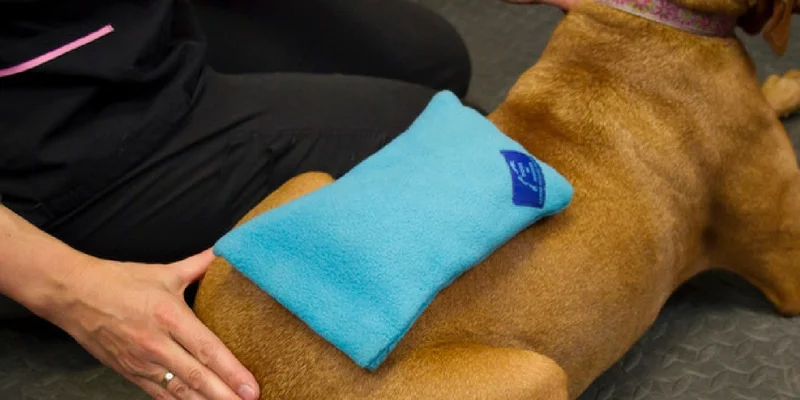
It’s essential to consult with your veterinarian before using either cold or hot packs on your arthritic dog to ensure that it is appropriate for their specific condition and to determine the proper application and duration of therapy. Additionally, other complementary therapies and medications may be recommended to provide comprehensive pain management and improve your dog’s overall comfort and mobility.
To learn more you can contact us via our contact form or visit our Facebook page.
Articles from the Posh Dog Knee Brace team — a group effort with our licensed veterinary technicians and brace specialists, sharing 15+ years of experience helping dogs recover from CCL/ACL injuries and mobility challenges.
Hey guys, this is Nikki the lead veterinary technician with Posh Dog Knee Braces. Today, let’s talk about how being overweight can affect our joints. As you know, the more weight we have, the more pressure we put on our joints and internal organs. This can put the body in a state of inflammation, as well as predispose us to many ailments and orthopedic issues. We are making our joints work much harder, which starts a vicious cycle on inactivity. The more the joints are sore, the less your dog will want to walk, which can cause the muscles to atrophy. Pretty soon we have a pup with less muscle, and much more prone to physical injuries like CCL tearing.
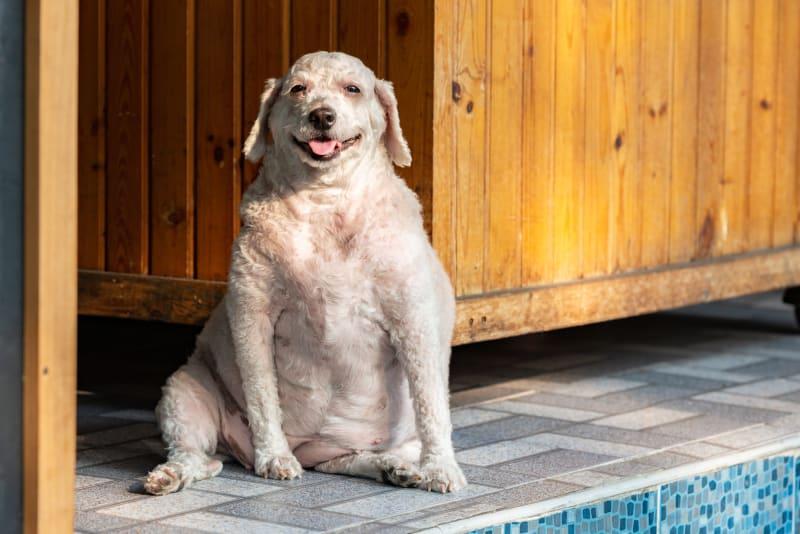
Not only does weight gain affect the organs and joints, but it also can shorten life expectancy by quite a bit. Unfortunately, this is not going to be a quick fix situation. It is much easier to get the weight off a younger dog than one that is aging. Prevention is much easier than treatment, especially if your dog is spayed or neutered, which can increase the chances of becoming overweight.
If your dog is in the top weight percentile, and does not yet have any limping issues, it’s time to get serious about weight loss. Things you can do first is check everything that you are feeding your dog every day. I want a list of each and every treat, kibble, and snack. Small things like swapping daily treats for a carrot or sweet potato stick, ect can help, as well as increasing exercise. If you have a dog that does not like to exercise, starting slow is key. Maybe 15 minutes a few times daily will really help. It is important not to skip exercise. Walking and swimming is great.
Second, changing diet is next. If you are feeding a diet that has a lot of carbohydrates, and less protein, it may be time to switch. I like diets with a good quality protein source, not by products. Make sure you are not feeding grocery store foods, unless you absolutely have to. There are many good quality foods out there. If you are already feeding a good quality food, make sure you are not feeding too much.
If you are not sure what to be feeding your dog to help, please consult with your veterinarian, maybe schedule a time to go over the nutritional needs of your dog with your Dr. or a veterinary technician. They may have a specific diet they recommend.
If you have an overweight dog that already has a limp or headed for a CCL tear, but not there yet, then I would strongly suggest finding a physical therapy clinic, one with hydrotherapy. This will help strengthen the leg, and loose weight.
Please call or email with any questions! www.poshdogkneebrace.com or visit our Facebook Page.
Articles from the Posh Dog Knee Brace team — a group effort with our licensed veterinary technicians and brace specialists, sharing 15+ years of experience helping dogs recover from CCL/ACL injuries and mobility challenges.
Hey guys, this is Nikki Lead Veterinary Technician with Posh Dog knee Braces. This is one of my most common questions asked will my dog need a knee brace forever for a CCL/ACL tear?, and I would like to dive deeper to answer this question, as there is more to the answer than simply No.
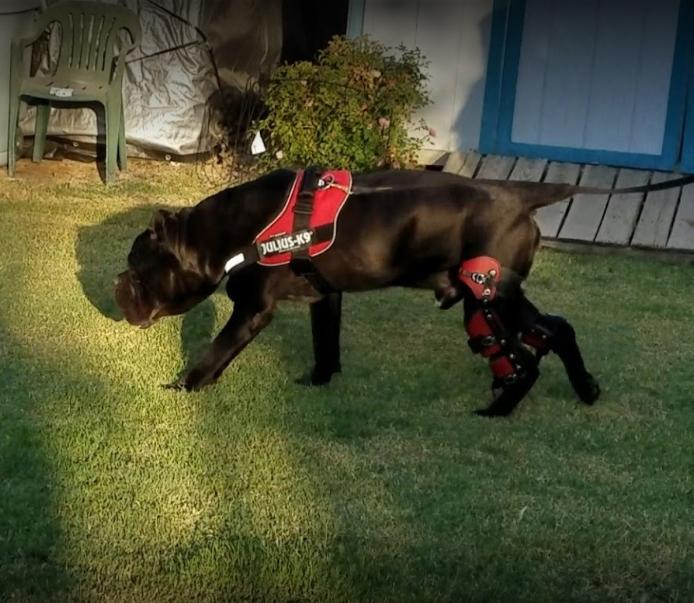
First off, the majority of my patients will use the posh dog knee brace for about 9 months, sometimes up to 12 months if they are a larger breed or have a minor meniscal tear. We know that scar tissue is mature by the 9-12 month point, and at the juvenile stage around month 2-3. If someone tells you that your dog will be permanently using the knee brace, they are simply misinformed. There are actually quite a few studies in both humans and animals, proving the timeline of scar tissue formation.
In surgical sites, or areas of soft tissue, scar tissue can form much faster, forming a thickened scar within weeks. This is different from the fibrous tissue that forms in a joint, and gives us regained stability. Let me ask you this, have you ever sprained your ankle or injured a joint?
Did you use a splint or a knee brace to help that joint recover? I know I have. Depending on the joint, and amount of muscle you were able to keep with physical therapy, also plays a key role in the longevity of using the brace. We do not want to keep the brace on forever, however, in some severe arthritis cases, or luxating patella issues, bracing longer term as needed may be necessary.
How do you know when it is time to take your dog out of the knee brace? Time will tell on this one. Most dogs are ready to go, and fully weight bearing by 9-12 months. However, if you were unable to complete the physical therapy recommendations during the recovery times, your dog may need longer in the brace while they acclimate slowly to walking without the brace on.
This needs to be a slow weaning process, so as not to cause a re-injury. Take your dog for a nice leash walk, without the brace. If you dog does great, and has no sign of a limp or gait that is off, then you can continue to leash walk without the brace for a bit longer until you feel comfortable letting your dog resume activites.
Some dogs may need a little longer than 12 months, such as patients with meniscal tears or arthritis, or if there was a re-injury during the healing process. This is still not forever, I would take things month by month until you are successful at walks without the brace on. Our service technicians are happy to answer any questions you may have about this process, and there is really not a wrong answer. If you feel more comfortable having your dog wear the brace longer, and your dog is doing great, that’s ok!
I would suggest our Posh led support group on Facebook, where you can talk with thousands of other clients who have all used the posh brace to recover. This is a great place to learn more about what to expect, and get great advice from both our technicians and previous customers.
To sum everything up, we do need to make sure to use the brace as directed for at least 9 months, but that is usually adequate for the majority of our clients. Please check out our website, poshdogkneebrace.com, for further tips and information that may also be very helpful, you can also reach out to our facebook page as well for information.
Articles from the Posh Dog Knee Brace team — a group effort with our licensed veterinary technicians and brace specialists, sharing 15+ years of experience helping dogs recover from CCL/ACL injuries and mobility challenges.
Today we will go over some common asked questions about custom braces for dogs.
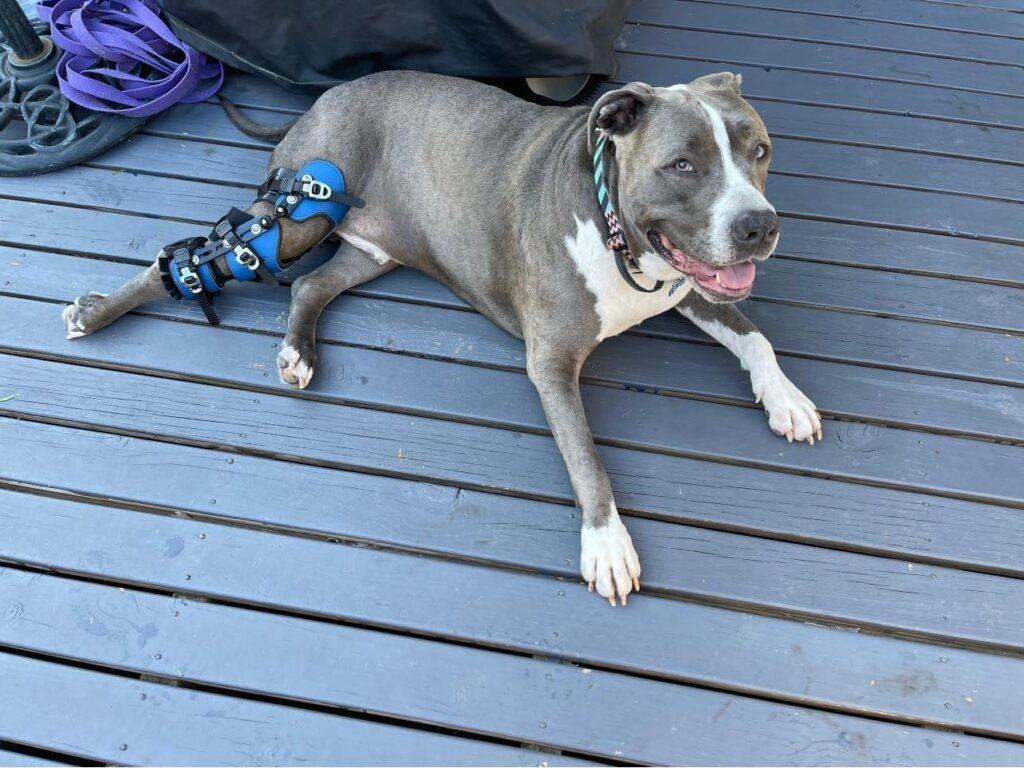
Why does our brace cost more than the over the counter options for $400-$500?
This is a good question! First off, most custom orthotics will be in the $900-$1200 range, as there is much more involved in the production than the over the counter options. For instance, with our brace each client gets 4+ hours of customer service with our veterinary technicians, both guiding them in measurements, fitting calls, rehab assistance, and supplement/diet help. There is also a lot more production time needed for custom products, and we do not start until we have the measurements from the patient. Over the counter braces are a “one brace fits all” product, so they have sized like small, medium, and large.
They do not take into account patients that are more bow legged like our staffies, or patients that need the top shell brought down a bit more to accommodate shorter legs. Plus, we do have a warranty on the parts of our brace, where a non-custom product is not only non refundable, but there is no warranty. The buyer essentially takes on all of the risk. I have many patients that have purchased a non-custom brace first, only to find it did not fit well, and were stuck. Then, they went with our Posh Dog knee Brace, and loved the custom fit, non sliding option.
Does a custom product have straps that go over the back?
No, custom braces will not have straps or stirrups that hold them in place. This is because we are a direct fit to the patient. Non-custom products are not made for your dog’s leg, so they must be held up by straps and stirrups. Our brace utilizes a hock wrap, that goes around the ankle, to help keep things from slipping down. This, and our unique strapping system, make it so our brace is much more simple to use.
Do custom dog braces need to be casted? My vet told me only to use casted braces
No, at Posh Dog Knee Braces we use a proprietary online program, that allows us to make a digital model of your dog’s leg, using specific measurements. This is why we have a veterinary technician watching and helping each patient take the measurements that we need. Our process is much faster and easier than casting, and production typically only 3-4 business days, with express shipping.
What is the materials of a custom vs. non custom brace? Are they made of the same stuff?
Again, great question. A non custom, over the counter brace is made of cheaper materials, such as neoprene and sometimes a cheaper metal hinge. This means they are not going to last you long, and will not be waterproof. Our Posh Brace is made of only the best orthotic materials, similar to pediatric orthotics, so that they are both durable, comfortable, and easily cleaned. Our dog knee brace can also be used in hydrotherapy.
For more information you can reach us via our contact form or visit our Facebook Page.
Articles from the Posh Dog Knee Brace team — a group effort with our licensed veterinary technicians and brace specialists, sharing 15+ years of experience helping dogs recover from CCL/ACL injuries and mobility challenges.
Hey guys, Nikki with posh dog knee braces here. So, first of all I can’t stress enough the need to do some form of physical therapy. We send every patient home with a 12 week recovery calendar and exercises, however, we need you to keep those up for the full 9 months. Whether you find a holistic or physical therapy clinic to help you with water treadmill or PT, you need to keep you dog active in some way.
Lack of activity will cause a joint to “lock up” after the scar tissue has formed, meaning there is not going to be the same amount of range of motion there. There also can be loss of muscle. The brace alone is not enough to build muscle, you will need to keep walking your dog, and doing some form of exercise program. This is needed whether you do surgery, Conservative management, or bracing. Doing nothing will result in loss of muscle, loss of range of motion, and most likely arthritis and pain down the road.
We have a lovely list of holistic veterinarians and rehab clinics around the US and in Canada, so reach out if you are struggling to find a clinic. The clinics on our list are partners with posh, and know how to treat our patients, as well as measure and fit the brace if needed. We do have some things we can have you do from home as well, if PT is just not in the budget. I am happy with walks, simple exercises, and passive range of motion.
What is PROM? This is you gently bending and flexing the knee, as well as the hip. I have videos we send to you on how to do this stretching, but this is key to keep flexibility in the joint, and not end up with lack of movement there.
Please let us know if you have any questions, poshdogkneebrace.com or visit our Facebook Page. Thanks!
Articles from the Posh Dog Knee Brace team — a group effort with our licensed veterinary technicians and brace specialists, sharing 15+ years of experience helping dogs recover from CCL/ACL injuries and mobility challenges.
Hey guys, this is Nikki Lead Veterinary Technician with Posh Dog Knee Braces. Today, let’s talk about Cranial Cruciate Ligament Repair (CCL/ACL) tears in a dog, and what your options are. First of all, if your dog is limping on the hind leg, be sure to get a diagnosis from your veterinarian before making any decisions. Once that takes place, be firm with your Veterinarian if needed and ask for the exact diagnosis. If they feel that your dog has a Cranial Cruciate Ligament tear, or CCL tear, then you do have some decisions to make moving forward. Let’s go into the options, and the pros and cons, as well as long term expectations.
First off, depending on your veterinarian, they may refer you to a specialist to verify the diagnosis. This is completely up to you, but do know that if you go to a specialist, they are typically surgeons, and will not be happy without scheduling your dog for surgery. Please know that you can say no. I can’t stress enough how important it is for you to take a breath, and go over all options before signing that dotted line.
Choosing to do just conservative management, with no support or surgery. This seems to be gaining momentum and popularity, because obviously options can cost money. There are supportive things to do, such as keeping your dog in a kennel, leash walks outside, supplements, acupuncture, laser, prp, ect. While this option is better for the budget, it is not for the busy owner, or owners with small children and other pets. While it sounds great, reality is that there is a great chance your pup will continue to re-injure their knee. At some point, the door will open, and your dog will want to run.
Someone will forget, your dog looks like he is dong better at 3 months, and in he comes with the leg hiked all the way up to the groin. Sound familiar? This can be a tough cycle, and the bones in the knee are still able to move, causing pressure on the meniscus as well increasing your dog’s chance of arthritis down the road. So, can a knee heal with conservative management alone? Possibly, but there could be long term issues if you do not do passive range of motion, PT, and exercising along with CM alone.
This is by far my favorite option, from years of experience working with orthopedics. Using an orthotic Brace in conjunction with PROM and PT, as well as supplements and support. Now I am not talking about the cheap over the counter neoprene braces that have a spiderweb of straps connecting to the harness or back, those are no better than just letting the knee recover alone.
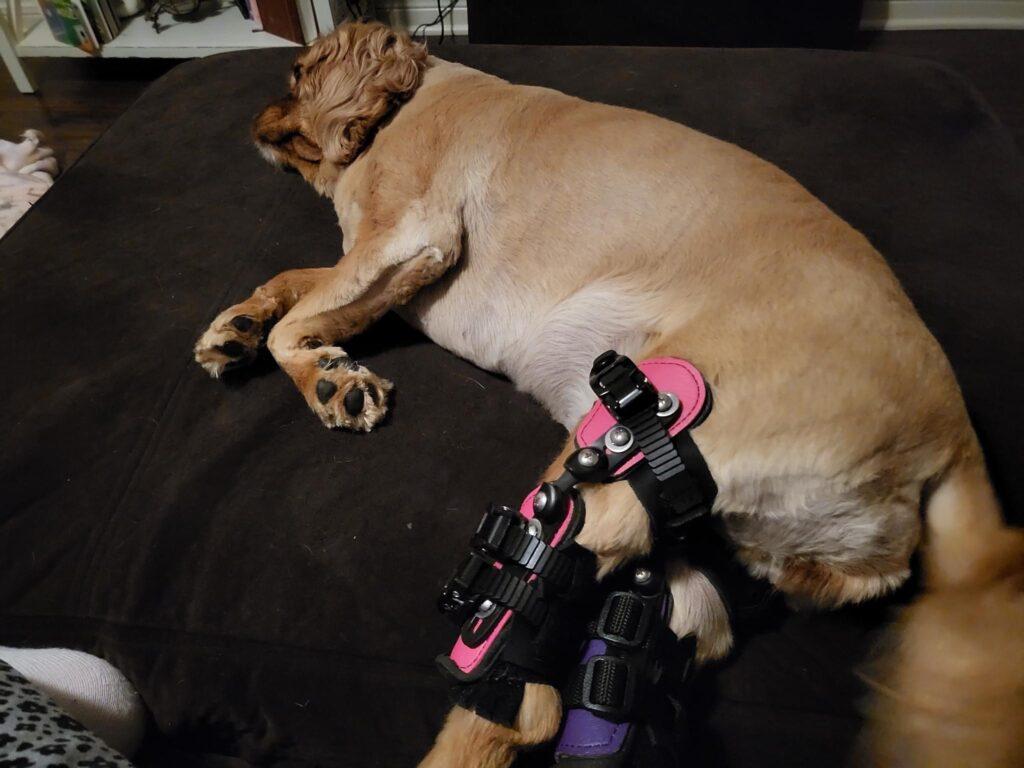
I am talking about a custom made premium orthotic brace, such as the Posh Dog Knee Brace. Posh Brace fully stabilizes the knee, allowing for range of motion and squatting, while also acting as a shock absorber for the meniscus. This is going to help give a smoother recovery, and allow that scar tissue to form without a lot of re-injuries. Thus, this is one of the safer options, and definitely still less than surgery.
Tightrope, lateral suture, or extracapsular repair. This is the cheapest of the surgical options, and should only be used on patients under 30-40lbs, as the suture has double the chance of failing in larger breed patients. This method usually is in the $2k-$3k ballpark range now, and is literally using fishing line/or suture to wrap around the knee joint to keep things in place. There are several ways this can and usually does fail. The crimps can come off, the suture can break, the suture can slip, ect.
These patients are immobile for months, and do get a lot of atrophy in the joint. This seems to be sore to recover from, and without a brace post op, your dog is going to need to be kenneled for weeks to months, to allow for scar tissue to properly form. This technique is similar to if you braced, however, without the full stabilization and support, and double the cost.
TPLO or TTA surgery. Both of these will be suggested by your vet or surgeon, usually first. They both entail cutting of the tibia bone, and re-alignment using a plate and screws. This is permanent, and there is no going back if something doesn’t go the way it was meant to. I always save this for my last option, as it is extremely invasive, expensive, and does not give a guarantee of working. Too many patients have had lifelong lameness due to choosing this option, and are not able to recover fully.
There are many weeks needed for kenneling, so the leg will atrophy. This also causes overcompensating on the good knee, which again increases the chances of another CCL tear in that leg. If surgery does go well, and you are able to do a full Physical Therapy Program post op with a professional, your dog may have a good outcome, but this is not without risk.
Please email me at poshintake1@gmail.com if you would like to ask more questions about Cranial Cruciate Ligament Repair, CCL/ACL tears in dogs, and what the best options are for your pup. You can also contact via our forms or visit our Facebook page.
Articles from the Posh Dog Knee Brace team — a group effort with our licensed veterinary technicians and brace specialists, sharing 15+ years of experience helping dogs recover from CCL/ACL injuries and mobility challenges.
Dog Knee Recovery Without Surgery
By Rosemary Levesque, Licensed Spiritual Healer
Second Nature Healing®https://secondnaturehealing.com
Rosemary@secondnaturehealing.com or call directly 503-747-3307
The following article is written in gratitude to Posh Dog Knee Brace for their support during Gracie’s recovery from a torn CCL. Gracie wore the brace and healed well without surgery. In honor of Gracie who had a long healthy life, I’m offering:
The cranial cruciate ligament (CCL) in dogs is a band of connective tissue that connects the upper leg bone (thigh) to the two lower leg bones (tibia and fibula) at the knee joint – called the stifle in dogs. The CCL helps stabilize the stifle, and is highly vulnerable to tears which destabilize the joint. Damage to the knee joint is the leading cause of rear-leg lameness and the major cause of degenerative joint disease in dogs. (1)
If you can’t wait to get started with healing and recovery, please begin here.
My number ONE product source for healing and recovery is https://avinihealth.com/rosemary.
These products are designed with humans in mind, but with my years of experience working with animals, I know how critical it is to use these products, safely and easily, across the board, with all species. Call me for a consultation on how to help your dog heal faster, without surgery, using the Posh Dog Knee brace and my products.
There are many situations that could result in a CCL tear:
Contributing factors like obesity, genetics, and general health may also have a role in causing a torn CCL. Since animals are excellent at hiding their injuries and illnesses, you’ll want to be especially observant if you suspect a tear. In addition to limping or lameness, watch for muscle atrophy in the thigh or imbalance in the spine.
When Gracie jumped into the car as usual one beautiful spring day after a pleasant walk in the park, she yelped in pain. Yet after her initial jolt, she seemed fine. She ate and walked normally for several weeks until we had our next vet visit, a yearly wellness check-up. Suddenly she picked up her hind leg, revealing her lameness. It surprised me that she’d wait until we were in his office to say something about her problem. She hadn’t shown me any sign of lameness since the incident a few weeks prior.
A veterinary examination for stifle injury usually includes manipulation of the joint and is called a “drawer test”. Physical manipulation of the joint forces the ligaments to stretch and tear more. Unfortunately, it was an issue and Gracie became obviously lame after that. That’s why I add this test to the list of causes. Even if a small tear already exists, it can worsen after such manipulation. If you suspect a torn CCL, do NOT allow your vet to perform the drawer test.
Our vet suggested that we see a specialist for CCL surgery. He also offered cold laser treatments at his clinic to help speed healing and recovery. I felt hopeful about Gracie’s healing and recovery with the healing methods I already know and use. So, in addition to frequent cold laser treatments, my plan included Reiki, essential oils, and acupuncture. I opted to not have invasive, expensive surgery.
The most common response to a torn CCL is to perform a surgery called Tibial Plateau Leveling Osteotomy (TPLO). In this surgery, the tibia, a lower leg bone, is cut (leveled) and rotated to change the direction of movement. A plate is added to secure the new location of the joint. Following weeks of immobility and pain management with medications the problem may be resolved. The cost of surgery and x-rays may range from $2500 to upwards of $6000.
However, cost isn’t the only issue to consider. Weeks of restrained immobility are not only depressing for your active animal, but difficult to control and have other effects such as weight gain, muscle atrophy, and risk of infection as well as the risks associated with the surgery itself. Pain medications can often have harmful side-effects. More importantly, studies now show a definite link between TPLO surgery and osteosarcoma (bone cancer) at the site of surgery.
“. . . dogs with a history of TPLO were 40 times as likely to develop proximal tibial osteosarcoma as were dogs with no history of TPLO. In addition, each 1-kg (2.2-lb) increase in body weight was associated with an 11% increase in the odds of proximal tibial osteosarcoma.” (2)
What’s really best for your dog? Is there another way?
Gracie did well with the holistic methods I used to support her healing. Most importantly, we were still able to walk her short distances while she gradually improved. We purchased a set of stairs for the car so she wouldn’t jump into the car anymore to risk further injury. We added specific supplements to support joint healing and repair.
All of it worked pretty well until one cold winter day when Gracie slipped on the ice. She reinjured her CCL and was in obvious pain. Back to the start once again, I panicked and scheduled an appointment with a surgeon for that week. Fortunately, my intuition told me to keep looking. That’s when I found the REAL ANSWER that saved Gracie’s knee and allowed her to heal – finally – without surgery.
I began searching for a knee brace for Gracie and discovered that they fall into several categories:
Of course, the custom fit seemed like the better way to go, and quality, durability, and customer service and support were also important. That’s when I finally found Posh Dog Knee Brace. (3) They provide a way to make a custom fit brace with highly durable materials that are waterproof (and beach-proof) and long-lasting with a superior guarantee. Their fast service provided us with a custom-fit brace for Gracie in just days.
Immediately on the first try-on, Gracie was able to take her first steps. We started using the brace for short walks until she regained her strength and balance. That’s when I noticed how much she had been compensating for her injury. She was finally able to walk straight without limping, and without any curve or adjustment in her spine. The thigh muscles which had atrophied began to get strong once again. We continued with natural healing techniques and tools which were much more effective now that Gracie had the support of her brace to stabilize the stifle.
There may be little difference in perceived success when comparing TPLO surgery to using an ordinary or inferior knee brace (one that doesn’t fit properly or doesn’t fully support the stifle joint). I believe the real differences come in the form of ease and comfort while healing as well as from the quality of the brace. Many of the sites I investigated, including articles from the American Veterinary Association, Veterinary Medicine websites, and holistic journals gave a more comprehensive picture. Surgeons at the School of Veterinary Medicine at the University of Pennsylvania don’t use TPLO surgery.
Dr. Amy Kapatkin, a board-certified orthopedic surgeon says, “Why break a bone to fix a ligament” (4)
It’s critical to support healing from every angle while the stifle joint is stabilized.
[1] https://www.petmd.com/dog/conditions/musculoskeletal/c_dg_cranial_cruciate_ligament
[2] Association of tibial plateau leveling osteotomy with proximal tibial osteosarcoma in dogs
Journal of the American Veterinary Medical Association
September 15, 2018, Vol. 253, No. 6, Pages 752-756
Laura E. SelmicBVetMed, MPH; Stewart D. Ryan BVSc, MS; Audrey Ruple DVM, PhD; William E. Pass DVM; Stephen J. Withrow DVM
Flint Animal Cancer Center, Department of Clinical Sciences, College of Veterinary Medicine and Biomedical Sciences, Colorado State University, Fort Collins, CO 80523. (Selmic, Ryan, Pass, Withrow); Department of Comparative Pathobiology, College of Veterinary Medicine, Purdue University, West Lafayette, IN 47907. (Ruple)
[3] https://www.secondnaturehealing.com/docs/Posh%20Flyer%20Gracie%20-%20SecondNatureHealing.pdf
[4] https://www.whole-dog-journal.com/issues/13_2/features/Dog-Surgery-Alternatives_16198-1.html
Articles from the Posh Dog Knee Brace team — a group effort with our licensed veterinary technicians and brace specialists, sharing 15+ years of experience helping dogs recover from CCL/ACL injuries and mobility challenges.
Dog knee injuries may have some correlation with poor conformation, but a dog’s weight, health, and activities all have a significant impact.
A patellar luxation or a cruciate ligament damage is the most common knee injury in dogs. An abnormal patellar conformation, also known as a patellar luxation, or dislocation, is typically caused by congenital abnormalities. Despite the possibility of a conformational component, trauma is typically the cause of cruciate ligament injuries. Both are painful and need medical attention from a veterinarian.
Your dog’s patella is its kneecap. The femoral trochlear groove, which is naturally present at the femur’s end, is where the patella ordinarily slides up and down in the middle of the knee. Unfortunately, the dog’s knee might develop genetic flaws that cause the kneecap to slide to one side or the other. A lateral luxation occurs when it slips to the outside. It is a medial luxation if it slides inward.
The majority of medial luxations affect tiny breeds like Boston Terriers, Chihuahuas, Miniature Poodles, and Pomeranians, Akitas, Great Pyrenees, Flat-Coated Retrievers, Chinese Shar Peis, and other large dogs frequently exhibit lateral luxations.
Only 7% of puppies have patellar issues, and the majority of them exhibit signs of luxation in both back legs.
You might notice your dog “skipping” occasionally when he moves, holding up a leg, or pausing and extending out his back limb before moving again if his kneecap is misaligned. Puppies with severe luxations may modify their stance, giving them a knock-kneed or bowlegged appearance (medial luxation) (lateral luxation).
Physical examinations are typically used to identify kneecap issues. Due to the possibility of an association between the two issues, your veterinarian will also examine your pet’s cranial cruciate. X-rays are frequently advised to check for further orthopedic issues that can affect treatment, like hip dysplasia.
Treatment is dependent on how severe the luxation is. Especially in smaller dogs, grade 1 and many grade 2 instances are frequently left alone while being kept an eye out for emerging issues. Grade 3 and grade 4 instances typically require surgery to keep the dog comfortable and lessen the likelihood of future orthopedic issues.
In order to keep the patella in place during dog knee surgery for a dislocation, the soft tissues on the side opposite the luxation are typically tightened. To assist in keeping the kneecap on its optimal course, the femoral groove may be deepened. To realign important muscles and give the leg a more typical anatomy, the tibial crest may be repositioned. Osteoarthritis is a common later-life ailment in dogs with kneecap issues.
Bracing can be used to stabilize the knee, with a LP, to give shock absorption, and to help prevent a CCL tear. Most dogs with a luxating patella will also get a concurrent Cruciate ligament tear, so it is important to do something to prevent this. Physical therapy is also something that is recommended, to help strengthen the surrounding muscles, and help with a grade 2 or less.
The majority of cruciate ligament issues are caused by trauma, however, they can also be degenerative. It can be an acute injury brought on by the dog turning too tightly while moving quickly, for instance, or it might be a low-grade, ongoing issue that has gotten worse over time (cruciate disease). Tears might be either partial or full, but this can’t be diagnosed without an MRI. Your veterinarian may tell you it is a Full tear, but without sound imaging, that is impossible to fully diagnose.
Your dog has two cruciate ligaments: the caudal, which is in charge of the joint’s forward stability, and the cranial (rear stability). These ligaments “cruciate” or cross over the knee joint between the top of the tibia and the bottom of the femur. They allow for extension and flexion while also giving the knee joint stability. Movement from side to side is restricted.
When dogs are active—running, making sudden turns, stepping in holes while running, and other such activities—they frequently damage their ligaments. However, something as easy as an obese Beagle leaping from the couch and landing awkwardly might tear a ligament. Environmental elements like lifestyle choices and weight are risk factors for cruciate issues, as well as spaying and neutering too soon (see our blog on spaying and neutering too early on the Posh website)
The ligament fibers are stretched and torn with sudden, intense pressure. The majority of dogs will become suddenly three-legged lame and hold up the injured leg. The joint could become painful, swollen, and inflamed. Less obvious symptoms of a chronic partial tear may resemble arthritis. After a period of inactivity, your dog can become particularly stiff and/or have intermittent lameness.
Large, muscular breeds of dogs, such as Labrador Retrievers, Golden Retrievers, German Shepherd Dogs, Rottweilers, and Pit Bulls, are most susceptible to cruciate ligament tears.
Due of the prevalence of this injury in laboratories, Research Laboratory offers a genetic test to check for cruciate issue susceptibility. Though not definite, a dog with a positive result on this genetic test is thought to be at a higher risk of cruciate rupture: roughly 62% genetics plus 38% environment. Owners should exercise frequent physical therapy and be more watchful to avoid their dogs from gaining weight.
The knee injury in your dog will probably be identified by your veterinarian after a physical examination. An obvious sign of a tear is a lax (loose) joint, or drawer test. Additional diagnostic procedures may include radiographs, to check for arthritic changes and/or arthroscopy, a surgical procedure that enables the veterinarian to examine the menisci, two cartilage discs that cushion the knee joint, in the joint.
Small dogs may benefit from wearing a brace that is specially made for them, as they tend to recover well with conservative management. Sometimes they may require extracapsular repair surgery, which involves placing a suture to stabilize the joint until scar tissue takes over. This procedure should never be done on dogs over 40lbs.
Some veterinarians may recommend very invasive surgery, that involves relocating and cutting bones in the joint. This is currently the only surgical option for large breed dogs, and should be researched with caution. The tibial plateau leveling osteotomy (TPLO) and the advancement of the tibial tuberosity are two of these treatments (TTA). (We recommend to try others means before doing surgery, but this is an option if you choose it.)
If you decide on conservative therapy combined with a Posh Dog Knee Brace, consider having our custom brace created, to give your dog the best chance of recovering. Regardless of size, a brace could be the best solution for dogs who are not suitable candidates for surgery, or if you prefer a conservative approach.
Regardless of the course of action you and your veterinarian determine is best for your dog, aftercare is crucial. Careful guidelines must be adhered to exactly as prescribed by your veterinarian. We include such a program with our custom Posh Brace.
A program of walks that gradually increase in distance and difficulty will be part of the rehabilitation, as will other workouts like an underwater treadmill. It might be suggested to use laser and pulsed electro-magnetic field (PEMF) therapy. It may be advised to use joint supplements to maintain his joints and delay the onset of arthritis. Unfortunately, 40–60% of dogs that rupture one cruciate will also eventually damage the other if nothing is done. This % will go up after surgery, by a significant amount, and decrease with custom bracing.
The likelihood of an injury and a full recovery might be influenced by your dog’s general health. Maintain your dog’s ideal weight. Look into an exercise plan to help him build his core muscles, as well as balances drills like wobble board or peanut work. Regarding your dog’s conformation is reasonable. To further reduce the chance of damage, you can think about conducting scent work or rally with your dog instead of agility or fly ball. If you dog already has 1 injured knee, or a knee that has had surgery, consider also bracing the good leg, in order to prevent overcompensation on the other side.
Check out our Facebook Page!
Articles from the Posh Dog Knee Brace team — a group effort with our licensed veterinary technicians and brace specialists, sharing 15+ years of experience helping dogs recover from CCL/ACL injuries and mobility challenges.
Hi guys, this is Nikki, lead veterinary technician with Posh Dog Knee Braces. Today, let’s discus osteoarthritis (OA) in dogs. Osteoarthritis is the most common form of arthritis in dogs, affecting about 25% of our dog populations. This is a chronic, not acute, disease that is due to loss of joint cartilage (our buffers), thickening of the joint, and bone formation around the joint leading to pain and limping. A lot of our OA patients have other developmental issues or disease, which predisposes them to having OA. This includes Cruciate disease, hip dysplasia, elbow dysplasia, OCD, patella luxation.
Sometimes, there may not be a reason that this occurs, and a patient just develops for no known reason. Some factors that can make this worse include obesity, gender, breed, exercise, and diet.
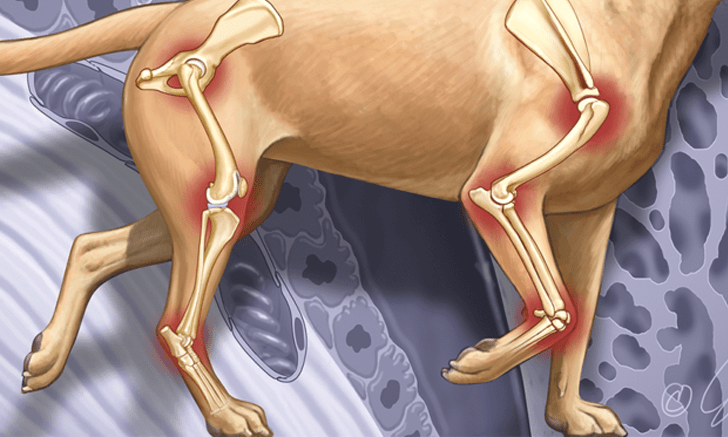
Signs of OA are sometimes reluctance to walk or exercise, acting stiff, limping, bunny hoping while running. Pain on palpation, possible aggression or discomfort is also usually present. They hurt and ache.
This is why it is always good to have an xray with limping patients over 6 years old, to rule out other things that can cause limping such as OA.
Treatment of OA includes weight and diet control, such as feeding Raw diet or diets with better protein, less carbs. Limiting the higher impact activities, such as running or jumping, replace with leash walks and range of motion activities. Physical therapy can really help build back those lost muscles, such as swimming. Laser therapy can also really help.
Supplements with fatty acids, such as fish oils, or green lipped muscle have shown to really improve quality. Adequan injections are one of the only leading products right now specifically formulated to fight OA, and prevent things from getting worse, I strongly recommend. Bracing may also be needed, to help alleviate the pressure on the joint, and act as a support and shock absorber, especially if it was due to CCL disease. Bracing may also help build back lost muscle, and alleviate the pain with walks.
Lastly, some form of anti-inflammatory may be recommended, but there are several natural anti-inflammatories that may be tummy safe, such as CBD oil or white willow bark.
Dogs that have undergone surgery, such as TPLO, have been shown in many studies to have more 77% more OA just 8 weeks post op than before on radiographs. So, if a patient has had TPLO, there is a much higher chance that dog will develop arthritis later on.
Thanks, and please visit poshdogkneebrace.com with any questions, or visit our Facebook page we are happy to help!
Read reviews check out our Google Reviews online. Click Here
Articles from the Posh Dog Knee Brace team — a group effort with our licensed veterinary technicians and brace specialists, sharing 15+ years of experience helping dogs recover from CCL/ACL injuries and mobility challenges.
Hey guys, this is Nikki, Lead Veterinary technician with Posh Dog Knee Braces. So, today I would like to talk about Laser Therapy for Dog’s with knee injuries ACL/CCL, or arthritis, and how it can help! First off, what is Laser therapy? Laser therapy is taking a simple beam of light to penetrate deep into the tissues and produce positive tissue changes. First used on hair regrowth, Laser therapy has been a growing success.
There are 2 types of treatment you will hear. Cold laser, which focuses on the surface of the skin, and blood circulation, while hot laser are for deeper tissues. Hot laser should only be done by medical professionals, as it is used for cutting and burning, as well as healing.
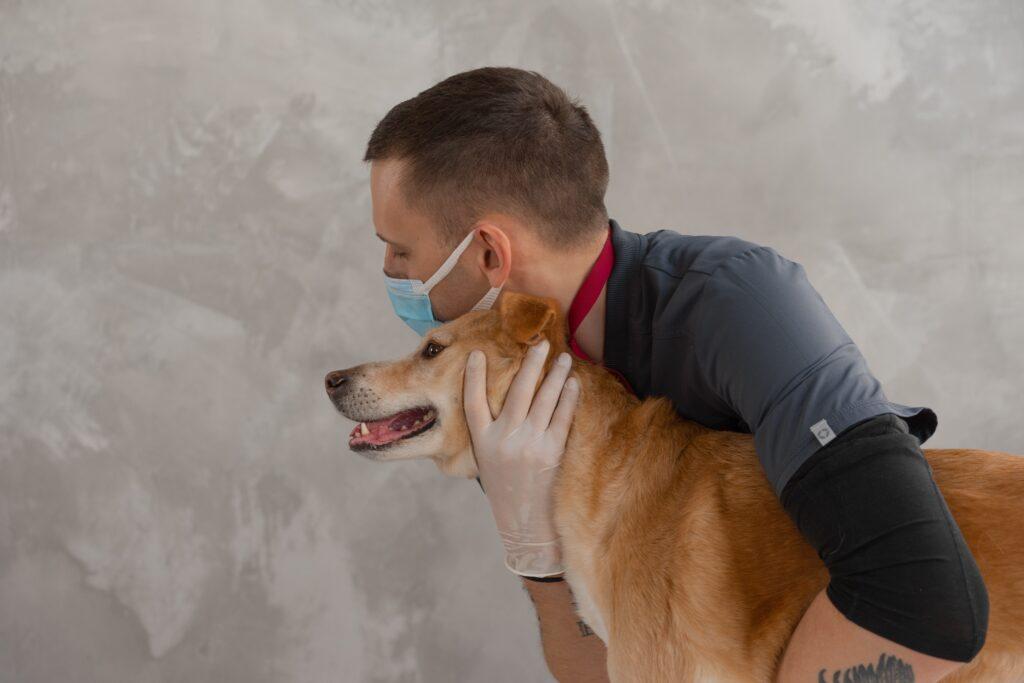
In most practices, we use low-level laser, or class IV laser therapy. Depending on the class of the laser, will tell you if it is something you can do from home or by a clinician. Quality laser equipment is very expensive, thus most will opt for therapy with their holistic vet, chiropractor, or veterinarian.
So, how do dogs react to having laser therapy done? They find it very relaxing. Laser therapy releases endorphins, so dogs usually find it relaxing and positive. Another benefit, is that your dog will not need to be sedated for laser, they can be resting and wide awake. There is no need to clip the hair away either, like other treatments. There is usually no side effects, the type of lasers used should not cause any burns to the skin.
So how will this help a dog with a ccl tear? Cold laser therapy for dogs with cruciate ligament injuries, restore health to damaged tissue cells by stimulating their ability to grow and survive, and heal naturally. It helps relieve pain and limping as well. If used with conjunction with an orthotic (brace) this would give your pup a good chance of fully recovering with less pain.
Please call or email with any questions! Poshintake1@gmail.com, or 509-412-3065. You can also leave us a message on our contact form or visit our Facebook page.
Thanks!
Read reviews check out our Google Reviews online. Click Here
Articles from the Posh Dog Knee Brace team — a group effort with our licensed veterinary technicians and brace specialists, sharing 15+ years of experience helping dogs recover from CCL/ACL injuries and mobility challenges.
Genetics do factor in sometimes on whether our dogs will have a CCL tear or not. Such as, I don’t see tears as much in sporting breeds like springer spaniels or setters, but do in rotties and newfies. Not saying I have never had a sporting breed like springer or setter come in with an acute injury, but I don’t feel their genetically prone to the issue like other breeds are.
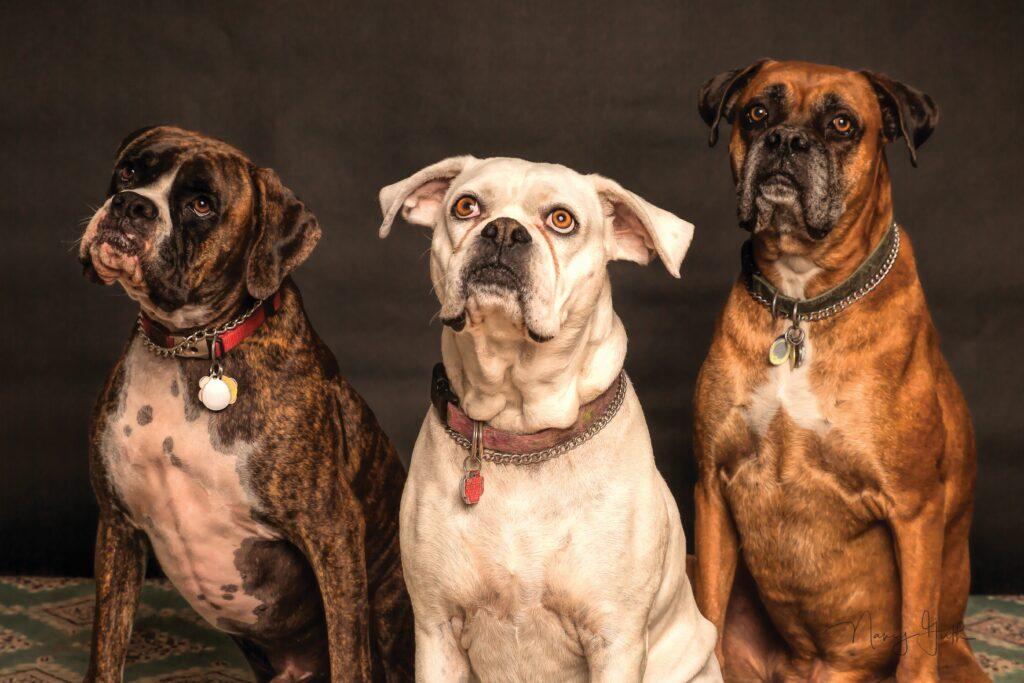
The following breeds have much higher chances of CCL injuries, including bilateral injuries. Mastiffs, Newfoundlands, akitas, St. Bernard’s, rottweilers, Chesapeake bay retrievers, American Staffordshire terrier, and laborador retrievers. Also Golden retrievers seem to also be affected more often that smaller breeds.
Toy breeds tend to have luxating patella issues, where the kneecap moves back and forth, thus causing concurrent CCL tears secondary to the LP issue. We do see a fair share of chihuahuas, maltese, shihtzu’s, and Pomeranians as well.
So what if your dog is on the list? What can we do? Well, there are a few things you can do. First off, don’t spay and neuter before they have reached maturity (~14 months), feed a breed appropriate diet with no bye products. Diet correlates to muscle and ligament growth so much, which is why it is so important to start your puppy out the right way, on a good diet. Preventing your dog from jumping in the air to play fetch, or turn corners too sharply.
Instead, roll the ball on the ground for them to run after. Getting them on a good bone supplement may help, we need to feed those growing ligaments all the goodies we can, and sometimes they need more than their food will provide.
Bones with marrow are great, bone broth is great, shark cartilage is good. There are many things you can give that are good for your pup. Taking your dog on regular leashed walks, and exercising them properly will also help. Especially with our more lazy breeds, you know who you are! 😊
Dogs with more bowing in the knee tend to also get tears more frequently, such as rottweilers and any staffy breeds. Again, try to keep these pups from jumping or rough play, as that can put stress on the joints.
Let us know if you have any questions, poshdogkneebrace.com, or email me on our contact form or visit our Facebook page.
Read reviews check out our Google Reviews online. Click Here
Articles from the Posh Dog Knee Brace team — a group effort with our licensed veterinary technicians and brace specialists, sharing 15+ years of experience helping dogs recover from CCL/ACL injuries and mobility challenges.
Today I would like to talk about recommended activity levels with a brace or CCL tear. It is still important to remember that this is not a race.
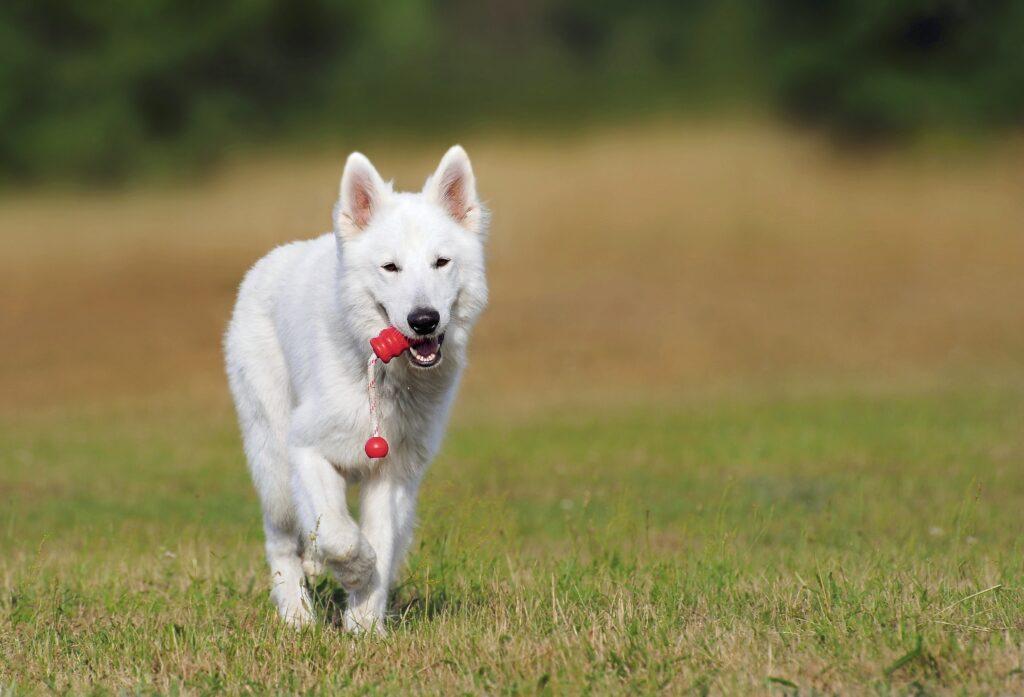
Initially, we start with walks and light physical therapy and massage. Gradually, we can increase activities, such as adding hills or inclines to the walk, sit stands, more muscle building activities.
It is not recommended to let your dog run off leash while in recovery. This can lead to injury of the other leg potentially. Braced walks are meant to be nice and slow, not a jog. The goal is to have your dog placing full weight down on his leg. If you walk or run too fast, they will skip and not place full weight on the leg.
We will get to a point where your pup can play off leash, but ask first, and take things slow. Feel free to email or send in a contact request with any questions about what levels of activity is right for your dog, we are happy to help! You can reach out to use through our contact form or visit us on our Facebook page.
Give Your Dog a Big Hug From Us!
Nikki, Posh Lead Veterinary Technician
Read reviews check out our Google Reviews online. Click Here
Articles from the Posh Dog Knee Brace team — a group effort with our licensed veterinary technicians and brace specialists, sharing 15+ years of experience helping dogs recover from CCL/ACL injuries and mobility challenges.
Today I want to discuss signs that your dog has a CCL tear, and if he or she needs a brace. First, obviously your poor dog is exhibiting signs of hind limb lameness. Now this can happen two ways. First, you hear a yelp, or see the injury, and have sudden onset lameness. This is about 50% of dogs, and is called an acute injury. Your pup will not use his or her leg, and is toe touching.
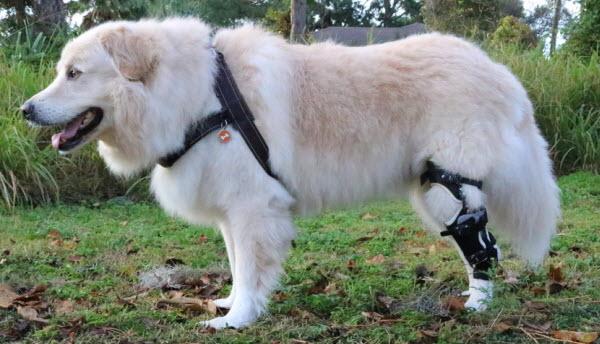
Second, you notice your dog limping on the hind leg after exercise, and after rest seems better. This goes on for a few weeks until you have a veterinarian diagnose the injury as a CCL full or partial tear. Some of these patients go a year or longer before getting to full limping. This is a chronic case, and usually degenerative.
We can help with either situation, as even a partial tear will keep re-injuring over and over until externally supported with a brace.
After a while you may notice a medial buttress, or a hard bump on the inside of the knee. This is a sign of cruciate injury as well.
No matter how long you wait, it is never going to be too late to brace your dog, as bracing will help stop the offloading that is happening, and we can start working on that thigh muscle to reverse the atrophy. Let us know if you have any further questions about this topic, and always feel free to send me a contact request, I am happy to chat with you and answer some of your questions you can reach out to me on our contact form or visit our Facebook Page.
Nikki, Posh Lead Veterinary Technician
Read reviews check out our Google Reviews online. Click Here
Articles from the Posh Dog Knee Brace team — a group effort with our licensed veterinary technicians and brace specialists, sharing 15+ years of experience helping dogs recover from CCL/ACL injuries and mobility challenges.
First off, I want to do a bit of anatomy explaining. Dog’s, unlike people, walk on their toes. Cool, right? So coming up from the ground, you can follow their toes to their ankle, which includes the hock bone in the back of the bend. This is their “heel” bone. The next bone, in front of the ankle, and up to the knee, is the Tibia and fibula. The tibia thrust, just like in people, is what makes up the front of our knee. There is a prominent bump in dogs, directly underneath the kneecap, that is called the Tibial Tuberosity.
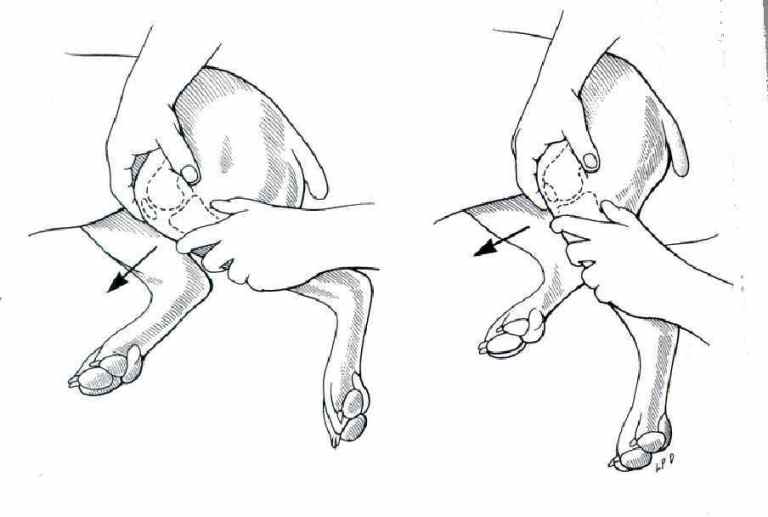
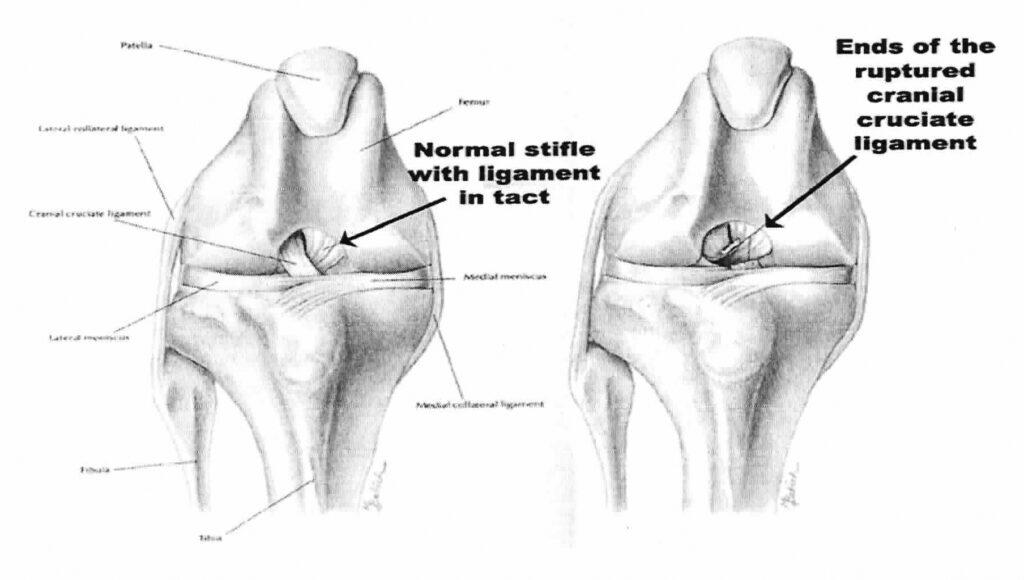
In the videos attached, you will see the kneecap is a small round bone, making up the top of the dog’s knee, then the bottom bone is the tibia. The cruciate ligaments, or CCL in dogs/ACL in humans, are located between the tibia and femur bones, directly in the back of the knee. When a CCL is in tact, there should be no movement, or positive drawer sign, in the dog’s knee. See video one, where there is no movement when palpated/moved.
In the next video, you can see what happens when there is no longer a ligament holding the bones together in the back of the knee. Now, the tibia bone is able to shift forward, or tibial thrust. This is a positive drawer sign, as there is a forward movement now where the tibia is shifting forward. This is obviously bad.
If you choose to do nothing, over time this movement of the bones will potentially cause the meniscus to tear/rupture, and start to form arthritis. It is important to immobilize this joint, to prevent these issues from occurring. Not to mention, that movement is very painful.
After 9-12 months of using a Posh Brace, this movement should be back to the first image, as fibrous tissue has formed and will re-stabilize the joint. Again, check out our website, poshdogkneebrace.com, or feel free to email me any questions to: our contact form or visit us on Facebook.
Read reviews check out our Google Reviews online. Click Here
Articles from the Posh Dog Knee Brace team — a group effort with our licensed veterinary technicians and brace specialists, sharing 15+ years of experience helping dogs recover from CCL/ACL injuries and mobility challenges.
We get asked this question a lot, and wanted to see if we can answer some questions on diagnosing a CCL tear. Is it necessary to have a diagnosis before purchasing a brace? Answer: Yes! There are many other things, like sprains, hip joint pain, spinal issues, tumors, and nerve issues like DM that can cause hind lime lameness other than a ruptured CCL.
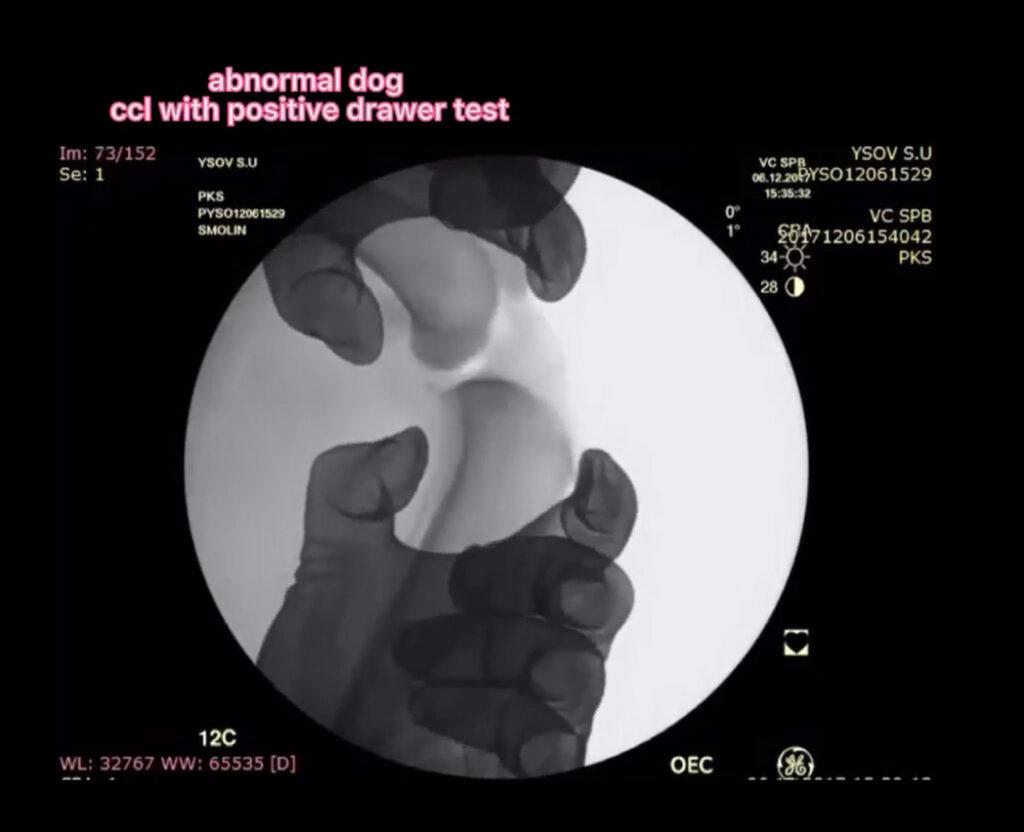
At your appointment with the veterinarian, they will most likely want to do what is called a drawer test. Please note: this could worsen the injury if not done properly, or with sedation, and is very painful. Some patients will let out a yelp, or limp much worse after the examination.
Your veterinarian may also want to do some radiographs during the initial examination. These can show gaps, space, swelling, and rule out tumors in older patients. I do recommend radiographs for any patient over 8 years old.
MRI is the absolute best way to diagnose a CCL tear, however, this can cost upwards of $1,000, and may be hard to find someone to do this.
Find a veterinarian that is gentle, and will do a thorough exam ruling out the other injuries. This is the best method, and least painful for your pup. Also, try taking the last appointment of the afternoon when possible, or the first in the morning, as this is when most veterinarians are less likely to be in a “rush.” Right before lunch break, or in the late morning/afternoon can be rushed due to their surgical load that day, or if they have other patients that have been dropped off to be seen.
We leave the diagnosis up to our clients, it is not required, however, I do recommend at least finding a holistic minded veterinarian to help you! If you need more information on CCL tears you can reach us through our contact form or visit our Facebook Page.
Nikki, Posh Lead Veterinary Technician
Read reviews check out our Google Reviews online. Click Here
Articles from the Posh Dog Knee Brace team — a group effort with our licensed veterinary technicians and brace specialists, sharing 15+ years of experience helping dogs recover from CCL/ACL injuries and mobility challenges.