Hey guys, this is Nikki Lead Veterinary Technician with Posh Dog knee Braces. This is one of my most common questions asked will my dog need a knee brace forever for a CCL/ACL tear?, and I would like to dive deeper to answer this question, as there is more to the answer than simply No.
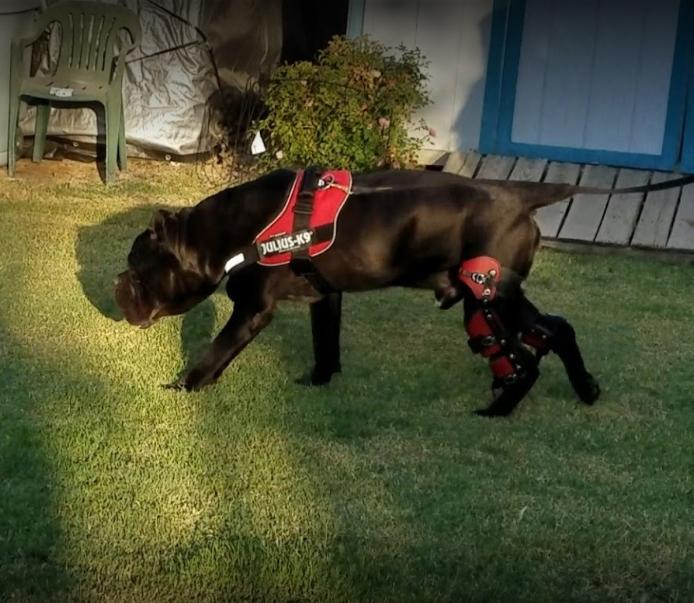
First off, the majority of my patients will use the posh dog knee brace for about 9 months, sometimes up to 12 months if they are a larger breed or have a minor meniscal tear. We know that scar tissue is mature by the 9-12 month point, and at the juvenile stage around month 2-3. If someone tells you that your dog will be permanently using the knee brace, they are simply misinformed. There are actually quite a few studies in both humans and animals, proving the timeline of scar tissue formation.
In surgical sites, or areas of soft tissue, scar tissue can form much faster, forming a thickened scar within weeks. This is different from the fibrous tissue that forms in a joint, and gives us regained stability. Let me ask you this, have you ever sprained your ankle or injured a joint?
Did you use a splint or a knee brace to help that joint recover? I know I have. Depending on the joint, and amount of muscle you were able to keep with physical therapy, also plays a key role in the longevity of using the brace. We do not want to keep the brace on forever, however, in some severe arthritis cases, or luxating patella issues, bracing longer term as needed may be necessary.
How do you know when it is time to take your dog out of the knee brace? Time will tell on this one. Most dogs are ready to go, and fully weight bearing by 9-12 months. However, if you were unable to complete the physical therapy recommendations during the recovery times, your dog may need longer in the brace while they acclimate slowly to walking without the brace on.
This needs to be a slow weaning process, so as not to cause a re-injury. Take your dog for a nice leash walk, without the brace. If you dog does great, and has no sign of a limp or gait that is off, then you can continue to leash walk without the brace for a bit longer until you feel comfortable letting your dog resume activites.
Some dogs may need a little longer than 12 months, such as patients with meniscal tears or arthritis, or if there was a re-injury during the healing process. This is still not forever, I would take things month by month until you are successful at walks without the brace on. Our service technicians are happy to answer any questions you may have about this process, and there is really not a wrong answer. If you feel more comfortable having your dog wear the brace longer, and your dog is doing great, that’s ok!
I would suggest our Posh led support group on Facebook, where you can talk with thousands of other clients who have all used the posh brace to recover. This is a great place to learn more about what to expect, and get great advice from both our technicians and previous customers.
To sum everything up, we do need to make sure to use the brace as directed for at least 9 months, but that is usually adequate for the majority of our clients. Please check out our website, poshdogkneebrace.com, for further tips and information that may also be very helpful, you can also reach out to our facebook page as well for information.
Articles from the Posh Dog Knee Brace team — a group effort with our licensed veterinary technicians and brace specialists, sharing 15+ years of experience helping dogs recover from CCL/ACL injuries and mobility challenges.
Today we will go over some common asked questions about custom braces for dogs.
Why does our brace cost more than the over the counter options for $400-$500?
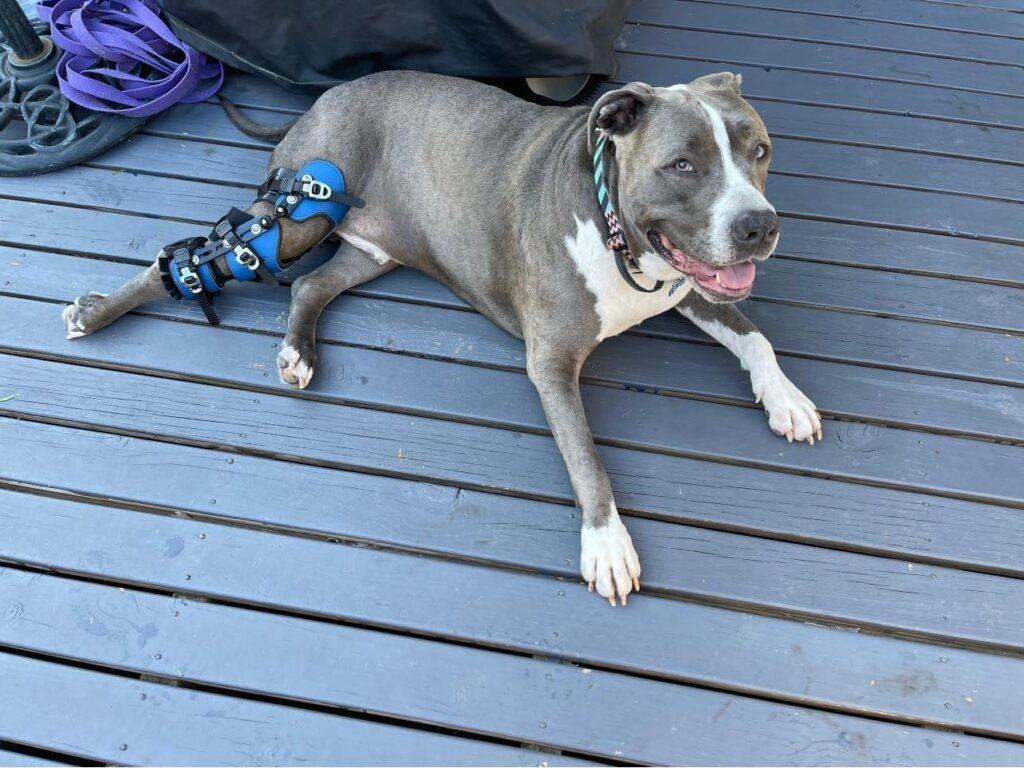
This is a good question! First off, most custom orthotics will be in the $900-$1200 range, as there is much more involved in the production than the over the counter options. For instance, with our brace each client gets 4+ hours of customer service with our veterinary technicians, both guiding them in measurements, fitting calls, rehab assistance, and supplement/diet help. There is also a lot more production time needed for custom products, and we do not start until we have the measurements from the patient. Over the counter braces are a “one brace fits all” product, so they have sized like small, medium, and large.
They do not take into account patients that are more bow legged like our staffies, or patients that need the top shell brought down a bit more to accommodate shorter legs. Plus, we do have a warranty on the parts of our brace, where a non-custom product is not only non refundable, but there is no warranty. The buyer essentially takes on all of the risk. I have many patients that have purchased a non-custom brace first, only to find it did not fit well, and were stuck. Then, they went with our Posh Dog knee Brace, and loved the custom fit, non sliding option.
Does a custom product have straps that go over the back?
No, custom braces will not have straps or stirrups that hold them in place. This is because we are a direct fit to the patient. Non-custom products are not made for your dog’s leg, so they must be held up by straps and stirrups. Our brace utilizes a hock wrap, that goes around the ankle, to help keep things from slipping down. This, and our unique strapping system, make it so our brace is much more simple to use.
Do custom dog braces need to be casted? My vet told me only to use casted braces
No, at Posh Dog Knee Braces we use a proprietary online program, that allows us to make a digital model of your dog’s leg, using specific measurements. This is why we have a veterinary technician watching and helping each patient take the measurements that we need. Our process is much faster and easier than casting, and production typically only 3-4 business days, with express shipping.
What is the materials of a custom vs. non custom brace? Are they made of the same stuff?
Again, great question. A non custom, over the counter brace is made of cheaper materials, such as neoprene and sometimes a cheaper metal hinge. This means they are not going to last you long, and will not be waterproof. Our Posh Brace is made of only the best orthotic materials, similar to pediatric orthotics, so that they are both durable, comfortable, and easily cleaned. Our dog knee brace can also be used in hydrotherapy.
For more information you can reach us via our contact form or visit our Facebook Page.
Articles from the Posh Dog Knee Brace team — a group effort with our licensed veterinary technicians and brace specialists, sharing 15+ years of experience helping dogs recover from CCL/ACL injuries and mobility challenges.
Hey guys, Nikki with posh dog knee braces here. So, first of all I can’t stress enough the need to do some form of physical therapy. We send every patient home with a 12 week recovery calendar and exercises, however, we need you to keep those up for the full 9 months. Whether you find a holistic or physical therapy clinic to help you with water treadmill or PT, you need to keep you dog active in some way.
Lack of activity will cause a joint to “lock up” after the scar tissue has formed, meaning there is not going to be the same amount of range of motion there. There also can be loss of muscle. The brace alone is not enough to build muscle, you will need to keep walking your dog, and doing some form of exercise program. This is needed whether you do surgery, Conservative management, or bracing. Doing nothing will result in loss of muscle, loss of range of motion, and most likely arthritis and pain down the road.
We have a lovely list of holistic veterinarians and rehab clinics around the US and in Canada, so reach out if you are struggling to find a clinic. The clinics on our list are partners with posh, and know how to treat our patients, as well as measure and fit the brace if needed. We do have some things we can have you do from home as well, if PT is just not in the budget. I am happy with walks, simple exercises, and passive range of motion.
What is PROM? This is you gently bending and flexing the knee, as well as the hip. I have videos we send to you on how to do this stretching, but this is key to keep flexibility in the joint, and not end up with lack of movement there.
Please let us know if you have any questions, poshdogkneebrace.com or visit our Facebook Page. Thanks!
Articles from the Posh Dog Knee Brace team — a group effort with our licensed veterinary technicians and brace specialists, sharing 15+ years of experience helping dogs recover from CCL/ACL injuries and mobility challenges.
How to exercise your dog using our brace. Hey guys, this is Nikki Lead Veterinary Technician with Posh Dog Knee Braces,we are going to talk about excerises for your dog. Today let’s talk about how to keep your injured dog active using our brace and how to exercise with it. As you know, after surgery there is several weeks that you would need to have your dog kenneled with no exercising, leading to atrophy of the muscles and overcompensating on the other joints. With our brace, patients are able to fully weight bear and start walks right away, decreasing the chances for overcompensating.
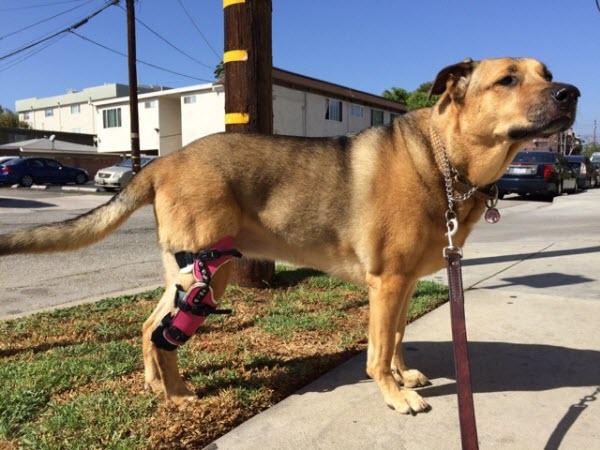
Just like us, we want to start out slowly, so as not to over-use those muscles that have been unused since the onset of the injury. I suggest starting out with no more than 2 fifteen minute walks per day for excerising, and gradually increasing the amount of walking each week by about 10-15 minutes, as the patient starts getting stronger. Each patient is different in the amount you are able to start walks, and there may be some initial soreness for the first 2 weeks. This will go away as we start gaining muscle back.
Once our patients are able to walk comfortably for at least 20-30 minutes, after a few weeks, we can start encouraging things like swimming, hills, beach walking, and curbwork for exercises. Swimming can be at a physical therapy clinic, swimming pool, or a beach. Just no jumping into the water and climbing yet. Short hills and small hikes are great tools to keep those muscles working out.
We do offer a 12 week physical therapy program with each of our patients, which includes stretches and different exercises, such as figure 8’s, curb work, walks, hydrotherapy, ect. It is important to keep up with passive range of motion as you work into more activities, to prevent soreness and stiffness in the muscles and joints. As we are developing scar tissue, we want to keep up with gentle movements in the knee. This is important to help the development of healthy scar tissues.
After a few months, gentle trots and increased activities will be ok, as long as the patient is supervised. As we start to approach the 6-9 month mark, there should be more and more stability to the joint, even without the brace on. As the knee begins to stabilize, we can do more and more activities. We still need to refrain from excessive running, jumping, twisting, or playing fetch until things are fully recovered. This is usually after about 12 months. Always ask our technicians if you have any questions on activities planned.
For more information about how to exercise your dog you can contact through our contact form or visit or Facebook Page.
Articles from the Posh Dog Knee Brace team — a group effort with our licensed veterinary technicians and brace specialists, sharing 15+ years of experience helping dogs recover from CCL/ACL injuries and mobility challenges.
Any number of ailments might result in a dog’s hind-legs losing strength. The following hints will help your veterinarian identify the problem’s root cause.
Regardless of the source, a dog’s weakness normally manifests itself first in the hind limbs. This seems obvious given how much work the dog’s hind-legs perform. They are in charge of pushing the body upward from a seated or lying position as well as driving the body forward when moving. You will be made aware of a weakness-related issue if you experience difficulty with these routine daily tasks.
What does a weak set of back legs on your dog look like? Hind-limb weakness is indicated by a variety of behaviors, including slow rising, sinking on the back limbs, dragging the tops of the toes, swaying of the hind end, occasionally crossing of the limbs, intolerance to physical exertion, slipping, sliding, and collapse of the hind end. The ability to stand on its hind-legs may also suddenly disappear in your dog.
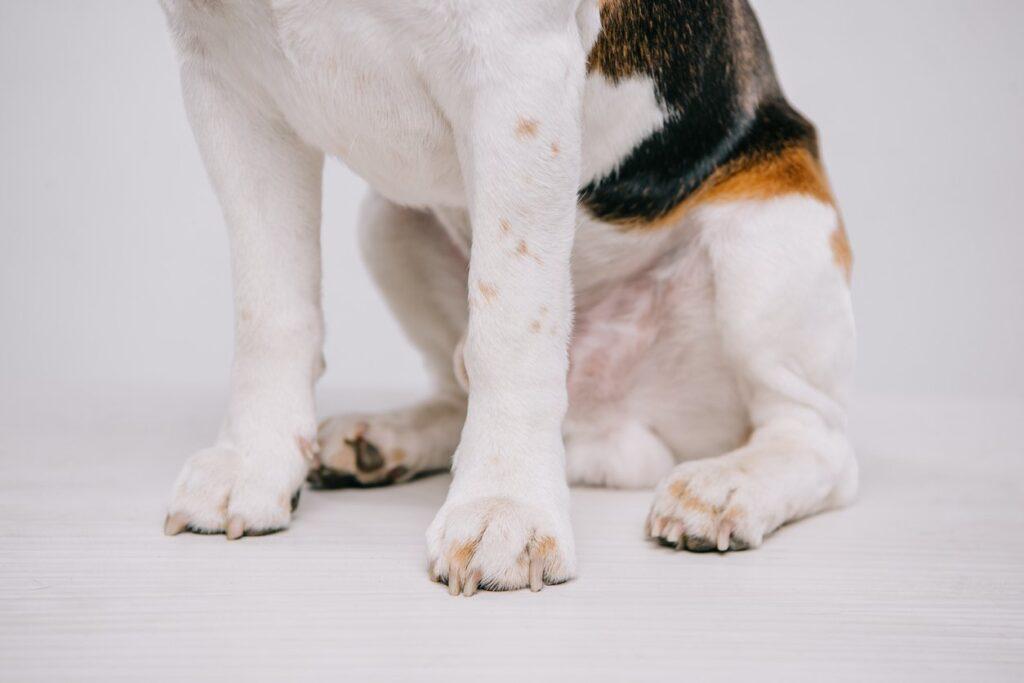
If your dog exhibits any of these symptoms, you should pay attention to a few details that can aid your vet in identifying the problem:
Some problems are more likely than others depending on your dog’s age and size. This is applied to the diagnostic procedure as well.
The four primary categories of causes of hind-leg weakness are orthopedic, neurologic, metabolic, and cardiac.
Chronic joint inflammation/pain is the primary orthopedic cause of canine hind-leg paralysis (osteoarthritis, degenerative joint disease). Although arthritis is obviously painful, it is frequently accompanied by compensatory pains, which are muscle aches and pains. The dog finds it difficult to stand up and move as a result. He might become more sedentary as a result, which would worsen the condition by causing him to lose muscle mass and fitness.
Due to the wear and tear on the joints over time, arthritis most frequently affects older dogs; overweight dogs endure an additional burden because of the increased tension those extra pounds place on the joints. Hip arthritis may appear in puppies of dogs with hip dysplasia, which results in improperly shaped hip joints. These arthritic disorders typically present with a delayed, sneaky onset of hind-leg weakening. It won’t appear to have occurred overnight.
Immune-mediated arthritis and Lyme arthritis are two acute types of arthritis that can cause a dog’s hind end to suddenly weaken. In addition to fractures and intervertebral disc disease (IVDD), overweight dogs frequently suffer from bilateral anterior cruciate ligament (ACL) tears, which are additional orthopedic reasons of hind-leg paralysis. Your veterinarian will be able to identify these diseases and recommend the proper treatment with the use of blood tests and x-rays.
IVDD: When an unhealthy disc (or discs) puts strain on the spinal cord and causes neurologic weakness, IVDD transitions from an orthopedic problem to a neurologic one. The majority of these instances are treatable medically, but surgery is necessary if paralysis develops or medical treatment is ineffective.
Spinal tumors: Similar symptoms are brought on by neurologic disorders such as spinal tumors. For a diagnosis, sophisticated imaging techniques like computed tomography (CT) or magnetic resonance imaging (MRI), as well as occasionally cerebrospinal fluid examination, are needed.
Diskospondylitis: An infection of the intervertebral disc and the ends of the surrounding vertebrae is known as diskospondylitis. It can be challenging to diagnose, produces hind-limb paralysis regularly, and is excruciatingly painful. Long-term antibiotic use is the course of treatment (six to 12 months). Your dog may need more x-rays and/or more sophisticated testing, such as CT or MRI, to make a certain diagnosis because this ailment can be challenging to diagnose in its early stages. These canines can fully recover if they are diagnosed and treated appropriately.
Lumbosacral stenosis: Cauda equina syndrome, or lumbrosacral stenosis, is a degenerative disorder that affects only the lumbosacral joint and is related to IVDD. This joint joins the last vertebra to the pelvic region. It differs from the other intervertebral joints in that the spinal cord sends all of the peripheral nerves that travel to the hind end to this joint. In addition to being extremely painful, this type of disease typically results in neurologic impairments and weak hind limbs.
Degenerative myelopathy: Weakness in the hind-legs is a symptom of degenerative myelopathy (DM), a slow but progressive deterioration of the spinal cord. Although it affects various breeds, the German Shepherd Dog serves as the disease’s mascot. Typically, older and middle-aged canines are affected. There is just supportive care available as a treatment for DM right now.
Myasthenia gravis: An autoimmune neuromuscular condition called myasthenia gravis (MG) causes muscle weakness that worsens with exertion. It may begin with weakness in the back limbs but quickly progresses to total body weakness and collapse.
Here’s a situation that is typical of Myasthenia gravis: Your dog wakes up after a nap and acts normally. As soon as you start walking, he begins to sink, slip, and stumble until he is unable to stand or walk. He can resume short-term function after a period of rest that enables the replacement of damaged neuromuscular transmitters. A blood test is required for diagnosis. Long-term therapy is required (six months or longer). Some canines will have remission and resume their regular lives. Others will require care and support throughout their lives.
Exercise-induced collapse: Labrador Retrievers and a few other breeds are susceptible to the genetic illness known as exercise-induced collapse (EIC). It usually manifests itself between the ages of 6 months and 2 years. It takes place following several minutes of intense exercise. The dog quickly starts to weaken and lose coordination in his hind limbs, eventually collapsing. For this, there is no cure. Avoiding vigorous exercise is one method of prevention. It is crucial that you get your puppy from a breeder who has tested the parents for this gene for the aforementioned reasons. Have your adoptive dog’s EIC gene checked if he exhibits these symptoms.
Idiopathic vestibular syndrome: In elderly dogs, idiopathic vestibular dysfunction is a frequent cause of weakness in the rear limbs and lack of coordination. It appears abruptly and may give you the impression that your dog is having a stroke. This disorder’s origin is uncertain. It typically comes with a head tilt and balance problems. With supportive care, the majority of dogs will recover in time.
Numerous illnesses transmitted by ticks can result in generalized neuromuscular weakness, which may first show in the rear limbs. If you notice ticks on your dog, let your vet know.
Hypoglycemia (low blood sugar), anemia (few red blood cells), and hypokalemia (low potassium) are a few examples of metabolic conditions that might weaken the hind-legs. Blood testing can quickly diagnose this. For these problems to be solved, identifying their underlying causes, which necessitates more diagnostic testing, is crucial.
Weakness can result from endocrine conditions such as insufficient thyroid hormone (hypothyroidism) and underactive adrenal glands (Addison’s disease). Blood tests are used to diagnose both conditions, and there is no cure.
Hepatic encephalopathy, a metabolic disorder that causes sporadic weakness and confusion and is most noticeable after eating, can be brought on by certain liver disorders.
All of the body’s tissues must receive sufficient blood flow and oxygen, which depends on healthy heart function. Weakness happens when heart function is compromised, regardless of the underlying cause. Again, for the reasons already mentioned, weakness in dogs typically manifests itself in the hind-legs first.
Heart illnesses that affect dogs include heartworm disease, congestive heart failure, heart muscle disease (cardiomyopathy), cardiac arrhythmias, cardiac or pericardial tumors, and fluid in the sac surrounding the heart (pericardial effusion).
Your veterinarian will discover a cardiac explanation for the hind-leg weakness you’ve noticed during your dog’s physical examination, and treatment and diagnosis will proceed from there.
As you can see, there are many different possible reasons why dogs’ hind limbs get weak. Because of this, it’s crucial to have your dog inspected if you notice this problem; never just brush it off as a “old dog” problem. Many of the underlying causes can be ruled out by your veterinarian, who can then hopefully provide a conclusive diagnosis. Even if your dog is quite old, diagnosing and treating some of these disorders can completely transform his life!
There is no cure for some chronic illnesses, such as osteoarthritis. However, there is a lot you can do to enhance and preserve your dog’s quality of life for a very, very long period. Your sensitive loving care and dedication to supportive measures are the first step.
Support for Mobility Issues Caused by Arthritis
If you are interested in more information about our Posh Dog Knee Brace you can contact us on our form or if you would like to purchase our brace you can click here, you can also join our Facebook Group page to hear how other dog parents help their dog with their pain management and therapies.
Articles from the Posh Dog Knee Brace team — a group effort with our licensed veterinary technicians and brace specialists, sharing 15+ years of experience helping dogs recover from CCL/ACL injuries and mobility challenges.
Age-related osteoarthritis affects many older dogs, as well as some larger breeds who are genetically predisposed to it. Dogs that have arthritis have changes in their affected joints, which can be excruciatingly unpleasant for your pet.
Though it can affect any joint, arthritis most frequently affects the shoulders, hips, elbows, and knees. In addition to localized damage, genetics, and disease, it can also be brought on by continual wear and tear.
If your dog exhibits any of the following 7 symptoms, schedule an appointment with your veterinarian to develop a care plan.
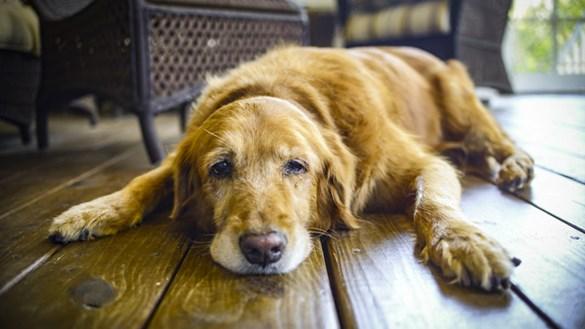
You could notice that your dog is hesitant to perform tasks that they previously completed without issue.
Maybe you’re pet used to dash into your car as soon as the doors opened, but now they seem unconcerned. You could observe that your dog has trouble ascending or descending the steps. Has your pet lost interest in playing and running around like it once did? Maybe you take walks slowly?
If your pet exhibits these changes, arthritis may be to blame. These formerly simple actions probably hurt now that your joints are inflamed.
You might notice your pet limping or favoring one or more legs over the others, depending on which joints are damaged. Your pet may even become lame in one or both rear legs if the spine is harmed.
Upon getting up or down, your dog could appear to be in discomfort or stiffness, but once they have walked a little and “warmed up,” it seems to go away.
Joint inflammation can make the affected parts feely to the touch.
If your dog appears to be rejecting your affection or howls in pain when you pet them, you may have found the source of the issue.
Has your once-adorable dog started acting more and more like an elderly man?
If moving caused you chronic discomfort, you probably would have a shorter fuse as well. That also applies to your dog. When you try to touch them, they could bite or snap, especially if you are handling them in a way that makes the discomfort worse.
Dogs with discomfort frequently don’t want to be bothered. Your pet might spend more time in the house’s quiet corners or quit pursuing you around. It’s possible that their schedule will change and they won’t be available for your usual walk or play session.
An arthritic pet will frequently focus their attention on hurting joints. They may frequently lick or chew on one or more locations, even to the point of causing hair loss and inflamed skin.
Pain wears them out!
Pets won’t want to walk as far or play as much if it is difficult for them to move around. They might spend more time relaxing or sleeping instead.
Dogs with arthritis frequently experience muscular atrophy from inactivity.
Some muscles will gradually atrophy as a result of less use. You might notice that one or more of your legs appear thinner than the others if you have arthritis in those legs.
Please schedule an appointment with your veterinarian as soon as you can if you see any of these symptoms in your pet. Even though arthritis cannot be cured, developing a treatment plan in its early stages can help your dog live a better life and make the condition more tolerable.
If you would like more information on your dog’s arthritis please contact us on our form, or you can visit our Facebook Group to see how others have helped their dogs. If you are interrested in purchasing a brace for your dog you can visit our shopping page.
Articles from the Posh Dog Knee Brace team — a group effort with our licensed veterinary technicians and brace specialists, sharing 15+ years of experience helping dogs recover from CCL/ACL injuries and mobility challenges.
Dog Knee Recovery Without Surgery
By Rosemary Levesque, Licensed Spiritual Healer
Second Nature Healing®https://secondnaturehealing.com
Rosemary@secondnaturehealing.com or call directly 503-747-3307
The following article is written in gratitude to Posh Dog Knee Brace for their support during Gracie’s recovery from a torn CCL. Gracie wore the brace and healed well without surgery. In honor of Gracie who had a long healthy life, I’m offering:
The cranial cruciate ligament (CCL) in dogs is a band of connective tissue that connects the upper leg bone (thigh) to the two lower leg bones (tibia and fibula) at the knee joint – called the stifle in dogs. The CCL helps stabilize the stifle, and is highly vulnerable to tears which destabilize the joint. Damage to the knee joint is the leading cause of rear-leg lameness and the major cause of degenerative joint disease in dogs. (1)
If you can’t wait to get started with healing and recovery, please begin here.
My number ONE product source for healing and recovery is https://avinihealth.com/rosemary.
These products are designed with humans in mind, but with my years of experience working with animals, I know how critical it is to use these products, safely and easily, across the board, with all species. Call me for a consultation on how to help your dog heal faster, without surgery, using the Posh Dog Knee brace and my products.
There are many situations that could result in a CCL tear:
Contributing factors like obesity, genetics, and general health may also have a role in causing a torn CCL. Since animals are excellent at hiding their injuries and illnesses, you’ll want to be especially observant if you suspect a tear. In addition to limping or lameness, watch for muscle atrophy in the thigh or imbalance in the spine.
When Gracie jumped into the car as usual one beautiful spring day after a pleasant walk in the park, she yelped in pain. Yet after her initial jolt, she seemed fine. She ate and walked normally for several weeks until we had our next vet visit, a yearly wellness check-up. Suddenly she picked up her hind leg, revealing her lameness. It surprised me that she’d wait until we were in his office to say something about her problem. She hadn’t shown me any sign of lameness since the incident a few weeks prior.
A veterinary examination for stifle injury usually includes manipulation of the joint and is called a “drawer test”. Physical manipulation of the joint forces the ligaments to stretch and tear more. Unfortunately, it was an issue and Gracie became obviously lame after that. That’s why I add this test to the list of causes. Even if a small tear already exists, it can worsen after such manipulation. If you suspect a torn CCL, do NOT allow your vet to perform the drawer test.
Our vet suggested that we see a specialist for CCL surgery. He also offered cold laser treatments at his clinic to help speed healing and recovery. I felt hopeful about Gracie’s healing and recovery with the healing methods I already know and use. So, in addition to frequent cold laser treatments, my plan included Reiki, essential oils, and acupuncture. I opted to not have invasive, expensive surgery.
The most common response to a torn CCL is to perform a surgery called Tibial Plateau Leveling Osteotomy (TPLO). In this surgery, the tibia, a lower leg bone, is cut (leveled) and rotated to change the direction of movement. A plate is added to secure the new location of the joint. Following weeks of immobility and pain management with medications the problem may be resolved. The cost of surgery and x-rays may range from $2500 to upwards of $6000.
However, cost isn’t the only issue to consider. Weeks of restrained immobility are not only depressing for your active animal, but difficult to control and have other effects such as weight gain, muscle atrophy, and risk of infection as well as the risks associated with the surgery itself. Pain medications can often have harmful side-effects. More importantly, studies now show a definite link between TPLO surgery and osteosarcoma (bone cancer) at the site of surgery.
“. . . dogs with a history of TPLO were 40 times as likely to develop proximal tibial osteosarcoma as were dogs with no history of TPLO. In addition, each 1-kg (2.2-lb) increase in body weight was associated with an 11% increase in the odds of proximal tibial osteosarcoma.” (2)
What’s really best for your dog? Is there another way?
Gracie did well with the holistic methods I used to support her healing. Most importantly, we were still able to walk her short distances while she gradually improved. We purchased a set of stairs for the car so she wouldn’t jump into the car anymore to risk further injury. We added specific supplements to support joint healing and repair.
All of it worked pretty well until one cold winter day when Gracie slipped on the ice. She reinjured her CCL and was in obvious pain. Back to the start once again, I panicked and scheduled an appointment with a surgeon for that week. Fortunately, my intuition told me to keep looking. That’s when I found the REAL ANSWER that saved Gracie’s knee and allowed her to heal – finally – without surgery.
I began searching for a knee brace for Gracie and discovered that they fall into several categories:
Of course, the custom fit seemed like the better way to go, and quality, durability, and customer service and support were also important. That’s when I finally found Posh Dog Knee Brace. (3) They provide a way to make a custom fit brace with highly durable materials that are waterproof (and beach-proof) and long-lasting with a superior guarantee. Their fast service provided us with a custom-fit brace for Gracie in just days.
Immediately on the first try-on, Gracie was able to take her first steps. We started using the brace for short walks until she regained her strength and balance. That’s when I noticed how much she had been compensating for her injury. She was finally able to walk straight without limping, and without any curve or adjustment in her spine. The thigh muscles which had atrophied began to get strong once again. We continued with natural healing techniques and tools which were much more effective now that Gracie had the support of her brace to stabilize the stifle.
There may be little difference in perceived success when comparing TPLO surgery to using an ordinary or inferior knee brace (one that doesn’t fit properly or doesn’t fully support the stifle joint). I believe the real differences come in the form of ease and comfort while healing as well as from the quality of the brace. Many of the sites I investigated, including articles from the American Veterinary Association, Veterinary Medicine websites, and holistic journals gave a more comprehensive picture. Surgeons at the School of Veterinary Medicine at the University of Pennsylvania don’t use TPLO surgery.
Dr. Amy Kapatkin, a board-certified orthopedic surgeon says, “Why break a bone to fix a ligament” (4)
It’s critical to support healing from every angle while the stifle joint is stabilized.
[1] https://www.petmd.com/dog/conditions/musculoskeletal/c_dg_cranial_cruciate_ligament
[2] Association of tibial plateau leveling osteotomy with proximal tibial osteosarcoma in dogs
Journal of the American Veterinary Medical Association
September 15, 2018, Vol. 253, No. 6, Pages 752-756
Laura E. SelmicBVetMed, MPH; Stewart D. Ryan BVSc, MS; Audrey Ruple DVM, PhD; William E. Pass DVM; Stephen J. Withrow DVM
Flint Animal Cancer Center, Department of Clinical Sciences, College of Veterinary Medicine and Biomedical Sciences, Colorado State University, Fort Collins, CO 80523. (Selmic, Ryan, Pass, Withrow); Department of Comparative Pathobiology, College of Veterinary Medicine, Purdue University, West Lafayette, IN 47907. (Ruple)
[3] https://www.secondnaturehealing.com/docs/Posh%20Flyer%20Gracie%20-%20SecondNatureHealing.pdf
[4] https://www.whole-dog-journal.com/issues/13_2/features/Dog-Surgery-Alternatives_16198-1.html
Articles from the Posh Dog Knee Brace team — a group effort with our licensed veterinary technicians and brace specialists, sharing 15+ years of experience helping dogs recover from CCL/ACL injuries and mobility challenges.
Dog knee injuries may have some correlation with poor conformation, but a dog’s weight, health, and activities all have a significant impact.
A patellar luxation or a cruciate ligament damage is the most common knee injury in dogs. An abnormal patellar conformation, also known as a patellar luxation, or dislocation, is typically caused by congenital abnormalities. Despite the possibility of a conformational component, trauma is typically the cause of cruciate ligament injuries. Both are painful and need medical attention from a veterinarian.
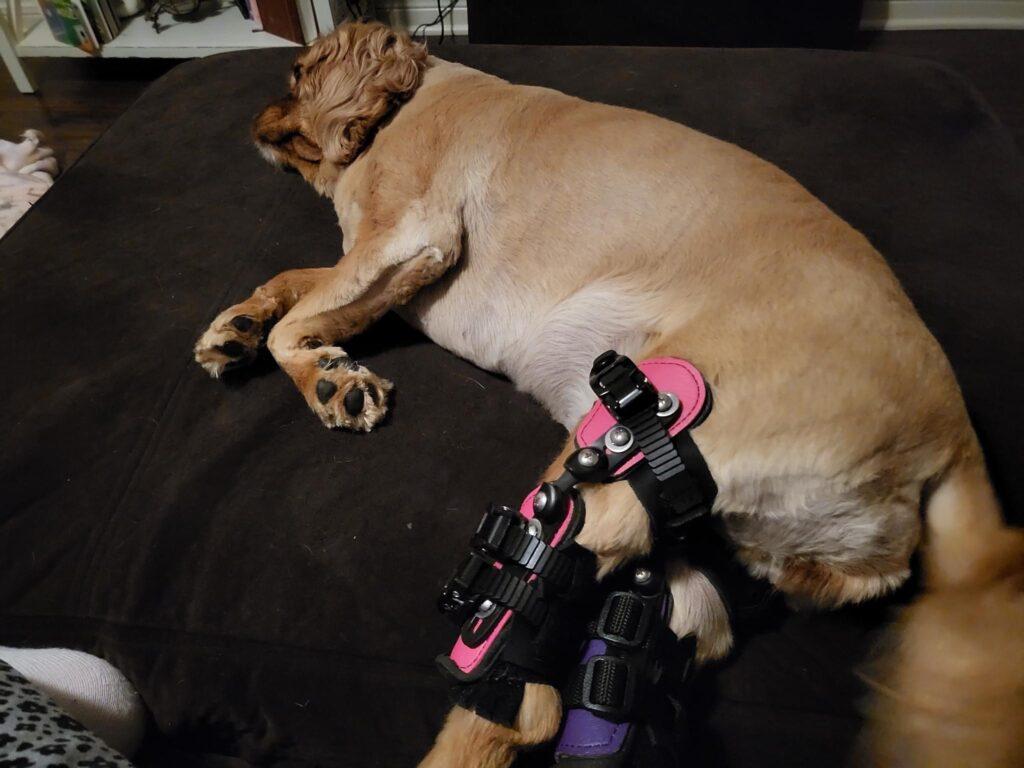
Your dog’s patella is its kneecap. The femoral trochlear groove, which is naturally present at the femur’s end, is where the patella ordinarily slides up and down in the middle of the knee. Unfortunately, the dog’s knee might develop genetic flaws that cause the kneecap to slide to one side or the other. A lateral luxation occurs when it slips to the outside. It is a medial luxation if it slides inward.
The majority of medial luxations affect tiny breeds like Boston Terriers, Chihuahuas, Miniature Poodles, and Pomeranians, Akitas, Great Pyrenees, Flat-Coated Retrievers, Chinese Shar Peis, and other large dogs frequently exhibit lateral luxations.
Only 7% of puppies have patellar issues, and the majority of them exhibit signs of luxation in both back legs.
You might notice your dog “skipping” occasionally when he moves, holding up a leg, or pausing and extending out his back limb before moving again if his kneecap is misaligned. Puppies with severe luxations may modify their stance, giving them a knock-kneed or bowlegged appearance (medial luxation) (lateral luxation).
Physical examinations are typically used to identify kneecap issues. Due to the possibility of an association between the two issues, your veterinarian will also examine your pet’s cranial cruciate. X-rays are frequently advised to check for further orthopedic issues that can affect treatment, like hip dysplasia.
Treatment is dependent on how severe the luxation is. Especially in smaller dogs, grade 1 and many grade 2 instances are frequently left alone while being kept an eye out for emerging issues. Grade 3 and grade 4 instances typically require surgery to keep the dog comfortable and lessen the likelihood of future orthopedic issues.
In order to keep the patella in place during dog knee surgery for a dislocation, the soft tissues on the side opposite the luxation are typically tightened. To assist in keeping the kneecap on its optimal course, the femoral groove may be deepened. To realign important muscles and give the leg a more typical anatomy, the tibial crest may be repositioned. Osteoarthritis is a common later-life ailment in dogs with kneecap issues.
Bracing can be used to stabilize the knee, with a LP, to give shock absorption, and to help prevent a CCL tear. Most dogs with a luxating patella will also get a concurrent Cruciate ligament tear, so it is important to do something to prevent this. Physical therapy is also something that is recommended, to help strengthen the surrounding muscles, and help with a grade 2 or less.
The majority of cruciate ligament issues are caused by trauma, however, they can also be degenerative. It can be an acute injury brought on by the dog turning too tightly while moving quickly, for instance, or it might be a low-grade, ongoing issue that has gotten worse over time (cruciate disease). Tears might be either partial or full, but this can’t be diagnosed without an MRI. Your veterinarian may tell you it is a Full tear, but without sound imaging, that is impossible to fully diagnose.
Your dog has two cruciate ligaments: the caudal, which is in charge of the joint’s forward stability, and the cranial (rear stability). These ligaments “cruciate” or cross over the knee joint between the top of the tibia and the bottom of the femur. They allow for extension and flexion while also giving the knee joint stability. Movement from side to side is restricted.
When dogs are active—running, making sudden turns, stepping in holes while running, and other such activities—they frequently damage their ligaments. However, something as easy as an obese Beagle leaping from the couch and landing awkwardly might tear a ligament. Environmental elements like lifestyle choices and weight are risk factors for cruciate issues, as well as spaying and neutering too soon (see our blog on spaying and neutering too early on the Posh website)
The ligament fibers are stretched and torn with sudden, intense pressure. The majority of dogs will become suddenly three-legged lame and hold up the injured leg. The joint could become painful, swollen, and inflamed. Less obvious symptoms of a chronic partial tear may resemble arthritis. After a period of inactivity, your dog can become particularly stiff and/or have intermittent lameness.
Large, muscular breeds of dogs, such as Labrador Retrievers, Golden Retrievers, German Shepherd Dogs, Rottweilers, and Pit Bulls, are most susceptible to cruciate ligament tears.
Due of the prevalence of this injury in laboratories, Research Laboratory offers a genetic test to check for cruciate issue susceptibility. Though not definite, a dog with a positive result on this genetic test is thought to be at a higher risk of cruciate rupture: roughly 62% genetics plus 38% environment. Owners should exercise frequent physical therapy and be more watchful to avoid their dogs from gaining weight.
The knee injury in your dog will probably be identified by your veterinarian after a physical examination. An obvious sign of a tear is a lax (loose) joint, or drawer test. Additional diagnostic procedures may include radiographs, to check for arthritic changes and/or arthroscopy, a surgical procedure that enables the veterinarian to examine the menisci, two cartilage discs that cushion the knee joint, in the joint.
Small dogs may benefit from wearing a brace that is specially made for them, as they tend to recover well with conservative management. Sometimes they may require extracapsular repair surgery, which involves placing a suture to stabilize the joint until scar tissue takes over. This procedure should never be done on dogs over 40lbs.
Some veterinarians may recommend very invasive surgery, that involves relocating and cutting bones in the joint. This is currently the only surgical option for large breed dogs, and should be researched with caution. The tibial plateau leveling osteotomy (TPLO) and the advancement of the tibial tuberosity are two of these treatments (TTA). (We recommend to try others means before doing surgery, but this is an option if you choose it.)
If you decide on conservative therapy combined with a Posh Dog Knee Brace, consider having our custom brace created, to give your dog the best chance of recovering. Regardless of size, a brace could be the best solution for dogs who are not suitable candidates for surgery, or if you prefer a conservative approach.
Regardless of the course of action you and your veterinarian determine is best for your dog, aftercare is crucial. Careful guidelines must be adhered to exactly as prescribed by your veterinarian. We include such a program with our custom Posh Brace.
A program of walks that gradually increase in distance and difficulty will be part of the rehabilitation, as will other workouts like an underwater treadmill. It might be suggested to use laser and pulsed electro-magnetic field (PEMF) therapy. It may be advised to use joint supplements to maintain his joints and delay the onset of arthritis. Unfortunately, 40–60% of dogs that rupture one cruciate will also eventually damage the other if nothing is done. This % will go up after surgery, by a significant amount, and decrease with custom bracing.
The likelihood of an injury and a full recovery might be influenced by your dog’s general health. Maintain your dog’s ideal weight. Look into an exercise plan to help him build his core muscles, as well as balances drills like wobble board or peanut work. Regarding your dog’s conformation is reasonable. To further reduce the chance of damage, you can think about conducting scent work or rally with your dog instead of agility or fly ball. If you dog already has 1 injured knee, or a knee that has had surgery, consider also bracing the good leg, in order to prevent overcompensation on the other side.
Check out our Facebook Page!
Articles from the Posh Dog Knee Brace team — a group effort with our licensed veterinary technicians and brace specialists, sharing 15+ years of experience helping dogs recover from CCL/ACL injuries and mobility challenges.
Hey guys, let’s talk about different braces for dogs that are out there. We will go over the cheaper, over the counter options, as well as custom braces, and casted braces, and which may be the better option for your and your furry best friend. First, before purchasing or looking for any type of brace for your dog, please make sure the injury is in the knee. There are other issues that can look just like knee injuries, however, it may be something else going on. So, always have your dog checked out by a Veterinarian or naturalpath before purchasing any orthotic for your dog.
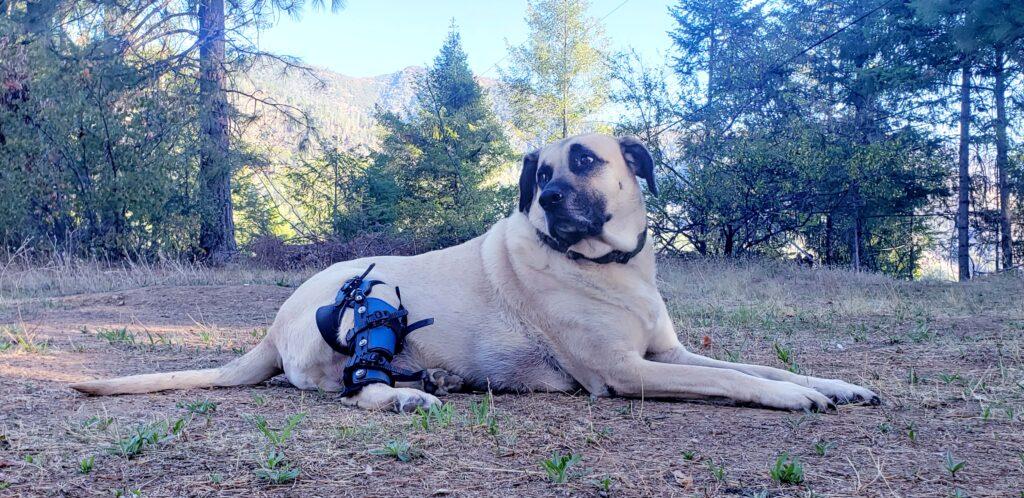
You know, the ones you can find on chewy or amazon, sometimes even online, that advertise amazing results for under $200. Sounds great, right? Well, truthfully these products are not meant for full stability. If your dog has a minor strain or sprain, and just needs to take things easy for a couple of weeks, a lot of people feel they need to get right in there and put a soft brace on their dog. This can actually cause the injury to worsen, cause rubbing sores, and really did not do anything to help your poor dog.
While they may be budget friendly, they really are not in the end. More than 80% of people that purchase these “non refundable” soft braces online end up getting a custom orthotic anyways. Sadly, some of these companies are charging up to $500 for these non-custom products, promising great results. Don’t fall for these, anything that needs a strap or stirrup to go up over the back or connect to a collar or harness is not a custom product, and will not work long term for your dog’s injury.
If your dog only has a small sprain, just let them recover by keeping them quiet and leashed for a few weeks, and they will be just fine, no need to spend your money on soft braces. Unlike with people, a dog knee is just too angled for these to fit properly without the need for straps, and they will not stay up.
You will see a few companies that try to say casted braces are the only way to go custom. Well, that is not necessarily correct. If you are in a local area for one of these places, and are able to go into their manufacturing facilities to have them actually do the cast, then you may be ok, however, in our experience, even veterinarians get casts wrong, and this can be a huge headache. Then, you will need to remake your appointment at the vet’s office, possibly re-sedate your poor dog, and remake the cast again. And if your dog has hair, this can be quite a painful process.
Then, if all of that is finally finished, you now have a hard plastic, not forgiving, brace. How would you like to have hard plastic up against your sensitive areas/groin? Or on the soft tissue of your ankle? And you can imagine that if your dog starts to get back into walks and gains muscle back, now there is a new issue. The brace was made for your dog’s leg circumference at the time of casting, but if your dog looses weight or gains muscle, the brace no longer will fit, and you are looking at a lot of modifications, or most likely the need to completely remake the brace. Not really cost effective anymore, is it?
You can tell that this brace was made with our dog’s comfort and daily activities in mind. There is no need for casting, we do everything through our proprietary computer software, that allows us to make a perfect fitting dog knee brace the first time. Also, our custom dog knee brace will last you for the rest of your dog’s life. It is waterproof, weather proof, easy to care for, comfortable, and actually made with decades of experienced hands.
Not only that, but we do a fitting video call with all of our clients, so you get to have one on one time with our certified veterinary technicians to help with physical therapy, walk schedules, and supplements. No other company offers this, for free, with the brace. I know, right? Posh is one of a kind, as there is no hard plastic touching your poor dog’s sensitive areas. Most people comment that they want us to make them a brace, as it is so well made! The semi-rigid shells provide support for the knee, without taking away the comfort.
So, there you have it! The 3 types of braces for dogs. Let us know if you have any questions!
If you are interested in our braces for dogs please check out out store page or visit our Facebook Page for more information.
Articles from the Posh Dog Knee Brace team — a group effort with our licensed veterinary technicians and brace specialists, sharing 15+ years of experience helping dogs recover from CCL/ACL injuries and mobility challenges.
Hey guys, this is Nikki, Lead Veterinary technician with Posh Dog Knee Braces. Today let’s discuss bracing after surgery. So, your dog had CCL surgery, be it TPLO, TTA, or Lateral suture. Now you are wondering what can be done so that your dog does not have to go through that a second time. Is there a way to prevent a second knee injury? Let’s dive deeper into this very controversial topic.
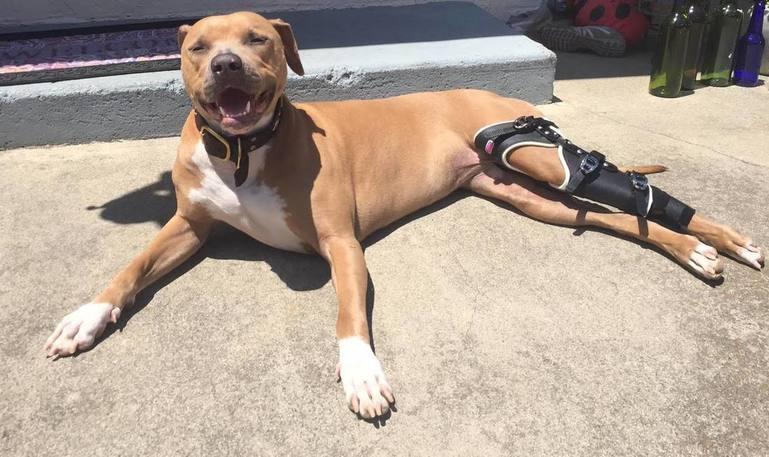
First off, the statistics don’t lie. Once a dog has a CCL tear, there is a good chance the other leg will go. Now, this is not a guarantee, but it is very common. The reason? Your dog is now overcompensating on the good legs, as the injured leg is not able to weight bear as it used to. Even after surgery, which can take about 8+ weeks to recover, there is a 2 month plus period where your dog is still overcompensating on the other side. In order to help your dog recover smoothly, you might consider a knee brace for bracing.
What can a knee brace do for the good leg? Well, it can help prevent an injury. After surgery, your dog will need to be on bed rest for the 2 month period, however, after that there will be a time to do physical therapy. There will be some amount of atrophy in the surgical leg, until we get mobility back, and it is hard to say how long they will overcompensate. This is why there is a higher incidence of second knee injuries in patients that have surgery. Now, if we brace post-operatively, we can hopefully prevent the second knee from tearing, and give your dog a much smoother recovery period.
Some patients will also choose to brace the post-op leg as well, depending on the surgery performed. If you chose to do the lateral suture surgery, then I would definitely brace both legs post-op, as the time of overcompensating post lateral suture is much more than with TPLO or TTA.
So, by bracing the second leg we can not only help your dog with a much smoother recovery period, but we might be preventing a second injury all together. Many of our patients brace post-op with great results so far. This gives you peace of mind that you are doing everything possible to get your pup back in top form.
As always let us know if you have any questions about bracing! You can email us through our contact form, and my phone number is 509-412-3065. You can also check out more information on our Facebook Page.
Articles from the Posh Dog Knee Brace team — a group effort with our licensed veterinary technicians and brace specialists, sharing 15+ years of experience helping dogs recover from CCL/ACL injuries and mobility challenges.
Hey guys! I just wanted to make a note about brace “slipping” questions. It came to my attention that some people were concerned about if our brace slips down. Here are some things to consider if this happens. Also, on small note, when sending us pics, always include a bent knee picture. Sometimes what looks to be slipping on a straight leg picture, is actually a perfect knee center on a bent knee. Something to keep in mind, bent knee is key! #slippingquestion
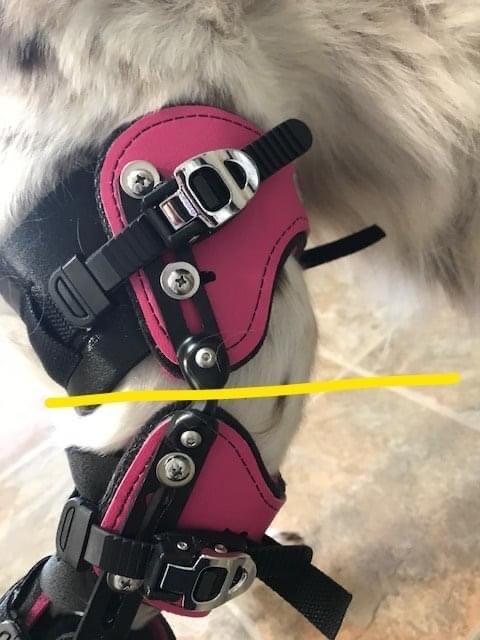
1. When I did the fitting call with Lady and her brace, we initially have the top edge of the middle shell right at the tibial tuberosity bump. It is completely normal for the brace to “adjust” down about 1 finger below this point. This is because the joint center of the brace is finding the correct pivot point of the knee. This is normal, and why we have you re-tighten the middle shell after 5-10 minutes into your walk.
2. If the lower shell and pad stay above the hock (which is where they should be) then the brace is not truly slipping down. We have designed our brace to stay on the ankle, and if it does slip down past the bend of the ankle, please let us know about it.
There are a few reasons this may happen, number one being that the tensions were not correct. number 2 is that the tibial shell may bee too short, number 3 being that the upper shell is too high in the groin (meaning that the belly or short femur may be causing the brace to slip down), number 4 is your dog sat/layed down on the brace, and possibly released the buckle levers, causing brace to loosen up. All these scenerios we can help you with if having an issue, so that they do not happen again.
3. Please email us in service if you have any fit questions, as only one of our technicians will be able to help if you need an adjustment made. Do not do any adjustments on your own, like moving shells, or there will be a charge to fix it (unless we have directed you to do so), and you may void your warranty. You are welcome to shorten straps, though, without us:)
4. Trust us, we have fit over 6500+ patients in braces, we know what we are talking about, and we want what is best for your pup.
5. As always, if you have any concerns regarding the brace fit, you have our service phone number and email, and we will always get back to you within 24 hours. If you have any questions before ordering a brace, send me a contact form, and I can answer any questions for you! Thanks!! Also visit our Facebook page for more helpful tips.
Read reviews check out our Google Reviews online. Click Here
Articles from the Posh Dog Knee Brace team — a group effort with our licensed veterinary technicians and brace specialists, sharing 15+ years of experience helping dogs recover from CCL/ACL injuries and mobility challenges.
Hey guys, Nikki lead veterinary technician with Posh Dog Knee Braces here. Today, lets discuss what a luxating patella is, and what that means for our pups. First off, a luxating patella simply means that the kneecap is not staying in the nice little happy groove that it was meant to on the femur. There is a groove, like a valley, cut out in the femur, that the kneecap is supposed to stay inside. A kneecap, or patella, is only supposed to glide in that grove up and down, as our pup bends the knee, just like our kneecaps do.
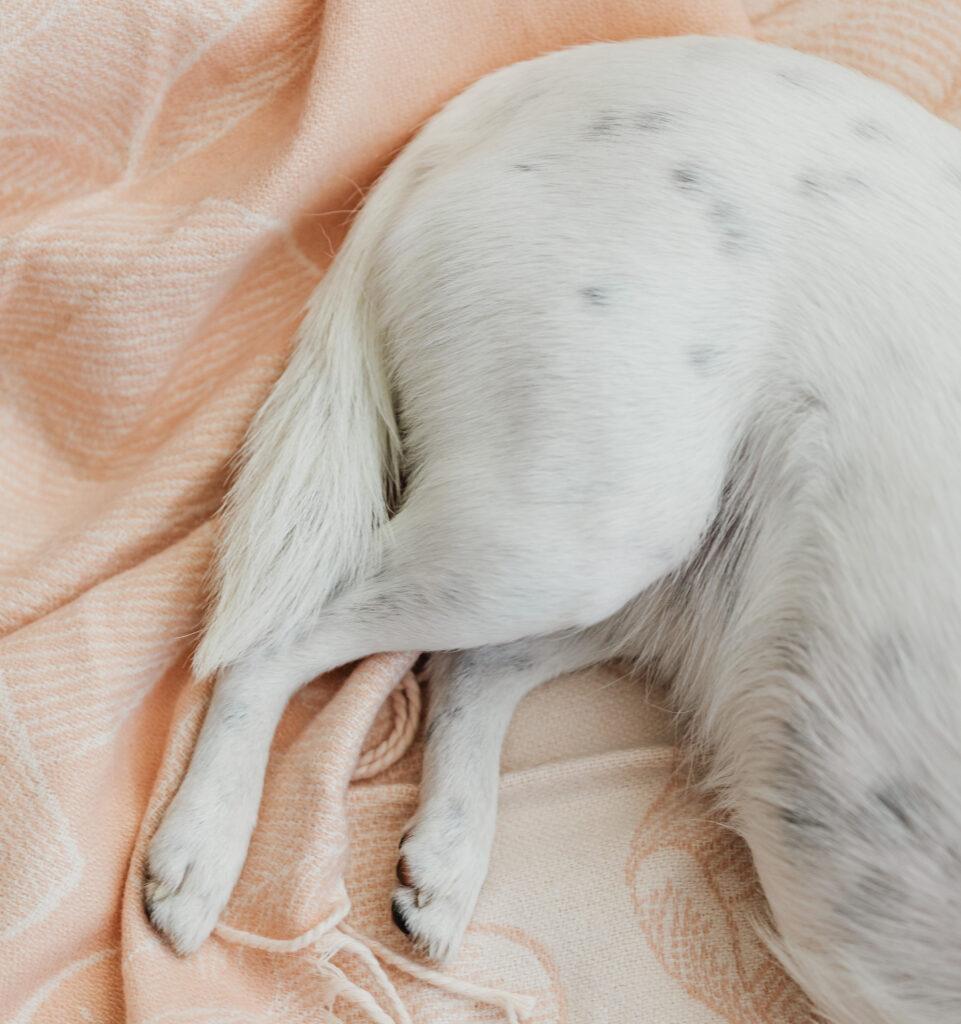
Unfortunately, due to sometimes genetics, this groove is too shallow for the kneecap to be happy and stay put. Also, if the patient has a bow to the femur or leg, the tendon that holds the kneecap in place, makes that kneecap straight up and down. Well, this causes an issue if our dog in fact has a crooked or bowed femur.
Certain breeds are more pre-disposed to this issue, and those would be most poodles, yorkies, chihuahua, bulldogs including smaller bulldog breeds, spaniels, terriers, and even some large breeds. Some of the signs we will see is intermittent hind limb skipping, lameness, stretching the leg out behind them. The more a kneecap moves out of place, the worse the issue gets.
There are 4 grades of lameness for these guys. Grade 1, the kneecap comes out of position, but is easily put back into place. This usually does not cause an issue for the dog, and minor symptoms. Grade 2 the kneecap shifts out of position with pressure, and can remain displaced until adjusted. There may be damage to cartilage on these from moving out of place. Grade 3, the kneecap is disjointed most of the time, but can be returned to normal position, however, once pressure is removed it luxates back out. Dogs will exibit some lameness, and cartilage damage. Grade 4, the kneecap is permanently dislodged from position, and can impair limb function.
Some dog’s with a luxating patella are more prone to having a CCL tear, and so we may suggest bracing them as a grade 2 or less, in order to help support the knee and take some pressure off the knee. Bracing will not hold the kneecap in place, such as for a grade 3 or 4, but will provide some stabilizing of the joint itself, helping to prevent the CCL tear.
Most grade 1 or 2 can be managed conservatively with supplements and rehab, possibly bracing. Unfortunately, if the grade is 3 or above, sometimes they do need surgery to correct the issue, such as deepening that groove the kneecap sits on, or moving the actual tibial bone laterally, which makes the kneecap sit much better in the groove.
If your dog does have surgery, it is recommended to brace post op, to restrict pressure on the knee, otherwise the patient must be restricted to a kennel or crate. PT is really helpful as well.
Thank you, and please visit Poshdogkneebrace.com with any questions about Luxating Patella or you can visit our Facebook page.
Read reviews check out our Google Reviews online. Click Here
Articles from the Posh Dog Knee Brace team — a group effort with our licensed veterinary technicians and brace specialists, sharing 15+ years of experience helping dogs recover from CCL/ACL injuries and mobility challenges.
Today I want to talk about hair length, and if it is necessary to shave your dog for our our brace. For the measurement call, we need to be able to see all the bumps in the knee. The hair needs to be less than 1” in length.
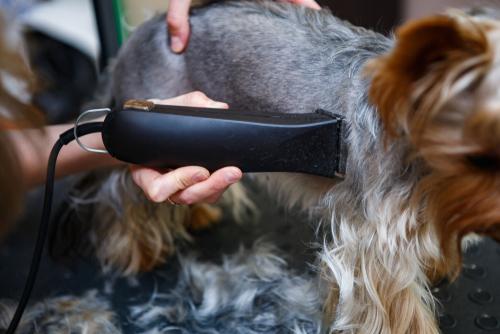
If you have a curly haired dog, you can try wetting down the hair in order to find the bumps. You will also need to make sure you can see those bumps and landmarks clearly for when you are fitting the brace.
If your dog has shorter hair on front of the leg, and feathering behind the thigh, you are probably ok. For dogs that have very long hair, like newfies or Great Pyraneese, they will need legs trimmed/shaved down to the ankle, otherwise we can’t see landmarks to help you measure. Let us know if you have any other questions, you can reach us at our contact page or visit our Facebook page.
Nikki, Posh Lead Veterinary Technician
Read reviews check out our Google Reviews online. Click Here
Articles from the Posh Dog Knee Brace team — a group effort with our licensed veterinary technicians and brace specialists, sharing 15+ years of experience helping dogs recover from CCL/ACL injuries and mobility challenges.
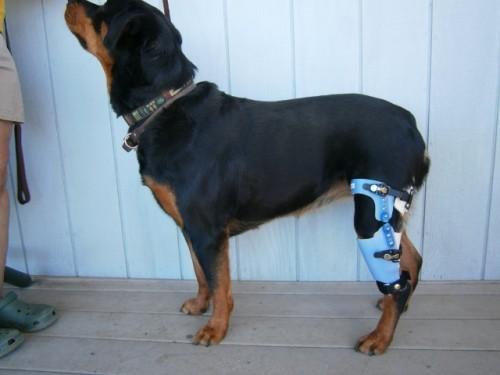
Did you know a Posh Dog Knee Brace can help your Dog recover from a torn knee ligament, CCL injury, or ACL injury – without surgery? Many Dogs are not good candidates for knee surgery due to age, medical issues, and high surgical costs.
Dog knee procedures have a serious complication rate of over one in three, and their overall success rate is far below 40%.
Your dog can recuperate pain-free and without complications with the aid of a bespoke Posh Dog knee brace. By allowing your dog to develop scar tissue, our brace helps the wounded knee area heal in a manner similar to surgery.
Wearing a Posh brace, many Dogs have successfully recovered from a total CCL ACL tear without surgery.
Read reviews check out our Google Reviews online. Click Here
Articles from the Posh Dog Knee Brace team — a group effort with our licensed veterinary technicians and brace specialists, sharing 15+ years of experience helping dogs recover from CCL/ACL injuries and mobility challenges.
Custom-made braces can help your dog after knee surgery – and can sometimes be used in place of surgery.
Ten years have passed since WDJ explored “conservative management” – the nonsurgical treatment – of knee ligament injuries (see “Saying ‘No’ to Surgery,” February 2010). Since then, although surgery remains by far the most widely used knee injury treatment, consumer demand for complementary therapies, including the use of custom-designed knee braces, has grown.
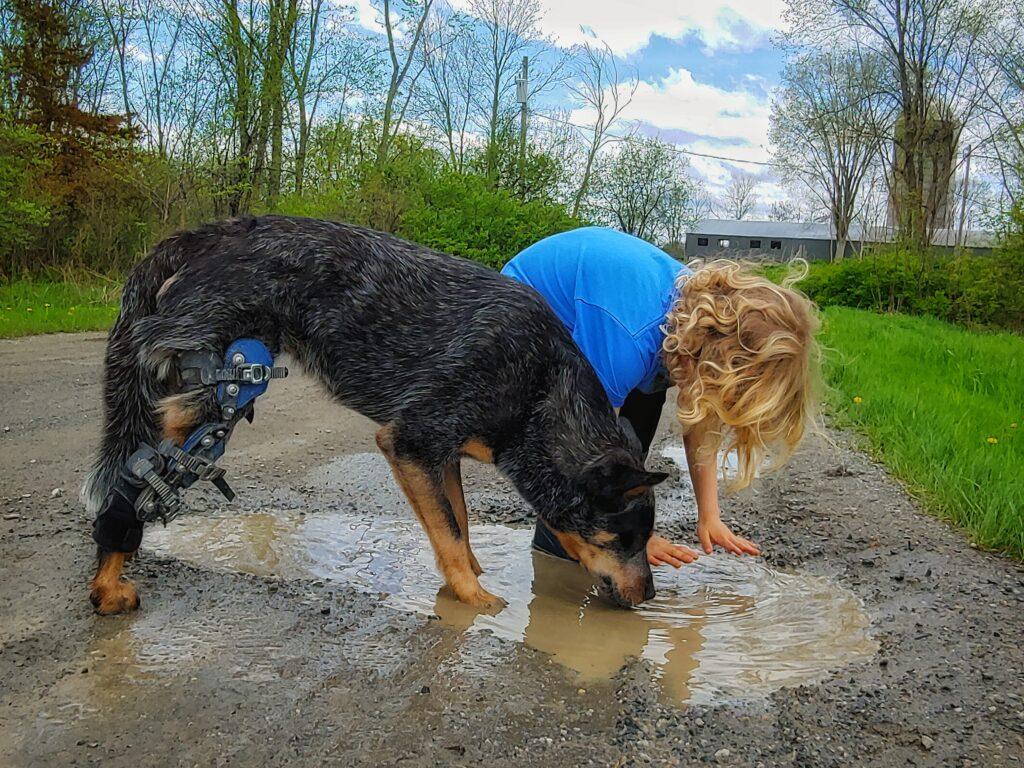
The majority of custom canine braces are made using materials supplied by the brace maker and are based on leg models that were cast in a veterinary office or at the client’s house. The resulting cast and supporting measures are provided so that the brace can be custom-made to suit. Sometimes casting needs to be redone because the cast was improperly created or was damaged during shipping. The appointment raises the price of the brace if done in a veterinary hospital.
The 11-year-old, 77-pound Golden Retriever named Pasha, who inspired the creation of the Posh Dog Knee Brace, had a left hind limb injury. When Pasha’s veterinarian discovered a ruptured cranial cruciate ligament and torn meniscus, he advised emergency surgery, stating that delaying treatment would result in a similar injury to Pasha’s right leg, severe arthritis, and a lifetime of inactivity for the dog.
Although Florida residents Jim Morison and Beth Scanlon, Pasha’s owners, could afford the $5,000 procedure, they were concerned due to Pasha’s age and past health issues, which included a history of anesthesia-related complications. Pasha’s rehabilitation started when they decided against scheduling surgery and purchased a personalized canine knee brace.
Read full article visit: https://www.whole-dog-journal.com/health/canine-knee-injury-brace-yourself/
To purchase a Posh Dog Knee Brace – Click Here
Read reviews check out our Google Reviews online. Click Here
Articles from the Posh Dog Knee Brace team — a group effort with our licensed veterinary technicians and brace specialists, sharing 15+ years of experience helping dogs recover from CCL/ACL injuries and mobility challenges.