When your dog injures a knee, everything changes overnight.
The zoomies stop. The stairs become intimidating. Even getting up from a nap can look like hard work. Whether the diagnosis is a cruciate ligament injury, patellar instability, or post-surgical recovery, one thing becomes clear very quickly:
Healing a knee takes more than time.
Rehabilitation is where true recovery happens — not just rest, not just medication, but a structured plan that helps your dog rebuild strength, stability, and confidence.
Let’s walk through what that really looks like.
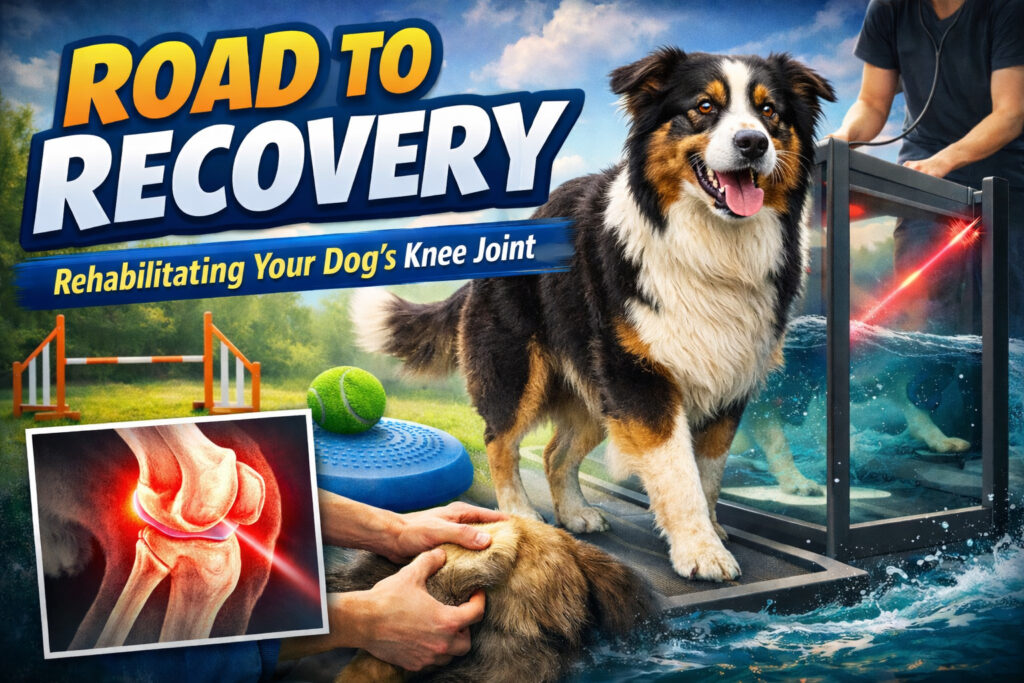
In the early days after a knee injury, rest is critical. The joint needs protection. Inflammation needs to calm down. Pain needs to be managed.
But prolonged inactivity has its own risks.
Muscles begin to weaken surprisingly fast. When the muscles surrounding the knee lose strength, the joint becomes even more unstable. That instability can slow healing — or worse, increase the risk of further damage.
Rehabilitation bridges the gap between “injured” and “functional.” It focuses on restoring:
Without a guided recovery plan, many dogs plateau. They may improve slightly but never regain full strength or stability.
A well-designed recovery program targets several key areas.
Early therapy helps reduce inflammation so your dog can move more comfortably. Less pain means better participation in exercises — and better participation means faster progress.
After injury or surgery, joints can stiffen. Gentle range-of-motion work keeps the knee flexible and prevents scar tissue from limiting mobility.
The knee doesn’t work alone. It relies heavily on surrounding muscles — especially the quadriceps and hamstrings. Strengthening these muscles provides natural support that reduces strain on healing tissues.
Dogs recovering from knee injuries often lose proprioception — the body’s sense of position and movement. That’s why they may seem wobbly or unsure on uneven surfaces. Targeted exercises help retrain coordination and reduce the likelihood of missteps.
A weak, unstable joint is vulnerable. Rehabilitation strengthens protective structures, helping safeguard both the injured leg and the opposite limb.
Every dog’s rehabilitation plan should be customized. However, most comprehensive programs include a combination of the following elements:
In the beginning, strict activity restriction is essential. That usually means:
As healing progresses, activity is increased gradually — not all at once. The goal is controlled, purposeful movement.
Rehabilitation exercises evolve over time.
Early Stage:
Mid Stage:
Advanced Stage:
Each phase builds on the previous one. Skipping ahead too quickly can undo weeks of progress.
Hydrotherapy is a favorite in canine rehabilitation — and for good reason.
Water supports body weight, reducing impact on the knee while allowing muscles to work. Swimming or underwater treadmill sessions help build strength and improve range of motion without excessive strain.
For many dogs, it’s one of the safest ways to reintroduce exercise.
Hands-on techniques can make a noticeable difference. Massage helps:
Other therapies such as laser treatments may support tissue healing and inflammation control. Some dogs also respond well to acupuncture as part of a broader pain-management plan.
Clinic visits are important, but what happens at home matters just as much — if not more.
Your veterinarian or canine rehabilitation therapist will likely provide:
Consistency is everything. Small, steady improvements over time lead to meaningful recovery.
While some mild cases can be managed with basic at-home exercises, many dogs benefit greatly from working with a certified canine rehabilitation therapist.
These specialists assess:
They design customized programs based on your dog’s specific injury, surgical procedure (if applicable), age, and overall health.
Having expert oversight reduces guesswork and helps prevent common setbacks.
Rehabilitation typically moves through distinct stages:
The focus is minimizing inflammation and protecting the joint. Activity is extremely limited.
Light exercises are introduced to maintain mobility and prevent stiffness.
Muscle rebuilding becomes the priority. Balance and coordination work increase.
Activity levels slowly expand. Controlled play may resume under supervision. Each phase requires patience. Rushing the timeline often leads to reinjury.
Knee rehabilitation isn’t just physical — it’s mental.
Active dogs can become frustrated during restricted activity. You may notice:
Providing enrichment through puzzle toys, calm training sessions, or scent games can help keep their mind engaged while their body heals.
Your attitude also matters. Dogs read our energy. Staying calm, consistent, and encouraging can help them stay motivated.
Rehabilitation doesn’t deliver overnight results. It unfolds in small milestones:
Progress may feel slow at times, but steady consistency almost always wins.
Skipping exercises or returning to full activity too early can set recovery back weeks. Trust the process.
A knee injury can feel overwhelming in the beginning. But with a structured rehabilitation plan, many dogs regain excellent function and return to happy, active lives.
The key ingredients are:
Healing a knee isn’t about simply waiting — it’s about actively rebuilding strength, stability, and confidence step by step.
And when you finally see your dog moving comfortably again, you’ll know every careful, steady day of rehabilitation was worth it. For more information about our brace you can contact us via or contact form or visit us on our Facebook.
Articles from the Posh Dog Knee Brace team — a group effort with our licensed veterinary technicians and brace specialists, sharing 15+ years of experience helping dogs recover from CCL/ACL injuries and mobility challenges.
Our dogs are incredible athletes, companions, and adventurers. Whether they’re fetching a ball with gusto, scaling a hiking trail, or simply navigating the daily terrain of our homes, their muscles, joints, and soft tissues are constantly at work. And just like us, all that activity can lead to soreness, stiffness, and even minor aches.
While professional canine massage therapy is a fantastic specialized service, you, as a dog owner, hold a powerful tool right at your fingertips: gentle massage. It’s not just a luxurious treat; it’s a therapeutic practice that can significantly contribute to your dog’s physical well-being, reduce pain, aid in recovery, and deepen the bond you share.
This guide will unlock the power of touch, providing you with simple, safe techniques to help soothe your dog’s aching muscles, improve circulation, and enhance their overall comfort and relaxation.
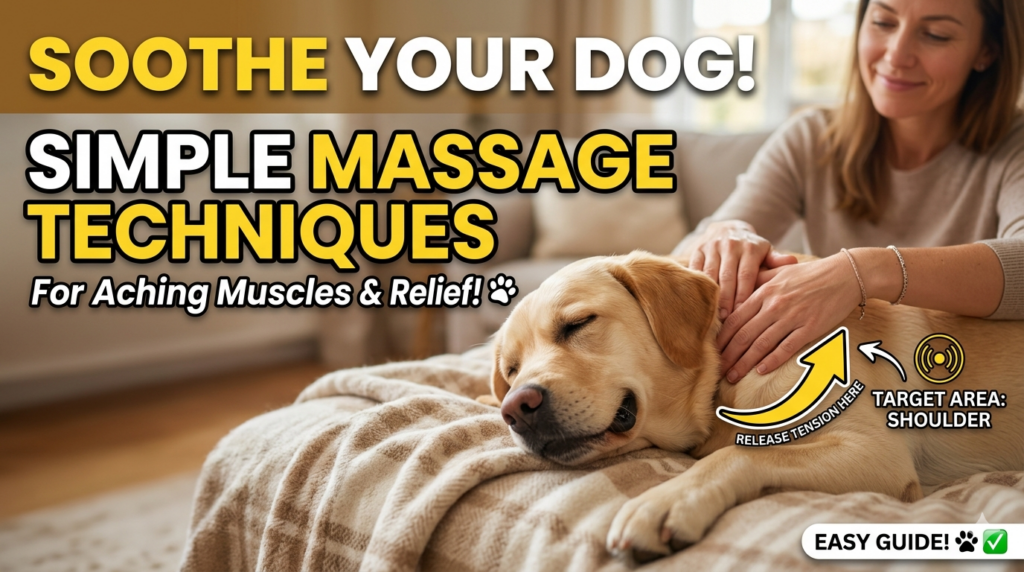
The benefits of regular, gentle massage for dogs extend far beyond simply making them feel good (though that’s a huge plus!):
Before you begin, set the stage for success:
Remember, the goal is gentle relaxation and therapeutic touch, not deep tissue manipulation unless guided by a professional. Always work with your dog, not against them.
1. The Full Body Stroke (The Opener)
2. Neck and Shoulders (Tension Releasers)
3. Back & Spinal Muscles (Careful & Calming)
4. Hip and Hind Leg Circles (Mobility Boosters)
5. Chest and Front Legs (Support & Stability)
6. Paws (Often Overlooked, Highly Sensitive)
By incorporating these simple massage techniques into your routine, you’re not just providing physical relief; you’re offering comfort, reassurance, and an invaluable form of communication that strengthens the incredible bond you share with your beloved dog.
Have questions about getting your pup back on their paws? Drop us a line through our contact form or follow us on Facebook to stay connected!
Articles from the Posh Dog Knee Brace team — a group effort with our licensed veterinary technicians and brace specialists, sharing 15+ years of experience helping dogs recover from CCL/ACL injuries and mobility challenges.
When you have more than one dog, life is usually full of movement—shared zoomies, backyard wrestling matches, synchronized barking at the mail carrier, and group excitement at the sound of car keys. But when one dog suffers a knee injury, everything changes.
Whether your dog has experienced a cranial cruciate ligament (CCL) tear (often referred to as an ACL injury), had surgery, or is being managed conservatively, your entire household routine needs adjustment. The challenge isn’t just protecting the injured knee—it’s managing energy, space, and interactions so healing can happen safely. If you’re navigating multi-dog life during recovery, here’s how to keep everyone safe and sane.
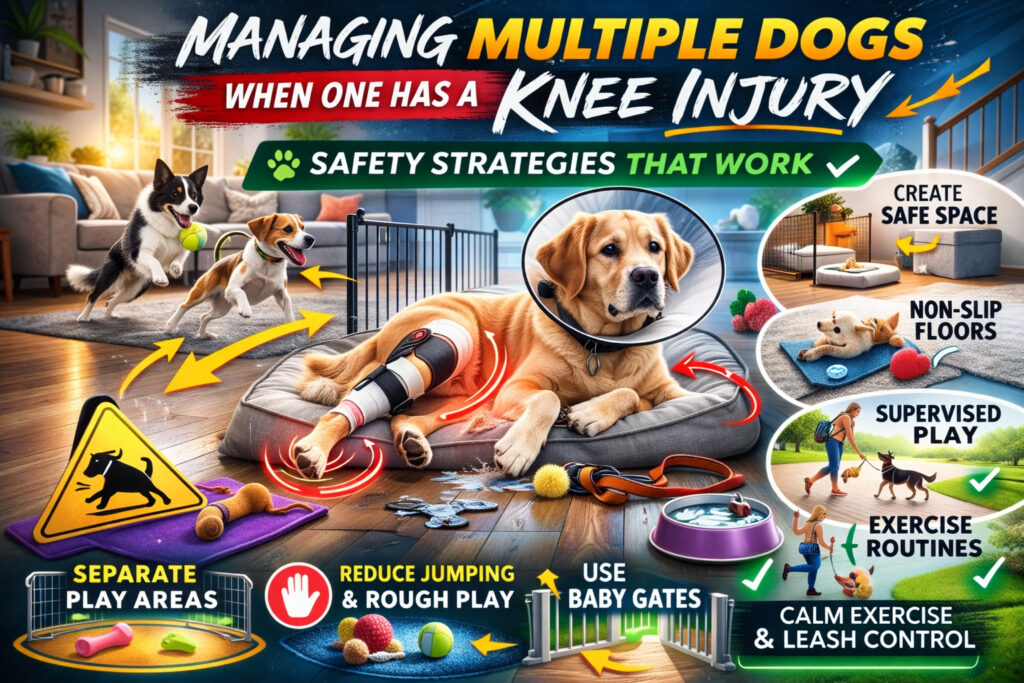
Dogs don’t operate on “light duty” naturally. They communicate and play physically. Even calm dogs can bump, chase, or initiate play without warning.
After common surgical repairs or bracing:
…controlled movement is essential for proper healing.
Unplanned wrestling or sudden chasing can:
In multi-dog households, prevention requires structure—not just hope.
You don’t necessarily need to isolate your injured dog 24/7—but you must manage high-energy moments.
Common trigger times include:
During these times, use:
Prevention is always easier than correcting excitement once it starts.
It may feel excessive, but short-term indoor leash management can be extremely effective.
Keep your recovering dog on a lightweight leash indoors so you can:
If other dogs are excitable, leash them too during shared time. Calm coexistence is the goal—not total separation, but structured interaction.
Even gentle play can escalate quickly.
During knee recovery:
It only takes one pivot or collision to undo weeks of healing.
Instead, provide:
Remember: Physical rest doesn’t mean emotional isolation.
If you have a fenced yard, don’t assume it’s safe for unsupervised group turnout.
Options that work:
Backyard sprints are one of the biggest causes of reinjury. If your other dogs are high-drive breeds, this becomes even more important. Excitement spreads quickly in a group.
Food increases competition and energy.
Best practices:
Guarding behaviors—even mild ones—can trigger sudden lunging.
You want predictability and calm during recovery.
Your injured dog needs a designated safe space.
This area should:
A crate or exercise pen provides structure and safety—especially in early post-op weeks.
The recovery zone isn’t punishment. It’s protection.
Here’s something many owners don’t realize:
Dogs who tear one CCL often injure the other within 1–2 years. Using a Posh Dog Knee Brace can significantly decrease this risk, sometimes by 70%.
In multi-dog households, overcompensation risk increases because:
Protecting the healing leg also protects the opposite knee. Controlled, symmetrical movement is essential.
One common mistake? Letting the entire household energy drop drastically.
Your healthy dogs still need:
If they don’t get it, they’ll redirect that energy toward the recovering dog.
Schedule:
A tired dog is a calm dog—and calm dogs protect healing knees.
Multi-dog households tend to erupt when someone enters the home.
To manage this:
Excited pack greetings can involve jumping, circling, and bumping—all dangerous during recovery.
Calm entrances set the tone.
Recovery is a great time to reinforce impulse control.
Teach:
Structured training strengthens communication and lowers chaos.
Dogs thrive on clarity.
Watch for:
Intervene early.
Don’t wait for escalation.
If you see play energy building, separate before it turns physical.
Until your veterinarian clears full activity, assume that unsupervised time is unsafe.
Even bonded dogs can:
Short-term vigilance prevents long-term setbacks.
When your veterinarian confirms healing progress, don’t immediately return to full-speed play.
Instead:
Muscle strength takes time to rebuild—even after surgical repair.
Healing bone does not equal fully conditioned muscle.
It’s easy to feel guilty separating dogs or limiting activity.
But remember:
You are preventing reinjury.
You are protecting thousands of dollars in surgery.
You are avoiding prolonged pain.
Recovery is temporary. Chronic instability is not.
Dogs sense stress in the household.
Maintain:
Your injured dog needs emotional stability as much as physical rest.
Isolation without interaction can increase anxiety, which leads to restless behavior.
Balance is key.
Managing multiple dogs when one has a knee injury isn’t about isolating the injured dog from the family—it’s about controlling variables during healing.
Success comes from:
Recovery from a CCL injury isn’t just medical—it’s environmental.
Your home becomes part of the treatment plan.
With intentional management, your injured dog can heal properly without creating chaos in the rest of your pack.
And when recovery is complete, your structured leadership may even leave your household calmer and more balanced than before. For more information about our Posh brace you can contact us via our contact form or visit us on Facebook.
Articles from the Posh Dog Knee Brace team — a group effort with our licensed veterinary technicians and brace specialists, sharing 15+ years of experience helping dogs recover from CCL/ACL injuries and mobility challenges.
When we think about protecting our dogs’ knees, we usually picture slippery floors, rough play, or high-impact activities like jumping in and out of trucks. But what if one of the biggest contributors to knee strain is something you use every single day?
Your leash.
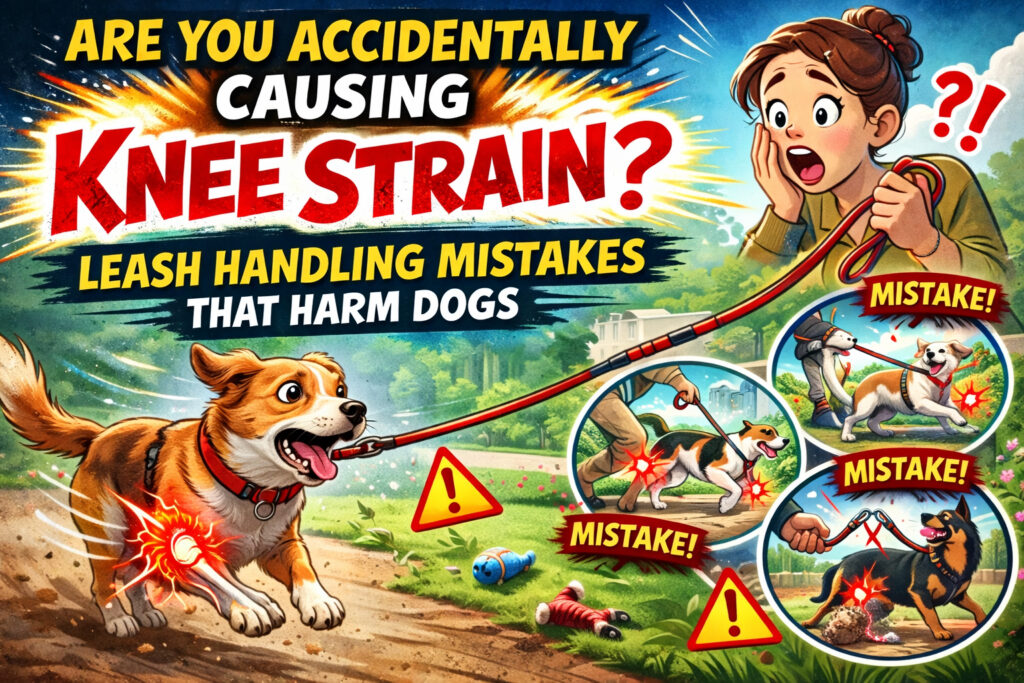
Leash walking seems simple. Clip it on. Head outside. Enjoy the stroll. But subtle leash handling mistakes can place repetitive strain on your dog’s knees—especially the stifle joint (the equivalent of the human knee). Over time, these small, daily forces can contribute to inflammation, soft tissue strain, and even ligament injuries.
If you’re committed to protecting your dog’s mobility and long-term joint health, this guide will help you spot and fix common leash mistakes that could be harming your dog without you even realizing it.
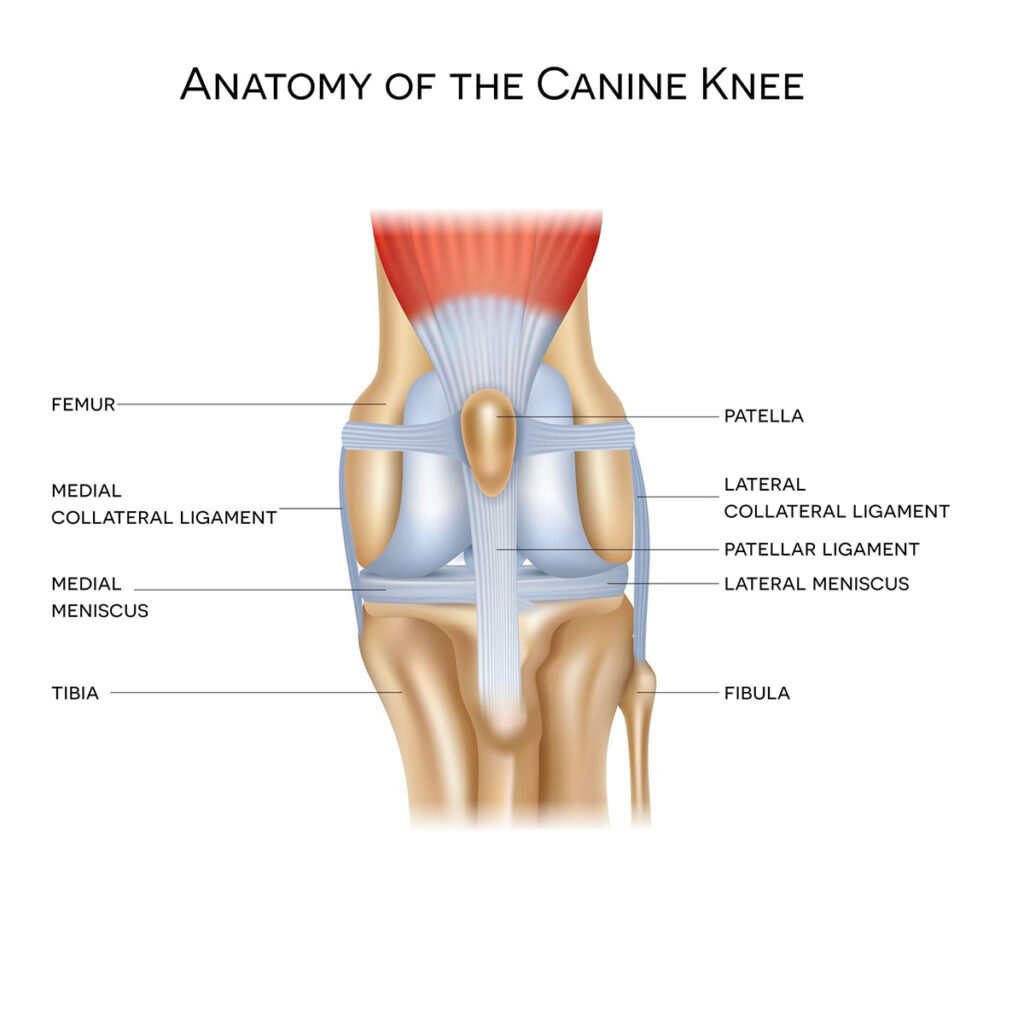
Before we talk about leash handling, it helps to understand what’s happening inside your dog’s leg.
The canine knee—called the stifle joint—relies heavily on soft tissues for stability, including the cranial cruciate ligament (CCL). Unlike humans, dogs carry about 60% of their body weight on their front limbs, but their rear legs generate powerful forward propulsion. When a leash interferes with natural movement patterns, the knees often absorb the consequences.
Sudden stops, lateral twisting, forced changes in direction, and constant pulling all create unnatural forces through the stifle joint. Over time, these repeated micro-stresses can add up.
Now let’s look at where leash handling plays a role.
Even if your dog isn’t actively pulling, a constantly taut leash subtly alters their gait. Instead of moving naturally, your dog braces against forward pressure. This shifts weight distribution and increases joint loading—particularly in the knees and hips.
Over months or years, that repeated strain can contribute to chronic inflammation or ligament fatigue.
Fix it: Practice loose-leash walking where the leash forms a relaxed “J” shape. The goal isn’t rigidity—it’s fluid movement.
Quick leash corrections create sharp, abrupt force that travels through your dog’s body.
When you jerk a leash, your dog instinctively plants their feet to resist. That sudden bracing action often causes twisting forces through the knees. If this happens repeatedly, especially in high-energy dogs, it can increase wear on stabilizing ligaments.
Even if you’re not intentionally correcting, accidentally snapping the leash when distracted can have the same effect.
Fix it:
Your dog’s joints will thank you.
Excited lunging is one of the biggest contributors to knee strain.
When your dog lunges forward:
If your dog lunges toward squirrels, other dogs, delivery trucks, or people regularly, those explosive starts and stops can create significant joint stress.
Over time, that repeated force increases the risk of:
Fix it:
Certain equipment can amplify joint stress instead of reducing it—especially if it changes how your dog distributes weight.
For example:
If your dog already has mild joint instability, poor equipment choices can worsen compensation patterns.
Fix it:
When in doubt, observe your dog walking from behind—are their hips swaying excessively? Are their knees rotating inward? Small alignment clues reveal big joint stress.
Leash tension plus slippery surfaces is a dangerous combination.
If your dog slips slightly while the leash is taut, the stabilizing ligaments in the knee must work overtime to prevent a fall. That micro-instability, especially repeated over time, can increase strain on the CCL.
This is especially important in:
Fix it:
Controlled steps are safer steps.
Some owners unconsciously “steer” their dogs by pulling them sideways.
But lateral pulling creates rotational torque through the stifle joint. Dogs aren’t designed to pivot sharply under external force. Sudden sideways redirection forces the knee to stabilize against unnatural angles.
Better approach:
Instead of pulling sideways, use body positioning. Turn your own body first. Encourage your dog to follow naturally. This reduces joint torque and encourages healthier movement patterns.
Leash-related knee strain rarely appears overnight.
Watch for subtle changes:
These may indicate early joint stress or instability.
Addressing leash habits early can prevent more serious injuries later.
Here’s what many owners don’t realize:
It’s rarely one big event.
Knee injuries often result from repeated micro-trauma over time. Daily lunging. Constant pulling. Minor slips. Abrupt corrections. Over months, those small forces add up.
This is especially true in:
Smart leash handling becomes part of preventive care—not just obedience training.
Here’s a simple checklist you can use starting today:
✔ Keep leash slack whenever possible
✔ Avoid jerking or snapping corrections
✔ Reduce repetitive lunging
✔ Choose equipment that promotes natural movement
✔ Slow down on slippery surfaces
✔ Use body positioning instead of forceful steering
✔ Monitor subtle gait changes
These small adjustments dramatically reduce unnecessary joint stress.
If your dog already shows signs of knee instability, mild CCL strain, or early joint weakness, modifying leash habits may not be enough.
External support during activity can:
Especially during rehabilitation or prevention phases, supportive bracing can protect the joint while you improve training and handling habits.
Mobility protection isn’t just about recovery—it’s about prevention.
Walks should:
But improper leash handling can quietly undermine all of that.
The good news? Small, intentional changes in how you handle the leash can dramatically reduce strain and protect your dog’s knees long-term.
You love your dog. You walk them to keep them healthy. You want them active and happy for years to come.
But even well-meaning habits can unintentionally place stress on sensitive joints.
By becoming aware of leash tension, lunging patterns, abrupt corrections, and equipment choices, you can transform daily walks from a hidden risk into a powerful tool for joint protection.
Protect the knees. Protect the zoomies. Protect the years ahead.
If you’re ever unsure whether your dog’s gait looks balanced or whether they may need additional support during activity, consult with your veterinarian and consider solutions designed specifically for canine knee stability.
Because mobility isn’t just about movement—it’s about freedom. For more information about our Posh brace contact us via our contact page or follow us on Facebook.
Articles from the Posh Dog Knee Brace team — a group effort with our licensed veterinary technicians and brace specialists, sharing 15+ years of experience helping dogs recover from CCL/ACL injuries and mobility challenges.
The dog park: a place of boundless energy, wagging tails, and the joyous freedom of off-leash play. For many dogs, it’s the highlight of their day—a chance to socialize, burn off energy, and revel in canine camaraderie. For owners, it’s an opportunity to watch their beloved pets thrive and connect with other dog enthusiasts.
However, the very freedom that makes dog parks so appealing can also make them unpredictable. Without proper etiquette and vigilance, a fun outing can quickly turn into a stressful experience, an argument, or, worse, an accident or injury. From minor scrapes to serious altercations or even the transmission of illness, the risks are real if everyone isn’t playing by the unwritten rules.
As owners of dogs, especially those prone to or recovering from joint issues, understanding and enforcing good dog park etiquette isn’t just about being polite; it’s about safety and responsibility. It’s about creating an environment where all dogs—and their humans—can enjoy themselves without unnecessary risks.
Here are 5 crucial rules to follow to ensure a safe, fun, and injury-free experience for everyone at the dog park.
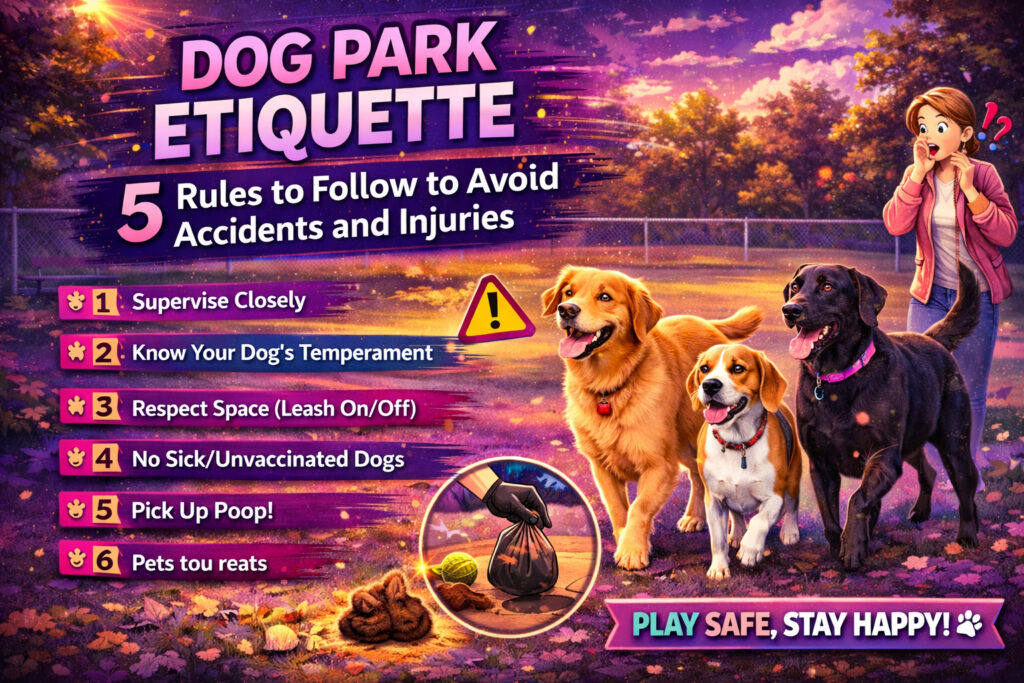
This is the golden rule, the foundation of all other etiquette. Your phone call, podcast, or chat with a friend can wait. When your dog is off-leash in an unfamiliar environment with other dogs, your full attention is required.
Not every dog is a “dog park dog.” Understanding your dog’s personality and physical capabilities is paramount.
Why it Matters: Bringing an unsuitable dog to the park puts them and every other dog at risk. Injuries can range from simple sprains to severe ligament tears or bone fractures from rough play or collisions.
The entryway and initial interactions are critical, and not all dogs are ready for off-leash play the moment they arrive.
The dog park is a communal space, and with that comes a shared responsibility for public health.
This might seem obvious, but it’s astonishing how often it’s ignored.
The dog park can be a wonderful resource for well-socialized, healthy dogs and attentive owners. By committing to these 5 essential rules of etiquette, you contribute to a safer, cleaner, and more enjoyable environment for every four-legged friend and their human companions. Prioritize safety, pay attention, and let’s make every dog park visit a positive experience!
At Posh Dog Knee Brace, we are committed to helping your pup stay active and safe; for more information about our bracing options, feel free to reach out via our contact form or join our community on Facebook.
Articles from the Posh Dog Knee Brace team — a group effort with our licensed veterinary technicians and brace specialists, sharing 15+ years of experience helping dogs recover from CCL/ACL injuries and mobility challenges.
For many dog owners, daily walks are simply part of caring for their pet. But what many people don’t realize is that exercising with your dog benefits both of you in powerful ways. From improving physical health to strengthening the emotional bond you share, staying active together can make a huge difference in your overall well-being.
Dogs naturally thrive on movement, and when their owners join them in regular exercise, it creates a healthier and happier lifestyle for both human and canine.

Regular exercise is essential for maintaining a healthy body—for both people and dogs. Activities like walking, running, hiking, or playing fetch help keep muscles strong, improve heart health, and maintain a healthy weight.
For humans, exercising with your dog can:
For dogs, regular exercising can:
Many dogs suffer from weight gain due to lack of exercise. When owners commit to an active routine, it helps prevent common health problems such as joint stress and mobility issues.
Exercising is more than just physical movement—it’s quality time spent together. Dogs are social animals and thrive when they feel connected to their owners.
When you run, hike, or play together, your dog sees it as a shared activity and a form of engagement. This strengthens trust, improves communication, and reinforces your relationship.
Dogs that regularly exercise with their owners often show:
Simply put, active dogs tend to be happier dogs.
One of the biggest benefits of exercising with your dog is how it improves mental health for both of you.
Physical activity naturally releases endorphins, the chemicals that help reduce stress and improve mood. Spending time outdoors with your dog can help you clear your mind, relax, and feel more positive.
Dogs benefit mentally as well. Exercise helps reduce:
A tired dog is usually a calm and content dog.
One of the hardest parts of maintaining a workout routine is staying consistent. Dogs naturally help solve this problem because they rely on routine.
Your dog will remind you when it’s time for a walk or playtime, encouraging you to stay active even on days when you might not feel motivated.
This built-in accountability makes it easier to maintain a regular exercise habit. Over time, this routine becomes a healthy lifestyle for both you and your dog.
Movement is essential for maintaining healthy joints and muscles in dogs. Regular exercise helps keep joints lubricated, muscles strong, and weight under control—all of which contribute to better mobility.
For active dogs, especially larger breeds or aging pets, joint support becomes even more important. Activities like controlled walking, swimming, and light running can help maintain joint strength while reducing stiffness.
Providing the right support and staying consistent with exercise can help dogs stay active and comfortable for many years.
There are many enjoyable ways to stay active together. Some popular activities include:
The key is to find activities that match your dog’s energy level, breed, and age.
Exercising with your dog is one of the easiest and most rewarding ways to improve your health while also enriching your pet’s life. Regular activity helps maintain physical fitness, improves mental well-being, and strengthens the bond between you and your dog.
Whether it’s a morning walk, an afternoon hike, or a game of fetch in the backyard, every bit of movement counts. When you stay active together, you’re not just exercising—you’re building a healthier, happier life for both you and your dog.
For more information about our Posh Dog Knee Brace and how it can help support your dog’s mobility and recovery, please visit our contact page on our website or connect with us on Facebook to learn more and get in touch with our team.
Articles from the Posh Dog Knee Brace team — a group effort with our licensed veterinary technicians and brace specialists, sharing 15+ years of experience helping dogs recover from CCL/ACL injuries and mobility challenges.
Hi everyone! My name is Nikki, and I’m the Lead Veterinary Technician with Posh Dog Knee Braces. Today I want to talk about something extremely important for dog owners, especially during the warmer months when we all love getting outdoors with our pets. Swimming in rivers, lakes, and ponds can be a fun activity for both dogs and their humans, but there is a hidden danger that many pet owners are unaware of. That danger is something called blue-green algae, often simply referred to as blue algae.
This type of algae can be incredibly toxic and even deadly for dogs. Every summer, veterinary clinics see tragic cases involving dogs that were exposed to this toxin after swimming in or drinking from contaminated water. Unfortunately, many dog owners have never heard about this risk until it’s too late. My goal with this blog is to help educate you about blue algae, explain why it’s so dangerous, and give you some practical tips to help keep your dog safe while still enjoying summer adventures.
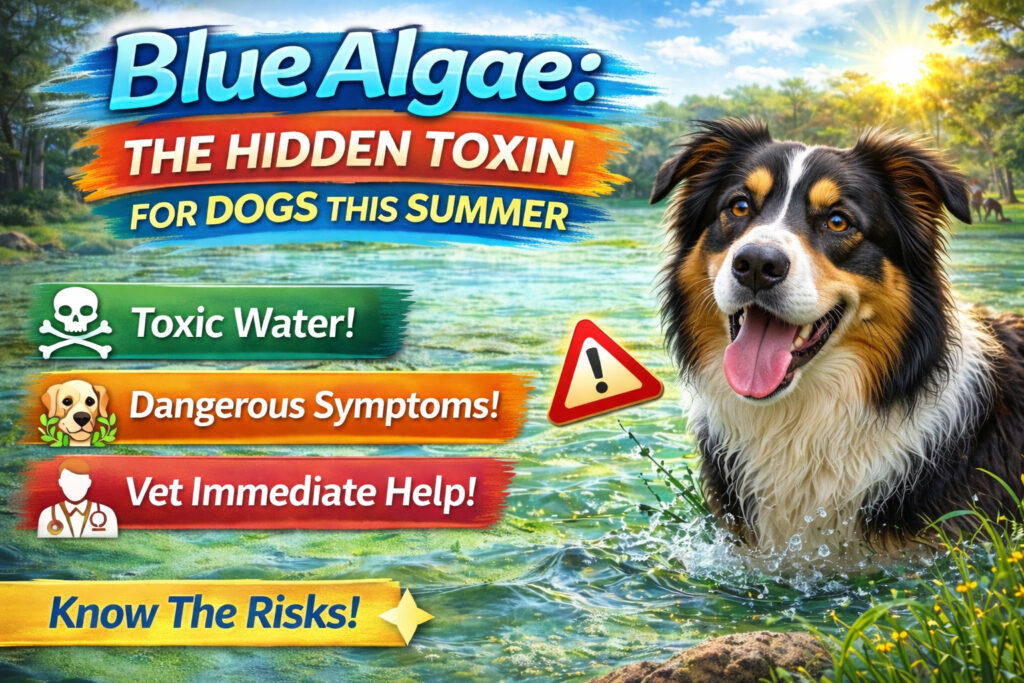
Blue-green algae is not actually algae in the traditional sense. It is a type of bacteria known as cyanobacteria that thrives in warm, nutrient-rich water. These bacteria can grow rapidly and form what are called algal blooms, which are dense layers that appear on the surface of water.
These blooms often occur in stagnant or slow-moving bodies of water, such as ponds, lakes, and certain areas of rivers. When conditions are right—typically warm temperatures, sunlight, and excess nutrients in the water—the bacteria multiply very quickly. This is why blooms are most commonly seen during the summer months, especially from July through August, although they can occur earlier or later depending on the climate.
One of the most dangerous things about blue-green algae is that it can produce powerful toxins that are extremely harmful to animals and humans. Dogs are particularly vulnerable because they often drink the water they swim in, and they may lick algae off their fur after leaving the water.
The toxins produced by blue-green algae attack the body very quickly. In many cases, symptoms begin appearing within minutes to hours after exposure. The toxins can affect several major organs, including the liver and nervous system, which is why poisoning from blue algae can progress rapidly and become life-threatening in a short amount of time.
Dogs that ingest contaminated water may experience symptoms such as:
In severe cases, dogs may go into organ failure or cardiac arrest. Sadly, once symptoms progress, treatment options can be limited and outcomes are often poor.
Over the course of my veterinary career, I have personally witnessed dozens of beautiful dogs lost to this toxin, and it is absolutely heartbreaking every single time. Many of these families had no idea the water their dog swam in contained a deadly hazard.
Blue algae tends to develop in areas where water is warm, calm, and nutrient-rich. This means it often appears in places that might otherwise look peaceful and inviting.
Common locations include:
Sometimes blooms appear as a green, blue-green, or even reddish film on the surface of the water. It may look like paint spilled across the top of the water, pea soup, or thick green scum. However, not all blooms are easy to recognize. Some may simply appear as cloudy or discolored water.
This is why it’s extremely important to avoid letting your dog swim in water that has visible algae or moss, unless you know the area is regularly tested and confirmed to be safe.
Even the most beautiful and remote lakes can contain toxic algae during certain times of the year. Just because the water looks clear or natural does not necessarily mean it is safe.
Many people assume this issue only happens in large lakes or natural bodies of water. Unfortunately, that is not always the case. Blue algae can develop almost anywhere that stagnant water collects, even in areas close to home.
I once worked with a family that had a small pug who tragically died after exposure to blue algae in their own backyard. The source of the contamination was something they had completely forgotten about—an old fish tank that had been left outside.
Over time, rainwater collected inside the tank, creating a small stagnant pool. Eventually, the conditions allowed blue algae to develop in the water. Their dog drank from it, and by the time the family realized something was wrong, it was already too late.
When the water was tested afterward, it came back positive for blue algae toxins.
This heartbreaking situation shows that dangerous algae blooms can occur in places we might never think to check. Any container, pond, or standing water source can potentially become a breeding ground under the right conditions.
The good news is that with awareness and caution, many cases of blue algae poisoning can be prevented. Here are some simple but important steps you can take to protect your dog.
If you see green scum, mats of algae, or water that looks discolored or thick, do not allow your dog to swim or drink from it.
Many parks and local authorities test popular lakes and swimming areas during the summer months. If a harmful algae bloom is detected, warnings are usually posted.
When hiking or visiting lakes and rivers, always bring clean drinking water for your dog. This reduces the chance they will drink from natural water sources.
If your dog swims in natural water, rinse them with fresh water afterward. This helps remove any algae that might be stuck in their fur and prevents them from licking it off.
Check your yard for items that may collect rainwater, such as buckets, containers, old tanks, kiddie pools, or clogged gutters. Empty these regularly to prevent stagnant water from forming.
If you believe your dog may have been exposed to blue algae, seek veterinary care immediately. Time is extremely critical in these situations.
Even if your dog only drank a small amount of water, it is better to err on the side of caution. Early treatment may improve the chances of survival.
Try to prevent your dog from licking their fur and, if possible, rinse them with clean water while heading to the veterinarian.
Summer adventures with your dog are some of the best memories we can make. Whether it’s hiking, camping, or swimming, spending time outdoors is wonderful for both you and your pet.
However, awareness of potential dangers like blue algae can make all the difference. Taking a few extra precautions can help ensure your dog stays safe while still enjoying the water.
Swimming can absolutely still be a fun activity—just make sure the area is safe and monitored. Avoid stagnant water with visible algae, stay informed about local conditions, and always keep fresh water available for your dog.
As a veterinary technician, I have seen firsthand how devastating blue algae poisoning can be for families. Losing a beloved pet is never easy, and it is especially heartbreaking when it happens so suddenly.
The purpose of sharing this information isn’t to scare anyone away from outdoor fun—it’s simply to help spread awareness. Many dog owners have never heard of blue algae until tragedy strikes.
If this blog helps even one person avoid that situation and keep their dog safe, then it is worth sharing.
So this summer, enjoy the sunshine, the lakes, and the adventures with your furry companions—but remember to play it safe and stay aware of your surroundings.
Your dog is counting on you.
Stay safe out there! 🐾
For more information about any of our products please contact us via our contact form or visit us on Facebook.
— Nikki
Lead Veterinary Technician
Posh Dog Knee Braces
Articles from the Posh Dog Knee Brace team — a group effort with our licensed veterinary technicians and brace specialists, sharing 15+ years of experience helping dogs recover from CCL/ACL injuries and mobility challenges.
As dog owners, we cherish every adventure with our furry companions—from a playful romp in the park to a quiet stroll down the street. But no matter how vigilant we are, minor accidents and injuries are an unfortunate, inevitable part of a dog’s active life. A sudden yelp, a limp, or a patch of blood can send any pet parent into a panic.
While major emergencies always warrant immediate veterinary attention, knowing how to administer basic first aid for minor injuries can make a world of difference. It can prevent a small problem from escalating, alleviate your dog’s pain, and even save you a frantic late-night trip to the emergency vet. More importantly, being prepared helps you stay calm and act effectively when your dog needs you most.
This guide will walk you through essential first aid steps for common minor injuries, helping you to confidently provide immediate care for your best friend.
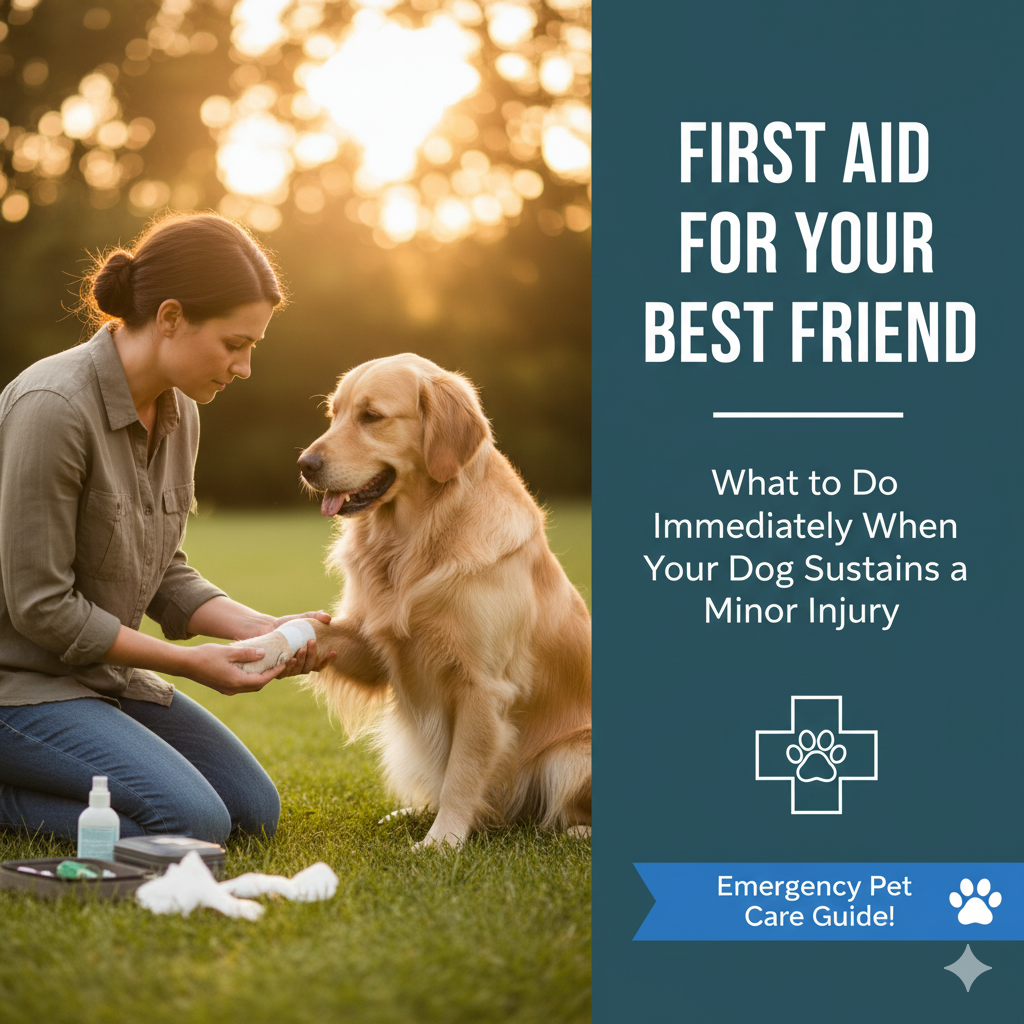
Your dog feeds off your energy. If you’re panicking, they’re more likely to be stressed, making treatment more difficult and potentially worsening the situation. Take a deep breath, assess the situation, and act methodically.
Before any injury strikes, assemble a dedicated pet first aid kit. Keep it accessible at home and consider a smaller version for your car or travel bag.
1. Cuts, Scrapes, and Lacerations
2. Paw Pad Injuries (Cuts, Punctures, Burns)
3. Limping or Sprains (Without Obvious Bone Fracture)
4. Minor Burns (Chemical or Thermal)
5. Insect Stings/Bites
This is paramount. While first aid can stabilize minor issues, it is never a substitute for professional veterinary care. Always seek immediate veterinary attention if:
Being prepared with a first aid kit and a basic understanding of how to respond can make all the difference in a stressful situation. You are your dog’s first line of defense, and with a calm mind and quick action, you can help them on the path to recovery.
For more information you can contact us via our contact form or visit us on Facebook.
Articles from the Posh Dog Knee Brace team — a group effort with our licensed veterinary technicians and brace specialists, sharing 15+ years of experience helping dogs recover from CCL/ACL injuries and mobility challenges.
Our dogs are incredible athletes, companions, and adventurers. Whether they’re fetching a ball with gusto, scaling a hiking trail, or simply navigating the daily terrain of our homes, their muscles, joints, and soft tissues are constantly at work. And just like us, all that activity can lead to soreness, stiffness, and even minor aches.
While professional canine massage therapy is a fantastic specialized service, you, as a dog owner, hold a powerful tool right at your fingertips: gentle massage. It’s not just a luxurious treat; it’s a therapeutic practice that can significantly contribute to your dog’s physical well-being, reduce pain, aid in recovery, and deepen the bond you share.
This guide will unlock the power of touch, providing you with simple, safe techniques to help soothe your dog’s aching muscles, improve circulation, and enhance their overall comfort and relaxation.
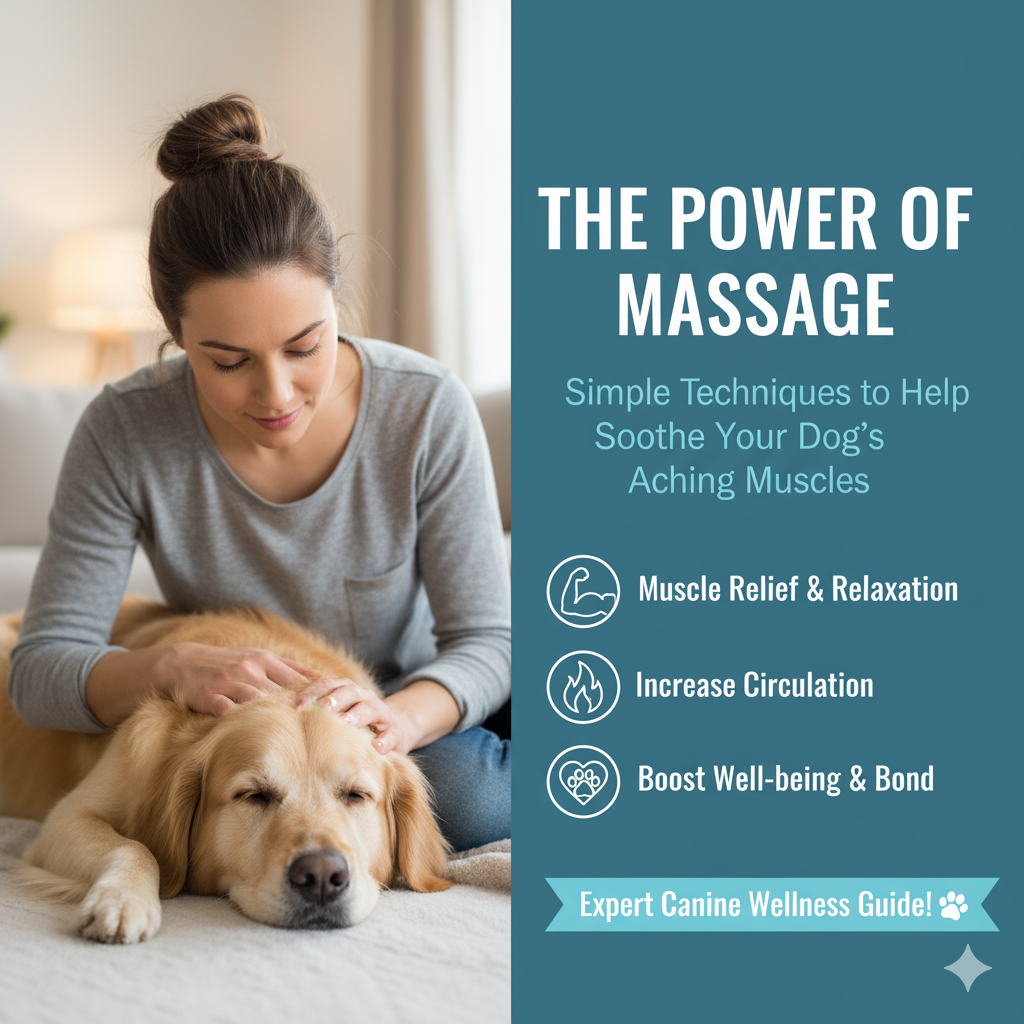
The benefits of regular, gentle massage for dogs extend far beyond simply making them feel good (though that’s a huge plus!):
Strengthens Your Bond: The dedicated time, gentle touch, and focused attention during a massage session deepen the connection and trust between you and your dog.
Before you begin, set the stage for success:
Optional: Warming Oil: A small amount of pet-safe warming oil (e.g., coconut oil, specific canine massage oils) can help your hands glide smoothly and add to the sensory experience, but it’s not essential. Always check for allergies.
Remember, the goal is gentle relaxation and therapeutic touch, not deep tissue manipulation unless guided by a professional. Always work with your dog, not against them.
1. The Full Body Stroke (The Opener)
2. Neck and Shoulders (Tension Releasers)
3. Back & Spinal Muscles (Careful & Calming)
4. Hip and Hind Leg Circles (Mobility Boosters)
5. Chest and Front Legs (Support & Stability)
6. Paws (Often Overlooked, Highly Sensitive)
By incorporating these simple massage techniques into your routine, you’re not just providing physical relief; you’re offering comfort, reassurance, and an invaluable form of communication that strengthens the incredible bond you share with your beloved dog. For more information about our brace you can contact us via or contact page or visit us on Facebook.
Articles from the Posh Dog Knee Brace team — a group effort with our licensed veterinary technicians and brace specialists, sharing 15+ years of experience helping dogs recover from CCL/ACL injuries and mobility challenges.
As the temperature drops and the winter wind picks up, us humans grab our heavy coats and turn up the heat. But for a dog recovering from a CCL injury or wearing a Posh Dog Knee Brace, a cold front means more than just a shiver—it can mean stiff joints and extra sensitivity.
Cold weather can cause muscles to tighten and joints to ache, making it even more important to stay diligent with your dog’s recovery routine. Here is how to keep your pup cozy and their brace-wear effective during a freeze.

Just like an athlete (or a lead guitarist!) needs to stretch before a set, your dog needs a “pre-game” warm-up when it’s cold. Before heading outside, encourage some light movement indoors.
The Posh Dog Knee Brace is built for durability, but cold air and moisture require a little extra attention:
Cold fronts often bring damp or icy surfaces. A dog in a knee brace is already working on their balance; a slippery porch or sidewalk is their worst enemy.
When it’s too cold to stay out long, focus on high-quality indoor rest.
During a cold front, “short and frequent” is better than one long excursion. Keep bathroom breaks quick and focused. The goal is to maintain mobility without letting the joint get chilled and stiff.
The Bottom Line: A cold front doesn’t have to stall your dog’s joint recovery. With the support of their Posh Dog Knee Brace and a little extra warmth from you, they’ll be ready to “rock” the backyard again in no time.
Stay warm, stay safe, and keep those tails wagging!
For more information contact us via our contact form or visit us on Facebook.
Articles from the Posh Dog Knee Brace team — a group effort with our licensed veterinary technicians and brace specialists, sharing 15+ years of experience helping dogs recover from CCL/ACL injuries and mobility challenges.
The day your veterinarian clears your dog for short, controlled leash walks after a significant injury or surgery—whether it’s a TPLO, TTA, fracture repair, or recovery from IVDD—feels like a huge victory. You’re finally moving forward!
But this seemingly simple activity is actually one of the riskiest phases of recovery. An uncontrolled tug, a sudden squirrel sighting, or a slip on the sidewalk can lead to a disastrous setback, potentially undoing weeks or months of careful healing.
Controlled leash walking is not just about letting your dog stretch their legs; it is a vital form of therapeutic exercise, integral to building proper gait, muscle strength, and confidence. This guide will provide you with the essential equipment, techniques, and mindset required to master the post-operative leash walk and ensure a smooth, successful recovery for your best friend.

Before you even step out the door, you must ensure you have the right tools to maintain absolute control and support your dog’s body.
1. The Right Leash and Collar/Harness
2. The Must-Have Support Sling
For dogs recovering from hind-leg surgery (like ACL repair) or struggling with severe weakness, a support sling is non-negotiable, particularly in the first 4-8 weeks.
3. Foot Protection (When Necessary)
If the weather is icy, snowy, or wet, or if your dog is prone to slipping on wet pavement, use protective, non-slip dog booties. A single slip can cause a major setback, especially if they are hesitant to put weight on the recovering leg.
The goal of a recovery walk is not socialization or exploration; it is controlled, straight-line, deliberate movement.
4. The “Slow and Straight” Mantra
5. Timing and Duration are Critical
6. Environmental Control: The Cone of Silence
The ultimate goal of the therapeutic walk is to get your dog to place the recovering limb down correctly and bear weight naturally.
7. Encourage Equal Weight Distribution
8. The Power of Consistency
9. Post-Walk Check-In
After every walk, take a moment to:
Mastering the post-operative leash walk requires patience, diligence, and a commitment to keeping your dog’s safety as the absolute priority. By controlling the environment, using the right support tools, and focusing on a slow, straight gait, you are actively participating in your dog’s healing, ensuring they not only recover but thrive. For more information about our brace contact us via our contact form or visit us on Facebook.
Articles from the Posh Dog Knee Brace team — a group effort with our licensed veterinary technicians and brace specialists, sharing 15+ years of experience helping dogs recover from CCL/ACL injuries and mobility challenges.
As a dedicated dog owner, witnessing your beloved companion struggle with mobility—whether from a recent injury, surgery, or chronic conditions like arthritis—can be heartbreaking. While rest and medication are often the first lines of defense, a powerful, gentle, and highly effective tool is rapidly gaining popularity in veterinary medicine: hydrotherapy.
It might sound like a spa treatment, but hydrotherapy is a rigorous, controlled form of exercise performed in water. It’s often prescribed for post-operative recovery, managing chronic joint pain, and improving overall fitness, all while minimizing stress on vulnerable joints.
Here is why hydrotherapy is a game-changer for joint healing and mobility in dogs.

The secret to hydrotherapy’s effectiveness lies in the unique properties of water: buoyancy, resistance, and warmth.
1. Buoyancy Reduces Impact 🌊
The most significant benefit of water is buoyancy. When a dog is submerged, the water supports a significant portion of their body weight.
2. Resistance Builds Muscle Safely 💪
While buoyancy relieves pressure, water simultaneously provides gentle, consistent resistance in all directions.
3. Warmth Soothes and Relaxes 🌡️
Most canine hydrotherapy takes place in heated water. This warmth is essential for the healing process.
There are two primary ways dogs engage in water-based rehabilitation:
| Hydrotherapy Method | Description & Benefits |
| Underwater Treadmill | The dog walks on a treadmill housed inside a tank of water. This is highly controlled: the water level and speed can be precisely adjusted to target specific gaits and muscle groups. It’s ideal for rebuilding a normal walking pattern post-surgery. |
| Swimming or Pool Work | The dog wears a safety vest and swims in a small pool. This is excellent for non-weight-bearing cardiovascular exercise and achieving maximum range of motion. It’s often used for overall fitness and conditioning. |
Hydrotherapy is not just for major injuries; it helps dogs across the spectrum of age and health:
Hydrotherapy should always be overseen by a certified Canine Rehabilitation Professional (CCRP or CCRA) or a veterinary professional specializing in rehab. This ensures that the sessions are customized to your dog’s specific injury and recovery stage, maximizing benefits and avoiding complications.
If your dog is facing a long recovery or struggling with chronic pain, talk to your veterinarian about incorporating hydrotherapy. It could be the gentle yet powerful push your dog needs to get back on their paws and enjoying life!
For more information about our Posh Brace and how hydrotherapy can help please contact us via our contact form or visit us on Facebook.
Articles from the Posh Dog Knee Brace team — a group effort with our licensed veterinary technicians and brace specialists, sharing 15+ years of experience helping dogs recover from CCL/ACL injuries and mobility challenges.
As dog owners, we all want to provide the best nutrition for our furry companions. A well-balanced diet is the cornerstone of their overall health, vitality, and longevity. But when it comes to something as crucial as bone and joint health, the sheer number of dog food brands, formulations, and conflicting marketing claims can make choosing the right food feel like navigating a nutritional minefield.
The truth is, what’s inside that bag or can plays a monumental role in supporting strong bones, healthy cartilage, and resilient joints throughout your dog’s life—from playful puppyhood to their golden senior years. Improper nutrition can contribute to developmental orthopedic diseases in young dogs, exacerbate arthritis in older dogs, and even hinder recovery from injuries or surgeries.
This guide will equip you with the knowledge to confidently decode dog food labels, helping you identify what truly supports optimal bone health and what ingredients are best left on the shelf.

Before diving into specifics, it’s vital to understand two foundational elements of any dog food label:
When scrutinizing a dog food label with bone and joint health in mind, prioritize these key components:
1. High-Quality Animal Protein (Listed First!)
2. Balanced Calcium and Phosphorus Ratio (Especially for Large Breed Puppies!)
3. Essential Vitamins & Minerals (Beyond Ca:P)
4. Omega-3 Fatty Acids (EPA & DHA)
5. Glucosamine and Chondroitin (Often a Bonus)
Just as important as knowing what to include is knowing what to exclude.
While this guide empowers you to read labels, remember that your veterinarian is your ultimate resource. They can:
By becoming a savvy label reader and partnering with your vet, you can make informed decisions that lay the foundation for a lifetime of strong bones, healthy joints, and joyful movement for your cherished canine companion.
If you would like more information about this or about one of our braces you can contact us via our contact form or visit us at Facebook.
Articles from the Posh Dog Knee Brace team — a group effort with our licensed veterinary technicians and brace specialists, sharing 15+ years of experience helping dogs recover from CCL/ACL injuries and mobility challenges.
New Year’s Eve is a time for celebration, fireworks, and loud countdowns. While we might look forward to the festivities, for many of our beloved dogs, it can be a terrifying and stressful night. The sudden loud noises, flashing lights, and general hubbub can turn a joyous occasion into an anxiety-ridden experience for our canine companions.
But fear not! With a little preparation and understanding, you can help your dog sail through the New Year’s Eve celebrations relatively stress-free.

Dogs have incredibly sensitive hearing, far superior to ours. What sounds like a distant pop to us can be an overwhelming, deafening explosion to them. This, combined with the unpredictable nature of fireworks and the bright, sudden flashes, can trigger their “fight or flight” response. Common signs of fear include:
Here’s how to create a safe and calm environment for your dog:
1. Create a Safe Haven: Designate a “safe room” in your home – an interior room, away from windows, like a bathroom or a quiet bedroom. Fill it with their favorite bed, blankets, toys, and a water bowl. Close curtains and blinds to block out flashing lights.
2. Mask the Noise: Turn on calming music (classical or specially designed “dog anxiety relief” playlists) or a white noise machine/fan to help muffle the sound of fireworks. The consistent background noise can be incredibly soothing.
3. Tire Them Out Early: Give your dog a long, active walk or a good play session early in the day. A tired dog is a calmer dog. Make sure they’ve had plenty of opportunities to relieve themselves before the evening’s festivities begin.
4. Secure Your Home: Ensure all windows and doors are securely closed and latched. Dogs in a panic can easily slip out or even jump fences. Microchips and collars with updated ID tags are crucial, just in case.
5. Stay Calm Yourself: Dogs are incredibly adept at picking up on our emotions. If you’re anxious or stressed, your dog will likely mirror that. Remain calm, speak in a soothing voice, and avoid overly comforting or coddling them when they’re scared, as this can inadvertently reinforce their fear.
6. Distraction is Key: Offer a high-value, long-lasting chew toy, a puzzle feeder, or a stuffed Kong. This can keep their mind engaged and distracted from the external noises.
7. Consider Calming Aids: For particularly anxious dogs, consult your vet about options like:
8. Skip the Parties (for them): If you’re hosting a party, consider putting your dog in their safe room, away from the hustle and bustle. If you’re going out, ensure they won’t be left alone and terrified. A trusted pet sitter might be an option if you can’t be home.
While we celebrate the fresh start of a new year, let’s also ensure it’s a calm and safe transition for our canine family members. A little preparation goes a long way in making New Year’s Eve less “new fears” and more “happy new year” for everyone.
If you are interested in a Posh Brace you can contact us via our contact page or visit us on Facebook.
Articles from the Posh Dog Knee Brace team — a group effort with our licensed veterinary technicians and brace specialists, sharing 15+ years of experience helping dogs recover from CCL/ACL injuries and mobility challenges.
The holiday season is a whirlwind of twinkling lights, festive carols, and—most importantly—an incredible spread of food on your plate. While it’s tempting to let your furry best friend join in on the feast, many of our favorite holiday staples can be dangerous for dogs.
To ensure your Christmas stays merry and bright (and free of emergency vet visits), here is your guide to the “Naughty” and “Nice” list of holiday foods on your plate for dogs.

Many common Christmas ingredients are toxic to dogs, even in small amounts. Be sure to keep these out of reach and off the plate:
If you want to make a special “doggy plate,” stick to these plain, unseasoned options:
| Food Item | Why It’s Okay | Preparation Tip |
| Turkey Meat | High in protein | Skinless, boneless, and white meat only. |
| Carrots | Great crunch and fiber | Raw or steamed, but skip the honey glaze. |
| Green Beans | Low calorie and filling | Fresh or steamed; no butter or salt. |
| Sweet Potato | Good for digestion | Plain and mashed (no marshmallows or sugar!). |
| Apples | Sweet and vitamin-rich | Slices only; remove all seeds and the core. |
Pro Tip: If you suspect your dog has eaten something they shouldn’t, call your veterinarian or a pet poison helpline immediately. It’s always better to be safe!
Wishing you and your four-legged family members a safe, happy, and delicious Christmas!
For more information you can contact us via our contact form or visit us on Facebook.
Articles from the Posh Dog Knee Brace team — a group effort with our licensed veterinary technicians and brace specialists, sharing 15+ years of experience helping dogs recover from CCL/ACL injuries and mobility challenges.