Posh Dog Knee Brace

Help Your Dog Recover Without Surgery

Custom braces for injury recovery, stability, and comfort

Page 7 of 9

How to Find Relief for Arthritis in Dogs

Finding relief for arthritis in dogs involves a combination of veterinary care, lifestyle adjustments, and supportive therapies. Arthritis is a degenerative joint disease that causes pain and inflammation in the joints, and it is common in senior dogs and large breeds. Here are some ways to help relieve arthritis in dogs:

Relief for Arthritis

  1. Consult with a Veterinarian: If you suspect your dog has arthritis or notice any signs of joint pain, consult with your veterinarian for a proper diagnosis and treatment plan. The vet can prescribe pain medications, anti-inflammatory drugs, or other medications to manage the pain and inflammation.
  2. Weight Management: Maintaining a healthy weight is crucial for arthritic dogs, as excess weight puts additional stress on their joints. Work with your veterinarian to develop a balanced diet and feeding plan to help your dog reach and maintain an ideal weight.
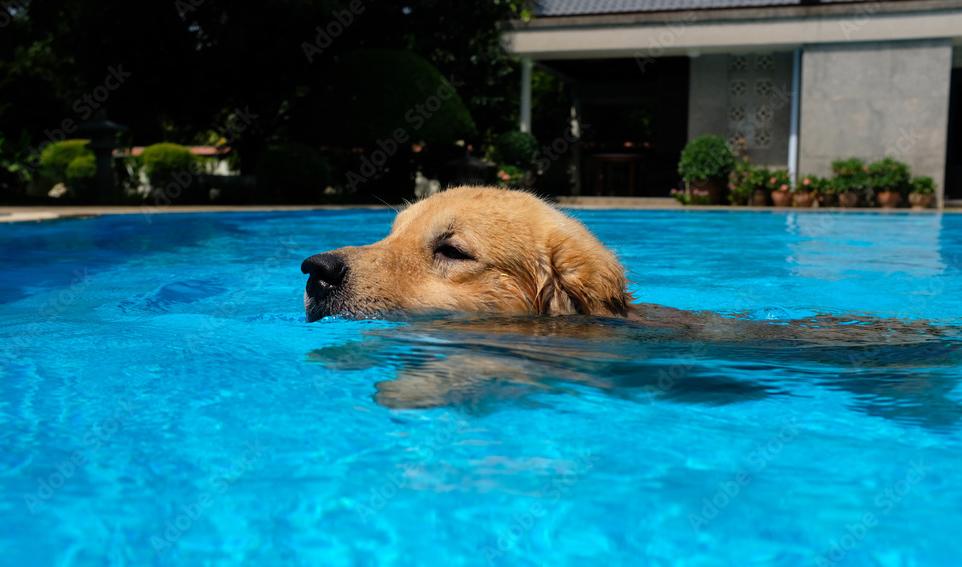
  3. Low-Impact Exercise: Engage your dog in low-impact exercises that are gentle on the joints, such as swimming or walking on soft surfaces. Avoid activities that may cause stress or impact on the joints, such as jumping or high-intensity running.
  4. Physical Therapy: Consider physical therapy or rehabilitation exercises tailored to your dog’s specific condition. Physical therapy can help improve joint flexibility, muscle strength, and mobility.
  5. Provide Comfortable Bedding: Provide your dog with a soft and supportive bed to alleviate pressure on their joints while resting. Orthopedic or memory foam beds can be particularly beneficial for dogs with arthritis.
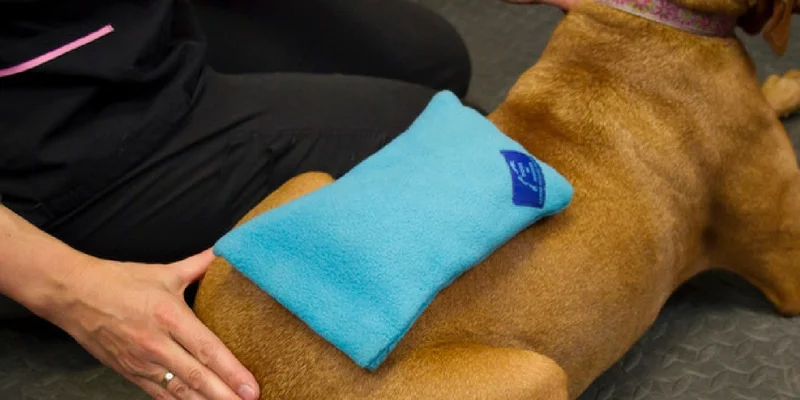
  6. Keep Your Dog Warm: Arthritic joints can be sensitive to cold weather. Keep your dog warm and provide extra padding during colder months.
  7. Joint Supplements: Talk to your veterinarian about using joint supplements containing glucosamine, chondroitin sulfate, and omega-3 fatty acids. These supplements may support joint health and reduce inflammation.
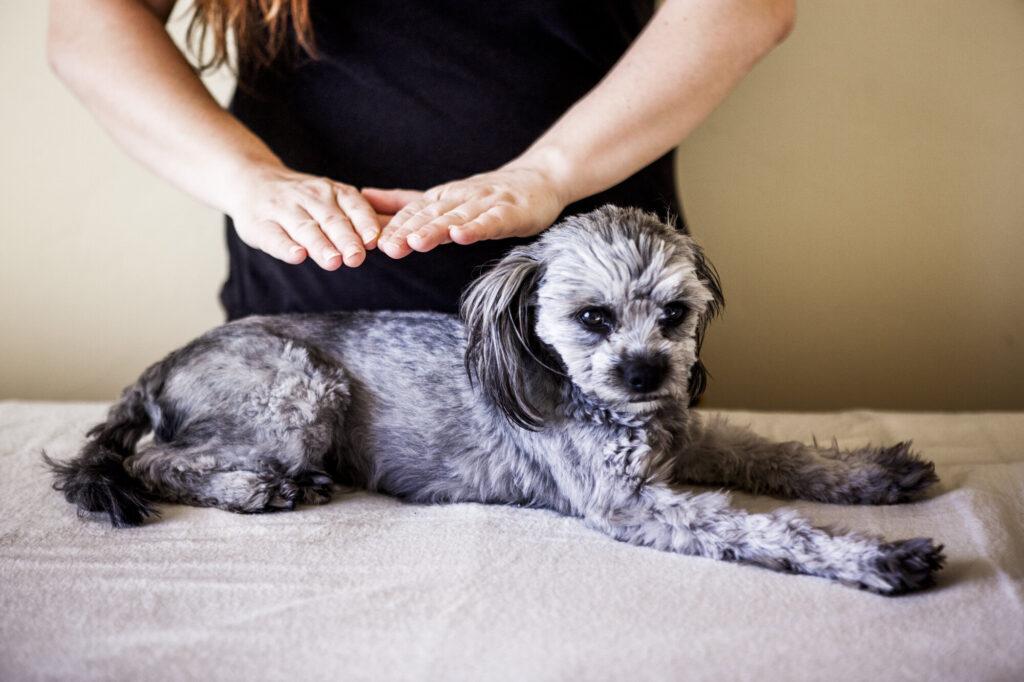
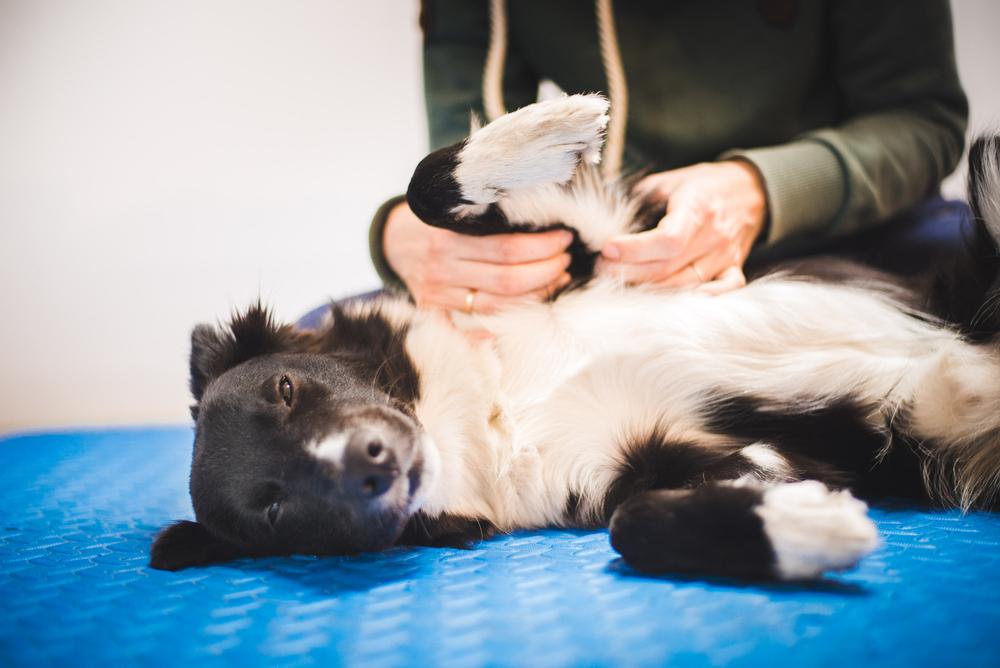
  8. Acupuncture and Massage: Some dogs may benefit from acupuncture or therapeutic massage to alleviate pain and promote relaxation.
  9. Assistive Devices: Consider using ramps or stairs to help your dog navigate elevated surfaces, such as stairs or getting in and out of the car.
  10. Medication Management: Work closely with your veterinarian to monitor your dog’s response to medication and make any necessary adjustments to the treatment plan.
  11. Environmental Adaptations: Make necessary changes to your home environment to accommodate your arthritic dog’s needs. This may include placing food and water dishes at an appropriate height and providing non-slip surfaces to prevent slips and falls.

Remember that arthritis is a chronic condition, and while these measures can provide relief and improve your dog’s comfort, there is no cure for arthritis. Regular veterinary check-ups and ongoing management are essential to support your dog’s well-being and manage the progression of the disease. If you would like more information about our Posh Dog Knee Brace contact us via are contact page or visit our Facebook page.


Dry dog food what is the shelf life?

Dog kibble has an average shelf life of 12 to 18 months, but once it’s been opened, you must employ proper storage to prevent the dog food from spoiling.

Although dry dog food, also referred to as “kibble,” is recognized for having a lengthy shelf life, how long does it actually last? If a bag is opened, it should be consumed within four to six weeks, provided it is stored properly.

Dog Food Shelf Life

Shelf Life of Nutrients for Dog Food

Unopened kibble bags typically have a shelf life of 12 to 18 months. Based on the date the product was made, the “best by” or “use by” date printed on the original box was chosen. Although dry dog food doesn’t legally expire, the “use by” or “best by” date could be seen as an expiration date.

Some nutrients, such as vitamins, begin to naturally deteriorate over time. Nutritionists are fortunately well aware of this. Nutritionists make sure that essential nutrients are added in amounts high enough to offset these natural losses while creating a food. By doing this, even as the food nears the end of its shelf life, it will continue to be balanced and complete for your dog. The kibble should, however, be consumed within four to six weeks of being opened.

Storage Is Vital

The manner you keep your dog’s kibble can affect how quickly their dry food spoils. Conditions that speed up deterioration include:

  • Exposure to air
  • Sunlight
  • Heat
  • Moisture

After opening a bag of kibble, keep it tightly wrapped in the original bag it came in or within an airtight container to ensure maximum freshness. Food’s fats oxidize more quickly when exposed to air and oxygen, which causes the food to become rancid. Kibble must always be kept in a cold, dark place because exposure to light and heat speeds up this process.

Of course, the dry food for your dog needs to be kept dry. Food that has been exposed to moisture or is very humid may develop mold, which your dog may eat and consume hazardous poisons. While freezing your dog’s dry food will help prevent fat rancidification, it is not advised because it might cause condensation and moisture buildup inside the bag when defrosted.

Although dry dog food has a fairly lengthy shelf life, it is your responsibility to guarantee its freshness after it has been opened. When selecting a bag size, use correct storage techniques and take your dog’s food consumption into account. Choose a size that will be completed four to six weeks after it is opened. These procedures will make it easier to guarantee that your dog constantly gets fresh food each day.

If you would like more information about our services or products you can contact us through our contact page, also don’t forget to check out our Facebook Page for more information.

Let Your Dog Recover With Our Custom Dog Knee Brace!
We’ve Helped Dogs All Around The World, Now We Want To Help Yours…


#1 Read – How being Overweight can affect your dog, and increase the chance of a torn CCL/ACL

Hey guys, this is Nikki the lead veterinary technician with Posh Dog Knee Braces.  Today, let’s talk about how being overweight can affect our joints.  As you know, the more weight we have, the more pressure we put on our joints and internal organs.  This can put the body in a state of inflammation, as well as predispose us to many ailments and orthopedic issues.  We are making our joints work much harder, which starts a vicious cycle on inactivity.  The more the joints are sore, the less your dog will want to walk, which can cause the muscles to atrophy.  Pretty soon we have a pup with less muscle, and much more prone to physical injuries like CCL tearing.

overweight dog

Understanding how being Overweight Affects Your Dog

Not only does weight gain affect the organs and joints, but it also can shorten life expectancy by quite a bit.  Unfortunately, this is not going to be a quick fix situation.  It is much easier to get the weight off a younger dog than one that is aging.  Prevention is much easier than treatment, especially if your dog is spayed or neutered, which can increase the chances of becoming overweight.

If your dog is in the top weight percentile, and does not yet have any limping issues, it’s time to get serious about weight loss.  Things you can do first is check everything that you are feeding your dog every day.  I want a list of each and every treat, kibble, and snack.  Small things like swapping daily treats for a carrot or sweet potato stick, ect can help, as well as increasing exercise.  If you have a dog that does not like to exercise, starting slow is key.  Maybe 15 minutes a few times daily will really help.  It is important not to skip exercise.  Walking and swimming is great.

Second, changing diet is next.  If you are feeding a diet that has a lot of carbohydrates, and less protein, it may be time to switch.  I like diets with a good quality protein source, not by products.  Make sure you are not feeding grocery store foods, unless you absolutely have to.  There are many good quality foods out there.  If you are already feeding a good quality food, make sure you are not feeding too much.

If you are not sure what to be feeding your dog to help, please consult with your veterinarian, maybe schedule a time to go over the nutritional needs of your dog with your Dr. or a veterinary technician.  They may have a specific diet they recommend.

If you have an overweight dog that already has a limp or headed for a CCL tear, but not there yet, then I would strongly suggest finding a physical therapy clinic, one with hydrotherapy.  This will help strengthen the leg, and loose weight. 

Please call or email with any questions!  www.poshdogkneebrace.com or visit our Facebook Page.


Yeast Infection on Your Dog’s Paws – Helpful Information

Your dog may induce a yeast infection by repeatedly licking his painful paws, which can spread on its own and result in even more itch and suffering.

On canine skin, spore-producing yeasts or fungi typically coexist without posing a threat, but they occasionally have the potential to become out of hand. When this occurs, a dog’s paws get extremely itchy and the dog starts to lick them. They can quickly turn red and inflamed, have a cheesy, musty, or pungent smell, and develop a brown discharge in the nail beds.

Malassezia pachydermatis, a type of yeast that thrives in warm, humid settings, is typically to blame. The most common reason of this overgrowth is allergies, which also cause itching and cause the dog to lick his feet, which leads to moisture buildup and skin damage, which is what causes the yeast overgrowth. Additionally, a cut, abrasion, or other paw injury might cause licking and a Malassezia infection.

Diagnosis for Yeast Infections

The looks and smell of the dog’s paws make it simple to diagnose a yeast infection, but a veterinarian can also make sure of this by looking at some of the dog’s skin cells under a microscope.

Dogs with creases in their skin, too much hair between their toes, underlying medical issues, or immunological illnesses may be vulnerable. Bulldogs, Cocker Spaniels, Basset Hounds, Retrievers, Shih Tzus, Poodles, English Setters, West Highland White Terriers, English Springer Spaniels, and Dachshunds are the breeds most frequently affected by paw pad yeast infections.

Yeast infections are typically secondary, not primary, meaning that they appear after another condition has compromised the dog’s overall health and allowed yeast cells to grow. When a dog develops recurring infections, the veterinarian will seek for indications of an underlying medical issue that may be aggravating the disease. Recurrent Malassezia infections have been linked to a variety of illnesses, including hypothyroidism, Cushing’s disease, food allergies, an autoimmune disorder, and skin cancer.

Treatments for Yeast Infections

Chlorhexidine, miconazole, ketoconazole, and itraconazole are medications that treat canine yeast infections; these should be administered as directed by your veterinarian and may involve soaking the affected paws. After treatment, be sure to completely dry your dog’s feet. You may prevent yeast infections from spreading by keeping your dog’s feet dry and clean and visiting your veterinarian as soon as symptoms develop.

Oral antifungal drugs like fluconazole or itraconazole, which inhibit yeast cells from reproducing systemically in severe or recurrent instances.

Ineffective and unsupported by clinical research are common home therapies including vinegar foot soaks, Epsom salt baths, hydrogen peroxide, and witch hazel sprays. Other untested methods include switching to a “yeast-free” or “anti-yeast” dog food or limiting the amount of carbs in your dog’s diet. You can also add yogurt, probiotics, or coconut oil to your dog’s meal.

Making dietary improvements for your dog is a better nutritional strategy. His skin’s health can be enhanced by feeding it higher-quality protein sources and other substances, which will build its defenses against fungus and yeast. A food elimination trial is also necessary if food allergies are suspected; ask your veterinarian for advice on how to carry out a successful food elimination trial.

If you have any questions or would like more information please fill our or contact form for visit our Facebook Page.


Can Salmon Oil Help Dogs? – Interesting Facts

Improved cognitive performance, joint flexibility, and immune function, including the prevention of mild skin allergies, are just a few advantages of salmon oil for dogs.

salmom oil for dogs

Salmon oil is good for dogs and rich in omega-3 fatty acids. Omega-3 benefits for dogs include:

  • Better joint function/arthritis
  • Milder skin allergy problems
  • Stronger immune function
  • Improved cognitive problems in senior dogs
  • Reduced risk of some cancers

In addition, fish oil can help dogs with heart and kidney problems, and DHA is believed to help with eye and brain development in puppies.

The Best Products for Salmon Oil

The omega-3 fatty acids eicosapentaenoic acid (EPA) and docosahexaenoic acid (DHA) should both be present in the salmon oil supplement you choose for your dog.

Wild, cold-water fish that have just been captured is the best source of fish oil supplements. You want a product that has been screened for impurities like heavy metals and is produced by a company that employs sustainable fishing methods.

Choose brands bearing the National Animal Supplement Council (NASC) mark to verify that high-quality ingredients are utilized and that the contents correspond to the claims on the label because pet supplements are not FDA-regulated.

Side Effects of Salmon Oil

Work your way up to a dose of salmon oil that is approximately 25% of the recommended amount listed on the product label. Maximum doses are not always tolerated by all canines.

Some adverse effects of are:

  • Diarrhea
  • Vomiting
  • chronic pancreatitis
  • weight gain

Salmon oil should probably be avoided by dogs who have clotting issues. Always consult your veterinarian to determine whether salmon oil is appropriate for your dog, given his health history, current diet (which may already include omega-3 fatty acids), and medications. Medication interactions with other medications, such as NSAIDs, are possible.

All fish oil products should be safely stored away from direct sunlight in a cool environment.

If you are interested in any of our products or have questions you can visit our contact form for more information or you can check out our Facebook Page.


How much food should a dog eat?

Dog feeding recommendations, including how much to feed a puppy, are merely a general suggestion. Here’s how to properly feed your dog.

The amount of food to feed your dog will vary depending on the dog’s size, age, breed, degree of activity, and genetics. How much food to give your dog can also depend on whether it has been neutered or spayed.

There are no formal food recommendations for dogs because of this. Calories determine how much food to give your dog, just as they do for humans, and each dog has a different caloric requirement.

dog food for pet

Dog Food Calorie Calculation

According to the American College of Veterinary Nutritionists, there are between 300 and over 700 calories per cup in various brands of kibble. That represents a huge gap. Thankfully, the majority of pet food producers now provide the number of calories in a cup of their food.

The “resting energy requirement (RER)” is a general term for the amount of calories your dog needs to consume to maintain their ideal weight. Divide the dog’s optimum weight in pounds by 2.2 to get kilos to get your dog’s RER. Then add 70 and multiply that result by 30.

So let’s suppose your dog should weigh 90 pounds at its ideal size. 90 lb divided by 2.2 equals 40.9 kilograms. Add 70 and multiply by 30 to get 40.9 x 30 = 1,227 + 70 = 1,297. Therefore, a 90-pound dog needs 1,297 calories per day (without additional exercise) only to carry out basic bodily activities.

Examine the meal you are feeding next. Let’s suppose each cup has 380 calories. Therefore, divide 1,297 calories by 380, or the number of calories in one cup of food, to get the following result: An average 90-lb dog needs 3.41 cups of food per day divided by 1,297 380. However, not all dogs are average, and all dogs need get at least some exercise.

Changing Food for Each Dog

To maintain a healthy weight, the RER must be multiplied by the dog’s energy requirements and then adjusted upward or downward. Since individual dogs can differ significantly from estimated numbers, you need still make adjustments to the number you receive in order to get your dog to a healthy weight and then keep it there.

Obese dogs should be fed at the RER for their optimal weight in order to shed weight. Working dogs who are active can require two to five times the RER to maintain weight. The RER x 1.6 is required for typical active neutered dogs. With typical labor, intact adult dogs require RER x 1.8.

Weight-check your dog

At the very least, check your dog’s body once a month with your touch if you can’t weigh him on a scale. He should always have ribs that you can feel and a waist that you can see when you glance down over his topline. Your dog is too overweight if his ribs aren’t discernible. In these conditions, a lower-calorie dog food might be helpful to some extent, but ultimately, he will need to have smaller servings each day.

Do away with snacks and treats. For the majority of dogs, reducing your dog’s meal quantities by 25% is a straightforward, secure, and efficient method of weight loss. Take part of the kibble he would normally receive at mealtime and use that for treats if you’re teaching your dog.

What Are Whiskers?

Measure: To measure your dog’s food, use a regular measuring cup. Do not load food into the top centromedicorelaxesalute.it of the cup; instead, use level measures!

Nutrients: Choose a food that is formulated to fulfill the American Association of Feed Control Officials (AAFCO) recommendations for nutrients. The majority of mature dogs thrive on “maintenance” foods. Moms, puppies, and energetic dogs require extra calories, protein, and fat. These canines require food designed for “all life stages.”

Schedules: All dogs should be fed at least twice daily, and pups should be fed at least three times daily. Never give your dog a free-choice diet. Even those dogs who don’t gulp it up right away shouldn’t be free-fed because the majority of dogs will at least try to eat it all in one sitting. If you let your dog “graze” all day, it will take you much longer to realize that he no longer has an appetite.

Table scraps: Unless there is a need (such as a fussy eater, a senior dog, or a dog who is on boiled ground beef or chicken with rice owing to an upset digestive tract) or unless you reduce his regular food quantity correspondingly, don’t ruin all your hard work by offering your dog table scraps. If additional “leftovers” account for more than 25% of his daily caloric intake, you run the risk of throwing off the balance of a “complete and balanced” diet.

For more information about any of our products please contact us via our contact form or visit or Facebook Page.


Dogs and Apple Cider Vinegar – Is it Safe?

Can dogs drink apple cider vinegar? Folk remedies for a wide range of human maladies have long used this affordable liquid. It provides exactly as many advantages for dogs when used topically or taken as a supplement.

Apple-Cider-Vinegar-For-Dogs

Apple cider vinegar (ACV) is touted by proponents as one of the least priced, most adaptable, and most powerful canine health remedies.

It’s a well-liked treatment when applied topically for:

  • Skin that itches and flake and drab coats
  • Infestations of fleas
  • Aching muscles
  • Infected ears
  • Scents on a dog’s skin and coat.

When ingested, apple cider vinegar is alleged to:

  • Boost digestion
  • Assisting in preventing urinary tract infections
  • Combat fungus infections
  • Alleviate the symptoms of arthritis
  • When making herbal tinctures without alcohol, extract medicinal properties from plants.

WHAT IS APPLE CIDER VINEGAR?

In the beginning, cider vinegar is a mixture of water and apples or apple pectin, a soluble fiber. All vinegars are made from liquids containing sugar. The natural sugars in apples undergo fermentation and turn into alcohol when they are exposed to air, which enables yeasts to flourish. Acetic acid bacteria convert the alcohol over the course of fermentation into acetic acid, the primary constituent of vinegar. Vinegar’s characteristic flavor, aroma, and qualities are all due to acetic acid.

Given its culinary use, most supermarkets have a range of vinegars, including balsamic (a thick, extremely flavorful grape vinegar), white or red wine vinegar, and vinegars derived from malt, rice, champagne, sherry, beer, and various fruits.

In the US, distilled white vinegar is commonly available. It is a common ingredient in salad dressings, pickles, catsup, and barbecue sauces and is made from grains. It is also used as a home cleaning agent.

Apple cider vinegar, on the other hand, is sometimes offered as a raw (unpasteurized) product that also includes the vinegar’s “mother,” a hazy liquid that contains acetic acid bacteria that have not been filtered. Some who view vinegar as a health supplement favor unpasteurized, unfiltered vinegar.

DOG AND APPLE CIDER VINEGAR

While no clinical research examining cider vinegar’s impact on dogs have been published in the medical literature, reports regarding its health advantages are anecdotal. This doesn’t mean that the claims regarding its applications have been refuted; rather, they haven’t been put to the test, mostly because apple cider vinegar is cheap, generally accessible, and unpatentable.

A few of the assertions are overstated. For instance, cider vinegar is sometimes referred to as a nutritious powerhouse that is packed with vitamins and minerals, but this is untrue. The sole important nutrient in raw cider vinegar, according to the U.S. Department of Agriculture, is 11 milligrams (mg) of potassium per tablespoon.

While it might help avoid urinary tract infections, apple cider vinegar is not a treatment for that ailment. It also won’t cure the cancer that your dog has.

The usual dosage of apple cider vinegar for dogs is as follows:

  • One-to-one or 50-50 (equal parts apple cider vinegar and water or liquid), full strength (undiluted), carefully applied with a cotton ball, sponge, or dropper.
  • Diluted by adding apple cider vinegar to your dog’s water (for example, 1 part apple cider vinegar diluted in 3 to 5 or more parts water or another liquid).

The following techniques can be utilized to use apple cider vinegar as a gentle cleanser and disinfectant:

  • Use cider vinegar, diluted 50/50 with water, to the skin or hair as soon as possible after taking a shower or bath to eliminate soap residue, treat dandruff and irritated skin, condition hair, and repel fleas. Just before bathing the dog, apply diluted cider vinegar to its skin and wash it off to help reduce dander.
  • Itchy feet can be relieved with a 50/50 mixture of cider vinegar and water, which can also be rubbed into overworked muscles.
  • Use 2 tablespoons cider vinegar with 1 cup warm water to create a straightforward ear cleaning that aids in the control of yeast and fungus (do not apply to inflamed or broken skin).
  • On dog toys and beds, you can spray full- or diluted cider vinegar to remove odors. It functions as a mild disinfectant when added to the rinse water for laundry.

To enhance the coat, digestion, or general health of your dog:

  • Start by putting a tiny amount of apple cider vinegar in your dog’s water bowl, like 1 tablespoon in a big bowl of water. If your dog doesn’t enjoy the flavor, have a bowl of plain water nearby as a backup. When vinegar is added to water when traveling, dogs who are accustomed to cider vinegar are able to adapt to various water sources with ease.
  • By raising stomach acid levels, cider vinegar can aid in digestion, which may enhance nutritional absorption. Start out by putting a little bit in your food or water, then gradually work your way up to 1 teaspoon every 15 pounds of body weight (about 1 tablespoon per 50 pounds).
  • Using organic unpasteurized, unfiltered cider vinegar to food and water has reportedly been effective in easing canine arthritis symptoms.
  • Start with a tiny amount of cider vinegar and gradually increase it if your dog enjoys the taste when adding it to food or water. If the condition you’re trying to treat doesn’t change after 30 days, stop the medication.
  • It has been demonstrated that a washing solution of 1 part vinegar to 3 parts water can outperform antibacterial soap in removing 98% of bacteria. On the veggies that will be a part of a dog’s raw, home-prepared meal, apply the solution with a scrub brush and then rinse under running water.
  • Pour cider vinegar over dried rose petals or lavender blooms in a glass jar, cover, and let for a month or longer to create a scented coat conditioner. After showering, strain and lightly mist wet hair.

IN TINCTURES, USE APPLE CIDER VINEGAR

The majority of herbal tinctures contain alcohol, however cider vinegar is the recommended solvent for canine tinctures. Rosemary Gladstar, a herbalist and dog lover, suggests putting chopped fresh or dried herbs in a glass jar (if using dried herbs, fill the jar only halfway to allow for expansion), gently heating raw organic cider vinegar, covering the herbs with warm (not hot) vinegar, leaving a 2- to 3-inch margin, covering the herbs with vinegar, closing the lid, and letting the herbs soak for four to six weeks. Each day, shake the jar. Put the tincture through a strainer, bottle it in amber or cobalt glass with a label, and keep it away from heat and light.

A garlic/dandelion vinegar tincture is suggested as a general tonic and to aid dogs in parasite prevention in addition to the plants described in her books and in canine herbal literature. Use equal amounts of fresh or dried dandelion leaves, roots, and blossoms together with equal amounts of garlic and proceed as directed above.

Tinctures should be progressively increased to 1/4 teaspoon per 20 pounds of body weight per day and added to your dog’s diet.

APPLE CIDER VINEGAR FOR DOGS PRECAUTIONS

For the majority of canine uses, cider vinegar needs to be diluted due to its acidity. Although vinegar will sting if applied to broken skin, keep it away from the eyes, mucous membranes, and open cuts or abrasions.

Anywhere wood floors, cabinets, or granite countertops could be stained or damaged, vinegar should not be used. Because cider vinegar is orange-brown in color, it should not be used topically to dogs with white or light-colored coats or in areas where it might discolor white or light-colored carpets or fabrics.

Test a small patch of exposed skin with diluted cider vinegar before to applying it to a dog with sensitive skin, and after 24 hours, look for any signs of irritation, itching, or scratching. Use mild doses like those mentioned above if your dog doesn’t respond negatively. Too much cider vinegar consumption can cause mouth discomfort, vomiting, and tooth enamel erosion.

If you need more information about any of supplements or questions about our Posh Dog Knee Brace you can contact us through our contact form or Facebook Page.


Vitamin E Is Beneficial for Dogs – #1 Great Read

Although vitamin E is beneficial and secure for dogs, not all canines require it. But, dogs taking fish oil may benefit from taking a vitamin E supplement.

Although knowledge about vitamin E dosages may leave you dizzy, vitamin E is healthy for dogs. The recommended vitamin E dosages for dogs seem to vary widely. Even worse, dosages may be indicated in milligrams or international units (IUs) (mgs).

The fact that there are two main types of vitamin E—natural and synthetic—with varying potencies and, consequently, various vitamin E dosages, just adds to the confusion. Although there is a lot to take in, we have the information you require regarding vitamin E supplements for dogs.

Vitamin E Is Beneficial for Dogs

Vitamin E: What Is It?

Since vitamin E is an antioxidant, it aids in defending the body’s cell membranes. It contributes to fat metabolism, strengthens immunity, and increases fertility. Your dog’s skin, hair, muscles, and vision will all benefit from it.

Although canines can safely consume vitamin E, not all dogs require a supplement. Canine vitamin E insufficiency is uncommon because most dogs consume plenty of it in a balanced diet. If you’re worried, your veterinarian can order blood tests to determine whether your dog actually has a deficiency.

Vitamin E insufficiency symptoms include:

  • Vision issues
  • Uncomfortable body fat inflammation (steatitis)
  • Muscular soreness or weakness
  • Neurological abnormalities

Topical Vitamin E

It’s okay to apply topical vitamin E oil to dogs. Alpha tocopherol and an oil, like virgin olive oil, should be listed under ingredients. It can be used to paw pads, dry cracked nostrils, and irritated or crusty skin regions.

Fish Oil and Vitamin E

Vitamin E may be advantageous for dogs using fish oil. The beneficial polyunsaturated fatty acids in fish oil for your dog can eventually deplete the body’s vitamin E reserves. The tiny quantity of vitamin E found in fish oil supplements mostly serves as a preservative and is typically present in proportions that are too low to raise your dog’s levels. For dogs getting fish oil, the most typical guideline for vitamin E supplementation is 400 IU of vitamin E for every 1,000 mg of fish oil.

Dogs’ Vitamin E Dosages

You must first identify the type of vitamin E present in the bottle you bought in order to estimate the recommended dosage for your dog:

Vitamin E occurs naturally as d-alpha tocopherol (d-).

  • dL-alpha tocopherol is the name for vitamin E that has been synthesized (dL-).
  • The ideal form to employ is the natural form because it has a lot more power than the synthetic form.

You’ll then need to perform some math. Keep in mind: 2 mg of synthetic vitamin E (dL-) are equivalent to 1 mg of natural vitamin E (d-).

You may also need to convert IU to mg or mg to IU, which isn’t difficult:

  • For natural (d-) vitamin E:
    • IU x 0.67 = mg
    • mg x 1.5 = IU
  • For synthetic (dL-) vitamin E:
    • IU x 0.45 = mg
    • mg x 2.22 = IU

So, using these formulas, here are examples:

  • 200 IU d-alpha tocopherol (natural vitamin E) = 134.5 mg of vitamin E
  • 200 IU dL-alpha tocopherol (synthetic vitamin E) = 90 mg of vitamin E

Of course, aside from the fish oil indicated above, that still leaves open the question of how much vitamin E to give your dog. As a result, we list a few issues in our chart below, along with suggested dosages, that your dog may benefit from vitamin E supplementation for.

Please note that while all of these dosage suggestions are off-label, they were all drawn from renowned veterinary medicine formularies. Never administer a supplement of any kind to your dog without first consulting your veterinarian.

Overdoses of Vitamin E

In dogs, vitamin E is mostly harmless; overdose problems are uncommon. Accidental acute overdose typically causes gastrointestinal distress, including vomiting and diarrhea. Persistent overload may result in problems with the other fat-soluble vitamins’ absorption (A, D, and K). When fed too much vitamin E, dogs with low vitamin K levels may experience excessive bleeding due to coagulation issues.

For more information about Vitamins contact us via our contact page or visit our Facebook page.


What Dog Treats are Best for my Dog

Hey guys, this is Nikki Lead Veterinary technician with posh.  Today let’s talk about dog treats.  I have so many clients that are taking charge of what their dog is eating, and I want to elaborate a bit on that.  In my other blog, we discussed the importance of finding a food that is without corn, wheat, and soy, and finding a good protein as the first ingredient.  Some will even go as far as raw feeding, and that is great for those that have the time! 
So, you have done all this research, found a dog food that fits your dog’s healthy lifestyle, but they are still showing signs of skin issues, obesity, and inflammation?  This means it is time to find out exactly what goes into your dog’s mouth each day, you will actually be surprised how many treats and things your dog actually gets per day.

dog-treats

How to use your dog treats for your dog

First off, start by placing a treat inside a bag for every treat you give your dog.  If you give them a milk bone for example, you put one into the bag as well.  At the end of the day, take note of what you gave your dog, plus what treats you used. 

You will be amazed how many people don’t think about dog treats, and are spending literally hundreds of dollars every month on good quality dog food.  Yet, after just one milk bone, you have basically undone all of the good you were doing.  Did you know the main ingredient in common dog treats is wheat?  That is the first ingredient.  The second is some kind of by product, then corn, and so on. 

Do you see the problem?  Dog’s can’t digest wheat and corn well, and they can cause all sorts of issues with their digestive system.  So, please stop giving milk bones to your dog if they have any injuries, itchy skin, or you are trying to get them to loose weight.

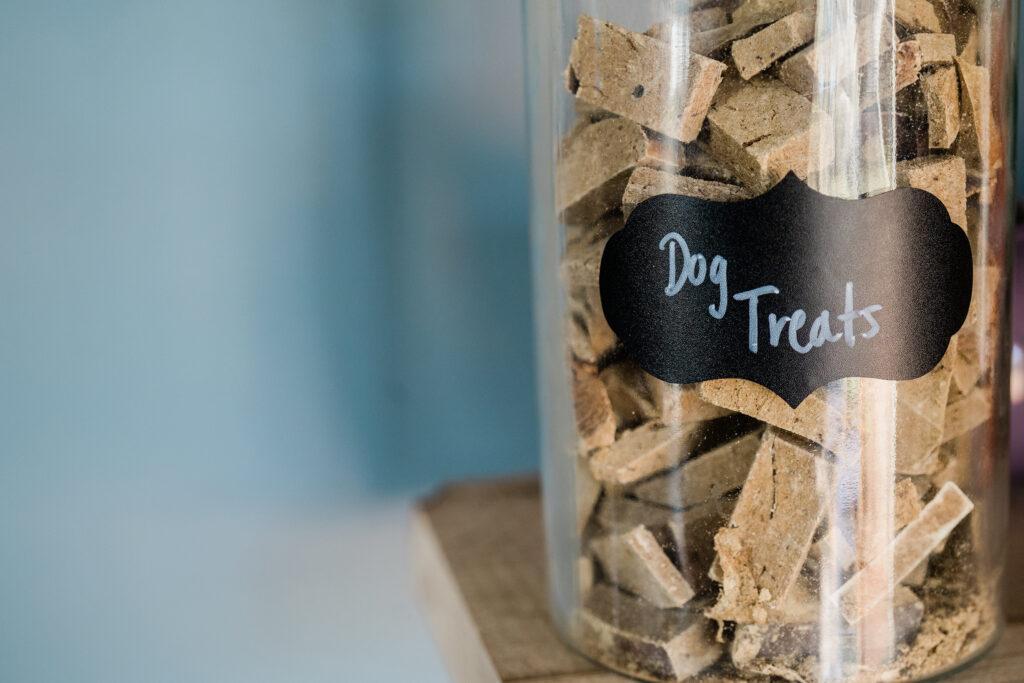
Now I am not telling you to stop giving dog treats, not at all!  My sweet girl gets her treats daily, but we give her healthy treats, and are more aware of what she gets.  Probiotic treats are great!  My all time favorite is freeze dried treats.  They are a bit more costly than milk bones, but only have one ingredient!  Beef liver, or chicken, lamb, even bison if your dog is food protein sensitive. 

So, please look into freeze dried treats, sweet potato, cooked vegetables, or some cooked chicken instead of grabbing those milk bones!  Please let me know if you have any other questions!  You can reach me at po*********@***il.com , poshdogkneebrace.com or visit our Facebook Page.


Dog’s Behavior – Important Read!

Hi everyone! Today I would like to talk about dog behavior!

This is Kristi. I’m one of the veterinary technicians with Posh Dog Knee Brace.

Today I want to talk a little bit about what we have been seeing over the last year or so. We all know how covid put a damper on EVERYTHING and so it seemed one bit of happiness was getting a new dog or puppy. Remember how shelters across the country were saying “we’ve adopted out all our animals!” Yay! We have homes for them!

dog behavior

On the flip side of things, these animals were being brought into homes were everyone in the family was home 24/7 and so being left alone or being socialized with other animals and people didn’t happen. Let’s fast forward to when things started to get back to normal. Our dog has been with his family for the better part of a year and now all of a sudden no one is home with them. This has created a lot of separation and social anxiety for these dogs.

How to assess your living situation for your dog behavior

It’s really important to do your research and assess your living situation before getting an animal, especially dogs. Dogs a very social animals and they need to be able to interact properly with their families but also with other people and other animals as well. Puppy classes or training classes in general are highly recommend at any point in a dog’s life but especially new puppies and adopted dogs.

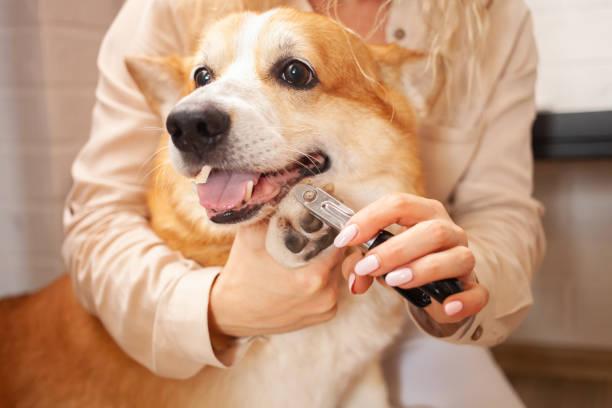
Everyone can teach their dog to sit and stay but what about reacting to other dogs on a leash or feeling comfortable with touch? Petting their head, a little bit is not the same as trimming nails or cleaning ears, letting a veterinarian look for areas that hurt. Taking them to classes or using a behaviorist can help immensely with these problems.

Maybe you are reading this and thinking, “that’s my dog, but he’s older than a puppy.” It’s not too late for them. You will have to put time and effort into their training and I highly recommend a behaviorist if you dog is really nervous or has behaviors you don’t like but things can change for the better. You just have to be willing to work with them and be patient with them. This will take time and consistency but learning your dog’s language will help you learn how to communicate with your dog in a positive way.

I like to use myself as an example. I have grown up with dachshunds (wiener dogs) my whole life and I have an old guy now. If anyone doesn’t know a doxy’s personality, let me tell you they are a big dog in a small dog package. They can be loud and love to bark at anything! When I was doing classes with my girl, one thing I asked the trainer was how do I get her to stop barking when someone comes over? I’m yelling at her to stop and she keeps going for 5 -10 minutes.

The trainer said, she doesn’t understand English, she understands emotions. When you are yelling and giving her attention, you are basically saying to her “THERE’S SOMEONE HERE, WE NEED TO BARK!” And she is thinking “THERE’S SOMEONE HERE, YOU ARE BARKING TOO, LETS ALL BARK TOGETHER. YAY, THIS SO MUCH FUN!” I thought hmmm…ok so what should I do? Ignore her. What? Ignore her. It will take some time but if you pretend, she doesn’t exist, she will figure out there’s nothing to bark at.

Tell people before they come, that you are working on teaching her to not bark so they MUST ignore her as well. Do not give her the time of day until she gives you the behavior you want.

The behavior I wanted was for her to not bark. I will be honest, this took a while, like several months, but eventually, she would bark a maybe a minute and then be done as opposed to her barking for 5-10 minutes.

The point is, if you want a well-behaved dog and a dog you can work with, especially when they are injured or not feeling well, it’s important to establish good communication with your dog. Trainers and behaviorists are excellent resources and worth the investment to have a well-behaved dog. Your relationship with your dog will be so much better too.

Always feel free to contact Posh with any questions or concerns you can reach us on our contact page or Facebook page.

Thanks,

Kristi, CVT Posh Dog Knee Brace


LASERRIFFIC – Specializing in COLD LASER THERAPY FOR PETS – $500 OFF – GREAT DEAL!

Are you looking for Cold Laser Therapy for your Pet? Look no further!

Lasserriffic has what you need! Use coupon code “POSHDOG” to receive $500 off the price of laser therapy.

cold laser therapy

Get to know Dr. Yukiko Kuwahara

Dr Yukiko Kuwahara, (also known as Dr. Youkey) received her Doctorate in Veterinary Medicine from Colorado State University. She has a vast 45 years of experience in the pet industry including a Hospital Administrator of a busy 24 Hour Emergency & Referral hospital, President of a pet toy manufacturing firm, operating a humane animal breeding facility providing pets for the pet stores, starting a non-profit charity to help the pets of the homeless, and a radio talk show host of the “The Wild & Wacky World of Pets & Animals” on two syndicated radio stations.

She has also been an On-Set-Vet ensuring that the animals used on movie sets & commercial shoots are not harmed but treated humanely.  Currently, she is a mobile laser acupuncturist helping patients in 7 states. She also sells over 33 lasers from 13 companies and distributes many other select veterinary equipment.

She continues to lecture worldwide teaching other vets how to select their lasers and to use them properly.  She has authored 4 books and created an app that helps to use their laser to its optimum level.  If you catch her at one of her live lectures, she will entertain you & you won’t be bored when you sit in one of her joyous lectures. She enjoys WATCHING others hike while she participates in the more relaxing world of books and movies. 

If you have any questions you can contact us through or contact page or visit our Facebook Page.


4 Tips on How to Exercise your Dog Using Our Brace

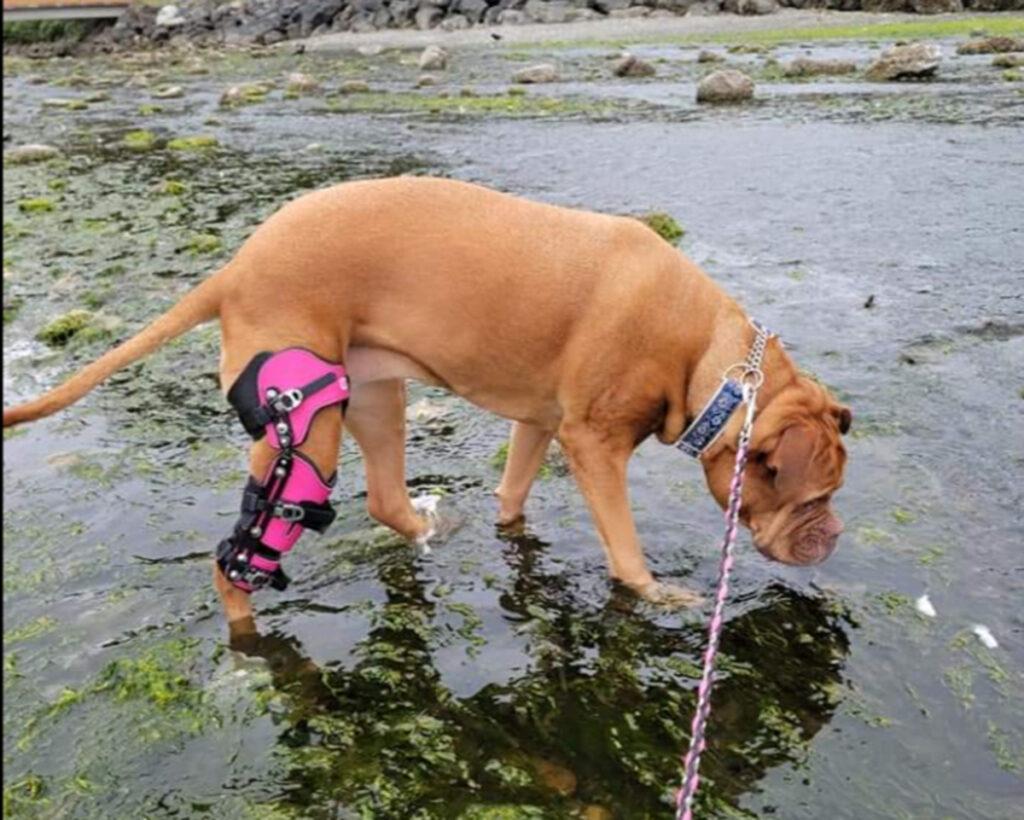
How to exercise your dog using our brace. Hey guys, this is Nikki Lead Veterinary Technician with Posh Dog Knee Braces,we are going to talk about excerises for your dog.  Today let’s talk about how to keep your injured dog active using our brace and how to exercise with it.  As you know, after surgery there is several weeks that you would need to have your dog kenneled with no exercising, leading to atrophy of the muscles and overcompensating on the other joints.  With our brace, patients are able to fully weight bear and start walks right away, decreasing the chances for overcompensating. 

exercise your dog

Tips to Exercise your dog

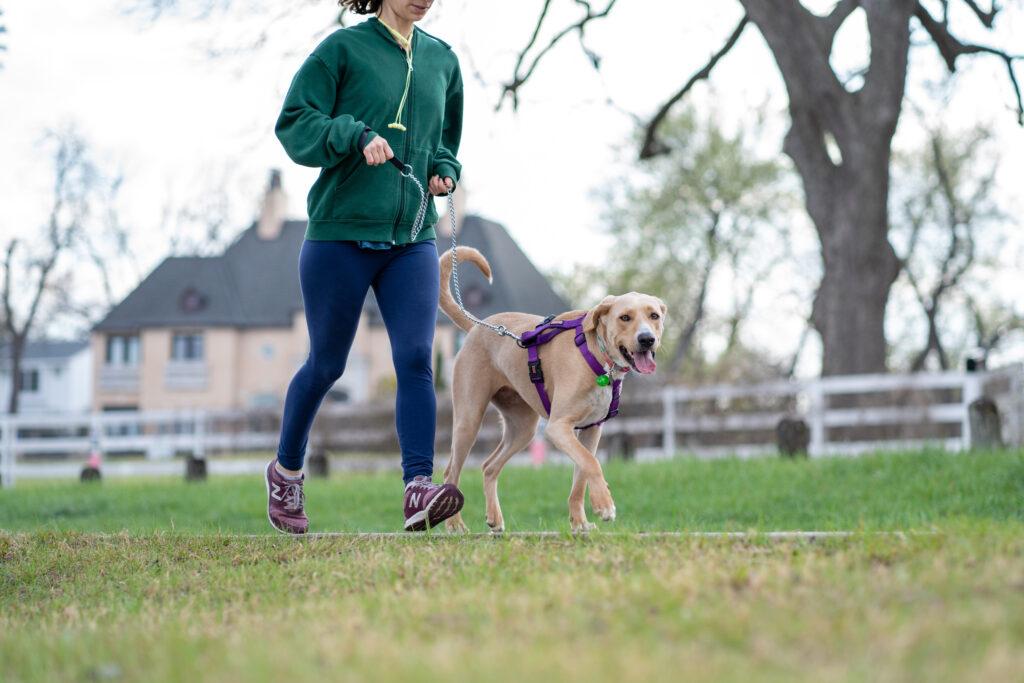
Just like us, we want to start out slowly, so as not to over-use those muscles that have been unused since the onset of the injury.  I suggest starting out with no more than 2 fifteen minute walks per day for excerising, and gradually increasing the amount of walking each week by about 10-15 minutes, as the patient starts getting stronger.  Each patient is different in the amount you are able to start walks, and there may be some initial soreness for the first 2 weeks.  This will go away as we start gaining muscle back.

Once our patients are able to walk comfortably for at least 20-30 minutes, after a few weeks, we can start encouraging things like swimming, hills, beach walking, and curbwork for exercises.  Swimming can be at a physical therapy clinic, swimming pool, or a beach.  Just no jumping into the water and climbing yet.  Short hills and small hikes are great tools to keep those muscles working out.

We do offer a 12 week physical therapy program with each of our patients, which includes stretches and different exercises, such as figure 8’s, curb work, walks, hydrotherapy, ect.  It is important to keep up with passive range of motion as you work into more activities, to prevent soreness and stiffness in the muscles and joints.  As we are developing scar tissue, we want to keep up with gentle movements in the knee.  This is important to help the development of healthy scar tissues.

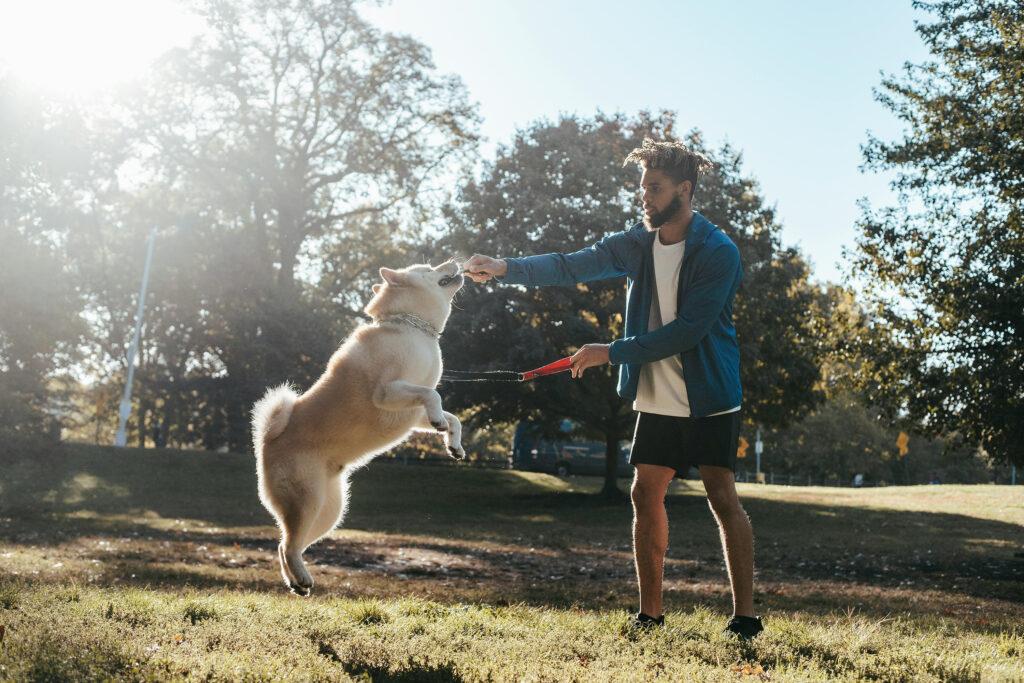
After a few months, gentle trots and increased activities will be ok, as long as the patient is supervised.  As we start to approach the 6-9 month mark, there should be more and more stability to the joint, even without the brace on.  As the knee begins to stabilize, we can do more and more activities.  We still need to refrain from excessive running, jumping, twisting, or playing fetch until things are fully recovered.  This is usually after about 12 months.  Always ask our technicians if you have any questions on activities planned. 

For more information about how to exercise your dog you can contact through our contact form or visit or Facebook Page.


What Benefits Does Fish Oil Provide Dogs?

Although fish oil has been shown to have many health benefits for dogs with arthritis, it can also aid your dog’s skin irritation, brain function, and other conditions.

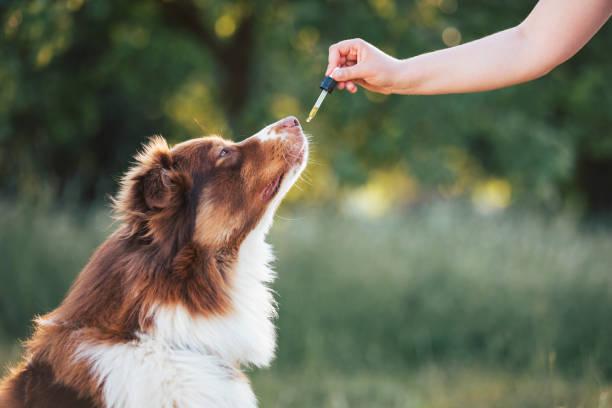
Veterinarians frequently suggest fish oil for canine arthritis. This is due to the fact that this oil is a natural anti-inflammatory that has been shown to relieve sore joints.

When supplementation began, arthritis-ridden dogs “had a considerably increased ability to rise from a resting position and play at six weeks and enhanced ability to walk at 12 and 24 weeks, compared with control dogs.” But that’s the problem. You must allow the fish oil time to function. Clinical progress might not be seen for at least a few months.

fish oil for dogs

Fish Oil Benefits for Dogs

This supplement can help with the following in addition to arthritis:

  • skin disorders, like itching
  • kidney disease
  • hypertriglyceridemia (too much fat in the blood)
  • cognitive dysfunction syndrome
  • cancer (appears to slow growth in some cancers)

What’s In Fish Oil?

Salmon, sardines, and anchovies, which are cold water fish, are the typical sources of this oil.

Eicosapentaenoic acid (EPA) and docosahexaenoic acid are two of the omega-3 fatty acids that are abundant in fish oils (DHA). The anti-inflammatory effects of EPA and DHA provide advantages for the skin, heart, kidney, brain, and joints.

Dosages

You can begin taking fish oil supplements at any age, but if your dog is still a puppy or taking medication, talk to your physician first. For an energetic, athletic dog, sooner is preferable to later.

Depending on the ailment being treated, the recommended dosage of combined EPA and DHA (omega-3 fatty acids; see sidebar) ranges from 70 to 310 milligrams per kilogram (mg/kg) of body weight, or 1 mg per 2.2 pounds of your dog’s body weight. The National Research Council (NRC) states that 370 mg/kg is the maximum safe level.

Introduce your dog to fish oil gradually to ensure that it is tolerated because some dogs can be sensitive to them, particularly if they have a history of pancreatic or gastrointestinal problems. Dogs who consume too much may get vomiting, pancreatitis, and greasy diarrhea.

Make sure to include the fat content of fish oil in your dog’s calorie budget if your dog is overweight. The veterinarian of your dog should be consulted if you are unclear of the recommended dosage for your dog.

Purchase of Dog Fish Oil

What Benefits Does Fish Oil Provide Dogs?

The quality of supplements like fish oil is not regulated by the American Food and Drug Administration (FDA). To ensure that you are giving your dog is safe and devoid of toxins like heavy metals or polychlorinated biphenyls, please make sure you buy it from a reliable supplier (PCBs).

We advise selecting a fish oil dietary supplement that bears the National Animal Supplement Council (NASC) seal. The NASC is an independent organization that makes certain that its member businesses follow the high requirements for ingredient quality and advertising techniques.

If you would like to know more about supplements for your dogs ormore information on our Posh Dog Knee Brace, you can contact us via our form, click here, if you would like to check out our Facebook Community click here.


Give Your Dog a Big Hug from Us! Let Your Dog Recover With Our Custom Dog Knee Brace!
We’ve Helped Thousands Of Dogs, Now We Want To Help Yours… The Most Comfortable Dog Knee Brace For Dogs With A Torn CCL/ACL!

We Accept Care Credit Financing.

Our Custom Dog Knee Brace Is Much More Effective Than A Ready To Wear, Or A Soft Dog CCL Brace. The No-Casting Posh Dog Knee Brace: We Made The Cast, An “Ordeal” Of The Past.


Selecting CBD For Dogs – #1 Must Read

CBD for dogs can benefit dogs with a variety of problems, including pain and anxiety, but you must choose a canine CBD product from a trustworthy supplier.

Cannabidiol (CBD), a cannabis plant derivative that has no psychotropic ingredients, is now widely available in pet supplements.

According to “Pet Supplements in the U.S.,” 21% of dog owners bought CBD dietary supplements in 2020. According to Packaged Facts, sales of CBD for dogs products are expected to reach $95 million in 2020, a 217% rise from the previous year. Additionally, all of the nation’s top chains of pet supply stores have established retail ties with the producers of CBD dietary supplements.

cbd for dogs

You can see that there are many different CBD for dog products available. How do you decide?

  • Make sure the product includes CBD by carefully reading the label or product description first. There are hundreds of products available that don’t include CBD, many of which can be found by conducting an online search for “CBD pet supplements.” The product’s “hemp” content may be exaggerated on the label, but unless it is stated otherwise, the product does not contain CBD. Hint: There are several hemp-containing items available on Chewy.com and Amazon.com, but neither website sells pet supplements with CBD.

Products made from hemp but without CBD may have health benefits, but if you want your dog to specifically benefit from CBD for dogs, you must choose a CBD-containing product!

  • Find a report from an unbiased testing facility that examined the product now. If a product hasn’t undergone independent testing or if the results aren’t code-matched to the batch you’re contemplating, don’t buy it.

Verify the dates! Reputable manufacturers provide the lab results for their items on their websites or have QR codes that link to online reports. The report must include the date, a detailed description of the tested item, as well as the name, contact information, and phone number of the test provider.

  • Verify the lab findings for pesticides, heavy metals, microbiological contamination, and potency. Hemp plants are prone to fungus, which can result in the presence of mycotoxins that are carcinogenic, and they rapidly absorb heavy metals from their surroundings. It’s also conceivable for heavy metals to be accidentally added during manufacture. In addition, hemp is frequently grown using pesticides. Therefore, the third-party lab tests ought to state that the products are free of pesticides, heavy metals, and microbiological contamination.
  • Verify the type and concentration of CBD in the product by looking at the results of an independent lab. Hemp plants contain between 80 and 100 cannabinoids, which are compounds that can bind to cannabinoid receptors in both human and canine systems. The quantity and presence of these chemicals varies depending on the type of hemp plant. Tetrahydrocannabinol (THC), the psychoactive component of cannabis, is not produced by any plant strains used to generate CBD products; supplements with more than 0.3% THC cannot be supplied legally.

To ensure that you can administer dosages consistently for a predictable impact, the lab report should list the cannabinoids that are present in the product and their concentrations.

  • Avoid purchasing goods that promise to manage, prevent, or cure disease. The FDA must approve any substance that has medicinal claims. Since CBD products are now handled as supplements, this procedure does not apply to such items. The Dietary Supplement Health and Education Act of 1994 (DSHEA) prohibits the marketing or labeling of supplements for the mitigation, treatment, prevention, or cure of disease.

Avoid a firm’s items if the product label or company material implies that it is a panacea for all of your dog’s ailments. Avoid “treats” as well, which are considered foods and are therefore prohibited from having CBD. “CBD dog treats for anxiety” is one example. Laws governing labeling violations are a sign of a novice or dishonest product maker. Avoid the business in either case.

  • Look for directions, dosing information, and unambiguous indications for use.
  • Ask a firm representative, if you can, what distinguishes their products from those of their rivals. Ask for proof if you hear any exaggerated statements. If they don’t have have study results they can share with you, the finest companies should at the very least be taking part in research studies of their products.
  • Look for merchandise from businesses that have been in this for a long time. Numerous CBD product producers are active today but gone tomorrow. A product’s longevity does not imply that it is effective; some businesses were started with significant financing from venture capital firms, which helped some start-ups survive despite having inferior products. However, experience and credibility are lent to a company’s objective by time spent in the field.
  • Look for the National Animal Supplement Council (NASC) seal of approval, which certifies goods from businesses dedicated to quality and ongoing improvement. A quality control manual, which helps ensure the business is producing a consistent and high-quality product, an adverse event reporting/complaints system, and passing an independent third-party audit every two years are just a few requirements for supplement manufacturers to receive the NASC Quality Seal.

The findings of a research that examined goods that contained hemp or cannabidiol compounds were released by the U.S. Food & Drug Administration (FDA) in 2021. Tests were performed on nearly 150 goods to identify the cannabinoids that were present in them. Less than half of the surveyed items had cannabidiol concentrations that were 20% or less of what was stated on the label.

Such outcomes are intended to be avoided by using certification from the NASC and third-party lab testing.

  • We advise purchasing CBD pet supplements from independent pet supply shops with staff members who are knowledgeable about the goods and have used them on their own pets. In the event that this is not feasible for you (or if you reside in an area without such a store), get assistance from the manufacturers of the products you are considering.

First-time users will benefit from advice on dosage and what kind of product will work best for their dogs. Since veterinarians aren’t allowed to discuss CBD for dogs with their patients in most states, let alone recommend a specific product, the next-best resource is an experienced user who has a close, long-term retail relationship with ethical product suppliers.

Possible advantages of CBD for dogs

An increasing number of dog owners who support CBD for dogs do so because they feel it treats cancer and immune-mediated disorders while reducing anxiety, seizures, discomfort, and allergies. Manufacturers of CBD supplements, however, who are subject to regulation under the Dietary Supplement Health and Education Act of 1994 (DSHEA), are not permitted to make “drug” claims about how CBD treats or alleviates any illness or medical symptom.

Because there were considerable legal obstacles for both academic and commercial study into CBD, as well as restrictions for growing and harvesting these plants, then refining and marketing products that include CBD for dogs, up until recently, CBD’s appeal has been largely driven by anecdotal evidence. When the Agriculture Improvement Act, also known as the Farm Bill, was passed in 2018, it descheduled cannabis species with less than 0.3% dry weight of delta-9 tetrahydrocannabinol (THC), removing these obstacles and opening the door to both commercial production of CBD-containing goods and research into its safety and advantages.

Studies have so far shown promise. Researchers from Cornell University conducted a 2018 study on dogs with osteoarthritis that revealed no adverse effects, a considerable reduction in pain, and an increase in activity. A tiny Colorado State University study (16 dogs) examined the use of CBD for dogs to treat canine idiopathic seizures and discovered that canines receiving CBD experienced an 89% decrease in seizure frequency.

Without plenty of anecdotal evidence that at least some of the products are beneficial to dogs, it is difficult to see how the CBD for dogs market could have expanded so quickly. In any young, rapidly expanding market, there are plenty of con artists, but few individuals keep buying useless products over and over again. The industry’s amazing rise indicates that they are effective, and the startling paucity of tales of negative experiences should persuade you to try CBD for your dog.

If you would like more information onthe CBD for dogs you can contact us through our contact page or check out our Facebook Page.


What Leads to Dogs’ Sudden Hind-Leg Weakness?

Any number of ailments might result in a dog’s hind-legs losing strength. The following hints will help your veterinarian identify the problem’s root cause.

Regardless of the source, a dog’s weakness normally manifests itself first in the hind limbs. This seems obvious given how much work the dog’s hind-legs perform. They are in charge of pushing the body upward from a seated or lying position as well as driving the body forward when moving. You will be made aware of a weakness-related issue if you experience difficulty with these routine daily tasks.

What does a weak set of back legs on your dog look like? Hind-limb weakness is indicated by a variety of behaviors, including slow rising, sinking on the back limbs, dragging the tops of the toes, swaying of the hind end, occasionally crossing of the limbs, intolerance to physical exertion, slipping, sliding, and collapse of the hind end. The ability to stand on its hind-legs may also suddenly disappear in your dog.

hind-leg weakness

If your dog exhibits any of these symptoms, you should pay attention to a few details that can aid your vet in identifying the problem:

  • Is the weakness recurring or ongoing?
  • Is it caused by exercise or not?
  • Was it a rapid or gradual onset?

Some problems are more likely than others depending on your dog’s age and size. This is applied to the diagnostic procedure as well.

The four primary categories of causes of hind-leg weakness are orthopedic, neurologic, metabolic, and cardiac.

Orthopedic Reasons for Weakness in the Hind-Leg

Chronic joint inflammation/pain is the primary orthopedic cause of canine hind-leg paralysis (osteoarthritis, degenerative joint disease). Although arthritis is obviously painful, it is frequently accompanied by compensatory pains, which are muscle aches and pains. The dog finds it difficult to stand up and move as a result. He might become more sedentary as a result, which would worsen the condition by causing him to lose muscle mass and fitness.

Due to the wear and tear on the joints over time, arthritis most frequently affects older dogs; overweight dogs endure an additional burden because of the increased tension those extra pounds place on the joints. Hip arthritis may appear in puppies of dogs with hip dysplasia, which results in improperly shaped hip joints. These arthritic disorders typically present with a delayed, sneaky onset of hind-leg weakening. It won’t appear to have occurred overnight.

Immune-mediated arthritis and Lyme arthritis are two acute types of arthritis that can cause a dog’s hind end to suddenly weaken. In addition to fractures and intervertebral disc disease (IVDD), overweight dogs frequently suffer from bilateral anterior cruciate ligament (ACL) tears, which are additional orthopedic reasons of hind-leg paralysis. Your veterinarian will be able to identify these diseases and recommend the proper treatment with the use of blood tests and x-rays.

Dogs’ Weakness in the Hind Legs: Neurologic Causes

IVDD: When an unhealthy disc (or discs) puts strain on the spinal cord and causes neurologic weakness, IVDD transitions from an orthopedic problem to a neurologic one. The majority of these instances are treatable medically, but surgery is necessary if paralysis develops or medical treatment is ineffective.

Spinal tumors: Similar symptoms are brought on by neurologic disorders such as spinal tumors. For a diagnosis, sophisticated imaging techniques like computed tomography (CT) or magnetic resonance imaging (MRI), as well as occasionally cerebrospinal fluid examination, are needed.

Diskospondylitis: An infection of the intervertebral disc and the ends of the surrounding vertebrae is known as diskospondylitis. It can be challenging to diagnose, produces hind-limb paralysis regularly, and is excruciatingly painful. Long-term antibiotic use is the course of treatment (six to 12 months). Your dog may need more x-rays and/or more sophisticated testing, such as CT or MRI, to make a certain diagnosis because this ailment can be challenging to diagnose in its early stages. These canines can fully recover if they are diagnosed and treated appropriately.

Lumbosacral stenosis: Cauda equina syndrome, or lumbrosacral stenosis, is a degenerative disorder that affects only the lumbosacral joint and is related to IVDD. This joint joins the last vertebra to the pelvic region. It differs from the other intervertebral joints in that the spinal cord sends all of the peripheral nerves that travel to the hind end to this joint. In addition to being extremely painful, this type of disease typically results in neurologic impairments and weak hind limbs.

Degenerative myelopathy: Weakness in the hind-legs is a symptom of degenerative myelopathy (DM), a slow but progressive deterioration of the spinal cord. Although it affects various breeds, the German Shepherd Dog serves as the disease’s mascot. Typically, older and middle-aged canines are affected. There is just supportive care available as a treatment for DM right now.

Myasthenia gravis: An autoimmune neuromuscular condition called myasthenia gravis (MG) causes muscle weakness that worsens with exertion. It may begin with weakness in the back limbs but quickly progresses to total body weakness and collapse.

Here’s a situation that is typical of Myasthenia gravis: Your dog wakes up after a nap and acts normally. As soon as you start walking, he begins to sink, slip, and stumble until he is unable to stand or walk. He can resume short-term function after a period of rest that enables the replacement of damaged neuromuscular transmitters. A blood test is required for diagnosis. Long-term therapy is required (six months or longer). Some canines will have remission and resume their regular lives. Others will require care and support throughout their lives.

Exercise-induced collapse: Labrador Retrievers and a few other breeds are susceptible to the genetic illness known as exercise-induced collapse (EIC). It usually manifests itself between the ages of 6 months and 2 years. It takes place following several minutes of intense exercise. The dog quickly starts to weaken and lose coordination in his hind limbs, eventually collapsing. For this, there is no cure. Avoiding vigorous exercise is one method of prevention. It is crucial that you get your puppy from a breeder who has tested the parents for this gene for the aforementioned reasons. Have your adoptive dog’s EIC gene checked if he exhibits these symptoms.

Idiopathic vestibular syndrome: In elderly dogs, idiopathic vestibular dysfunction is a frequent cause of weakness in the rear limbs and lack of coordination. It appears abruptly and may give you the impression that your dog is having a stroke. This disorder’s origin is uncertain. It typically comes with a head tilt and balance problems. With supportive care, the majority of dogs will recover in time.

Numerous illnesses transmitted by ticks can result in generalized neuromuscular weakness, which may first show in the rear limbs. If you notice ticks on your dog, let your vet know.

Dogs’ Hind-Leg Weakness: Metabolic Causes

Hypoglycemia (low blood sugar), anemia (few red blood cells), and hypokalemia (low potassium) are a few examples of metabolic conditions that might weaken the hind-legs. Blood testing can quickly diagnose this. For these problems to be solved, identifying their underlying causes, which necessitates more diagnostic testing, is crucial.

Weakness can result from endocrine conditions such as insufficient thyroid hormone (hypothyroidism) and underactive adrenal glands (Addison’s disease). Blood tests are used to diagnose both conditions, and there is no cure.

Hepatic encephalopathy, a metabolic disorder that causes sporadic weakness and confusion and is most noticeable after eating, can be brought on by certain liver disorders.

Dog Hind-Leg Weakness: Cardiovascular Causes

All of the body’s tissues must receive sufficient blood flow and oxygen, which depends on healthy heart function. Weakness happens when heart function is compromised, regardless of the underlying cause. Again, for the reasons already mentioned, weakness in dogs typically manifests itself in the hind-legs first.

Heart illnesses that affect dogs include heartworm disease, congestive heart failure, heart muscle disease (cardiomyopathy), cardiac arrhythmias, cardiac or pericardial tumors, and fluid in the sac surrounding the heart (pericardial effusion).

Your veterinarian will discover a cardiac explanation for the hind-leg weakness you’ve noticed during your dog’s physical examination, and treatment and diagnosis will proceed from there.

It’s Not Just “Old Age” That Causes “Hind-Leg Weakness”

As you can see, there are many different possible reasons why dogs’ hind limbs get weak. Because of this, it’s crucial to have your dog inspected if you notice this problem; never just brush it off as a “old dog” problem. Many of the underlying causes can be ruled out by your veterinarian, who can then hopefully provide a conclusive diagnosis. Even if your dog is quite old, diagnosing and treating some of these disorders can completely transform his life!

There is no cure for some chronic illnesses, such as osteoarthritis. However, there is a lot you can do to enhance and preserve your dog’s quality of life for a very, very long period. Your sensitive loving care and dedication to supportive measures are the first step.

Support for Mobility Issues Caused by Arthritis

  • Management of weight. For overweight dogs, everything is more challenging.
  • Joint supplements like glucosamine and chondroitin (I use Dasuquin from Nutramax) and/or hyaluronic acid/egg shell membrane (I like Movoflex by Virbac).
  • Adequan Canine, a polysulfated glycosaminoglycan medication manufactured by American Regent Animal Health, is used to treat osteoarthritis.
  • Fish oil supplements, which have anti-inflammatory and antioxidant properties. (Nordic Naturals and Welactin by Nutramax are two of my favorites.)
  • Drugs that reduce inflammation. The mainstay of osteoarthritis pain management is nonsteroidal anti-inflammatory medicines (NSAIDs), which include deracoxib, carprofen, meloxicam, and others. Always administer these medications with food to protect your dog’s stomach, and while on these medications, get your dog’s kidney and liver function checked at least twice a year.
  • Strengthening and maintaining muscles with physical therapy. This can be pursued in a facility for canine rehabilitation, where your dog’s unique treatment plan will include workouts on an underwater treadmill and other equipment. However, you may also work out with your dog at home. For example, perform “Puppy Push-ups” by having your dog sit, stand, then sit again. Repeat. Similar to how you would with your own workout regimen, gradually increase the repetitions.
  • Another option is to buy a “instability” platform. Your dog’s muscles and body awareness will develop as they stand on this inflatable, rubber platform. Teach your dog to balance on the bone first. You can have him perform puppy push-ups on it once he is confident standing on it. Use a food lure to entice him to slowly extend his neck to both of his flanks while he is standing. These exercises are excellent for strengthening the core, which helps prevent weakness in the back legs.
  • Laser therapy makes use of laser radiation at a specific wavelength that has been shown to lower inflammation, ease pain, and encourage healing. A qualified specialist administers it using a handheld probe into the tissue. Typically, treatments begin by occurring twice weekly for two to three weeks, then once weekly for some time, and finally as needed.
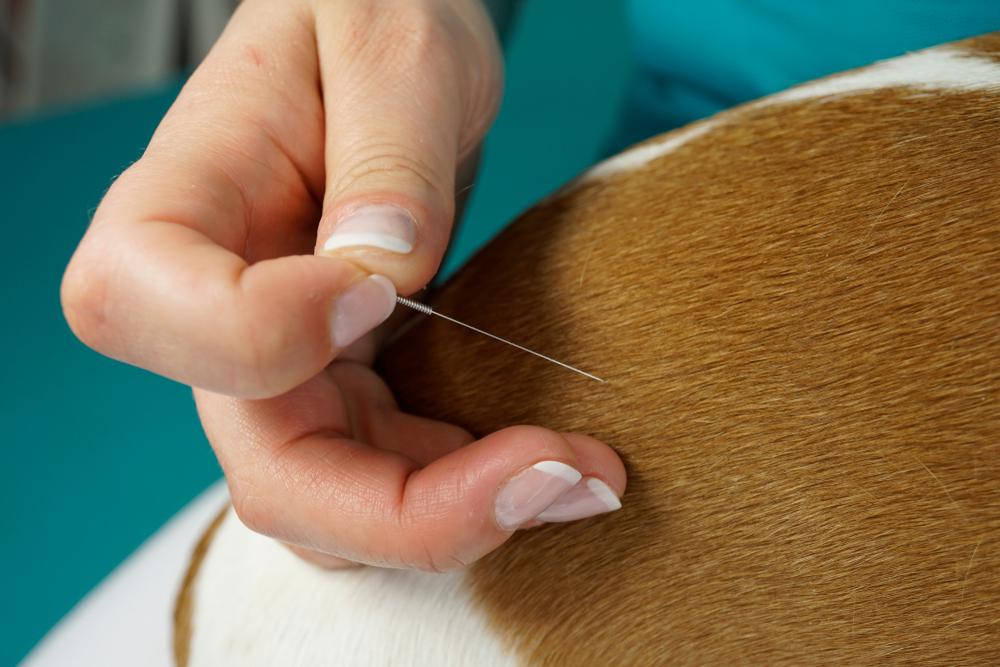
  • Osteoarthritis and other painful conditions are made less painful with acupuncture. It requires a qualified specialist; to discover certified veterinary acupuncturists, visit ivas.org. Some acupuncturists also employ herbal preparations created in accordance with conventional Chinese medicine.
  • Your dog’s veterinarian may recommend painkillers like tramadol, gabapentin, pregabalin, or amantadine depending on how much pain your dog is experiencing.
  • Use a harness to support your dog and prevent further injury if he has problems standing up or climbing stairs. Your dog can wear it all the time like a collar because it fits so well. It includes handles over the shoulder blades and the hips so you can quickly reach down and assist your dog without putting too much strain on your back. 
  • You can also use a knee brace for support like our Posh Dog Knee Brace or brace helps with stabilizing the knee and can help your dog walk without surgery.

If you are interested in more information about our Posh Dog Knee Brace you can contact us on our form or if you would like to purchase our brace you can click here,  you can also join our Facebook Group page to hear how other dog parents help their dog with their pain management and therapies.


Page 7 of 9
© Posh Dog Knee Brace
Website Development By: Tinker Graphics