There are too many variables to make a general recommendation. When creating the ideal walking plan for your dog, take them all into account.
There isn’t a reliable general guideline that specifies how far or how long you should walk your dog. The frequency of dog walks should be determined by several pertinent aspects that are unique to each person’s health and requirements. These factors include:
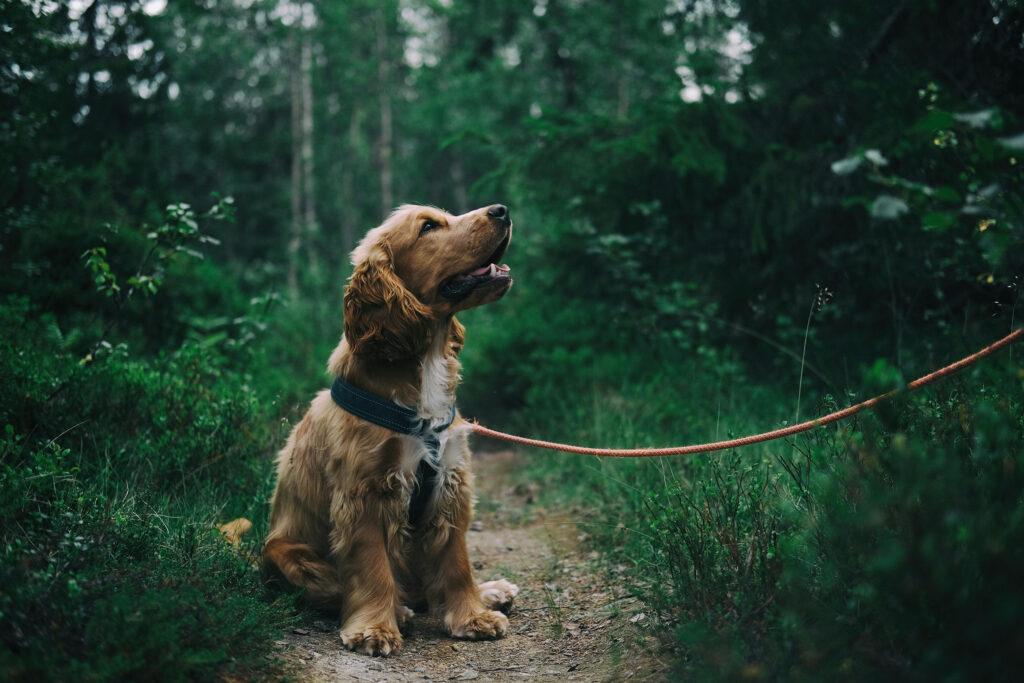
A few warnings: Longer and quicker walks may not be in your dog’s best interest if she is an exercise addict who is constantly pushing herself to go farther and faster. This could cause her to get overly excited about starting a half-marathon or footrace every time you put on her leash. Alternate her long walks with shorter ones to help her learn how to take a more balanced approach to walking while also encouraging her to sniff and look around.
On the other hand, you are probably overdoing it if your dog occasionally refuses to go on walks, lays down, or runs for home. She may be in some bodily discomfort that you are unable to identify, in which case you should speak with your veterinarian. There’s never a good reason to make your dog participate in something she doesn’t appreciate.
Beyond the ones we’ve already discussed, there might be other medical issues. When it comes to physical concerns about your dog getting too much or not enough exercise, your dog’s veterinarian is the best person to ask. Looking to purchase a Posh Dog Knee Brace or would like information on it contact us via our contact page or visit our Facebook page for more information.
Articles from the Posh Dog Knee Brace team — a group effort with our licensed veterinary technicians and brace specialists, sharing 15+ years of experience helping dogs recover from CCL/ACL injuries and mobility challenges.
While no dog enjoys having their nails clipped, all dogs may learn to tolerate the process.
Dog Nail cutting can become a stress-free part of your normal grooming regimen with a little effort. We begin by introducing you to the two main techniques for dog nail trimming and provide some troubleshooting advice. Although most dogs dislike having their nails clipped, all canines may be trained to tolerate the process with time and patience. It’s time to clip your dog’s nails if you can hear them clicking as he moves over a floor.
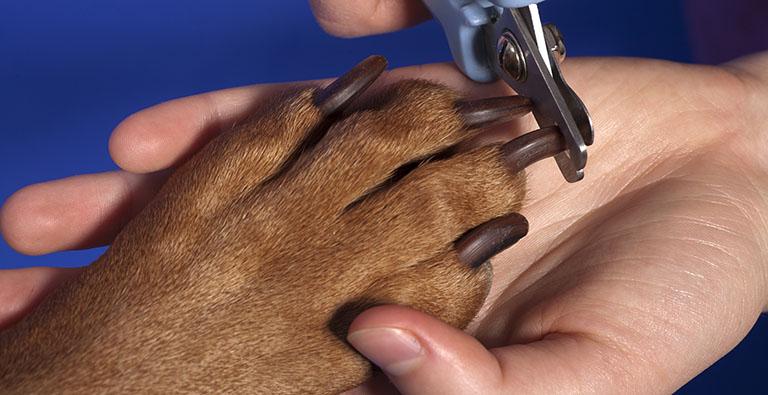
Dogs who enjoy having their nails clipped are rare. However, your dog can be progressively trained to accept having his nails clipped:
If you would like more information about our Posh Dog Knee Brace contact us via our contact form or visit our Facebook page.
Articles from the Posh Dog Knee Brace team — a group effort with our licensed veterinary technicians and brace specialists, sharing 15+ years of experience helping dogs recover from CCL/ACL injuries and mobility challenges.
Dogs undergoing physical therapy sessions can heal from wounds or surgeries more swiftly and with wider range of motion. Additionally, visiting a canine rehabilitation therapist doesn’t cost much.
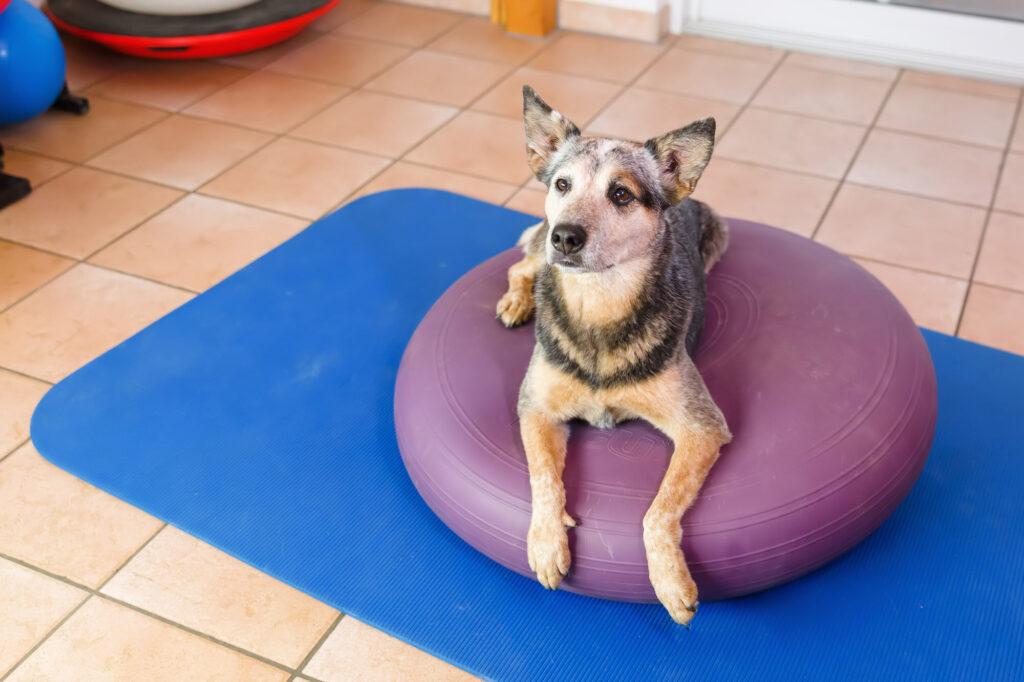
Although it’s incorrect to refer to professionals who help humans as “physical therapists,” canine rehabilitation therapists offer the same services to dogs. With the increasing availability of dog physical therapy, some veterinarians have pursued post-doctoral studies in acupuncture, chiropractic, pain management, and other rehabilitation modalities.
For instance, the American Association of Rehabilitation Veterinarians (AARV) provides information on the efficacy of this method for managing pain and function loss resulting from disease or injury to veterinarians, veterinary surgeons, and pet owners. In an effort to better serve the special needs of working and athletic animals, including those with chronic conditions like arthritis and neurologic impairments, the American College of Veterinary Sports Medicine and Rehabilitation was established more recently.
Dog physical treatment typically starts with a referral to a canine rehabilitation therapist if your veterinarians do not specialize in rehabilitation themselves. These experts complete credentialing programs that concentrate on canine anatomy and physiology, common medical conditions and injuries, assessment methods, pain recognition, and rehabilitation programs to obtain credentials like CCRP (Certified Canine Rehabilitation Practitioner) and CCAT (Certified Companion Animal Rehabilitation Therapist). Among the therapies they provide are:
It’s crucial to remember that the field of canine rehabilitation treatment is evolving quickly due to the availability of new technologies and methods as well as ongoing research, which makes continuing education and staying up to date for rehabilitation therapists essential.
Dog physical therapy can be used to treat both acute and chronic diseases, much like comparable human treatments. A canine rehabilitation therapist may be able to assist with techniques, specialized equipment, and at-home exercise routines if your dog is in pain, has lost strength or flexibility, has an uneven gait or loss of balance, is recuperating from an accident, injury, surgery, or illness, or has chronic symptoms that interfere with favorite activities.
Certain therapies call for tools that you may use at home, like ramps, platforms, balance pads, cushions, and discs. Clinic consultations are necessary for other equipment, like swimming pools, treadmills for dogs, and electronic/magnetic gadgets.
In order to ensure that their dogs have comprehensive physical assessments and that the therapist can contact the veterinarian with any necessary medical treatments or diagnoses, the majority of canine rehabilitation therapists choose to collaborate with veterinarians. Meanwhile, other dog owners have put together their own teams for physical therapy, working directly with holistic practitioners such as massage therapists, chiropractors, and canine acupuncturists. Go to AHVMA.org, the website of the American Holistic Veterinary Medical Association, and select “Find a Member” to locate veterinarians who specialize in nutrition and complementary therapies that improve healing and rehabilitation.
A physical examination, which includes noting the dog’s stride, movement, structure, flexibility, strength, muscle tension, sore spots, and mobility, is the first step in seeing a canine rehabilitation therapist. The therapist will have time to get to know the dog and owner, go over the owner’s improvement and treatment objectives, and talk about the dog’s medical history and behaviors during what may be an hour-long session.
It could be beneficial to record your dog walking or moving in various directions both inside and outside as canine rehabilitation specialists concentrate on mobility and movement. Include the dates, diagnoses, and treatments of any specific illnesses, injuries, or incidents that have impacted mobility in your documentation.
The primary objective of the first visit is to create a strategy using the technology, tools, and therapies that are suitable. This frequently includes the suggestion of certain workouts to improve the muscles weakened by disease or trauma. Usually, these are made specifically for the patient to incorporate into an at-home workout regimen. Dogs that are healing from surgeries or accidents, or whose hind legs are weakening, may find that at-home exercise is very beneficial.
A follow-up plan can contain notes to distribute around family members to ensure that everyone can take part in the rehabilitation process and encourage the dog’s progress. This way, everyone in the family can help your dog heal.
Your dog’s progress will be meticulously documented by your canine rehabilitation therapist, who will also keep track of the specific therapies your dog has received, evaluate the effectiveness of rehabilitation plans, create exercise schedules that you and your dog can follow at home, schedule check-ups to record the healing process, and assess your home for any potential effects on the dog’s functional status.
Costs for veterinarian visits vary based on the type of treatment required, the therapist’s training and experience, and the location. Individual treatment sessions can cost anywhere from $50 to $100 or more, and initial consultations usually run between $100 and $200. The number of sessions needed for treatment determines the overall cost. Costs can be cut by using do-it-yourself therapies and home fitness regimens.
As long as the dog is insured prior to being sick or wounded, several pet insurance companies will pay for holistic and alternative therapies, including canine rehabilitation. For this reason, insurance specialists advise getting coverage for young, healthy dogs well in advance of the onset of any pre-existing conditions that might prevent coverage.
You understand the value of rehabilitation therapy if you have ever worked with a physical therapist following a disabling injury or illness, a broken bone, or a torn ligament. When the time comes, as an informed pet owner, you can be prepared to provide the same hands-on care for your dog by locating a canine rehabilitation therapist.
For more information on your dog physical therapy and how our Posh Dog Knee Brace helps in your dogs recovery contact us via our contact form or visit our Facebook page.
Articles from the Posh Dog Knee Brace team — a group effort with our licensed veterinary technicians and brace specialists, sharing 15+ years of experience helping dogs recover from CCL/ACL injuries and mobility challenges.
A glucosamine-chondroitin combination is the most commonly suggested joint supplement for dogs with osteoarthritis, but fish oil is not far behind.
For dogs suffering from arthritis, the majority of veterinarians advise using a supplement that blends glucosamine and chondroitin sulfate. Even as late as a study published in 2023, anecdotal evidence from veterinarians who advocate this combination is substantial, despite the fact that research is still somewhat equivocal. Natural cartilage contains chondroitin and glucosamine. Their anti-inflammatory qualities aid in pain relief, and their ability to cushion the joint relieves arthritic joints.
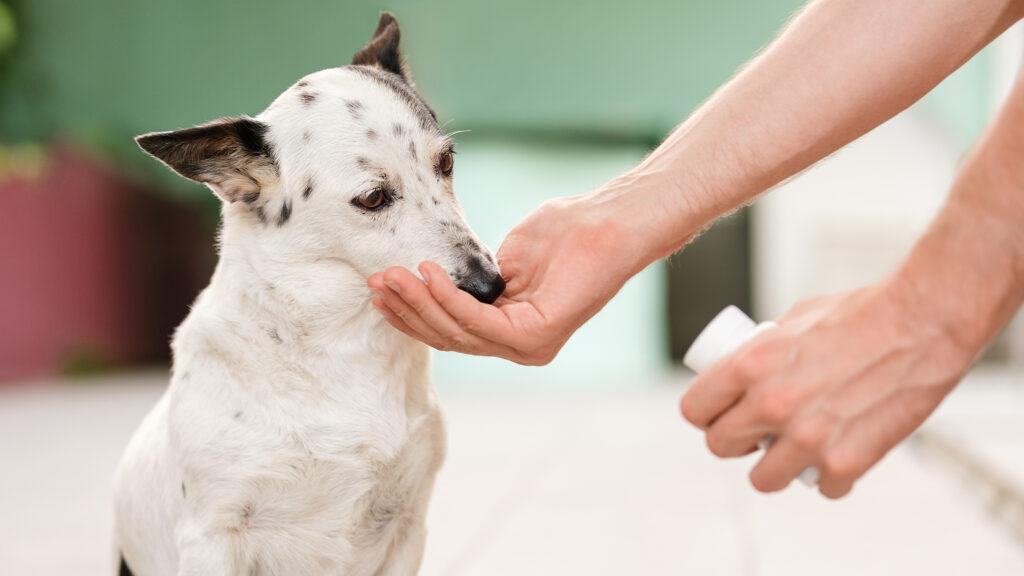
Refer to the manufacturer’s label for information on glucosamine doses. Although they are uncommon, glucosamine overdoses usually start off as vomiting or diarrhoea. Take note that the majority of products demand for a brief window of “double dosing,” often known as the “loading dose.” In a sense, it expedites the advantages. It is possible to use ordinary dosage, but the duration of the desired effects will be much greater. Observation of any change may take a month or two, even with appropriate dosage. Avoid quitting too soon.
Note: Don’t share your human vitamins with your dog; they might include dangerous substances like xylitol. Instead, choose supplements designed specifically for dogs.
Hyaluronic acid (HA) and fish oil are two other active components included in many dog glucosamine-chondroitin formulations. The most compelling evidence for fish oil’s effectiveness as a component of an arthritis therapy regimen for dogs is found in studies on the topic. Furthermore, HA has been shown in a study to have the capacity to raise synovial fluid in a joint. The oral version of HA has been demonstrated to raise synovial fluid in the joints, and it has long been used as an injectable to support joint health and relieve arthritis.
Look for the National Association of Supplement Companies (NASC) seal when selecting a glucosamine brand for your dog. This stamp attests to the product’s inclusion of the ingredients and dosages specified on the label. We would stay away from businesses without the seal.
Because arthritis develops gradually, it is not a good idea to assume that your dog has arthritis if they appear limp or sore when they move or get up. Your dog’s discomfort could be caused by a variety of issues in addition to arthritis. Never assume that a dog’s issue is arthritis, especially if the dog is elderly, or that glucosamine for dogs is a panacea. It’s not. It won’t help with conditions other than arthritis, but it will support joints that are arthritic.
Furthermore, if your dog’s discomfort is too severe for a joint supplement, he might require painkillers which are used a lot for dogs with severe arthritis.
Lastly, confirm that your dog weighs a healthy amount. Continue doing frequent, safe exercise, such as taking long walks and playing gentle games. Continue seeing your veterinarian, and let them know if you see any signs of early arthritis. The better the outcome, the earlier oral supplements like glucosamine are started for dogs. Starting joint-supporting supplements, like as glucosamine, early on, before arthritis develops, seems to offer some preventive benefits for active athletic dogs.
If you are interested in more information about supplements or one of our Posh Braces contact us via our contact form or visit our Facebook Page.
Articles from the Posh Dog Knee Brace team — a group effort with our licensed veterinary technicians and brace specialists, sharing 15+ years of experience helping dogs recover from CCL/ACL injuries and mobility challenges.
To reduce discomfort and increase range of motion, a dog chiropractor can adjust your dog’s joints.
A dog chiropractor would palpate the dog’s spine, limbs, and even the skull to look for anomalies in the way the bones join together, much like they would during a human chiropractic session. Your dog’s comfort level, nerve function, and the way that joint works can all be affected by even minor misalignments, or “subluxations.”
The subluxated joint is then adjusted and the bones are moved back into position by the dog chiropractor using precise manipulations. One common focus is the spine.
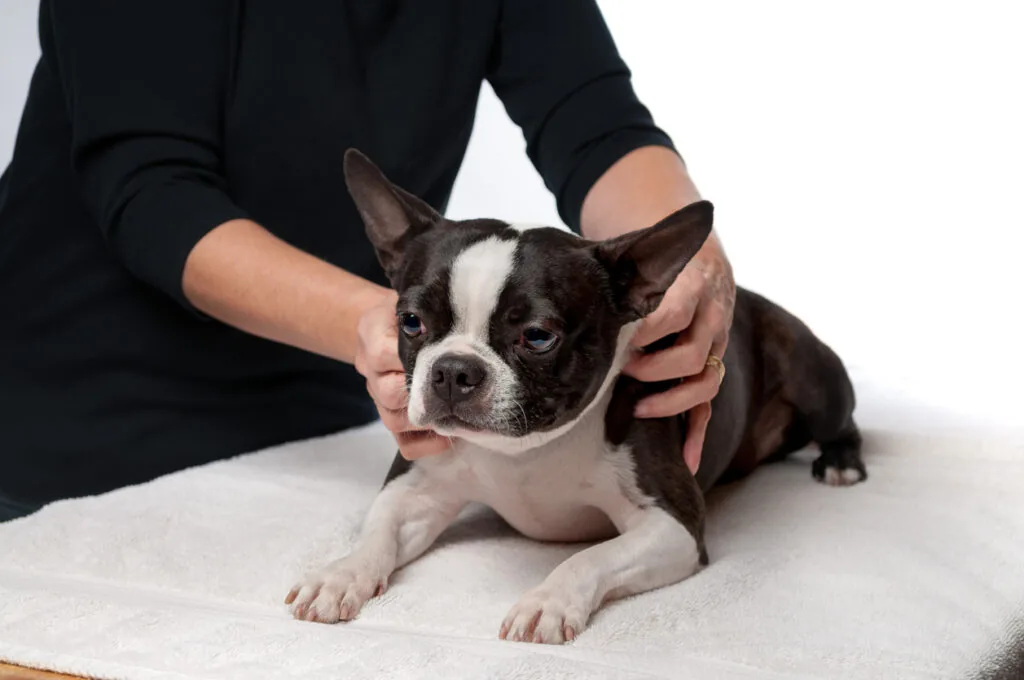
When they observe their dog limping or feeling sore all the time, most dog owners take their pets to see animal chiropractors. If your dog participates in high-impact activities like flyball or agility, you could choose to schedule a preventive dog chiropractic appointment to make sure their body is operating at peak efficiency.
Getting a veterinary diagnosis is crucial if your dog is experiencing discomfort, lameness, or lethargy. Make an appointment with your veterinarian so they can assess the cause of your dog’s discomfort or lack of self-awareness. Why does this matter? Because a variety of health issues can appear to be similar at first glance but may require quite diverse approaches to treatment. Dog chiropractic care, for instance, will help a limping dog with a sore back, but an antibiotic is necessary if the dog has Lyme disease.
If your veterinarian certifies that dog chiropractic is appropriate for your dog’s condition after you’ve determined what’s wrong, you can pursue this course of action.
Like any medical service, the price of a visit to the dog chiropractor can vary significantly based on a number of factors, including your location, the practitioner’s credentials, and your dog’s size and personality. Typically, the first appointment is between $100 and $200, and follow-up consultations are between $50 and $80.
Seek out a chiropractor with certification from the International Veterinary Chiropractic Association (IVCA) or the American Veterinary Chiropractic Association (AVCA). This guarantees that the chiropractor for dogs has received specialized training in the anatomy, joint, and spinal manipulation of dogs.
Animal chiropractic certification can be obtained by veterinarians and qualified human chiropractors holding a doctor of chiropractic (DC) degree. A human chiropractor needs specialized training to work with animals since human and canine joints and bones fit differently. It could be painful and even irreversible to try to adjust a dog in the same way that a human is adjusted.
If you are interested in a Posh Dog Knee Brace contact us via our contact form or visit us on Facebook.
Articles from the Posh Dog Knee Brace team — a group effort with our licensed veterinary technicians and brace specialists, sharing 15+ years of experience helping dogs recover from CCL/ACL injuries and mobility challenges.
When the weather is bad, a dog treadmill can come in rather handy for keeping your dog busy and content.
When your dog’s long walks aren’t feasible, such in the winter, they can get plenty of exercise on a dog treadmill. It’s important to gradually acclimate your dog to the treadmill. Make sure the treadmill belt is long enough for your dog’s stride in order to ensure their safety.
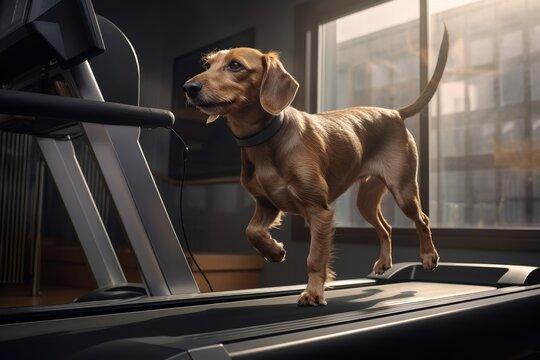
Larger dogs frequently have far longer strides than humans, although little dogs can use a human treadmill. A dog-specific treadmill is a preferable option for these huge dogs.
Train your dog on a treadmill gradually and with positivity. In order for your dog to exercise safely and effectively, you want her to feel at ease and at ease on the treadmill.
For more information about how to keep your dog healthy or how to train your dog wearing our Posh Dog Knee Brace you can contact us via our contact form or Facebook Page.
Articles from the Posh Dog Knee Brace team — a group effort with our licensed veterinary technicians and brace specialists, sharing 15+ years of experience helping dogs recover from CCL/ACL injuries and mobility challenges.
Pets that support you emotionally and enhance your health are called therapy dogs. To help both yourself and other people, you can teach your dog to be a therapy dog.
Dogs used for therapy reside in homes. They can also visit a range of locations, such as schools, hospice homes, hospitals, retirement or assisted living facilities, and schools. They have been educated to tolerate being petted or hugged by strangers and to be kind and amiable. When kids pull at their fur or when grownups want the younger ones to sit on their laps, they are understanding and unfazed.
One kind of therapy animal is the therapy dog. Additional animals that can provide emotional support include horses, llamas, alpacas, cats, bunnies, and birds.
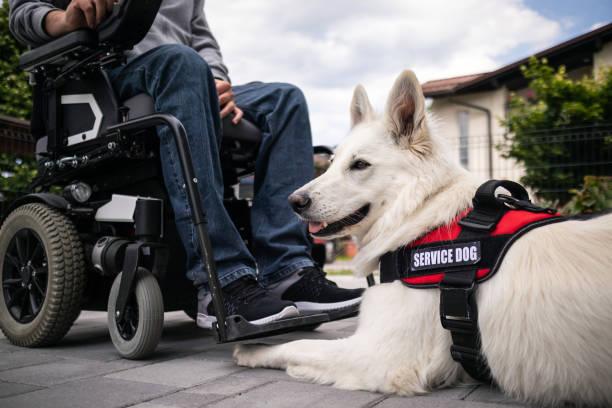
Although they’re not the same as therapy dogs, service dogs are something else entirely.
*The ADA does not protect therapy dogs, sometimes known as emotional support animals.
Service Animals and Emotional Support Animals, ADA National Network, 2014. They therefore lack the same rights as their owners to join them in restricted public areas unless prior authorization is granted. To offer some constructive comfort treatment, the therapy pet needs to be welcomed onto the property.
It is commonly recognized that therapy dogs can help with a variety of mental health issues and psychiatric problems.Interaction with therapy dogs and other companion animals is beneficial for patients with a variety of diagnoses, including depression, bipolar disorder, autism, ADHD, post-traumatic stress disorder (PTSD), and Alzheimer’s disease.
Therapy dogs can also assist with physical health issues that may be the cause of emotional difficulties. Empirical evidence indicates that individuals undergoing animal-assisted therapy may experience reduced pain during their convalescence following challenging surgery or a severe accident. According to studies, these connections can lower the stress hormone cortisol and raise the hormone that improves mood, oxytocin.
With a little instruction, any amiable breed of dog can become a therapy dog. Larger breeds are frequently utilized as therapy dogs, including Labradors, St. Bernards, standard poodles, and golden retrievers. On the other hand, when the patient and the dog are sharing a confined space, smaller breeds like Pomeranians and micro poodles make sense.
Although the breed may have some influence on the dog’s pleasant nature, the dog’s upbringing and even temperament development play a major role. Dogs are evaluated and studied for how they react to various stimuli, including unexpected grabs, loud or confusing noises, and even equipment like wheelchairs or canes, before they are approved as therapy animals.
Many internet directories are available if you would want additional information about how to find a therapy dog to aid you or a loved one. To identify people and organizations in your area, search for “therapy dog” along with the name of your town or city online.
Do an internet search for “therapy dog training” along with the name of your town or city to find out what options are available if you’re interested in finding out more about training your dog to be a therapy dog or visiting nursing homes or other facilities with your pet. Or just contact the facility of your choice by phone or email to find out about their admission policy.
For more information about therapy or our Posh Dog Knee Brace you can contact us via our contact form or Facebook Page.
Articles from the Posh Dog Knee Brace team — a group effort with our licensed veterinary technicians and brace specialists, sharing 15+ years of experience helping dogs recover from CCL/ACL injuries and mobility challenges.
Hey guys, this is Nikki Lead Veterinary Technician with Posh Dog knee Braces, and today I would like to talk about the prevalence of dog obesity, and the affects it has on your dog’s health. It seems that people were not the only ones who were affected by Covid, as the amount of obese pets has also really come up since the pandemic. Maybe it is because more people are working from home, and thus giving more food or treats to our pets. Either way, we are definitely seeing a very bad trend.
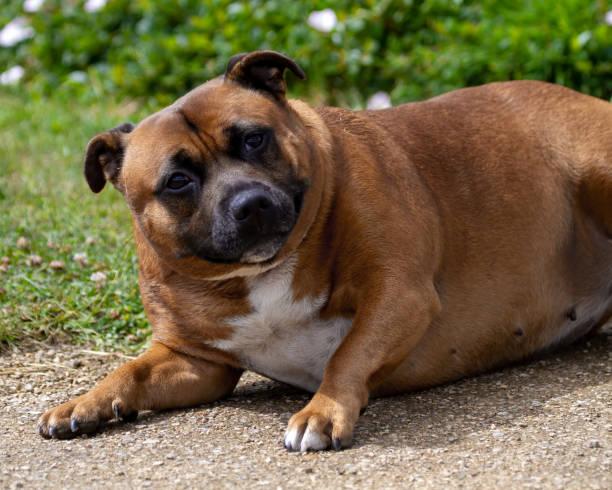
Just like in people, this causes a huge strain on our heart, organs, and yep you guessed it, the joints. Overweight people are so much more likely to have knee and hip replacements, as well as many health issues. The same thing goes for our dogs. Just last week I have had to decline 5 beautiful dogs from getting knee braces, because we just physically can’t brace their dog due to the enlarged belly protruding past the knee. It breaks my heart, because most of these patients also can’t have surgery, due to the increased anesthesia and surgery risks involved.
Once a patient get’s into the obese category, it is very very hard to loose the weight. They are now used to eating more food, treats, and not exercising, and bad habits have now formed from both the owners and the dog. Now, I am not saying you can never give Fluffy a treat, just please be aware of the caloric intake vs. the amount of exercise you are giving to your sweet dog. Dog’s love attention, they do not need a cookie or treat every single time they beg.
There are many successful weight loss programs for dogs, and it is important to start implementing these at the first sign of being overweight. Now I am not talking about a tiny bit of chub or fluff, we are talking about an 8+ out of 10 on the healthy weight scale. To check this, simply look down at your dog’s back. You should be able to see the curve of the ribs and a nice trim tummy.
Now, if you can see each rib, that is too thin. Next, you should be able to palpate or feel the ribs easily when you pet your dog’s side. I can feel every single rib on my healthy dog if I press gently, but they are not visible. If you must push to feel for the ribs, then your dog is obese. This is an easy trick.
I challenge people to put everything your dog consumes in a day, including any treats or people food, into a container. At the end of the day you will be surprised how much your dog is actually eating. A lot of clients would come in with an obese patient and say that they are “picky” eaters.
Your dog is not a picky eater. He is holding out for the goodies he knows you will make and feed him when he doesn’t eat his kibble. He has now trained you, not the other way around. A normal healthy dog will not starve. They may get stubborn, and go off food for a day to see if you will give in and feed them some treats or people food, but they will not starve.
As for supplementing their food to help them feel more full, I recommend feeding veggies. Peas, green beans, a small amount of sweet potato or carrots (remember these also have sugar, so not too much). As a treat I really love freeze dried liver. It can come in large cubes, in which I cut it down into tiny pieces, and my girl loves them. They are naturally fat free, sugar free, and a great snack for your dog.
Diets such as the Farmers dog have become more and more popular, as they mix fresh healthy ingredients specific to your dog’s dietary needs. You will notice your dog having a healthier coat, weight, and more energy. Diet plays a big role in how our dog’s feel and look.
There are some healthy kibbles out there, but if you see a carbohydrate as a first or second ingredient, I would keep looking. Dog’s do not need a lot of carbs, they need healthy proteins. Now I’m not saying go grain free, butfind a healthy mix. Ask your veterinarian for suggestions. Maybe start cooking for your dog, you will be amazed how much your dog’s health will improve.
If you have any questions, about dog obesity don’t hesitate to contact poshdogkneebrace.com via our contact form or visit our Facebook page.
Articles from the Posh Dog Knee Brace team — a group effort with our licensed veterinary technicians and brace specialists, sharing 15+ years of experience helping dogs recover from CCL/ACL injuries and mobility challenges.
Does your dog receive a meal before you leave for the day but hold off on eating it until you come home? That indicates he is a little (or a lot) anxious about being left alone at home.
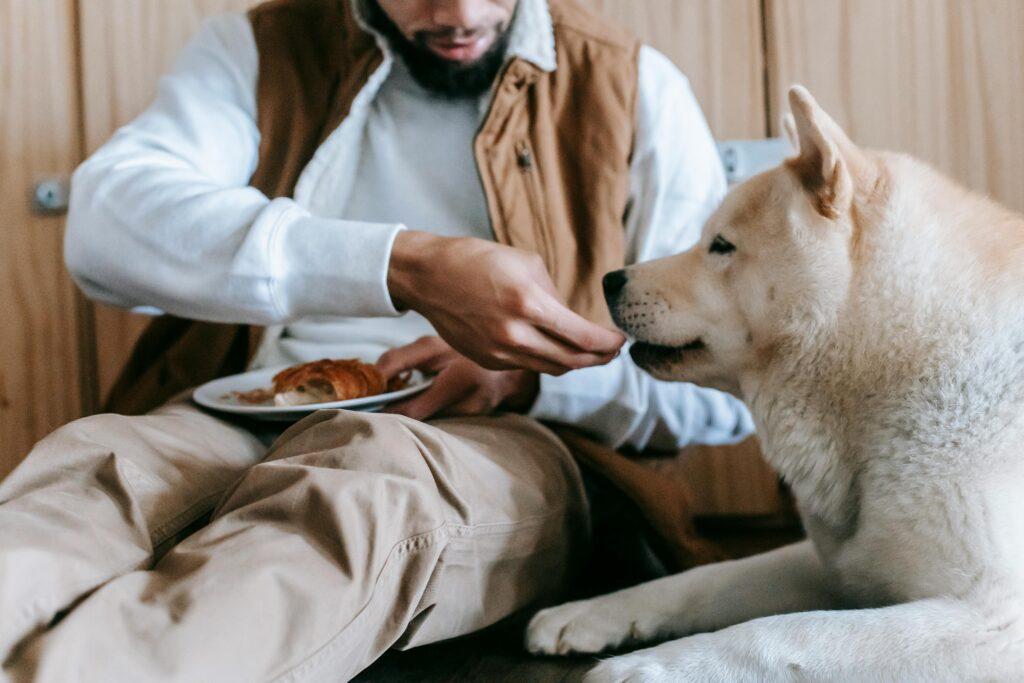
Unexpectedly many dogs refuse to eat meals while their owners aren’t home, but they scramble to finish their meals as soon as their loved ones get home. The most frequent cause of your dog’s lack of appetite while you are away is worry, and a worried dog is a cause for concern.
“But my dog doesn’t seem stressed,” you might object. If your dog only exhibits stressful behavior when left alone and her stress level is low enough that she isn’t acting out in other ways, it’s possible that you aren’t present when she exhibits her primary stress behavior, which is refusing to eat when you aren’t around.
Dog training experts frequently advise clients to leave their dogs with a slow-feeding dog toy, such as a stuffed Kong, to keep them occupied and relieve stress while their owners are away. You can’t use this useful enrichment tool if your dog won’t eat while you’re gone. And when your dog is too anxious to eat meals, it is never a good thing!
Check to see whether he/she will eat if there is another person around first. You’ll be able to discern from this if she is experiencing low-level separation stress (she must be with you) or isolation stress (he/she is fine around any person as long as she is not alone). If he/she exhibits any additional signs of anxiety, such as pacing, panting, or vocalizing, put up a cell phone, laptop camera, or security camera to record footage of her while you’re away.
His/Her anxiety is probably not too severe if there are no other indicators of stress, and you might be able to relieve his/her with an over-the-counter supplement like L-theanine (consult with your veterinarian first!).
If he/she is more distressed, you are dealing with a problem that is more serious than mild stress or anorexia. If that’s the case, I advise you to seek the help of an experienced force-free professional. These individuals would have the initials “CSAT” (for certified separation anxiety trainer, certified by separation anxiety specialist Malena DeMartini) or “SAPro” (for a “Separation Anxiety Pro” trainer, certified by Julie Naismith) and be qualified to work with separation anxiety.
Keep in mind that if your dog is stressed, help is necessary.
If you are interested in a Posh Dog Knee Brace contact us via our contact form or visit our Facebook Page.
Articles from the Posh Dog Knee Brace team — a group effort with our licensed veterinary technicians and brace specialists, sharing 15+ years of experience helping dogs recover from CCL/ACL injuries and mobility challenges.
A dog meal with a larger calorie level is the best for dogs to gain weight.
Adding more meals to your dog’s daily diet is the quickest strategy to aid in weight gain. If he typically consumes two meals per day, increase that to three or four while gradually increasing the amount of food consumed and maintaining a consistent mealtime schedule. You might also try:
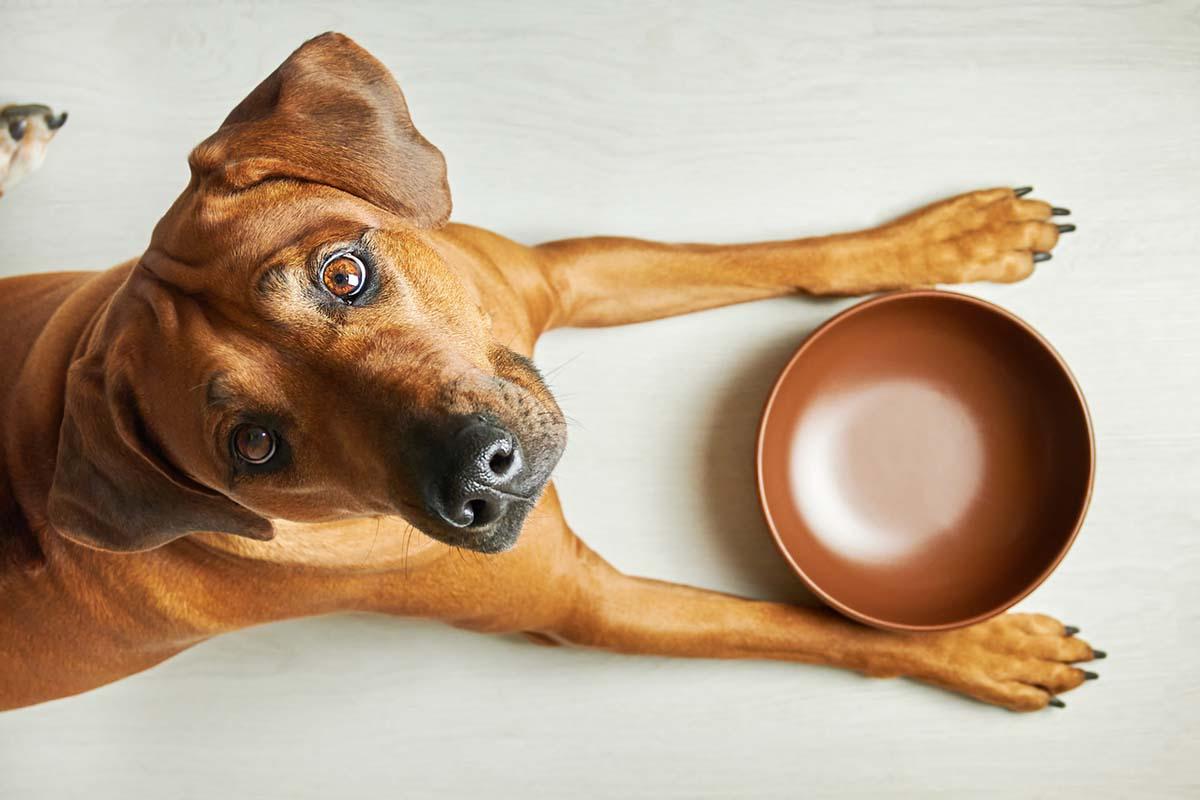
If feeding your dog an extra meal is difficult due to your work schedule, check for the best dog food designed for weight increase. These meals may be labeled as weight-gain dog food, but they definitely aren’t since they have more calories, which are frequently mentioned in tiny print beneath the ingredients list. It’s more likely that you’ll see them marked for active, sport, or performance dogs, which are dogs that require more calories since they expend more energy. These foods typically cost more money. Over the course of roughly a week, gradually transition to the new diet.
But be cautious. Make sure your dog is indeed lean because, like humans, most dogs have a tendency to weigh too much, and we might grow acclimated to that look. Your dog will have a waist that is directly in front of his hips, can be felt through a thin layer of fat, and will be at an appropriate weight. He appears to be snuggled up. He is too thin if the tops of his ribs or the hip/pelvic bones are visible.
Monthly dog weight checks are an excellent guide. Just pick up the dog and step on the scale in the restroom. The weight of the dog is then determined by weighing you alone and deducting that amount. Dogs that maintain a healthy weight live longer.
Some dogs actually need to put on weight, even if the majority of dog owners are waging the war of the bulge and trying to keep their canine companions trim. Boys in their teen years, some senior dogs, and dogs with cancer or other chronic illnesses are among the typical populations who need to gain weight.
So make sure your dog is healthy before starting a weight-gain program by taking him to the vet. Along with performing a physical examination, your veterinarian will likely screen your pet for intestinal parasites and heartworms. In most cases, a complete blood panel is not prohibitively expensive and can be beneficial to rule out a variety of illness issues.
If your dog is a finicky eater, you might want to supplement some of his meals with home-cooked food. Although there are ideas online for cooking homemade meals and treats that can make you gain weight, they might not be very nutrient-dense. To assist you in creating a balanced diet depending on what you wish to feed, look for businesses that employ veterinary nutritionists. Although there is a fee, it is well worth doing this properly.
Other strategies for getting your slim dog to gain weight and eat here are as follows:
Undoubtedly, a dog that is too underweight should be avoided, but take extra care if he also appears lethargic or “not himself.” The ideal place to begin your weight-gain attempts is at your veterinarian.
If you are interested in purchasing a Posh Dog Knee Brace contact us via our contact page or visit our Facebook for more information. We’ve Helped Dogs All Around The World, Now We Want To Help Yours…
Articles from the Posh Dog Knee Brace team — a group effort with our licensed veterinary technicians and brace specialists, sharing 15+ years of experience helping dogs recover from CCL/ACL injuries and mobility challenges.
Healing injured dogs involves a combination of veterinary care and supportive measures at home. Always consult with a veterinarian for proper diagnosis and treatment. Here are some commonly used canine healing methods for injured dogs:
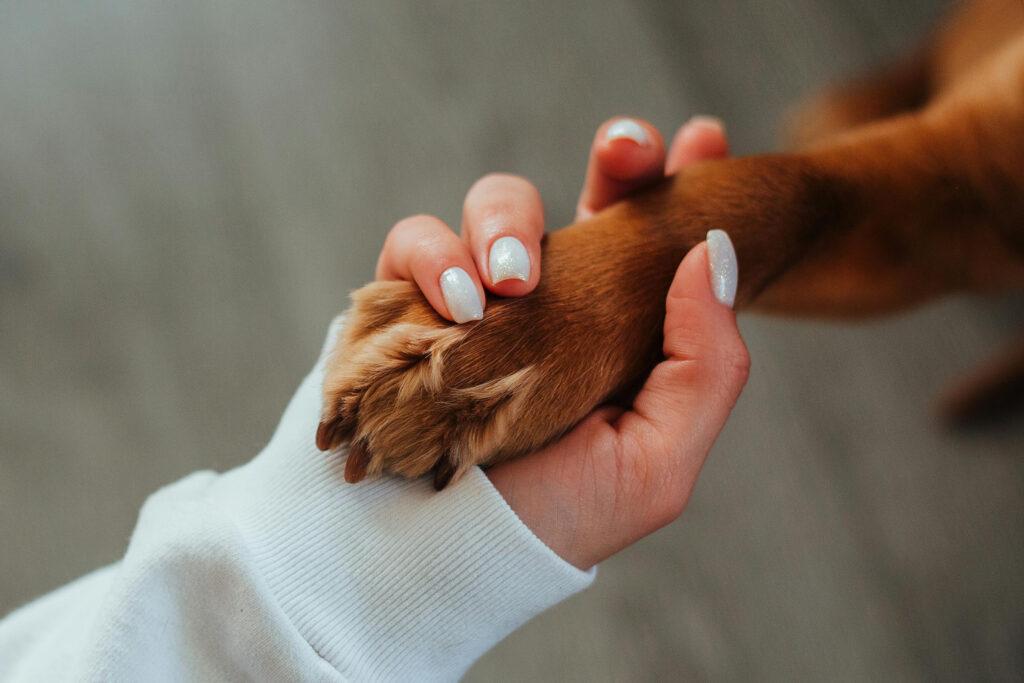
Remember, individual cases may vary, and it’s crucial to follow your veterinarian’s advice closely for the best outcome in your dog’s recovery using any canine healing methods . If you have any questions on how to help your injuried dog you can contact via our contact page or visit our Facebook page.
Articles from the Posh Dog Knee Brace team — a group effort with our licensed veterinary technicians and brace specialists, sharing 15+ years of experience helping dogs recover from CCL/ACL injuries and mobility challenges.
While home treatments can be helpful for minor injuries or as supportive measures alongside veterinary care, it’s crucial to consult with a veterinarian before attempting any treatment. Serious injuries or conditions require professional medical attention. Here are some general home treatments for injured dogs:
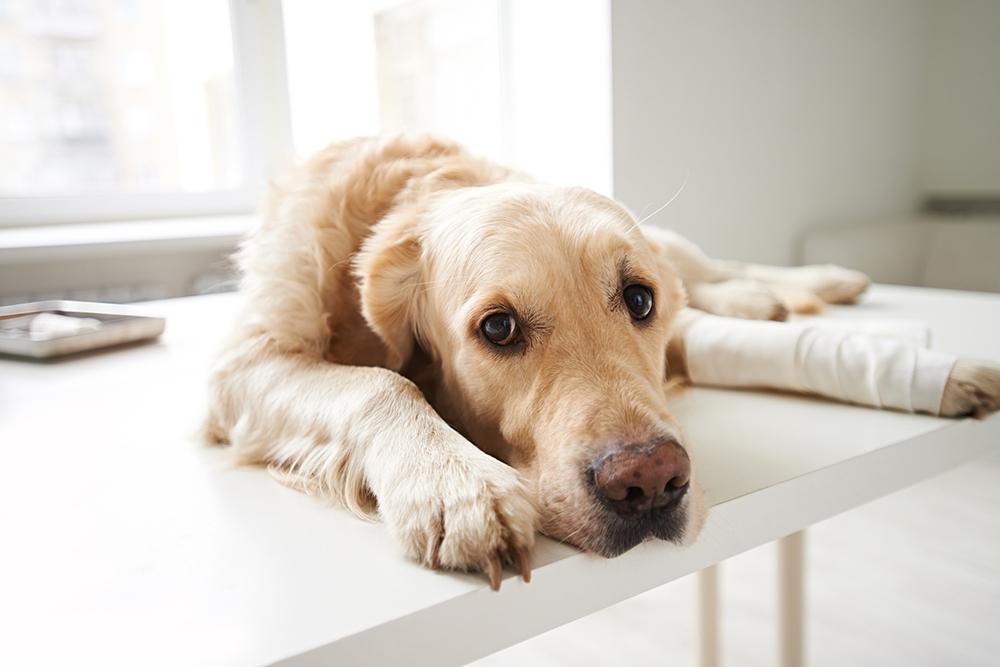
It’s crucial to note that while these home treatments can be beneficial for minor injuries or as supportive measures, they are not substitutes for professional veterinary care. If your dog experiences a significant injury or shows signs of distress, consult with a veterinarian immediately. Professional guidance ensures that the right diagnosis is made, and appropriate treatment is administered for a safe and speedy recovery. If you have any more questions about home treatments you can contact us via our contact page or visit our Facebook page.
Articles from the Posh Dog Knee Brace team — a group effort with our licensed veterinary technicians and brace specialists, sharing 15+ years of experience helping dogs recover from CCL/ACL injuries and mobility challenges.
Carpal hyperextension and other wrist injuries in dogs can cause discomfort and affect their mobility. Identifying these issues early is crucial for prompt veterinary intervention. Here are some signs and symptoms, as well as potential causes of canine carpal hyperextension and other common wrist injuries:
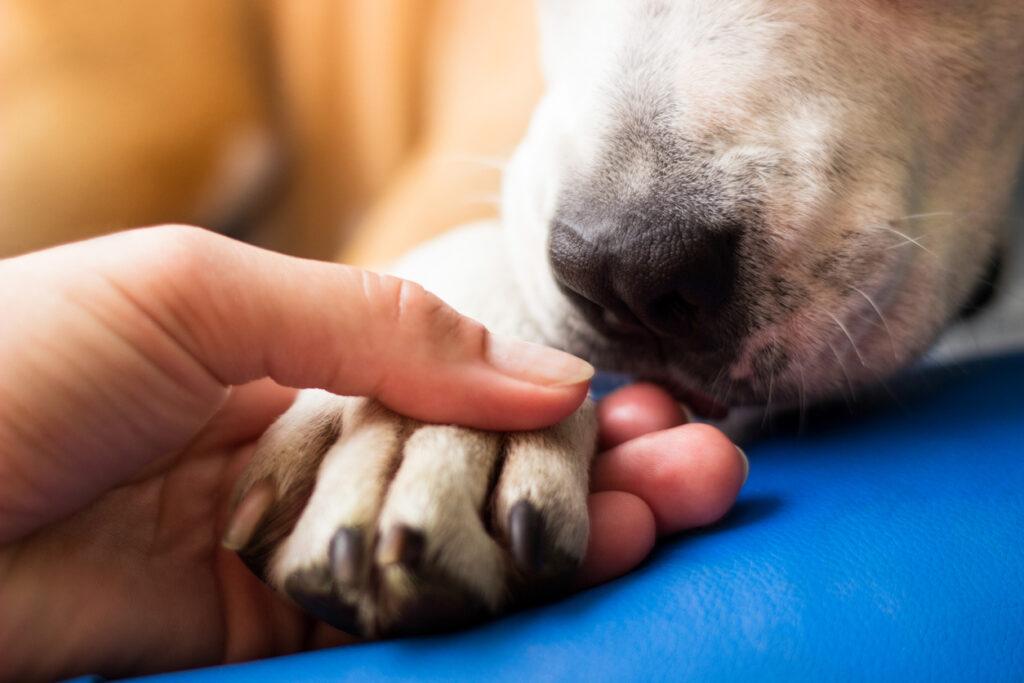
If you suspect a wrist injury in your dog, it’s crucial to seek veterinary attention promptly. The veterinarian will conduct a thorough examination, possibly including imaging, to diagnose the specific injury and recommend an appropriate treatment plan. Treatment may involve rest, medication, physical therapy, or in severe cases, surgical intervention. Early detection and intervention contribute to a better prognosis and faster recovery for your dog. If you are interested in a Posh Carpel/Wrist Brace or have questions you can contact us via our contact form or visit our Facebook Page.
Articles from the Posh Dog Knee Brace team — a group effort with our licensed veterinary technicians and brace specialists, sharing 15+ years of experience helping dogs recover from CCL/ACL injuries and mobility challenges.
Dogs can be prone to injuries related to various physical activities. Understanding the types of injuries associated with specific activities can help dog owners take preventive measures and seek appropriate veterinary care when needed. Here are common activity-related dog injuries:
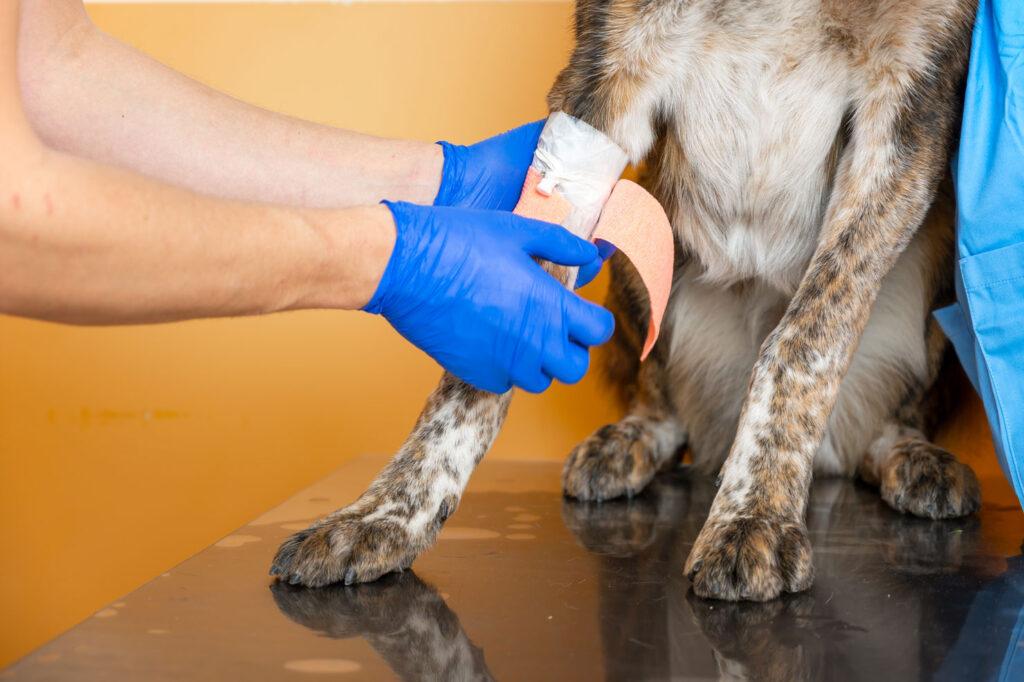
Preventing activity-related injuries involves being mindful of your dog’s limitations, ensuring they are adequately conditioned for the activity, and providing proper warm-up and cool-down periods. Regular veterinary check-ups can help detect and address any underlying health issues that might predispose a dog to injuries during physical activities. If an injury occurs, prompt veterinary attention is essential to ensure proper diagnosis and treatment.
For more information about related injuries or if you would like information about our brace contact us via our contact form or visit our Facebook page.
Articles from the Posh Dog Knee Brace team — a group effort with our licensed veterinary technicians and brace specialists, sharing 15+ years of experience helping dogs recover from CCL/ACL injuries and mobility challenges.
Holistic treatment for your dog’s injuries involves considering the overall well-being of the animal, addressing physical, emotional, and environmental factors. Always consult with a holistic veterinarian before implementing holistic approaches to ensure they are safe and suitable for your dog’s specific condition. Here are some holistic strategies for treating your dog’s injuries:

Remember that holistic approaches should complement, not replace, conventional veterinary care. It’s important to work closely with a veterinarian who has experience in holistic or integrative medicine to create a comprehensive and safe treatment plan tailored to your dog’s specific needs.
If you are interested in one of our Posh Dog Braces you contact us via our contact page or visit our Facebook Page for more information.
Articles from the Posh Dog Knee Brace team — a group effort with our licensed veterinary technicians and brace specialists, sharing 15+ years of experience helping dogs recover from CCL/ACL injuries and mobility challenges.