Custom & Supportive Dog Braces for Injury & Recovery
Custom Support | Ready-to-Wear Support | Professional Guidance
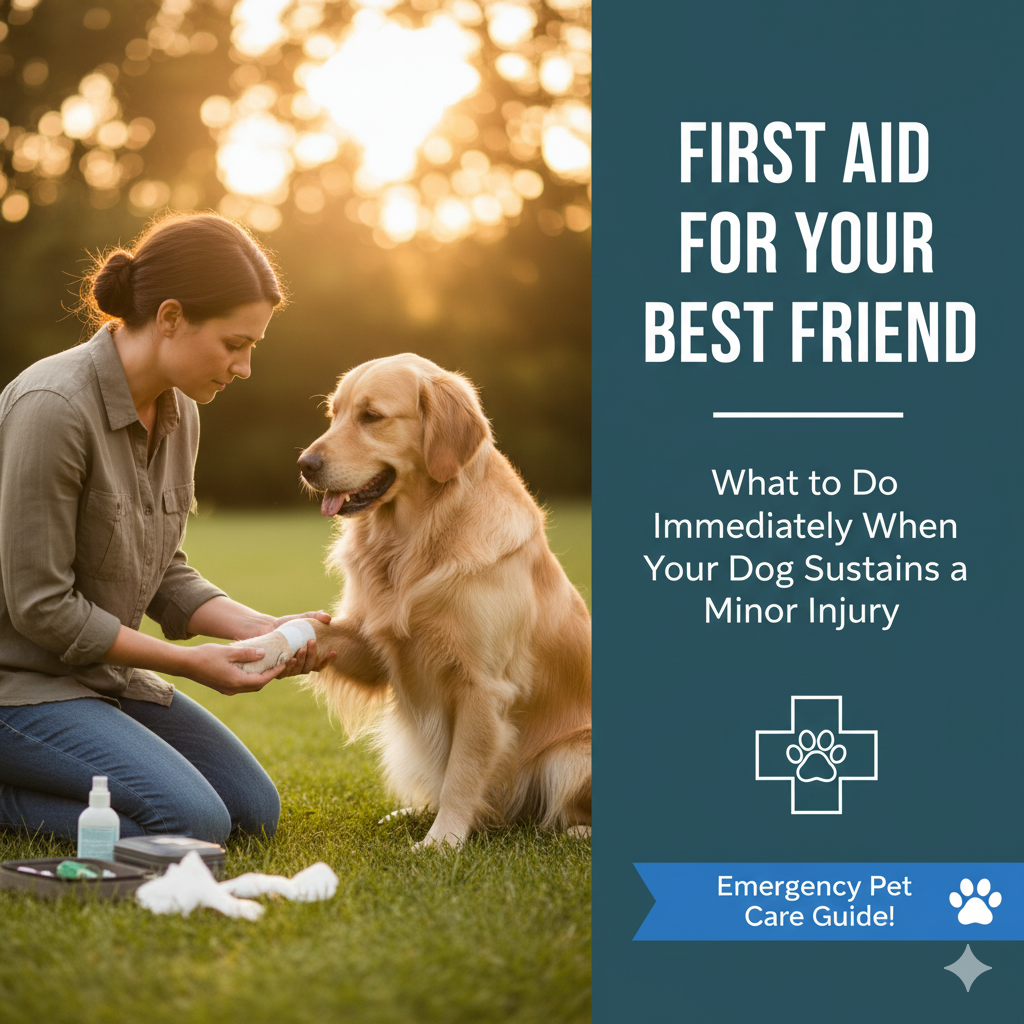
First Aid for Your Best Friend: What to Do Immediately When Your Dog Sustains a Minor Injury
Post Published on February 23, 2026
As dog owners, we cherish every adventure with our furry companions—from a playful romp in the park to a quiet stroll down the street. But no matter how vigilant we are, minor accidents and injuries are an unfortunate, inevitable part of a dog’s active life. A sudden yelp, a limp, or a patch of blood can send any pet parent into a panic.
While major emergencies always warrant immediate veterinary attention, knowing how to administer basic first aid for minor injuries can make a world of difference. It can prevent a small problem from escalating, alleviate your dog’s pain, and even save you a frantic late-night trip to the emergency vet. More importantly, being prepared helps you stay calm and act effectively when your dog needs you most.
This guide will walk you through essential first aid steps for common minor injuries, helping you to confidently provide immediate care for your best friend.
The Golden Rule of Canine First Aid: Stay Calm!
Your dog feeds off your energy. If you’re panicking, they’re more likely to be stressed, making treatment more difficult and potentially worsening the situation. Take a deep breath, assess the situation, and act methodically.
Essential First Aid Kit Components for Your Dog
Before any injury strikes, assemble a dedicated pet first aid kit. Keep it accessible at home and consider a smaller version for your car or travel bag.
Sterile Gauze Pads & Rolls: For cleaning and bandaging wounds.
Adhesive Tape (Vet Wrap): Self-adhering bandage that won’t stick to fur.
Antiseptic Wipes/Solution: Betadine (povidone-iodine) or chlorhexidine wipes/solution (diluted as per instructions) to clean wounds. Avoid hydrogen peroxide, which can damage tissue.
Blunt-Tip Scissors: For cutting bandages or carefully trimming fur around wounds.
Tweezers: For removing splinters, thorns, or ticks.
Non-Stick Pads: For covering wounds.
Conforming Bandage: To hold pads in place.
Cotton Balls/Swabs: For applying antiseptics.
Digital Thermometer (Rectal or Ear): To check for fever (normal temp: 101-102.5°F).
Disposable Gloves: For hygiene.
Muzzle:Crucial for safety. Even the sweetest dog can bite when in pain or fear. A basket muzzle is ideal as it allows panting.
Old Towels/Blankets: For comfort, warmth, or makeshift slings.
Bottle of Saline Solution: For flushing wounds or eyes.
Styptic Powder/Pencil: To stop bleeding from minor nail cuts.
Petroleum Jelly: To help prevent wounds from sticking to bandages.
Emergency Vet Contact Info: Always readily available!
Common Minor Injuries and How to Respond
1. Cuts, Scrapes, and Lacerations
Assess: Is it deep? Is it bleeding profusely? Is there debris embedded?
Muzzle First: Always muzzle your dog before approaching an injury, especially if it’s painful.
Control Bleeding: Apply direct pressure with a clean gauze pad or cloth for 5-10 minutes. If blood soaks through, add more layers without lifting the original pad.
Clean the Wound: Once bleeding is controlled, gently flush the wound with saline solution or diluted antiseptic (chlorhexidine or Betadine). Carefully trim fur around the wound if necessary to keep it clean, using blunt-tip scissors.
Apply Ointment & Bandage: Apply a small amount of antibiotic ointment (like Neosporin, but only if approved by your vet as some human products are toxic if ingested) to a non-stick pad. Cover the wound, then wrap it with gauze and secure with Vet Wrap. Ensure the bandage isn’t too tight (you should be able to slip two fingers underneath).
When to See a Vet: Any deep cut, one that bleeds excessively, or if you suspect embedded foreign objects. Puncture wounds (from bites) always need vet attention due to infection risk.
2. Paw Pad Injuries (Cuts, Punctures, Burns)
Assess: Paw pads are tough but vulnerable. Check for cuts, punctures, foreign objects (glass, thorns), or redness/blisters from burns.
Muzzle & Clean: Muzzle your dog. If there’s a foreign object, try to remove it carefully with tweezers. Flush the area with saline.
Treat: For minor cuts, apply pressure to stop bleeding (paw pads bleed a lot!). Clean and apply antiseptic. For burns, cool the area with cool (not ice cold) water.
Bandage: Apply a non-stick pad, gauze between the toes (to prevent rubbing), and then wrap the paw, making sure the bandage is secure but not constricting.
When to See a Vet: Deep punctures, anything that won’t stop bleeding, severe burns, or if your dog can’t bear weight.
3. Limping or Sprains (Without Obvious Bone Fracture)
Assess: Does your dog refuse to put weight on a leg? Is there swelling, heat, or obvious deformity?
Restrict Movement: Immediately limit your dog’s activity. Confine them to a small area or crate.
Apply Cold Pack: For acute injuries (within 24-48 hours), apply a cold pack (ice wrapped in a towel) for 10-15 minutes, 2-3 times a day, to reduce swelling.
When to See a Vet: If the limping is severe, persists for more than a few hours, if there’s swelling, heat, or you suspect a fracture. Better safe than sorry with joint and bone health.
4. Minor Burns (Chemical or Thermal)
Assess: Look for singed fur, redness, blisters, or pain in the affected area.
Flush & Cool: Immediately flush the burn with cool (not cold) running water for 10-15 minutes. This stops the burning process and helps reduce pain.
Protect: Gently cover the cooled burn with a non-stick sterile bandage.
When to See a Vet:All burns should be evaluated by a vet to prevent infection and assess severity.
5. Insect Stings/Bites
Assess: Look for swelling, redness, or a visible stinger (bee stings typically leave them).
Remove Stinger: If you see a stinger, scrape it out with a credit card edge (don’t use tweezers as it can inject more venom).
Apply Cold Pack: Apply a cold pack to reduce swelling and pain.
Monitor: Watch for signs of an allergic reaction: severe swelling of the face/muzzle, hives, difficulty breathing, vomiting, weakness.
When to See a Vet: If your dog shows any signs of allergic reaction, is stung multiple times, or is stung in the mouth/throat.
Knowing When to Go to the Vet
This is paramount. While first aid can stabilize minor issues, it is never a substitute for professional veterinary care. Always seek immediate veterinary attention if:
Bleeding doesn’t stop after 10-15 minutes of direct pressure.
The wound is deep, large, or gaping.
You suspect a fracture, dislocation, or internal injury.
Your dog is in severe pain, lethargic, or showing signs of shock (pale gums, rapid shallow breathing).
There’s a foreign object embedded that you cannot easily remove.
Your dog has difficulty breathing, severe swelling (especially around the face/throat), or hives.
The injury involves the eye.
Being prepared with a first aid kit and a basic understanding of how to respond can make all the difference in a stressful situation. You are your dog’s first line of defense, and with a calm mind and quick action, you can help them on the path to recovery.
For more information you can contact us via our contact form or visit us on Facebook.
Articles from the Posh Dog Knee Brace team — a group effort with our licensed veterinary technicians and brace specialists, sharing 15+ years of experience helping dogs recover from CCL/ACL injuries and mobility challenges.