Custom braces for injury recovery, stability, and comfort
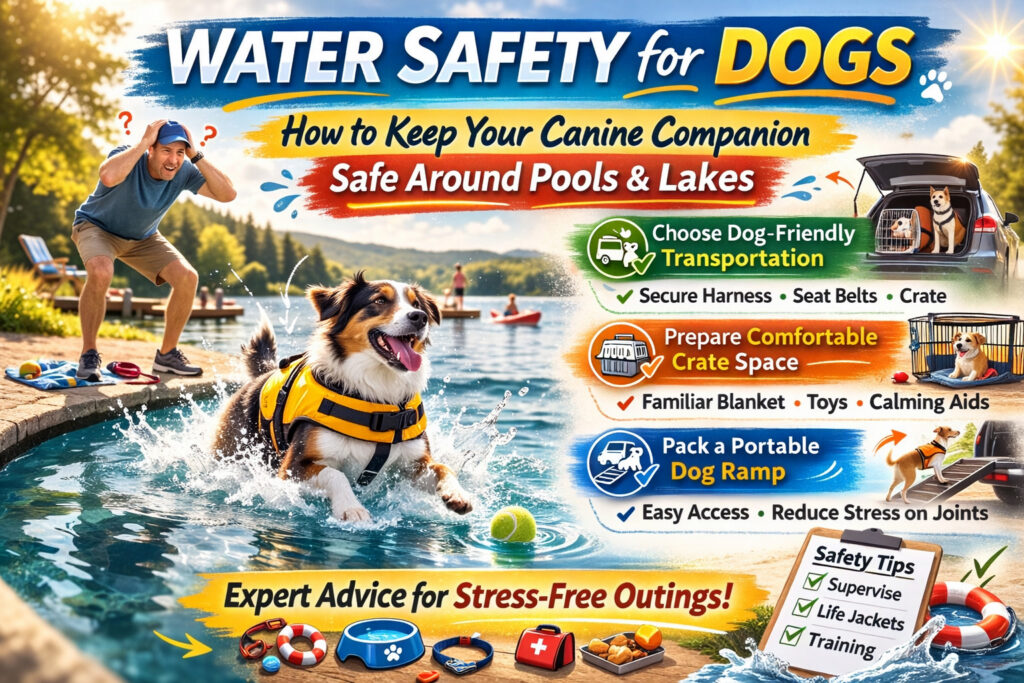
6 Water Safety Tips for Dogs: How to Keep Your Canine Companion Safe Around Pools & Lakes
Summer is synonymous with water fun, and for many dogs, a splash in the pool or a dip in the lake is the highlight of their day! While most dogs instinctively know how to doggy paddle, not all are natural swimmers, and even the strongest swimmers can face unexpected dangers in and around water.
As responsible pet parents, ensuring our furry friends are safe around water is paramount. Here’s a comprehensive guide to keeping your canine companion secure whether they’re by the pool or enjoying a lake adventure.
1. Don’t Assume Your Dog Can Swim (or Swim Well!)
While the “doggy paddle” is famous for a reason, not all dogs are born swimmers. Some breeds, like Bulldogs, Pugs, and Basset Hounds, have dense bodies and short snouts that make swimming difficult and tiring. Even breeds known for swimming (like Retrievers) can struggle or panic in certain situations.
Introduce water gradually: Never force a dog into the water. Let them explore at their own pace.
Start in shallow areas: Begin in shallow water where they can touch the bottom.
2. Invest in a Quality Dog Life Vest
This is arguably the most crucial piece of safety equipment for any dog around water, regardless of their swimming ability.
Provides buoyancy: Helps your dog stay afloat, reducing fatigue.
Offers a handle: Most vests have a sturdy handle on the back, allowing you to easily guide your dog or lift them out of the water if needed.
Bright colors: Many come in bright, visible colors, making it easier to spot your dog in the water.
Proper fit: Ensure it fits snugly but comfortably, allowing for full range of motion.
3. Pool Safety: Fencing, Exits, and Supervision
If you have a backyard pool, specific precautions are essential.
Secure Fencing: A fence around the pool is the best defense against accidental falls.
Teach Exit Points: Show your dog where the steps or shallow exit points are. Practice getting in and out of the pool with them. If your dog falls in, their natural instinct might be to try and claw their way out at the closest edge, which can lead to exhaustion if there are no steps.
Ramps: Consider a ramp designed for dogs to easily exit the pool.
Constant Supervision: Never leave your dog unsupervised around a pool, even for a moment.
Pool Covers: Be cautious with pool covers. Some may collect water, creating a drowning hazard. Solid, taut covers are safer than loose, flimsy ones.
Lakes, rivers, and ponds offer a different set of challenges.
Currents: Rivers can have strong currents that can quickly sweep a dog away.
Algae & Contaminants: Avoid stagnant water or water with visible green or blue-green algae. These can produce toxins harmful or fatal to dogs if ingested. Be wary of agricultural run-off or areas with known contamination.
Sharp Objects & Debris: Lakeshores and riverbeds can hide sharp rocks, broken glass, fishing hooks, or other debris that can injure paws.
Wildlife: Be aware of local wildlife that might pose a threat, such as alligators, snakes, or snapping turtles.
Cold Water Shock: Just like humans, dogs can experience cold water shock. Introduce them to very cold water gradually.
5. Post-Swim Care: Rinse and Dry
After any water activity, proper post-swim care is vital to prevent skin and ear issues.
Thorough Rinse: Rinse your dog thoroughly with fresh water to remove chlorine, salt, dirt, lake bacteria, or algae. This helps prevent skin irritation and hot spots.
Dry Ears: Water trapped in the ear canal can lead to painful ear infections. Gently dry your dog’s ears with a towel, especially for breeds with floppy ears. You can also use a veterinarian-approved ear cleaner/drying solution.
Paw Check: Inspect paws for cuts, scrapes, or embedded debris after swimming in natural bodies of water.
6. Hydrate with Fresh Water
Even if your dog is swimming, they can still get dehydrated, and they may be tempted to drink pool or lake water.
Offer Fresh Water: Always have fresh, clean drinking water available to discourage them from drinking potentially harmful water.
By being prepared, vigilant, and understanding the specific risks associated with different water environments, you can ensure that your dog’s summer water adventures are safe, fun, and memorable for all the right reasons! Enjoy the splash!
If you are interested in a premium dog knee brace, you can find more information by completing our contact form or by visiting our Facebook page.