Acupuncture approach to pain management, an ancient Chinese medicine practice, has gained significant traction in veterinary medicine as a holistic approach to managing various health conditions in dogs. By inserting thin needles into specific points on the body, acupuncture stimulates the nervous system, promoting the release of endorphins and other natural pain-relieving chemicals. This can offer a valuable alternative or complementary therapy to traditional pain medications for dogs.

Acupuncture points are located along specific meridians or pathways in the body. When needles are inserted into these points, they stimulate the nervous system, triggering the release of endorphins, natural pain-relieving chemicals. Acupuncture also helps to regulate the flow of qi (pronounced “chee”), which is believed to be the vital energy that flows through the body.
If you’re considering acupuncture for your dog, it’s essential to find a qualified and experienced veterinarian who specializes in this field. Look for veterinarians who are certified by the International Veterinary Acupuncture Society (IVAS) or similar organizations.
Conclusion:
Acupuncture can be a safe and effective holistic approach to managing pain and other health conditions in dogs. By stimulating the body’s natural healing mechanisms, acupuncture can help improve your dog’s quality of life and reduce reliance on medications. If you’re considering acupuncture for your dog, consult with a qualified veterinarian to discuss whether it’s the right option for your pet.
Disclaimer: This information is for educational purposes only and should not be considered medical advice. Always consult with a qualified veterinarian before making any decisions about your dog’s health care.
For more information about acupuncture or our Posh Dog Knee Brace you can contact us via our contact form or visit us on Facebook.
Articles from the Posh Dog Knee Brace team — a group effort with our licensed veterinary technicians and brace specialists, sharing 15+ years of experience helping dogs recover from CCL/ACL injuries and mobility challenges.
Holistic approaches to managing pet arthritis offer a comprehensive and natural approach to relieving pain and improving mobility. These methods complement traditional veterinary care and can provide significant benefits for pets suffering from this common condition.

It is important to remember that while holistic approaches can be beneficial, they should be used in conjunction with traditional veterinary care. Always consult your veterinarian before starting any new treatment or making significant changes to your pet’s care plan.
For more information about our brace or tips on how to help your dog you can contact us via our contact page or visit our Facebook page.
Articles from the Posh Dog Knee Brace team — a group effort with our licensed veterinary technicians and brace specialists, sharing 15+ years of experience helping dogs recover from CCL/ACL injuries and mobility challenges.
Hey guys, this is Nikki the lead Vet tech with Posh Dog Knee Braces. Today let’s talk about signs that your dog may need a cart or a wheelchair. Unfortunately, just like us humans, sometimes our furry friends need a little extra help to get around. There are a lot of devices, such as our posh dog knee brace, that can be used with a limb injury such as a CCL tear, or even elbow and carpal issues, but sometimes that is just not enough.

Dog’s like to have their independence, just like we do. If you have a dog that used to be very active, loved to go outside for walks and enjoy playing, and now they are unable to really stand on their own, it may be time to consider a wheelchair. They are not as hard to put on as you would think, and most dogs will adapt to them quite fast.
I have worked with a few patients in wheelchairs, one had two legs that needed to be amputated due to cancer. She could fly in her little cart, go up and down stairs, there was no stopping her. Her attitude changed from depressed and unable to go play to immediately taking off in her cart. I have seen several great outcomes like this, and definitely feel carts are a great resource for patients that otherwise can’t walk.
Some patients with hip dysplasia may just be in too much pain to stand and walk. Those back leg’s have probably atrophied, and they are not strong enough to get up and go outside. Having a cart lets them have some of that freedom back, so that they can once again go outside, walk in the park, or even go to the bathroom without aid.
There are many great companies now that make carts and wheelchairs, be sure you do your research and find the right fit for you and your best friend. Wheelchairs can be anywhere from $100 to over $1000. Make sure you find a custom chair that is comfortable for your pup. I’m not a big fan of amazon braces or medical parts, so I would find someone that has great reviews, and good customer service like we do at Posh Dog Knee Brace
Again please let me know if you have any questions! You can contact us via our contact page or visit us on Facebook.
Articles from the Posh Dog Knee Brace team — a group effort with our licensed veterinary technicians and brace specialists, sharing 15+ years of experience helping dogs recover from CCL/ACL injuries and mobility challenges.
Hey guys, this is Nikki the lead Vet tech with Posh Dog Knee Braces. Today let’s talk about PROM and stretching, especially after an injury like CCL tears. So to explain better, let’s first dive into what happens when we injure a ligament. Those fibers are gone forever once torn. There is no surgery to re-attach them; they will be absorbed by our body. Then, our bodies do something quite amazing. They replace those collagen fibers of our ligament tissue with new collagen fibrous tissue, called scar tissue. So scar tissue can be a good thing, or it can be a bad thing.

Ever had a car accident or injury? Did the Dr. say to just rest for 6 months and never move that joint? I sure hope the answer was a big NO!! Letting scar tissue form, but not doing any stretches or PROM after an injury while scar tissue forms, will result in a joint recovering, sure, however, there will be no range of motion after. The joint will be stiff, the scar tissue hard and unforgiving.
I see these patients come in, months after the CCL injury, and their dog is stiff and sore still after the allotted recovery time. This is from lack of stretching those joints most likely. Scar tissue is strong stuff. Sometimes it takes surgery to remove scar tissue once it forms incorrectly, and we start over. The second time around, hopefully you would be doing the recommended stretches and PT.
When we do stretch and PROM after an injury, it not only tells our joints to produce lubrication to keep things healthy, it also makes those scar tissue fibers more elastic, and healthy. These patients have a much more comfortable long term success rate than those that do not do any PROM. They will have full function of their knee and joints, and much less discomfort long term.
Takeaway? Please follow our PROM and stretching recommendations when using the Posh Dog Knee Brace, or even the elbow and carpal braces. Find a physical therapist if you are unfamiliar with PROM, or uncomfortable doing it yourself. It is definitely in your pups best interests.
Again please let me know if you have any questions! You can contact us via our contact form or follow us on Facebook.
Articles from the Posh Dog Knee Brace team — a group effort with our licensed veterinary technicians and brace specialists, sharing 15+ years of experience helping dogs recover from CCL/ACL injuries and mobility challenges.
Hey guys! This is Nikki, Lead Veterinary Technician with Posh Dog Knee Braces. Today let’s go over six fun activities you can still do with your braced pup.

First activity, walks, walks and more walks! We include a full rehab and walk schedule for you, so you don’t have to guess how long is too long. When starting out, nice and slow up to 10 minutes twice daily is perfect, if your dog is feeling up to it. Then, you can slowly increase the amount you are walking each week.
Second activity, swimming! Just like Dory says “Just keep swimming, swimming, swimming.” Swimming takes all the pressure off those limbs and joints, so that your pup is using all of the muscle, without all the pressure on those legs. There is no overcompensating on joints with swimming, so enjoy some fun times with your furry friend at the beach, or a pool!
Third activity is hydrotherapy. Similar to swimming, hydrotherapy is done with a controlled setting, usually at a rehab facility. Exercising with an underwater treadmill is one of the most common forms of hydrotherapy. Make sure to find a facility that will accommodate this activity. This is one of the best options, as it is controlled, and helps strengthen those atrophied muscles.
Fourth activity is finding something that will help strengthen the core. This helps support our hips and spine, and keeps things happy and in alignment. This is why with the posh program, we include tips on doing dog ups and downs, sit ups, even doggy yoga specific for dogs!
Games that are less of an impact, such as nose work, obedience training, or something fun mentally like a puzzle treat game. Play hide and seek with your dog, have them try to find you. Have them try to sniff out their favorite toy or treat. Give them fun things to do.
Lastly is physical therapy. This can be done with a physical therapist, which is the best option, or at home. While a physical therapist can tailor a routine for your dog, you can find similar exercises to do online as well, such as passive range of motion, ladder work, curb work, sit to stands, ect. We do provide a lot of these with our PT handouts, as suggestions to our clients for use.
Thanks, and feel free to reach out with any questions via email Poshintake1@gmail.com or through our website and you can visit us on Facebook.
Articles from the Posh Dog Knee Brace team — a group effort with our licensed veterinary technicians and brace specialists, sharing 15+ years of experience helping dogs recover from CCL/ACL injuries and mobility challenges.
People sometimes assume that a dog isn’t in pain if it isn’t screaming out or whining. However, a limp is a clear indication of pain and a warning that your dog is unwilling to bear weight on the injured leg.
Dogs are typically energetic, active members of the family, which makes them prone to accidents. These can include systemic infections, fractured bones, and strained muscles.
If your dog is limping, it’s time to take him to the vet. Depending on how serious the issue is, they might want you to keep an eye on your dog at home for 24 to 48 hours while you rest him. If your limp doesn’t get better or gets worse, they’ll probably want you to make an appointment.
It is crucial to keep in mind that in this situation, over-the-counter pain relievers should not be used. Dogs can safely take aspirin and acetaminophen (Tylenol), but overdosing can cause bleeding issues and liver failure. Do not take these drugs without first talking to your veterinarian.

To find out why your dog limps, the veterinarian must perform a complete physical examination. An examination from head to toe should involve taking your dog’s vital signs, feeling its lymph nodes, listening to its heart and lungs, manipulating the achy limb, and watching it while it walks. In order to identify potential reasons, it is critical to identify which limb and which part of the limb is afflicted.
Dog limping has a very wide range of causes. Infectious ailments like Ehrlichia and Lyme disease, inflammatory disorders like panosteitis, vascular disorders like blood clots, and orthopedic issues like fractures are some of the broad categories that encompass soft tissue strains or rips (ligaments, tendons, and muscles). These can be further separated into front and back limbs. A torn cranial cruciate ligament is one particular issue that can only occur in the back limb, however the majority of lameness issues are comparable in the front and back legs.
With a history and your dog’s age and breed, you can frequently determine the triggering cause (this is called the signalment). For example, panosteitis, a typical inflammatory illness of the breed, would be a strong suspect in a German shepherd puppy with acute onset of shifting leg lameness. If an elderly dog suddenly became lame in one leg and could not bear any weight, this could be a sign of a bone malignancy such as osteosarcoma and a fractured bone. Rocky Mountain spotted fever, a common tick-borne infection, could be the cause of a young limping Coonhound with a history of tick exposure, fever, and abnormalities on bloodwork.
Your veterinarian may offer a variety of tests, such as bloodwork, tick disease testing, and/or x-rays, depending on what they discover. The optimal course of treatment will also be decided by them.
Additionally, your veterinarian will advise resting your dog. There won’t be much exercise involved—leash walks will only be taken to use the restroom. Icing or using heat can be helpful in certain situations. The cause determines the appropriate course of action.
Consult your veterinarian right away if your dog starts to limp, give them some rest so they can heal, and refrain from giving them over-the-counter medication without first talking to them. There are many different reasons why dogs limp, and your veterinarian should be able to assist your dog based on a comprehensive medical history and physical examination.
If you are interested in more information or would like to know more about our Posh Dog Knee Brace you can contact us via our contact form or visit us on Facebook.
Articles from the Posh Dog Knee Brace team — a group effort with our licensed veterinary technicians and brace specialists, sharing 15+ years of experience helping dogs recover from CCL/ACL injuries and mobility challenges.
Dogs with heat pad therapy can have less pain, less stiffness, and more relaxed muscles.
Can your dog’s arthritic pain be relieved by heat therapy? Indeed. In addition to providing your dog with certain benefits, an orthopedic dog heating pad can also be comforting on a chilly day.
Your dog with arthritis may find that heat helps both relieve and heal chronic pain over time. Not only can heat relieve your dog’s sore joints, but it also promotes blood circulation. Warmth frequently relieves muscle spasms and causes stiff joints to relax. Using heat on your dog can help him benefit as much as possible from stretching exercises or rehabilitation.
Heat treatment lowers muscular spasm, improves local tissue oxygenation and metabolism, and raises the pain threshold and extensibility of connective tissue.

Cold therapy works best to reduce inflammation after an acute injury. Consider using cold compresses for the first 24 hours if your senior Labrador aggravates a previous stifle injury, for instance. After surgery, cold therapy is the most beneficial alternative for up to 72 hours.
When using heat or leaving your dog on a heating pad, exercise caution. It’s possible to unintentionally warm the region and exacerbate the trauma. Pet-specific heating pads come with heat settings that are ideal for a dog’s requirements. It is possible to set a human heating pad too high, and overheating is particularly dangerous for elderly, injured, or young dogs.
Always make sure your dog is comfortable by checking on them often. Placing a covering, such as a towel, between your dog and the heating pad is usually the best option. Applying heat to your dog for longer than 30 minutes is generally not recommended, while your dog might benefit from as little as 10 minutes.
You may create a low-cost heating “pad” at home by heating a moist towel in the microwave. Keep in mind that your dog will find it too hot when you remove it if it is hot to the touch. You can apply the warm, damp cloth straight to a sore joint. The same goes for rice or maize kernels; keep them away from the dog, as well as hot water bottles. For your dog’s arthritis pain, warm therapy works great—but it’s important to use warm, not hot, therapy.
If you are interested in more information about our Posh Dog Knee Brace or treatment for your dogs leg injuries please contact us via our contact form or visit our Facebook Page.
Articles from the Posh Dog Knee Brace team — a group effort with our licensed veterinary technicians and brace specialists, sharing 15+ years of experience helping dogs recover from CCL/ACL injuries and mobility challenges.
Dogs undergoing physical therapy sessions can heal from wounds or surgeries more swiftly and with wider range of motion. Additionally, visiting a canine rehabilitation therapist doesn’t cost much.
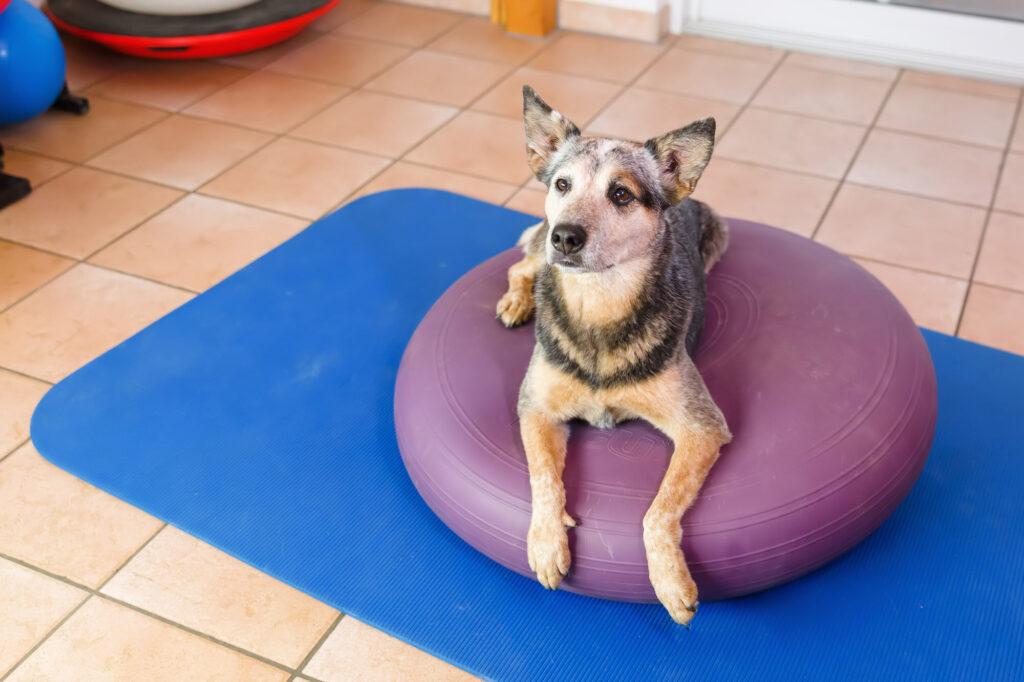
Although it’s incorrect to refer to professionals who help humans as “physical therapists,” canine rehabilitation therapists offer the same services to dogs. With the increasing availability of dog physical therapy, some veterinarians have pursued post-doctoral studies in acupuncture, chiropractic, pain management, and other rehabilitation modalities.
For instance, the American Association of Rehabilitation Veterinarians (AARV) provides information on the efficacy of this method for managing pain and function loss resulting from disease or injury to veterinarians, veterinary surgeons, and pet owners. In an effort to better serve the special needs of working and athletic animals, including those with chronic conditions like arthritis and neurologic impairments, the American College of Veterinary Sports Medicine and Rehabilitation was established more recently.
Dog physical treatment typically starts with a referral to a canine rehabilitation therapist if your veterinarians do not specialize in rehabilitation themselves. These experts complete credentialing programs that concentrate on canine anatomy and physiology, common medical conditions and injuries, assessment methods, pain recognition, and rehabilitation programs to obtain credentials like CCRP (Certified Canine Rehabilitation Practitioner) and CCAT (Certified Companion Animal Rehabilitation Therapist). Among the therapies they provide are:
It’s crucial to remember that the field of canine rehabilitation treatment is evolving quickly due to the availability of new technologies and methods as well as ongoing research, which makes continuing education and staying up to date for rehabilitation therapists essential.
Dog physical therapy can be used to treat both acute and chronic diseases, much like comparable human treatments. A canine rehabilitation therapist may be able to assist with techniques, specialized equipment, and at-home exercise routines if your dog is in pain, has lost strength or flexibility, has an uneven gait or loss of balance, is recuperating from an accident, injury, surgery, or illness, or has chronic symptoms that interfere with favorite activities.
Certain therapies call for tools that you may use at home, like ramps, platforms, balance pads, cushions, and discs. Clinic consultations are necessary for other equipment, like swimming pools, treadmills for dogs, and electronic/magnetic gadgets.
In order to ensure that their dogs have comprehensive physical assessments and that the therapist can contact the veterinarian with any necessary medical treatments or diagnoses, the majority of canine rehabilitation therapists choose to collaborate with veterinarians. Meanwhile, other dog owners have put together their own teams for physical therapy, working directly with holistic practitioners such as massage therapists, chiropractors, and canine acupuncturists. Go to AHVMA.org, the website of the American Holistic Veterinary Medical Association, and select “Find a Member” to locate veterinarians who specialize in nutrition and complementary therapies that improve healing and rehabilitation.
A physical examination, which includes noting the dog’s stride, movement, structure, flexibility, strength, muscle tension, sore spots, and mobility, is the first step in seeing a canine rehabilitation therapist. The therapist will have time to get to know the dog and owner, go over the owner’s improvement and treatment objectives, and talk about the dog’s medical history and behaviors during what may be an hour-long session.
It could be beneficial to record your dog walking or moving in various directions both inside and outside as canine rehabilitation specialists concentrate on mobility and movement. Include the dates, diagnoses, and treatments of any specific illnesses, injuries, or incidents that have impacted mobility in your documentation.
The primary objective of the first visit is to create a strategy using the technology, tools, and therapies that are suitable. This frequently includes the suggestion of certain workouts to improve the muscles weakened by disease or trauma. Usually, these are made specifically for the patient to incorporate into an at-home workout regimen. Dogs that are healing from surgeries or accidents, or whose hind legs are weakening, may find that at-home exercise is very beneficial.
A follow-up plan can contain notes to distribute around family members to ensure that everyone can take part in the rehabilitation process and encourage the dog’s progress. This way, everyone in the family can help your dog heal.
Your dog’s progress will be meticulously documented by your canine rehabilitation therapist, who will also keep track of the specific therapies your dog has received, evaluate the effectiveness of rehabilitation plans, create exercise schedules that you and your dog can follow at home, schedule check-ups to record the healing process, and assess your home for any potential effects on the dog’s functional status.
Costs for veterinarian visits vary based on the type of treatment required, the therapist’s training and experience, and the location. Individual treatment sessions can cost anywhere from $50 to $100 or more, and initial consultations usually run between $100 and $200. The number of sessions needed for treatment determines the overall cost. Costs can be cut by using do-it-yourself therapies and home fitness regimens.
As long as the dog is insured prior to being sick or wounded, several pet insurance companies will pay for holistic and alternative therapies, including canine rehabilitation. For this reason, insurance specialists advise getting coverage for young, healthy dogs well in advance of the onset of any pre-existing conditions that might prevent coverage.
You understand the value of rehabilitation therapy if you have ever worked with a physical therapist following a disabling injury or illness, a broken bone, or a torn ligament. When the time comes, as an informed pet owner, you can be prepared to provide the same hands-on care for your dog by locating a canine rehabilitation therapist.
For more information on your dog physical therapy and how our Posh Dog Knee Brace helps in your dogs recovery contact us via our contact form or visit our Facebook page.
Articles from the Posh Dog Knee Brace team — a group effort with our licensed veterinary technicians and brace specialists, sharing 15+ years of experience helping dogs recover from CCL/ACL injuries and mobility challenges.
To reduce discomfort and increase range of motion, a dog chiropractor can adjust your dog’s joints.
A dog chiropractor would palpate the dog’s spine, limbs, and even the skull to look for anomalies in the way the bones join together, much like they would during a human chiropractic session. Your dog’s comfort level, nerve function, and the way that joint works can all be affected by even minor misalignments, or “subluxations.”
The subluxated joint is then adjusted and the bones are moved back into position by the dog chiropractor using precise manipulations. One common focus is the spine.
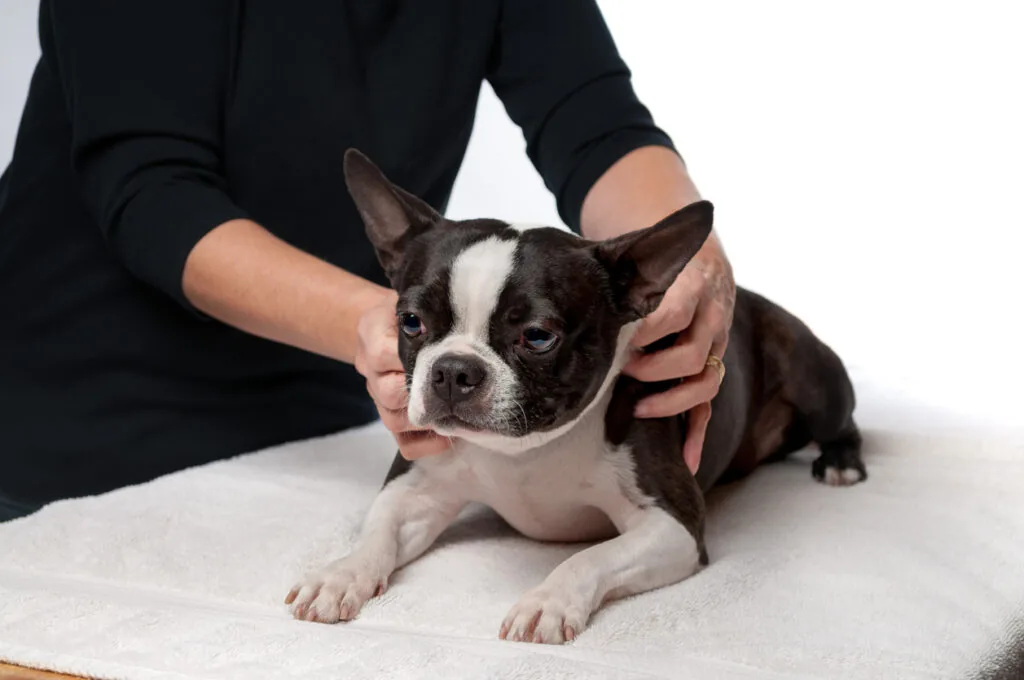
When they observe their dog limping or feeling sore all the time, most dog owners take their pets to see animal chiropractors. If your dog participates in high-impact activities like flyball or agility, you could choose to schedule a preventive dog chiropractic appointment to make sure their body is operating at peak efficiency.
Getting a veterinary diagnosis is crucial if your dog is experiencing discomfort, lameness, or lethargy. Make an appointment with your veterinarian so they can assess the cause of your dog’s discomfort or lack of self-awareness. Why does this matter? Because a variety of health issues can appear to be similar at first glance but may require quite diverse approaches to treatment. Dog chiropractic care, for instance, will help a limping dog with a sore back, but an antibiotic is necessary if the dog has Lyme disease.
If your veterinarian certifies that dog chiropractic is appropriate for your dog’s condition after you’ve determined what’s wrong, you can pursue this course of action.
Like any medical service, the price of a visit to the dog chiropractor can vary significantly based on a number of factors, including your location, the practitioner’s credentials, and your dog’s size and personality. Typically, the first appointment is between $100 and $200, and follow-up consultations are between $50 and $80.
Seek out a chiropractor with certification from the International Veterinary Chiropractic Association (IVCA) or the American Veterinary Chiropractic Association (AVCA). This guarantees that the chiropractor for dogs has received specialized training in the anatomy, joint, and spinal manipulation of dogs.
Animal chiropractic certification can be obtained by veterinarians and qualified human chiropractors holding a doctor of chiropractic (DC) degree. A human chiropractor needs specialized training to work with animals since human and canine joints and bones fit differently. It could be painful and even irreversible to try to adjust a dog in the same way that a human is adjusted.
If you are interested in a Posh Dog Knee Brace contact us via our contact form or visit us on Facebook.
Articles from the Posh Dog Knee Brace team — a group effort with our licensed veterinary technicians and brace specialists, sharing 15+ years of experience helping dogs recover from CCL/ACL injuries and mobility challenges.
After knee injury surgery, custom braces can benefit your dog and in certain cases, can take the place of surgery.
It has been ten years since WDJ investigated the nonsurgical treatment of knee ligament problems, or “conservative management” (see “Saying ‘No’ to Surgery,” February 2010). Since then, there has been an increase in consumer demand for alternative therapies, such as the usage of custom-designed knee braces, even though surgery is still by far the most common therapy for knee injuries.
Canine ligament injuries are so common that almost every veterinarian has seen one. A dog may be completely unable to bear weight on the limb, exhibit a noticeable limp, or show signs of hind-leg lameness, depending on the severity of the damage. A partial or complete tear of a ligament could be the injury.
The terms “torn ACLs” and “bad knees” are well-known in the canine community. Knowing what these terms represent will be helpful if your dog sustains a knee injury that needs to be treated by a veterinarian.
The phrase “canine cruciate ligament disease” refers to a number of injuries that can harm a dog’s knee in this article. In general, the phrase uses the word “disease” appropriately because most dog knee ligament ruptures occur during normal exercise, despite the fact that the majority are the result of catastrophic injuries.
Additionally, several studies indicate that the majority of knee ligament injuries are caused by chronic degenerative changes within the ligament, as stated in an article titled “Review of Cranial Cruciate Ligament Disease in Dogs” that was published in the World Small Animal Veterinary Association World Congress Proceedings in 2011.
Ligaments are bands of connective tissue that strengthen and support joints by joining bones to cartilage.
With the patella (kneecap) in front and the fabella (a tiny bean-shaped bone) behind, the stifle (knee) joins the tibia (leg bone) and femur (thigh bone). Ligaments hold everything in place while cartilage (the lateral and medial meniscus) cushions the bones.
Within the knee joint, the cranial (front) and caudal (back) cruciate ligaments cross. The tibia cannot move out of place beneath the femur because of the cranial cruciate ligament. While the words “cranial cruciate ligament” (CCL) and “anterior cruciate ligament” (ACL) are used in veterinary medicine and human medicine, respectively, they relate to the same ligament and are used to characterize knee injuries in dogs.
Despite the fact that radiographs, or x-rays, do not show soft tissue and cannot be utilized to distinguish between a partial and total tear or diagnose cruciate injuries, they are frequently used to screen for cruciate ligament illness. However, they can rule out other illnesses that might be the source of leg discomfort, such as bone cancer. Dogs rarely undergo advanced imaging tests like MRIs because they are costly and necessitate anesthesia, even though they can show tears in the ligaments.
The “drawer test,” which involves a veterinarian holding the femur in one hand while manipulating the tibia in the other, is the primary diagnostic method for CCL rips. Should the tibia be able to be pulled forward, as though opening a drawer, there has been a tear or rupture in the cruciate ligament. nervous patients may be anesthetized prior to the drawer test since it can be inconclusive if the stiff muscles of a nervous dog briefly stabilize the knee.
Another test for ligament damage is the tibial compression test, in which the dog’s ankle is flexed with one hand while the femur is kept steady with the other. The abnormal forward movement of the tibia is caused by a damaged ligament.
According to a recent estimate that has been cited by a number of veterinary websites, over 600,000 dogs in the US undergo cruciate ligament surgery annually.
Canine cruciate ligament disease risk factors include genetics, obesity, poor physical condition, conformation (skeletal shape and structure), age of the ligament (degeneration), and breed, according to the American College of Veterinary Surgeons (acvs.org). Rather than being ruptured due to an acute impact to an otherwise healthy ligament, most ligament ruptures occur as a result of slow, subtle degeneration that has occurred over months or even years. Between 40 and 60 percent of dogs with damage to one cruciate ligament later have damage to the other knee. According to the ACVS, if a partial cruciate ligament rupture is not treated, it is likely to eventually become a full tear.
According to the ACVS, CCL injuries can occur in dogs of all shapes, sizes, and ages, although they are most frequently seen in Rottweilers, Newfoundlands, Mastiffs, Akitas, Saint Bernards, Chesapeake Bay Retrievers, and Labrador Retrievers.
There is a significant correlation between neutering before one year of age and ruptured cruciate ligaments. The study “Assisting Decision-Making on Age of Neutering for 35 Breeds of Dogs: Associated Joint Disorders, Cancers, and Urinary Incontinence” (Benjamin Hart, et al.) was published in the journal Frontiers of Veterinary Science on July 7, 2020. It revealed that early neutering of male Bernese Mountain Dogs, Cocker Spaniels, and Miniature Poodles; male and female German Shepherd Dogs, Golden Retrievers, Labrador Retrievers, and Rottweilers; as well as female Saint Bernards and Australian Cattle Dogs significantly increased risk of cruciate ligaments.
The study’s conclusion was, “A likely mechanism related to disruption of the closure of the long-bone growth plates by gonadal hormone secretion as the animal approaches maturity is related to early neutering may cause a joint disorder.” According to our theory, neutering a dog well before the growth plates close allows its long bones to grow slightly longer than average. In some cases, this can cause enough joint alignment problems to cause a clinically noticeable joint condition.
Similar findings were observed in mixed breeds, particularly for dogs weighing 44 pounds or more and neutered before one year of age, according to a related study, “Assisting Decision-Making on Age of Neutering for Mixed Breed Dogs of Five Weight Categories: Associated Joint Disorders and Cancers” (Frontiers of Veterinary Science, July 31, 2020, Benjamin Hart, et al.).
There is nothing owners can do to reverse a dog’s neuter status, but there are plenty of things we can do to save our vulnerable pets’ knees. Excessive body weight and poor physical condition are risk factors for the development of canine cruciate ligament illness, as stated on the ACVS website. Pet owners have the ability to alter each of these aspects. Maintaining a lean body mass requires careful meal control, regular exercise, and consistent physical conditioning.
Custom braces—which go by numerous names including knee, stifle, ACL, or CCL braces—are made by several manufacturers using various materials and techniques. Braces are also made to fit the hocks, hips, ankles, and wrists of dogs.
In order to assess how strong the brace needs to be in order to support the dog’s weight and activities, as well as any unique features the brace might need, the first step in designing a bespoke brace is to analyze the patient’s size, breed, medical history, activity level, and environment.
Next, casts or detailed measurements create a model of the dog’s knee. The last step is to schedule a fitting visit, where any necessary modifications are performed and images and videos of the dog exercising while wearing the brace are taken.
The dog wears the brace during the day after a break-in period. “Most dogs put it on in the morning and take it off in the evening before bed,” the owner says.
The majority of custom brace designs are based on leg models that were cast at the client’s house or in a veterinary clinic using supplies supplied by the brace maker. For the purpose of designing the brace to fit, the resultant cast is supplied together with supporting measurements. Castings that are damaged during shipment or that were made erroneously may require repeat castings. The visit raises the price of the brace if it is performed at a veterinary facility.
The 77-pound Golden Retriever Pasha, then 11 years old, suffered a left hind leg injury that led to the creation of the Posh Dog Knee Brace seven years ago. Pasha’s veterinarian determined that he had a torn meniscus and a ruptured cranial cruciate ligament. He advised surgery immediately once, stating that if the damage was not repaired, Pasha would suffer a similar lesion to his right leg, develop severe arthritis, and be unable to live an active life again.
Although Jim Morison and Beth Scanlon, who live in Florida, could afford the $5,000 surgery, they were concerned about Pasha’s age and past medical history, which included a bad anesthetic response. Pasha’s recuperation started when they ordered a custom-made knee brace rather than arranging surgery.
Although Morison was pleased with Pasha’s development, he felt that the brace might be made better in a few areas. He started creating modifications and, in the process, established his own knee brace business, which he called Posh after one of Pasha’s pet names. Pasha was swimming at the beach and running through tide pools six months after donning her upgraded brace, and she was fully recovered in nine months.
“We now use a different design, but we started with the type of brace that requires a casting mold,” says Nikki Bickmore, lead veterinary technician at Posh, who also manages the service department and production.
“Posh assembled a group of orthotists and veterinarians to create a new system that would do away with casting,” Bickmore adds. As a result, the brace has many padding layers and is semi-rigid rather than hard plastic, allowing it to adapt to the dog’s muscles as they contract and flex. The only brace that incorporates double-reinforced hinges from the Tamarack brand, positioned on two layers of plastic, to strengthen the brace at important stress locations is ours. The brace fastens with quick-release microbuckles, which are common in expensive snow and water sports gear, and fits without causing any rubbing, irritation, or slippage.
Ordering is sped up and slowed down by using measurements rather than casting to create a replica of the dog’s leg. Most braces come within a week after precise measures are given, but buying takes longer since clients need to watch instructional videos and take measurements with two individuals during a live video conference while a veterinary technician watches over them. A Posh vet tech must supervise the fitting of a brace during a second video chat before it can be worn.
The fact that our braces fit well and are simple to use is what most people appreciate about them, according to Bickman. They appreciate that our solution uses buckles and straps instead of Velcro, which can tangle in a dog’s hair. Because we use a soft shell instead of a hard one, the brace is more pleasant to wear, has greater range of motion, is long-lasting, and is very simple to clean.
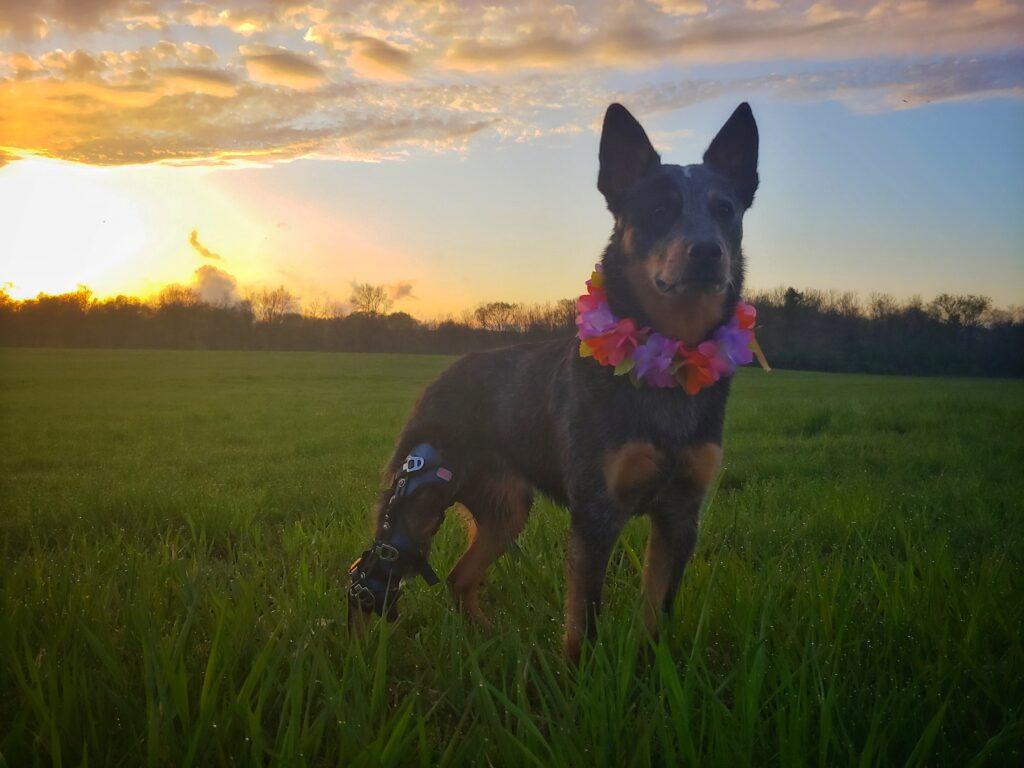
Three-year-old Howdy, an Australian Cattle dog, was born with incontinence, spina bifida, and nerve damage in his hind end. Bickman states, “He’s a favorite of the Posh staff.” He was adopted by Alicia McLaughlin at the age of six months. Shortly after, he had a tear to his CCL and also had a luxating patella. Many believed that he ought to be put to death, but thanks to bracing, Alicia, and a lot of love and patience, he is now happily living in the country in New York.
Don’t think that just because your dog starts favoring one leg over the other, the issue will go away. That could be, but it could also be a sign of cruciate ligament damage. To be sure, make an appointment with your veterinarian.
Both surgery and brace use need to be carefully considered. The proper usage of the custom-fitted braces discussed here requires time and attention commitments, and they are not cheap. Not every owner or dog is a suitable candidate for bracing. Information collection and a realistic grasp of the issues at hand are essential for making wise judgments.
For more information about our Posh Dog Knee Brace contact us via our contact page or visit our Facebook Page.
Articles from the Posh Dog Knee Brace team — a group effort with our licensed veterinary technicians and brace specialists, sharing 15+ years of experience helping dogs recover from CCL/ACL injuries and mobility challenges.
Absolutely, custom-made braces can be a great solution for dogs with a torn ACL (also known as the cranial cruciate ligament or CCL). Here are some points to consider when looking for a brace for a dog with a torn ACL:
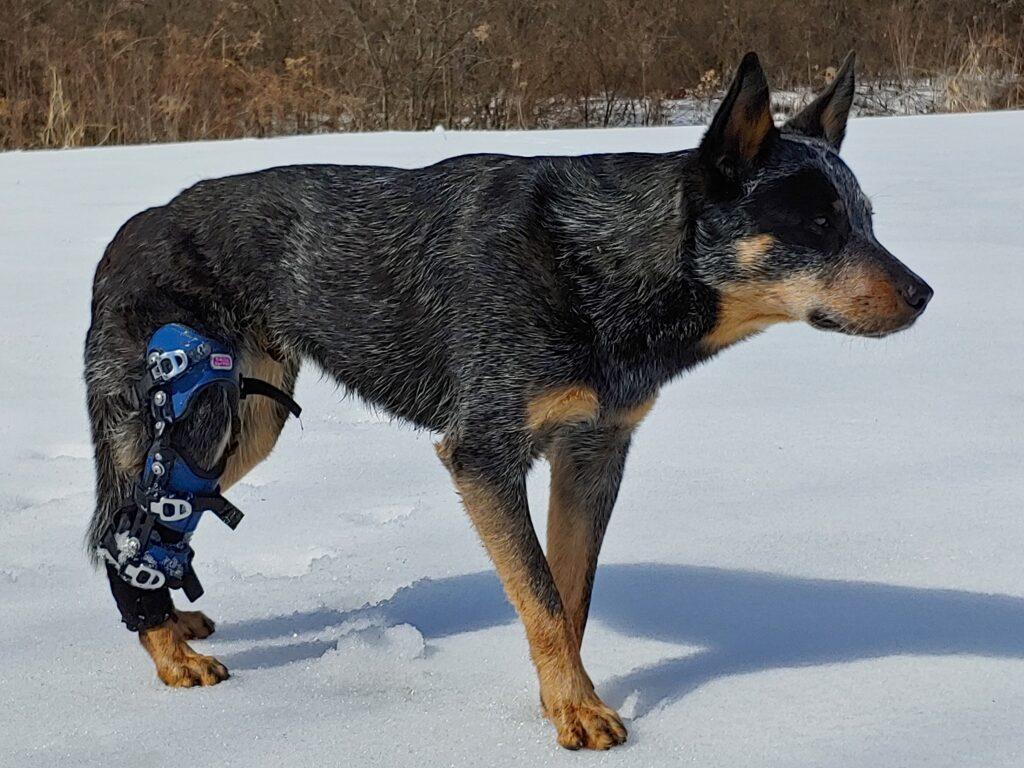
Your dog’s veterinarian might suggest surgery if he/she tore his/her anterior cruciate ligament (ACL). That may cause stress for your wallet, your dog, and you. You may be wondering if you can give your dog appropriate comfort and care while using an ACL dog brace in order to avoid surgery for your dog’s torn ACL. Indeed you can, but only if you get your dog a quality ACL brace, like our Posh Dog Knee Brace.
If you’re wondering if your dog has an ACL tear, the symptoms of an acute rupture are quite typical. Usually, the dog yells and stops bearing any weight on its rear leg when it is running and playing. The dog will frequently still walk around but may sometimes run on three legs and hike up or hang the injured limb.
For the majority of cruciate tears, surgery in the form of a tibial-plateau-leveling osteotomy (TPLO) is the best course of action; however, ACL braces are also showing to be an effective remedy.
Dog owners who participated in a study comparing TPLO surgery and custom stifle orthotics reported high levels of satisfaction with both procedures. The phrase “custom stifle orthotics” was used in the study. You might be tempted to order an all-dog cloth brace online in an effort to get one quickly and at a low cost. Your dog doesn’t require that in order to support its torn ACL. Your dog requires a specially made brace composed of durable material. Although many excellent companies make custom braces for a dog with an ACL tear, Posh Dog Knee Brace is a good option to take into consideration.
Restoring stifle joint stability is the aim of treatment for your dog’s torn ACL. The famous “drawer sign,” which happens when the veterinarian holds the femur in place while the tibia can be pulled forward like a sliding drawer, is caused by your dog’s unstable stifle due to the loss of an intact ACL/CCL. It’s a sign that the CCL has ruptured. Pain results from this laxity, which also promotes the growth of osteoarthritis.
It follows that neither braces nor surgery are a quick fix. A brace may occasionally be recommended by a veterinarian to aid in your dog’s recovery following surgery or be recommended as a alternative option instead of surgery as well.
Whichever approach you decide on, consult your veterinarian or one of our Posh Vet Tech for advice and direction as you help your dog heal as well as to ensure that you have the right diagnosis.
If you think a brace might be a good option for your dog, contact us today via our contact form or call us at 509-412-3065. You can also visit our Facebook Page.
Articles from the Posh Dog Knee Brace team — a group effort with our licensed veterinary technicians and brace specialists, sharing 15+ years of experience helping dogs recover from CCL/ACL injuries and mobility challenges.
Hey guys! This is Nikki, Lead Veterinary Technician with Posh Dog Knee Braces. Today let’s talk about harnesses, and when they can be useful. First off, let’s go over the different types of harnesses, so that you are familiar with the options out there.
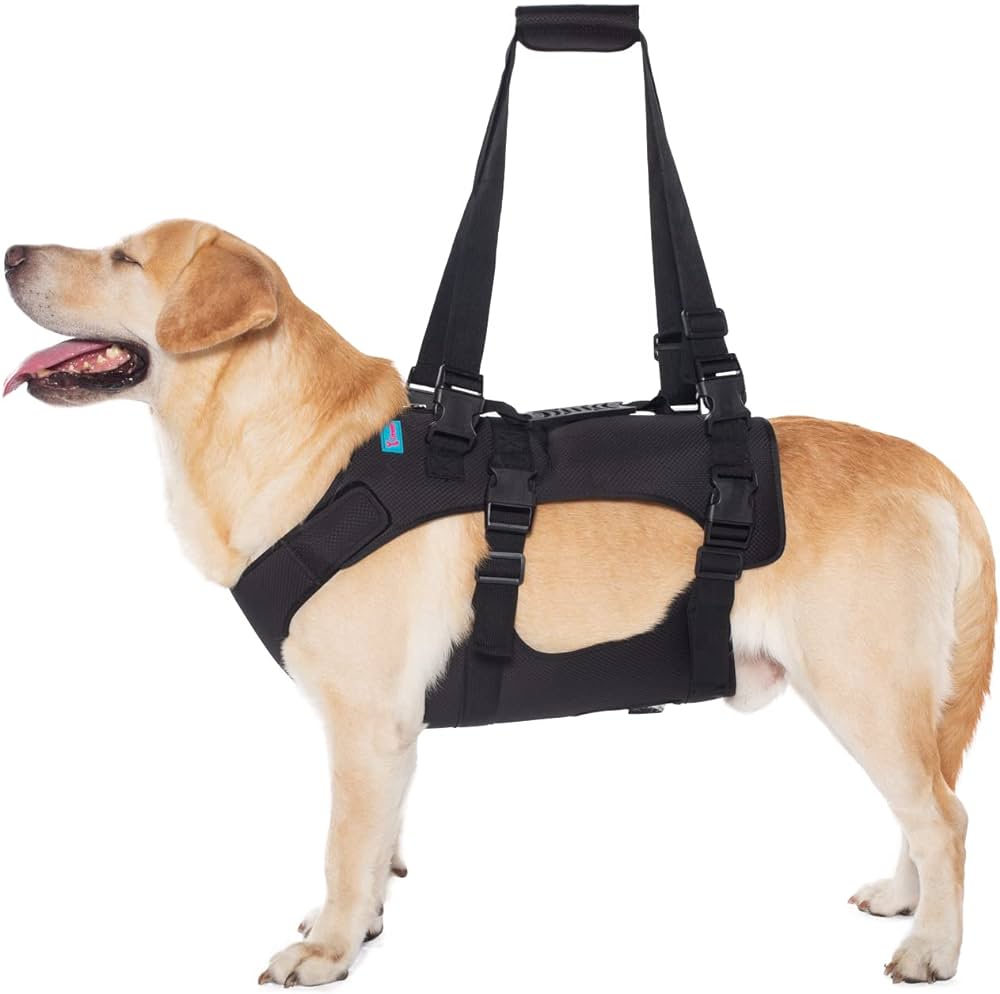
There is a sling harness, which is simply something that goes underneath the entire body and has handles that you can hold on to. This can be anything, from a towel, shopping bag that has been cut down, or something youbough on chewy. A sling is helpful if there is any spinal issues or hip discomfort, in giving full lower back and hip support. The downside to this sling is if you have a male dog, it will make it difficult to urinate outside. There is also more pressure on the bladder, so try to be aware of giving your pup more bathroom breaks.
The next type is a loop type harness, that goes around the back legs, not underneath them, and connects to a harness by the back shoulders. I prefer the help em up harness in this style, as there is a handle between the front shoulder blades, and the back hips. You can also use this style with leg braces, and keep it on for easy use. You simply lift the handle to help you dog stand up vs the sling harness you will need to lift your dog up and slide it underneath the belly.
Each harness has its own benefits. If you have a dog that has a newly injured CCL or ACL, then initially it may be easier to use a sling to help them up and down until you can get a help em up type harness. I would suggest an actual harness with handles for a CCL tear. If your dog, however, has both back legs affected, and potentially the spine, I would suggest a sling type harness, to give them better pelvis support.
Let us know if you have any questions about different types of harnesses! You can contact us via our contact page or our Facebook Page.
Articles from the Posh Dog Knee Brace team — a group effort with our licensed veterinary technicians and brace specialists, sharing 15+ years of experience helping dogs recover from CCL/ACL injuries and mobility challenges.
While home treatments can be helpful for minor injuries or as supportive measures alongside veterinary care, it’s crucial to consult with a veterinarian before attempting any treatment. Serious injuries or conditions require professional medical attention. Here are some general home treatments for injured dogs:
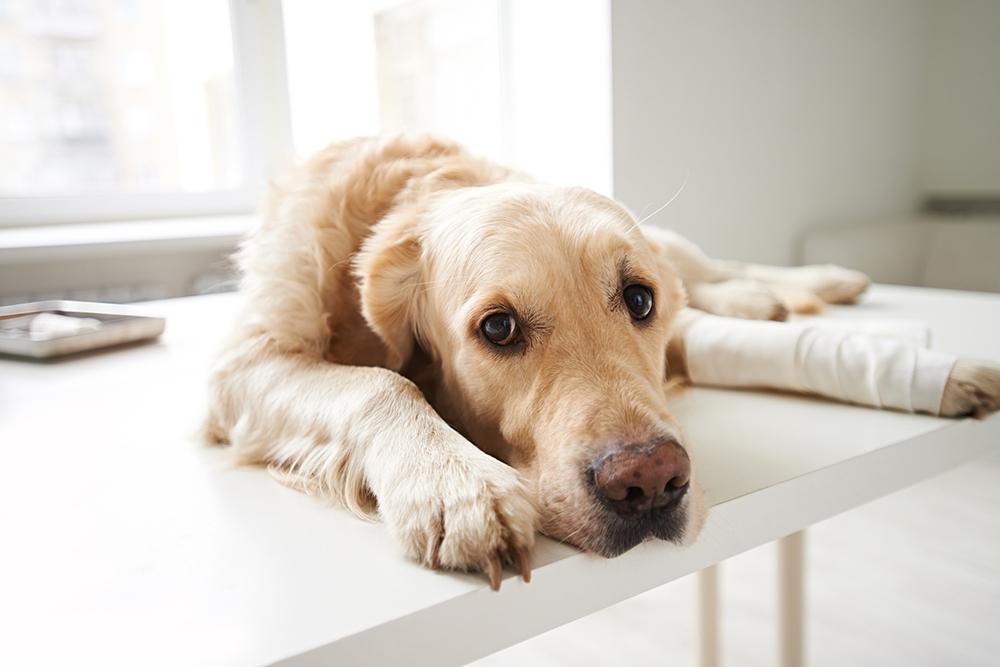
It’s crucial to note that while these home treatments can be beneficial for minor injuries or as supportive measures, they are not substitutes for professional veterinary care. If your dog experiences a significant injury or shows signs of distress, consult with a veterinarian immediately. Professional guidance ensures that the right diagnosis is made, and appropriate treatment is administered for a safe and speedy recovery. If you have any more questions about home treatments you can contact us via our contact page or visit our Facebook page.
Articles from the Posh Dog Knee Brace team — a group effort with our licensed veterinary technicians and brace specialists, sharing 15+ years of experience helping dogs recover from CCL/ACL injuries and mobility challenges.
Hello! This is Nikki, Lead Veterinary Technician with Posh Dog Knee Braces. Today let’s go over how to break-in a new Posh Custom Dog Brace. First, we want to take things nice and slow. You wouldn’t take a brand new pair of boots to Disneyland resort for 10 miles of walking each day I hope. Neither should we put a custom brace on a dog for 8-12 hours without first working into that time. Just like in people, a dog’s skin needs some time to get adjusted to wearing something.
Over the next few weeks, as we gradually increase the times we have them in the brace, the skin will start to thicken and get stronger. Just like our feet do with a new pair of shoes. After a few short weeks, they should be able to tolerate wearing the brace longer and longer.
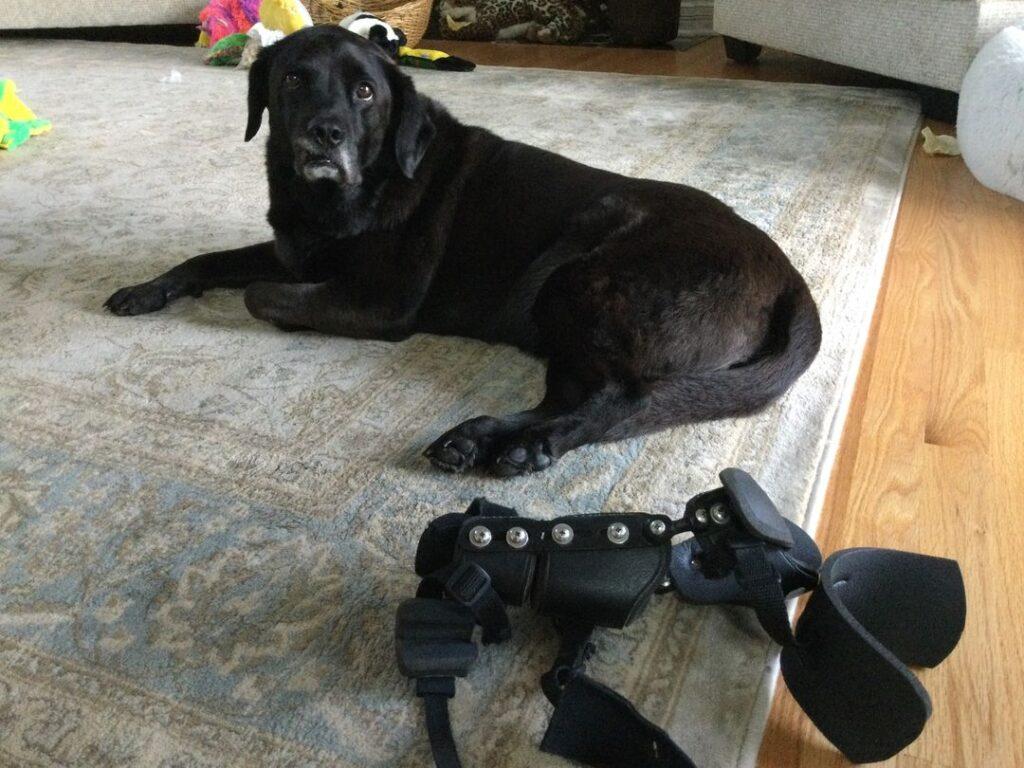
In the first 1-2 weeks, we suggest only using the brace during short leashed walks. This is to get your dog used to walking in the brace, to prevent soreness, and to get their skin used to having something touching. It can take a patient sometimes up to 3-4 weeks for the soreness in the muscle to get better, just like if we did physical therapy.
You wouldn’t want to run a 10K marathon with no practice or training, right? Even if your dog was walking 4+ miles each day before the injury, we now have atrophy and muscle loss (yes even if its only been a few weeks). Starting out with nice slow walks, and building up the times slowly, will really help prevent soreness and rubbing issues.
We typically don’t see rubbing sores with Posh, because we are so clear on our direction to our clients. Wearing the brace gradually more and more each week, really helps them adapt to having something touching their sensitive areas. The upper groin and ankle area seem to be the most common areas we see any irritation, and usually if the brace was worn for too long too fast. Doing 10-15 minutes twice daily for 2 weeks, then adding 15 minutes weekly to their walk schedule will really help.
We have this break-in schedule completely broken down for our clients in the handouts we send after the brace has been fit properly with a technician. A custom brace should never be worn right off without some sort of consultation, to ensure proper fit and make sure your dog is using the brace properly. Any company that does not do this is a red flag in my book.
Let me know if you have any questions about our break-in schedule! Please contact us via our contact page or visit our Facebook Page.
Nikki, Posh Lead Veterinary Technician
Articles from the Posh Dog Knee Brace team — a group effort with our licensed veterinary technicians and brace specialists, sharing 15+ years of experience helping dogs recover from CCL/ACL injuries and mobility challenges.
Holistic treatment for your dog’s injuries involves considering the overall well-being of the animal, addressing physical, emotional, and environmental factors. Always consult with a holistic veterinarian before implementing holistic approaches to ensure they are safe and suitable for your dog’s specific condition. Here are some holistic strategies for treating your dog’s injuries:
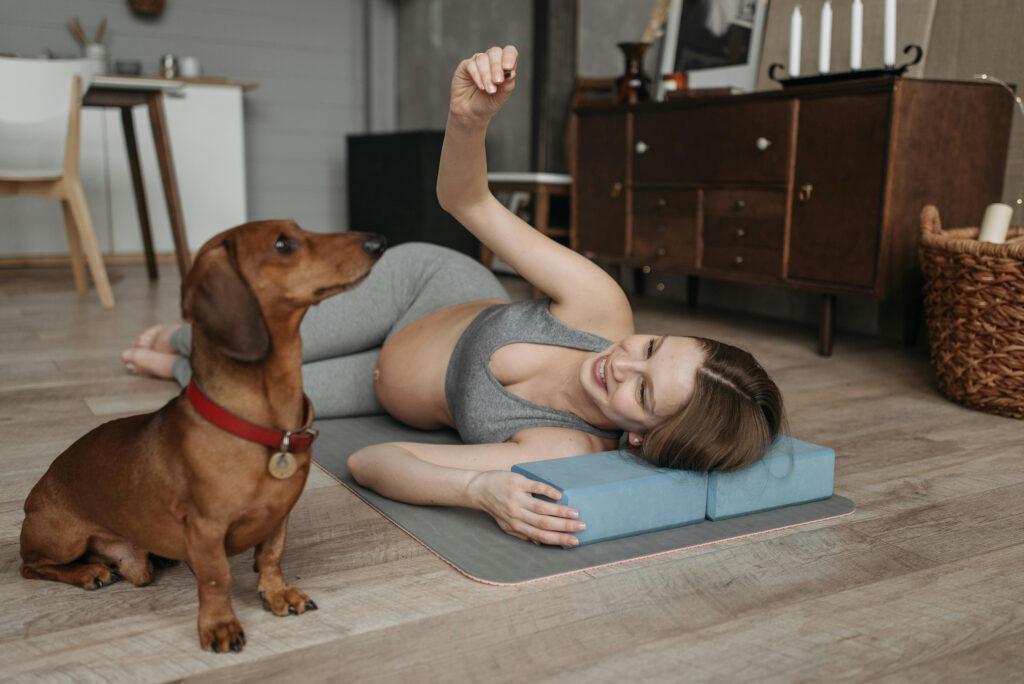
Remember that holistic approaches should complement, not replace, conventional veterinary care. It’s important to work closely with a veterinarian who has experience in holistic or integrative medicine to create a comprehensive and safe treatment plan tailored to your dog’s specific needs.
If you are interested in one of our Posh Dog Braces you contact us via our contact page or visit our Facebook Page for more information.
Articles from the Posh Dog Knee Brace team — a group effort with our licensed veterinary technicians and brace specialists, sharing 15+ years of experience helping dogs recover from CCL/ACL injuries and mobility challenges.