When the weather is bad, a dog treadmill can come in rather handy for keeping your dog busy and content.
When your dog’s long walks aren’t feasible, such in the winter, they can get plenty of exercise on a dog treadmill. It’s important to gradually acclimate your dog to the treadmill. Make sure the treadmill belt is long enough for your dog’s stride in order to ensure their safety.
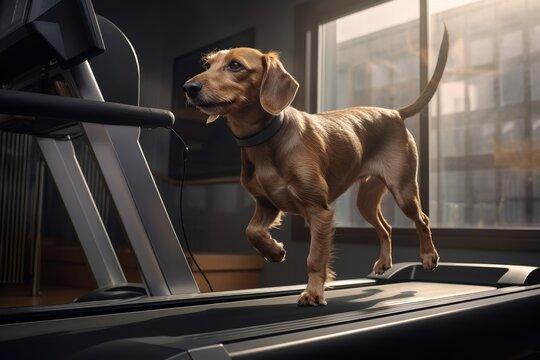
Larger dogs frequently have far longer strides than humans, although little dogs can use a human treadmill. A dog-specific treadmill is a preferable option for these huge dogs.
Train your dog on a treadmill gradually and with positivity. In order for your dog to exercise safely and effectively, you want her to feel at ease and at ease on the treadmill.
For more information about how to keep your dog healthy or how to train your dog wearing our Posh Dog Knee Brace you can contact us via our contact form or Facebook Page.
Articles from the Posh Dog Knee Brace team — a group effort with our licensed veterinary technicians and brace specialists, sharing 15+ years of experience helping dogs recover from CCL/ACL injuries and mobility challenges.
Living with dogs, particularly a new puppy, teaches you rapidly how quickly your house becomes one giant chew toy and how much, uh, mess (don’t judge) is left in every room. A inquisitive dog won’t take long to find socks and rubbish beneath the couch—oh, and look at all those interesting cords plugged in all over the place! A veritable gold mine for our dogs, who also happen to be highly dangerous.
Your house has additional opportunities to dog-proof each room. There are some unexpected dangers everywhere, from the living room and bedroom to the kitchen and laundry area. However, be at ease! Making small changes to your furnishings and décor can provide your dog plenty of comfortable space to unwind in.
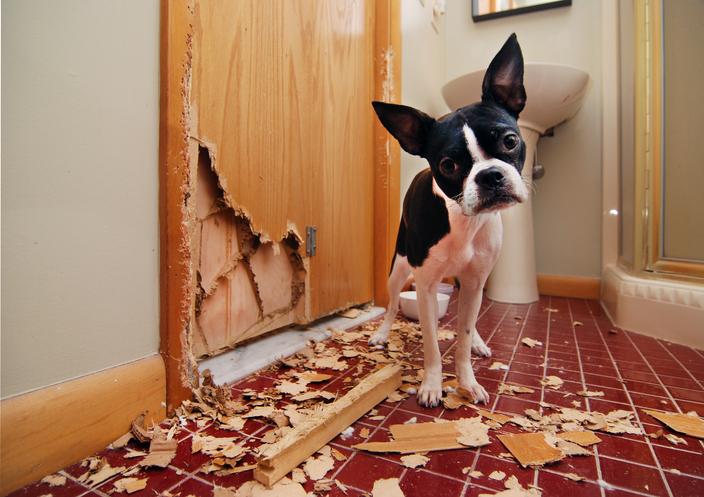
Dogs are fluffy danger vacuums on four legs because they use their noses and mouths to explore their surroundings. You are more likely to see things that could unintentionally endanger your best buddy, a dog, if you literally consider things from their perspective.
I always advise considering your dog’s perspective when assessing a room in your house for safety; what is their height and where is their line of sight? You can find dangerous items that might catch your dog’s attention by evaluating your house from their height. You may be shocked to learn that your golden retriever can easily take your brand-new watch since it is perched just right on your bedside table. Little things that are easily accessible should be taken out and stored in secure places where your dog cannot get to them, like closets or drawers.
Your end table, your bed, and your rocking rocker. If your dog is a good climber and can jump up on things quickly, you might want to remove any potentially dangerous furnishings. Jump-activated chairs have the potential to hurt your dog as well as injury other objects in your house when they swing back. Dogs who follow their noses and will put their paws up on furniture might quickly become distracted by end tables with glass picture frames or breakable family treasures.
Does your dog enjoy a nice, cozy couch spot? Is he more comfortable curled up on a blanket? Dog proofing your house requires careful consideration of where those things should be placed. Never put blankets, dog beds, or rugs next to heaters, fireplaces, fans, or electrical cords or outlets since they can easily become harmful.
The kitchen, bathroom, and laundry rooms are typically the riskiest rooms in your house, but you should spend time in every room since they can all be dangerous. To help divide up spaces or keep your dog out of areas you don’t want them to enter, get some strong baby gates. Your dog will have lots of wonderful spots to rest and unwind once you’ve made these sections of your house safe.
There are a lot of things in kitchens that aren’t dog friendly, like food, medicine, and cleaning materials. Your dog has the greatest opportunity to discover and eat objects that are not appropriate for them. However, kitchens may make excellent doggie hangouts once they are dog-proofed.
Electrical cords, fireplaces, open windows, and recliner chairs are the most frequent issues in living rooms. Since your dog will probably spend the most time in this room with you, it is crucial to make sure it is secure for them.
A dog’s favorite spot to search for intriguing treats to sample and entertaining “toys” to try is usually the bathroom. The greatest method to exercise effective management is to keep cabinets closed, and even better, to keep the bathroom door closed.
Dogs are frequently kept in protected places like bedrooms. Make sure to take out anything that could choke your dog and don’t leave anything out that you’d prefer not to become a chew toy before using your bedroom as a place for them to unwind.
Curious dogs might encounter numerous hazards in laundry facilities. While some risks are more overt, others are more covert. When in doubt, keep the washing room off-limits.
Dogs should never be left unattended outside, but if you do allow your dog to go outside for bathroom breaks through a doggie door in the backyard, make sure the area is secure and safe. Dogs that are bored can easily escape through holes, loose posts, and unlatched gates; therefore, it is important to supervise them whenever they are near pools or play equipment.
Our dogs quickly locate comfortable places in any home and are excellent adapters when we assist them in doing so in a secure manner. For the sake of your dog and to make sure they are comfortable and safe when you are not there, make sure your home is dog-safe.
If you are interested in a Posh Dog Knee Brace contact us via our contact form or visit our Facebook Page.
Articles from the Posh Dog Knee Brace team — a group effort with our licensed veterinary technicians and brace specialists, sharing 15+ years of experience helping dogs recover from CCL/ACL injuries and mobility challenges.
Pets that support you emotionally and enhance your health are called therapy dogs. To help both yourself and other people, you can teach your dog to be a therapy dog.
Dogs used for therapy reside in homes. They can also visit a range of locations, such as schools, hospice homes, hospitals, retirement or assisted living facilities, and schools. They have been educated to tolerate being petted or hugged by strangers and to be kind and amiable. When kids pull at their fur or when grownups want the younger ones to sit on their laps, they are understanding and unfazed.
One kind of therapy animal is the therapy dog. Additional animals that can provide emotional support include horses, llamas, alpacas, cats, bunnies, and birds.
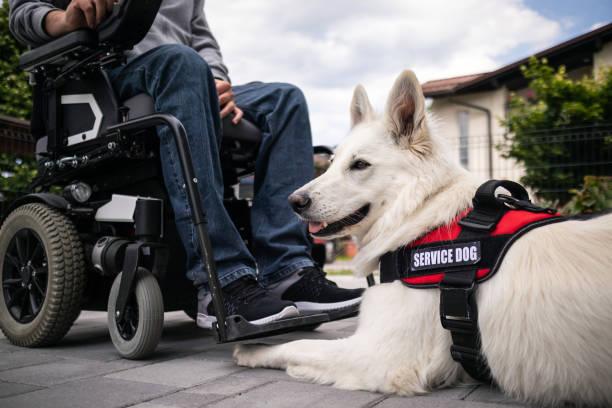
Although they’re not the same as therapy dogs, service dogs are something else entirely.
*The ADA does not protect therapy dogs, sometimes known as emotional support animals.
Service Animals and Emotional Support Animals, ADA National Network, 2014. They therefore lack the same rights as their owners to join them in restricted public areas unless prior authorization is granted. To offer some constructive comfort treatment, the therapy pet needs to be welcomed onto the property.
It is commonly recognized that therapy dogs can help with a variety of mental health issues and psychiatric problems.Interaction with therapy dogs and other companion animals is beneficial for patients with a variety of diagnoses, including depression, bipolar disorder, autism, ADHD, post-traumatic stress disorder (PTSD), and Alzheimer’s disease.
Therapy dogs can also assist with physical health issues that may be the cause of emotional difficulties. Empirical evidence indicates that individuals undergoing animal-assisted therapy may experience reduced pain during their convalescence following challenging surgery or a severe accident. According to studies, these connections can lower the stress hormone cortisol and raise the hormone that improves mood, oxytocin.
With a little instruction, any amiable breed of dog can become a therapy dog. Larger breeds are frequently utilized as therapy dogs, including Labradors, St. Bernards, standard poodles, and golden retrievers. On the other hand, when the patient and the dog are sharing a confined space, smaller breeds like Pomeranians and micro poodles make sense.
Although the breed may have some influence on the dog’s pleasant nature, the dog’s upbringing and even temperament development play a major role. Dogs are evaluated and studied for how they react to various stimuli, including unexpected grabs, loud or confusing noises, and even equipment like wheelchairs or canes, before they are approved as therapy animals.
Many internet directories are available if you would want additional information about how to find a therapy dog to aid you or a loved one. To identify people and organizations in your area, search for “therapy dog” along with the name of your town or city online.
Do an internet search for “therapy dog training” along with the name of your town or city to find out what options are available if you’re interested in finding out more about training your dog to be a therapy dog or visiting nursing homes or other facilities with your pet. Or just contact the facility of your choice by phone or email to find out about their admission policy.
For more information about therapy or our Posh Dog Knee Brace you can contact us via our contact form or Facebook Page.
Articles from the Posh Dog Knee Brace team — a group effort with our licensed veterinary technicians and brace specialists, sharing 15+ years of experience helping dogs recover from CCL/ACL injuries and mobility challenges.
One of the key causes of dogs’ passion of chasing other animals is their prey drive. Our veterinarians can offer guidance on prey drive and safe ways to handle your dog.
For many dogs, prey drive is an instinctive behavior. Unfortunately, prey drive can occasionally result in issues, mishaps, or damage to your dog or other animals.
If your canine companion is constantly chasing squirrels or sprinting after birds when you go for walks, check out our tips on prey drive and how to keep your dog safe.
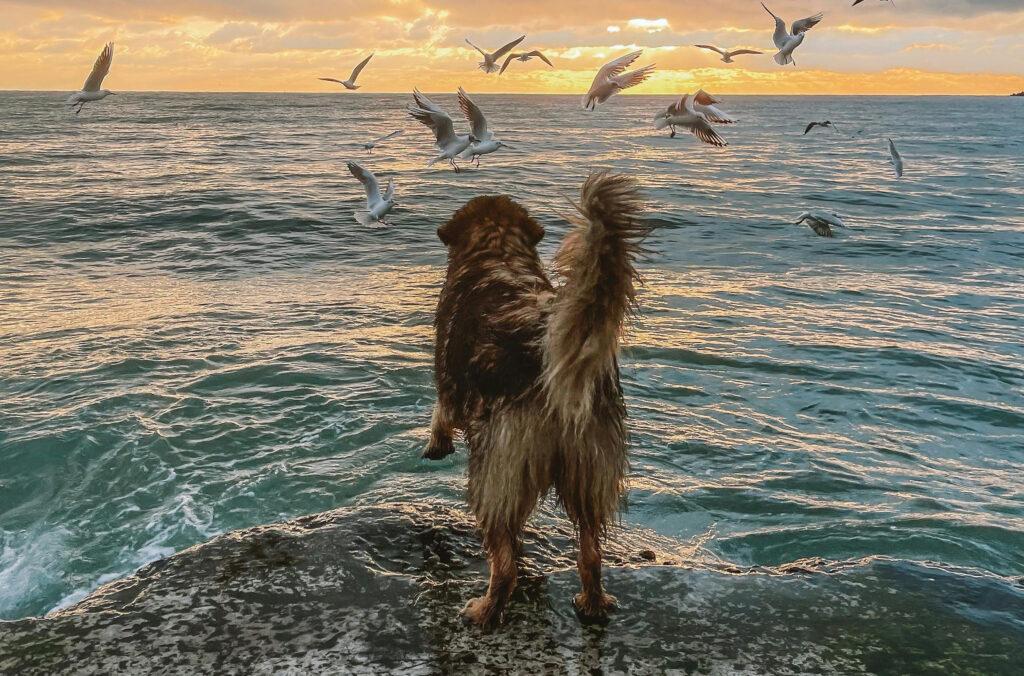
Animals with a prey drive have a hunting urge that enables them to capture food. When many dogs play, such chasing a ball, tugging games, or ripping up plush toys, you may have witnessed this. We may provide them with a secure outlet for their prey drive by encouraging these behaviors in them.
Some canines are more troubled by prey drive than others. “My dog has a high prey drive” refers to a person’s dog’s propensity to chase and catch animals such as mice, squirrels, or farm animals.
Breeds including Greyhounds, Lurchers, Collies, and Terriers are frequently known to have high prey drives. But any breed of dog can exhibit high prey drive, so it’s critical to recognize the warning signs and provide your dog with training to help curb their chasing tendency.
When near animals, exercise strict control over canines. Allowing your dog to harm or kill a farm animal is illegal, and both you and your dog may face harsh consequences. In the event that your dog is uncomfortable among sheep or other animals, you can:
In the event that your dog escapes the leash or that a farm animal pursues you:
If you are interested in more information about our Posh Dog Knee Brace you can send us a message via our contact page or visit our Facebook Page.
Articles from the Posh Dog Knee Brace team — a group effort with our licensed veterinary technicians and brace specialists, sharing 15+ years of experience helping dogs recover from CCL/ACL injuries and mobility challenges.
Does your dog receive a meal before you leave for the day but hold off on eating it until you come home? That indicates he is a little (or a lot) anxious about being left alone at home.
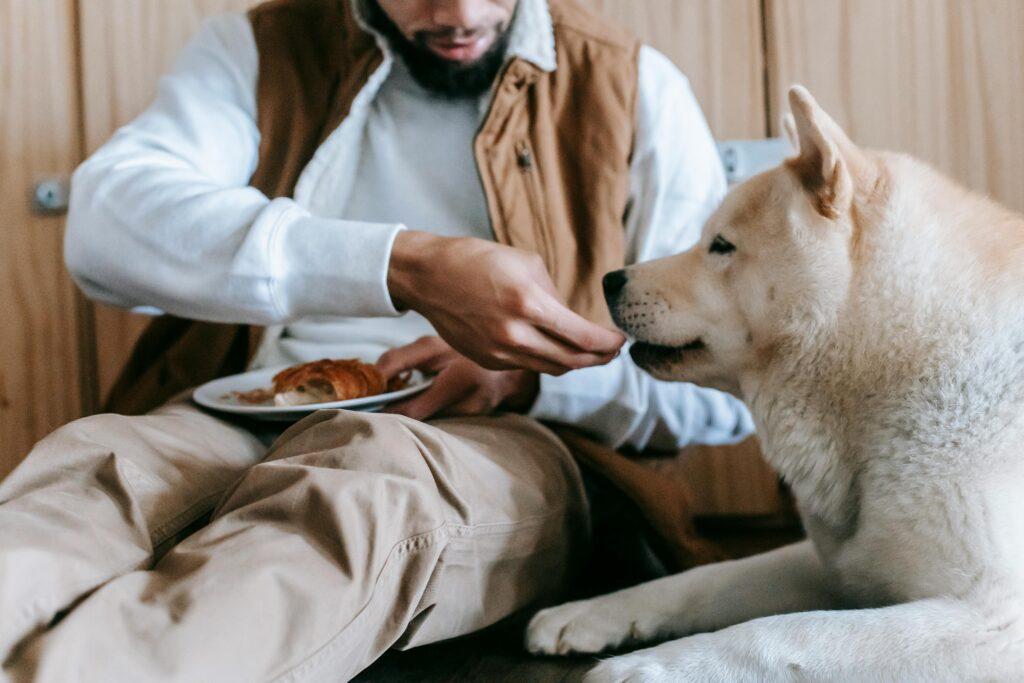
Unexpectedly many dogs refuse to eat meals while their owners aren’t home, but they scramble to finish their meals as soon as their loved ones get home. The most frequent cause of your dog’s lack of appetite while you are away is worry, and a worried dog is a cause for concern.
“But my dog doesn’t seem stressed,” you might object. If your dog only exhibits stressful behavior when left alone and her stress level is low enough that she isn’t acting out in other ways, it’s possible that you aren’t present when she exhibits her primary stress behavior, which is refusing to eat when you aren’t around.
Dog training experts frequently advise clients to leave their dogs with a slow-feeding dog toy, such as a stuffed Kong, to keep them occupied and relieve stress while their owners are away. You can’t use this useful enrichment tool if your dog won’t eat while you’re gone. And when your dog is too anxious to eat meals, it is never a good thing!
Check to see whether he/she will eat if there is another person around first. You’ll be able to discern from this if she is experiencing low-level separation stress (she must be with you) or isolation stress (he/she is fine around any person as long as she is not alone). If he/she exhibits any additional signs of anxiety, such as pacing, panting, or vocalizing, put up a cell phone, laptop camera, or security camera to record footage of her while you’re away.
His/Her anxiety is probably not too severe if there are no other indicators of stress, and you might be able to relieve his/her with an over-the-counter supplement like L-theanine (consult with your veterinarian first!).
If he/she is more distressed, you are dealing with a problem that is more serious than mild stress or anorexia. If that’s the case, I advise you to seek the help of an experienced force-free professional. These individuals would have the initials “CSAT” (for certified separation anxiety trainer, certified by separation anxiety specialist Malena DeMartini) or “SAPro” (for a “Separation Anxiety Pro” trainer, certified by Julie Naismith) and be qualified to work with separation anxiety.
Keep in mind that if your dog is stressed, help is necessary.
If you are interested in a Posh Dog Knee Brace contact us via our contact form or visit our Facebook Page.
Articles from the Posh Dog Knee Brace team — a group effort with our licensed veterinary technicians and brace specialists, sharing 15+ years of experience helping dogs recover from CCL/ACL injuries and mobility challenges.
A dog meal with a larger calorie level is the best for dogs to gain weight.
Adding more meals to your dog’s daily diet is the quickest strategy to aid in weight gain. If he typically consumes two meals per day, increase that to three or four while gradually increasing the amount of food consumed and maintaining a consistent mealtime schedule. You might also try:
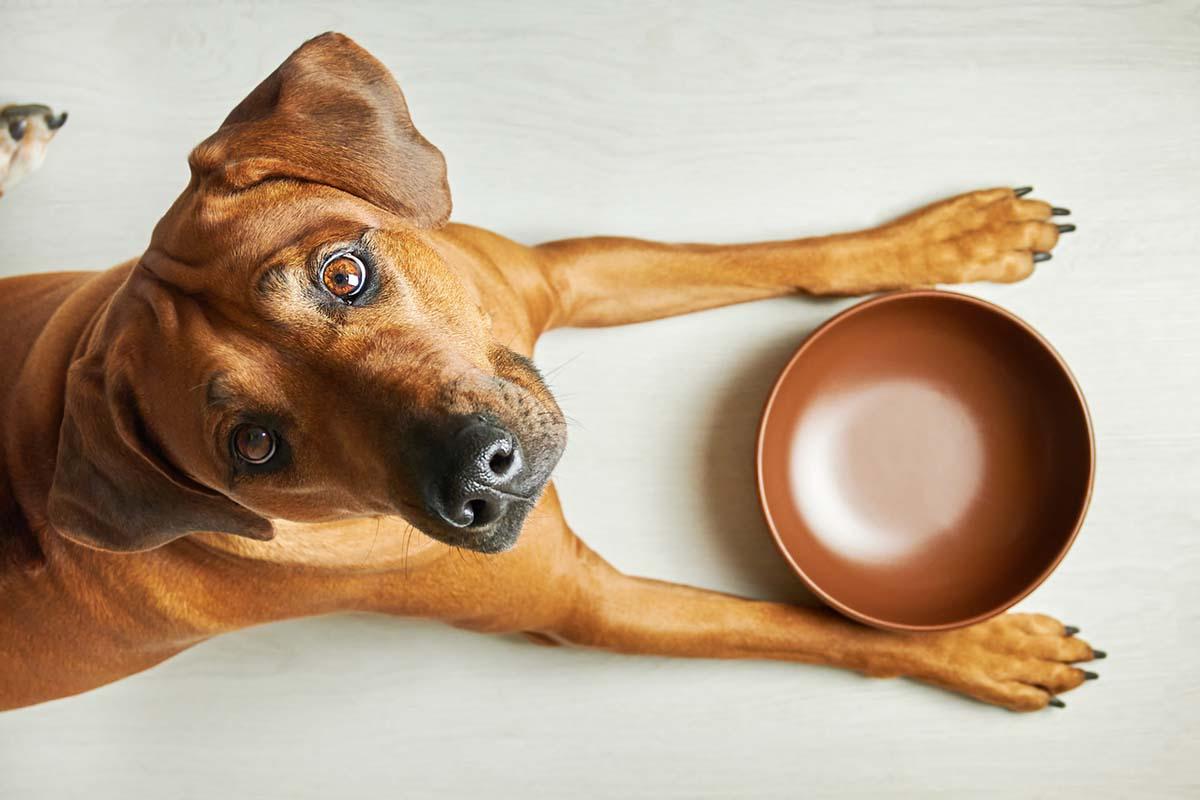
If feeding your dog an extra meal is difficult due to your work schedule, check for the best dog food designed for weight increase. These meals may be labeled as weight-gain dog food, but they definitely aren’t since they have more calories, which are frequently mentioned in tiny print beneath the ingredients list. It’s more likely that you’ll see them marked for active, sport, or performance dogs, which are dogs that require more calories since they expend more energy. These foods typically cost more money. Over the course of roughly a week, gradually transition to the new diet.
But be cautious. Make sure your dog is indeed lean because, like humans, most dogs have a tendency to weigh too much, and we might grow acclimated to that look. Your dog will have a waist that is directly in front of his hips, can be felt through a thin layer of fat, and will be at an appropriate weight. He appears to be snuggled up. He is too thin if the tops of his ribs or the hip/pelvic bones are visible.
Monthly dog weight checks are an excellent guide. Just pick up the dog and step on the scale in the restroom. The weight of the dog is then determined by weighing you alone and deducting that amount. Dogs that maintain a healthy weight live longer.
Some dogs actually need to put on weight, even if the majority of dog owners are waging the war of the bulge and trying to keep their canine companions trim. Boys in their teen years, some senior dogs, and dogs with cancer or other chronic illnesses are among the typical populations who need to gain weight.
So make sure your dog is healthy before starting a weight-gain program by taking him to the vet. Along with performing a physical examination, your veterinarian will likely screen your pet for intestinal parasites and heartworms. In most cases, a complete blood panel is not prohibitively expensive and can be beneficial to rule out a variety of illness issues.
If your dog is a finicky eater, you might want to supplement some of his meals with home-cooked food. Although there are ideas online for cooking homemade meals and treats that can make you gain weight, they might not be very nutrient-dense. To assist you in creating a balanced diet depending on what you wish to feed, look for businesses that employ veterinary nutritionists. Although there is a fee, it is well worth doing this properly.
Other strategies for getting your slim dog to gain weight and eat here are as follows:
Undoubtedly, a dog that is too underweight should be avoided, but take extra care if he also appears lethargic or “not himself.” The ideal place to begin your weight-gain attempts is at your veterinarian.
If you are interested in purchasing a Posh Dog Knee Brace contact us via our contact page or visit our Facebook for more information. We’ve Helped Dogs All Around The World, Now We Want To Help Yours…
Articles from the Posh Dog Knee Brace team — a group effort with our licensed veterinary technicians and brace specialists, sharing 15+ years of experience helping dogs recover from CCL/ACL injuries and mobility challenges.
Healing injured dogs involves a combination of veterinary care and supportive measures at home. Always consult with a veterinarian for proper diagnosis and treatment. Here are some commonly used canine healing methods for injured dogs:
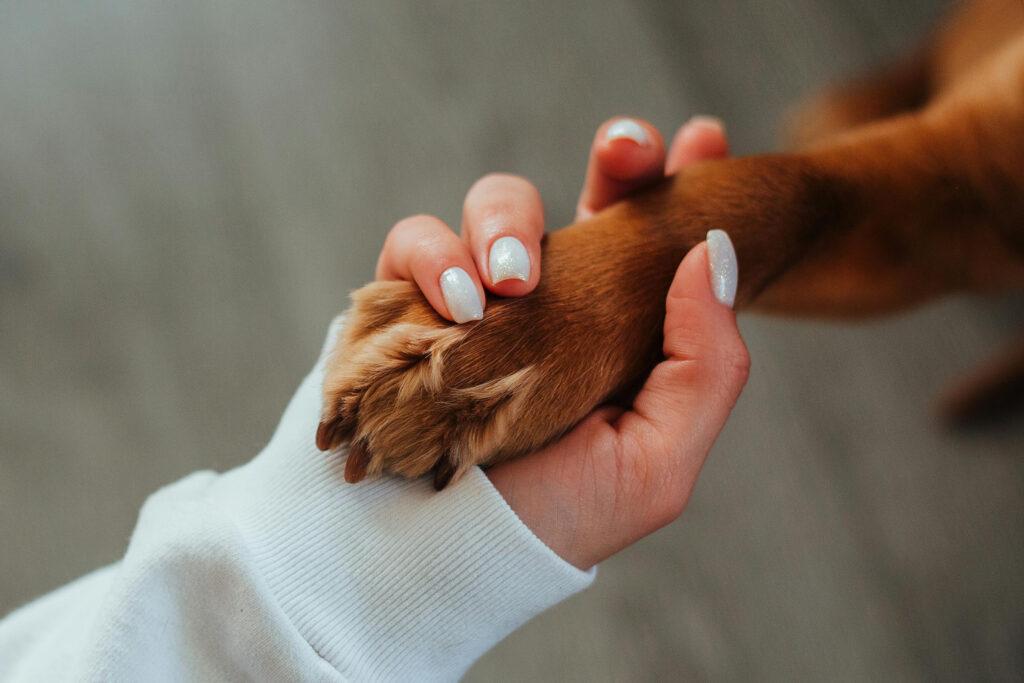
Remember, individual cases may vary, and it’s crucial to follow your veterinarian’s advice closely for the best outcome in your dog’s recovery using any canine healing methods . If you have any questions on how to help your injuried dog you can contact via our contact page or visit our Facebook page.
Articles from the Posh Dog Knee Brace team — a group effort with our licensed veterinary technicians and brace specialists, sharing 15+ years of experience helping dogs recover from CCL/ACL injuries and mobility challenges.
While home treatments can be helpful for minor injuries or as supportive measures alongside veterinary care, it’s crucial to consult with a veterinarian before attempting any treatment. Serious injuries or conditions require professional medical attention. Here are some general home treatments for injured dogs:
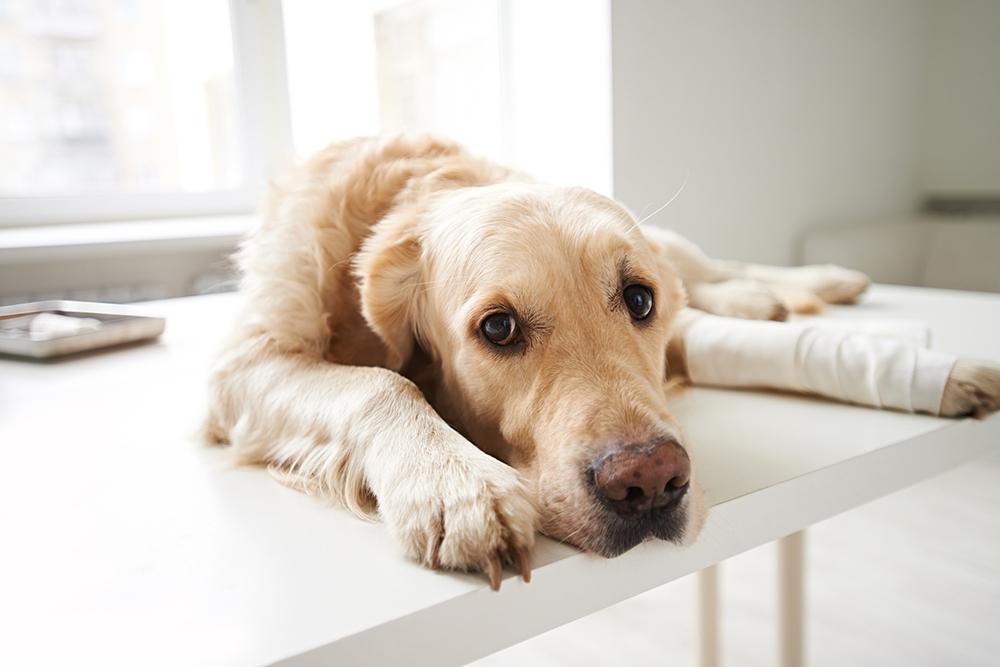
It’s crucial to note that while these home treatments can be beneficial for minor injuries or as supportive measures, they are not substitutes for professional veterinary care. If your dog experiences a significant injury or shows signs of distress, consult with a veterinarian immediately. Professional guidance ensures that the right diagnosis is made, and appropriate treatment is administered for a safe and speedy recovery. If you have any more questions about home treatments you can contact us via our contact page or visit our Facebook page.
Articles from the Posh Dog Knee Brace team — a group effort with our licensed veterinary technicians and brace specialists, sharing 15+ years of experience helping dogs recover from CCL/ACL injuries and mobility challenges.
Hi guys, this is Nikki Lead Veterinary Technician with Posh Dog Knee Braces, and today let’s discuss how many hours a day your dog should wear a knee brace. Now this also really depends on what we are treating. If we have a full CCL tear with meniscus involvement, I may suggest you use the brace more often than a patient with a partial tear.
Also, how much energy your dog has is a big factor on how many hours you really need to be using the brace. Some brace companies say wear the brace all day long, with no breaks. This can lead to a lot of problems initially, if you have not properly broken in the wearing time of your brace.
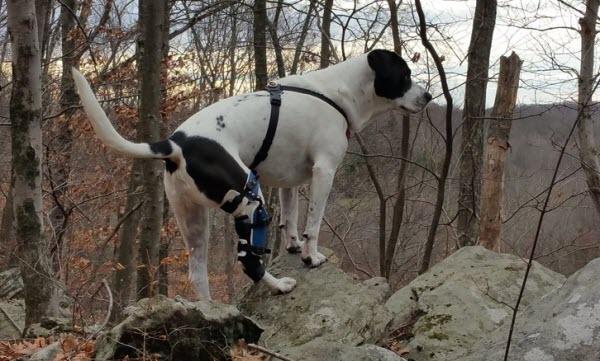
If you have a high energy dog, one that dives off of stairs and furniture, and is harder to control, you may be advised to use the brace a bit more. Now, we only suggest using braces during times that your dog is supervised. This is a medical device, and should not be worn without direct supervision. I would suggest starting out slow, just using the brace during walks and activities hours your veterinary technician will go over with you. Once your dog has been using the brace well, and you feel more confident, you can begin to increase the amount of time (hours) your dog uses the brace.
I still like to give breaks during the day, especially if there is a time they like to lay down and nap. For instance, using the brace for 2 to 3 hours in the morning, while they get the wiggles out, go potty, walk, and breakfast is perfectly fine. You may then opt to remove the brace during lunchtime, as most dogs calm down around this time. Then, you can place the brace back on in the afternoon, and remove prior to going to bed. This is just a suggested scenario, but again you do need to continue monitoring them with the brace.
We do not suggest any patient to wear the brace 8-12 hours a day, as anything that is worn that long on human or dog can cause skin irritation.
If your dog is pretty chill, relaxed, and only really active outside (such as giant breeds), then I would suggest using the brace just for activities. These can include walks, car rides, when someone comes to visit, playing with another dog, stairs, ect. If they spend most of their time laying down, it would not be comfortable to leave a brace on all day long. Let them get cozy, but we will be suggesting some Physical therapy activities to help prevent atrophy.
Put a sign outside your door, this will help discourage people from ringing the doorbell or knocking. Most dogs react to hearing a knock and doorbell, so if we can cut back on those times that will really help with preventing re-injury. Instead, put your phone number on the sign, so they can text you if someone arrives to visit.
Always feel free to speak to your service veterinary technician with any questions, that is what we are here for! Thank you, and give your dog a big hug for us!
You can contact us via our contact page or visit our Facebook page for more information.
Let Your Dog Recover With Our Custom Dog Knee Brace!
We’ve Helped Dogs All Around The World, Now We Want To Help Yours…
The Posh Dog Knee Brace is a 100% custom Dog knee brace, hand made only for your Dog. We make our custom brace with no casting. Our state-of-the-art brace for Dogs is very durable, waterproof, sand proof, and easily adjustable by customers. Our Veterinary Technicians provide personal live video supervision of measuring, and fitting of your Dog ACL brace in the comfort of your own home.
Articles from the Posh Dog Knee Brace team — a group effort with our licensed veterinary technicians and brace specialists, sharing 15+ years of experience helping dogs recover from CCL/ACL injuries and mobility challenges.
Dogs can be prone to injuries related to various physical activities. Understanding the types of injuries associated with specific activities can help dog owners take preventive measures and seek appropriate veterinary care when needed. Here are common activity-related dog injuries:
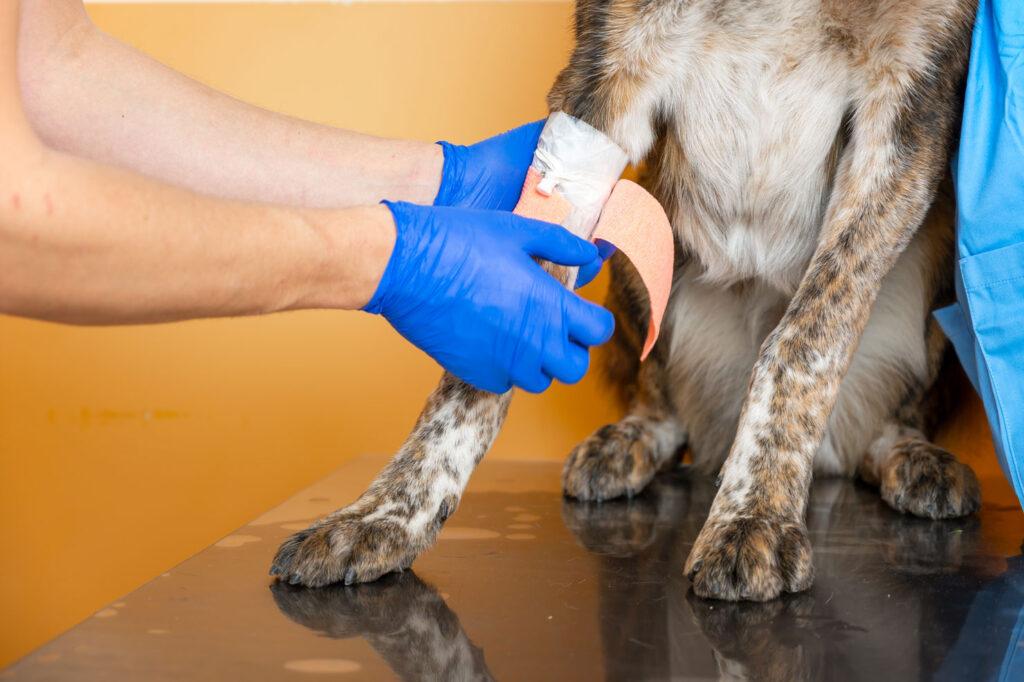
Preventing activity-related injuries involves being mindful of your dog’s limitations, ensuring they are adequately conditioned for the activity, and providing proper warm-up and cool-down periods. Regular veterinary check-ups can help detect and address any underlying health issues that might predispose a dog to injuries during physical activities. If an injury occurs, prompt veterinary attention is essential to ensure proper diagnosis and treatment.
For more information about related injuries or if you would like information about our brace contact us via our contact form or visit our Facebook page.
Articles from the Posh Dog Knee Brace team — a group effort with our licensed veterinary technicians and brace specialists, sharing 15+ years of experience helping dogs recover from CCL/ACL injuries and mobility challenges.
Hello! This is Nikki, Lead Veterinary Technician with Posh Dog Knee Braces. Today let’s go over how to break-in a new Posh Custom Dog Brace. First, we want to take things nice and slow. You wouldn’t take a brand new pair of boots to Disneyland resort for 10 miles of walking each day I hope. Neither should we put a custom brace on a dog for 8-12 hours without first working into that time. Just like in people, a dog’s skin needs some time to get adjusted to wearing something.
Over the next few weeks, as we gradually increase the times we have them in the brace, the skin will start to thicken and get stronger. Just like our feet do with a new pair of shoes. After a few short weeks, they should be able to tolerate wearing the brace longer and longer.
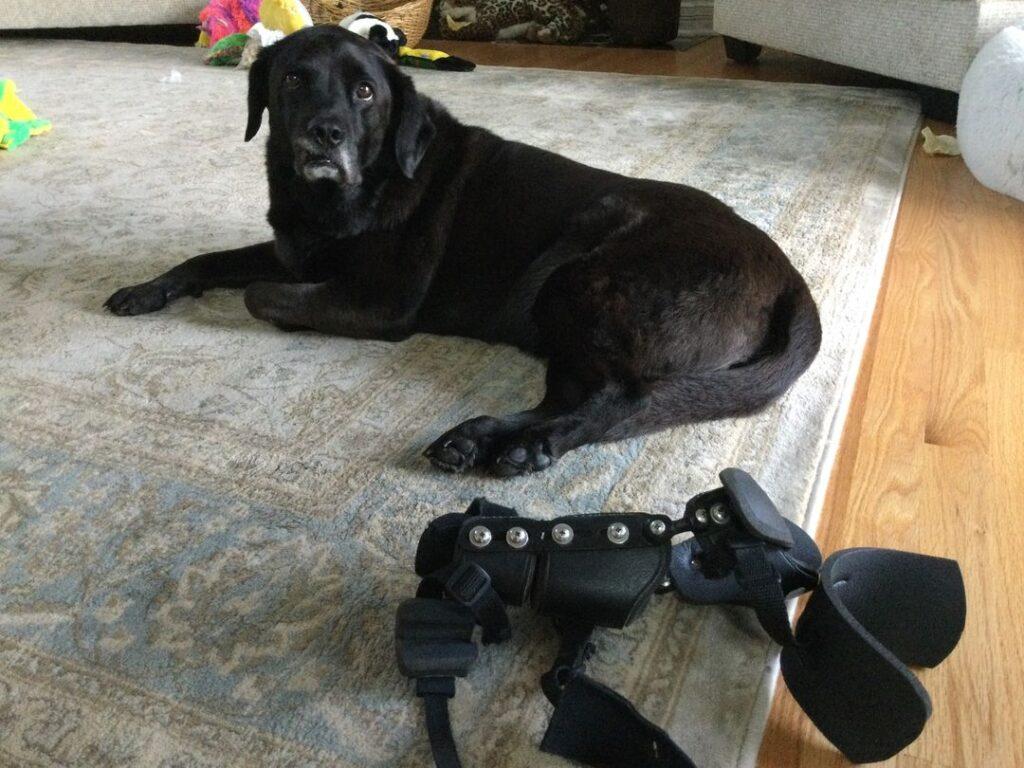
In the first 1-2 weeks, we suggest only using the brace during short leashed walks. This is to get your dog used to walking in the brace, to prevent soreness, and to get their skin used to having something touching. It can take a patient sometimes up to 3-4 weeks for the soreness in the muscle to get better, just like if we did physical therapy.
You wouldn’t want to run a 10K marathon with no practice or training, right? Even if your dog was walking 4+ miles each day before the injury, we now have atrophy and muscle loss (yes even if its only been a few weeks). Starting out with nice slow walks, and building up the times slowly, will really help prevent soreness and rubbing issues.
We typically don’t see rubbing sores with Posh, because we are so clear on our direction to our clients. Wearing the brace gradually more and more each week, really helps them adapt to having something touching their sensitive areas. The upper groin and ankle area seem to be the most common areas we see any irritation, and usually if the brace was worn for too long too fast. Doing 10-15 minutes twice daily for 2 weeks, then adding 15 minutes weekly to their walk schedule will really help.
We have this break-in schedule completely broken down for our clients in the handouts we send after the brace has been fit properly with a technician. A custom brace should never be worn right off without some sort of consultation, to ensure proper fit and make sure your dog is using the brace properly. Any company that does not do this is a red flag in my book.
Let me know if you have any questions about our break-in schedule! Please contact us via our contact page or visit our Facebook Page.
Nikki, Posh Lead Veterinary Technician
Articles from the Posh Dog Knee Brace team — a group effort with our licensed veterinary technicians and brace specialists, sharing 15+ years of experience helping dogs recover from CCL/ACL injuries and mobility challenges.
Holistic treatment for your dog’s injuries involves considering the overall well-being of the animal, addressing physical, emotional, and environmental factors. Always consult with a holistic veterinarian before implementing holistic approaches to ensure they are safe and suitable for your dog’s specific condition. Here are some holistic strategies for treating your dog’s injuries:
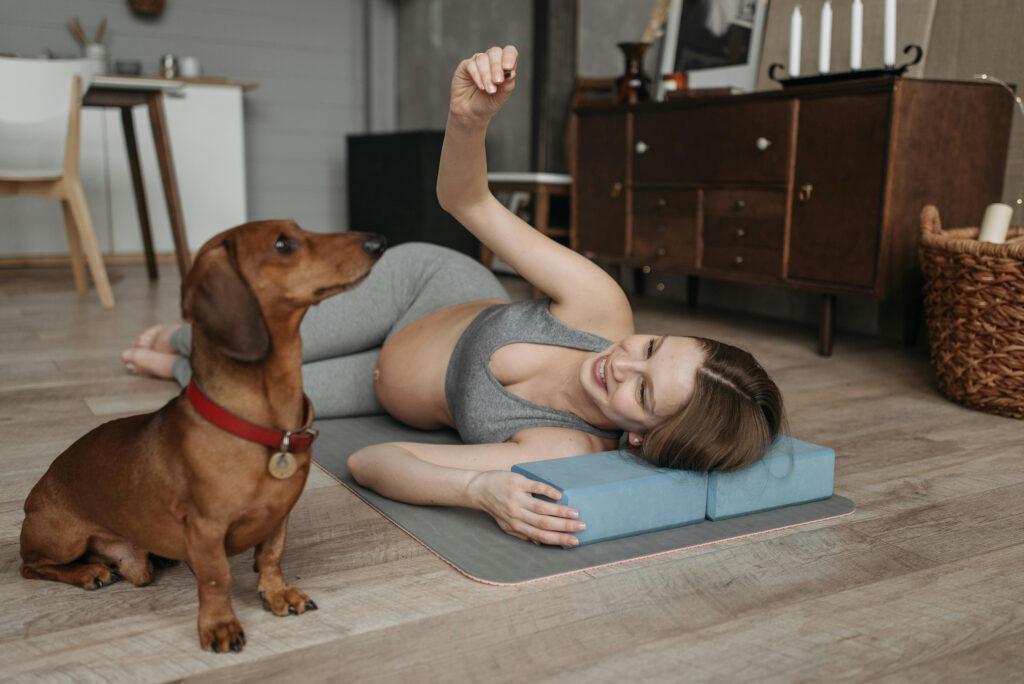
Remember that holistic approaches should complement, not replace, conventional veterinary care. It’s important to work closely with a veterinarian who has experience in holistic or integrative medicine to create a comprehensive and safe treatment plan tailored to your dog’s specific needs.
If you are interested in one of our Posh Dog Braces you contact us via our contact page or visit our Facebook Page for more information.
Articles from the Posh Dog Knee Brace team — a group effort with our licensed veterinary technicians and brace specialists, sharing 15+ years of experience helping dogs recover from CCL/ACL injuries and mobility challenges.
Reiki is a form of alternative therapy that originated in Japan and is based on the concept of channeling healing energy through the practitioner’s hands. While scientific evidence supporting the effectiveness of Reiki is limited, some dog owners and practitioners believe that it can provide various benefits for dogs. It’s essential to note that Reiki should not replace conventional veterinary care but can be used as a complementary approach.
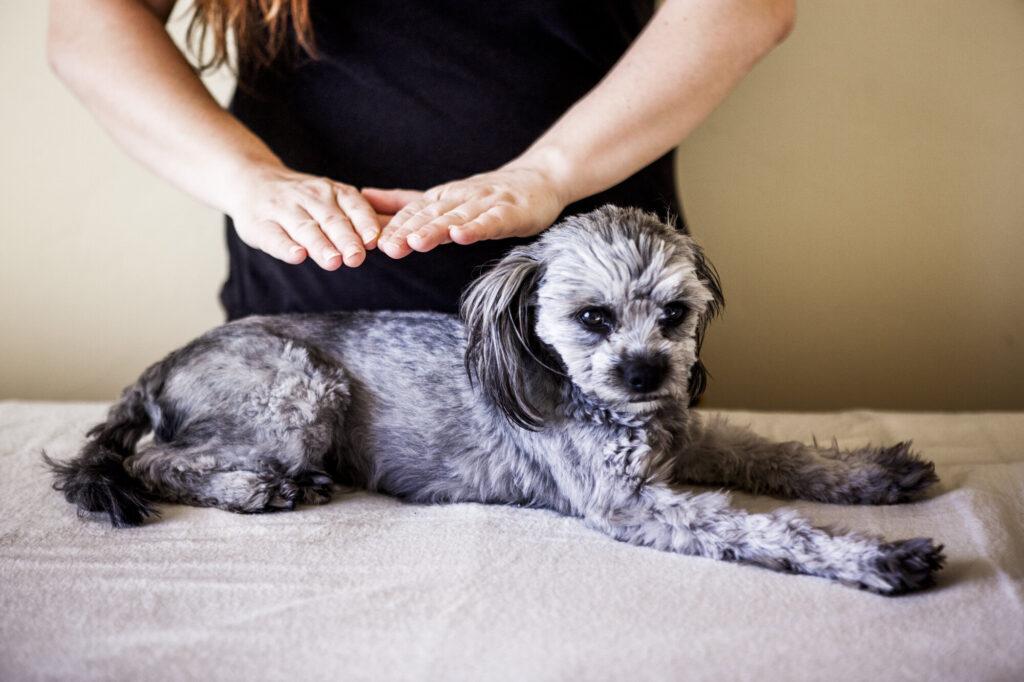
While some dog owners report positive experiences with Reiki, it’s important to approach it with an open mind and consult with a veterinarian before incorporating it into your dog’s care plan. Always prioritize conventional veterinary care for diagnosing and treating medical conditions.
For more information on how to help your dog recover with their injuries or if you are interested in a Posh Dog Knee Brace you can contact us via our contact page or visit us on Facebook.
Articles from the Posh Dog Knee Brace team — a group effort with our licensed veterinary technicians and brace specialists, sharing 15+ years of experience helping dogs recover from CCL/ACL injuries and mobility challenges.
Making your own top-quality dog treats at home is a great way to ensure that your furry friend is getting safe and wholesome treats tailored to their dietary needs and preferences. Here’s a simple recipe to get you started:
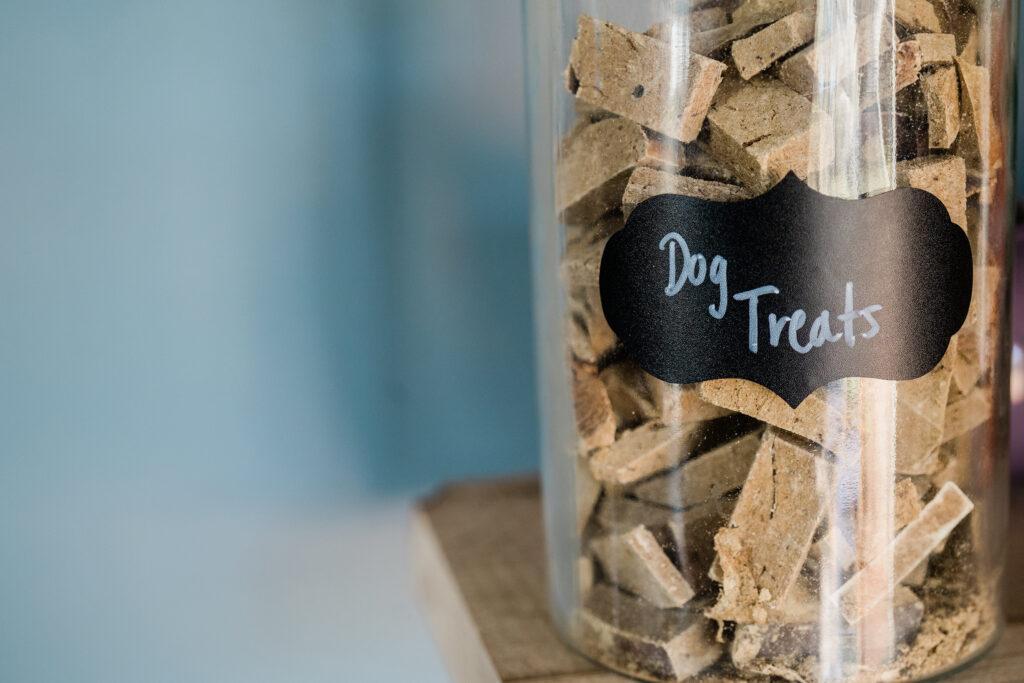
Remember to adjust the recipe according to your dog’s dietary needs and any potential food allergies they may have. Before introducing any new dog treats into your dog’s diet, it’s a good idea to consult with your veterinarian, especially if your dog has specific dietary restrictions or health conditions. Homemade treats can be a delightful and nutritious addition to your dog’s diet, and they’ll surely appreciate the love and effort you put into making them!
If you are interested in one of our dog braces please contact us via our contact form or visit our Facebook Page.
Articles from the Posh Dog Knee Brace team — a group effort with our licensed veterinary technicians and brace specialists, sharing 15+ years of experience helping dogs recover from CCL/ACL injuries and mobility challenges.
Managing your dog’s osteoarthritis through complementary therapies can help improve their quality of life and provide additional support alongside traditional veterinary treatments. Always consult with your veterinarian before implementing any complementary therapies to ensure they are appropriate for your dog’s specific condition. Here are some complementary therapies that can be beneficial for dogs with osteoarthritis:
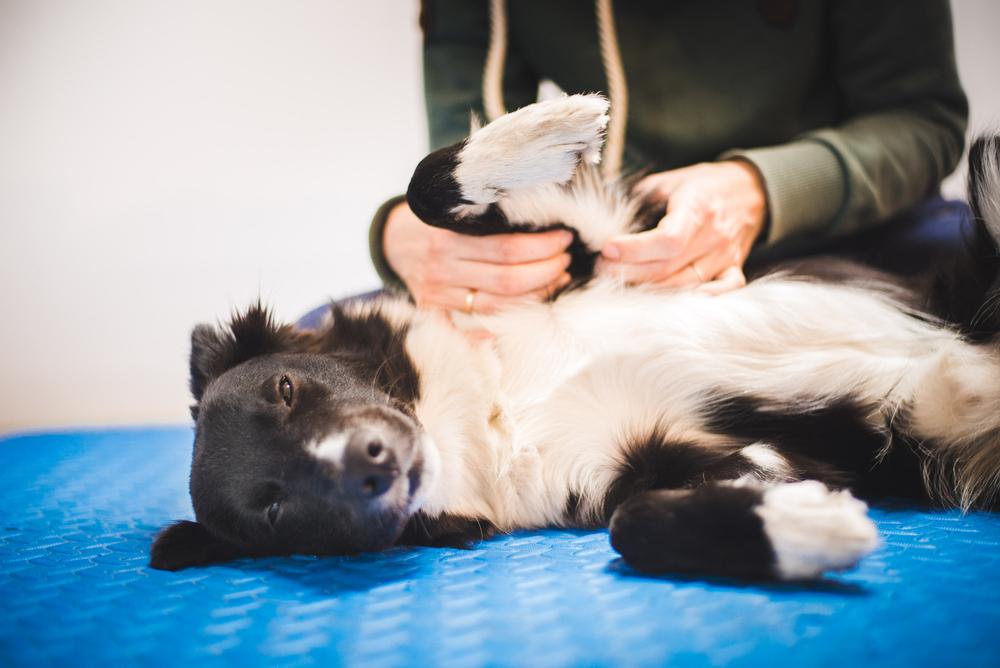
Remember that complementary therapies should complement traditional veterinary care, not replace it. Always discuss any new treatments with your veterinarian, as they can provide guidance and ensure that the chosen therapies are safe and appropriate for your dog’s specific needs. A multimodal approach that combines traditional veterinary treatments with complementary therapies can have a positive impact on managing your dog’s osteoarthritis and enhancing their well-being.
If you would like more information on our Posh Dog Knee Brace you can contact us via our contact form or visit our Facebook Page.
Articles from the Posh Dog Knee Brace team — a group effort with our licensed veterinary technicians and brace specialists, sharing 15+ years of experience helping dogs recover from CCL/ACL injuries and mobility challenges.