Raw honey, a natural sweetener produced by bees, has been used for centuries to treat a variety of human ailments. But did you know that it can also benefit your furry friends? With its antibacterial, antifungal, and antioxidant properties, raw honey can be a natural and effective remedy for common pet problems.

Before using raw honey on your pet, it’s important to consult with your veterinarian. They can help determine the appropriate dosage and usage method for your specific pet’s needs.
Here are some ways to incorporate raw honey into your pet’s routine:
By incorporating raw honey into your pet’s wellness routine, you can help them live a healthier and happier life. Remember to consult with your veterinarian before making any significant changes to your pet’s diet or healthcare regimen.
If you are interested in purchasing a Posh Dog Knee Brace or would like more information you can contact us via our contact page or visit our Facebook Page.
Articles from the Posh Dog Knee Brace team — a group effort with our licensed veterinary technicians and brace specialists, sharing 15+ years of experience helping dogs recover from CCL/ACL injuries and mobility challenges.
Holistic approaches to managing pet arthritis offer a comprehensive and natural approach to relieving pain and improving mobility. These methods complement traditional veterinary care and can provide significant benefits for pets suffering from this common condition.

It is important to remember that while holistic approaches can be beneficial, they should be used in conjunction with traditional veterinary care. Always consult your veterinarian before starting any new treatment or making significant changes to your pet’s care plan.
For more information about our brace or tips on how to help your dog you can contact us via our contact page or visit our Facebook page.
Articles from the Posh Dog Knee Brace team — a group effort with our licensed veterinary technicians and brace specialists, sharing 15+ years of experience helping dogs recover from CCL/ACL injuries and mobility challenges.
Hey guys, this is Nikki the lead Vet tech with Posh Dog Knee Braces. Today let’s talk about PROM and stretching, especially after an injury like CCL tears. So to explain better, let’s first dive into what happens when we injure a ligament. Those fibers are gone forever once torn. There is no surgery to re-attach them; they will be absorbed by our body. Then, our bodies do something quite amazing. They replace those collagen fibers of our ligament tissue with new collagen fibrous tissue, called scar tissue. So scar tissue can be a good thing, or it can be a bad thing.

Ever had a car accident or injury? Did the Dr. say to just rest for 6 months and never move that joint? I sure hope the answer was a big NO!! Letting scar tissue form, but not doing any stretches or PROM after an injury while scar tissue forms, will result in a joint recovering, sure, however, there will be no range of motion after. The joint will be stiff, the scar tissue hard and unforgiving.
I see these patients come in, months after the CCL injury, and their dog is stiff and sore still after the allotted recovery time. This is from lack of stretching those joints most likely. Scar tissue is strong stuff. Sometimes it takes surgery to remove scar tissue once it forms incorrectly, and we start over. The second time around, hopefully you would be doing the recommended stretches and PT.
When we do stretch and PROM after an injury, it not only tells our joints to produce lubrication to keep things healthy, it also makes those scar tissue fibers more elastic, and healthy. These patients have a much more comfortable long term success rate than those that do not do any PROM. They will have full function of their knee and joints, and much less discomfort long term.
Takeaway? Please follow our PROM and stretching recommendations when using the Posh Dog Knee Brace, or even the elbow and carpal braces. Find a physical therapist if you are unfamiliar with PROM, or uncomfortable doing it yourself. It is definitely in your pups best interests.
Again please let me know if you have any questions! You can contact us via our contact form or follow us on Facebook.
Articles from the Posh Dog Knee Brace team — a group effort with our licensed veterinary technicians and brace specialists, sharing 15+ years of experience helping dogs recover from CCL/ACL injuries and mobility challenges.
Today let’s talk about stress for our dog friends, and how to help your dog unstress. Sometimes dog’s will not outright tell us when something bothers them, instead they will give you clues or behaviors that may not be what we like. Sometimes dogs can come with some emotional baggage, both shelter pups as well as backyard breeder pups. Things like leaving them alone at home, going on vacations, changes to their routine, bringing home a cute new kitten or puppy (or human baby), even changing food can cause your dog stress.

There are much more options to consider to unstres your dog, but treating stress early on is the best thing you can do. Some bad behaviors or anxiety can turn into real issues that eventually need medical intervention, however, most of the time all it takes is a little love from you to pull them through. For more information you can contact us via our Facebook page or leave a message on our contact page.
Articles from the Posh Dog Knee Brace team — a group effort with our licensed veterinary technicians and brace specialists, sharing 15+ years of experience helping dogs recover from CCL/ACL injuries and mobility challenges.
Hey guys, this is Nikki the lead Vet tech with Posh Dog Knee Braces. Today let’s talk about signs that your dog has a wrist injury, sprain, or carpal hyperextension. First off, a sprain can sometimes be much more painful initially than other injuries. There can be swelling or redness, bruising, swollen paws, lameness, sensitive to the touch, general discomfort, and of course getting more cranky with mom and dad.
If you dog has begun showing signs of guarding a leg, or more irritable with people they normally love to be around, it may be time to have things checked out. Sometimes a splint or a brace is needed to help with pain and stopping movement of a joint to allow healing.

Sometimes damage to a joint can be mild, like a stretch or strain, but they can also be completely torn. This can happen with carpal hyperextension. Our ligaments are made of lots of little collagen fibers. Some breeds are predisposed to these fibers becoming brittle, like with degenerative joint disease, and breaking easy. Over time the more fibers that break, the more hyperextended we see the wrist become. Normally a dog should stand with a straight and upright front legs, ending at the paw.
Hyperextension makes it look like they are flatfooted, similar to a duck. Luckily we do have a brace to fix this issue, and help these patients get back into normal activities! Ask about our Posh Carpal braces.
Injuries can also cause wrist issues, such as allowing your dog to jump from high places. One of the most common is decking and vehicles. Jumping out of the back of a high pickup truck seems harmless, however, one wrong move and that wrist is toast. Think about if you jumped off a 6ft fence and landed over and over on your front legs. Eventually something will give or get injured.
We can also see fractures from this, or dislocations. Remember, our furry friends are just as able to be injured as we are, and it is our job to help protect them from themselves sometimes. Grabbing their harness to help them down the steps, car, deck, ect can save you thousands on injuries.
Again please let me know if you have any questions! Contact us via our contact page or visit our Facebook Page.
Articles from the Posh Dog Knee Brace team — a group effort with our licensed veterinary technicians and brace specialists, sharing 15+ years of experience helping dogs recover from CCL/ACL injuries and mobility challenges.
Hey guys! This is Nikki, Lead Veterinary Technician with Posh Dog Knee Braces. Today let’s go over six fun activities you can still do with your braced pup.

First activity, walks, walks and more walks! We include a full rehab and walk schedule for you, so you don’t have to guess how long is too long. When starting out, nice and slow up to 10 minutes twice daily is perfect, if your dog is feeling up to it. Then, you can slowly increase the amount you are walking each week.
Second activity, swimming! Just like Dory says “Just keep swimming, swimming, swimming.” Swimming takes all the pressure off those limbs and joints, so that your pup is using all of the muscle, without all the pressure on those legs. There is no overcompensating on joints with swimming, so enjoy some fun times with your furry friend at the beach, or a pool!
Third activity is hydrotherapy. Similar to swimming, hydrotherapy is done with a controlled setting, usually at a rehab facility. Exercising with an underwater treadmill is one of the most common forms of hydrotherapy. Make sure to find a facility that will accommodate this activity. This is one of the best options, as it is controlled, and helps strengthen those atrophied muscles.
Fourth activity is finding something that will help strengthen the core. This helps support our hips and spine, and keeps things happy and in alignment. This is why with the posh program, we include tips on doing dog ups and downs, sit ups, even doggy yoga specific for dogs!
Games that are less of an impact, such as nose work, obedience training, or something fun mentally like a puzzle treat game. Play hide and seek with your dog, have them try to find you. Have them try to sniff out their favorite toy or treat. Give them fun things to do.
Lastly is physical therapy. This can be done with a physical therapist, which is the best option, or at home. While a physical therapist can tailor a routine for your dog, you can find similar exercises to do online as well, such as passive range of motion, ladder work, curb work, sit to stands, ect. We do provide a lot of these with our PT handouts, as suggestions to our clients for use.
Thanks, and feel free to reach out with any questions via email Poshintake1@gmail.com or through our website and you can visit us on Facebook.
Articles from the Posh Dog Knee Brace team — a group effort with our licensed veterinary technicians and brace specialists, sharing 15+ years of experience helping dogs recover from CCL/ACL injuries and mobility challenges.
Think about the issue from your dog’s point of view if they won’t go for a walk with you while on a leash.

If your dog refuses to walk on a leash, consider things from their perspective. Why doesn’t he find walks enjoyable?
First, rule out any physical issues. Do his nails grow too long? He can have painful muscles, inflamed skin between his toes, or arthritis that makes it difficult for him to walk. To be sure, take your pet for a veterinary examination. Ask your veterinarian about the possibility of pain medication if your dog is an elderly dog with arthritis.
Examine how well his harness fits him; if not, try a different one or just use his flat collar.
Make sure the area you’re strolling on is pleasant for him; avoid hot concrete, rough grass, and steep inclines. Are his paws too cold if it’s cold outside? Some dogs try to elevate all four feet off the ground by practically sitting on their hindquarters. Some people stutter.
To make your dog more excited about going for walks, keep in mind:
Let’s now increase his enthusiasm for walks and the leash.
Say “Leash!” as you pick up the leash and place it on him. Present him with a treat right away. Next, use a fresh cue (one that you haven’t used previously) and invite him to accompany you on a walk around your home or yard. Saying “Walk,” “OK,” or “Let’s go!” is OK. It is irrelevant. It matters that you say it in a lighthearted, joyful manner and give him a reward as soon as he follows your lead. Give him rewards all the time. Limit the duration of sessions to three to five minutes. You might have noticed by now that he keeps staring up at you as he walks along.
Take him for a quick walk somewhere fresh when you think he’s ready. Along the way, spoil him with lots of sweets. Use a very high rate of reinforcement (treats and praise) as you approach and pass the hurdle if you believe that something up ahead might annoy him. When he comes to you with a worry, eventually he will look at you like you’re a pleasure.
Walks should be gradually extended, but if your dog starts to show signs of reluctance after you’ve taken care of his equipment and health concerns, cut down on the distance and honor his boundaries! Not every dog has to walk long distances to be happy or healthy.
If you are interested in one of our Posh Dog Knee Brace you can contact us via our contact page or check us out on Facebook.
Articles from the Posh Dog Knee Brace team — a group effort with our licensed veterinary technicians and brace specialists, sharing 15+ years of experience helping dogs recover from CCL/ACL injuries and mobility challenges.
People sometimes assume that a dog isn’t in pain if it isn’t screaming out or whining. However, a limp is a clear indication of pain and a warning that your dog is unwilling to bear weight on the injured leg.
Dogs are typically energetic, active members of the family, which makes them prone to accidents. These can include systemic infections, fractured bones, and strained muscles.
If your dog is limping, it’s time to take him to the vet. Depending on how serious the issue is, they might want you to keep an eye on your dog at home for 24 to 48 hours while you rest him. If your limp doesn’t get better or gets worse, they’ll probably want you to make an appointment.
It is crucial to keep in mind that in this situation, over-the-counter pain relievers should not be used. Dogs can safely take aspirin and acetaminophen (Tylenol), but overdosing can cause bleeding issues and liver failure. Do not take these drugs without first talking to your veterinarian.

To find out why your dog limps, the veterinarian must perform a complete physical examination. An examination from head to toe should involve taking your dog’s vital signs, feeling its lymph nodes, listening to its heart and lungs, manipulating the achy limb, and watching it while it walks. In order to identify potential reasons, it is critical to identify which limb and which part of the limb is afflicted.
Dog limping has a very wide range of causes. Infectious ailments like Ehrlichia and Lyme disease, inflammatory disorders like panosteitis, vascular disorders like blood clots, and orthopedic issues like fractures are some of the broad categories that encompass soft tissue strains or rips (ligaments, tendons, and muscles). These can be further separated into front and back limbs. A torn cranial cruciate ligament is one particular issue that can only occur in the back limb, however the majority of lameness issues are comparable in the front and back legs.
With a history and your dog’s age and breed, you can frequently determine the triggering cause (this is called the signalment). For example, panosteitis, a typical inflammatory illness of the breed, would be a strong suspect in a German shepherd puppy with acute onset of shifting leg lameness. If an elderly dog suddenly became lame in one leg and could not bear any weight, this could be a sign of a bone malignancy such as osteosarcoma and a fractured bone. Rocky Mountain spotted fever, a common tick-borne infection, could be the cause of a young limping Coonhound with a history of tick exposure, fever, and abnormalities on bloodwork.
Your veterinarian may offer a variety of tests, such as bloodwork, tick disease testing, and/or x-rays, depending on what they discover. The optimal course of treatment will also be decided by them.
Additionally, your veterinarian will advise resting your dog. There won’t be much exercise involved—leash walks will only be taken to use the restroom. Icing or using heat can be helpful in certain situations. The cause determines the appropriate course of action.
Consult your veterinarian right away if your dog starts to limp, give them some rest so they can heal, and refrain from giving them over-the-counter medication without first talking to them. There are many different reasons why dogs limp, and your veterinarian should be able to assist your dog based on a comprehensive medical history and physical examination.
If you are interested in more information or would like to know more about our Posh Dog Knee Brace you can contact us via our contact form or visit us on Facebook.
Articles from the Posh Dog Knee Brace team — a group effort with our licensed veterinary technicians and brace specialists, sharing 15+ years of experience helping dogs recover from CCL/ACL injuries and mobility challenges.
For your dog, which is preferable—a dog collar or a harness? Most of it is dog-specific! The degree to which the equipment fits your dog will depend on a number of factors, including its design, fit, introduction, and usage.
There are a ton of dog collar and harness options available, along with a ton of contradicting information when contrasting dog collars and harnesses! Which is better for your adult dog or your puppy? How can you tell? Although the response is “it depends,” the following tips will assist you in selecting the ideal equipment for your dog.

Choosing which dog collars or harnesses to discard is the easiest part of the process. Any device intended to inflict pain or suffering on your dog is not eligible for consideration. This includes prong and choke collars, shock collars (marketed euphemistically as “e-collars”), and harnesses that tighten around your dog’s barrel, called “no-pulls.” Never listen to someone who claims these aren’t unpleasant. They are, and that’s how they use pain to manipulate the dog.
We would much rather teach dogs how to behave properly when walking than simply punish them for pulling or other undesirable behavior.
Next, even if the equipment isn’t made or meant to be unpleasant, we advise against giving it to your dog. It will be challenging to get your dog to willingly learn and comply with you if you employ equipment that they obviously detests.
When presented with some things, like head halters, most dogs find them repulsive at first. Many dog owners find the process of counter-conditioning and desensitization to be particularly difficult when trying to teach their dogs to accept head halters, as most dogs need a very slow, gentle introduction and significant conditioning before they will accept these devices. It’s best to put the head halter away if your dog exhibits signs of disliking it.
Although vibrating dog collars are sometimes advertised as aversive, they can be utilized positively if you help your dog associate the vibration with good things from the beginning. Vibration dog collars are frequently used by owners of deaf dogs to signal or cue their pets for certain actions, though the dog does not need to be deaf to use the collar for this purpose. However, once more, it’s not a good idea if your dog indicates to you that she finds the vibration unpleasant even after you’ve tried to desensitize and counter condition her.
Regular harnesses, which are typically regarded as non-aversive, make most dogs happy. On the other hand, you may mark it off your list if your dog flees from you when you pick up her harness because it means she detests it!
Every dog collar and leash has the potential to be unpleasant if used incorrectly, therefore even our recommended training aids must be used correctly—please don’t yank, jerk, or hang! Generally speaking, our top picks for dog walking equipment are:
Our initial tools of choice are usually flat collars, martingale collars fitted correctly, and front-and/or back-clip harnesses.
Back-clip harnesses and flat collars are ideal for non-pulling dogs.
Martingale dog collars can be extremely helpful if your dog has mastered the ability of pulling out of her collar. Martingale collars, sometimes known as “Greyhound collars,” are perfect for dogs with extremely narrow skulls and thick necks when the head is smaller than the neck. Just enough is tightened with leash tension on these “limited slip” collars to keep them from slipping over the dog’s head.
We prefer the more recent style of front-clip harnesses for pulling dogs. There are no shoulder straps on these goods to restrict the dog’s range of motion. We believe that vibration collars and head halters are appropriate for dogs who are accustomed to them.
For dogs who play or wrestle with a lot of mouth-to-neck biting, we suggest breakaway collars. In order to avoid potentially fatal choking incidents, take off your dogs’ collars before they play or when you leave them together unattended.
Puppies need to have the greatest consideration when selecting a collar. Aversive tools are obviously out of the question, but even a flat collar can cause serious harm to a puppy’s delicate trachea if it pulls. Use additional caution when handling your puppy to ensure that you aren’t applying pressure to its sensitive throat; wearing a harness is usually a preferable option.
Regarding the collar/harness conundrum, there is no simple solution. Examine your alternatives, seek assistance (if necessary) in selecting the right product, observe your dog’s reaction to your selection, and make adjustments as necessary. And don’t forget to train your dog so that regardless of the equipment you select, pulling becomes less of a problem.
If you have any questions or would like more information about our Posh Dog Knee Brace contact via our contact page or visit our Facebook page.
Articles from the Posh Dog Knee Brace team — a group effort with our licensed veterinary technicians and brace specialists, sharing 15+ years of experience helping dogs recover from CCL/ACL injuries and mobility challenges.
Dogs stay in shape and healthy with regular exercise, a healthy diet, and the occasional massage.

Keeping your dog healthy is key. If you would like any information about our Posh Dog Knee Brace you can contact via our contact page or visit our Facebook page.
Articles from the Posh Dog Knee Brace team — a group effort with our licensed veterinary technicians and brace specialists, sharing 15+ years of experience helping dogs recover from CCL/ACL injuries and mobility challenges.
Why aren’t more people teaching their pets to walk nicely on a leash? I rarely see dogs with good leash etiquette, even though it seems like this very basic conduct would be the first focus of everyone who takes their dogs anyplace. I promise that a dog that doesn’t pull is the exception, not the rule, even though that may be overstating things.

I believe that part of the issue is that people just sort of expect their dogs to know to stay close to them when they go for walks together. However, if you’ve ever taken your dog on an off-leash stroll, you are aware that most dogs walk very differently from most people. We usually proceed with a purpose, knowing where we are heading and moving at a steady speed.
On the other hand, if given the freedom to roam around, the majority of dogs will run ahead, pause to sniff, fall behind, sprint to catch up, and repeat this cycle for all but the longest hikes. During extended walks, they may begin to accompany us simply out of exhaustion; but, the sight of an unfamiliar bird, bunny, or friend ahead on the path will prompt them to begin a new race ahead, fall behind, or run to catch up sequence.
Additionally, we typically walk quicker than many dogs do, but not as quickly as they trot. It’s terrible that they have to continuously change their gait—walk, trot, walk, trot—to match our boring plod! However, it’s not quite as annoying as the fact that we rarely take the time to smell.
In actuality, most people become just as frustrated with their dogs’ leash etiquette as their dogs do with people’s ignorance of their needs and desires. When dogs are frustrated and have no fun activities to do while out for a walk, they tend to get disinterested in their humans’ attempts to lead or control them. This might result in the purchase and usage of painful dog training equipment like prong, pinch, or choke collars.
Sadly, the majority of dogs I see wearing these collars are still pulling and ignoring their owners, therefore I refer to them as management tools rather than training tools because no one seems to use them in a way that would teach the dog to cease pulling! Simply put, compared to a flat collar, the owners have a little more clout.
Don’t wait any longer if you and your dog are having trouble walking together. Invest in a few one-on-one or group dog training sessions with a non-coercive trainer who can teach you how to make your dog’s stroll with you worthwhile. You’ll be happy you did, as will your dog.
If you are interested in a Posh Dog Knee Brace contact us via our contact form or Facebook Page.
Articles from the Posh Dog Knee Brace team — a group effort with our licensed veterinary technicians and brace specialists, sharing 15+ years of experience helping dogs recover from CCL/ACL injuries and mobility challenges.
Dogs with heat pad therapy can have less pain, less stiffness, and more relaxed muscles.
Can your dog’s arthritic pain be relieved by heat therapy? Indeed. In addition to providing your dog with certain benefits, an orthopedic dog heating pad can also be comforting on a chilly day.
Your dog with arthritis may find that heat helps both relieve and heal chronic pain over time. Not only can heat relieve your dog’s sore joints, but it also promotes blood circulation. Warmth frequently relieves muscle spasms and causes stiff joints to relax. Using heat on your dog can help him benefit as much as possible from stretching exercises or rehabilitation.
Heat treatment lowers muscular spasm, improves local tissue oxygenation and metabolism, and raises the pain threshold and extensibility of connective tissue.

Cold therapy works best to reduce inflammation after an acute injury. Consider using cold compresses for the first 24 hours if your senior Labrador aggravates a previous stifle injury, for instance. After surgery, cold therapy is the most beneficial alternative for up to 72 hours.
When using heat or leaving your dog on a heating pad, exercise caution. It’s possible to unintentionally warm the region and exacerbate the trauma. Pet-specific heating pads come with heat settings that are ideal for a dog’s requirements. It is possible to set a human heating pad too high, and overheating is particularly dangerous for elderly, injured, or young dogs.
Always make sure your dog is comfortable by checking on them often. Placing a covering, such as a towel, between your dog and the heating pad is usually the best option. Applying heat to your dog for longer than 30 minutes is generally not recommended, while your dog might benefit from as little as 10 minutes.
You may create a low-cost heating “pad” at home by heating a moist towel in the microwave. Keep in mind that your dog will find it too hot when you remove it if it is hot to the touch. You can apply the warm, damp cloth straight to a sore joint. The same goes for rice or maize kernels; keep them away from the dog, as well as hot water bottles. For your dog’s arthritis pain, warm therapy works great—but it’s important to use warm, not hot, therapy.
If you are interested in more information about our Posh Dog Knee Brace or treatment for your dogs leg injuries please contact us via our contact form or visit our Facebook Page.
Articles from the Posh Dog Knee Brace team — a group effort with our licensed veterinary technicians and brace specialists, sharing 15+ years of experience helping dogs recover from CCL/ACL injuries and mobility challenges.
There are too many variables to make a general recommendation. When creating the ideal walking plan for your dog, take them all into account.
There isn’t a reliable general guideline that specifies how far or how long you should walk your dog. The frequency of dog walks should be determined by several pertinent aspects that are unique to each person’s health and requirements. These factors include:
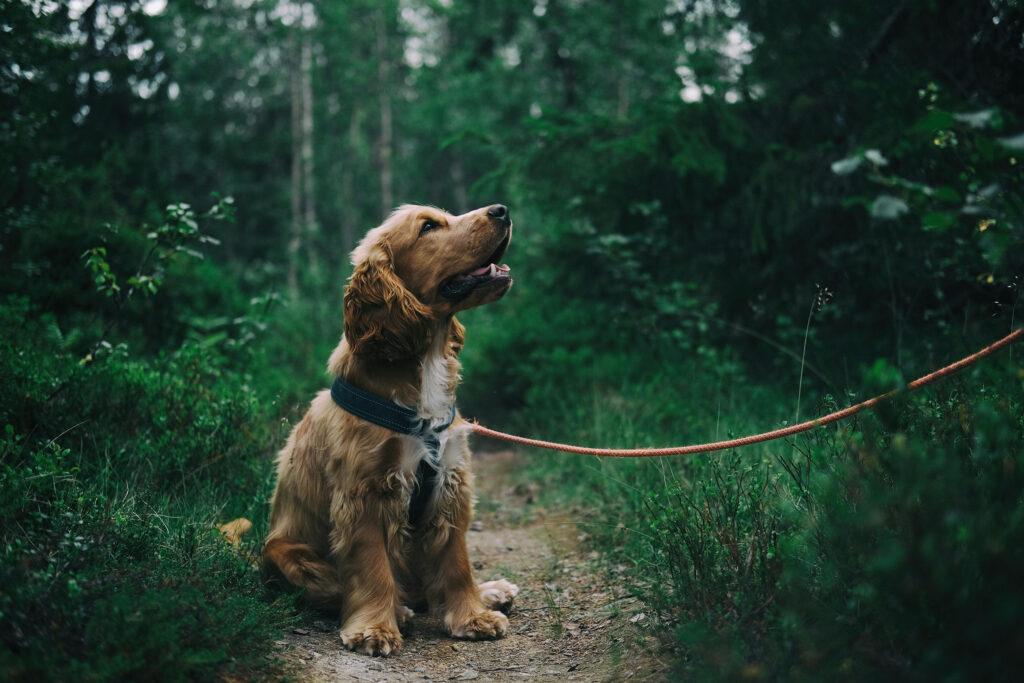
A few warnings: Longer and quicker walks may not be in your dog’s best interest if she is an exercise addict who is constantly pushing herself to go farther and faster. This could cause her to get overly excited about starting a half-marathon or footrace every time you put on her leash. Alternate her long walks with shorter ones to help her learn how to take a more balanced approach to walking while also encouraging her to sniff and look around.
On the other hand, you are probably overdoing it if your dog occasionally refuses to go on walks, lays down, or runs for home. She may be in some bodily discomfort that you are unable to identify, in which case you should speak with your veterinarian. There’s never a good reason to make your dog participate in something she doesn’t appreciate.
Beyond the ones we’ve already discussed, there might be other medical issues. When it comes to physical concerns about your dog getting too much or not enough exercise, your dog’s veterinarian is the best person to ask. Looking to purchase a Posh Dog Knee Brace or would like information on it contact us via our contact page or visit our Facebook page for more information.
Articles from the Posh Dog Knee Brace team — a group effort with our licensed veterinary technicians and brace specialists, sharing 15+ years of experience helping dogs recover from CCL/ACL injuries and mobility challenges.
While no dog enjoys having their nails clipped, all dogs may learn to tolerate the process.
Dog Nail cutting can become a stress-free part of your normal grooming regimen with a little effort. We begin by introducing you to the two main techniques for dog nail trimming and provide some troubleshooting advice. Although most dogs dislike having their nails clipped, all canines may be trained to tolerate the process with time and patience. It’s time to clip your dog’s nails if you can hear them clicking as he moves over a floor.
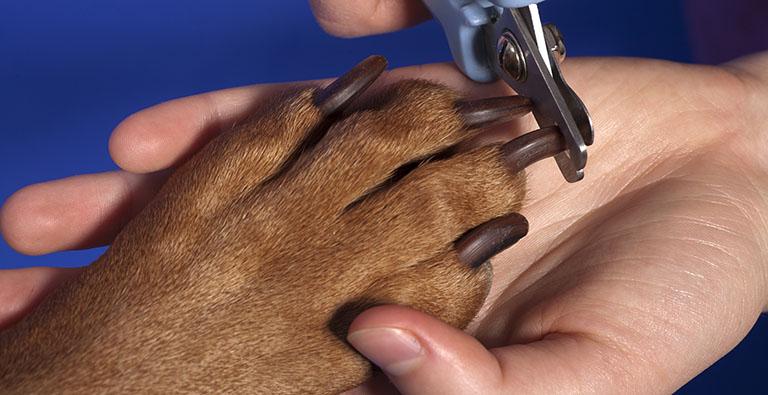
Dogs who enjoy having their nails clipped are rare. However, your dog can be progressively trained to accept having his nails clipped:
If you would like more information about our Posh Dog Knee Brace contact us via our contact form or visit our Facebook page.
Articles from the Posh Dog Knee Brace team — a group effort with our licensed veterinary technicians and brace specialists, sharing 15+ years of experience helping dogs recover from CCL/ACL injuries and mobility challenges.
Dogs undergoing physical therapy sessions can heal from wounds or surgeries more swiftly and with wider range of motion. Additionally, visiting a canine rehabilitation therapist doesn’t cost much.
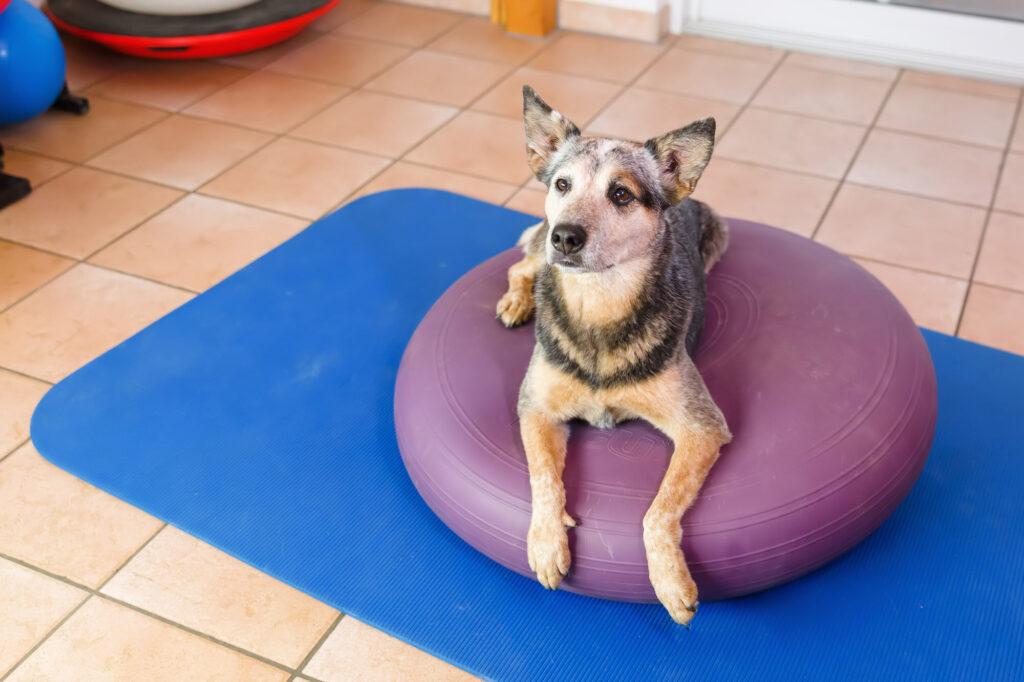
Although it’s incorrect to refer to professionals who help humans as “physical therapists,” canine rehabilitation therapists offer the same services to dogs. With the increasing availability of dog physical therapy, some veterinarians have pursued post-doctoral studies in acupuncture, chiropractic, pain management, and other rehabilitation modalities.
For instance, the American Association of Rehabilitation Veterinarians (AARV) provides information on the efficacy of this method for managing pain and function loss resulting from disease or injury to veterinarians, veterinary surgeons, and pet owners. In an effort to better serve the special needs of working and athletic animals, including those with chronic conditions like arthritis and neurologic impairments, the American College of Veterinary Sports Medicine and Rehabilitation was established more recently.
Dog physical treatment typically starts with a referral to a canine rehabilitation therapist if your veterinarians do not specialize in rehabilitation themselves. These experts complete credentialing programs that concentrate on canine anatomy and physiology, common medical conditions and injuries, assessment methods, pain recognition, and rehabilitation programs to obtain credentials like CCRP (Certified Canine Rehabilitation Practitioner) and CCAT (Certified Companion Animal Rehabilitation Therapist). Among the therapies they provide are:
It’s crucial to remember that the field of canine rehabilitation treatment is evolving quickly due to the availability of new technologies and methods as well as ongoing research, which makes continuing education and staying up to date for rehabilitation therapists essential.
Dog physical therapy can be used to treat both acute and chronic diseases, much like comparable human treatments. A canine rehabilitation therapist may be able to assist with techniques, specialized equipment, and at-home exercise routines if your dog is in pain, has lost strength or flexibility, has an uneven gait or loss of balance, is recuperating from an accident, injury, surgery, or illness, or has chronic symptoms that interfere with favorite activities.
Certain therapies call for tools that you may use at home, like ramps, platforms, balance pads, cushions, and discs. Clinic consultations are necessary for other equipment, like swimming pools, treadmills for dogs, and electronic/magnetic gadgets.
In order to ensure that their dogs have comprehensive physical assessments and that the therapist can contact the veterinarian with any necessary medical treatments or diagnoses, the majority of canine rehabilitation therapists choose to collaborate with veterinarians. Meanwhile, other dog owners have put together their own teams for physical therapy, working directly with holistic practitioners such as massage therapists, chiropractors, and canine acupuncturists. Go to AHVMA.org, the website of the American Holistic Veterinary Medical Association, and select “Find a Member” to locate veterinarians who specialize in nutrition and complementary therapies that improve healing and rehabilitation.
A physical examination, which includes noting the dog’s stride, movement, structure, flexibility, strength, muscle tension, sore spots, and mobility, is the first step in seeing a canine rehabilitation therapist. The therapist will have time to get to know the dog and owner, go over the owner’s improvement and treatment objectives, and talk about the dog’s medical history and behaviors during what may be an hour-long session.
It could be beneficial to record your dog walking or moving in various directions both inside and outside as canine rehabilitation specialists concentrate on mobility and movement. Include the dates, diagnoses, and treatments of any specific illnesses, injuries, or incidents that have impacted mobility in your documentation.
The primary objective of the first visit is to create a strategy using the technology, tools, and therapies that are suitable. This frequently includes the suggestion of certain workouts to improve the muscles weakened by disease or trauma. Usually, these are made specifically for the patient to incorporate into an at-home workout regimen. Dogs that are healing from surgeries or accidents, or whose hind legs are weakening, may find that at-home exercise is very beneficial.
A follow-up plan can contain notes to distribute around family members to ensure that everyone can take part in the rehabilitation process and encourage the dog’s progress. This way, everyone in the family can help your dog heal.
Your dog’s progress will be meticulously documented by your canine rehabilitation therapist, who will also keep track of the specific therapies your dog has received, evaluate the effectiveness of rehabilitation plans, create exercise schedules that you and your dog can follow at home, schedule check-ups to record the healing process, and assess your home for any potential effects on the dog’s functional status.
Costs for veterinarian visits vary based on the type of treatment required, the therapist’s training and experience, and the location. Individual treatment sessions can cost anywhere from $50 to $100 or more, and initial consultations usually run between $100 and $200. The number of sessions needed for treatment determines the overall cost. Costs can be cut by using do-it-yourself therapies and home fitness regimens.
As long as the dog is insured prior to being sick or wounded, several pet insurance companies will pay for holistic and alternative therapies, including canine rehabilitation. For this reason, insurance specialists advise getting coverage for young, healthy dogs well in advance of the onset of any pre-existing conditions that might prevent coverage.
You understand the value of rehabilitation therapy if you have ever worked with a physical therapist following a disabling injury or illness, a broken bone, or a torn ligament. When the time comes, as an informed pet owner, you can be prepared to provide the same hands-on care for your dog by locating a canine rehabilitation therapist.
For more information on your dog physical therapy and how our Posh Dog Knee Brace helps in your dogs recovery contact us via our contact form or visit our Facebook page.
Articles from the Posh Dog Knee Brace team — a group effort with our licensed veterinary technicians and brace specialists, sharing 15+ years of experience helping dogs recover from CCL/ACL injuries and mobility challenges.