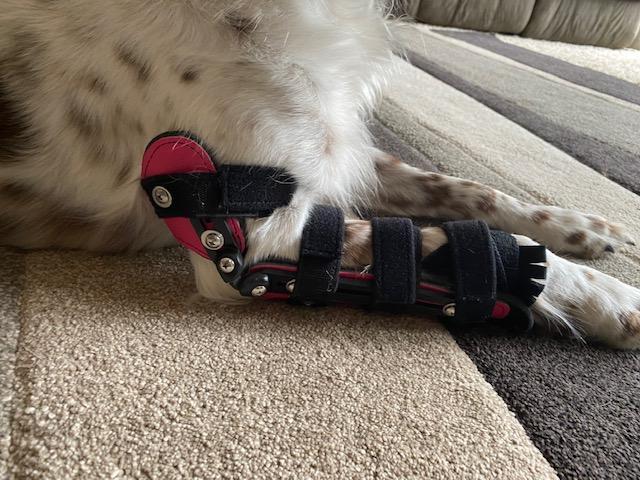
Hey guys, my name is Nikki, and I am the Lead Veterinary Technician with Posh Dog Knee Braces. Today let’s talk about Elbow Braces, and when your dog may need one. First of all, make sure you have a firm diagnosis from a Veterinarian that there is in fact an issue in the elbow. We suggest this prior to ordering any of our braces, just to be sure the issue is not something else. Neck pain can also show up as limping in the front leg, so make sure your veterinarian has gone over the entire body before diagnosing one of the following issues.
First issue, and the most common, is Osteochondrosis Dessecans, or OCD. You may hear OCD said a lot in reference to younger dogs that grew too fast. This can happen in the shoulder, knee, and hock/ankle, as well as the elbow. We see this In large breed puppies receiving too much energy/protein and calcium in the diet. Genetics, rapid growth, trauma and hormones may also be a factor. This can be treated with surgery to remove the cartilage, however, bracing can provide some pain relief and support in the meantime.
Second is elbow dysplasia. This is basically arthritis in the elbows, and can be painful. Bracing can alleviate some of the strain and pressure on the elbow, allowing the patient to use the sore leg again.
Another issue we see in the elbow is Degenerative Joint disease. This can also cause multiple joint issues, such as CCL tears and hip issues. Support of the joint with an elbow brace will definitely help in these cases.
Chronic Joint instability is another issue, where we need to stabilize the joint to prevent motion and pain. The more a joint moves abnormally, the more chance of early on set arthritis forming.
Elbow Luxation is another issue, although not as common. The brace in this case will help keep things in alignment, and alleviate some of the discomfort with this condition.
We have also had patients that had Tricepts Tendon Avulsion surgery, and braced them post op with lots of success. This is usually due to a trauma, but keeping the elbow stable and preventing movement can be key for healing.
Lastly, prevention of elbow hygromas. These are those swollen areas that can sometimes be filled with fluid on the back of a dog’s elbow. Usually due to laying on hard surfaces, like concrete, for long periods. Having protection on that elbow can really help.
Below is a recap of things the elbow brace can really help with, please let us know if you have any questions!
If you are interested or have questions about our Posh Dog Elbow Brace you can contact us via our contact form or visit our Facebook Page.
Articles from the Posh Dog Knee Brace team — a group effort with our licensed veterinary technicians and brace specialists, sharing 15+ years of experience helping dogs recover from CCL/ACL injuries and mobility challenges.
Carpal hyperextension and other wrist injuries in dogs can cause discomfort and affect their mobility. Identifying these issues early is crucial for prompt veterinary intervention. Here are some signs and symptoms, as well as potential causes of canine carpal hyperextension and other common wrist injuries:
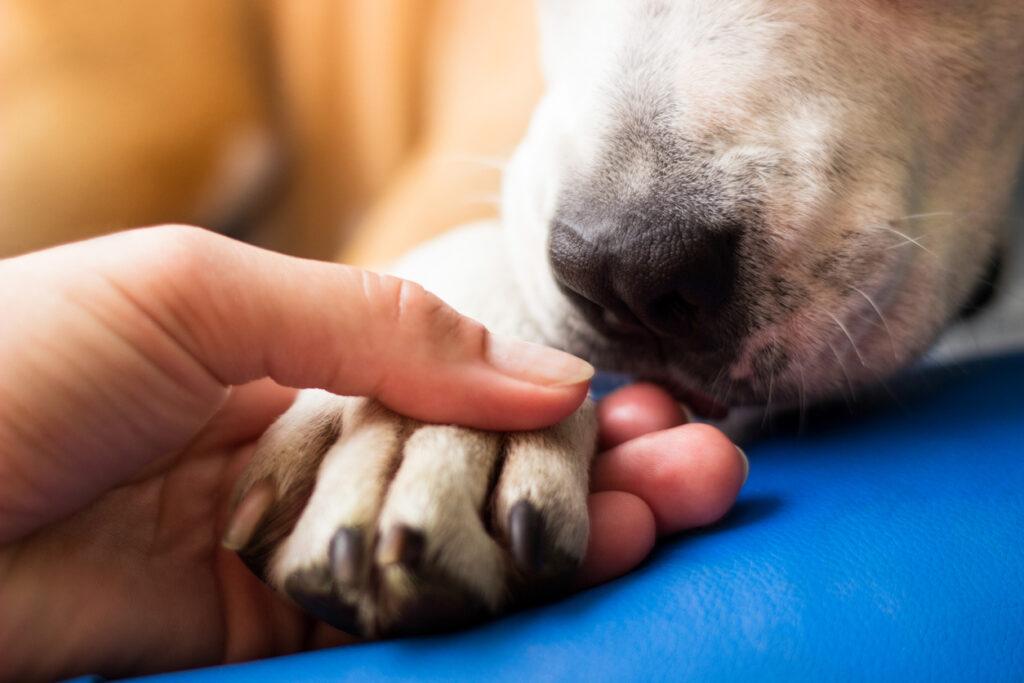
If you suspect a wrist injury in your dog, it’s crucial to seek veterinary attention promptly. The veterinarian will conduct a thorough examination, possibly including imaging, to diagnose the specific injury and recommend an appropriate treatment plan. Treatment may involve rest, medication, physical therapy, or in severe cases, surgical intervention. Early detection and intervention contribute to a better prognosis and faster recovery for your dog. If you are interested in a Posh Carpel/Wrist Brace or have questions you can contact us via our contact form or visit our Facebook Page.
Articles from the Posh Dog Knee Brace team — a group effort with our licensed veterinary technicians and brace specialists, sharing 15+ years of experience helping dogs recover from CCL/ACL injuries and mobility challenges.
Dog knee braces, also known as stifle braces, are orthopedic devices designed to provide support, stability. These braces are commonly used in the management of various knee-related issues, including ligament injuries, osteoarthritis, or after surgical procedures. The science behind dog knee braces involves biomechanics, support, and the promotion of healing. Here are some key aspects:
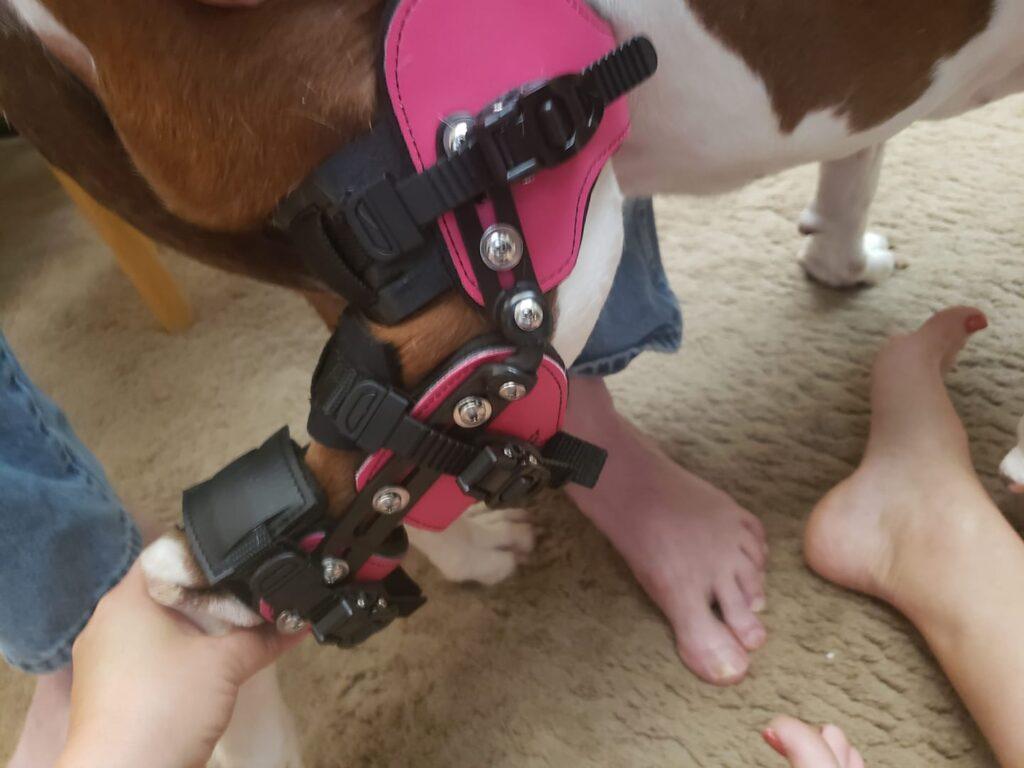
While knee braces can be beneficial, they are not a one-size-fits-all solution, and their effectiveness may vary depending on the nature and severity of the knee issue. Always consult with a veterinarian for a proper diagnosis and guidance on the use of knee braces for your dog’s specific condition. Also check the materials, and make sure the brace is custom.
If you are interested in a Posh Dog Knee Brace you can order online or contact us with more information, visit our Facebook Page to see what our customers have to say.
Articles from the Posh Dog Knee Brace team — a group effort with our licensed veterinary technicians and brace specialists, sharing 15+ years of experience helping dogs recover from CCL/ACL injuries and mobility challenges.
Hello! This is Nikki, Lead Veterinary Technician with Posh Dog Knee Braces. Today let’s go over how to break-in a new Posh Custom Dog Brace. First, we want to take things nice and slow. You wouldn’t take a brand new pair of boots to Disneyland resort for 10 miles of walking each day I hope. Neither should we put a custom brace on a dog for 8-12 hours without first working into that time. Just like in people, a dog’s skin needs some time to get adjusted to wearing something.
Over the next few weeks, as we gradually increase the times we have them in the brace, the skin will start to thicken and get stronger. Just like our feet do with a new pair of shoes. After a few short weeks, they should be able to tolerate wearing the brace longer and longer.
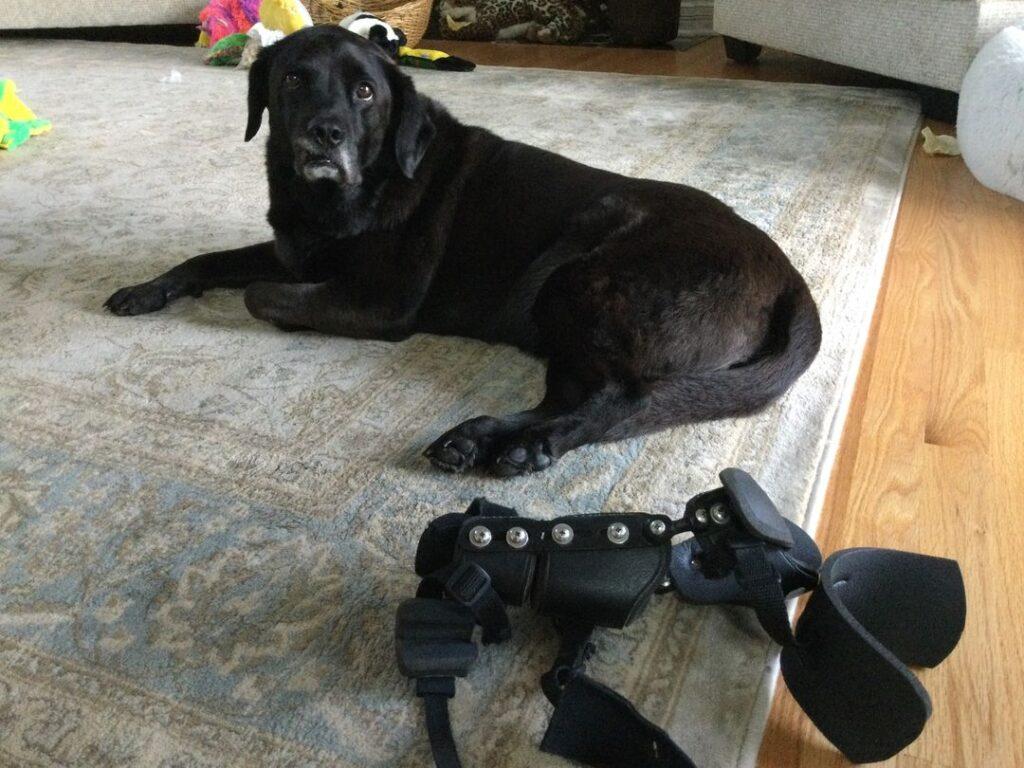
In the first 1-2 weeks, we suggest only using the brace during short leashed walks. This is to get your dog used to walking in the brace, to prevent soreness, and to get their skin used to having something touching. It can take a patient sometimes up to 3-4 weeks for the soreness in the muscle to get better, just like if we did physical therapy.
You wouldn’t want to run a 10K marathon with no practice or training, right? Even if your dog was walking 4+ miles each day before the injury, we now have atrophy and muscle loss (yes even if its only been a few weeks). Starting out with nice slow walks, and building up the times slowly, will really help prevent soreness and rubbing issues.
We typically don’t see rubbing sores with Posh, because we are so clear on our direction to our clients. Wearing the brace gradually more and more each week, really helps them adapt to having something touching their sensitive areas. The upper groin and ankle area seem to be the most common areas we see any irritation, and usually if the brace was worn for too long too fast. Doing 10-15 minutes twice daily for 2 weeks, then adding 15 minutes weekly to their walk schedule will really help.
We have this break-in schedule completely broken down for our clients in the handouts we send after the brace has been fit properly with a technician. A custom brace should never be worn right off without some sort of consultation, to ensure proper fit and make sure your dog is using the brace properly. Any company that does not do this is a red flag in my book.
Let me know if you have any questions about our break-in schedule! Please contact us via our contact page or visit our Facebook Page.
Nikki, Posh Lead Veterinary Technician
Articles from the Posh Dog Knee Brace team — a group effort with our licensed veterinary technicians and brace specialists, sharing 15+ years of experience helping dogs recover from CCL/ACL injuries and mobility challenges.
Holistic treatment for your dog’s injuries involves considering the overall well-being of the animal, addressing physical, emotional, and environmental factors. Always consult with a holistic veterinarian before implementing holistic approaches to ensure they are safe and suitable for your dog’s specific condition. Here are some holistic strategies for treating your dog’s injuries:
Remember that holistic approaches should complement, not replace, conventional veterinary care. It’s important to work closely with a veterinarian who has experience in holistic or integrative medicine to create a comprehensive and safe treatment plan tailored to your dog’s specific needs.
If you are interested in one of our Posh Dog Braces you contact us via our contact page or visit our Facebook Page for more information.
Articles from the Posh Dog Knee Brace team — a group effort with our licensed veterinary technicians and brace specialists, sharing 15+ years of experience helping dogs recover from CCL/ACL injuries and mobility challenges.
Enzyme therapy is a holistic approach that involves the use of specific enzymes to support the healing process in injured dogs. While some anecdotal evidence and studies suggest potential benefits, it’s important to note that this approach should be used under the guidance of a holistic veterinarian, and more research is needed to fully understand its efficacy. Here are some aspects of enzyme therapy that may be considered for quick dog injury recovery:
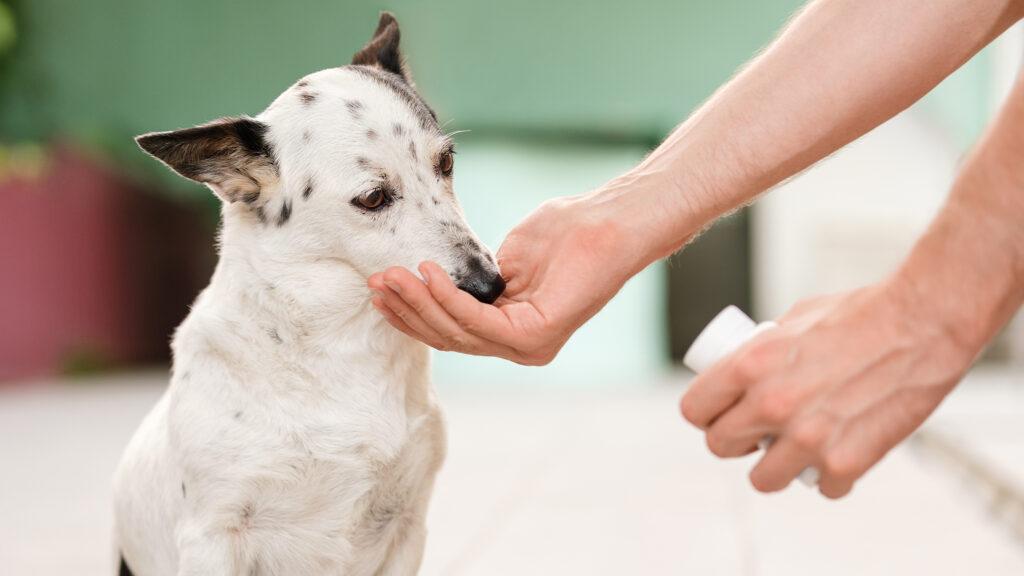
It’s essential to approach therapy with caution and only after consultation with a veterinarian. Enzyme supplements may interact with medications or have contraindications for certain medical conditions. Additionally, the quality and source of supplements can vary, so it’s important to choose products from reputable manufacturers.
While some pet owners report positive experiences with this therapy, it should not replace traditional veterinary care. Veterinary guidance is crucial to ensure that the chosen therapy is appropriate for the specific injury and overall health of the dog. Always discuss any complementary or alternative therapies with your veterinarian before incorporating them into your dog’s treatment plan.
If you are interested in a Posh Dog Knee Brace contact us via our contact form or visit our Facebook Page for more information.
Articles from the Posh Dog Knee Brace team — a group effort with our licensed veterinary technicians and brace specialists, sharing 15+ years of experience helping dogs recover from CCL/ACL injuries and mobility challenges.
Reiki is a form of alternative therapy that originated in Japan and is based on the concept of channeling healing energy through the practitioner’s hands. While scientific evidence supporting the effectiveness of Reiki is limited, some dog owners and practitioners believe that it can provide various benefits for dogs. It’s essential to note that Reiki should not replace conventional veterinary care but can be used as a complementary approach.
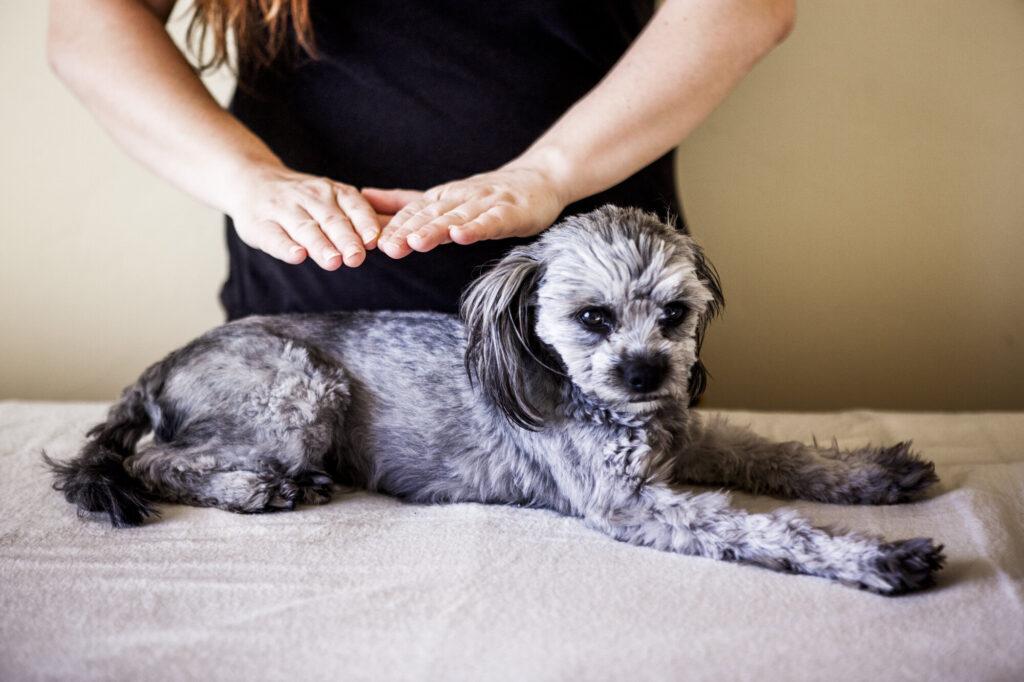
While some dog owners report positive experiences with Reiki, it’s important to approach it with an open mind and consult with a veterinarian before incorporating it into your dog’s care plan. Always prioritize conventional veterinary care for diagnosing and treating medical conditions.
For more information on how to help your dog recover with their injuries or if you are interested in a Posh Dog Knee Brace you can contact us via our contact page or visit us on Facebook.
Articles from the Posh Dog Knee Brace team — a group effort with our licensed veterinary technicians and brace specialists, sharing 15+ years of experience helping dogs recover from CCL/ACL injuries and mobility challenges.
The main difference between a cold pack and a hot pack for arthritic dogs lies in their application and the therapeutic effects they provide. Both cold and hot packs are used to manage arthritic pain and inflammation, but they serve different purposes and are applied at different stages of the condition. Here’s a breakdown of the differences:
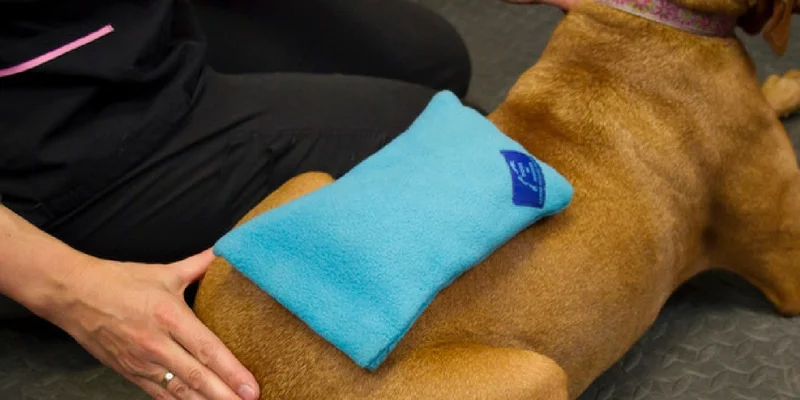
It’s essential to consult with your veterinarian before using either cold or hot packs on your arthritic dog to ensure that it is appropriate for their specific condition and to determine the proper application and duration of therapy. Additionally, other complementary therapies and medications may be recommended to provide comprehensive pain management and improve your dog’s overall comfort and mobility.
To learn more you can contact us via our contact form or visit our Facebook page.
Articles from the Posh Dog Knee Brace team — a group effort with our licensed veterinary technicians and brace specialists, sharing 15+ years of experience helping dogs recover from CCL/ACL injuries and mobility challenges.
Hey guys! Nikki, Lead Veterinary Technician with Posh Dog Knee Braces here. Let’s talk about the importance of pet insurance. I know I have touched on this before, but let’s explain the benefits, especially where orthopedics are concerned. If you asked me 2 years ago, I did not have my dog’s insured, and thought they were healthy, so it’s a waste of money right? Boy was I wrong. My very healthy 8 year old athletic dog went down suddenly, not wanting to get up or eat. I immediately took her to the emergency vet, where it was diagnosed she had a ruptured splenic tumor.
Let’s just say the bills from this visit were astronomical, and still I couldn’t save my dog. Now I am still paying off a bill for a dog that has been gone for over 2 years now. I can’t blame the vet, they did everything they could to save my girl. I can only blame myself, because I knew about insurance for her and still held off.

Now with my new girl Coco, we immediately got pet insurance. She has had cheat grass in her ears, tummy infections, and everything was covered. I would be another few thousand in debt if I did not have insurance on my girl.
Let me tell you about a family member’s dog. He developed a cough, which turned out to be the start of heart failure. To treat him for just 2 days, in order to get him stable to go home, was over $5,000. They were not ready to say goodbye to their fur baby, and of course put this on their credit card. They are now into their dog about $10,000. He is doing much better, but they will also be paying for his care many years after he has passed.
My insurance will cover up to 90%, leaving only $97 if I ever need a custom posh brace for Coco. Now that $35/month is sounding better and better I bet. Or, if your dog has any other orthopedic issues, such as luxating patella, shoulder issues, spinal issues, those are all covered.
I have another scenario that happened to a client’s dog. He was diagnosed with degenerative disc disease, common in daschunds and other small breeds, and one day could not walk on his hind legs. He needed emergency surgery, which was over $10,000, in order to walk again. Thankfully the owner had insurance, and was able to do the surgery with under $1k out of pocket. He went on to live another 5 years, running and playing like nothing happened.
So, I urge you, if you are on the fence about insurance, please take some time to call a few companies. There are many to choose from now, and most are very affordable. Much more affordable than a monthly credit card bill for treatments. Don’t let money ever be the reason to say goodbye to your best friend. Feel free to reach out to us if you would like some suggestions on companies that we know work with braces. Thanks!
You can contact us via our contact page or you can visit our Facebook page to talk to others who have used our brace.
Articles from the Posh Dog Knee Brace team — a group effort with our licensed veterinary technicians and brace specialists, sharing 15+ years of experience helping dogs recover from CCL/ACL injuries and mobility challenges.
Hey guys, this is Nikki Lead Veterinary Technician with Posh Dog Knee Braces. Today let’s talk about exercise in our cute little furry babies that we all love! Puppies are so cute, running around with those giant feet that don’t seem to match their bodies. Have you noticed how puppies tend to be very clumsy? Always falling over, tripping, slipping on hard surfaces? We think it is cute, but did you know there is a reason? Let’s talk about that today.
Did you know that a puppies bones do not even touch when you bring home that cute little 8 week old puppy? Their little joints are made of muscle, tendons, and ligaments with skin covering. Nothing is fitting tightly like a true socket. It can take 4-6 months for the joints to start developing, and 8 months and up for those growth plates to start to fuse. Some large breeds take 15+ months for their growth plates to finish. What does this mean?
This means that we have to be very careful as to not run a young dog excessively. This means restricting and supervising your puppy’s exercise, to stop them from being over-active. Each time they have a big jump, or an excessive run, this causes impacts between the bones. In a reasonable amount this is not a big deal, and is completely normal play. However, if you are letting your puppy jump up and down off furniture, taking them on long walks and hikes, you can potentially be damaging those forming joints, and this could cost you in the near future.
You see that puppy scrambling on the tile with no traction, and think it is a funny tik tok video, right? This is actually damaging their joints. Puppies need traction. Sliding into things, and scrambling, is not normal for a dog. Think about their wild ancestors, do you think their pups are walking on tile and sliding all the time? Nope! Neither should our pups. Every time that pup does the splits, you risk tearing the tendons in the hip. These can not be fixed.
There are far too many puppies having an FHO (where they have to remove the femoral head) due to slipping on surfaces. Either get your puppy toe grips, or have runners all over for them not to slip and slide.
You only have one chance to let your puppy grow in a healthy way. Once grown, you will have a lifetime to spend playing and engaging them, showing them, doing activities. So, keep it calm while they are still growing, engage them in fun safe activities. Taking them to puppy school is a great way to bond and get the wiggles out. Teach them commands and how to walk on a leash.
Puppies who are much to active have much higher chance of developing osteoarthritis, ligament tears like the CCL, patella issues, hip injuries and issues, and much more. I am not saying you can’t play with your puppy, but taking a 4 month old on a mountain hike is too much. Learn about what they should be developmentally doing at this age. Ask your Veterinarian or staff for help. Feel free to email us with any questions, we give free consults you can contact us via contact form on our website or visit our Facebook Page for more information.
Improve his life and yours with our custom crafted dog knee brace. It’s much more effective than a ready to wear or a soft dog ccl brace.Order yours today at Posh Dog Knee Brace or call us at 509-412-3065.
Articles from the Posh Dog Knee Brace team — a group effort with our licensed veterinary technicians and brace specialists, sharing 15+ years of experience helping dogs recover from CCL/ACL injuries and mobility challenges.
Rehabilitation therapy, also known as physical therapy or physiotherapy for dogs, offers a wide range of benefits that can significantly improve their overall health, mobility, and quality of life. It is especially beneficial for dogs recovering from injuries, surgeries, or managing chronic conditions.
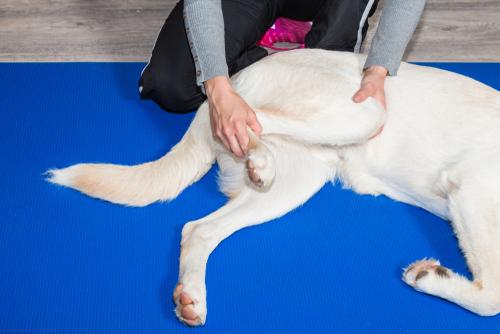
Rehabilitation therapy for dogs is typically provided by licensed veterinary professionals, such as certified canine rehabilitation therapists (CCRT) or veterinarians with specialized training in physical therapy. If you believe your dog could benefit from rehabilitation therapy, consult with your veterinarian to discuss the best options for your dog’s specific condition and needs.
If you are interested in a Posh Dog Knee Brace visit our store page to purchase and if you need more information or would like to keep up to date on new things with Posh Dog Knee Brace visit our Facebook page.
Articles from the Posh Dog Knee Brace team — a group effort with our licensed veterinary technicians and brace specialists, sharing 15+ years of experience helping dogs recover from CCL/ACL injuries and mobility challenges.
Stretching your dog can indeed help reduce the chance of muscle tears and improve their overall flexibility and mobility. Just like humans, dogs can benefit from regular stretching exercises to keep their muscles and joints supple and healthy. Here are some important points to consider when stretching your dog:
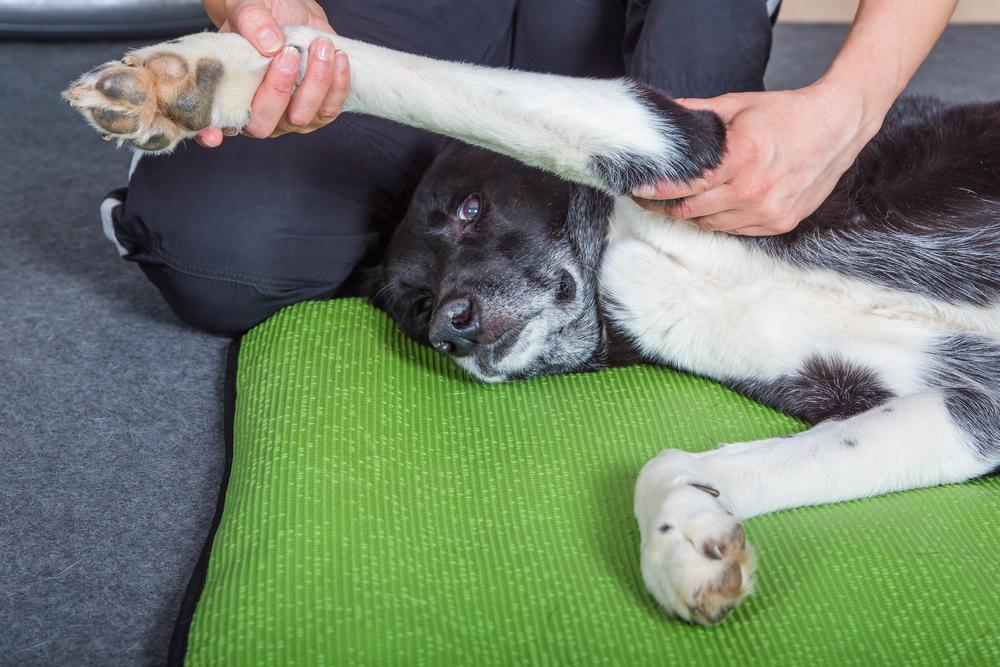
Stretching is just one component of overall canine fitness and injury prevention. Regular exercise, appropriate nutrition, and routine veterinary check-ups are essential for maintaining your dog’s overall health and well-being.
If you need any more information about what exercises you can be se to help your dog with their muscle tears you can contact us via our contact form, or visit our Facebook Page. If you would like to purchase a Posh Dog Knee Brace you can place your order on our store page.
Articles from the Posh Dog Knee Brace team — a group effort with our licensed veterinary technicians and brace specialists, sharing 15+ years of experience helping dogs recover from CCL/ACL injuries and mobility challenges.
Finding relief for arthritis in dogs involves a combination of veterinary care, lifestyle adjustments, and supportive therapies. Arthritis is a degenerative joint disease that causes pain and inflammation in the joints, and it is common in senior dogs and large breeds. Here are some ways to help relieve arthritis in dogs:
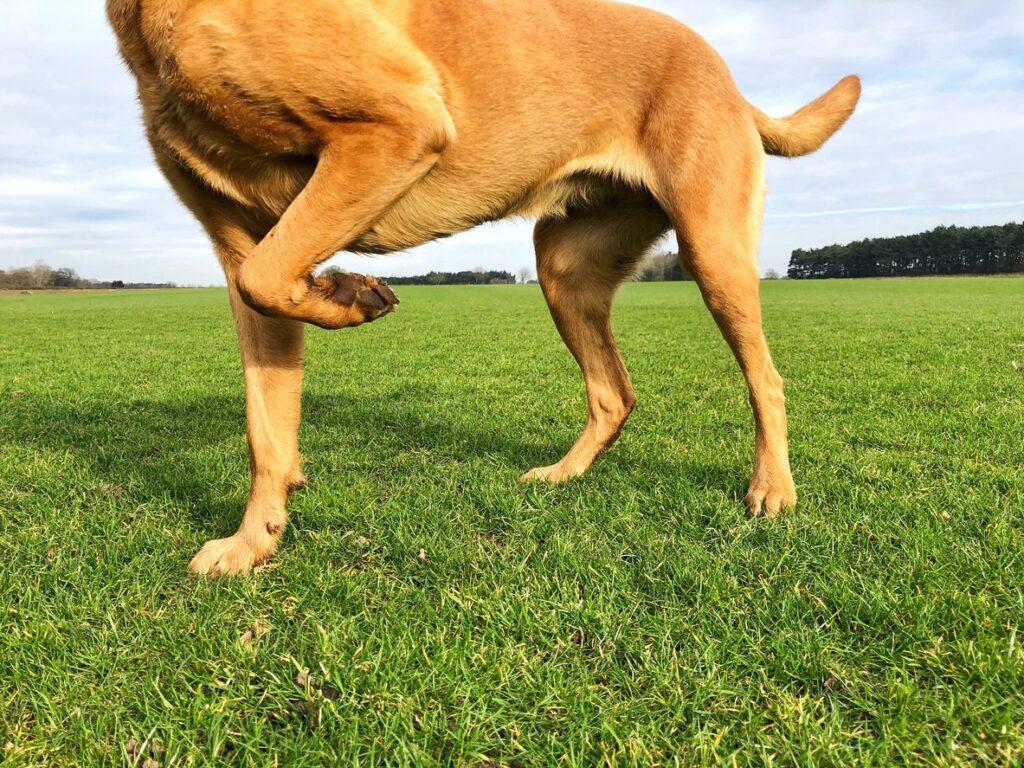
Remember that arthritis is a chronic condition, and while these measures can provide relief and improve your dog’s comfort, there is no cure for arthritis. Regular veterinary check-ups and ongoing management are essential to support your dog’s well-being and manage the progression of the disease. If you would like more information about our Posh Dog Knee Brace contact us via are contact page or visit our Facebook page.
Articles from the Posh Dog Knee Brace team — a group effort with our licensed veterinary technicians and brace specialists, sharing 15+ years of experience helping dogs recover from CCL/ACL injuries and mobility challenges.
Today we will go over some common asked questions about custom braces for dogs.
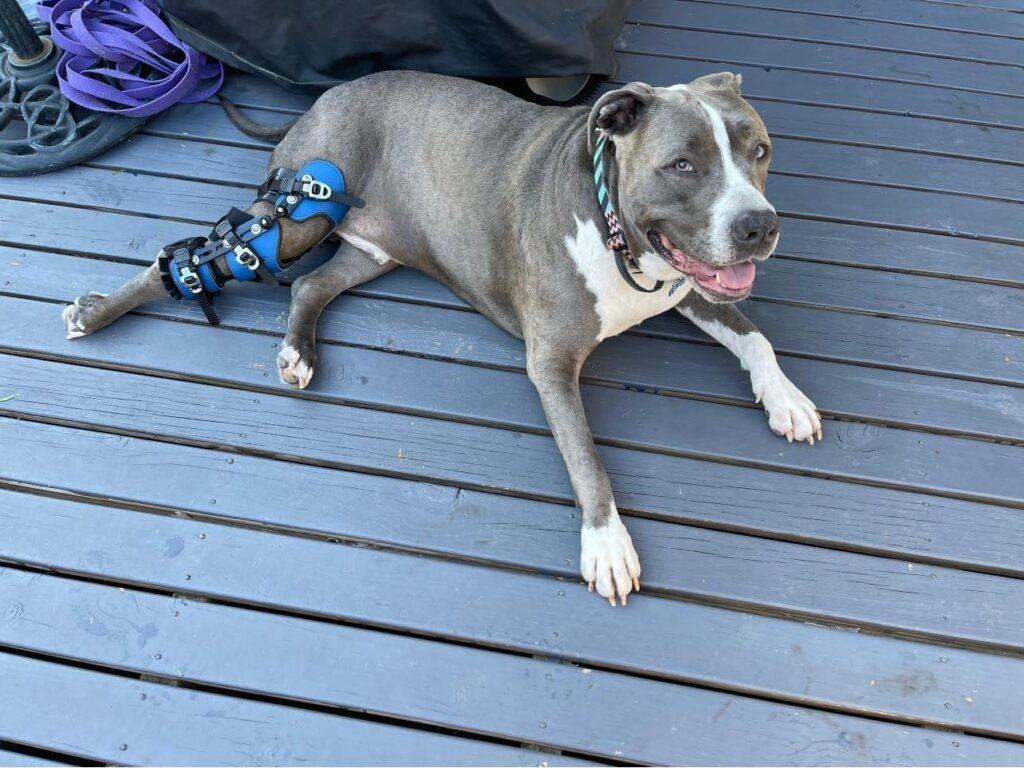
Why does our brace cost more than the over the counter options for $400-$500?
This is a good question! First off, most custom orthotics will be in the $900-$1200 range, as there is much more involved in the production than the over the counter options. For instance, with our brace each client gets 4+ hours of customer service with our veterinary technicians, both guiding them in measurements, fitting calls, rehab assistance, and supplement/diet help. There is also a lot more production time needed for custom products, and we do not start until we have the measurements from the patient. Over the counter braces are a “one brace fits all” product, so they have sized like small, medium, and large.
They do not take into account patients that are more bow legged like our staffies, or patients that need the top shell brought down a bit more to accommodate shorter legs. Plus, we do have a warranty on the parts of our brace, where a non-custom product is not only non refundable, but there is no warranty. The buyer essentially takes on all of the risk. I have many patients that have purchased a non-custom brace first, only to find it did not fit well, and were stuck. Then, they went with our Posh Dog knee Brace, and loved the custom fit, non sliding option.
Does a custom product have straps that go over the back?
No, custom braces will not have straps or stirrups that hold them in place. This is because we are a direct fit to the patient. Non-custom products are not made for your dog’s leg, so they must be held up by straps and stirrups. Our brace utilizes a hock wrap, that goes around the ankle, to help keep things from slipping down. This, and our unique strapping system, make it so our brace is much more simple to use.
Do custom dog braces need to be casted? My vet told me only to use casted braces
No, at Posh Dog Knee Braces we use a proprietary online program, that allows us to make a digital model of your dog’s leg, using specific measurements. This is why we have a veterinary technician watching and helping each patient take the measurements that we need. Our process is much faster and easier than casting, and production typically only 3-4 business days, with express shipping.
What is the materials of a custom vs. non custom brace? Are they made of the same stuff?
Again, great question. A non custom, over the counter brace is made of cheaper materials, such as neoprene and sometimes a cheaper metal hinge. This means they are not going to last you long, and will not be waterproof. Our Posh Brace is made of only the best orthotic materials, similar to pediatric orthotics, so that they are both durable, comfortable, and easily cleaned. Our dog knee brace can also be used in hydrotherapy.
For more information you can reach us via our contact form or visit our Facebook Page.
Articles from the Posh Dog Knee Brace team — a group effort with our licensed veterinary technicians and brace specialists, sharing 15+ years of experience helping dogs recover from CCL/ACL injuries and mobility challenges.
Hey guys, Nikki with posh dog knee braces here. So, first of all I can’t stress enough the need to do some form of physical therapy. We send every patient home with a 12 week recovery calendar and exercises, however, we need you to keep those up for the full 9 months. Whether you find a holistic or physical therapy clinic to help you with water treadmill or PT, you need to keep you dog active in some way.
Lack of activity will cause a joint to “lock up” after the scar tissue has formed, meaning there is not going to be the same amount of range of motion there. There also can be loss of muscle. The brace alone is not enough to build muscle, you will need to keep walking your dog, and doing some form of exercise program. This is needed whether you do surgery, Conservative management, or bracing. Doing nothing will result in loss of muscle, loss of range of motion, and most likely arthritis and pain down the road.
We have a lovely list of holistic veterinarians and rehab clinics around the US and in Canada, so reach out if you are struggling to find a clinic. The clinics on our list are partners with posh, and know how to treat our patients, as well as measure and fit the brace if needed. We do have some things we can have you do from home as well, if PT is just not in the budget. I am happy with walks, simple exercises, and passive range of motion.
What is PROM? This is you gently bending and flexing the knee, as well as the hip. I have videos we send to you on how to do this stretching, but this is key to keep flexibility in the joint, and not end up with lack of movement there.
Please let us know if you have any questions, poshdogkneebrace.com or visit our Facebook Page. Thanks!
Articles from the Posh Dog Knee Brace team — a group effort with our licensed veterinary technicians and brace specialists, sharing 15+ years of experience helping dogs recover from CCL/ACL injuries and mobility challenges.