Custom & Supportive Dog Braces for Injury & Recovery
Custom Support | Ready-to-Wear Support | Professional Guidance
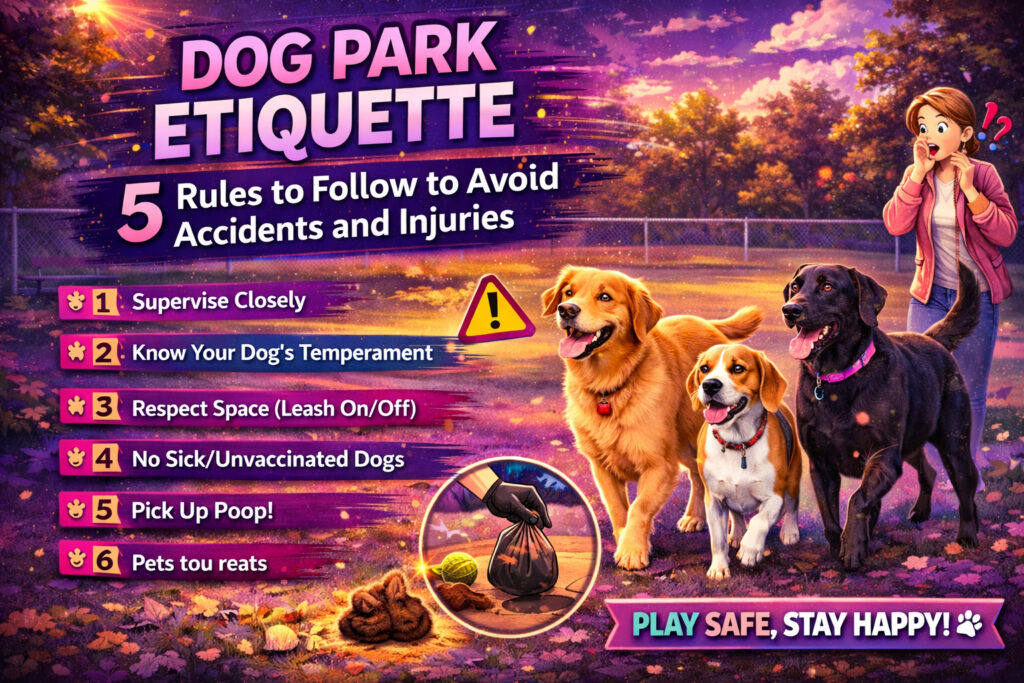
Dog Park Etiquette: 5 Rules to Follow to Avoid Accidents and Injuries
Post Published on March 23, 2026
The dog park: a place of boundless energy, wagging tails, and the joyous freedom of off-leash play. For many dogs, it’s the highlight of their day—a chance to socialize, burn off energy, and revel in canine camaraderie. For owners, it’s an opportunity to watch their beloved pets thrive and connect with other dog enthusiasts.
However, the very freedom that makes dog parks so appealing can also make them unpredictable. Without proper etiquette and vigilance, a fun outing can quickly turn into a stressful experience, an argument, or, worse, an accident or injury. From minor scrapes to serious altercations or even the transmission of illness, the risks are real if everyone isn’t playing by the unwritten rules.
As owners of dogs, especially those prone to or recovering from joint issues, understanding and enforcing good dog park etiquette isn’t just about being polite; it’s about safety and responsibility. It’s about creating an environment where all dogs—and their humans—can enjoy themselves without unnecessary risks.
Here are 5 crucial rules to follow to ensure a safe, fun, and injury-free experience for everyone at the dog park.
Rule #1: Supervise Closely – You Are Your Dog’s Advocate for the Dog Park
This is the golden rule, the foundation of all other etiquette. Your phone call, podcast, or chat with a friend can wait. When your dog is off-leash in an unfamiliar environment with other dogs, your full attention is required.
Be Present: Scan the park constantly. Watch your dog and the dogs interacting with them. Look for subtle shifts in body language: a stiff tail, a hard stare, growls, yips, or a dog trying to get away.
Anticipate Trouble: Learn to read canine body language. A low growl, tucked tail, or persistent mounting could escalate quickly. Intervene before a fight starts, not after.
Active Engagement: Don’t just stand there. Move around, call your dog, praise good behavior, and gently interrupt undesirable interactions. This shows your dog you’re still in charge and available for guidance.
Why it Matters: A dog wrestling too roughly, a timid dog being cornered, or a small dog being overwhelmed by larger ones can lead to physical injury (sprains, strains, punctures) or lasting psychological trauma. Your intervention is their protection.
Rule #2: Know Your Dog’s Temperament and Limitations
Not every dog is a “dog park dog.” Understanding your dog’s personality and physical capabilities is paramount.
Temperament Check:
Is Your Dog Sociable? Do they genuinely enjoy interacting with a variety of dogs, or do they prefer their own company, a select few friends, or human interaction? A dog who is constantly retreating, hiding, growling, or snapping is stressed and not having fun.
Are They Overly Dominant or Aggressive? If your dog consistently tries to mount, pin, or harass other dogs, or shows any signs of aggression, the dog park is not the place for them. Consider parallel walks or controlled playdates instead.
Are They Resource Guarders? If your dog guards toys, food, or even you, avoid bringing those items (especially treats) into the park, as it can spark conflict.
Physical Limitations:
Puppies: Are they fully vaccinated? Over-exercising or rough play can damage developing joints.
Senior Dogs: Do they have arthritis or joint pain? The unpredictable nature of dog parks can lead to falls or collisions. A quiet, on-leash walk might be better.
Dogs in Recovery: If your dog is recovering from an injury (like a knee or hip issue), a dog park is generally a very high-risk environment. The uncontrolled movements, sudden stops, turns, and potential for collisions make it unsuitable until they are 100% cleared for vigorous, uncontrolled activity, if at all. Stick to controlled environments and specific rehabilitation exercises.
Why it Matters: Bringing an unsuitable dog to the park puts them and every other dog at risk. Injuries can range from simple sprains to severe ligament tears or bone fractures from rough play or collisions.
Rule #3: Respect Space & Leash On/Off Protocols at the Dog Park
The entryway and initial interactions are critical, and not all dogs are ready for off-leash play the moment they arrive.
Leash On Until Inside: Always keep your dog on a leash until you are fully inside the designated off-leash area and the gate is securely closed. This prevents dogs from rushing out or charging other dogs upon entry.
Avoid the “Greeting Gauntlet”: The gate area can become a high-tension zone with dogs excitedly greeting newcomers. If your dog is nervous, or if there’s a crowd, wait for the area to clear or use a separate entrance if available.
Know When to Leash Up (Temporarily):
If your dog is overly excited, rambunctious, or becoming a nuisance, leash them for a few minutes to allow them to calm down.
If you see another dog (or owner) who looks uncomfortable, proactively leash your dog.
If a dog is showing signs of fear or aggression, remove your dog from the situation.
No Leash in the Main Area (Generally): While temporary leashing to calm down is fine, keeping your dog on a leash for extended periods in the off-leash area can be problematic. A leashed dog can feel vulnerable or trapped, making them more prone to defensive reactions. It can also trip up other dogs.
Why it Matters: Poor introductions and inappropriate leash use are common triggers for fights and can result in bite injuries.
Rule #4: No Sick or Unvaccinated Dogs – Protect the Pack’s Health
The dog park is a communal space, and with that comes a shared responsibility for public health.
Full Vaccinations: Ensure your dog is fully vaccinated (including Bordetella/kennel cough, distemper, parvovirus, rabies, etc.) before visiting. Puppies, especially, should not be in dog parks until their full vaccination series is complete.
Parasite-Free: Your dog should be current on flea, tick, and heartworm prevention.
No Illnesses: If your dog is showing any signs of illness (coughing, sneezing, vomiting, diarrhea, lethargy, open wounds), keep them home! Even if it seems minor, it could be contagious.
Why it Matters: Dog parks are hotbeds for the transmission of contagious diseases and parasites. A single sick dog can infect many others, leading to widespread illness and vet bills.
Rule #5: Pick Up Your Poop! It’s Basic Decency & Health
This might seem obvious, but it’s astonishing how often it’s ignored.
Always Carry Bags: Bring more poop bags than you think you’ll need.
Immediate Clean-Up: Pick up your dog’s waste immediately and dispose of it in designated bins.
Why it Matters: Beyond being disgusting and disrespectful to other users, dog waste carries bacteria and parasites (like Giardia, roundworms, parvovirus) that can spread illness to other dogs and even humans. It’s a health hazard.
The Bottom Line: Responsible Dog Ownership
The dog park can be a wonderful resource for well-socialized, healthy dogs and attentive owners. By committing to these 5 essential rules of etiquette, you contribute to a safer, cleaner, and more enjoyable environment for every four-legged friend and their human companions. Prioritize safety, pay attention, and let’s make every dog park visit a positive experience!
At Posh Dog Knee Brace, we are committed to helping your pup stay active and safe; for more information about our bracing options, feel free to reach out via our contact form or join our community on Facebook.
Articles from the Posh Dog Knee Brace team — a group effort with our licensed veterinary technicians and brace specialists, sharing 15+ years of experience helping dogs recover from CCL/ACL injuries and mobility challenges.