Custom & Supportive Dog Braces for Injury & Recovery
Custom Support | Ready-to-Wear Support | Professional Guidance
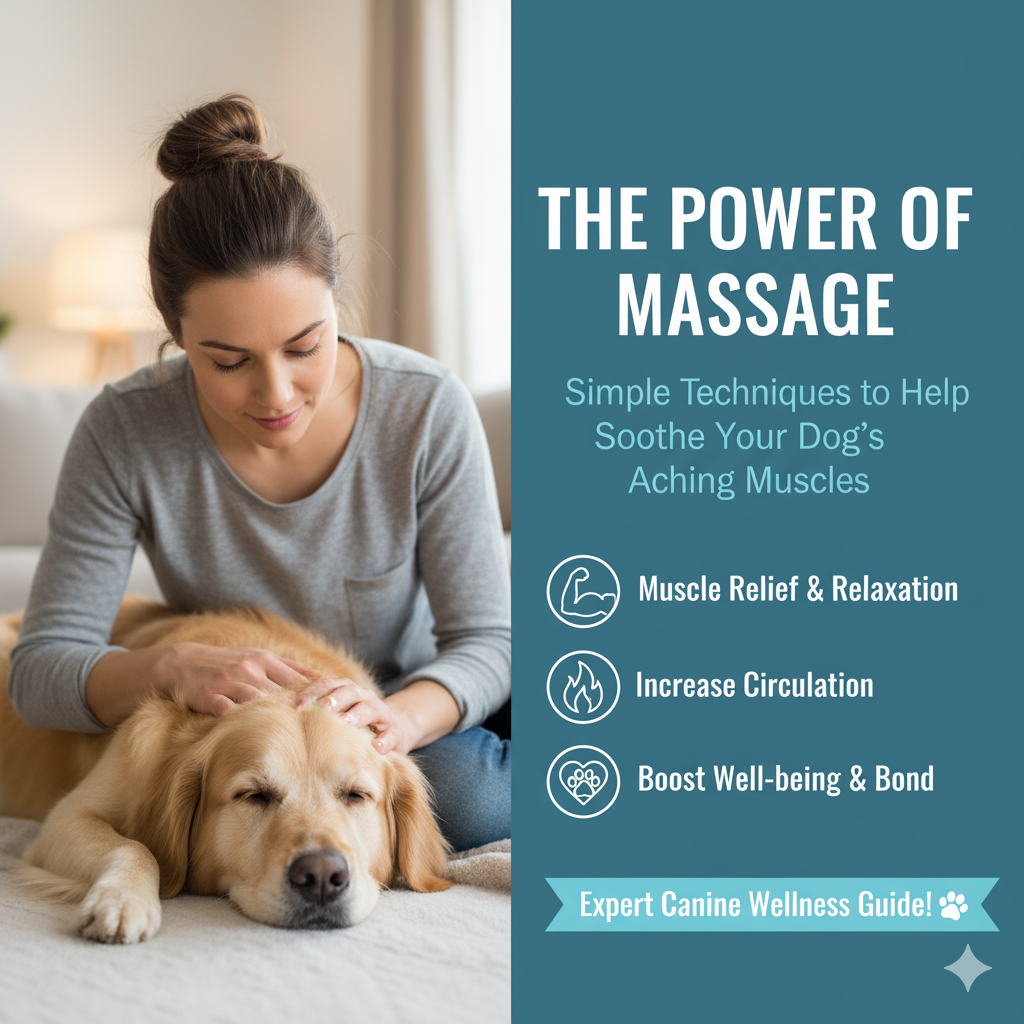
The Power of Massage: Simple Techniques to Help Soothe Your Dog’s Aching Muscles
Post Published on February 9, 2026
Our dogs are incredible athletes, companions, and adventurers. Whether they’re fetching a ball with gusto, scaling a hiking trail, or simply navigating the daily terrain of our homes, their muscles, joints, and soft tissues are constantly at work. And just like us, all that activity can lead to soreness, stiffness, and even minor aches.
While professional canine massage therapy is a fantastic specialized service, you, as a dog owner, hold a powerful tool right at your fingertips: gentle massage. It’s not just a luxurious treat; it’s a therapeutic practice that can significantly contribute to your dog’s physical well-being, reduce pain, aid in recovery, and deepen the bond you share.
This guide will unlock the power of touch, providing you with simple, safe techniques to help soothe your dog’s aching muscles, improve circulation, and enhance their overall comfort and relaxation.
Why Canine Massage Matters: Beyond Just Relaxation
The benefits of regular, gentle massage for dogs extend far beyond simply making them feel good (though that’s a huge plus!):
Increases Blood Circulation: Massage helps stimulate blood flow to the muscles and tissues, delivering essential oxygen and nutrients while aiding in the removal of metabolic waste products (like lactic acid) that can cause soreness.
Reduces Muscle Soreness & Stiffness: By warming and lengthening muscle fibers, massage can relieve tension, break up minor adhesions, and reduce stiffness, especially after exercise or prolonged rest.
Enhances Flexibility & Range of Motion: Regular massage can improve the elasticity of muscles and connective tissues, leading to better flexibility and a greater range of motion in the joints. This is crucial for maintaining agility and preventing injuries.
Aids in Injury Recovery: For dogs recovering from orthopedic surgery (like TPLO or fracture repair) or managing chronic conditions like arthritis, gentle massage can be a vital component of their rehabilitation program (always under vet guidance!). It helps reduce swelling, decrease pain, and maintain muscle integrity.
Detects Early Issues: By regularly feeling your dog’s body, you become attuned to what’s normal. This can help you detect subtle changes like new lumps, bumps, areas of tenderness, or muscle atrophy early, prompting a timely vet visit.
Reduces Stress & Anxiety: The power of touch is immense. Massage can activate the parasympathetic nervous system, leading to a calming effect that reduces anxiety and promotes relaxation.
Strengthens Your Bond: The dedicated time, gentle touch, and focused attention during a massage session deepen the connection and trust between you and your dog.
Getting Started: Creating the Right Environment
Before you begin, set the stage for success:
Choose the Right Time: Select a moment when your dog is already relaxed—perhaps after a gentle walk, a meal, or during a quiet evening. Avoid times when they’re overly excited or restless.
Find a Quiet Spot: Minimize distractions. A comfy bed, their favorite blanket on the floor, or a quiet corner of the couch works well.
Gauge Their Mood: Your dog should be receptive. If they’re pulling away, fidgeting excessively, or showing any signs of discomfort, stop and try again later. Never force it.
Use Gentle Hands: Start with light, feather-light strokes. You can gradually increase pressure if your dog is enjoying it, but never press hard enough to cause pain.
Optional: Warming Oil: A small amount of pet-safe warming oil (e.g., coconut oil, specific canine massage oils) can help your hands glide smoothly and add to the sensory experience, but it’s not essential. Always check for allergies.
Simple Massage Techniques You Can Use
Remember, the goal is gentle relaxation and therapeutic touch, not deep tissue manipulation unless guided by a professional. Always work with your dog, not against them.
1. The Full Body Stroke (The Opener)
How to do it: Begin with long, sweeping strokes from the head down the neck, across the back, and over the hips. Use the flat of your hand.
Focus: This helps your dog relax, gets them used to your touch, and helps you identify any obvious tense spots or areas of discomfort.
Duration: 1-2 minutes.
2. Neck and Shoulders (Tension Releasers)
How to do it: Using your fingertips or the heel of your hand, make small, circular motions around your dog’s neck, just behind the ears, and along the tops of their shoulders. Dogs often hold a lot of tension here.
Focus: Relieving tension that can build up from pulling on a leash or carrying stress.
Duration: 1-2 minutes per side.
3. Back & Spinal Muscles (Careful & Calming)
How to do it: Use gentle, parallel strokes along either side of the spine, avoiding direct pressure on the bones. You can also use flat hands to gently knead the large muscle groups along the back.
Focus: Relieving general back stiffness. Be very gentle around the lower back, especially for breeds prone to spinal issues.
Duration: 1-2 minutes.
4. Hip and Hind Leg Circles (Mobility Boosters)
How to do it: With a flat hand, make gentle circular motions over the large muscles around your dog’s hips and down their hind legs. For the legs, use both hands to gently squeeze and release the muscles (like kneading dough), working from top to bottom.
Focus: Excellent for dogs with hip dysplasia, arthritis, or those recovering from hind leg injuries (once cleared by a vet). Improves circulation to these critical areas.
Duration: 1-2 minutes per leg.
5. Chest and Front Legs (Support & Stability)
How to do it: Gently massage the chest muscles with broad strokes. For the front legs, use gentle kneading motions, moving from the shoulder down to the paw.
Focus: Supporting the muscles that carry a lot of weight and impact.
Duration: 1-2 minutes per leg.
6. Paws (Often Overlooked, Highly Sensitive)
How to do it: Gently rub the pads of their paws and massage between their toes.
Focus: Many dogs hold tension in their paws, and this area is rich in nerve endings, making it very relaxing.
Duration: 30 seconds – 1 minute per paw.
Important Considerations: When to Consult a Professional
Veterinary Approval: If your dog has a known injury, a chronic condition, or is post-surgery, always consult your veterinarian or a certified canine rehabilitation therapist before starting any massage. They can guide you on appropriate techniques and areas to avoid.
Avoid Sensitive Areas: Never massage directly over open wounds, sutures, active swelling, tumors, or areas of acute pain.
Listen to Your Dog: If your dog pulls away, whines, growls, snaps, or shows any signs of discomfort, stop immediately.
Don’t Substitute for Vet Care: Massage is a complementary therapy; it is not a replacement for professional veterinary diagnosis and treatment.
By incorporating these simple massage techniques into your routine, you’re not just providing physical relief; you’re offering comfort, reassurance, and an invaluable form of communication that strengthens the incredible bond you share with your beloved dog. For more information about our brace you can contact us via or contact page or visit us on Facebook.
Articles from the Posh Dog Knee Brace team — a group effort with our licensed veterinary technicians and brace specialists, sharing 15+ years of experience helping dogs recover from CCL/ACL injuries and mobility challenges.