CBD for dogs can benefit dogs with a variety of problems, including pain and anxiety, but you must choose a canine CBD product from a trustworthy supplier.
Cannabidiol (CBD), a cannabis plant derivative that has no psychotropic ingredients, is now widely available in pet supplements.
According to “Pet Supplements in the U.S.,” 21% of dog owners bought CBD dietary supplements in 2020. According to Packaged Facts, sales of CBD for dogs products are expected to reach $95 million in 2020, a 217% rise from the previous year. Additionally, all of the nation’s top chains of pet supply stores have established retail ties with the producers of CBD dietary supplements.
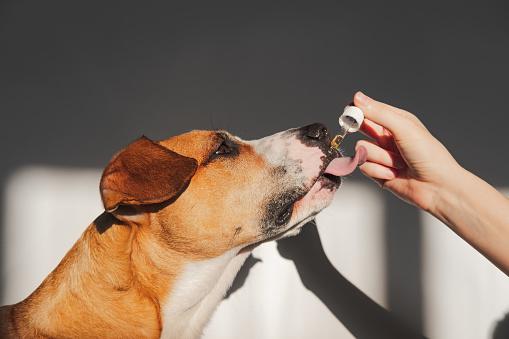
You can see that there are many different CBD for dog products available. How do you decide?
Products made from hemp but without CBD may have health benefits, but if you want your dog to specifically benefit from CBD for dogs, you must choose a CBD-containing product!
Verify the dates! Reputable manufacturers provide the lab results for their items on their websites or have QR codes that link to online reports. The report must include the date, a detailed description of the tested item, as well as the name, contact information, and phone number of the test provider.
To ensure that you can administer dosages consistently for a predictable impact, the lab report should list the cannabinoids that are present in the product and their concentrations.
Avoid a firm’s items if the product label or company material implies that it is a panacea for all of your dog’s ailments. Avoid “treats” as well, which are considered foods and are therefore prohibited from having CBD. “CBD dog treats for anxiety” is one example. Laws governing labeling violations are a sign of a novice or dishonest product maker. Avoid the business in either case.
The findings of a research that examined goods that contained hemp or cannabidiol compounds were released by the U.S. Food & Drug Administration (FDA) in 2021. Tests were performed on nearly 150 goods to identify the cannabinoids that were present in them. Less than half of the surveyed items had cannabidiol concentrations that were 20% or less of what was stated on the label.
Such outcomes are intended to be avoided by using certification from the NASC and third-party lab testing.
First-time users will benefit from advice on dosage and what kind of product will work best for their dogs. Since veterinarians aren’t allowed to discuss CBD for dogs with their patients in most states, let alone recommend a specific product, the next-best resource is an experienced user who has a close, long-term retail relationship with ethical product suppliers.
An increasing number of dog owners who support CBD for dogs do so because they feel it treats cancer and immune-mediated disorders while reducing anxiety, seizures, discomfort, and allergies. Manufacturers of CBD supplements, however, who are subject to regulation under the Dietary Supplement Health and Education Act of 1994 (DSHEA), are not permitted to make “drug” claims about how CBD treats or alleviates any illness or medical symptom.
Because there were considerable legal obstacles for both academic and commercial study into CBD, as well as restrictions for growing and harvesting these plants, then refining and marketing products that include CBD for dogs, up until recently, CBD’s appeal has been largely driven by anecdotal evidence. When the Agriculture Improvement Act, also known as the Farm Bill, was passed in 2018, it descheduled cannabis species with less than 0.3% dry weight of delta-9 tetrahydrocannabinol (THC), removing these obstacles and opening the door to both commercial production of CBD-containing goods and research into its safety and advantages.
Studies have so far shown promise. Researchers from Cornell University conducted a 2018 study on dogs with osteoarthritis that revealed no adverse effects, a considerable reduction in pain, and an increase in activity. A tiny Colorado State University study (16 dogs) examined the use of CBD for dogs to treat canine idiopathic seizures and discovered that canines receiving CBD experienced an 89% decrease in seizure frequency.
Without plenty of anecdotal evidence that at least some of the products are beneficial to dogs, it is difficult to see how the CBD for dogs market could have expanded so quickly. In any young, rapidly expanding market, there are plenty of con artists, but few individuals keep buying useless products over and over again. The industry’s amazing rise indicates that they are effective, and the startling paucity of tales of negative experiences should persuade you to try CBD for your dog.
If you would like more information onthe CBD for dogs you can contact us through our contact page or check out our Facebook Page.
Articles from the Posh Dog Knee Brace team — a group effort with our licensed veterinary technicians and brace specialists, sharing 15+ years of experience helping dogs recover from CCL/ACL injuries and mobility challenges.
Any number of ailments might result in a dog’s hind-legs losing strength. The following hints will help your veterinarian identify the problem’s root cause.
Regardless of the source, a dog’s weakness normally manifests itself first in the hind limbs. This seems obvious given how much work the dog’s hind-legs perform. They are in charge of pushing the body upward from a seated or lying position as well as driving the body forward when moving. You will be made aware of a weakness-related issue if you experience difficulty with these routine daily tasks.
What does a weak set of back legs on your dog look like? Hind-limb weakness is indicated by a variety of behaviors, including slow rising, sinking on the back limbs, dragging the tops of the toes, swaying of the hind end, occasionally crossing of the limbs, intolerance to physical exertion, slipping, sliding, and collapse of the hind end. The ability to stand on its hind-legs may also suddenly disappear in your dog.
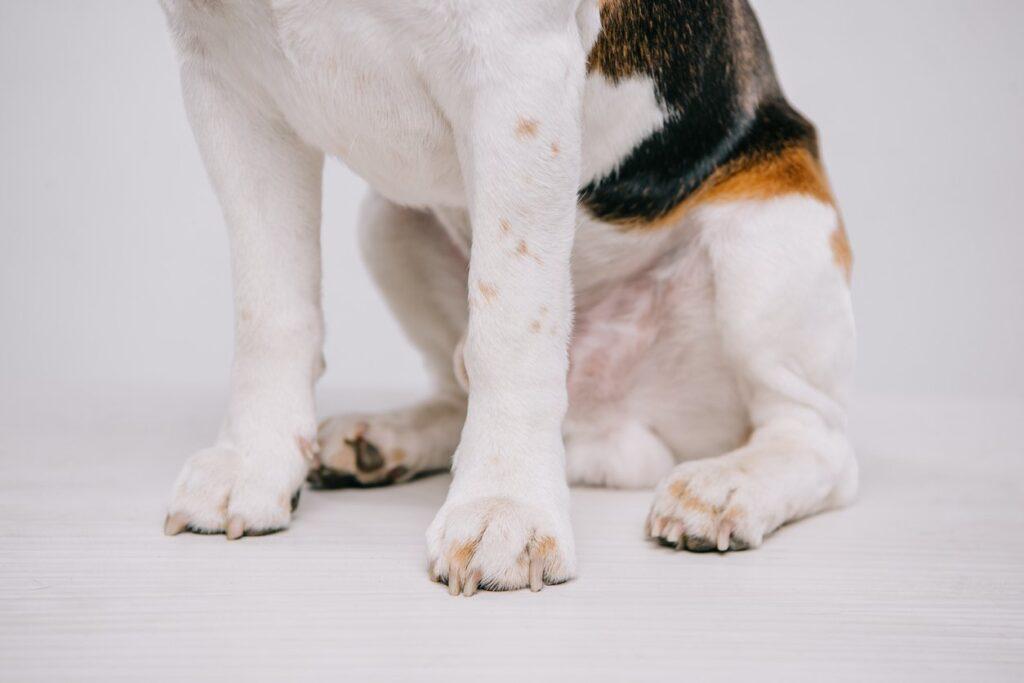
If your dog exhibits any of these symptoms, you should pay attention to a few details that can aid your vet in identifying the problem:
Some problems are more likely than others depending on your dog’s age and size. This is applied to the diagnostic procedure as well.
The four primary categories of causes of hind-leg weakness are orthopedic, neurologic, metabolic, and cardiac.
Chronic joint inflammation/pain is the primary orthopedic cause of canine hind-leg paralysis (osteoarthritis, degenerative joint disease). Although arthritis is obviously painful, it is frequently accompanied by compensatory pains, which are muscle aches and pains. The dog finds it difficult to stand up and move as a result. He might become more sedentary as a result, which would worsen the condition by causing him to lose muscle mass and fitness.
Due to the wear and tear on the joints over time, arthritis most frequently affects older dogs; overweight dogs endure an additional burden because of the increased tension those extra pounds place on the joints. Hip arthritis may appear in puppies of dogs with hip dysplasia, which results in improperly shaped hip joints. These arthritic disorders typically present with a delayed, sneaky onset of hind-leg weakening. It won’t appear to have occurred overnight.
Immune-mediated arthritis and Lyme arthritis are two acute types of arthritis that can cause a dog’s hind end to suddenly weaken. In addition to fractures and intervertebral disc disease (IVDD), overweight dogs frequently suffer from bilateral anterior cruciate ligament (ACL) tears, which are additional orthopedic reasons of hind-leg paralysis. Your veterinarian will be able to identify these diseases and recommend the proper treatment with the use of blood tests and x-rays.
IVDD: When an unhealthy disc (or discs) puts strain on the spinal cord and causes neurologic weakness, IVDD transitions from an orthopedic problem to a neurologic one. The majority of these instances are treatable medically, but surgery is necessary if paralysis develops or medical treatment is ineffective.
Spinal tumors: Similar symptoms are brought on by neurologic disorders such as spinal tumors. For a diagnosis, sophisticated imaging techniques like computed tomography (CT) or magnetic resonance imaging (MRI), as well as occasionally cerebrospinal fluid examination, are needed.
Diskospondylitis: An infection of the intervertebral disc and the ends of the surrounding vertebrae is known as diskospondylitis. It can be challenging to diagnose, produces hind-limb paralysis regularly, and is excruciatingly painful. Long-term antibiotic use is the course of treatment (six to 12 months). Your dog may need more x-rays and/or more sophisticated testing, such as CT or MRI, to make a certain diagnosis because this ailment can be challenging to diagnose in its early stages. These canines can fully recover if they are diagnosed and treated appropriately.
Lumbosacral stenosis: Cauda equina syndrome, or lumbrosacral stenosis, is a degenerative disorder that affects only the lumbosacral joint and is related to IVDD. This joint joins the last vertebra to the pelvic region. It differs from the other intervertebral joints in that the spinal cord sends all of the peripheral nerves that travel to the hind end to this joint. In addition to being extremely painful, this type of disease typically results in neurologic impairments and weak hind limbs.
Degenerative myelopathy: Weakness in the hind-legs is a symptom of degenerative myelopathy (DM), a slow but progressive deterioration of the spinal cord. Although it affects various breeds, the German Shepherd Dog serves as the disease’s mascot. Typically, older and middle-aged canines are affected. There is just supportive care available as a treatment for DM right now.
Myasthenia gravis: An autoimmune neuromuscular condition called myasthenia gravis (MG) causes muscle weakness that worsens with exertion. It may begin with weakness in the back limbs but quickly progresses to total body weakness and collapse.
Here’s a situation that is typical of Myasthenia gravis: Your dog wakes up after a nap and acts normally. As soon as you start walking, he begins to sink, slip, and stumble until he is unable to stand or walk. He can resume short-term function after a period of rest that enables the replacement of damaged neuromuscular transmitters. A blood test is required for diagnosis. Long-term therapy is required (six months or longer). Some canines will have remission and resume their regular lives. Others will require care and support throughout their lives.
Exercise-induced collapse: Labrador Retrievers and a few other breeds are susceptible to the genetic illness known as exercise-induced collapse (EIC). It usually manifests itself between the ages of 6 months and 2 years. It takes place following several minutes of intense exercise. The dog quickly starts to weaken and lose coordination in his hind limbs, eventually collapsing. For this, there is no cure. Avoiding vigorous exercise is one method of prevention. It is crucial that you get your puppy from a breeder who has tested the parents for this gene for the aforementioned reasons. Have your adoptive dog’s EIC gene checked if he exhibits these symptoms.
Idiopathic vestibular syndrome: In elderly dogs, idiopathic vestibular dysfunction is a frequent cause of weakness in the rear limbs and lack of coordination. It appears abruptly and may give you the impression that your dog is having a stroke. This disorder’s origin is uncertain. It typically comes with a head tilt and balance problems. With supportive care, the majority of dogs will recover in time.
Numerous illnesses transmitted by ticks can result in generalized neuromuscular weakness, which may first show in the rear limbs. If you notice ticks on your dog, let your vet know.
Hypoglycemia (low blood sugar), anemia (few red blood cells), and hypokalemia (low potassium) are a few examples of metabolic conditions that might weaken the hind-legs. Blood testing can quickly diagnose this. For these problems to be solved, identifying their underlying causes, which necessitates more diagnostic testing, is crucial.
Weakness can result from endocrine conditions such as insufficient thyroid hormone (hypothyroidism) and underactive adrenal glands (Addison’s disease). Blood tests are used to diagnose both conditions, and there is no cure.
Hepatic encephalopathy, a metabolic disorder that causes sporadic weakness and confusion and is most noticeable after eating, can be brought on by certain liver disorders.
All of the body’s tissues must receive sufficient blood flow and oxygen, which depends on healthy heart function. Weakness happens when heart function is compromised, regardless of the underlying cause. Again, for the reasons already mentioned, weakness in dogs typically manifests itself in the hind-legs first.
Heart illnesses that affect dogs include heartworm disease, congestive heart failure, heart muscle disease (cardiomyopathy), cardiac arrhythmias, cardiac or pericardial tumors, and fluid in the sac surrounding the heart (pericardial effusion).
Your veterinarian will discover a cardiac explanation for the hind-leg weakness you’ve noticed during your dog’s physical examination, and treatment and diagnosis will proceed from there.
As you can see, there are many different possible reasons why dogs’ hind limbs get weak. Because of this, it’s crucial to have your dog inspected if you notice this problem; never just brush it off as a “old dog” problem. Many of the underlying causes can be ruled out by your veterinarian, who can then hopefully provide a conclusive diagnosis. Even if your dog is quite old, diagnosing and treating some of these disorders can completely transform his life!
There is no cure for some chronic illnesses, such as osteoarthritis. However, there is a lot you can do to enhance and preserve your dog’s quality of life for a very, very long period. Your sensitive loving care and dedication to supportive measures are the first step.
Support for Mobility Issues Caused by Arthritis
If you are interested in more information about our Posh Dog Knee Brace you can contact us on our form or if you would like to purchase our brace you can click here, you can also join our Facebook Group page to hear how other dog parents help their dog with their pain management and therapies.
Articles from the Posh Dog Knee Brace team — a group effort with our licensed veterinary technicians and brace specialists, sharing 15+ years of experience helping dogs recover from CCL/ACL injuries and mobility challenges.
Age-related osteoarthritis affects many older dogs, as well as some larger breeds who are genetically predisposed to it. Dogs that have arthritis have changes in their affected joints, which can be excruciatingly unpleasant for your pet.
Though it can affect any joint, arthritis most frequently affects the shoulders, hips, elbows, and knees. In addition to localized damage, genetics, and disease, it can also be brought on by continual wear and tear.
If your dog exhibits any of the following 7 symptoms, schedule an appointment with your veterinarian to develop a care plan.
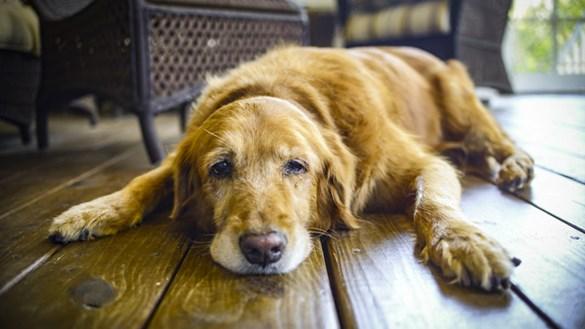
You could notice that your dog is hesitant to perform tasks that they previously completed without issue.
Maybe you’re pet used to dash into your car as soon as the doors opened, but now they seem unconcerned. You could observe that your dog has trouble ascending or descending the steps. Has your pet lost interest in playing and running around like it once did? Maybe you take walks slowly?
If your pet exhibits these changes, arthritis may be to blame. These formerly simple actions probably hurt now that your joints are inflamed.
You might notice your pet limping or favoring one or more legs over the others, depending on which joints are damaged. Your pet may even become lame in one or both rear legs if the spine is harmed.
Upon getting up or down, your dog could appear to be in discomfort or stiffness, but once they have walked a little and “warmed up,” it seems to go away.
Joint inflammation can make the affected parts feely to the touch.
If your dog appears to be rejecting your affection or howls in pain when you pet them, you may have found the source of the issue.
Has your once-adorable dog started acting more and more like an elderly man?
If moving caused you chronic discomfort, you probably would have a shorter fuse as well. That also applies to your dog. When you try to touch them, they could bite or snap, especially if you are handling them in a way that makes the discomfort worse.
Dogs with discomfort frequently don’t want to be bothered. Your pet might spend more time in the house’s quiet corners or quit pursuing you around. It’s possible that their schedule will change and they won’t be available for your usual walk or play session.
An arthritic pet will frequently focus their attention on hurting joints. They may frequently lick or chew on one or more locations, even to the point of causing hair loss and inflamed skin.
Pain wears them out!
Pets won’t want to walk as far or play as much if it is difficult for them to move around. They might spend more time relaxing or sleeping instead.
Dogs with arthritis frequently experience muscular atrophy from inactivity.
Some muscles will gradually atrophy as a result of less use. You might notice that one or more of your legs appear thinner than the others if you have arthritis in those legs.
Please schedule an appointment with your veterinarian as soon as you can if you see any of these symptoms in your pet. Even though arthritis cannot be cured, developing a treatment plan in its early stages can help your dog live a better life and make the condition more tolerable.
If you would like more information on your dog’s arthritis please contact us on our form, or you can visit our Facebook Group to see how others have helped their dogs. If you are interrested in purchasing a brace for your dog you can visit our shopping page.
Articles from the Posh Dog Knee Brace team — a group effort with our licensed veterinary technicians and brace specialists, sharing 15+ years of experience helping dogs recover from CCL/ACL injuries and mobility challenges.
Signs your dog is in pain. The idea is to be aware of your dog’s typical movement and react swiftly to any abnormalities.
Mental alarms may be triggered by your energetic dog limping or moving in an unnatural manner. A sprain, perhaps? A strained muscle perhaps a strained ligament or tendon what should you do in response to this?
You should first determine whether the aberration is a short-term or long-term symptom.
An acute injury is one that manifests abruptly, typically 24 to 48 hours after the initial trauma. Sprains, falls, accidents, and other impacts can cause acute injuries, which are characterized by sharp, immediate pain, soreness, redness, swelling, warm-to-the-touch skin, and inflammation.
In contrast, chronic injuries take longer to manifest, get better and worse, and result in persistent soreness or dull pain. Overuse, arthritis, and acute injuries that were never appropriately treated are the typical causes of chronic injuries.
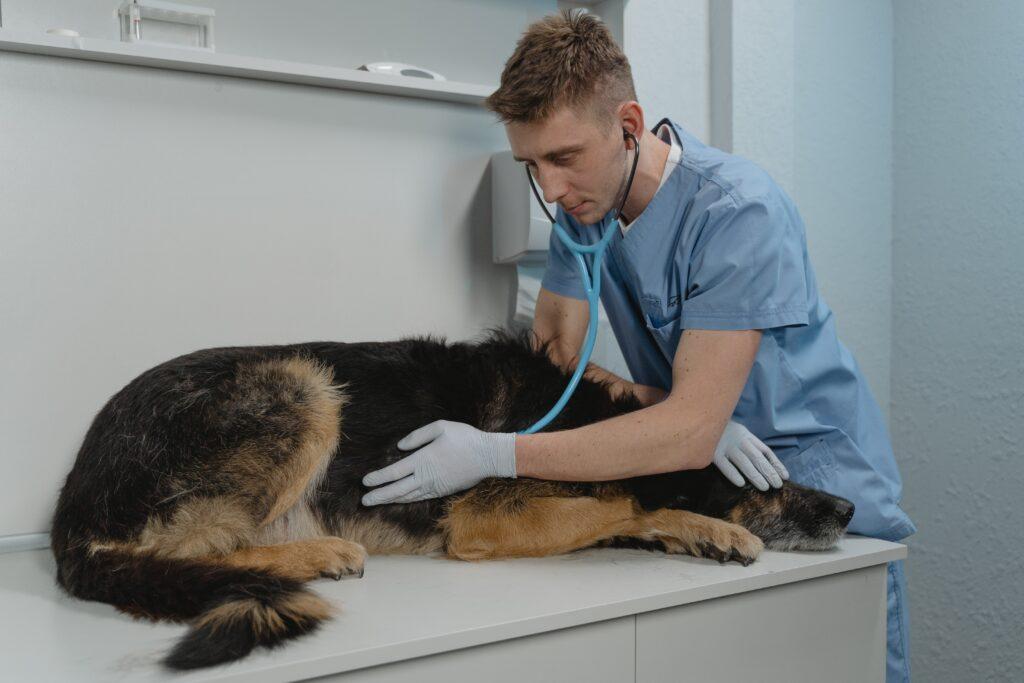
Sometimes a dog’s injury is visible because they are limping, howling in pain, or are unable to move. But paying attention to your dog’s movement and demeanor is time well spent because spotting mild indications can help prevent more serious issues. These are some examples of pain and stress signals:
The majority of canine injuries are chronic rather than acute. Chronic injuries are caused by overuse, excessive motion, and wear and tear. Every dog is susceptible to injuries, but some are more vulnerable than others, such as dogs that are overweight, weekend athletes, couch potatoes, elderly dogs, dogs with arthritis, dogs used in search and rescue, and canine athletics (such as dogs competing in fly ball, agility, freestyle, disc dog, hunting, field work, dock diving, obedience, weight pulling, dog sledding, and other active sports).
Rest is the number one suggestion for canine wounds. In particular, if the damage involves ligaments or tendons, which lack a blood supply that provides healing nutrients to the injury site, both visible injuries and subtle micro tears require time to heal. As soon as even little symptoms appear, it’s crucial to cease trekking, running, playing, or competing.
Check your dog’s nails, paw pads, and fur if he becomes abruptly lame, bleeds, or compulsively licks a paw, advises Dr. Davis. It’s common to see grass awns embedded in the skin between the toes. The pads are frequently affected by cuts, stingers, or foreign objects and a ripped nail can be painful.
If the injury is serious, take your dog right away to the vet; however, if it’s only minor or a visit to the clinic isn’t feasible, take your dog home and confine him to a quiet place. Write down any changes you observe, beginning with the day and hour you first noticed the issue and a description of what your dog was doing at the time. Your veterinarian or other therapist will be able to recognize and treat the injury with the aid of an accurate history of symptoms and treatments.
Range-of-motion exercises, such coaxing your dog with a food or toy into a turn to the right or left or raising and lowering his head, can help you record symptoms. Additionally, daily massage and tender touch reveal hints. When you pet or press your dog’s shoulder or hindquarters, does she turn away? Is there somewhere on your body that seems especially heated, hard, stiff, sensitive, or swollen? One of the quickest methods to find inflammation, muscle strains, and other discomforts is through touch.
Rest, ice, and massage are effective treatments for many minor and severe muscle, tendon, and ligament injuries. “Going outside on a leash to relieve itself counts as resting your pet; walks, treks, running, jumping, climbing stairs, or playing with other animals do not. Visit your veterinarian for a precise diagnosis if, after a few days, your pet has not improved, does not get better, or continues to display the same symptoms.
For severe injuries, cold is advised since it lessens discomfort and swelling. Dogs who are hurt instinctively look for places to stand or lie down, such as puddles, ponds, streams, and snow banks.
It is untrue for a bag of frozen peas to work as an efficient ice pack. The peas don’t remain cold for long enough to be useful. Pet supply shops have cold therapy items for animals, while businesses that sell medical supplies also sell cold packs for sports injuries. The finest cold packs have a gel inside that doesn’t harden when frozen, allowing you to shape them to a dog’s body.
Make your own cold packs by combining two cups of water, one and a half cups of isopropyl (rubbing) alcohol, and two tablespoons of salt in a self-sealing plastic bag. Double-bag the bag to ensure a tight closure.
Any open ice pack should be covered with a towel before application, removed after 10 to 15 minutes, and left off for at least two hours before reapplying because cold limits circulation and ice left on for too long might result in difficulties. Never use cold treatments right before working out, practicing, or competing.
Put two cups of uncooked rice in a sock, tie the top, and microwave for one minute to create your own warm pack. It will continue to be warm for 20 minutes. For additional relaxation, add a sprig of lavender or a drop of essential oil. The sock can be utilized repeatedly. If you don’t have a microwave, put the raw rice in a cookie sheet and preheat the oven to 150°F for 5 to 7 minutes.
Then, pour the warm rice into a sock or pouch, make sure it’s a safe temperature before applying, and check to make sure it’s still warm enough. As an alternative, soak a towel in warm water, wring it out thoroughly, and apply to the affected region. As required, reheat.
Whenever utilizing a warm pack, never leave a dog alone. To ensure the optimum temperature, always place a towel between the pack and your skin.
The fundamentals of massage are simple to master, and the majority of dogs like to be touched, stretched, and caressed. Restoring range of motion, calming the patient, and repairing injured tissue are all benefits of massage therapy. Hire a professional dog massage therapist, or study the foundations in books or on videos.
Chiropractic adjustments restore proper joint and vertebral alignment to alleviate pain, lessen muscular spasms, enhance coordination, and improve general health.
Musculoskeletal issues like arthritis, disc diseases, stiffness, and lameness can be improved or treated by acupuncture. It’s near relative, acupressure, involves pressing on acupressure points without using needles. Gent finger pressure or small, counterclockwise or clockwise-moving circles can be used to accomplish this.
Veterinarians and canine rehabilitation therapists provide a range of treatments for wounds, including hydrotherapy, shock wave therapy, therapeutic exercise, therapeutic ultrasound, therapeutic laser, PEMF therapy, cryo therapy, orthotics and braces, electrical stimulation, herbal remedies, and energy healing modalities like Reiki.
Without first visiting your veterinarian, avoid giving your dog any over-the-counter medications. Numerous human drugs “may not be taken by your pet” or “may produce undesirable reactions with your dog’s other meds.”
Even if your dog appears to be in good health and reacts well to pain medication, follow your vet’s advice to rest and only engage in light exercise while the injury heals.
Helping your dog avoid damage by taking precautions takes time and effort, but it’s time well spent.
Preventing obesity is a crucial objective. Carrying too much weight puts too much strain on the muscles, tendons, and ligaments. “Obesity is also an inflammatory condition. Degenerative joint disease and a variety of other problems throughout the body can be brought on by chronic inflammation. Reduce the amount of treats your overweight dog receives during training and forbid family members from giving her more. It takes a village to lose weight successfully in dogs.
Similar to humans, pets benefit from having a strong core to lessen stress on the spine and limbs. Regular conditioning should be a lifelong objective for your dog. Your dog need not be an athlete to train like one. There are several online athletic and conditioning communities, and your neighborhood kennel club might know of them.
Avoiding repeatedly doing the same movements is another protective measure. Tennis ball throwing may be your dog’s favorite exercise, but repetitive ball throwing can lead to injuries, so mix it up with other hobbies.
Keep toenails short because overgrown toenails alter the biomechanics of the toes, which affects the alignment and mobility of the legs and spine.
Be practical while planning your dog’s schedule. Sprains and strains are brought on by abruptly changing from couch potato to canine athlete. For ambitious games of fetch, trail runs, and other “too much fun” occasions, inactive dogs require time and progressively increasing activity. And if your dog is hurt, have patience. Keep in mind that one of your dogs strongest heals is time.
If your dog is in need of a knee brace or elbow brace due to injury you can order your brace today via our shopping page, if you have any further questions about what you should do you can contact us via our contact form, or visit our Facebook page or Group page for more information.
Articles from the Posh Dog Knee Brace team — a group effort with our licensed veterinary technicians and brace specialists, sharing 15+ years of experience helping dogs recover from CCL/ACL injuries and mobility challenges.
Dog Knee Recovery Without Surgery
By Rosemary Levesque, Licensed Spiritual Healer
Second Nature Healing®https://secondnaturehealing.com
Rosemary@secondnaturehealing.com or call directly 503-747-3307
The following article is written in gratitude to Posh Dog Knee Brace for their support during Gracie’s recovery from a torn CCL. Gracie wore the brace and healed well without surgery. In honor of Gracie who had a long healthy life, I’m offering:
The cranial cruciate ligament (CCL) in dogs is a band of connective tissue that connects the upper leg bone (thigh) to the two lower leg bones (tibia and fibula) at the knee joint – called the stifle in dogs. The CCL helps stabilize the stifle, and is highly vulnerable to tears which destabilize the joint. Damage to the knee joint is the leading cause of rear-leg lameness and the major cause of degenerative joint disease in dogs. (1)
If you can’t wait to get started with healing and recovery, please begin here.
My number ONE product source for healing and recovery is https://avinihealth.com/rosemary.
These products are designed with humans in mind, but with my years of experience working with animals, I know how critical it is to use these products, safely and easily, across the board, with all species. Call me for a consultation on how to help your dog heal faster, without surgery, using the Posh Dog Knee brace and my products.
There are many situations that could result in a CCL tear:
Contributing factors like obesity, genetics, and general health may also have a role in causing a torn CCL. Since animals are excellent at hiding their injuries and illnesses, you’ll want to be especially observant if you suspect a tear. In addition to limping or lameness, watch for muscle atrophy in the thigh or imbalance in the spine.
When Gracie jumped into the car as usual one beautiful spring day after a pleasant walk in the park, she yelped in pain. Yet after her initial jolt, she seemed fine. She ate and walked normally for several weeks until we had our next vet visit, a yearly wellness check-up. Suddenly she picked up her hind leg, revealing her lameness. It surprised me that she’d wait until we were in his office to say something about her problem. She hadn’t shown me any sign of lameness since the incident a few weeks prior.
A veterinary examination for stifle injury usually includes manipulation of the joint and is called a “drawer test”. Physical manipulation of the joint forces the ligaments to stretch and tear more. Unfortunately, it was an issue and Gracie became obviously lame after that. That’s why I add this test to the list of causes. Even if a small tear already exists, it can worsen after such manipulation. If you suspect a torn CCL, do NOT allow your vet to perform the drawer test.
Our vet suggested that we see a specialist for CCL surgery. He also offered cold laser treatments at his clinic to help speed healing and recovery. I felt hopeful about Gracie’s healing and recovery with the healing methods I already know and use. So, in addition to frequent cold laser treatments, my plan included Reiki, essential oils, and acupuncture. I opted to not have invasive, expensive surgery.
The most common response to a torn CCL is to perform a surgery called Tibial Plateau Leveling Osteotomy (TPLO). In this surgery, the tibia, a lower leg bone, is cut (leveled) and rotated to change the direction of movement. A plate is added to secure the new location of the joint. Following weeks of immobility and pain management with medications the problem may be resolved. The cost of surgery and x-rays may range from $2500 to upwards of $6000.
However, cost isn’t the only issue to consider. Weeks of restrained immobility are not only depressing for your active animal, but difficult to control and have other effects such as weight gain, muscle atrophy, and risk of infection as well as the risks associated with the surgery itself. Pain medications can often have harmful side-effects. More importantly, studies now show a definite link between TPLO surgery and osteosarcoma (bone cancer) at the site of surgery.
“. . . dogs with a history of TPLO were 40 times as likely to develop proximal tibial osteosarcoma as were dogs with no history of TPLO. In addition, each 1-kg (2.2-lb) increase in body weight was associated with an 11% increase in the odds of proximal tibial osteosarcoma.” (2)
What’s really best for your dog? Is there another way?
Gracie did well with the holistic methods I used to support her healing. Most importantly, we were still able to walk her short distances while she gradually improved. We purchased a set of stairs for the car so she wouldn’t jump into the car anymore to risk further injury. We added specific supplements to support joint healing and repair.
All of it worked pretty well until one cold winter day when Gracie slipped on the ice. She reinjured her CCL and was in obvious pain. Back to the start once again, I panicked and scheduled an appointment with a surgeon for that week. Fortunately, my intuition told me to keep looking. That’s when I found the REAL ANSWER that saved Gracie’s knee and allowed her to heal – finally – without surgery.
I began searching for a knee brace for Gracie and discovered that they fall into several categories:
Of course, the custom fit seemed like the better way to go, and quality, durability, and customer service and support were also important. That’s when I finally found Posh Dog Knee Brace. (3) They provide a way to make a custom fit brace with highly durable materials that are waterproof (and beach-proof) and long-lasting with a superior guarantee. Their fast service provided us with a custom-fit brace for Gracie in just days.
Immediately on the first try-on, Gracie was able to take her first steps. We started using the brace for short walks until she regained her strength and balance. That’s when I noticed how much she had been compensating for her injury. She was finally able to walk straight without limping, and without any curve or adjustment in her spine. The thigh muscles which had atrophied began to get strong once again. We continued with natural healing techniques and tools which were much more effective now that Gracie had the support of her brace to stabilize the stifle.
There may be little difference in perceived success when comparing TPLO surgery to using an ordinary or inferior knee brace (one that doesn’t fit properly or doesn’t fully support the stifle joint). I believe the real differences come in the form of ease and comfort while healing as well as from the quality of the brace. Many of the sites I investigated, including articles from the American Veterinary Association, Veterinary Medicine websites, and holistic journals gave a more comprehensive picture. Surgeons at the School of Veterinary Medicine at the University of Pennsylvania don’t use TPLO surgery.
Dr. Amy Kapatkin, a board-certified orthopedic surgeon says, “Why break a bone to fix a ligament” (4)
It’s critical to support healing from every angle while the stifle joint is stabilized.
[1] https://www.petmd.com/dog/conditions/musculoskeletal/c_dg_cranial_cruciate_ligament
[2] Association of tibial plateau leveling osteotomy with proximal tibial osteosarcoma in dogs
Journal of the American Veterinary Medical Association
September 15, 2018, Vol. 253, No. 6, Pages 752-756
Laura E. SelmicBVetMed, MPH; Stewart D. Ryan BVSc, MS; Audrey Ruple DVM, PhD; William E. Pass DVM; Stephen J. Withrow DVM
Flint Animal Cancer Center, Department of Clinical Sciences, College of Veterinary Medicine and Biomedical Sciences, Colorado State University, Fort Collins, CO 80523. (Selmic, Ryan, Pass, Withrow); Department of Comparative Pathobiology, College of Veterinary Medicine, Purdue University, West Lafayette, IN 47907. (Ruple)
[3] https://www.secondnaturehealing.com/docs/Posh%20Flyer%20Gracie%20-%20SecondNatureHealing.pdf
[4] https://www.whole-dog-journal.com/issues/13_2/features/Dog-Surgery-Alternatives_16198-1.html
Articles from the Posh Dog Knee Brace team — a group effort with our licensed veterinary technicians and brace specialists, sharing 15+ years of experience helping dogs recover from CCL/ACL injuries and mobility challenges.
Today we will be talking about dog acupuncture. The treatment is effective, especially for canines with arthritis or neurological issues, whether the veterinary acupuncturist uses Traditional Chinese Medicine or Western medical acupuncture.
Dogs with osteoarthritis and some neurologic and musculoskeletal problems may get relief from pain through acupuncture, which also enhances their comfort and quality of life. It works best when combined with other techniques and modalities, such as analgesics (painkillers), laser treatment, massage, and physical therapy, as a complimentary therapy.
Around 100 BC, acupuncture emerged as a crucial tool utilized by practitioners of Traditional Chinese Medicine (TCM). The original TCM principles are still followed in its usage for human and veterinary medicine, as well as by others who find it useful for reasons other than those covered by TCM.
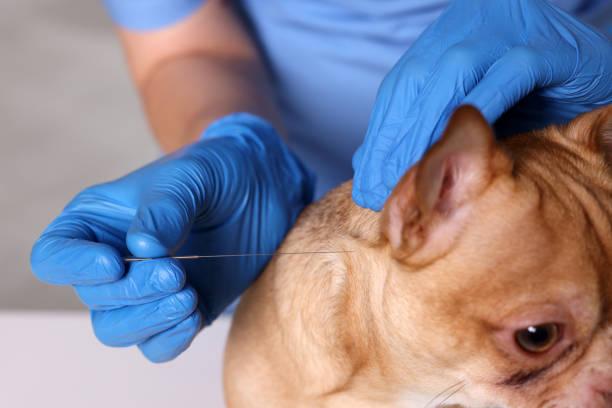
Traditional acupuncture is regarded as an alternative medical treatment since the rationales behind its application do not align with contemporary evidence-based medicine.
According to TCM, the life force energy known as Chi (occasionally spelt “qi,” but always pronounced “Chee”) permeates all of nature, including people and animals. A network of meridians or passageways is thought to be the body’s primary means of transport for chi. Meridians are invisible passageways through which the essential life force travels; they are not visible bodily features like blood vessels or neurons. Similar to people, dogs have named and mapped meridians, and each one has an effect on specific bodily systems and physiological processes.
Yang and Yin are the two polar opposites of Chi. A body that is balanced in both Yin and Yang is one that is healthy and harmonious. Consider the polarities on a battery’s ends. The positive terminal is on one end of the battery, and the negative terminal is on the other. Electricity travels from the positive terminal of a battery to the negative terminal when it is inserted into a device, such as the remote control for your television. Similar to the Yin and Yang in a healthy dog or human, the flow of electricity is steady and balanced.
According to TCM, a Yin/Yang imbalance is what causes disease and agony. A certain meridian may experience congestion, blockage, or stagnation in the flow of Chi. This could result in that meridian having more Yin and less Yang.
In order to stimulate specific spots (referred to as acupoints) along the blocked meridians and restore the equilibrium between Yin and Yang, acupuncture involves inserting very small needles into the skin. Acupuncturists study and memorize each acupoint’s name and function on the body’s 12 meridians in order to treat particular diseases and injuries as well as to promote health and ward off disease.
Dry needling, a technique used in traditional acupuncture, involves inserting very small needles into acupoints connected to certain medical disorders and leaving them there for 10 to 30 minutes. Dog Acupuncture in other forms includes:
When you take your dog to a veterinarian that uses traditional Western medicine, the doctor will inquire about your dog’s appetite, drinking habits, and level of energy. She’ll want to know what you feed your dog and whether or not her bowel movements are consistent with typical behavior. These inquiries will typically be made by the vet as she examines your dog physically, palpating her abdomen, feeling her heart and lungs, and peering into her eyes, ears, and mouth.
Some of the same questions will be asked by veterinary acupuncturists, but they may also add some that may sound strange to you. For instance, they might ask if your dog enjoys a soft or a hard bed to sleep in, and whether she loves to do so in warm or cool environments. Additionally, when they conduct a physical examination of your dog, they will perform procedures that traditional medical professionals do not, like feeling (rather than just counting) your dog’s pulse in several locations, particularly the femoral artery (inside each of the dog’s hind legs, close to the groin), and examining your dog’s tongue.
Veterinarian acupuncturists determine where your dog’s Chi is obstructed or stuck and which acupoints they need to stimulate to restore the healthy flow of Chi using the additional information about your dog’s health collected by these alternative diagnostics.
The acupuncturist typically places needles in six to thirty different places on your dog. As the treatment begins to take effect, dogs almost invariably become extremely calm, and many dogs fall asleep for the about 20 minutes that the needles are left in place.
Acupuncturists typically advise having the canine patient return for at least six or eight sessions of acupuncture, scheduled at least once or twice a week for a few weeks, and subsequently at longer intervals, even though favorable effects may be noticed as soon as the same or next day.
Studies on the effectiveness of the method have often produced conflicting results, and Western scientists have not discovered any evidence to support the presence of acupuncture points or energy meridians in the body. Nevertheless, there is sufficient anecdotal evidence to support its capacity to achieve better results in treated humans and animals that many practitioners use the modality without necessarily believing in the TCM beliefs that underlie the technique.
The phrase “Western Medical Acupuncture,” which is becoming more and more common nowadays, refers to the use of acupuncture in addition to traditional medical diagnoses and treatments.
Modern researchers have looked for alternate explanations for acupuncture’s success, arguing that acupoints and meridians may exist along important facets of the neuromuscular system even though they are not yet detectable with diagnostic methods in use today. Acupoints have been discovered to connect with muscle/tendon junctions, superficial nerve plexuses, and points where nerves enter muscles. Additionally, the meridians on TCM maps, or the channels through which Chi flows, frequently follow the same routes as peripheral nerves.
But there is enough proof that when acupoints are stimulated, the body reacts in measurable ways. Endorphins and endogenous opioids are released, which may have analgesic (pain-relieving) effects. Anti-inflammatory mediators (known as cytokines) are transported to the region as a result of increased blood flow to the area surrounding the acupoints. This lessens inflammation and aids in the healing process.
Dog Acupuncture can be a useful addition to traditional therapy for some medical disorders, according to recent studies. A dog’s comfort and movement may be enhanced more than with only analgesics and physical therapy alone when musculoskeletal and osteoarthritis pain is treated with acupuncture, physical therapy, and analgesics. Additionally, electroacupuncture may help dogs whose mobility has been reduced or decreased as a result of intervertebral disc condition (IVDD).
Find a veterinarian who is certified in veterinary acupuncture if you’re interested in using acupuncture in your dog’s therapy program for osteoarthritis, musculoskeletal discomfort, or IVDD. Veterinarians who hold this specialty certification have undergone extensive training in veterinary acupuncture and its integration with Western medicine.
If you need more information about dog acupuncture you can contact through our contact page or visit us on Facebook.
Articles from the Posh Dog Knee Brace team — a group effort with our licensed veterinary technicians and brace specialists, sharing 15+ years of experience helping dogs recover from CCL/ACL injuries and mobility challenges.
It’s time to focus once more on the chocolate in your home with Valentine’s Day quickly approaching. After all, it’s customary to receive chocolate during this time of year that you would not often have on hand, and this can easily turn into an alluring treat for your family’s pets.
It’s crucial to keep in mind, though, how poisonous chocolate may be for dogs. Although chocolate toxicity in dogs or cats may not always result in death, it can be extremely harmful and may also result in long-term health issues.
To learn more about what to watch out for this Valentine’s Day and whenever you have chocolate in your house, read the information below.
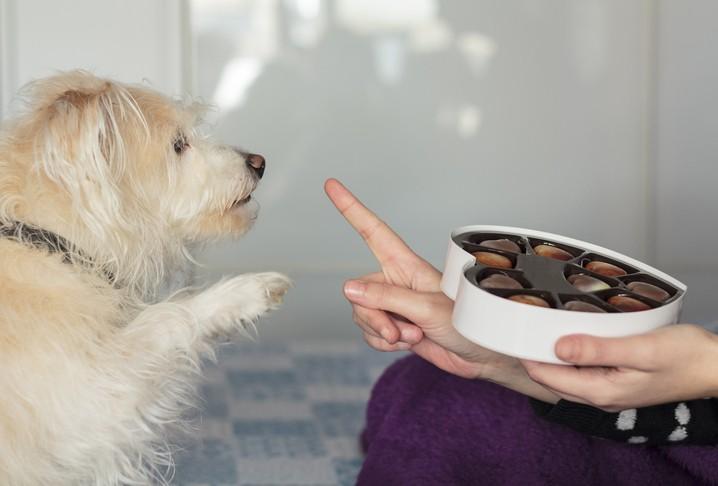
Chocolate is toxic to dogs for two reasons:
The first of these is that chocolate contains caffeine. While certain varieties of chocolate have more caffeine than others, all varieties of chocolate do. Caffeine can make your dog’s heart beat too quickly, which could have major negative health effects. The same logic applies to the argument against allowing dogs to consume coffee.
Theobromine is another component of chocolate that can be poisonous to dogs. This substance can act as a diuretic and behaves similarly to caffeine. Your dog may quickly get dehydrated as a result of this, which could cause other issues.
It’s crucial to keep in mind that a chocolate’s toxicity increases with how bitter it tastes. This indicates that white chocolate is less likely to be harmful than dark baking chocolate, which is particularly poisonous. Do not give your dog any chocolate, even if you believe it is not too bitter, as all varieties of chocolate can be toxic and hazardous to dogs and other pets.
Now that you are aware of the reasons why chocolate is harmful to dogs, it is critical to know how to spot the signs of chocolate poisoning in your pet.
Intoxication symptoms in dogs from chocolate include:
The two issues listed above are the first indications that dogs are poisonous to chocolate. In minor situations, dogs may merely vomit or have a few episodes of diarrhea before feeling better.
However, in extreme circumstances, these symptoms may worsen and eventually lead to the other conditions on the list below.
Dogs who have consumed too much theobromine or caffeine may exhibit increased thirst and urine. This is because theobromine and caffeine are both diuretics.
Particularly caffeine may make dogs act agitatedly. Even without the dog consuming much of it, darker chocolates with higher caffeine concentrations may cause this symptom.
A worrisome sign that might cause cardiac arrest is an increased heart rate, especially in older or sicker dogs. It may be advised to take your pet to the emergency vet for monitoring and/or treatment since it can be challenging to monitor your pet’s heart rate at home.
One of the worst signs of dog’s excessive chocolate poisoning is seizures. This may only happen if a dog consumes a significant amount of chocolate, but it occasionally indicates that the toxicity will become fatal without veterinary care.
If your dog exhibits this symptom after consuming chocolate, take him to the clinic right away.
Depending on the signs your dog exhibits after consuming chocolate, you may need to take different actions.
If you are aware that your pet has had chocolate, call the emergency veterinarian as soon as possible. Depending on the type of chocolate consumed and the size of your pet, clinical symptoms and issues can differ greatly. Your pet may occasionally be made to vomit the chocolate up by the vet in an effort to prevent or decrease the possibility of developing clinical symptoms.
Do not wait for symptoms to appear before contacting your veterinarian; once symptoms appear, treatment becomes much more challenging.
Please take your pet to the emergency vet if he exhibits any of the signs on this list and you are certain that he has consumed chocolate. Dehydration can occur quickly as a result of excessive thirst and urine, which can be very dangerous for dogs.
The more quickly you react to your dog’s alarming symptoms, the more probable it is that your dog will be able to fully recover from the situation.
There are numerous ways to protect your dog at home and avoid chocolate toxicity:
If you keep chocolate of any kind in your home, you should always be aware of how you’re storing it and how probable it is that you’re pet will try to get to it. Whether you have brownies, cookies, milk chocolate bars, or cocoa powder in your kitchen or pantry, they should always be kept in a secure location that your pet can’t access.
Avoid leaving chocolate goodies or wrappers lying around by keeping cabinets and pantry doors closed whenever you can.
Additionally, it’s crucial to teach your pet the “leave it” command to stop them from grabbing objects—either food or inedible—that they shouldn’t. Early training of your dog in good manners and obedience can prevent a lot of hassle later on for both you and them.
Children are renowned for giving pets gifts. Get kids in the habit of putting things away in their right places and teach them not to offer your dog any chocolate or other goodies.
Make sure kids develop the habit of immediately closing the fridge, cupboards, and drawers after usage.
Cocoa shell mulch is a rare but potentially harmful source of chocolate poisoning in dogs. The mulch, which is frequently used as a top covering for plants, can entice dogs with its sweet perfume, causing them to consume some of the mulch, which can lead to disease.
Cocoa shell mulch should never be used for landscaping.
With the use of this knowledge, you ought to be able to protect your dogs at Valentine’s Day and any other time of the year when there is chocolate present. Keep any domestic pets under close observation and store chocolate securely out of their reach. You can avoid this potentially deadly issue altogether if you take this action. Call an emergency veterinarian straight once if you know or suspect that your dog has consumed chocolate.
If you would like to learn more about our tips and tricks you can visit our blog page for you can check out our Facebook Page. If you are interested in purchasing one of our Posh Dog Knee Brace you can click our shop page.
Articles from the Posh Dog Knee Brace team — a group effort with our licensed veterinary technicians and brace specialists, sharing 15+ years of experience helping dogs recover from CCL/ACL injuries and mobility challenges.
When dogs wag their tails and strike objects with them repeatedly, they commonly suffer from this dog tail injury.
Nobody is thrilled if your dog develops what is known as “happy tail syndrome,” though. Dog tail injuries are common, especially in cheerful dogs, but they are challenging to treat.
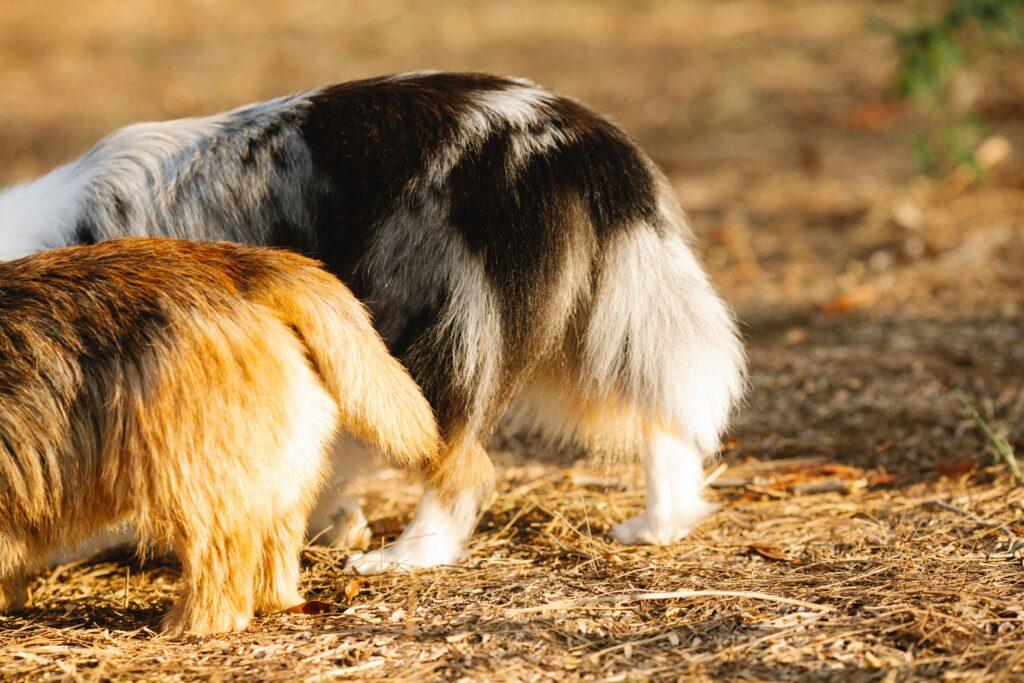
Dogs with long, slender tails that wag vigorously and traumatize the tip of their tail when it strikes a hard surface are said to have “happy tail syndrome.” Every time they bang the tail, they cause more harm to the skin there. It also bleeds. A lot. While the dog is at rest, it might create a clot or scab, but as soon as the dog is up and wagging—or strikes something—the scab falls off, the wound cracks open, and the bleeding resumes. It’s extremely frustrating.
Now what? Finding a means to shield the tail tip from the recurrent damage is a key component of happy tail syndrome treatment. You might be able to encourage it to heal if you can.
The key is creativity. These wild happy tails are difficult to maintain bandaged, and dogs aren’t always ready to do so. People have experimented with a wide variety of items, including pool noodles, toilet paper rolls, chopped water bottles, foam pipe insulating tubes, and syringe casings from your veterinarian. There are commercial kits that use cushioning devices that fit into a bandage on the tail to protect the dog’s tail.
Here are a few pointers: Try to keep it as light as you can. The likelihood that the bandage may go winging off with the wagging increases with its weight. I apply white first-aid tape that extends several inches down the tail before being incorporated into the bandage covering the wound. The goal is to increase the bandage’s “grab” so that it will adhere better. Make sure it’s not too tight! Keep the protective tube’s end open to allow air to flow to the tail tip.
Sadly, even if you are successful in helping your dog’s tail recover, it will probably reoccur again. You could try padding the walls, corners, and other surfaces where he constantly bumping his tail, but that’s difficult to accomplish and not very appealing when visitors are over. Only where there is room can you try to interact with your dog, but that is also impractical.
In Conclusion! Talk to your veterinarian about having the tail amputated if you can’t get it to mend or if you’re sick of returning home to a bloody scene straight out of a horror movie. If you go short enough, the surgery will take care of the traumatized tip and ensure that it never happens again. These dogs occasionally develop adorable tiny bob tails. You won’t get any blood splatter, and they are still free to wag as fiercely as they want.
Let Your Dog Recover With Our Custom Dog Knee Brace!
We’ve Helped Thousands Of Dogs, Now We Want To Help Yours…
The Posh Dog Knee Brace is a 100% custom Dog knee brace, hand made only for your Dog. We make our custom brace with no casting. Our state-of-the-art brace for Dogs is very durable, waterproof, sand proof, and easily adjustable by customers. Our Veterinary Technicians provide personal live video supervision of measuring, and fitting of your Dog ACL brace in the comfort of your own home.
If your dog is in need of a Posh Dog Knee Brace you can order from our Shop page if you would like to join our Facebook Group please click here. Thank you for reading this article for more information you can contact us anytime.
Articles from the Posh Dog Knee Brace team — a group effort with our licensed veterinary technicians and brace specialists, sharing 15+ years of experience helping dogs recover from CCL/ACL injuries and mobility challenges.
How frequently to feed your dog is one of the most contentious topics in the world of dog owners. Do you fed them breakfast in the morning, then lunch and dinner, or does that run the risk of overfeeding them? Do you fed them all at once or do you wait until the end of the day? No matter your dog’s age, take a look at the finest food options to keep them nourished and healthy.
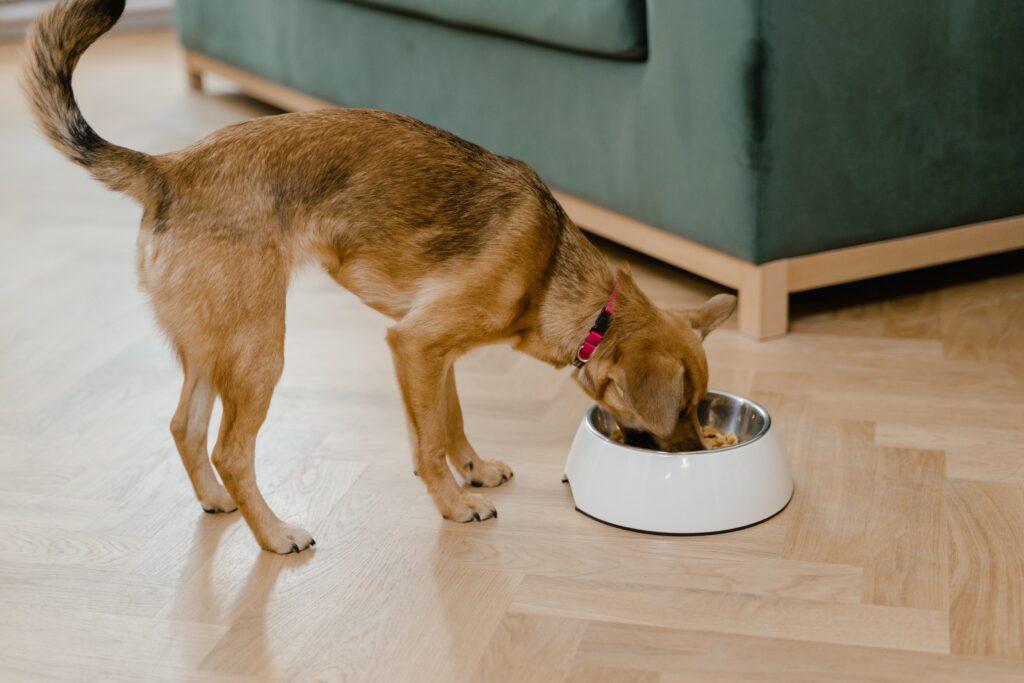
Ideally, you ought to give your dog food twice daily. Most crucial, these two meals need to be served every day at the same time. They will eventually develop a regular schedule for going to the restroom each day. You can also keep an eye out for any health problems. Dogs who are feeling under the weather might not eat as much. As a result, if your dog follows a regular eating schedule, any problems will be obvious.
Ensuring they don’t receive more food than what your veterinarian advises is crucial. For optimal feeding, it’s essential to speak with your veterinarian because some food labels might be deceptive. Remember that less priced dog feeds may not provide your dog with the same nutrients as products that adhere to the Association of American Feed Control Officials (AAFCO) nutritional requirements since they contain fillers like maize and brewers rice.
The feeding method that most dog experts advise against is letting your dog graze on a full bowl of dog food all day. This choice could be the simplest for dog owners with a hectic schedule, but your dog won’t gain anything from it.
When dogs have constant access to food, there is a greater likelihood that they may overeat, which can cause complications as they age like excessive weight gain or health problems like heart disease or diabetes.
Young puppies actually require a number of smaller, distinct meals in order to develop into healthy, powerful animals. As early as three to four weeks old, puppies are ready to begin eating solid foods. At that young age, it can be necessary to feed them up to five times per day. When using dog foods designed specifically for puppies, just keep the portions modest. The right amount of food for your puppy’s age and breed should be determined by your veterinarian.
When your dog reaches the age of six weeks, you can cut back on the number of meals to three or four per day. No matter what breed your dog is, three meals a day should be sufficient for them after eight weeks. Keep in mind that pups that are teething can start eating less for a while. Puppies between the ages of three and six months typically experience this.
Due to inactivity or health problems, dogs’ appetites may decline as they get older. They might not have the same amount of energy to run around as they did when they were younger, thus they won’t require as much food. You might wish to switch them to a senior dog chow that has fewer calories at this stage of their life, or just start feeding them less frequently.
Some older dogs are more vulnerable to a variety of ailments. In order to keep them healthy as they age, they will need to keep an eye on their eating patterns and maintain a healthy weight.
Please keep in mind that dogs have sensitive stomachs when feeding your pet. Frequently changing pet food brands could make them uncomfortable. If you decide to switch, make sure to do so gradually over a few weeks so they have time to adjust to the new flavor and recipe.
Overall, your dog is the finest resource for determining its needs. You can be overfeeding them if they appear to be in wonderful health but aren’t finishing all of their food. They may be deficient in important nutrients if they are constantly hungry.
It’s critical to understand what your dog eats. The quantity, rate, and manner in which they digest their meal will give you a decent idea of their health, level of activity, and general contentment.
If you are interested in any other information you can reach out to us on our contact page or visit our Facebook Page.
Articles from the Posh Dog Knee Brace team — a group effort with our licensed veterinary technicians and brace specialists, sharing 15+ years of experience helping dogs recover from CCL/ACL injuries and mobility challenges.
Without any negative consequences, milk and other milk-based foods are enjoyed and beneficial by many dogs. If you want to include dairy products in your dog’s diet, stick to these recommendations.
Any food given to dogs may cause conflict, but dairy products cause conflict more frequently than most.
Due to their high levels of protein, calcium, potassium, vitamin D, B vitamins, zinc, and other minerals, milk and dairy products are highly appreciated. Because of this plus the fact that the majority of dogs adore dairy products, milk and other milk-based foods continue to be common additions to canine diets.
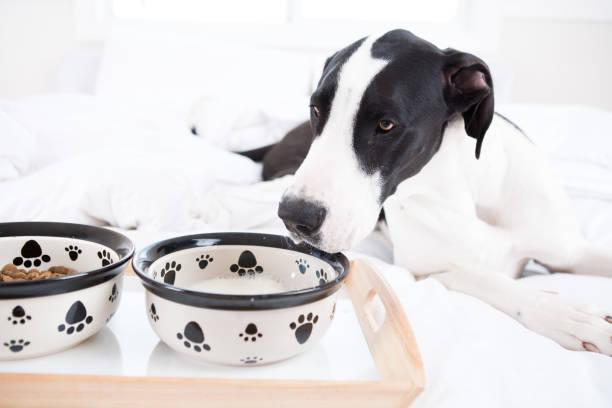
Healthy young puppies may easily digest their mother’s milk, but adult dogs frequently struggle to process lactose, the sugar found naturally in milk. Diarrhea, vomiting, appetite loss, bloating, gas, and other lactose intolerance symptoms are attributed to the lactose in cow’s milk.
The discussion of dairy for dogs up until recently centered on the production and processing of milk. Dairy cattle are frequently raised in cramped quarters nowadays, fed unsuitable diet, and given hormone and antibiotic treatments that leave residues and lower milk quality. People who believe milk is the best nourishment for adult dogs and puppies call for a return to small-scale, ethical, organic, grass-fed dairy farming.
The nutritional value of milk is said to have decreased as a result of pasteurization. Milk is pasteurized to eliminate dangerous bacteria, yeast, and molds; ultra-pasteurization (treatment at higher temperatures) further increases shelf life.
Critics of these practices assert that pasteurization kills the valuable enzymes in milk and changes the proteins in milk. These people recommend raw milk as the cure. Updates, resources, and safety information on raw milk are available from the Campaign for Real Milk (realmilk.org). While laws differ from state to state, raw milk products for dogs are available in a number of states at pet supply stores.
Additionally, homogenizing is criticized. As cream separates from fresh whole milk, it rises to the top. The majority of dairies sell homogenized milk, which has been processed under high pressure to break the cream into small particles and produce a homogenous combination. Some dairies sell whole milk with a layer of cream on top. It is uncommon to homogenize goat’s milk or sheep’s milk because the fat molecules are already tiny enough to produce a consistent texture.
While milk production and processing techniques continue to be important issues, genetics has altered the dairy for dogs discussion. A1 beta-casein, a milk protein, is produced by a mutation that affects over half of America’s dairy cows. Recent studies have suggested a connection between human health issues like allergies, dyspepsia, and possibly autoimmune illnesses and the consumption of A1 milk, which is produced by Holstein cattle, the most productive dairy cows in America.
In contrast, the older, original A2 gene is more prevalent in cows like Guernsey, Jersey, Charolai, Limousin, Norwegian Reds, and Brown Swiss cows. A Systematic Review of the Gastrointestinal Effects of A1 Compared with A2 Beta-Casein, published in the September issue of the journal Advanced Nutrition, is one of more than 200 studies comparing the effects of A1 and A2 milk in the medical literature. According to that study, both rodents and people who consume A1 milk experience gastrointestinal discomfort and have inflammatory response markers.
While there haven’t been any scientific studies comparing A1 and A2 milk’s effects on dogs, anecdotal tales from vets, breeders, and owners describe dogs with dyspepsia brought on by dairy doing better on A2 milk.
In American supermarkets and natural food stores, it is now simple to locate milk that is branded as A2 or A2A2 (which denotes that both parents of the cows who produced the milk have the A2-milk producing genes).
Sheep, goats, bison, camels, donkeys, and yaks are additional animals that can produce A2 milk. Any of these milks can be given as a supplement for young puppies or as a way to help sick or elderly dogs recover from their illnesses.
Dairy products manufactured from milk, particularly cow’s milk, may cause dogs either no issues at all or severe stomach disturbances. The common explanation for complaints is lactose intolerance.
In comparison to whole milk, cottage, Swiss, and cheddar cheese have much lower lactose content per ounce. Most dogs can accept string cheese or young (as opposed to aged) cheddar training rewards better than old hard cheeses. Mycotoxins, which can be poisonous to dogs, are present in ripened cheeses including Roquefort, blue cheeses, and Stilton. These veined, fragrant cheeses are made with roquefortine C, a toxin that can make dogs throw up, have fever, and even have convulsions.
The salt level in feta and various other forms of aged, hard cheese is considerable. Dogs with heart illness, Addison’s disease, advanced kidney disease, and other disorders that call for a low-salt diet might suffer from too much salt. Goat, Swiss, mozzarella, cottage, and ricotta cheeses often have minimal salt content.
The fat content of cheese, which can cause weight gain and, in rare situations, pancreatitis, a serious condition in dogs, is another issue. Mozzarella, cottage cheese, and cheeses marked “low fat” or “reduced fat” are examples of cheeses that are lower in fat. Moderation is your best cheese-feeding advice because eating large amounts of any cheese can lead to issues.
Whey, a leftover substance from producing cheese, has historically been fed to farm animals, including dogs. Whey protein powder is marketed as a sports supplement that can help canine athletes and dogs who are recuperating from illness or injury perform better. Consult your veterinarian and make any necessary dietary changes for your dog if they think they would benefit from a whey supplement. Some retailers and farms sell liquid raw-milk whey; visit getrawmilk.com for more information.
A microbiome is an umbrella word that encompasses colonies of bacteria, viruses, fungus, and other microbes in the body, particularly in the digestive tract.
Beneficial or “friendly” microorganisms emit substances that kill off undesirable bacteria. Colonies of good bacteria starve dangerous microorganisms by denying them resources and space if they are present in sufficient quantities. The immune system’s first line of protection is a healthy microbiome.
Dogs with yeast infections, inflammation, skin problems, allergies, and digestive disorders are frequently advised to consume lactofermented dairy products, which are probiotics that maintain the microbiome.
The most well-known fermented dairy products are yogurt and kefir, both of which have recently gained popularity as dog food. Especially after receiving antibiotic therapy, they support the body’s healthy bacteria by restoring digestion, boosting the immune system, and strengthening the immune system.
In natural food markets and pet supply stores, a variety of yogurt and kefir products, some of which include extra ingredients, are sold. These goods include fresh or frozen goat’s milk and cow’s milk products (check labels). Making your own plain, unflavored, sugar-free yogurt or kefir is the most economical and straightforward option.
Yogurt starters and live milk kefir starter grains that have been dehydrated are widely accessible. Both the fermentation process and active cultures, which continue to digest lactose while the cultured milk is refrigerated, aid in reducing the amount of lactose in milk.
While kefir ferments at ambient temperature, yogurt must be made in a warm, consistent environment, such an electric yogurt maker. Use organic, pasture-raised A2A2 milk or goat’s milk if you can. Kefir and yogurt should be refrigerated or frozen for long-term storage. Search online for “make your own yogurt or kefir” to find how-to videos on YouTube.com and other websites that walk you through the process.
Start introducing these foods to your dog’s diet in tiny doses, such as 1 teaspoon per 20 pounds of body weight. Wait 24 hours before checking for gastrointestinal issues like diarrhea. Add more the next day if your dog likes the taste and appears healthy. According to some experts, you should give your dog up to 2 tablespoons of yogurt or kefir per 20 pounds of body weight each day, but many healthy dogs consume much more. For the best outcomes, keep an eye on your dog’s reaction and consult your veterinarian.
Dogs enjoy frozen dairy treats much like their owners do, but it’s possible that the treats don’t reciprocate. Cow’s milk ice cream is likely to be artificially flavored, rich in fat, high in lactose (and presumably high in A1 milk proteins), and sweetened with sugar. Always check the ingredients; xylitol, which is highly poisonous to dogs, is a component of certain ice cream.
Typically lactose- and xylitol-free, dog-specific ice cream products may nevertheless contain sweeteners like maltodextrin, polydextrose, sorbitol, and other dubious substances.
Making a healthier substitute is as simple as freezing plain yogurt or kefir in popsicle molds, ice cube trays, or freezer pop molds. Before freezing, fresh fruit, peanut butter, or other sugar-free flavorings can be added. Wooden sticks can also be used to hold the dog treats.
It’s no secret that dogs adore dairy products! Your dogs can fall in love with milk-based products that love them back thanks to carefully chosen ingredients. If you are looking for more information you can contact us through our contact form or you can visit our Facebook Page.
Articles from the Posh Dog Knee Brace team — a group effort with our licensed veterinary technicians and brace specialists, sharing 15+ years of experience helping dogs recover from CCL/ACL injuries and mobility challenges.
Hey guys, today let’s discuss hips and joints, and why it is so important to do your research if adopting a dog from a “breeder”. Unfortunately, just because a puppy has a hefty price tag, does not mean they have had proper health screening. Today we will explain why this simple step can save you literally thousands of dollars, and a lot of heartbreak. So, you see an add for a cute little fluffy golden retriever puppy (maybe a doodle mix), not papered, and for a great price. Good deal, right? You aren’t planning to breed, so in your mind it is meant to be, and the price is half what you have seen other goldens/doodles go for.
Wrong! Backyard breeders, those who are breeding just for the profit, do not do any health screening. Unfortunately, they get away with this quite frequently. These poor puppies end up with so many health related issues. Did you know that golden’s are the poster child for bad hips and joints, due to people not doing proper health checks and background checks, and overbreeding them? Yes, the parents may seem healthy and well taken care of, vet records look good, vaccinated, but how about their joints and eyes?
I can’t tell you how many broken hearts I have seen, because someone brings in a 9 month old puppy that has bilateral hip dysplasia, so bad that there is barely a socket. In these cases, each hip can cost up and above $10,000 each, not to mention the elbows and the knees will most likely be terrible. Now, this adorable 9 month old otherwise healthy puppy is looking at a lifetime of extreme pain, and being completely crippled by age 2 without extreme surgeries.
This is not that uncommon; I just had a case last week. This scenario is completely preventable as well if the breeders had just done their part. Even if you have dog insurance, 20% of $20,000+ in surgeries is still a good chunk of change. Goldens are not the only breeds affected, many large breeds suffer from hip and joint arthritis. Small breeds tend to get luxating patellas and eye issues, which can also be genetic. If the parents have a major joint issue, you can bet the pups may as well.
What can you do as a potential adopter? Ask to see the hip and elbow certifications, prior to visiting a puppy. Do not visit the puppy before asking, you will fall in love with the pup and take him/her home, trust me😊 Make sure that the owners have done either OFA certification of both hips and elbows, or at the very least Pennhip certification. If either of the parents is under 2 years of age, you can bet they did not do the certifications, as they pup needs to be at least 2 years of age to OFA certify the hips, and at least 6-9 months for pennhips.
These are not perfect, however, they are a good indicator of future health concerns. Do not adopt a pup from any breeder with hips that are less than “good”. They go “excellent”, then “good”, “fair”, and of course “poor”. Fair and poor are obviously bad, and should not be ever bred. A first puppy wellness exam is not good enough. They are just checking teeth, weight, and for hernias (also genetic). This will absolutely not tell you if this pup will be healthy still in 9 months.
Now, if you find yourself adopting a puppy or adult dog from a shelter, make sure they have a proper vet examination prior to taking them home. You usually have 3 days to do so. I have had many people take home a dog to find out that the knees both have CCL tears or severe dysplasia. Unfortunately, you can’t insure this with any pet insurance, as it was a previous condition. Make sure that you are in a financial spot to take care of this sweet dog, so he/she is not carted back to the shelter and stressed even more.
We can definitely help you with bracing the CCL tears if needed, however, make sure you know exactly what health issues there are prior to adopting. If you adopt a puppy, I certainly would get insurance right away. Also, there are many good breeders, who have generations upon generations of certified dogs, all health screened and with sound hips. Just make sure you find the right one.
The takeaway here is that it is always a good idea to health screen and find out the history of your potential new family member, prior to adopting. Even if the breeder has a health guarantee, could you honestly take back a 9 month old puppy that your family has bonded with, knowing they will be most likely put down? It breaks my heart to talk to someone that has a very young dog with preventable diseases.
Unfortunately, by purchasing these dogs to ‘save’ them from the breeder is just encouraging that breeder to keep going. The only way to stop the cycle is to stop purchasing puppies from breeders who do not do the proper health screens. If purchasing a small breed, such as a breed that is brachycephalic or a “squished” cute nose, make sure the eyes have been certified. These breeds are very prone to cataract issues, and can go blind at a young age without surgery.
Perhaps instead of going to a breeder, it is better to adopt from the shelter, as most shelter dogs come with a full vet exam, and at least you will know what they have prior to adopting and can prepare. Most shelters have certified technicians and vets on staff, that would be more than happy to explain any health issues, and what you are looking at. If you have any questions, or need advice, always feel free to contact us or visit our Facebook Page for more tips!
Articles from the Posh Dog Knee Brace team — a group effort with our licensed veterinary technicians and brace specialists, sharing 15+ years of experience helping dogs recover from CCL/ACL injuries and mobility challenges.
Today I want to discuss a popular topic, and that is early spay and neutering, and the correlation with ligament tears. Now, we are not saying that you should not fix your dog, only the reasons that you should wait until the appropriate age (depending on breed) to do so.
For most breeds, especially our giant breeds, we need to wait 12-18 months, to give the hormones a chance to work, and for our bones to finish growing. The Femur and tibia can take up to 14 months to finish growing, and if we take away the hormones too early, then it can cause these bones to grow longer than they should, thus altering the knee angle, and putting too much pressure on the knee, hips, and spine.
In recent studies, it is shown that dogs being fixed too early are 2 times more likely to have a CCL tear, and 3 times more likely to develop Luxating patella issues. Also, in a closed study it was shown that 97% of patients getting hydrotherapy for hip dysplasia had been spayed or neutered before 1 year of age.
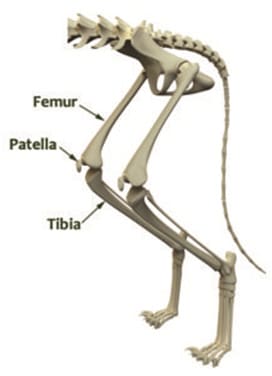
Looking for more information? You can reach out to us through our contact form or Facebook page.
Read reviews check out our Google Reviews online. Click Here
Articles from the Posh Dog Knee Brace team — a group effort with our licensed veterinary technicians and brace specialists, sharing 15+ years of experience helping dogs recover from CCL/ACL injuries and mobility challenges.
Hi guys, this is Nikki, lead veterinary technician with Posh Dog Knee Braces. Today, let’s discus osteoarthritis (OA) in dogs. Osteoarthritis is the most common form of arthritis in dogs, affecting about 25% of our dog populations. This is a chronic, not acute, disease that is due to loss of joint cartilage (our buffers), thickening of the joint, and bone formation around the joint leading to pain and limping. A lot of our OA patients have other developmental issues or disease, which predisposes them to having OA. This includes Cruciate disease, hip dysplasia, elbow dysplasia, OCD, patella luxation.
Sometimes, there may not be a reason that this occurs, and a patient just develops for no known reason. Some factors that can make this worse include obesity, gender, breed, exercise, and diet.
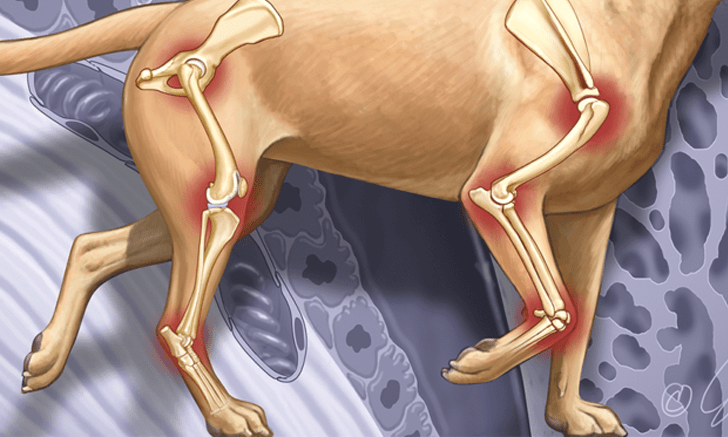
Signs of OA are sometimes reluctance to walk or exercise, acting stiff, limping, bunny hoping while running. Pain on palpation, possible aggression or discomfort is also usually present. They hurt and ache.
This is why it is always good to have an xray with limping patients over 6 years old, to rule out other things that can cause limping such as OA.
Treatment of OA includes weight and diet control, such as feeding Raw diet or diets with better protein, less carbs. Limiting the higher impact activities, such as running or jumping, replace with leash walks and range of motion activities. Physical therapy can really help build back those lost muscles, such as swimming. Laser therapy can also really help.
Supplements with fatty acids, such as fish oils, or green lipped muscle have shown to really improve quality. Adequan injections are one of the only leading products right now specifically formulated to fight OA, and prevent things from getting worse, I strongly recommend. Bracing may also be needed, to help alleviate the pressure on the joint, and act as a support and shock absorber, especially if it was due to CCL disease. Bracing may also help build back lost muscle, and alleviate the pain with walks.
Lastly, some form of anti-inflammatory may be recommended, but there are several natural anti-inflammatories that may be tummy safe, such as CBD oil or white willow bark.
Dogs that have undergone surgery, such as TPLO, have been shown in many studies to have more 77% more OA just 8 weeks post op than before on radiographs. So, if a patient has had TPLO, there is a much higher chance that dog will develop arthritis later on.
Thanks, and please visit poshdogkneebrace.com with any questions, or visit our Facebook page we are happy to help!
Read reviews check out our Google Reviews online. Click Here
Articles from the Posh Dog Knee Brace team — a group effort with our licensed veterinary technicians and brace specialists, sharing 15+ years of experience helping dogs recover from CCL/ACL injuries and mobility challenges.
We are used to reading that regular walking will keep your dog healthy. How frequently do you walk your dog though? How often should you do this? How much activity do dogs actually require? How can I make the most of a dog walk? Find all of those answers right here!
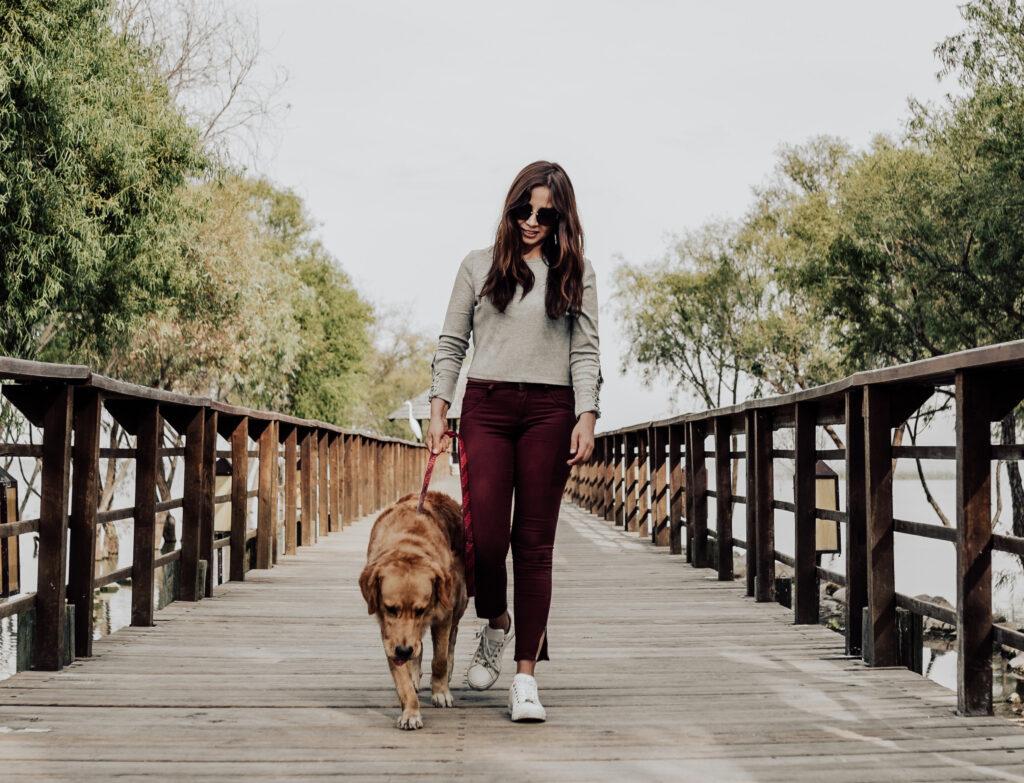
It’s generally advised to take your dog on a walk for at least 15 minutes three to four times every day. However, this may change depending on your dogs:
Smaller dogs might benefit from just one daily stroll, but high-energy dog types will need multiple walks. Is one of those breeds your dog? Are you an active person who wishes to spend more time exercising with your dog? Perhaps you are unsure of the precise amount of exercise your dog need. A trip to the vet is advised in that situation. They will be pleased to offer you practical hints and walking guidance tailored to the particular conditions involving your dog.
Every dog belongs to a distinct breed group, and every breed has unique exercise requirements and restrictions. Giving you a good idea of how much activity to aim for, it’s simple to stay on track after your daily goal has been established.
The amount of sleep your dog receives is as crucial to how much walking you should undertake. After all, a full day of action calls for a restful sleep. Learn your dog’s sleeping patterns, check to make sure they’re getting enough (quality) sleep, and determine if anything seems off. For instance, excessive sleeping could be a warning that you should consult your veterinarian.
If you’re a really active person, these high-energy breeds will fit your lifestyle:
Outdoor activities are the ideal method to develop a relationship with these animals. Your dog will make the trip more enjoyable whether you choose to stroll, hike, or run.
These dog breeds require more exercise than others:
If your dog falls into one of these categories, aim to push them beyond their physical limits while also testing their training and cognitive abilities. The dogs in these categories will find ordinary games dull, so feel free to get inventive!
Did you realize? These dogs need a minimum of 2.5 hours of intense activity per day.
This can readily be translated into at least four daily walks of 20–25 minutes each. Due to their high intelligence, dogs in this category should also be given mental challenges. A minimum of 30 minutes should be set up each day for intelligence game sessions with them. Make sure to outfit these puppies with an activity monitor so you can follow them on all of their outside escapades.
Terrier dogs come out as little, vivacious, strong-willed, and trainable. Although there are only a few dogs in this pack, they nevertheless require a lot of exercise.
Advice: Terriers require at least 1.5 hours of exercise each day.
A reasonable walking routine might involve three 20–25 minute walks each day. For this group, you might want to add some games that need cerebral exercise. It should be difficult enough for 20 minutes a day to keep them active.
Breeds belonging to this group, such as:
Definitely need a challenge in the activities. For them, a minimal amount of daily walking and exercise is one and a half hours. Since these dog breeds enjoy running as well, feel free to begin a running exercise with them as long as you take your time and account for your dog’s age.
It’s important to remember that dogs in this group should take at least three daily walks of at least 30 minutes each, in addition to engaging in cognitive activities.
Chihuahuas and other small dog breeds are typically what we refer to as companion animals today. Avoid subjecting these low-energy breeds to long periods of strenuous activity. Instead, allocate shorter amounts of time for enjoyable activities like games and regular strolls to keep the kids active.
Overly active dogs, such as those with short hair, can have detrimental effects. Since they have less fur, they are more prone to respiratory problems and easy overheating. Take these breeds on quick, uncomplicated strolls. Activity monitor your dog to keep tabs on your tiny dog’s daily exercise to make sure it doesn’t exceed recommended levels.
Watch out: These dog breeds only need two daily, brief walks.
There are several benefits for your dog in frequently walking with you. Some of these explanations have to do with your dog’s health, while others have to do with its training. While following you and moving at your pace while on a leash, your dog might learn discipline.
Are there any considerations you should make when walking your dog? Safety comes first as usual.
Only when you are confident your dog won’t run away and you are in a safe, unpopulated place should you try off-leash dog walks.
Don’t punish your dog if they do manage to escape. Your dog must not identify your return with any sense of wrongdoing or resentment. Keep your dog on a leash at all times if you find that they have a tendency to run away. Make sure to teach your dog the fundamental safety commands as another safety advice. They are not only simple to teach, but they can shield you and your animal companion from risky circumstances.
A dog parent’s life includes taking their dog for walks frequently. A short stroll helps your dog behave better in social situations and strengthens the connection you share with your dog. You may have fun while working to keep your dog healthy if you view dog walks as enjoyable times of the day.
Another way to lessen destructive chewing or scratching is to take your dog for a walk (should this be an issue your dog is facing).
However, the advantages extend beyond your dog! In fact, going outside to spend time with your dog can improve your general wellbeing and level of fitness. Daily walks can reduce your risk of developing diabetes, strengthen your bones, and lower your blood pressure. So, why are you still waiting? Get your dog outside and walking!
For more information you can reach us on our contact page or visit our Facebook page for more tips.
Read reviews check out our Google Reviews online. Click Here
Articles from the Posh Dog Knee Brace team — a group effort with our licensed veterinary technicians and brace specialists, sharing 15+ years of experience helping dogs recover from CCL/ACL injuries and mobility challenges.
Hey guys, this is Nikki, Lead Veterinary technician with Posh Dog Knee Braces. So, today I would like to talk about feeding raw diets, pros cons and why it has been clinically proven. First off, studies show that puppies that are raw fed starting at 8 weeks old have a significant decrease in their chances of Atopic dermatitis, and much less chance of developing obesity and cholesterol/glucose issues later on, such as diabetes. They also have an increased resistance to roundworms, which is great news. There is also shinier coats, healthy skin, cleaner teeth, more energy, smaller stools, and most important is healthy weight.
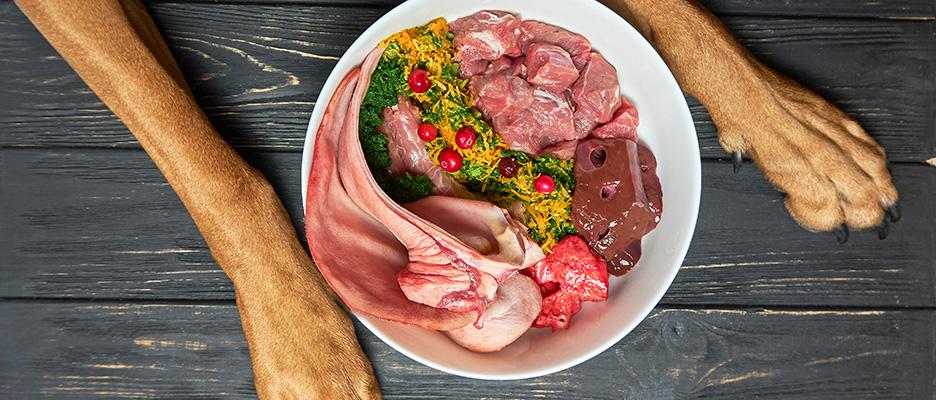
It has been shown to be a great support for joint health, so dogs with CCL tears! Crushed bone provides calcium, phosphorus, glucosamine, chondroitin, collagen, and marrow. This also helps immune systems!
The biggest questions we hearis, Is it safe to feed or dog a raw diet feed? Well, this is a great question. It depends on how you are raw feeding. Some meat may have chemical contaminants, microbial pathogens such as salmonella or e. colli, or there is the issue of feeding whole bones, or unbalanced diet. Bones if not ground properly, or supervised, can cause impactions, or gastric tears, fractures on teeth, etc. So, it is very important if you choose to Raw feed, please do your homework.
What is raw diet food? Typically, this includes muscle meat (not by products), bones whole or ground (I prefer ground), organ meat, raw egg, vegetables, fruit, some probiotics. This can be either via homemade diet, or via pre-made packages. The nice thing about purchasing packaged raw food is that they must provide cleansing methods to prevent contaminations, and grind down any bone material, so it is a bit safer.
There are many companies that can provide frozen raw diets for your pup, just make sure to look at ingredients to ensure they include things that your dog should be eating. One good thing about feeding frozen raw already prepared, is most will have supplements your dog needs already as a part of the diet.
So, whether you feed kibble currently or raw, your dog’s diet is a big decision. We all know that dogs were not meant to eat things like wheat, corn, and soy. Some carbohydrates are required for energy, so there needs to be a good balance. Raw feeding is a huge life change, and can sometimes not be as budget friendly as commercial diets, so that is another thing to consider before making the change. I am not trying to sway you either way, just giving you all the facts on both sides. Let us know if you have any questions, send us a message through our contact form or visit our Facebook page.
Read reviews check out our Google Reviews online. Click Here
Articles from the Posh Dog Knee Brace team — a group effort with our licensed veterinary technicians and brace specialists, sharing 15+ years of experience helping dogs recover from CCL/ACL injuries and mobility challenges.