When preparing homemade dog food, it’s essential to include a balanced combination of ingredients that provide the necessary nutrients for your dog’s health and well-being. Here are three essential foods for dogs that you can incorporate into homemade dog food recipes:
Always consult with your veterinarian to ensure that the homemade dog food recipe meets your dog’s specific nutritional requirements, taking into account their age, size, breed, and any health conditions they may have.
Keep in mind that homemade dog food should be properly balanced and varied to provide a complete and nutritionally adequate diet. A qualified veterinary nutritionist can help you create a balanced homemade diet plan tailored to your dog’s individual needs and preferences.
If you are interested in one of our products you can check out our Shopping Page, if you would like to join our Facebook page click here.
Articles from the Posh Dog Knee Brace team — a group effort with our licensed veterinary technicians and brace specialists, sharing 15+ years of experience helping dogs recover from CCL/ACL injuries and mobility challenges.
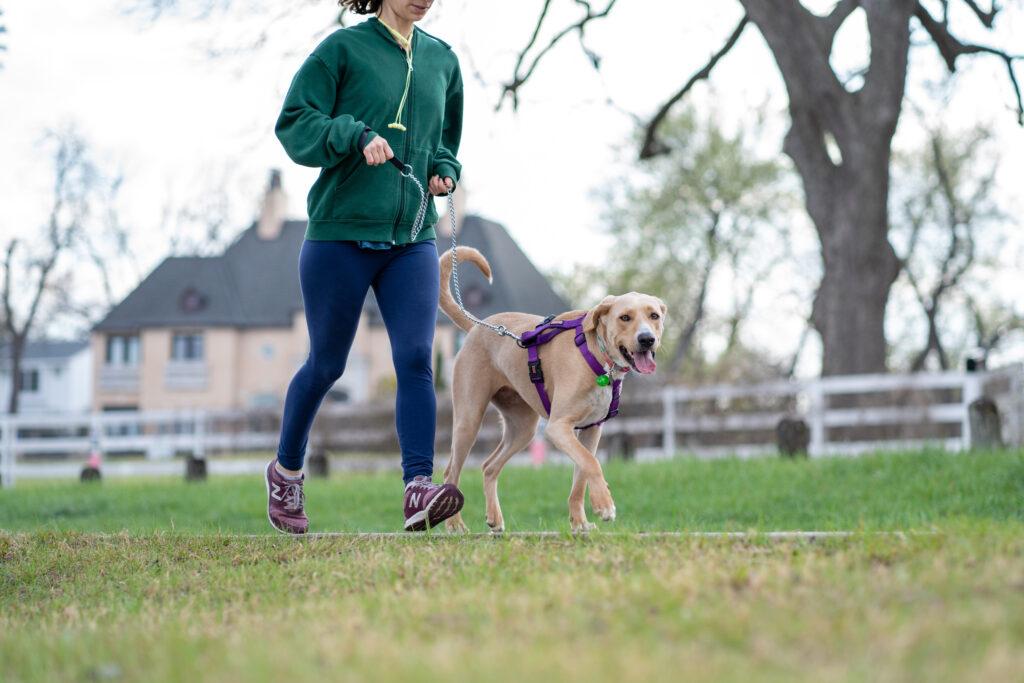
For dogs to maintain their physical and mental health, regular dog exercise is crucial. To avoid injuries, it’s important to select workouts that are suitable for your dog’s age, breed, size, and degree of fitness. The following canine workouts and injury prevention advice:
If you are interested in more information you can contact us via our contact page or visit our Facebook page.
Articles from the Posh Dog Knee Brace team — a group effort with our licensed veterinary technicians and brace specialists, sharing 15+ years of experience helping dogs recover from CCL/ACL injuries and mobility challenges.
When looking to buy therapeutic-quality essential oils for dogs, it’s essential to be cautious and choose products that are safe and suitable for canine use. Here are some tips to help you identify and purchase high-quality essential oils for your furry friend:
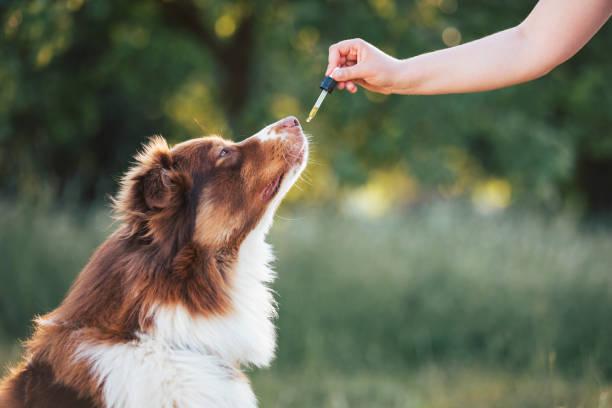
Remember that each dog is unique, and what works well for one dog may not be suitable for another. Always prioritize your dog’s safety and well-being, and seek professional advice if you have any doubts about using essential oils for your canine companion.
If you are interested in a Posh Dog Knee Brace you can contact us via our form or visit our Facebook Page.
Articles from the Posh Dog Knee Brace team — a group effort with our licensed veterinary technicians and brace specialists, sharing 15+ years of experience helping dogs recover from CCL/ACL injuries and mobility challenges.
Hey guys! Nikki, Lead Veterinary Technician with Posh Dog Knee Braces here. Let’s talk about the importance of pet insurance. I know I have touched on this before, but let’s explain the benefits, especially where orthopedics are concerned. If you asked me 2 years ago, I did not have my dog’s insured, and thought they were healthy, so it’s a waste of money right? Boy was I wrong. My very healthy 8 year old athletic dog went down suddenly, not wanting to get up or eat. I immediately took her to the emergency vet, where it was diagnosed she had a ruptured splenic tumor.
Let’s just say the bills from this visit were astronomical, and still I couldn’t save my dog. Now I am still paying off a bill for a dog that has been gone for over 2 years now. I can’t blame the vet, they did everything they could to save my girl. I can only blame myself, because I knew about insurance for her and still held off.

Now with my new girl Coco, we immediately got pet insurance. She has had cheat grass in her ears, tummy infections, and everything was covered. I would be another few thousand in debt if I did not have insurance on my girl.
Let me tell you about a family member’s dog. He developed a cough, which turned out to be the start of heart failure. To treat him for just 2 days, in order to get him stable to go home, was over $5,000. They were not ready to say goodbye to their fur baby, and of course put this on their credit card. They are now into their dog about $10,000. He is doing much better, but they will also be paying for his care many years after he has passed.
My insurance will cover up to 90%, leaving only $97 if I ever need a custom posh brace for Coco. Now that $35/month is sounding better and better I bet. Or, if your dog has any other orthopedic issues, such as luxating patella, shoulder issues, spinal issues, those are all covered.
I have another scenario that happened to a client’s dog. He was diagnosed with degenerative disc disease, common in daschunds and other small breeds, and one day could not walk on his hind legs. He needed emergency surgery, which was over $10,000, in order to walk again. Thankfully the owner had insurance, and was able to do the surgery with under $1k out of pocket. He went on to live another 5 years, running and playing like nothing happened.
So, I urge you, if you are on the fence about insurance, please take some time to call a few companies. There are many to choose from now, and most are very affordable. Much more affordable than a monthly credit card bill for treatments. Don’t let money ever be the reason to say goodbye to your best friend. Feel free to reach out to us if you would like some suggestions on companies that we know work with braces. Thanks!
You can contact us via our contact page or you can visit our Facebook page to talk to others who have used our brace.
Articles from the Posh Dog Knee Brace team — a group effort with our licensed veterinary technicians and brace specialists, sharing 15+ years of experience helping dogs recover from CCL/ACL injuries and mobility challenges.
Hey guys, this is Nikki Lead Veterinary Technician with Posh Dog Knee Braces. Today let’s talk about exercise in our cute little furry babies that we all love! Puppies are so cute, running around with those giant feet that don’t seem to match their bodies. Have you noticed how puppies tend to be very clumsy? Always falling over, tripping, slipping on hard surfaces? We think it is cute, but did you know there is a reason? Let’s talk about that today.
Did you know that a puppies bones do not even touch when you bring home that cute little 8 week old puppy? Their little joints are made of muscle, tendons, and ligaments with skin covering. Nothing is fitting tightly like a true socket. It can take 4-6 months for the joints to start developing, and 8 months and up for those growth plates to start to fuse. Some large breeds take 15+ months for their growth plates to finish. What does this mean?
This means that we have to be very careful as to not run a young dog excessively. This means restricting and supervising your puppy’s exercise, to stop them from being over-active. Each time they have a big jump, or an excessive run, this causes impacts between the bones. In a reasonable amount this is not a big deal, and is completely normal play. However, if you are letting your puppy jump up and down off furniture, taking them on long walks and hikes, you can potentially be damaging those forming joints, and this could cost you in the near future.
You see that puppy scrambling on the tile with no traction, and think it is a funny tik tok video, right? This is actually damaging their joints. Puppies need traction. Sliding into things, and scrambling, is not normal for a dog. Think about their wild ancestors, do you think their pups are walking on tile and sliding all the time? Nope! Neither should our pups. Every time that pup does the splits, you risk tearing the tendons in the hip. These can not be fixed.
There are far too many puppies having an FHO (where they have to remove the femoral head) due to slipping on surfaces. Either get your puppy toe grips, or have runners all over for them not to slip and slide.
You only have one chance to let your puppy grow in a healthy way. Once grown, you will have a lifetime to spend playing and engaging them, showing them, doing activities. So, keep it calm while they are still growing, engage them in fun safe activities. Taking them to puppy school is a great way to bond and get the wiggles out. Teach them commands and how to walk on a leash.
Puppies who are much to active have much higher chance of developing osteoarthritis, ligament tears like the CCL, patella issues, hip injuries and issues, and much more. I am not saying you can’t play with your puppy, but taking a 4 month old on a mountain hike is too much. Learn about what they should be developmentally doing at this age. Ask your Veterinarian or staff for help. Feel free to email us with any questions, we give free consults you can contact us via contact form on our website or visit our Facebook Page for more information.
Improve his life and yours with our custom crafted dog knee brace. It’s much more effective than a ready to wear or a soft dog ccl brace.Order yours today at Posh Dog Knee Brace or call us at 509-412-3065.
Articles from the Posh Dog Knee Brace team — a group effort with our licensed veterinary technicians and brace specialists, sharing 15+ years of experience helping dogs recover from CCL/ACL injuries and mobility challenges.
Finding relief for arthritis in dogs involves a combination of veterinary care, lifestyle adjustments, and supportive therapies. Arthritis is a degenerative joint disease that causes pain and inflammation in the joints, and it is common in senior dogs and large breeds. Here are some ways to help relieve arthritis in dogs:
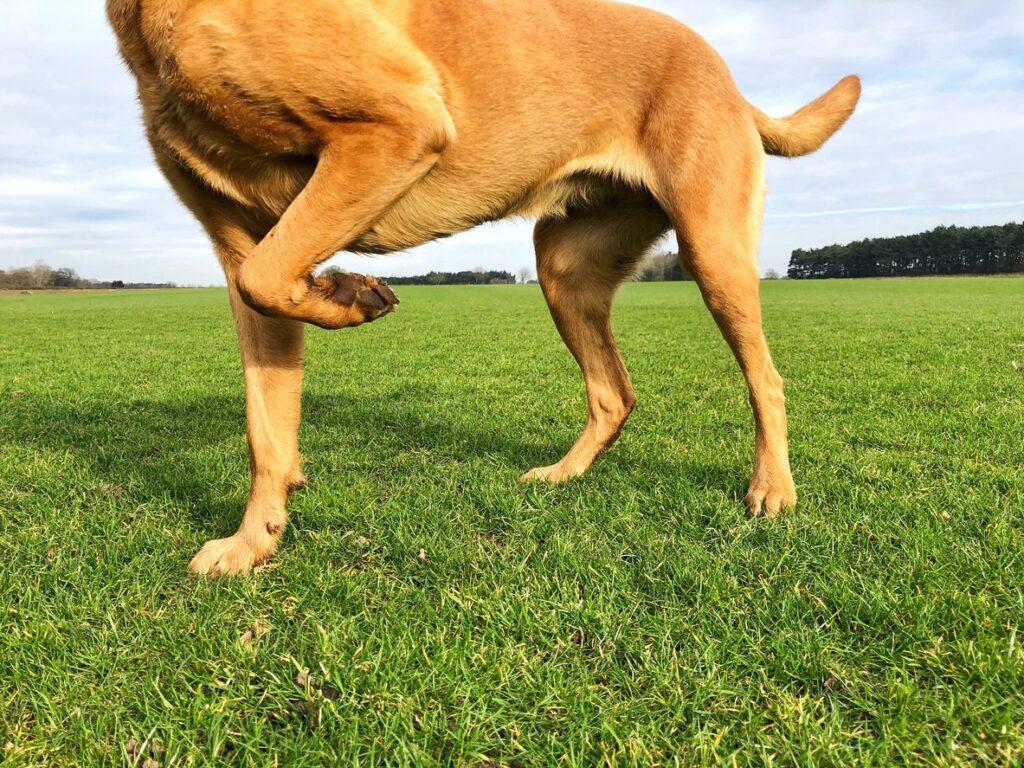
Remember that arthritis is a chronic condition, and while these measures can provide relief and improve your dog’s comfort, there is no cure for arthritis. Regular veterinary check-ups and ongoing management are essential to support your dog’s well-being and manage the progression of the disease. If you would like more information about our Posh Dog Knee Brace contact us via are contact page or visit our Facebook page.
Articles from the Posh Dog Knee Brace team — a group effort with our licensed veterinary technicians and brace specialists, sharing 15+ years of experience helping dogs recover from CCL/ACL injuries and mobility challenges.
Hey guys, this is Nikki the lead veterinary technician with Posh Dog Knee Braces. Today, let’s talk about how being overweight can affect our joints. As you know, the more weight we have, the more pressure we put on our joints and internal organs. This can put the body in a state of inflammation, as well as predispose us to many ailments and orthopedic issues. We are making our joints work much harder, which starts a vicious cycle on inactivity. The more the joints are sore, the less your dog will want to walk, which can cause the muscles to atrophy. Pretty soon we have a pup with less muscle, and much more prone to physical injuries like CCL tearing.
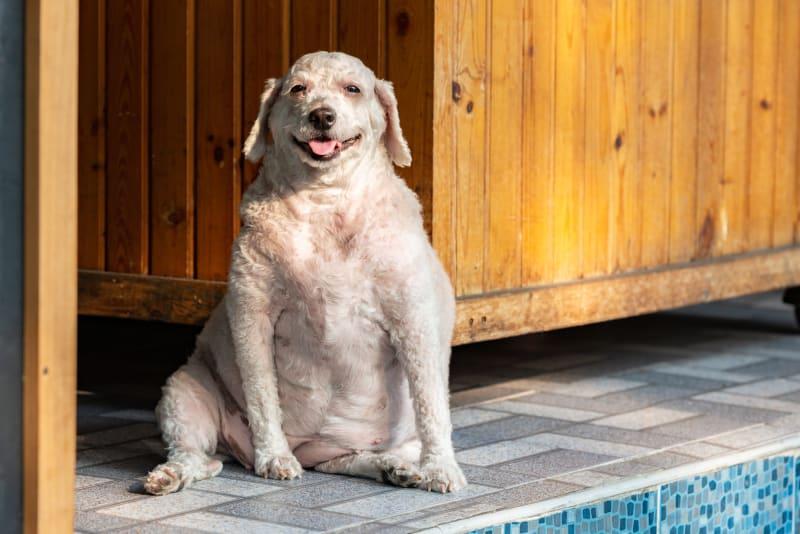
Not only does weight gain affect the organs and joints, but it also can shorten life expectancy by quite a bit. Unfortunately, this is not going to be a quick fix situation. It is much easier to get the weight off a younger dog than one that is aging. Prevention is much easier than treatment, especially if your dog is spayed or neutered, which can increase the chances of becoming overweight.
If your dog is in the top weight percentile, and does not yet have any limping issues, it’s time to get serious about weight loss. Things you can do first is check everything that you are feeding your dog every day. I want a list of each and every treat, kibble, and snack. Small things like swapping daily treats for a carrot or sweet potato stick, ect can help, as well as increasing exercise. If you have a dog that does not like to exercise, starting slow is key. Maybe 15 minutes a few times daily will really help. It is important not to skip exercise. Walking and swimming is great.
Second, changing diet is next. If you are feeding a diet that has a lot of carbohydrates, and less protein, it may be time to switch. I like diets with a good quality protein source, not by products. Make sure you are not feeding grocery store foods, unless you absolutely have to. There are many good quality foods out there. If you are already feeding a good quality food, make sure you are not feeding too much.
If you are not sure what to be feeding your dog to help, please consult with your veterinarian, maybe schedule a time to go over the nutritional needs of your dog with your Dr. or a veterinary technician. They may have a specific diet they recommend.
If you have an overweight dog that already has a limp or headed for a CCL tear, but not there yet, then I would strongly suggest finding a physical therapy clinic, one with hydrotherapy. This will help strengthen the leg, and loose weight.
Please call or email with any questions! www.poshdogkneebrace.com or visit our Facebook Page.
Articles from the Posh Dog Knee Brace team — a group effort with our licensed veterinary technicians and brace specialists, sharing 15+ years of experience helping dogs recover from CCL/ACL injuries and mobility challenges.
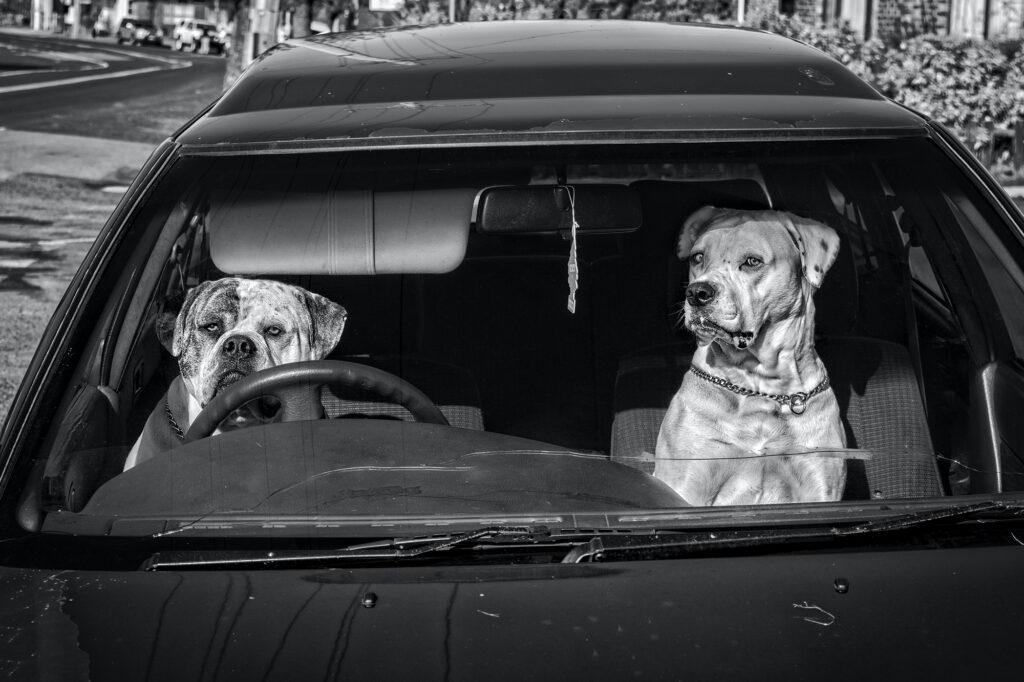
When traveling in your car with your dog, restrain him with a safety harness and seat belt, or confine him to a properly secured crate. Also, avoid letting your dog sit on your lap or drive with his head out the window.
Most of us enjoy traveling with our dogs. And in most cases, this entails transporting them in our car, truck, or SUV. Yet, poor driving habits can turn a simple journey into a trip that changes your life. Both canine and human passengers must adhere to good driving safety. Dogs injured in cars due to poor safety precautions are a common occurrence among emergency veterinarians. This applies to situations where passengers are not properly restrained, such as sitting on the driver’s lap or sticking their heads out the window.
It is really alluring to drive with your small dog on your lap. They are adorable and enjoy cuddling. And what possible harm might your six-pound Maltese or Chihuahua cause by riding in your lap?
Your airbag is likely to deploy if you are in an accident. The airbag is designed to keep you safe in a collision. As the airbag inflates, if your small dog is sitting on your lap, the force of the airbag could seriously hurt it. Little dogs hit by an airbag frequently sustain fractures and spinal cord trauma that causes paralysis.
In a car accident, unrestrained dogs can potentially become projectiles. Being catapulted into the windshield and suffering a head injury is typical. Little dogs being catapulted out of the driver’s side window during an accident is another frequent occurrence seen by emergency vets. This occurs when the tiny dog is seated in the driver’s lap with their paws on the door and the driver’s window is down. In the event of an accident, the small dog may fly out the window and strike the pavement below, landing on its head. Traumatic brain injury or sudden deaths are frequent outcomes of this kind of injury.
The best way to transport a dog safely in a car is in a secured travel container made specifically for use in cars or airplanes, or harnessed into a dog car safety belt or harness. Tiny dogs can travel in a car seat made for dogs as long as they are restrained with a safety harness.
Big dogs frequently ride in the rear seat, away from air bags, but they still run the risk of getting hurt if a window is left open. As a result of flying objects, dogs who ride with their heads out the window are more likely to sustain eye and/or ear problems. Unrestrained dogs jumping out the window of a moving car are another frequent injury. When they fall on the pavement, these canines could break a limb. Also, owners have been known to mistakenly run their own dogs over after the animal jumped out the back window, according to emergency vets!
When the windows are rolled down in your automobile, installing a dog window guard or screen on each rear window can assist safeguard your dog. There are wire mesh panels made of welded steel that are specifically manufactured to fit your car’s rear windows. There are available screens made of polyester mesh cloth. When installed, each of these screens and panels enables regular window functioning in your car.
Accidents can occur when we least anticipate them. Don’t allow poor driving practices disrupt your outing!
You can always contact us about our Posh Dog Knee Brace or any other supplements for you dog by our contact page or visit our Facebook Page as well.
Articles from the Posh Dog Knee Brace team — a group effort with our licensed veterinary technicians and brace specialists, sharing 15+ years of experience helping dogs recover from CCL/ACL injuries and mobility challenges.
Hey guys, this is Nikki Lead Veterinary Technician with Posh Dog knee Braces. This is one of my most common questions asked will my dog need a knee brace forever for a CCL/ACL tear?, and I would like to dive deeper to answer this question, as there is more to the answer than simply No.
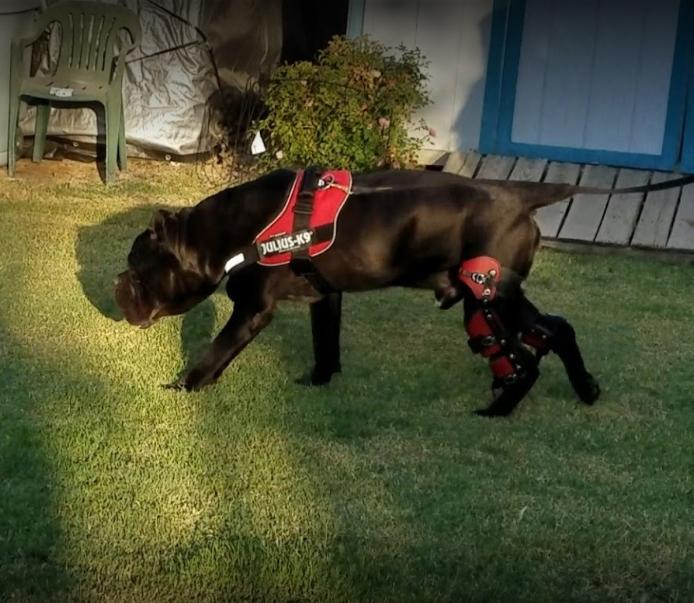
First off, the majority of my patients will use the posh dog knee brace for about 9 months, sometimes up to 12 months if they are a larger breed or have a minor meniscal tear. We know that scar tissue is mature by the 9-12 month point, and at the juvenile stage around month 2-3. If someone tells you that your dog will be permanently using the knee brace, they are simply misinformed. There are actually quite a few studies in both humans and animals, proving the timeline of scar tissue formation.
In surgical sites, or areas of soft tissue, scar tissue can form much faster, forming a thickened scar within weeks. This is different from the fibrous tissue that forms in a joint, and gives us regained stability. Let me ask you this, have you ever sprained your ankle or injured a joint?
Did you use a splint or a knee brace to help that joint recover? I know I have. Depending on the joint, and amount of muscle you were able to keep with physical therapy, also plays a key role in the longevity of using the brace. We do not want to keep the brace on forever, however, in some severe arthritis cases, or luxating patella issues, bracing longer term as needed may be necessary.
How do you know when it is time to take your dog out of the knee brace? Time will tell on this one. Most dogs are ready to go, and fully weight bearing by 9-12 months. However, if you were unable to complete the physical therapy recommendations during the recovery times, your dog may need longer in the brace while they acclimate slowly to walking without the brace on.
This needs to be a slow weaning process, so as not to cause a re-injury. Take your dog for a nice leash walk, without the brace. If you dog does great, and has no sign of a limp or gait that is off, then you can continue to leash walk without the brace for a bit longer until you feel comfortable letting your dog resume activites.
Some dogs may need a little longer than 12 months, such as patients with meniscal tears or arthritis, or if there was a re-injury during the healing process. This is still not forever, I would take things month by month until you are successful at walks without the brace on. Our service technicians are happy to answer any questions you may have about this process, and there is really not a wrong answer. If you feel more comfortable having your dog wear the brace longer, and your dog is doing great, that’s ok!
I would suggest our Posh led support group on Facebook, where you can talk with thousands of other clients who have all used the posh brace to recover. This is a great place to learn more about what to expect, and get great advice from both our technicians and previous customers.
To sum everything up, we do need to make sure to use the brace as directed for at least 9 months, but that is usually adequate for the majority of our clients. Please check out our website, poshdogkneebrace.com, for further tips and information that may also be very helpful, you can also reach out to our facebook page as well for information.
Articles from the Posh Dog Knee Brace team — a group effort with our licensed veterinary technicians and brace specialists, sharing 15+ years of experience helping dogs recover from CCL/ACL injuries and mobility challenges.
Hi everyone! Today I would like to talk about dog behavior!
This is Kristi. I’m one of the veterinary technicians with Posh Dog Knee Brace.
Today I want to talk a little bit about what we have been seeing over the last year or so. We all know how covid put a damper on EVERYTHING and so it seemed one bit of happiness was getting a new dog or puppy. Remember how shelters across the country were saying “we’ve adopted out all our animals!” Yay! We have homes for them!
On the flip side of things, these animals were being brought into homes were everyone in the family was home 24/7 and so being left alone or being socialized with other animals and people didn’t happen. Let’s fast forward to when things started to get back to normal. Our dog has been with his family for the better part of a year and now all of a sudden no one is home with them. This has created a lot of separation and social anxiety for these dogs.
It’s really important to do your research and assess your living situation before getting an animal, especially dogs. Dogs a very social animals and they need to be able to interact properly with their families but also with other people and other animals as well. Puppy classes or training classes in general are highly recommend at any point in a dog’s life but especially new puppies and adopted dogs.
Everyone can teach their dog to sit and stay but what about reacting to other dogs on a leash or feeling comfortable with touch? Petting their head, a little bit is not the same as trimming nails or cleaning ears, letting a veterinarian look for areas that hurt. Taking them to classes or using a behaviorist can help immensely with these problems.
Maybe you are reading this and thinking, “that’s my dog, but he’s older than a puppy.” It’s not too late for them. You will have to put time and effort into their training and I highly recommend a behaviorist if you dog is really nervous or has behaviors you don’t like but things can change for the better. You just have to be willing to work with them and be patient with them. This will take time and consistency but learning your dog’s language will help you learn how to communicate with your dog in a positive way.
I like to use myself as an example. I have grown up with dachshunds (wiener dogs) my whole life and I have an old guy now. If anyone doesn’t know a doxy’s personality, let me tell you they are a big dog in a small dog package. They can be loud and love to bark at anything! When I was doing classes with my girl, one thing I asked the trainer was how do I get her to stop barking when someone comes over? I’m yelling at her to stop and she keeps going for 5 -10 minutes.
The trainer said, she doesn’t understand English, she understands emotions. When you are yelling and giving her attention, you are basically saying to her “THERE’S SOMEONE HERE, WE NEED TO BARK!” And she is thinking “THERE’S SOMEONE HERE, YOU ARE BARKING TOO, LETS ALL BARK TOGETHER. YAY, THIS SO MUCH FUN!” I thought hmmm…ok so what should I do? Ignore her. What? Ignore her. It will take some time but if you pretend, she doesn’t exist, she will figure out there’s nothing to bark at.
Tell people before they come, that you are working on teaching her to not bark so they MUST ignore her as well. Do not give her the time of day until she gives you the behavior you want.
The behavior I wanted was for her to not bark. I will be honest, this took a while, like several months, but eventually, she would bark a maybe a minute and then be done as opposed to her barking for 5-10 minutes.
The point is, if you want a well-behaved dog and a dog you can work with, especially when they are injured or not feeling well, it’s important to establish good communication with your dog. Trainers and behaviorists are excellent resources and worth the investment to have a well-behaved dog. Your relationship with your dog will be so much better too.
Always feel free to contact Posh with any questions or concerns you can reach us on our contact page or Facebook page.
Thanks,
Kristi, CVT Posh Dog Knee Brace
Articles from the Posh Dog Knee Brace team — a group effort with our licensed veterinary technicians and brace specialists, sharing 15+ years of experience helping dogs recover from CCL/ACL injuries and mobility challenges.
The majority of dog owners are aware that socializing a dog is best done when the dog is still a puppy. Between the ages of three and twelve weeks, a dog is most sensitive and receptive, thus the earlier you can socialize your dog, the better. After twelve weeks, a puppy may be quite resistant to anything new or unfamiliar.
Unfortunately, socializing a dog well during this window isn’t always possible. Perhaps as a young puppy, your dog suffered from a serious illness, and your veterinarian advised keeping them inside and away from other dogs. Or maybe you found them later in life and they simply never had a good chance to meet people.
Whatever the reason, your dog doesn’t have to live a life without companions or the opportunity to freely play with others because they weren’t socialized as a puppy. Here is some advice on how to socialize your dog:
Dog walks are fantastic ways for your dog to observe and maybe interact with other dogs and humans while also practicing polite conduct in public.
Why? Well, for one thing, because going for a stroll will always put you in more social circumstances than staying at home. However, walks are also great for socializing dogs because they will be calmer and more obedient because they will have less pent-up energy as a result of the exercise.
Remember not to yell at your dog or pull back on the leash if they bark or otherwise act out because this will just make them more excited, make the experience unpleasant, and teach them to associate that enthusiasm with other dogs.
Instead, keep your energy calm and assertive while distracting them with a reprimand, such as a sound you’ve trained them to respond to, a fast tug of the leash in a sideways direction, or a touch. You can always peacefully leave if all else fails.
If you are aware that your dog barks or growls at other dogs, wearing a muzzle can make things easier.
Of course, this eliminates the possibility of biting or attacking, but it may also reduce tension between the dogs, allowing for a more enjoyable meeting encounter.
Don’t rush things, but if you can get your dog involved in one new activity per week, it will help them socialize and stay calm and well-behaved. This can be accomplished by using a leash and muzzle, as well as by initially training your dog to be an observer.
For instance, you may gradually introduce your unsocialized dog to dog parks by strolling them around the perimeter of the fence and letting them observe the dogs having fun instead of just bringing them in and hoping for the best.
Socialize your dog doesn’t have to be something that you struggle through on your own, you can always reach out to a dog trainer for additional help.
Let Your Dog Recover With Our Custom Dog Knee Brace!
We’ve Helped Thousands Of Dogs, Now We Want To Help Yours…
The Posh Dog Knee Brace is a 100% custom Dog knee brace, hand made only for your Dog. We make our custom brace with no casting. Our state-of-the-art brace for Dogs is very durable, waterproof, sand proof, and easily adjustable by customers. Our Veterinary Technicians provide personal live video supervision of measuring, and fitting of your Dog ACL brace in the comfort of your own home.
If you are interested in our product you can check out our shopping page, if you would like to join our Facebook click here.
Articles from the Posh Dog Knee Brace team — a group effort with our licensed veterinary technicians and brace specialists, sharing 15+ years of experience helping dogs recover from CCL/ACL injuries and mobility challenges.
When dogs wag their tails and strike objects with them repeatedly, they commonly suffer from this dog tail injury.
Nobody is thrilled if your dog develops what is known as “happy tail syndrome,” though. Dog tail injuries are common, especially in cheerful dogs, but they are challenging to treat.
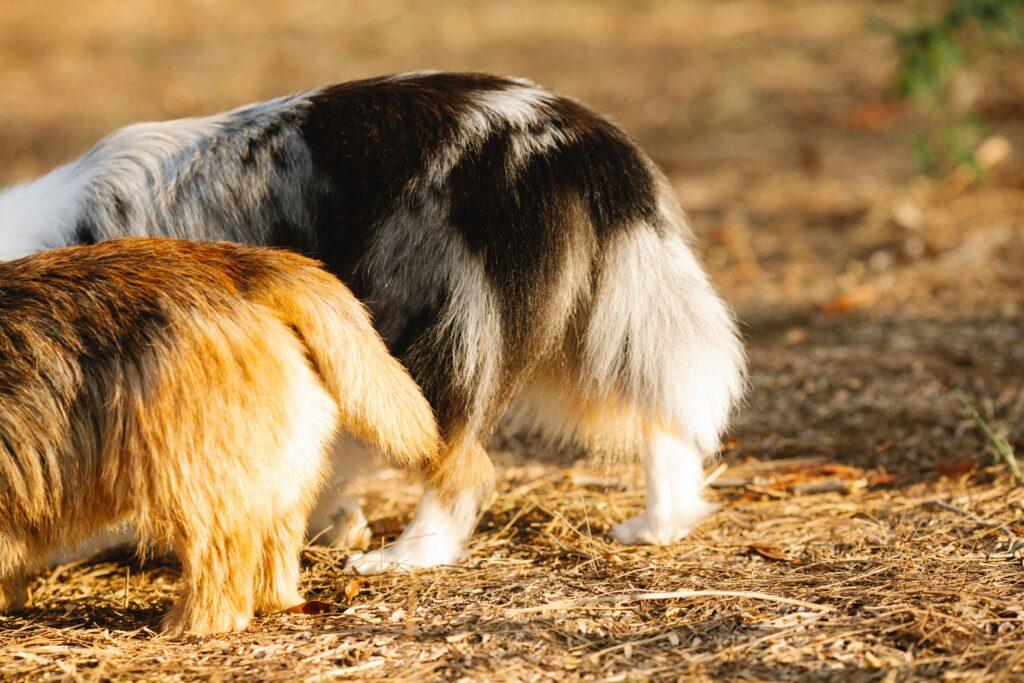
Dogs with long, slender tails that wag vigorously and traumatize the tip of their tail when it strikes a hard surface are said to have “happy tail syndrome.” Every time they bang the tail, they cause more harm to the skin there. It also bleeds. A lot. While the dog is at rest, it might create a clot or scab, but as soon as the dog is up and wagging—or strikes something—the scab falls off, the wound cracks open, and the bleeding resumes. It’s extremely frustrating.
Now what? Finding a means to shield the tail tip from the recurrent damage is a key component of happy tail syndrome treatment. You might be able to encourage it to heal if you can.
The key is creativity. These wild happy tails are difficult to maintain bandaged, and dogs aren’t always ready to do so. People have experimented with a wide variety of items, including pool noodles, toilet paper rolls, chopped water bottles, foam pipe insulating tubes, and syringe casings from your veterinarian. There are commercial kits that use cushioning devices that fit into a bandage on the tail to protect the dog’s tail.
Here are a few pointers: Try to keep it as light as you can. The likelihood that the bandage may go winging off with the wagging increases with its weight. I apply white first-aid tape that extends several inches down the tail before being incorporated into the bandage covering the wound. The goal is to increase the bandage’s “grab” so that it will adhere better. Make sure it’s not too tight! Keep the protective tube’s end open to allow air to flow to the tail tip.
Sadly, even if you are successful in helping your dog’s tail recover, it will probably reoccur again. You could try padding the walls, corners, and other surfaces where he constantly bumping his tail, but that’s difficult to accomplish and not very appealing when visitors are over. Only where there is room can you try to interact with your dog, but that is also impractical.
In Conclusion! Talk to your veterinarian about having the tail amputated if you can’t get it to mend or if you’re sick of returning home to a bloody scene straight out of a horror movie. If you go short enough, the surgery will take care of the traumatized tip and ensure that it never happens again. These dogs occasionally develop adorable tiny bob tails. You won’t get any blood splatter, and they are still free to wag as fiercely as they want.
Let Your Dog Recover With Our Custom Dog Knee Brace!
We’ve Helped Thousands Of Dogs, Now We Want To Help Yours…
The Posh Dog Knee Brace is a 100% custom Dog knee brace, hand made only for your Dog. We make our custom brace with no casting. Our state-of-the-art brace for Dogs is very durable, waterproof, sand proof, and easily adjustable by customers. Our Veterinary Technicians provide personal live video supervision of measuring, and fitting of your Dog ACL brace in the comfort of your own home.
If your dog is in need of a Posh Dog Knee Brace you can order from our Shop page if you would like to join our Facebook Group please click here. Thank you for reading this article for more information you can contact us anytime.
Articles from the Posh Dog Knee Brace team — a group effort with our licensed veterinary technicians and brace specialists, sharing 15+ years of experience helping dogs recover from CCL/ACL injuries and mobility challenges.
One of the first things you’ll do to help your dog adjust to his new home is potty training, and there are several different approaches you can take. To ensure success for both you and your dog, try these seven tips.
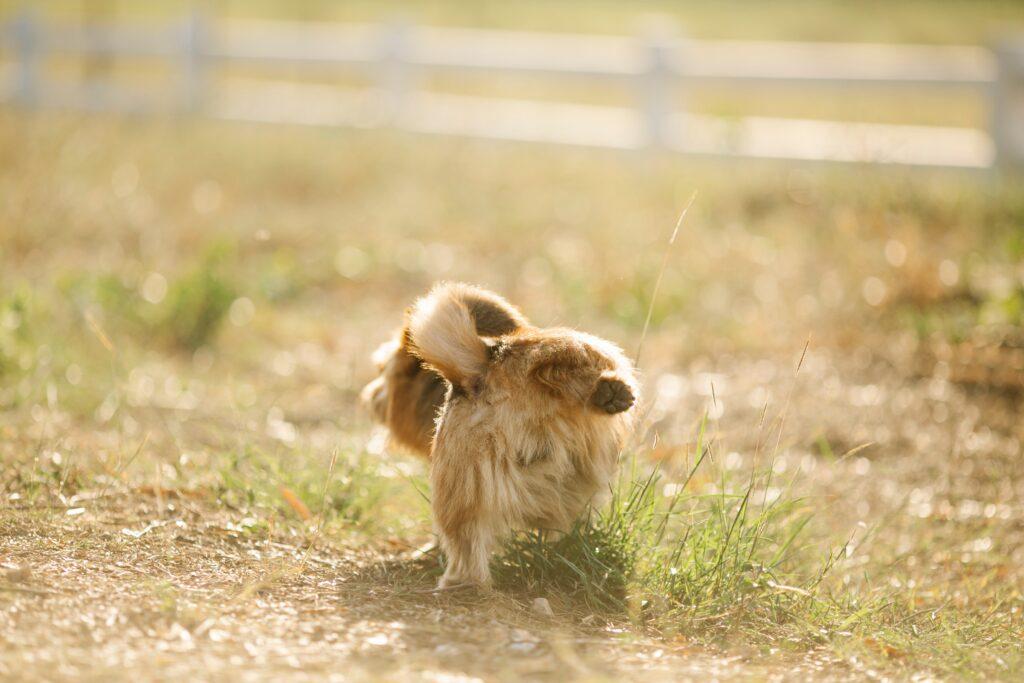
Decide where you want your new friend to “go” outside the house before you start potty training. Do you have a yard? Point them in the direction of a place that is easy to reach from the door. Dogs living in apartments should also be able to recognize open, accessible natural terrain that isn’t blocked by people or vehicles.
Once you’ve chosen the location you’ll take your dog during this potty training phase, be sure to take them there each time they need to go outdoors. Consistency is key while teaching a puppy to use the bathroom since dogs can scent their territory.
Although your new puppy may not be able to communicate with you in your native tongue, they will nonetheless make an effort to let you know when they need to go potty. Fortunately, there are several indicators you can watch for. As soon as you see them, take your dog outdoors to their designated potty training area:
When your dog exhibits the final symptom on the list, it might already be too late. So that they are aware that their customary space is up for grabs before they go in the wrong location, be prepared to open the door nonetheless.
Plan beforehand so you can swiftly take your dog outside if you see any of these symptoms. Keep a leash directly by the door so you can quickly lead the pet outside. Keep in mind to direct your dog to the same location each time they need to urinate. Once they are aware of the location of their designated bathroom, they will go there on their own.
Maintain a routine for all meal and snack times while potty training a dog. This is beneficial in two ways: The first benefit of planned meals is that they will teach your dog when to expect meals throughout the day. Second, if you feed your dog at regular intervals, you may follow up and take them to their designated potty training area in the knowledge that they’ll be prepared to relieve themselves shortly after they finish eating.
It’s likely that your dog will urinate frequently if they consume a lot of water. During the potty training stage, take your puppy outside soon after drinking so that they are in the appropriate location at the appropriate time.
Take your dog outside as soon as you wake up, after each feeding, and whenever you notice signs that they might need to relieve themselves. A lot of dogs have a bowel movement 30 minutes after eating. Until you have a better understanding of how frequently your dog does potty, take them outside every hour to prevent accidents. Based on their age, the following are some rough guidelines for how long puppies can “hold it”:
While small breeds with smaller bladders may require more frequent bathroom breaks, big breeds have a stronger ability to wait. Most dogs can wait seven hours or more by the time they are seven months old. They ought to know how to alert you when they need to go outside by that age. Always take your dog out before you go to bed to prevent 3 a.m. wake-up calls or morning surprises.
Everyone enjoys being told when they are doing a good job, and your dog will benefit greatly from this encouragement. It doesn’t matter if you give them treats or just pat them while saying “excellent work.” Just make sure they understand how much you value their attempts to conduct themselves properly. To teach the command “go to the bathroom,” think about identifying the deed. For instance, you might tell your dog to “take a break” before engaging in play.
Puppies prefer not to go potty close to where they eat or sleep. By crate training your dog, you can use it to reinforce housetraining. A puppy can easily relieve themselves in one part of a bathroom or laundry room while sleeping and playing in the remaining areas. If you need to use the phone or check your email while keeping an eye on your young dog, keep them in their kennel.
They will let you know if they need to use the restroom because they won’t want to mess up this place. Put them back in the kennel when you reach home if they play unproductively while outside. A crucial lesson that every puppy should learn is that if they mess up the kennel, they will have to temporarily live with it.
Accidents happen frequently during house training. When your dog needs to go outdoors to the designated pee place, quietly direct them there immediately away. Punishing a puppy could exacerbate the problem and lead to more accidents at home.
Clear the space right away. Ammonia should be avoided since it smells a lot like pee. While disinfecting, bleach cannot get rid of odors. Your dog will probably go potty there again if they smell feces in your house. Use an enzymatic cleanser or odor neutralizer made especially for pet excrement to clean the stained area. While it dries, keep your dog away from the area.
When encountering new people or animals, puppies may squat out of excitement or respect. Before meet-and-greets, give them bathroom breaks to prevent a mess. Take frequent bathroom breaks while traveling as well. If you want to board your dog while you are away, make sure to provide the facility detailed instructions to ensure consistency. Restart house training if you move to a new residence. Limit them to one area of the house, show them where the new toilet is, and give them praise when they behave well.
Many dogs don’t like going outside in the rain or don’t like going potty in the snow. A puppy may be terrified of the cold and rain for the first time, but even older dogs prefer to potty in comfort. To provide some weather protection, keep an umbrella close at hand.
Create a trail to your dog’s chosen bathroom location so they can go without exposing their tails to the bitterly cold ground. Increase their reward for using the restroom in poor weather by giving them twice as many treats. This will lessen the likelihood of unpleasant surprises beneath the piano bench. Even the best-trained dogs are more likely to have accidents in the house if they are overly anxious, stressed out, or afraid. Consult your veterinarian to rule out any health issues whenever your house-trained dog has a number of accidents.
Not all dogs pick things up at the same rate. By eight or ten weeks old, some puppies are experts at house training. Other puppies, such those of toy breeds, may take longer to grasp your expectations and may not show consistency until they are a few months old. In most circumstances, all dogs can learn to relieve themselves in a permitted area with your patience, encouragement, and persistence.
If you are interested in our Posh Dog Knee Brace you can purchase one through our Store or if you have any questions you can reach us on our contact page. If you would like to learn more about us you can also check out our Facebook Page and community.
Articles from the Posh Dog Knee Brace team — a group effort with our licensed veterinary technicians and brace specialists, sharing 15+ years of experience helping dogs recover from CCL/ACL injuries and mobility challenges.
After they poop, dogs will occasionally use their hind feet to scratch or kick the ground. Give them freedom to; we don’t know why they do it, but it seems they like it.
It’s a routine ritual. A dog urinates or defecates, then scuffs dirt, grass, or gravel into the air in what appears to be an accomplishment or at the very least, a mark of celebration. What motivates canines to behave in this way?
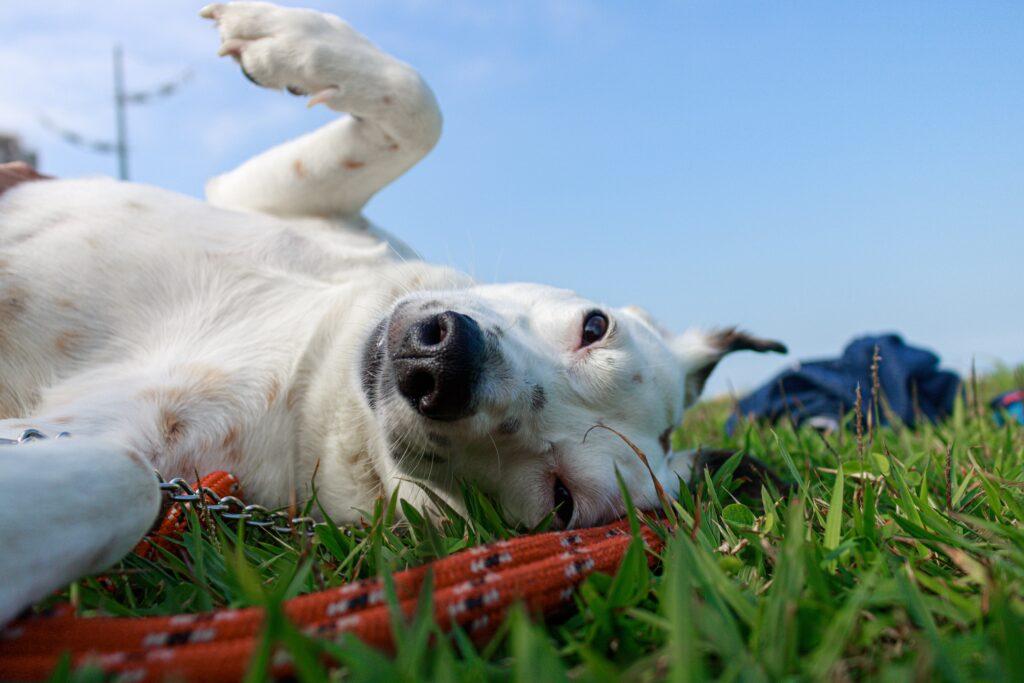
According to certain research, males engage in this behavior substantially more frequently than females when other dogs are present.
Dogs may do this for a variety of reasons, depending on the people present and what they are attempting to convey through visual, olfactory, and aural cues. He claims that dogs who exhibit this behavior appreciate it and that it appears to have significance for them.
If your dog’s grass kicking harms your yard or causes other issues, find entertaining diversionary strategies and encourage other habits until this one is under control. If not, wait until your dog has finished speaking before moving on with your walk. This will allow them to finish their message.
The Posh Dog Knee Brace is a 100% custom Dog knee brace, hand made only for your Dog. We make our custom brace with no casting. Our state-of-the-art brace for Dogs is very durable, waterproof, sand proof, and easily adjustable by customers.
If you are interested in a Posh Dog Knee Brace you can contact us on our contact page or you can order from our store. If you would like to check out our community page on Facebook click here.
Articles from the Posh Dog Knee Brace team — a group effort with our licensed veterinary technicians and brace specialists, sharing 15+ years of experience helping dogs recover from CCL/ACL injuries and mobility challenges.
Hey guys, today let’s discuss hips and joints, and why it is so important to do your research if adopting a dog from a “breeder”. Unfortunately, just because a puppy has a hefty price tag, does not mean they have had proper health screening. Today we will explain why this simple step can save you literally thousands of dollars, and a lot of heartbreak. So, you see an add for a cute little fluffy golden retriever puppy (maybe a doodle mix), not papered, and for a great price. Good deal, right? You aren’t planning to breed, so in your mind it is meant to be, and the price is half what you have seen other goldens/doodles go for.
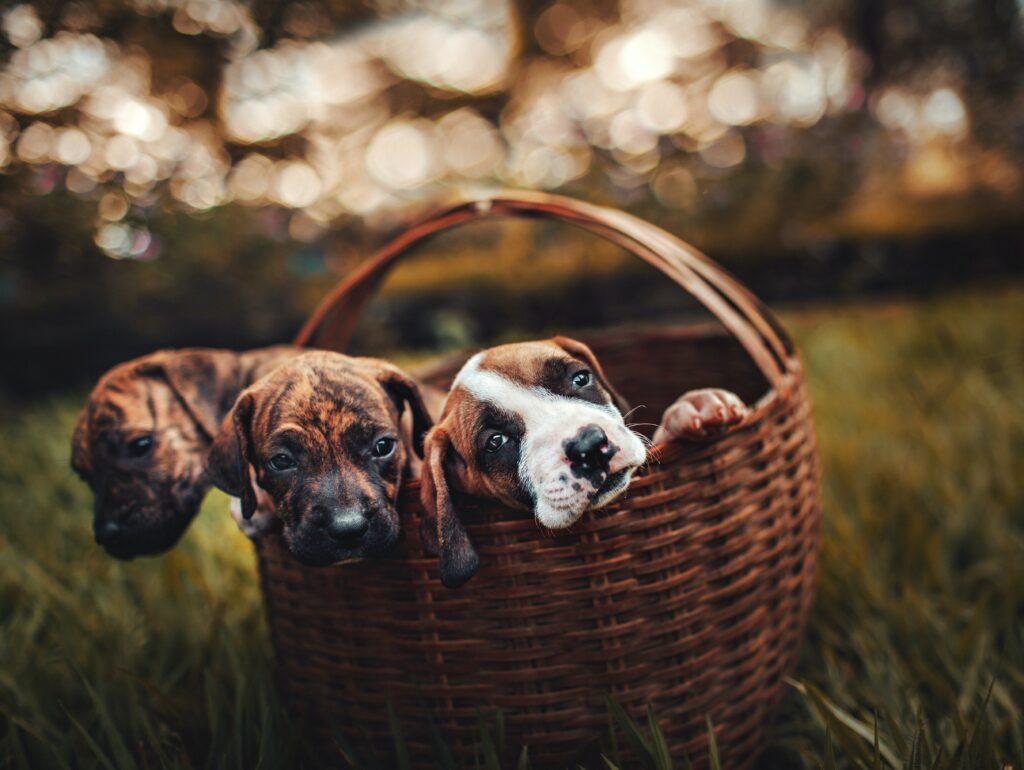
Wrong! Backyard breeders, those who are breeding just for the profit, do not do any health screening. Unfortunately, they get away with this quite frequently. These poor puppies end up with so many health related issues. Did you know that golden’s are the poster child for bad hips and joints, due to people not doing proper health checks and background checks, and overbreeding them? Yes, the parents may seem healthy and well taken care of, vet records look good, vaccinated, but how about their joints and eyes?
I can’t tell you how many broken hearts I have seen, because someone brings in a 9 month old puppy that has bilateral hip dysplasia, so bad that there is barely a socket. In these cases, each hip can cost up and above $10,000 each, not to mention the elbows and the knees will most likely be terrible. Now, this adorable 9 month old otherwise healthy puppy is looking at a lifetime of extreme pain, and being completely crippled by age 2 without extreme surgeries.
This is not that uncommon; I just had a case last week. This scenario is completely preventable as well if the breeders had just done their part. Even if you have dog insurance, 20% of $20,000+ in surgeries is still a good chunk of change. Goldens are not the only breeds affected, many large breeds suffer from hip and joint arthritis. Small breeds tend to get luxating patellas and eye issues, which can also be genetic. If the parents have a major joint issue, you can bet the pups may as well.
What can you do as a potential adopter? Ask to see the hip and elbow certifications, prior to visiting a puppy. Do not visit the puppy before asking, you will fall in love with the pup and take him/her home, trust me😊 Make sure that the owners have done either OFA certification of both hips and elbows, or at the very least Pennhip certification. If either of the parents is under 2 years of age, you can bet they did not do the certifications, as they pup needs to be at least 2 years of age to OFA certify the hips, and at least 6-9 months for pennhips.
These are not perfect, however, they are a good indicator of future health concerns. Do not adopt a pup from any breeder with hips that are less than “good”. They go “excellent”, then “good”, “fair”, and of course “poor”. Fair and poor are obviously bad, and should not be ever bred. A first puppy wellness exam is not good enough. They are just checking teeth, weight, and for hernias (also genetic). This will absolutely not tell you if this pup will be healthy still in 9 months.
Now, if you find yourself adopting a puppy or adult dog from a shelter, make sure they have a proper vet examination prior to taking them home. You usually have 3 days to do so. I have had many people take home a dog to find out that the knees both have CCL tears or severe dysplasia. Unfortunately, you can’t insure this with any pet insurance, as it was a previous condition. Make sure that you are in a financial spot to take care of this sweet dog, so he/she is not carted back to the shelter and stressed even more.
We can definitely help you with bracing the CCL tears if needed, however, make sure you know exactly what health issues there are prior to adopting. If you adopt a puppy, I certainly would get insurance right away. Also, there are many good breeders, who have generations upon generations of certified dogs, all health screened and with sound hips. Just make sure you find the right one.
The takeaway here is that it is always a good idea to health screen and find out the history of your potential new family member, prior to adopting. Even if the breeder has a health guarantee, could you honestly take back a 9 month old puppy that your family has bonded with, knowing they will be most likely put down? It breaks my heart to talk to someone that has a very young dog with preventable diseases.
Unfortunately, by purchasing these dogs to ‘save’ them from the breeder is just encouraging that breeder to keep going. The only way to stop the cycle is to stop purchasing puppies from breeders who do not do the proper health screens. If purchasing a small breed, such as a breed that is brachycephalic or a “squished” cute nose, make sure the eyes have been certified. These breeds are very prone to cataract issues, and can go blind at a young age without surgery.
Perhaps instead of going to a breeder, it is better to adopt from the shelter, as most shelter dogs come with a full vet exam, and at least you will know what they have prior to adopting and can prepare. Most shelters have certified technicians and vets on staff, that would be more than happy to explain any health issues, and what you are looking at. If you have any questions, or need advice, always feel free to contact us or visit our Facebook Page for more tips!
Articles from the Posh Dog Knee Brace team — a group effort with our licensed veterinary technicians and brace specialists, sharing 15+ years of experience helping dogs recover from CCL/ACL injuries and mobility challenges.