Dogs stay in shape and healthy with regular exercise, a healthy diet, and the occasional massage.

Keeping your dog healthy is key. If you would like any information about our Posh Dog Knee Brace you can contact via our contact page or visit our Facebook page.
Articles from the Posh Dog Knee Brace team — a group effort with our licensed veterinary technicians and brace specialists, sharing 15+ years of experience helping dogs recover from CCL/ACL injuries and mobility challenges.
These ten weight-loss suggestions for senior dogs will help them live longer, better lives!

Like senior people, older dogs find it easier to move around if they don’t weigh too much. Dogs of all ages may find it difficult to lose weight, but this is more true as they mature. Dog weight loss is still worthwhile, though. Not only do slim dogs move around easier, but they also have longer lifespans. Dogs fed 25% less calories than their littermates that were fed freely lived over two years longer, had fewer outward symptoms of aging, and had an additional three years of pain-free mobility before developing canine arthritis, according to a 14-year research. Senior dogs can enjoy longer, healthier lives with the help of these weight loss methods!
Pancreatitis, diabetes, heart disease, disc disease, torn cruciate ligaments, hip dysplasia, various joint diseases, surgical complications, weakened immune systems, and several cancers are among the health issues that are more prevalent in overweight dogs. Regretfully, research indicates that over 50% of senior dogs in the United States are overweight, yet almost all of their owners are unaware of this! It’s time to face facts and put your dog on a diet if you can’t feel your dog’s shoulder blades and ribs easily, if her waist is invisible (tucked behind the ribs), or if there’s a roll of fat at the base of her tail.
The proportion of carbs to fats and protein is more important for weight loss than calories. It is hard to lose weight on most prescription weight-loss diets because they are low in fat, high in carbohydrates, and poor in protein. Senior dogs don’t require any carbohydrates at all and thrive on a diet strong in protein, which helps them gain lean muscle. A diet that is moderate in fat, low in carbohydrates, and high in protein will help dogs lose weight by satisfying their appetites.
More fiber, which is the indigestible portion of carbs, won’t make your dog feel fuller and too much of it can obstruct their ability to absorb nutrients. Grains are a frequent source of fiber, and as long as they don’t include too much fat, many grain-free diets can be helpful for weight loss because they are rich in protein and low in carbohydrates
Creating your own moderate-fat, low-carb, high-protein diet is an additional choice.
Instead of most grains and starches, use lean meats, low-fat dairy, and green vegetables if you feed a homemade diet. Take off the skin from fowl (except the breasts) and trim meats of any removable fat. Steer clear of fatty meats like lamb, hog, and high-fat beef, or cook them until the majority of the fat is gone. Eggs are OK to use, but only in small amounts. Additionally, you can substitute up to 25% of a commercial pet food with these foods, increasing the overall protein content and lowering the amount of carbs in the diet.
It’s a common misperception that feeding your senior dog a lot of green beans will make them feel less hungry, Green beans and other non-starchy vegetables are safe to include in your dog’s diet, but if you’re giving them too few calories or too little fat, the extra bulk won’t make them feel full. Adding mass alone is insufficient to satisfy your dog; fat is what makes the biggest difference. A protein shortage brought on by consuming an excessive amount of green beans can result in the loss of lean muscle rather than fat.
The omega-3 fatty acids EPA and DHA from fish oil help dieters feel more content with their diets and aid in weight loss, according to recent research on humans and dogs. For healthy senior dogs, according to Straus, fish oil containing 1 to 1.5 mg of combined EPA and DHA per pound of body weight should be given daily; for dogs with health issues (heart disease, kidney disease, cancer, arthritis, allergies, and other conditions causing inflammation or affecting the immune system), the recommended dosage is up to 3 mg. Vitamins D and A are included in some cod liver oils, such as Carlson Norwegian Cod Liver Oil with Omega 3s, for further health advantages.
Remember that oils are pure fat and provide about 40 calories per teaspoon when adding them to your dog’s food. Many liquid fish-oil solutions have label directions that are greater than they should be, which means your dog’s diet is getting too many calories. If your dog need higher dosages of DHA and EPA, search for softgels that are more concentrated. To make sure you’re not adding too much fat, measure other oils carefully, such as coconut and olive oil.
Reduce your senior dog’s food by roughly five percent and feed that slightly reduced amount for a week or two instead of making big changes all at once. Approximately 1 ounce is reduced for every pound of food, or 1/8 cup for every two cups. Weigh your dog now, and then again in a week or two. If she doesn’t lose weight, cut her food intake by an additional 5% and stick with it for a week or two. Once your dog starts to lose weight, keep lowering the amount of food they are fed, and then stick with that level.
This tactic is beneficial since it prevents your dog’s metabolism from changing unexpectedly, which makes it more difficult for them to lose weight and more likely for them to gain it back. The likelihood of long-term success is higher for gradual, consistent weight loss.
Reduce the amount by up to one-third if you go to a food that is significantly more in fat and protein than the one you are currently eating. This is because foods that are higher in nutrients will supply you more calories in smaller quantities. Your dog might be happier even though he gets less in total than he did previously.
Giving your senior dog smaller meals more frequently will make them feel less peckish. Add some canned or fresh high-protein food in place of some dry food to give him the impression that he’s getting something exceptional. Make him work for his meals by putting them in a Kong, Buster Cube, or other food-dispensing toy. This will make him feel more content. To extend the life of a meal, freeze his wet food, which is a combination of dry food and nonfat yogurt, inside a Kong toy.
It’s critical to measure your dog’s food accurately. Some senior dogs gain weight when you try to eyeball their food, a lesson learnt the hard way. We’ve discovered that the only way we can consistently regulate the weight is to weigh everything he eat with an electronic scale. Scales are available online and at office and kitchen supply stores. The majority can accurately measure up to five pounds to the tenth of an ounce, and for really tiny measures, they can convert to grams.
Keeping a food diary or diet book for your senior dogs and measuring everything will help family members understand how much the dog is consuming. If Fido is receiving training goodies, afternoon snacks, and breakfast leftovers all day, feeding him a tiny dinner won’t make a difference. Get the participation of everyone who feeds your dog by discussing the diet plan with them. To keep your dog engaged, assign a set amount of little training treats to each member of the family. In addition, encourage everyone to focus on calorie-free activities like games, walks, fetch, and other favorite activities.
If your senior dog is small, you can use a postal scale used for packages or a baby scale to weigh her. If your big dog is agreeable, take her to your veterinarian every one to two weeks; they have a walk-on scale that fits dogs of all sizes. If your dog has bad memories of the clinic, try to rehabilitate her attitude with high-value, low-calorie treats. Short visits consisting of treats, excited jumping on the scale, and a minute of sitting or stillness before returning home are often well-received by most dogs.
Aim for weight loss of three to five percent of body weight per month, or one percent per week. About half a pound should be lost per week, or two pounds, for a 50-pound dog. After your dog starts dropping weight consistently, you can wait longer between weigh-ins, but make sure you’re still on track by checking in once a month. It’s simple to revert to overfeeding your dog and fail to detect the problem until they’ve put on a significant amount of weight.
Your dog’s calorie requirements may also alter as he gets older, after being neutered, or if his level of activity changes with the seasons. Frequent weighing will enable you to detect and address any weight gain in your dog before it becomes a more serious issue.
It is more satisfying for a senior dog to receive multiple small goodies rather than one large gift because dogs are more concerned with the quantity of treats they receive than the size of each treat. Slice treats in half or quarters lengthwise before dicing to create lots of small pieces.
High-fat and high-calorie treats, including peanut butter and hot dogs, can make you gain weight. Try raw baby carrots, slices of zucchini, other crunchy vegetables, or tiny pieces of melon, apple, or banana as an alternative. Use low-fat organ meats, such as liver or heart, to make your own confections. Because they can be poisonous to dogs, grapes, raisins, and products containing the sugar substitute xylitol should not be used.
Giving your senior dog snacks during the day made of some of his supper is another tactic. Just make sure you adjust the size of her meal appropriately.
Dogs enjoy chewing, so finding a long-lasting, low-fat chew can keep your pooch occupied, content, and out of trouble with the calories. Steer sticks, dried tendons, and other like chews are effective as long as they are not small enough for the dog to swallow.
If you use rawhide, we suggests using thick, premium rawhide that is made from a single, solid piece and is unbleached (not white), preferably made in the United States, without any additional flavorings or smoking.
While raw, fresh bones can also be chewed, we cautions that this should be done with caution because “bones, like any hard chew, have the potential to break teeth, particularly in older dogs whose teeth are more brittle.” Knuckles, for example, are too huge for dogs to jam between their molars and chomp on, so they are less likely to cause issues than marrow bones, which are heavy and hence not a suitable option.
If you would like any information about our Posh Dog Knee Brace you can contact us via our contact form or you can check out our Facebook Page.
Articles from the Posh Dog Knee Brace team — a group effort with our licensed veterinary technicians and brace specialists, sharing 15+ years of experience helping dogs recover from CCL/ACL injuries and mobility challenges.
There are too many variables to make a general recommendation. When creating the ideal walking plan for your dog, take them all into account.
There isn’t a reliable general guideline that specifies how far or how long you should walk your dog. The frequency of dog walks should be determined by several pertinent aspects that are unique to each person’s health and requirements. These factors include:
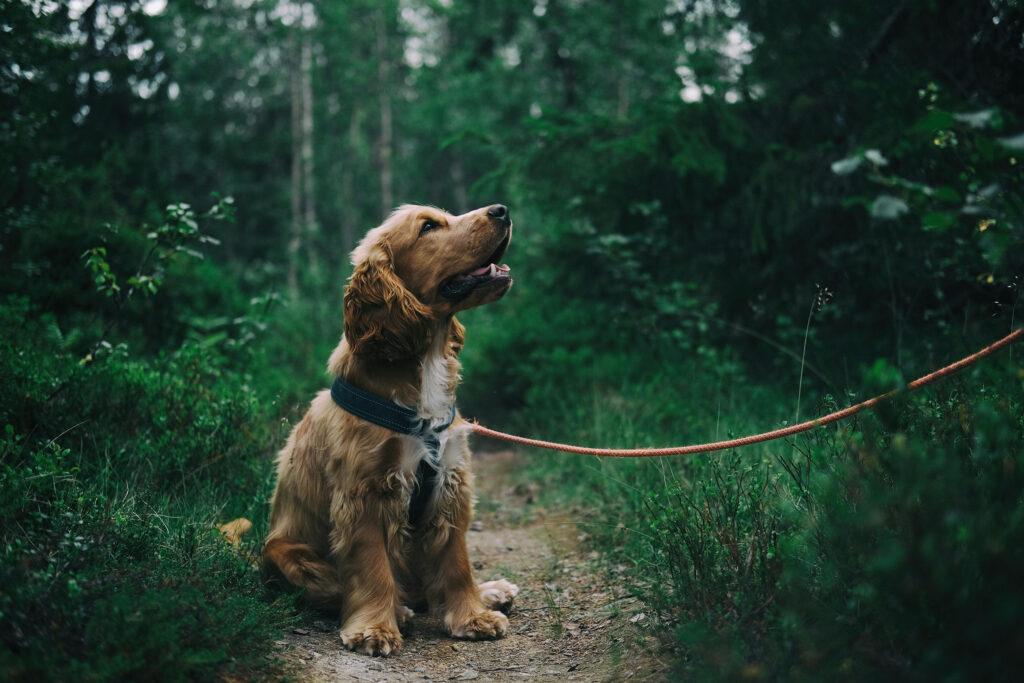
A few warnings: Longer and quicker walks may not be in your dog’s best interest if she is an exercise addict who is constantly pushing herself to go farther and faster. This could cause her to get overly excited about starting a half-marathon or footrace every time you put on her leash. Alternate her long walks with shorter ones to help her learn how to take a more balanced approach to walking while also encouraging her to sniff and look around.
On the other hand, you are probably overdoing it if your dog occasionally refuses to go on walks, lays down, or runs for home. She may be in some bodily discomfort that you are unable to identify, in which case you should speak with your veterinarian. There’s never a good reason to make your dog participate in something she doesn’t appreciate.
Beyond the ones we’ve already discussed, there might be other medical issues. When it comes to physical concerns about your dog getting too much or not enough exercise, your dog’s veterinarian is the best person to ask. Looking to purchase a Posh Dog Knee Brace or would like information on it contact us via our contact page or visit our Facebook page for more information.
Articles from the Posh Dog Knee Brace team — a group effort with our licensed veterinary technicians and brace specialists, sharing 15+ years of experience helping dogs recover from CCL/ACL injuries and mobility challenges.
When the weather is bad, a dog treadmill can come in rather handy for keeping your dog busy and content.
When your dog’s long walks aren’t feasible, such in the winter, they can get plenty of exercise on a dog treadmill. It’s important to gradually acclimate your dog to the treadmill. Make sure the treadmill belt is long enough for your dog’s stride in order to ensure their safety.
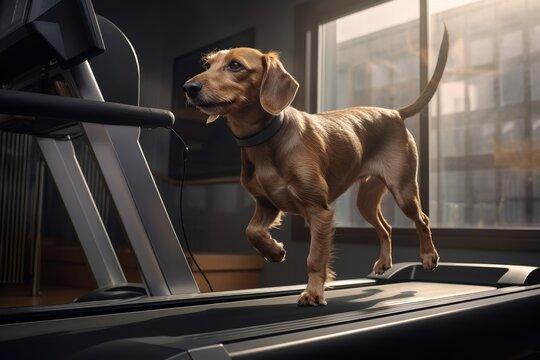
Larger dogs frequently have far longer strides than humans, although little dogs can use a human treadmill. A dog-specific treadmill is a preferable option for these huge dogs.
Train your dog on a treadmill gradually and with positivity. In order for your dog to exercise safely and effectively, you want her to feel at ease and at ease on the treadmill.
For more information about how to keep your dog healthy or how to train your dog wearing our Posh Dog Knee Brace you can contact us via our contact form or Facebook Page.
Articles from the Posh Dog Knee Brace team — a group effort with our licensed veterinary technicians and brace specialists, sharing 15+ years of experience helping dogs recover from CCL/ACL injuries and mobility challenges.
It’s said that you will never work a day in your life if you pursue your passion. And since dogs are considered a person’s best friend, we believe that working with dogs matches the definition of a vocation where you never have to work a day in your life. Bottom line: Working with dogs is healthy for you.
Take a moment to look at other ideal careers for dog lovers before committing to spending the next eight years of your life aiming to become a veterinarian (which is an extremely admirable career choice!). You never know what the future may bring.

For good reason, veterinarians must complete eight demanding years of education to become physicians of veterinary medicine! Animals cannot communicate their pain to a veterinarian, unlike humans, which makes a veterinarian’s job extremely difficult.
Veterinarians treat sick animals and ensure that pets are happy and healthy. Veterinarian work is immensely fulfilling, but it may also be emotionally taxing at times. You’ll need a strong background in the sciences as an undergraduate to become a veterinarian.
Unprepared for eight years of rigorous education? Within a few years of post-graduate study, veterinary technicians and vet assistants provide exceptional care for our four-legged friends. Taking care of animals is tough yet fulfilling work.
Veterinary assistants – Although there are numerous programs available through technical and community colleges to aid you in this career path, being a veterinary assistant does not require a degree or certification. Future advancement to a veterinary technician certification may be possible with this field of study with on-the-job training.
Vet tech – Programs for veterinary technicians usually last two years and offer a variety of specializations, including internal medicine and dentistry.
We are starting to think of our pets as part of the family. However, due to our hectic schedules and travels, we occasionally need to locate extra pet care. Dog walkers and pet caretakers can help with that.
Someone has to look after their cherished pet, whether the owner is leaving for a two-week vacation or the workweek. Dog walking, dog watching, dog daycare, and drop-in visits are available options.
Do you want something that takes less time? Think about going for a walk with your dog! It’s a fantastic method to workout for you and your dog(s), as well as a wonderful opportunity to see your city.
A profession as a dog trainer can be ideal for you if you have an abundance of patience that is just waiting to be used.
The secret to dog training is understanding a dog’s inner workings and knowing how to deal with them, whether you’re training an untrained dog one-on-one, teaching a puppy kindergarten class, or temperament evaluating rescue dogs for potential forever homes.
In order to maintain your accreditation, the Certified Pet Dog Trainer program requires 300 hours of coursework in addition to ongoing study.
You should also think about observing a respectable local trainer.
Service dogs make the lives of their owners safer, happier, and healthier.
Teaching people and dogs how to communicate with one another through service dog training is an incredibly beneficial endeavor. In addition to teaching a dog to do a task, training a service dog involves teaching the human partner how to collaborate with their dog and assist in retraining the canine and human team to new orders and duties.
You can research many national service dog organizations that train and place service animals, as well as find out more about volunteering, training as an apprentice, or participating in a service puppy raising program.
An animal behaviorist, often known as a dog behaviorist, examines the behaviors of dogs and looks for the factors that contribute to particular behaviors.
In order to identify—and address!—problem areas in a family’s relationship with their dog, dog behaviorists frequently visit homes, just like a psychologist or psychiatrist would with human patients.
There are programs in animal behavior at the master’s and doctoral levels. It’s advantageous to have a biology or psychology undergraduate degree.
K9 police canines are specially trained to assist law enforcement in locating missing persons and evidence from crime scenes, detect drugs and hazardous materials, and support and safeguard their police officer counterparts.
Being a K9 handler takes one to two years of experience in law enforcement as well as a passion for working with the public and animals. This is because police canines always attract a lot of attention when they are in uniform. The department offers on-the-job training for positions involving the handling of dogs.
An apprenticeship, or on-the-job training under an experienced groomer, is necessary for dog grooming. The National Dog Groomers Association of America offers certifications that you can obtain after you have a sense for the trade. In addition, the NDGAA provides pet groomers with industry conferences, competitions, and courses on various grooming techniques.
And by the way, Rover offers dog grooming jobs in Austin and Seattle! You’ll receive a $250 welcome incentive on top of an 80% commission.
Having your own dog daycare or working at one can be a good fit for you if you enjoy the notion of being surrounded by several dogs going about their business. It’s a good idea to be certified in pet CPR and first aid, and to have experience handling dogs and interacting with them, much like at human daycares.
Before you start, you should do some study on the issues of how much space you have, what amenities you want to offer, and local rules and regulations whether you intend to operate your own dog daycare out of your house or a facility you own. In addition, there’s a maximum number of dogs you can host in a secure and comfortable manner at once, as well as additional safety issues you should consider beforehand.
Playing and engaging with dogs all day long more than makes up for any initial planning or certification requirements.
Becoming a dog photographer, dog show handler, search-and-rescue dog handler, or owning or working in a pet business are just a few of the many bizarre occupations available to dog lovers.
And once more, search for a workplace that welcomes dogs if you’re not interested in pursuing a dog-centric job!
If you are interested in one of our braces please contact us via our contact form or visit our Facebook Page.
Articles from the Posh Dog Knee Brace team — a group effort with our licensed veterinary technicians and brace specialists, sharing 15+ years of experience helping dogs recover from CCL/ACL injuries and mobility challenges.
Living with dogs, particularly a new puppy, teaches you rapidly how quickly your house becomes one giant chew toy and how much, uh, mess (don’t judge) is left in every room. A inquisitive dog won’t take long to find socks and rubbish beneath the couch—oh, and look at all those interesting cords plugged in all over the place! A veritable gold mine for our dogs, who also happen to be highly dangerous.
Your house has additional opportunities to dog-proof each room. There are some unexpected dangers everywhere, from the living room and bedroom to the kitchen and laundry area. However, be at ease! Making small changes to your furnishings and décor can provide your dog plenty of comfortable space to unwind in.
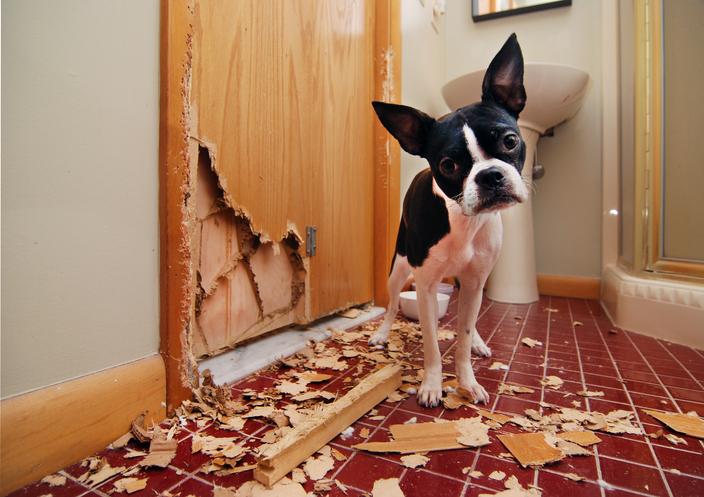
Dogs are fluffy danger vacuums on four legs because they use their noses and mouths to explore their surroundings. You are more likely to see things that could unintentionally endanger your best buddy, a dog, if you literally consider things from their perspective.
I always advise considering your dog’s perspective when assessing a room in your house for safety; what is their height and where is their line of sight? You can find dangerous items that might catch your dog’s attention by evaluating your house from their height. You may be shocked to learn that your golden retriever can easily take your brand-new watch since it is perched just right on your bedside table. Little things that are easily accessible should be taken out and stored in secure places where your dog cannot get to them, like closets or drawers.
Your end table, your bed, and your rocking rocker. If your dog is a good climber and can jump up on things quickly, you might want to remove any potentially dangerous furnishings. Jump-activated chairs have the potential to hurt your dog as well as injury other objects in your house when they swing back. Dogs who follow their noses and will put their paws up on furniture might quickly become distracted by end tables with glass picture frames or breakable family treasures.
Does your dog enjoy a nice, cozy couch spot? Is he more comfortable curled up on a blanket? Dog proofing your house requires careful consideration of where those things should be placed. Never put blankets, dog beds, or rugs next to heaters, fireplaces, fans, or electrical cords or outlets since they can easily become harmful.
The kitchen, bathroom, and laundry rooms are typically the riskiest rooms in your house, but you should spend time in every room since they can all be dangerous. To help divide up spaces or keep your dog out of areas you don’t want them to enter, get some strong baby gates. Your dog will have lots of wonderful spots to rest and unwind once you’ve made these sections of your house safe.
There are a lot of things in kitchens that aren’t dog friendly, like food, medicine, and cleaning materials. Your dog has the greatest opportunity to discover and eat objects that are not appropriate for them. However, kitchens may make excellent doggie hangouts once they are dog-proofed.
Electrical cords, fireplaces, open windows, and recliner chairs are the most frequent issues in living rooms. Since your dog will probably spend the most time in this room with you, it is crucial to make sure it is secure for them.
A dog’s favorite spot to search for intriguing treats to sample and entertaining “toys” to try is usually the bathroom. The greatest method to exercise effective management is to keep cabinets closed, and even better, to keep the bathroom door closed.
Dogs are frequently kept in protected places like bedrooms. Make sure to take out anything that could choke your dog and don’t leave anything out that you’d prefer not to become a chew toy before using your bedroom as a place for them to unwind.
Curious dogs might encounter numerous hazards in laundry facilities. While some risks are more overt, others are more covert. When in doubt, keep the washing room off-limits.
Dogs should never be left unattended outside, but if you do allow your dog to go outside for bathroom breaks through a doggie door in the backyard, make sure the area is secure and safe. Dogs that are bored can easily escape through holes, loose posts, and unlatched gates; therefore, it is important to supervise them whenever they are near pools or play equipment.
Our dogs quickly locate comfortable places in any home and are excellent adapters when we assist them in doing so in a secure manner. For the sake of your dog and to make sure they are comfortable and safe when you are not there, make sure your home is dog-safe.
If you are interested in a Posh Dog Knee Brace contact us via our contact form or visit our Facebook Page.
Articles from the Posh Dog Knee Brace team — a group effort with our licensed veterinary technicians and brace specialists, sharing 15+ years of experience helping dogs recover from CCL/ACL injuries and mobility challenges.
Pets that support you emotionally and enhance your health are called therapy dogs. To help both yourself and other people, you can teach your dog to be a therapy dog.
Dogs used for therapy reside in homes. They can also visit a range of locations, such as schools, hospice homes, hospitals, retirement or assisted living facilities, and schools. They have been educated to tolerate being petted or hugged by strangers and to be kind and amiable. When kids pull at their fur or when grownups want the younger ones to sit on their laps, they are understanding and unfazed.
One kind of therapy animal is the therapy dog. Additional animals that can provide emotional support include horses, llamas, alpacas, cats, bunnies, and birds.
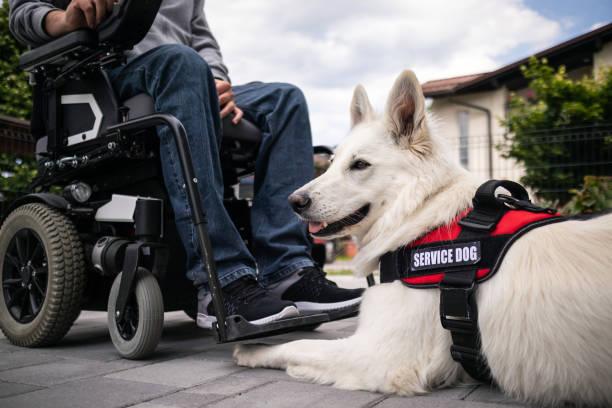
Although they’re not the same as therapy dogs, service dogs are something else entirely.
*The ADA does not protect therapy dogs, sometimes known as emotional support animals.
Service Animals and Emotional Support Animals, ADA National Network, 2014. They therefore lack the same rights as their owners to join them in restricted public areas unless prior authorization is granted. To offer some constructive comfort treatment, the therapy pet needs to be welcomed onto the property.
It is commonly recognized that therapy dogs can help with a variety of mental health issues and psychiatric problems.Interaction with therapy dogs and other companion animals is beneficial for patients with a variety of diagnoses, including depression, bipolar disorder, autism, ADHD, post-traumatic stress disorder (PTSD), and Alzheimer’s disease.
Therapy dogs can also assist with physical health issues that may be the cause of emotional difficulties. Empirical evidence indicates that individuals undergoing animal-assisted therapy may experience reduced pain during their convalescence following challenging surgery or a severe accident. According to studies, these connections can lower the stress hormone cortisol and raise the hormone that improves mood, oxytocin.
With a little instruction, any amiable breed of dog can become a therapy dog. Larger breeds are frequently utilized as therapy dogs, including Labradors, St. Bernards, standard poodles, and golden retrievers. On the other hand, when the patient and the dog are sharing a confined space, smaller breeds like Pomeranians and micro poodles make sense.
Although the breed may have some influence on the dog’s pleasant nature, the dog’s upbringing and even temperament development play a major role. Dogs are evaluated and studied for how they react to various stimuli, including unexpected grabs, loud or confusing noises, and even equipment like wheelchairs or canes, before they are approved as therapy animals.
Many internet directories are available if you would want additional information about how to find a therapy dog to aid you or a loved one. To identify people and organizations in your area, search for “therapy dog” along with the name of your town or city online.
Do an internet search for “therapy dog training” along with the name of your town or city to find out what options are available if you’re interested in finding out more about training your dog to be a therapy dog or visiting nursing homes or other facilities with your pet. Or just contact the facility of your choice by phone or email to find out about their admission policy.
For more information about therapy or our Posh Dog Knee Brace you can contact us via our contact form or Facebook Page.
Articles from the Posh Dog Knee Brace team — a group effort with our licensed veterinary technicians and brace specialists, sharing 15+ years of experience helping dogs recover from CCL/ACL injuries and mobility challenges.
A smart environment can help you keep your dog safe and happy. Beyond simply caring for their animals, pet owners have numerous other duties. As a result, they might not spend as much time as they would like with their fur babies.
However, you want to be able to check on your pets even when they’re not with you because you’re a conscientious pet owner. You want to guarantee that their requirements are satisfied and that they are safe and comfortable.
Thankfully, technology provides you an opportunity to accomplish these things.
You may make sure that your pet gets the care they need even when you are not at home by using certain gadgets, such as climate-controlled cars, cloud-managed webcams, and automatic feeding.
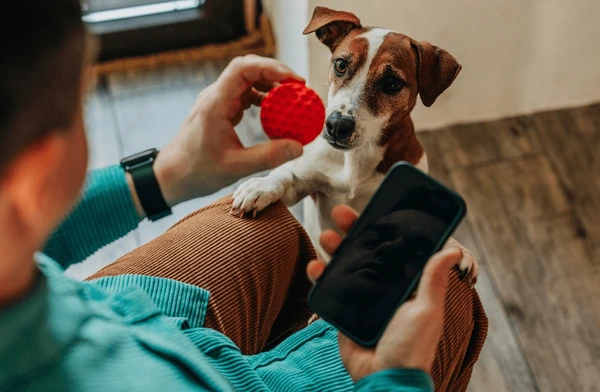
A smart environment is one in which electronic equipment such as computers collaborate to improve human comfort.
Technically speaking, these devices need to complete certain activities on their own and function well even with little assistance from humans.
A smart environment for pet owners also includes utilizing technology to simplify the task of providing for their animals.
Technologies That Are Pet-Friendly
More often than not, fascinating new technologies are introduced in the market. These days, several of these technologies are being utilized to develop pet-focused solutions that enhance the lives of both pets and pet owners.
It is easy to forget when it is time for your pet to eat when you are overworked and occupied. Pet feeders with intelligence offer a solution to this issue.
You may program smart feeders to automatically administer pet food according to a schedule. Even when you are not there, you can still feed your pet on schedule, every day. Just remember to restock it as soon as the feeder runs empty.
Security isn’t the only use for home cameras. They can also be used to observe or check on activities within your house.
Having security cameras in your home gives you the ability to visually check on your pet’s whereabouts and activities.
For instance, you might think your pet has a flea problem when you are gone from home. You can use your home cameras to watch your pet from a distance in this scenario.
Consider purchasing natural flea repellents for your pet, such as essential oils, from a pharmacy before you leave for your house if your pet is always scratching and itching.
There are numerous choices for installing cameras. However, having as little physical equipment at home as feasible (apart from the cameras themselves) may be desirable if we are talking about a smart environment.
With cloud-managed cameras, you can monitor your pets more intently and spend less time on deployment and maintenance because you won’t need cumbersome infrastructure like servers and video storage.
It should be simple to set up these cameras with little equipment. When combined with fast internet, you can see your pets from a distance even when you’re away on business.
Using wearable technology, you can keep an eye on your pet as well.
With GPS trackers, you can monitor your pet’s location. Because these gadgets are small and light, you can discreetly fasten them to your pet’s collar.
There are GPS trackers that let you set up “safe zones” for your pet. Let’s say your pet goes beyond the bounds of the zone. The gadget can then warn you of your pet’s whereabouts by sending you an alert.
A fitness tracker is an additional wearable gadget. These gadgets can measure your pet’s heart rate, distance covered, and caloric expenditure.
While your pet is receiving therapy or medicine, fitness trackers can be a useful tool. Fitness trackers have alert features just like GPS trackers.
Fitness trackers can also be used to arrange for your pet’s veterinarian visit, medication schedule, or to remind you to give your pet dietary supplements like glucosamine, fish oil, or plant extracts and oral tinctures for dogs.
Pets want playtime and entertainment as well. They could get fidgety if you’re not around to play with them.
You can communicate with your pets even when you’re not there to do so thanks to toys that are remotely connected. Your pets can hear you as they play with these toys since some of them have cameras and others have audio.
Among these toys are remote-controlled ball launchers that toss balls for dogs to recover and interactive cubes, which are compact, cube-shaped cameras that are pet-friendly.
Pet owners frequently bring their animals along in their cars, particularly when making a quick trip to the grocery store or a drive-thru restaurant.
Leaving your pets inside the car, however, could be risky because they could suffocate or suffer from heat stroke if left alone for an extended amount of time.
These days, some cars come equipped with a climate control system. Pets may remain cool and have adequate ventilation thanks to this feature, which maintains the interior temperature even when the owner is outside the vehicle.
These days, technology plays a big role in daily life. A smart environment not only benefits humans, but it also keeps dogs safe and comfortable.
However, you shouldn’t rely solely on technology to take care of your pets. Device malfunctions and lost internet connections are also possible.
Interaction between humans and animals cannot be replaced by technology. It is still preferable than having no way to check on your pet while you are gone from home.
As technology advances, gadgets will get even more dependable and contribute to the development of a closer relationship between you and your pet.
If you are interested in a Posh Dog Knee Brace contact us via our contact page or visit our Facebook page.
Articles from the Posh Dog Knee Brace team — a group effort with our licensed veterinary technicians and brace specialists, sharing 15+ years of experience helping dogs recover from CCL/ACL injuries and mobility challenges.
One of the key causes of dogs’ passion of chasing other animals is their prey drive. Our veterinarians can offer guidance on prey drive and safe ways to handle your dog.
For many dogs, prey drive is an instinctive behavior. Unfortunately, prey drive can occasionally result in issues, mishaps, or damage to your dog or other animals.
If your canine companion is constantly chasing squirrels or sprinting after birds when you go for walks, check out our tips on prey drive and how to keep your dog safe.
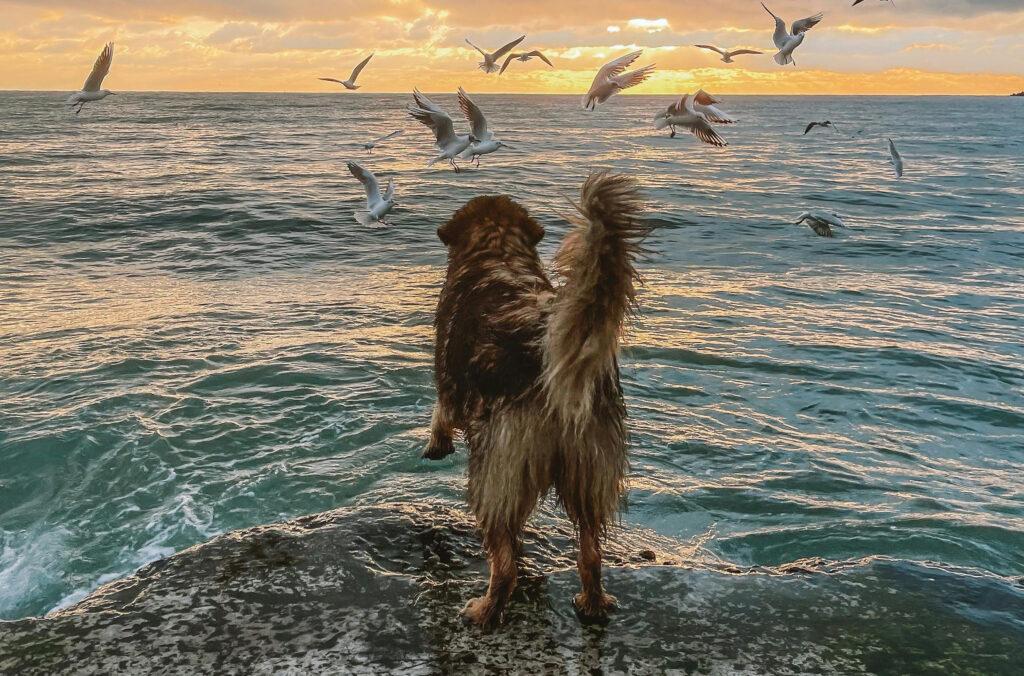
Animals with a prey drive have a hunting urge that enables them to capture food. When many dogs play, such chasing a ball, tugging games, or ripping up plush toys, you may have witnessed this. We may provide them with a secure outlet for their prey drive by encouraging these behaviors in them.
Some canines are more troubled by prey drive than others. “My dog has a high prey drive” refers to a person’s dog’s propensity to chase and catch animals such as mice, squirrels, or farm animals.
Breeds including Greyhounds, Lurchers, Collies, and Terriers are frequently known to have high prey drives. But any breed of dog can exhibit high prey drive, so it’s critical to recognize the warning signs and provide your dog with training to help curb their chasing tendency.
When near animals, exercise strict control over canines. Allowing your dog to harm or kill a farm animal is illegal, and both you and your dog may face harsh consequences. In the event that your dog is uncomfortable among sheep or other animals, you can:
In the event that your dog escapes the leash or that a farm animal pursues you:
If you are interested in more information about our Posh Dog Knee Brace you can send us a message via our contact page or visit our Facebook Page.
Articles from the Posh Dog Knee Brace team — a group effort with our licensed veterinary technicians and brace specialists, sharing 15+ years of experience helping dogs recover from CCL/ACL injuries and mobility challenges.
Hi guys, this is Nikki Lead Veterinary Technician with Posh Dog Knee Braces, and today let’s discuss how many hours a day your dog should wear a knee brace. Now this also really depends on what we are treating. If we have a full CCL tear with meniscus involvement, I may suggest you use the brace more often than a patient with a partial tear.
Also, how much energy your dog has is a big factor on how many hours you really need to be using the brace. Some brace companies say wear the brace all day long, with no breaks. This can lead to a lot of problems initially, if you have not properly broken in the wearing time of your brace.
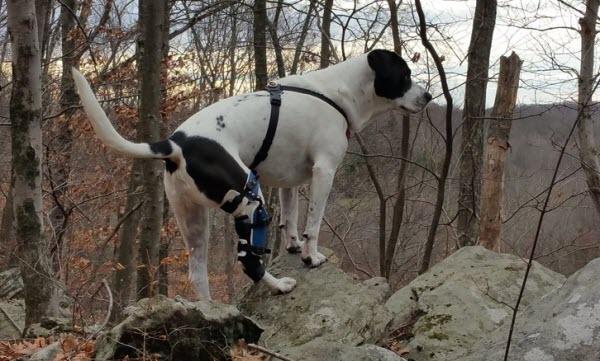
If you have a high energy dog, one that dives off of stairs and furniture, and is harder to control, you may be advised to use the brace a bit more. Now, we only suggest using braces during times that your dog is supervised. This is a medical device, and should not be worn without direct supervision. I would suggest starting out slow, just using the brace during walks and activities hours your veterinary technician will go over with you. Once your dog has been using the brace well, and you feel more confident, you can begin to increase the amount of time (hours) your dog uses the brace.
I still like to give breaks during the day, especially if there is a time they like to lay down and nap. For instance, using the brace for 2 to 3 hours in the morning, while they get the wiggles out, go potty, walk, and breakfast is perfectly fine. You may then opt to remove the brace during lunchtime, as most dogs calm down around this time. Then, you can place the brace back on in the afternoon, and remove prior to going to bed. This is just a suggested scenario, but again you do need to continue monitoring them with the brace.
We do not suggest any patient to wear the brace 8-12 hours a day, as anything that is worn that long on human or dog can cause skin irritation.
If your dog is pretty chill, relaxed, and only really active outside (such as giant breeds), then I would suggest using the brace just for activities. These can include walks, car rides, when someone comes to visit, playing with another dog, stairs, ect. If they spend most of their time laying down, it would not be comfortable to leave a brace on all day long. Let them get cozy, but we will be suggesting some Physical therapy activities to help prevent atrophy.
Put a sign outside your door, this will help discourage people from ringing the doorbell or knocking. Most dogs react to hearing a knock and doorbell, so if we can cut back on those times that will really help with preventing re-injury. Instead, put your phone number on the sign, so they can text you if someone arrives to visit.
Always feel free to speak to your service veterinary technician with any questions, that is what we are here for! Thank you, and give your dog a big hug for us!
You can contact us via our contact page or visit our Facebook page for more information.
Let Your Dog Recover With Our Custom Dog Knee Brace!
We’ve Helped Dogs All Around The World, Now We Want To Help Yours…
The Posh Dog Knee Brace is a 100% custom Dog knee brace, hand made only for your Dog. We make our custom brace with no casting. Our state-of-the-art brace for Dogs is very durable, waterproof, sand proof, and easily adjustable by customers. Our Veterinary Technicians provide personal live video supervision of measuring, and fitting of your Dog ACL brace in the comfort of your own home.
Articles from the Posh Dog Knee Brace team — a group effort with our licensed veterinary technicians and brace specialists, sharing 15+ years of experience helping dogs recover from CCL/ACL injuries and mobility challenges.
Dogs can be prone to injuries related to various physical activities. Understanding the types of injuries associated with specific activities can help dog owners take preventive measures and seek appropriate veterinary care when needed. Here are common activity-related dog injuries:
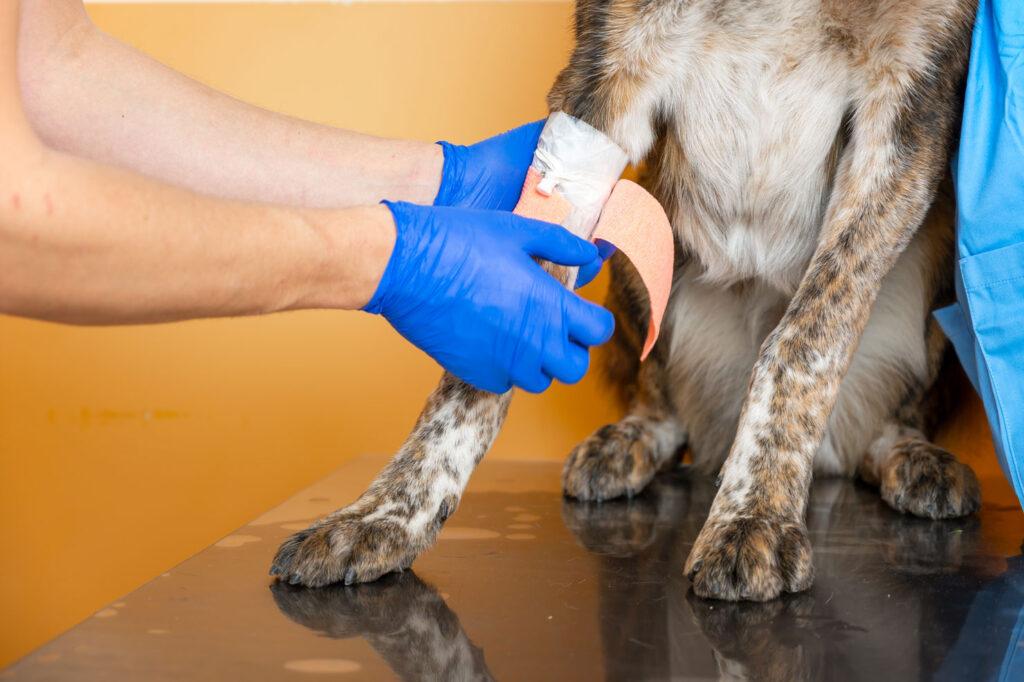
Preventing activity-related injuries involves being mindful of your dog’s limitations, ensuring they are adequately conditioned for the activity, and providing proper warm-up and cool-down periods. Regular veterinary check-ups can help detect and address any underlying health issues that might predispose a dog to injuries during physical activities. If an injury occurs, prompt veterinary attention is essential to ensure proper diagnosis and treatment.
For more information about related injuries or if you would like information about our brace contact us via our contact form or visit our Facebook page.
Articles from the Posh Dog Knee Brace team — a group effort with our licensed veterinary technicians and brace specialists, sharing 15+ years of experience helping dogs recover from CCL/ACL injuries and mobility challenges.
Teaching your dog to stop running out the door is essential for their safety and the safety of others. Here are some steps you can take to stop a dog from running out the door:
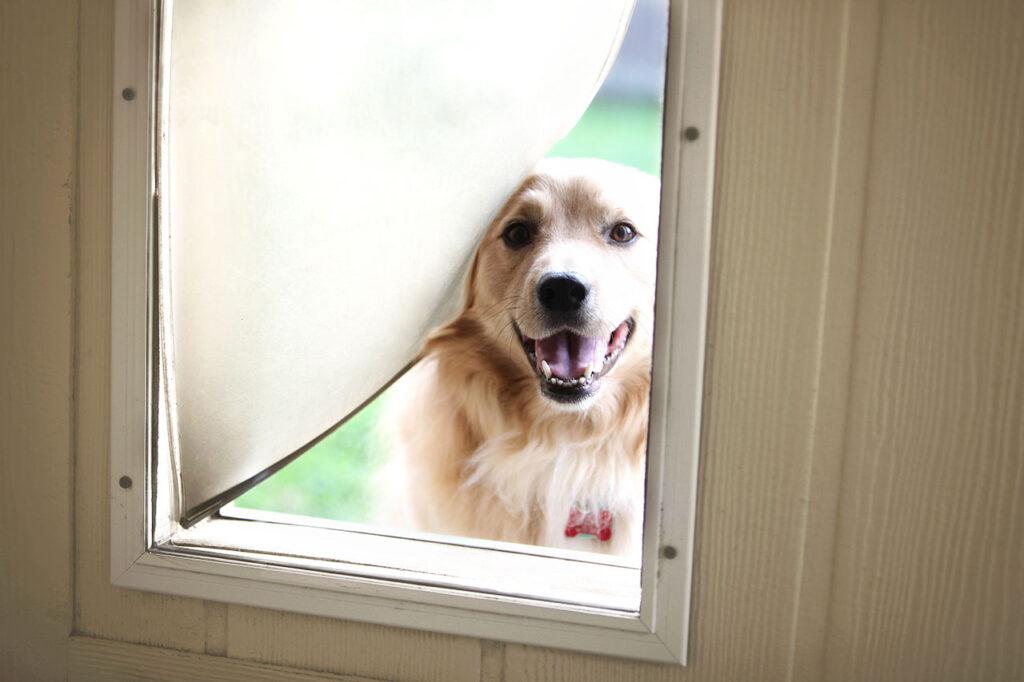
Remember that each dog is unique, and some may require more time and training than others to learn new behaviors. Positive reinforcement and patience are crucial in training your dog to stop running out the door. If you encounter challenges or your dog’s behavior does not improve, consider seeking guidance from a professional dog trainer or behaviorist for personalized assistance.
We a lot of different braces to help your dog recover from their injuries if you are intererested in learning more you can contact us via our contact page or visit our Facebook Page for more information.
Articles from the Posh Dog Knee Brace team — a group effort with our licensed veterinary technicians and brace specialists, sharing 15+ years of experience helping dogs recover from CCL/ACL injuries and mobility challenges.
Christmas gifts for dogs are great for several reasons:
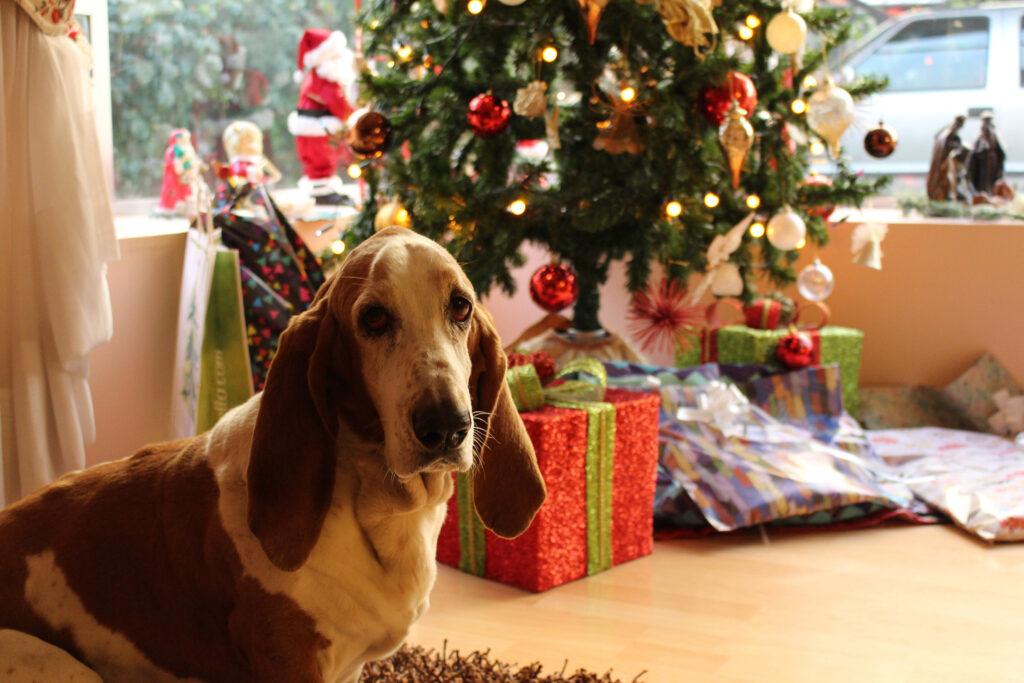
1. Joyful Surprise: Dogs, like humans, appreciate surprises and new experiences. Christmas gifts can bring excitement and joy to their lives.
2. Bonding Opportunity: Choosing and giving a gift to your dog can strengthen the bond between pet and owner. It’s a shared experience that fosters a sense of connection.
3. Enrichment and Stimulation: Many dog gifts, such as interactive toys or puzzle feeders, provide mental and physical stimulation. These contribute to a dog’s overall well-being and happiness.
4. Seasonal Festivity: Including dogs in holiday celebrations adds a festive and inclusive atmosphere to the household. Special gifts make them feel like a part of the family’s joyous occasions.
5. Practical Benefits: Some Christmas gifts, like cozy beds or grooming tools, offer practical benefits by enhancing the dog’s comfort, health, or grooming routine.
6. Expressing Love and Care: Gifting a dog something special shows love and care. It’s a way for owners to express gratitude for the companionship and joy their furry friends bring to their lives.
7. Creating Memories: The act of giving and receiving gifts during the holiday season creates lasting memories. It becomes a part of the shared history between the dog and its family.
8. Fulfilling Needs: Christmas gifts can address specific needs or preferences of the dog, whether it’s a new chew toy, a cozy blanket, or tasty treats.
1. Personalized dog tags: Adds a personal touch while ensuring pet safety.
2. Interactive treat-dispensing toys: Keeps pets mentally stimulated and entertained.
3. Cozy pet bed with memory foam: Provides comfort and supports joint health.
4. Customized pet portrait: A unique and sentimental keepsake for pet parents.
5. Pet subscription box: Offers a variety of treats, toys, and accessories regularly.
6. GPS pet tracker: Ensures peace of mind by helping locate pets if they wander.
7. Pet-friendly spa day: A pampering experience for both pets and their owners.
8. High-quality pet food or treats: Shows care for the pet’s well-being and health.
9. Pet DNA testing kit: Provides insights into the pet’s breed and health history.
10. Stylish pet apparel: Adds a fun and fashionable element to pet ownership.
11. Pet camera with treat dispenser: Allows interaction and monitoring remotely.
12. Elevated food and water bowls: Enhances comfort and reduces strain on pets’ necks.
13. Pet grooming kit: Useful for regular grooming sessions, fostering a bond.
14. Pet-friendly puzzle games: Mental stimulation and a fun bonding activity.
15. Automatic pet feeder: Convenient for pet parents and ensures timely meals.
16. Pet-friendly holiday advent calendar: Adds excitement to holiday celebrations.
17. Pet massage or acupuncture session: Promotes relaxation and well-being.
18. Pet-friendly tech gadgets: Fun and innovative devices for tech-savvy pet parents.
19. Pet first aid kit: Essential for handling minor injuries or emergencies.
20. Comfy pet blanket or throw: Provides warmth and a cozy spot for pets.
21. Pet-friendly travel accessories: Useful for pet parents who love to travel with their companions.
22. Pet-friendly subscription service (e.g., toys, treats): A continuous supply of goodies.
23. Pet training classes or sessions: Enhances the bond between pets and owners.
24. Pet-friendly fitness tracker: Encourages an active lifestyle for both pets and owners.
In summary, Christmas gifts for dogs contribute to the overall well-being, happiness, and shared experiences between pets and their owners, making the holiday season more memorable and enjoyable for everyone involved.
If you were interested in one of our products or have questions you can contact us via our contact form or visit us on Facebook page.
Articles from the Posh Dog Knee Brace team — a group effort with our licensed veterinary technicians and brace specialists, sharing 15+ years of experience helping dogs recover from CCL/ACL injuries and mobility challenges.
Dogs are drawn to squeaky toys because of their natural instincts and behaviors, which the toys trigger and reinforce. There are several reasons why dogs are fond of squeaky toys:
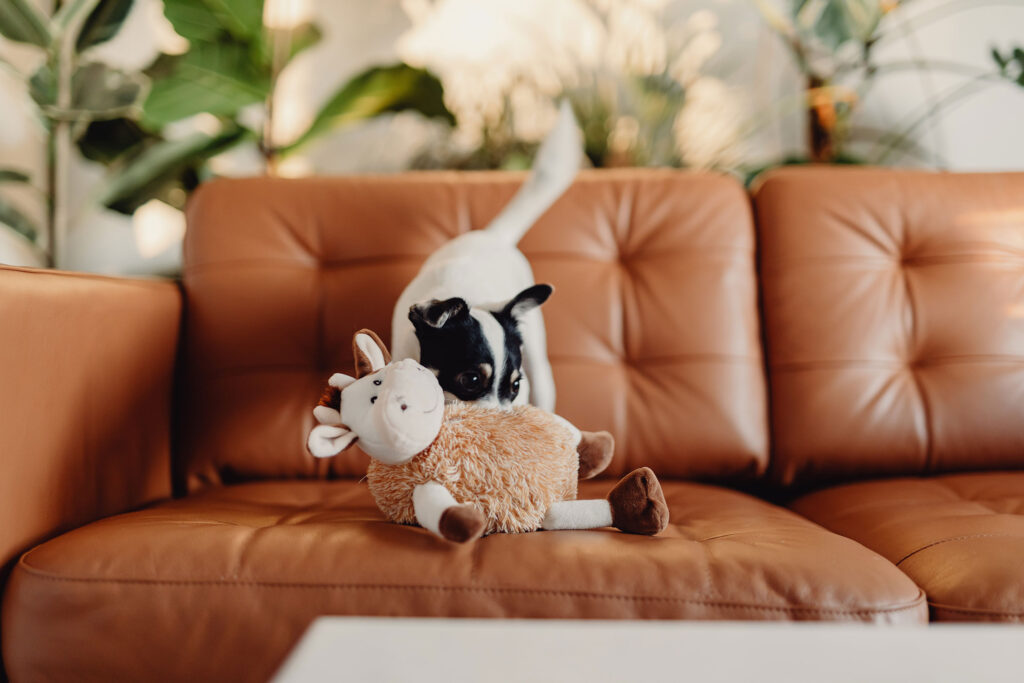
There are various types of dog toys designed to cater to different play styles and preferences. Here are some common types:
It’s important to note that not all dogs are interested in squeaky toys, and individual preferences can vary. Additionally, some dogs may be overstimulated or become obsessive with squeaky toys, leading to potential behavior problems or compulsive chewing. As with any toy, it’s essential to supervise your dog while playing and ensure that the toy is safe and appropriate for their size and chewing habits.
If your dog enjoys squeaky toys, they can be a fun and engaging way to provide mental stimulation and interactive play. However, always consider your dog’s preferences, safety, and play style when choosing toys to keep them entertained and happy.
For more information about our Posh Dog Knee Brace you can contact us via or contact form or if you would like to follow us on Facebook click here.
Articles from the Posh Dog Knee Brace team — a group effort with our licensed veterinary technicians and brace specialists, sharing 15+ years of experience helping dogs recover from CCL/ACL injuries and mobility challenges.
The amount of exercise a dog needs can vary depending on factors such as their breed, age, size, and overall health. However, most dogs require a combination of physical and mental exercise to stay healthy and happy. Here are some general guidelines for the amount of exercise dogs need based on their life stage:
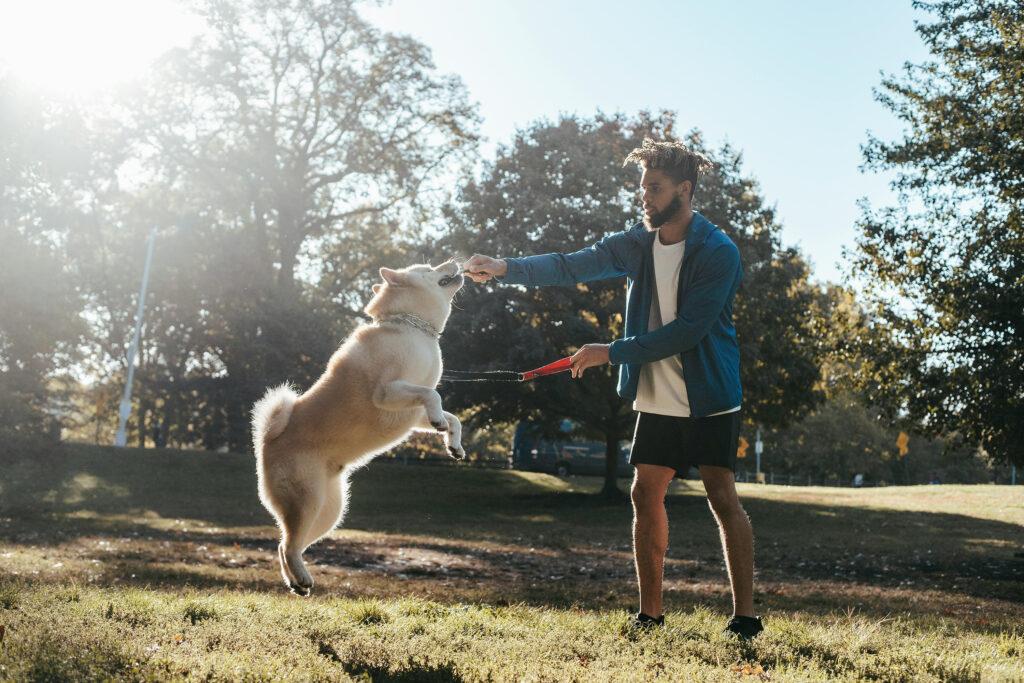
Puppies: Puppies have boundless energy and need frequent, short bursts of play and activity throughout the day. As they grow, their activity can gradually increase. Aim for a total of 30 minutes to 2 hours of exercise daily, spread across several short play sessions.
Adult Dogs: Adult dogs generally require around 30 minutes to 2 hours of exercise each day, depending on their breed and activity level. Breeds with high energy levels, such as Border Collies or Retrievers, may need closer to 1-2 hours of activity daily, while smaller or less active breeds may be content with 30 minutes to an hour.
Senior Dogs: Older dogs may have reduced energy levels and mobility, but they still benefit from regular exercise. Lighter and shorter exercise sessions are more appropriate for seniors, typically around 30 minutes per day. Keep in mind that senior dogs may need more frequent breaks and slower-paced walks.
In addition to physical exercise, mental stimulation is crucial for all dogs, regardless of age. Mental exercises, such as puzzle toys, training sessions, and interactive games, help keep their minds sharp and prevent boredom.
Remember that these are general guidelines, and individual dogs may have different needs. It’s essential to observe your dog’s behavior and adjust their exercise routine accordingly. Some signs that your dog may need more exercise include restlessness, excessive barking, destructive behavior, or weight gain. On the other hand, if your dog appears tired, lethargic, or is experiencing difficulty exercising, consider reducing the intensity or duration of their activities.
If you have any questions you can contact us via our contact page or visit our Facebook page for more information.
Articles from the Posh Dog Knee Brace team — a group effort with our licensed veterinary technicians and brace specialists, sharing 15+ years of experience helping dogs recover from CCL/ACL injuries and mobility challenges.