One of the key causes of dogs’ passion of chasing other animals is their prey drive. Our veterinarians can offer guidance on prey drive and safe ways to handle your dog.
For many dogs, prey drive is an instinctive behavior. Unfortunately, prey drive can occasionally result in issues, mishaps, or damage to your dog or other animals.
If your canine companion is constantly chasing squirrels or sprinting after birds when you go for walks, check out our tips on prey drive and how to keep your dog safe.
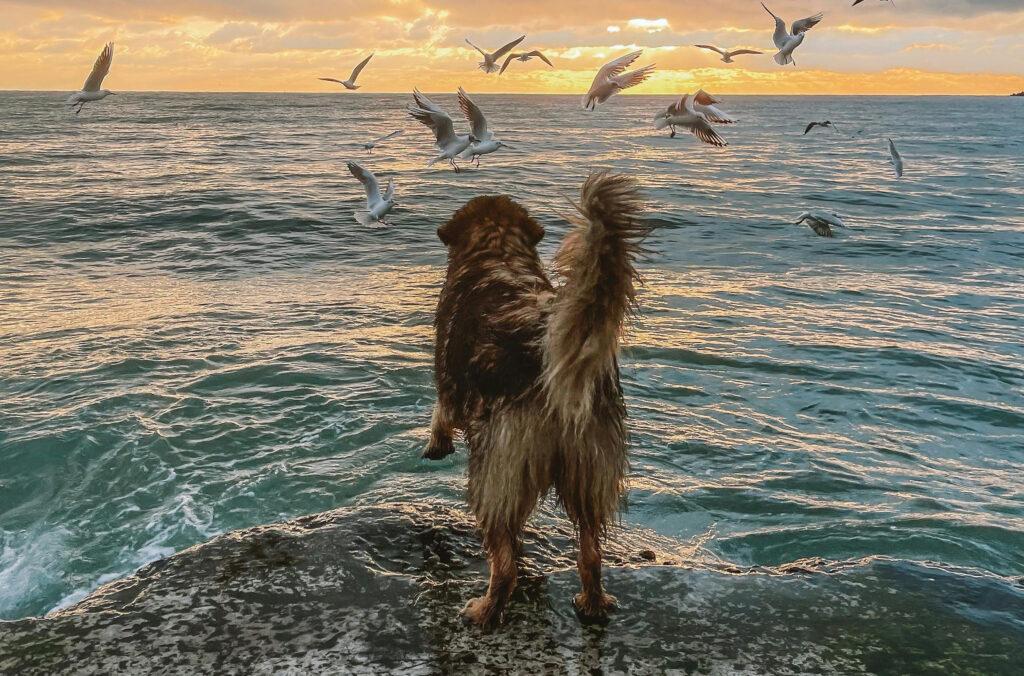
Animals with a prey drive have a hunting urge that enables them to capture food. When many dogs play, such chasing a ball, tugging games, or ripping up plush toys, you may have witnessed this. We may provide them with a secure outlet for their prey drive by encouraging these behaviors in them.
Some canines are more troubled by prey drive than others. “My dog has a high prey drive” refers to a person’s dog’s propensity to chase and catch animals such as mice, squirrels, or farm animals.
Breeds including Greyhounds, Lurchers, Collies, and Terriers are frequently known to have high prey drives. But any breed of dog can exhibit high prey drive, so it’s critical to recognize the warning signs and provide your dog with training to help curb their chasing tendency.
When near animals, exercise strict control over canines. Allowing your dog to harm or kill a farm animal is illegal, and both you and your dog may face harsh consequences. In the event that your dog is uncomfortable among sheep or other animals, you can:
In the event that your dog escapes the leash or that a farm animal pursues you:
If you are interested in more information about our Posh Dog Knee Brace you can send us a message via our contact page or visit our Facebook Page.
Articles from the Posh Dog Knee Brace team — a group effort with our licensed veterinary technicians and brace specialists, sharing 15+ years of experience helping dogs recover from CCL/ACL injuries and mobility challenges.
After knee injury surgery, custom braces can benefit your dog and in certain cases, can take the place of surgery.
It has been ten years since WDJ investigated the nonsurgical treatment of knee ligament problems, or “conservative management” (see “Saying ‘No’ to Surgery,” February 2010). Since then, there has been an increase in consumer demand for alternative therapies, such as the usage of custom-designed knee braces, even though surgery is still by far the most common therapy for knee injuries.
Canine ligament injuries are so common that almost every veterinarian has seen one. A dog may be completely unable to bear weight on the limb, exhibit a noticeable limp, or show signs of hind-leg lameness, depending on the severity of the damage. A partial or complete tear of a ligament could be the injury.
The terms “torn ACLs” and “bad knees” are well-known in the canine community. Knowing what these terms represent will be helpful if your dog sustains a knee injury that needs to be treated by a veterinarian.
The phrase “canine cruciate ligament disease” refers to a number of injuries that can harm a dog’s knee in this article. In general, the phrase uses the word “disease” appropriately because most dog knee ligament ruptures occur during normal exercise, despite the fact that the majority are the result of catastrophic injuries.
Additionally, several studies indicate that the majority of knee ligament injuries are caused by chronic degenerative changes within the ligament, as stated in an article titled “Review of Cranial Cruciate Ligament Disease in Dogs” that was published in the World Small Animal Veterinary Association World Congress Proceedings in 2011.
Ligaments are bands of connective tissue that strengthen and support joints by joining bones to cartilage.
With the patella (kneecap) in front and the fabella (a tiny bean-shaped bone) behind, the stifle (knee) joins the tibia (leg bone) and femur (thigh bone). Ligaments hold everything in place while cartilage (the lateral and medial meniscus) cushions the bones.
Within the knee joint, the cranial (front) and caudal (back) cruciate ligaments cross. The tibia cannot move out of place beneath the femur because of the cranial cruciate ligament. While the words “cranial cruciate ligament” (CCL) and “anterior cruciate ligament” (ACL) are used in veterinary medicine and human medicine, respectively, they relate to the same ligament and are used to characterize knee injuries in dogs.
Despite the fact that radiographs, or x-rays, do not show soft tissue and cannot be utilized to distinguish between a partial and total tear or diagnose cruciate injuries, they are frequently used to screen for cruciate ligament illness. However, they can rule out other illnesses that might be the source of leg discomfort, such as bone cancer. Dogs rarely undergo advanced imaging tests like MRIs because they are costly and necessitate anesthesia, even though they can show tears in the ligaments.
The “drawer test,” which involves a veterinarian holding the femur in one hand while manipulating the tibia in the other, is the primary diagnostic method for CCL rips. Should the tibia be able to be pulled forward, as though opening a drawer, there has been a tear or rupture in the cruciate ligament. nervous patients may be anesthetized prior to the drawer test since it can be inconclusive if the stiff muscles of a nervous dog briefly stabilize the knee.
Another test for ligament damage is the tibial compression test, in which the dog’s ankle is flexed with one hand while the femur is kept steady with the other. The abnormal forward movement of the tibia is caused by a damaged ligament.
According to a recent estimate that has been cited by a number of veterinary websites, over 600,000 dogs in the US undergo cruciate ligament surgery annually.
Canine cruciate ligament disease risk factors include genetics, obesity, poor physical condition, conformation (skeletal shape and structure), age of the ligament (degeneration), and breed, according to the American College of Veterinary Surgeons (acvs.org). Rather than being ruptured due to an acute impact to an otherwise healthy ligament, most ligament ruptures occur as a result of slow, subtle degeneration that has occurred over months or even years. Between 40 and 60 percent of dogs with damage to one cruciate ligament later have damage to the other knee. According to the ACVS, if a partial cruciate ligament rupture is not treated, it is likely to eventually become a full tear.
According to the ACVS, CCL injuries can occur in dogs of all shapes, sizes, and ages, although they are most frequently seen in Rottweilers, Newfoundlands, Mastiffs, Akitas, Saint Bernards, Chesapeake Bay Retrievers, and Labrador Retrievers.
There is a significant correlation between neutering before one year of age and ruptured cruciate ligaments. The study “Assisting Decision-Making on Age of Neutering for 35 Breeds of Dogs: Associated Joint Disorders, Cancers, and Urinary Incontinence” (Benjamin Hart, et al.) was published in the journal Frontiers of Veterinary Science on July 7, 2020. It revealed that early neutering of male Bernese Mountain Dogs, Cocker Spaniels, and Miniature Poodles; male and female German Shepherd Dogs, Golden Retrievers, Labrador Retrievers, and Rottweilers; as well as female Saint Bernards and Australian Cattle Dogs significantly increased risk of cruciate ligaments.
The study’s conclusion was, “A likely mechanism related to disruption of the closure of the long-bone growth plates by gonadal hormone secretion as the animal approaches maturity is related to early neutering may cause a joint disorder.” According to our theory, neutering a dog well before the growth plates close allows its long bones to grow slightly longer than average. In some cases, this can cause enough joint alignment problems to cause a clinically noticeable joint condition.
Similar findings were observed in mixed breeds, particularly for dogs weighing 44 pounds or more and neutered before one year of age, according to a related study, “Assisting Decision-Making on Age of Neutering for Mixed Breed Dogs of Five Weight Categories: Associated Joint Disorders and Cancers” (Frontiers of Veterinary Science, July 31, 2020, Benjamin Hart, et al.).
There is nothing owners can do to reverse a dog’s neuter status, but there are plenty of things we can do to save our vulnerable pets’ knees. Excessive body weight and poor physical condition are risk factors for the development of canine cruciate ligament illness, as stated on the ACVS website. Pet owners have the ability to alter each of these aspects. Maintaining a lean body mass requires careful meal control, regular exercise, and consistent physical conditioning.
Custom braces—which go by numerous names including knee, stifle, ACL, or CCL braces—are made by several manufacturers using various materials and techniques. Braces are also made to fit the hocks, hips, ankles, and wrists of dogs.
In order to assess how strong the brace needs to be in order to support the dog’s weight and activities, as well as any unique features the brace might need, the first step in designing a bespoke brace is to analyze the patient’s size, breed, medical history, activity level, and environment.
Next, casts or detailed measurements create a model of the dog’s knee. The last step is to schedule a fitting visit, where any necessary modifications are performed and images and videos of the dog exercising while wearing the brace are taken.
The dog wears the brace during the day after a break-in period. “Most dogs put it on in the morning and take it off in the evening before bed,” the owner says.
The majority of custom brace designs are based on leg models that were cast at the client’s house or in a veterinary clinic using supplies supplied by the brace maker. For the purpose of designing the brace to fit, the resultant cast is supplied together with supporting measurements. Castings that are damaged during shipment or that were made erroneously may require repeat castings. The visit raises the price of the brace if it is performed at a veterinary facility.
The 77-pound Golden Retriever Pasha, then 11 years old, suffered a left hind leg injury that led to the creation of the Posh Dog Knee Brace seven years ago. Pasha’s veterinarian determined that he had a torn meniscus and a ruptured cranial cruciate ligament. He advised surgery immediately once, stating that if the damage was not repaired, Pasha would suffer a similar lesion to his right leg, develop severe arthritis, and be unable to live an active life again.
Although Jim Morison and Beth Scanlon, who live in Florida, could afford the $5,000 surgery, they were concerned about Pasha’s age and past medical history, which included a bad anesthetic response. Pasha’s recuperation started when they ordered a custom-made knee brace rather than arranging surgery.
Although Morison was pleased with Pasha’s development, he felt that the brace might be made better in a few areas. He started creating modifications and, in the process, established his own knee brace business, which he called Posh after one of Pasha’s pet names. Pasha was swimming at the beach and running through tide pools six months after donning her upgraded brace, and she was fully recovered in nine months.
“We now use a different design, but we started with the type of brace that requires a casting mold,” says Nikki Bickmore, lead veterinary technician at Posh, who also manages the service department and production.
“Posh assembled a group of orthotists and veterinarians to create a new system that would do away with casting,” Bickmore adds. As a result, the brace has many padding layers and is semi-rigid rather than hard plastic, allowing it to adapt to the dog’s muscles as they contract and flex. The only brace that incorporates double-reinforced hinges from the Tamarack brand, positioned on two layers of plastic, to strengthen the brace at important stress locations is ours. The brace fastens with quick-release microbuckles, which are common in expensive snow and water sports gear, and fits without causing any rubbing, irritation, or slippage.
Ordering is sped up and slowed down by using measurements rather than casting to create a replica of the dog’s leg. Most braces come within a week after precise measures are given, but buying takes longer since clients need to watch instructional videos and take measurements with two individuals during a live video conference while a veterinary technician watches over them. A Posh vet tech must supervise the fitting of a brace during a second video chat before it can be worn.
The fact that our braces fit well and are simple to use is what most people appreciate about them, according to Bickman. They appreciate that our solution uses buckles and straps instead of Velcro, which can tangle in a dog’s hair. Because we use a soft shell instead of a hard one, the brace is more pleasant to wear, has greater range of motion, is long-lasting, and is very simple to clean.
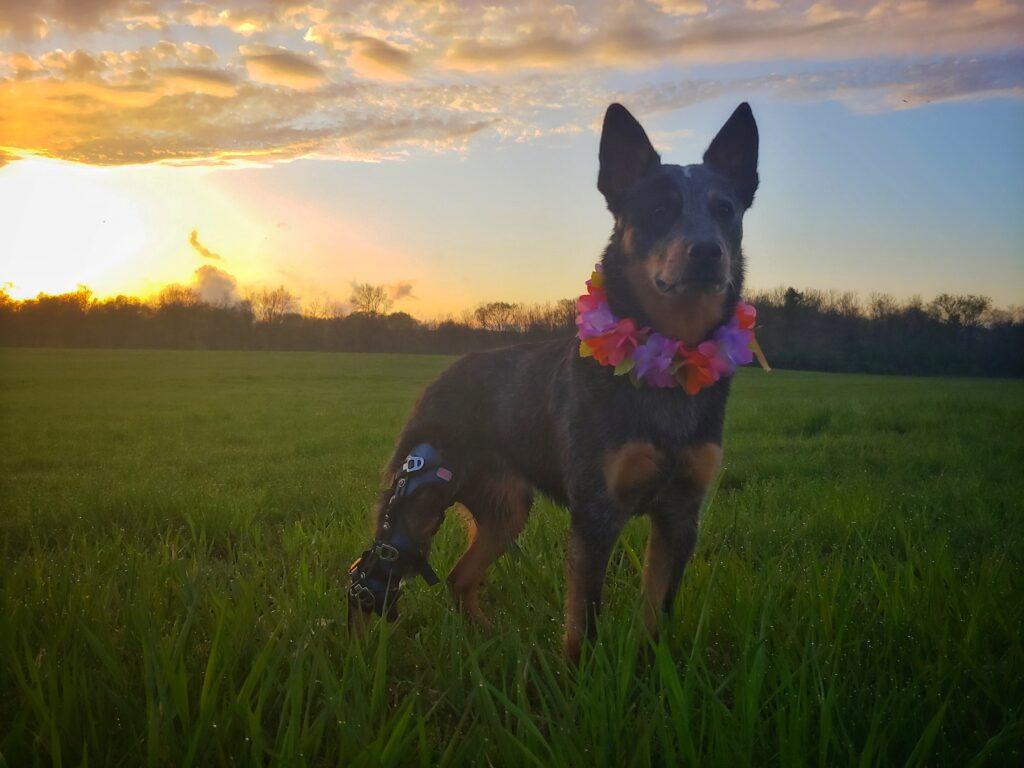
Three-year-old Howdy, an Australian Cattle dog, was born with incontinence, spina bifida, and nerve damage in his hind end. Bickman states, “He’s a favorite of the Posh staff.” He was adopted by Alicia McLaughlin at the age of six months. Shortly after, he had a tear to his CCL and also had a luxating patella. Many believed that he ought to be put to death, but thanks to bracing, Alicia, and a lot of love and patience, he is now happily living in the country in New York.
Don’t think that just because your dog starts favoring one leg over the other, the issue will go away. That could be, but it could also be a sign of cruciate ligament damage. To be sure, make an appointment with your veterinarian.
Both surgery and brace use need to be carefully considered. The proper usage of the custom-fitted braces discussed here requires time and attention commitments, and they are not cheap. Not every owner or dog is a suitable candidate for bracing. Information collection and a realistic grasp of the issues at hand are essential for making wise judgments.
For more information about our Posh Dog Knee Brace contact us via our contact page or visit our Facebook Page.
Articles from the Posh Dog Knee Brace team — a group effort with our licensed veterinary technicians and brace specialists, sharing 15+ years of experience helping dogs recover from CCL/ACL injuries and mobility challenges.
Absolutely, custom-made braces can be a great solution for dogs with a torn ACL (also known as the cranial cruciate ligament or CCL). Here are some points to consider when looking for a brace for a dog with a torn ACL:
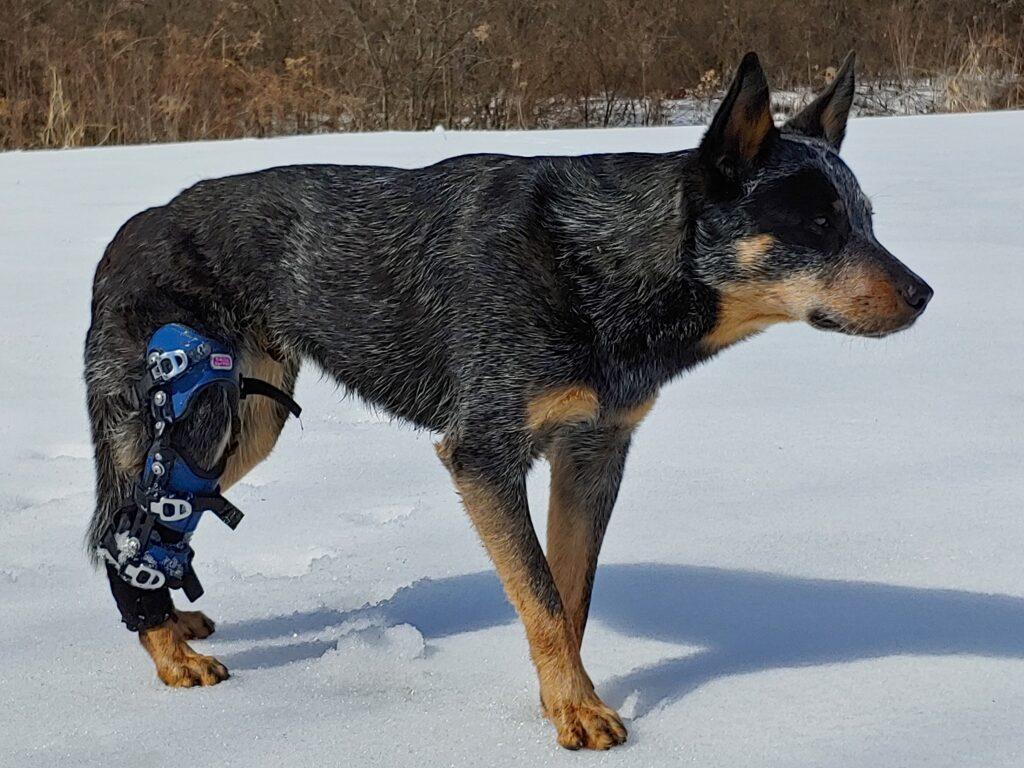
Your dog’s veterinarian might suggest surgery if he/she tore his/her anterior cruciate ligament (ACL). That may cause stress for your wallet, your dog, and you. You may be wondering if you can give your dog appropriate comfort and care while using an ACL dog brace in order to avoid surgery for your dog’s torn ACL. Indeed you can, but only if you get your dog a quality ACL brace, like our Posh Dog Knee Brace.
If you’re wondering if your dog has an ACL tear, the symptoms of an acute rupture are quite typical. Usually, the dog yells and stops bearing any weight on its rear leg when it is running and playing. The dog will frequently still walk around but may sometimes run on three legs and hike up or hang the injured limb.
For the majority of cruciate tears, surgery in the form of a tibial-plateau-leveling osteotomy (TPLO) is the best course of action; however, ACL braces are also showing to be an effective remedy.
Dog owners who participated in a study comparing TPLO surgery and custom stifle orthotics reported high levels of satisfaction with both procedures. The phrase “custom stifle orthotics” was used in the study. You might be tempted to order an all-dog cloth brace online in an effort to get one quickly and at a low cost. Your dog doesn’t require that in order to support its torn ACL. Your dog requires a specially made brace composed of durable material. Although many excellent companies make custom braces for a dog with an ACL tear, Posh Dog Knee Brace is a good option to take into consideration.
Restoring stifle joint stability is the aim of treatment for your dog’s torn ACL. The famous “drawer sign,” which happens when the veterinarian holds the femur in place while the tibia can be pulled forward like a sliding drawer, is caused by your dog’s unstable stifle due to the loss of an intact ACL/CCL. It’s a sign that the CCL has ruptured. Pain results from this laxity, which also promotes the growth of osteoarthritis.
It follows that neither braces nor surgery are a quick fix. A brace may occasionally be recommended by a veterinarian to aid in your dog’s recovery following surgery or be recommended as a alternative option instead of surgery as well.
Whichever approach you decide on, consult your veterinarian or one of our Posh Vet Tech for advice and direction as you help your dog heal as well as to ensure that you have the right diagnosis.
If you think a brace might be a good option for your dog, contact us today via our contact form or call us at 509-412-3065. You can also visit our Facebook Page.
Articles from the Posh Dog Knee Brace team — a group effort with our licensed veterinary technicians and brace specialists, sharing 15+ years of experience helping dogs recover from CCL/ACL injuries and mobility challenges.
Does your dog receive a meal before you leave for the day but hold off on eating it until you come home? That indicates he is a little (or a lot) anxious about being left alone at home.
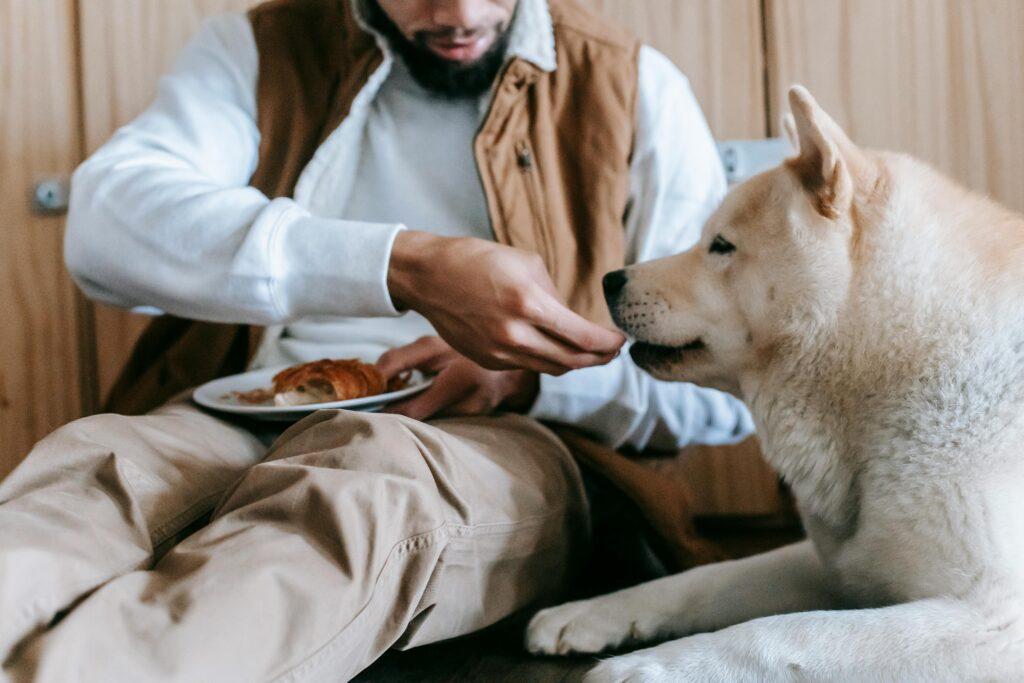
Unexpectedly many dogs refuse to eat meals while their owners aren’t home, but they scramble to finish their meals as soon as their loved ones get home. The most frequent cause of your dog’s lack of appetite while you are away is worry, and a worried dog is a cause for concern.
“But my dog doesn’t seem stressed,” you might object. If your dog only exhibits stressful behavior when left alone and her stress level is low enough that she isn’t acting out in other ways, it’s possible that you aren’t present when she exhibits her primary stress behavior, which is refusing to eat when you aren’t around.
Dog training experts frequently advise clients to leave their dogs with a slow-feeding dog toy, such as a stuffed Kong, to keep them occupied and relieve stress while their owners are away. You can’t use this useful enrichment tool if your dog won’t eat while you’re gone. And when your dog is too anxious to eat meals, it is never a good thing!
Check to see whether he/she will eat if there is another person around first. You’ll be able to discern from this if she is experiencing low-level separation stress (she must be with you) or isolation stress (he/she is fine around any person as long as she is not alone). If he/she exhibits any additional signs of anxiety, such as pacing, panting, or vocalizing, put up a cell phone, laptop camera, or security camera to record footage of her while you’re away.
His/Her anxiety is probably not too severe if there are no other indicators of stress, and you might be able to relieve his/her with an over-the-counter supplement like L-theanine (consult with your veterinarian first!).
If he/she is more distressed, you are dealing with a problem that is more serious than mild stress or anorexia. If that’s the case, I advise you to seek the help of an experienced force-free professional. These individuals would have the initials “CSAT” (for certified separation anxiety trainer, certified by separation anxiety specialist Malena DeMartini) or “SAPro” (for a “Separation Anxiety Pro” trainer, certified by Julie Naismith) and be qualified to work with separation anxiety.
Keep in mind that if your dog is stressed, help is necessary.
If you are interested in a Posh Dog Knee Brace contact us via our contact form or visit our Facebook Page.
Articles from the Posh Dog Knee Brace team — a group effort with our licensed veterinary technicians and brace specialists, sharing 15+ years of experience helping dogs recover from CCL/ACL injuries and mobility challenges.
A dog meal with a larger calorie level is the best for dogs to gain weight.
Adding more meals to your dog’s daily diet is the quickest strategy to aid in weight gain. If he typically consumes two meals per day, increase that to three or four while gradually increasing the amount of food consumed and maintaining a consistent mealtime schedule. You might also try:
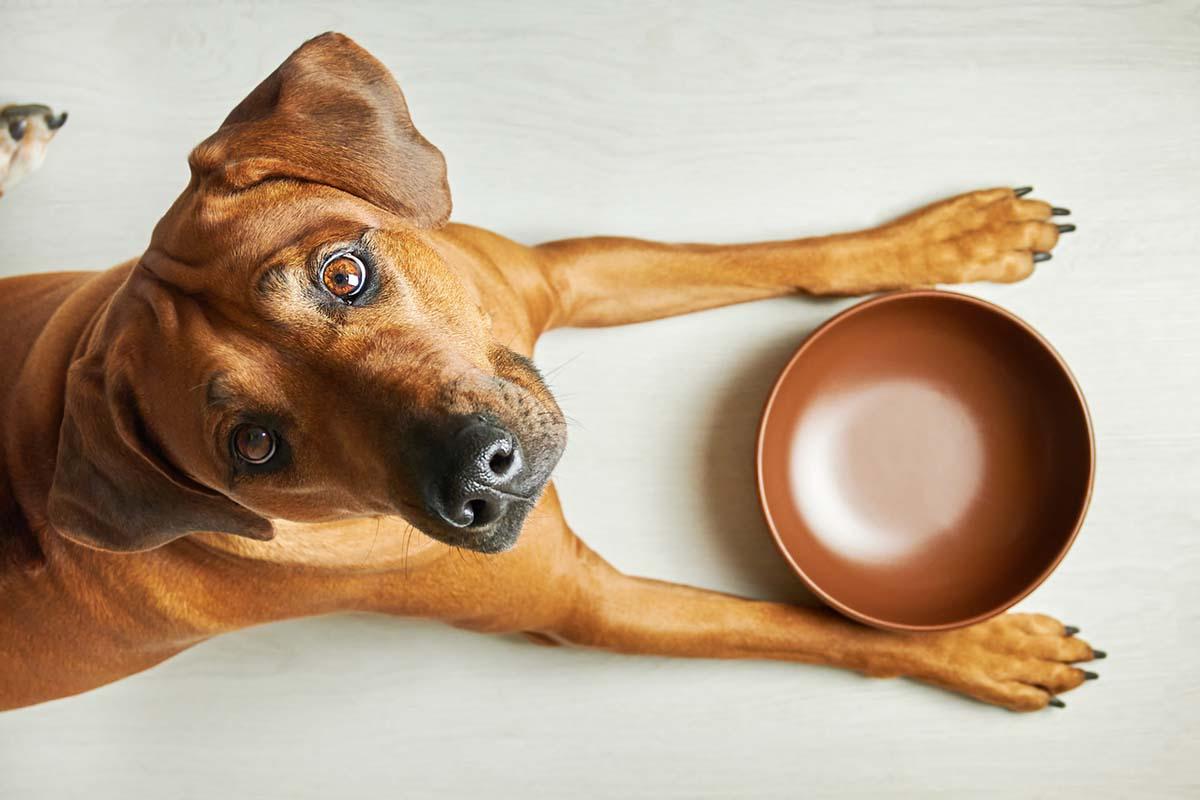
If feeding your dog an extra meal is difficult due to your work schedule, check for the best dog food designed for weight increase. These meals may be labeled as weight-gain dog food, but they definitely aren’t since they have more calories, which are frequently mentioned in tiny print beneath the ingredients list. It’s more likely that you’ll see them marked for active, sport, or performance dogs, which are dogs that require more calories since they expend more energy. These foods typically cost more money. Over the course of roughly a week, gradually transition to the new diet.
But be cautious. Make sure your dog is indeed lean because, like humans, most dogs have a tendency to weigh too much, and we might grow acclimated to that look. Your dog will have a waist that is directly in front of his hips, can be felt through a thin layer of fat, and will be at an appropriate weight. He appears to be snuggled up. He is too thin if the tops of his ribs or the hip/pelvic bones are visible.
Monthly dog weight checks are an excellent guide. Just pick up the dog and step on the scale in the restroom. The weight of the dog is then determined by weighing you alone and deducting that amount. Dogs that maintain a healthy weight live longer.
Some dogs actually need to put on weight, even if the majority of dog owners are waging the war of the bulge and trying to keep their canine companions trim. Boys in their teen years, some senior dogs, and dogs with cancer or other chronic illnesses are among the typical populations who need to gain weight.
So make sure your dog is healthy before starting a weight-gain program by taking him to the vet. Along with performing a physical examination, your veterinarian will likely screen your pet for intestinal parasites and heartworms. In most cases, a complete blood panel is not prohibitively expensive and can be beneficial to rule out a variety of illness issues.
If your dog is a finicky eater, you might want to supplement some of his meals with home-cooked food. Although there are ideas online for cooking homemade meals and treats that can make you gain weight, they might not be very nutrient-dense. To assist you in creating a balanced diet depending on what you wish to feed, look for businesses that employ veterinary nutritionists. Although there is a fee, it is well worth doing this properly.
Other strategies for getting your slim dog to gain weight and eat here are as follows:
Undoubtedly, a dog that is too underweight should be avoided, but take extra care if he also appears lethargic or “not himself.” The ideal place to begin your weight-gain attempts is at your veterinarian.
If you are interested in purchasing a Posh Dog Knee Brace contact us via our contact page or visit our Facebook for more information. We’ve Helped Dogs All Around The World, Now We Want To Help Yours…
Articles from the Posh Dog Knee Brace team — a group effort with our licensed veterinary technicians and brace specialists, sharing 15+ years of experience helping dogs recover from CCL/ACL injuries and mobility challenges.
Hey guys! This is Nikki, Lead Veterinary Technician with Posh Dog Knee Braces. Today let’s talk about harnesses, and when they can be useful. First off, let’s go over the different types of harnesses, so that you are familiar with the options out there.
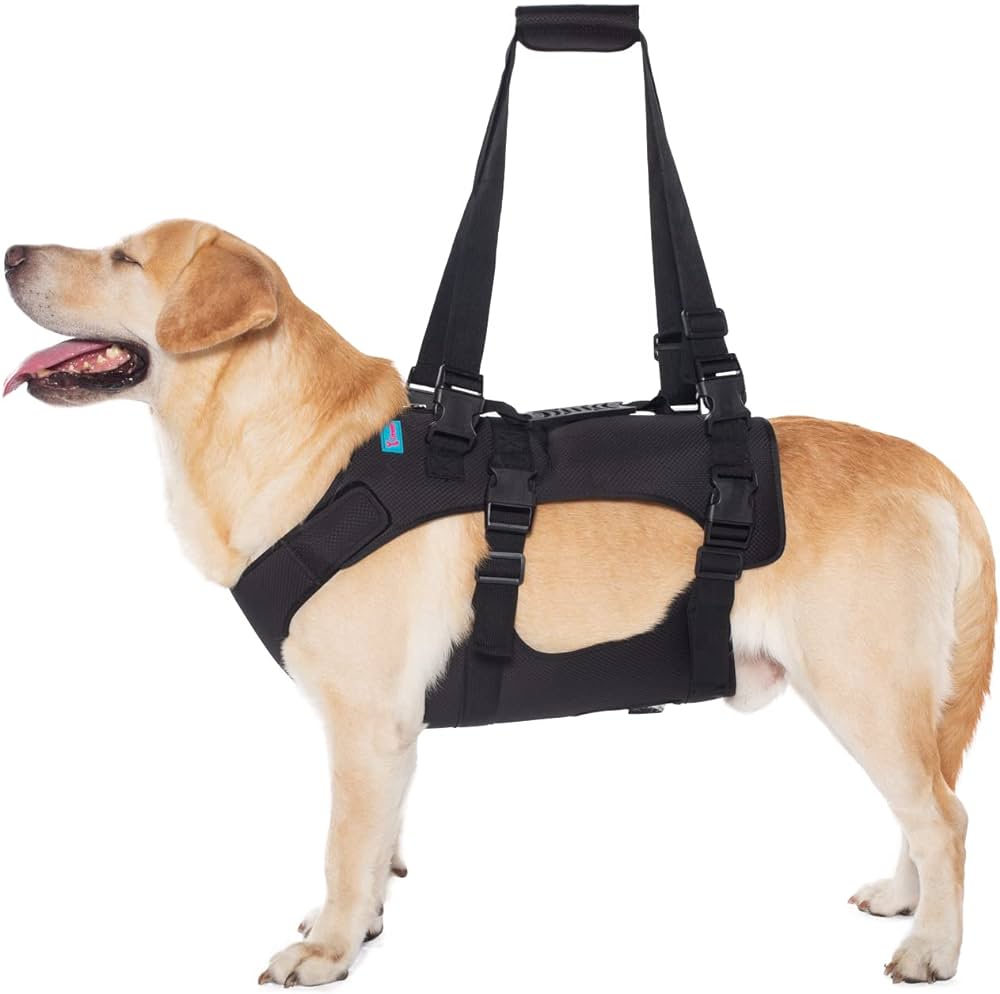
There is a sling harness, which is simply something that goes underneath the entire body and has handles that you can hold on to. This can be anything, from a towel, shopping bag that has been cut down, or something youbough on chewy. A sling is helpful if there is any spinal issues or hip discomfort, in giving full lower back and hip support. The downside to this sling is if you have a male dog, it will make it difficult to urinate outside. There is also more pressure on the bladder, so try to be aware of giving your pup more bathroom breaks.
The next type is a loop type harness, that goes around the back legs, not underneath them, and connects to a harness by the back shoulders. I prefer the help em up harness in this style, as there is a handle between the front shoulder blades, and the back hips. You can also use this style with leg braces, and keep it on for easy use. You simply lift the handle to help you dog stand up vs the sling harness you will need to lift your dog up and slide it underneath the belly.
Each harness has its own benefits. If you have a dog that has a newly injured CCL or ACL, then initially it may be easier to use a sling to help them up and down until you can get a help em up type harness. I would suggest an actual harness with handles for a CCL tear. If your dog, however, has both back legs affected, and potentially the spine, I would suggest a sling type harness, to give them better pelvis support.
Let us know if you have any questions about different types of harnesses! You can contact us via our contact page or our Facebook Page.
Articles from the Posh Dog Knee Brace team — a group effort with our licensed veterinary technicians and brace specialists, sharing 15+ years of experience helping dogs recover from CCL/ACL injuries and mobility challenges.
Healing injured dogs involves a combination of veterinary care and supportive measures at home. Always consult with a veterinarian for proper diagnosis and treatment. Here are some commonly used canine healing methods for injured dogs:
Remember, individual cases may vary, and it’s crucial to follow your veterinarian’s advice closely for the best outcome in your dog’s recovery using any canine healing methods . If you have any questions on how to help your injuried dog you can contact via our contact page or visit our Facebook page.
Articles from the Posh Dog Knee Brace team — a group effort with our licensed veterinary technicians and brace specialists, sharing 15+ years of experience helping dogs recover from CCL/ACL injuries and mobility challenges.
While home treatments can be helpful for minor injuries or as supportive measures alongside veterinary care, it’s crucial to consult with a veterinarian before attempting any treatment. Serious injuries or conditions require professional medical attention. Here are some general home treatments for injured dogs:
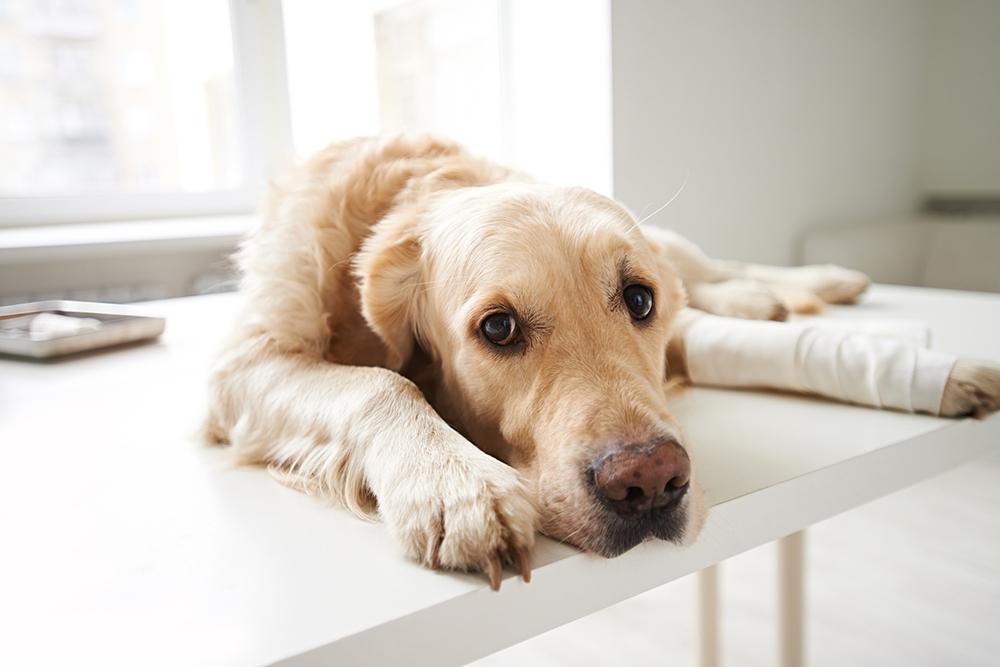
It’s crucial to note that while these home treatments can be beneficial for minor injuries or as supportive measures, they are not substitutes for professional veterinary care. If your dog experiences a significant injury or shows signs of distress, consult with a veterinarian immediately. Professional guidance ensures that the right diagnosis is made, and appropriate treatment is administered for a safe and speedy recovery. If you have any more questions about home treatments you can contact us via our contact page or visit our Facebook page.
Articles from the Posh Dog Knee Brace team — a group effort with our licensed veterinary technicians and brace specialists, sharing 15+ years of experience helping dogs recover from CCL/ACL injuries and mobility challenges.
Hi guys, this is Nikki Lead Veterinary Technician with Posh Dog Knee Braces, and today let’s discuss how many hours a day your dog should wear a knee brace. Now this also really depends on what we are treating. If we have a full CCL tear with meniscus involvement, I may suggest you use the brace more often than a patient with a partial tear.
Also, how much energy your dog has is a big factor on how many hours you really need to be using the brace. Some brace companies say wear the brace all day long, with no breaks. This can lead to a lot of problems initially, if you have not properly broken in the wearing time of your brace.
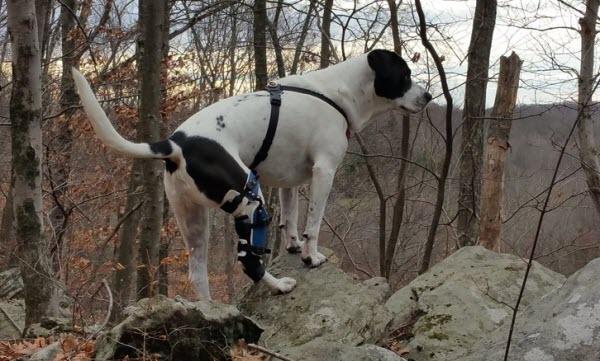
If you have a high energy dog, one that dives off of stairs and furniture, and is harder to control, you may be advised to use the brace a bit more. Now, we only suggest using braces during times that your dog is supervised. This is a medical device, and should not be worn without direct supervision. I would suggest starting out slow, just using the brace during walks and activities hours your veterinary technician will go over with you. Once your dog has been using the brace well, and you feel more confident, you can begin to increase the amount of time (hours) your dog uses the brace.
I still like to give breaks during the day, especially if there is a time they like to lay down and nap. For instance, using the brace for 2 to 3 hours in the morning, while they get the wiggles out, go potty, walk, and breakfast is perfectly fine. You may then opt to remove the brace during lunchtime, as most dogs calm down around this time. Then, you can place the brace back on in the afternoon, and remove prior to going to bed. This is just a suggested scenario, but again you do need to continue monitoring them with the brace.
We do not suggest any patient to wear the brace 8-12 hours a day, as anything that is worn that long on human or dog can cause skin irritation.
If your dog is pretty chill, relaxed, and only really active outside (such as giant breeds), then I would suggest using the brace just for activities. These can include walks, car rides, when someone comes to visit, playing with another dog, stairs, ect. If they spend most of their time laying down, it would not be comfortable to leave a brace on all day long. Let them get cozy, but we will be suggesting some Physical therapy activities to help prevent atrophy.
Put a sign outside your door, this will help discourage people from ringing the doorbell or knocking. Most dogs react to hearing a knock and doorbell, so if we can cut back on those times that will really help with preventing re-injury. Instead, put your phone number on the sign, so they can text you if someone arrives to visit.
Always feel free to speak to your service veterinary technician with any questions, that is what we are here for! Thank you, and give your dog a big hug for us!
You can contact us via our contact page or visit our Facebook page for more information.
Let Your Dog Recover With Our Custom Dog Knee Brace!
We’ve Helped Dogs All Around The World, Now We Want To Help Yours…
The Posh Dog Knee Brace is a 100% custom Dog knee brace, hand made only for your Dog. We make our custom brace with no casting. Our state-of-the-art brace for Dogs is very durable, waterproof, sand proof, and easily adjustable by customers. Our Veterinary Technicians provide personal live video supervision of measuring, and fitting of your Dog ACL brace in the comfort of your own home.
Articles from the Posh Dog Knee Brace team — a group effort with our licensed veterinary technicians and brace specialists, sharing 15+ years of experience helping dogs recover from CCL/ACL injuries and mobility challenges.
Hey guys, my name is Nikki, and I am the Lead Veterinary Technician with Posh Dog Knee Braces. Today let’s talk about Elbow Braces, and when your dog may need one. First of all, make sure you have a firm diagnosis from a Veterinarian that there is in fact an issue in the elbow. We suggest this prior to ordering any of our braces, just to be sure the issue is not something else. Neck pain can also show up as limping in the front leg, so make sure your veterinarian has gone over the entire body before diagnosing one of the following issues.
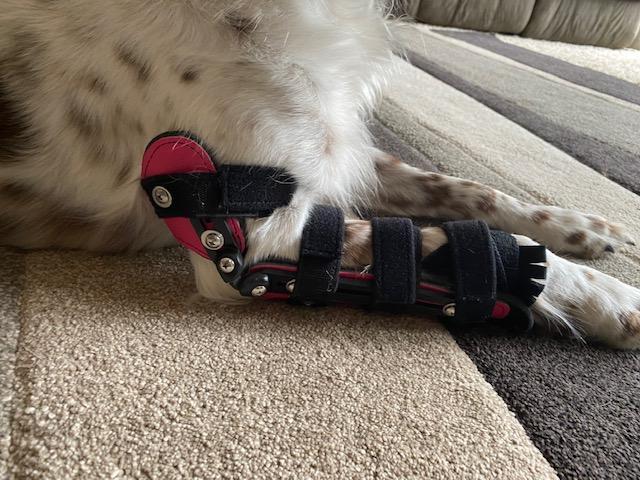
First issue, and the most common, is Osteochondrosis Dessecans, or OCD. You may hear OCD said a lot in reference to younger dogs that grew too fast. This can happen in the shoulder, knee, and hock/ankle, as well as the elbow. We see this In large breed puppies receiving too much energy/protein and calcium in the diet. Genetics, rapid growth, trauma and hormones may also be a factor. This can be treated with surgery to remove the cartilage, however, bracing can provide some pain relief and support in the meantime.
Second is elbow dysplasia. This is basically arthritis in the elbows, and can be painful. Bracing can alleviate some of the strain and pressure on the elbow, allowing the patient to use the sore leg again.
Another issue we see in the elbow is Degenerative Joint disease. This can also cause multiple joint issues, such as CCL tears and hip issues. Support of the joint with an elbow brace will definitely help in these cases.
Chronic Joint instability is another issue, where we need to stabilize the joint to prevent motion and pain. The more a joint moves abnormally, the more chance of early on set arthritis forming.
Elbow Luxation is another issue, although not as common. The brace in this case will help keep things in alignment, and alleviate some of the discomfort with this condition.
We have also had patients that had Tricepts Tendon Avulsion surgery, and braced them post op with lots of success. This is usually due to a trauma, but keeping the elbow stable and preventing movement can be key for healing.
Lastly, prevention of elbow hygromas. These are those swollen areas that can sometimes be filled with fluid on the back of a dog’s elbow. Usually due to laying on hard surfaces, like concrete, for long periods. Having protection on that elbow can really help.
Below is a recap of things the elbow brace can really help with, please let us know if you have any questions!
If you are interested or have questions about our Posh Dog Elbow Brace you can contact us via our contact form or visit our Facebook Page.
Articles from the Posh Dog Knee Brace team — a group effort with our licensed veterinary technicians and brace specialists, sharing 15+ years of experience helping dogs recover from CCL/ACL injuries and mobility challenges.
Carpal hyperextension and other wrist injuries in dogs can cause discomfort and affect their mobility. Identifying these issues early is crucial for prompt veterinary intervention. Here are some signs and symptoms, as well as potential causes of canine carpal hyperextension and other common wrist injuries:
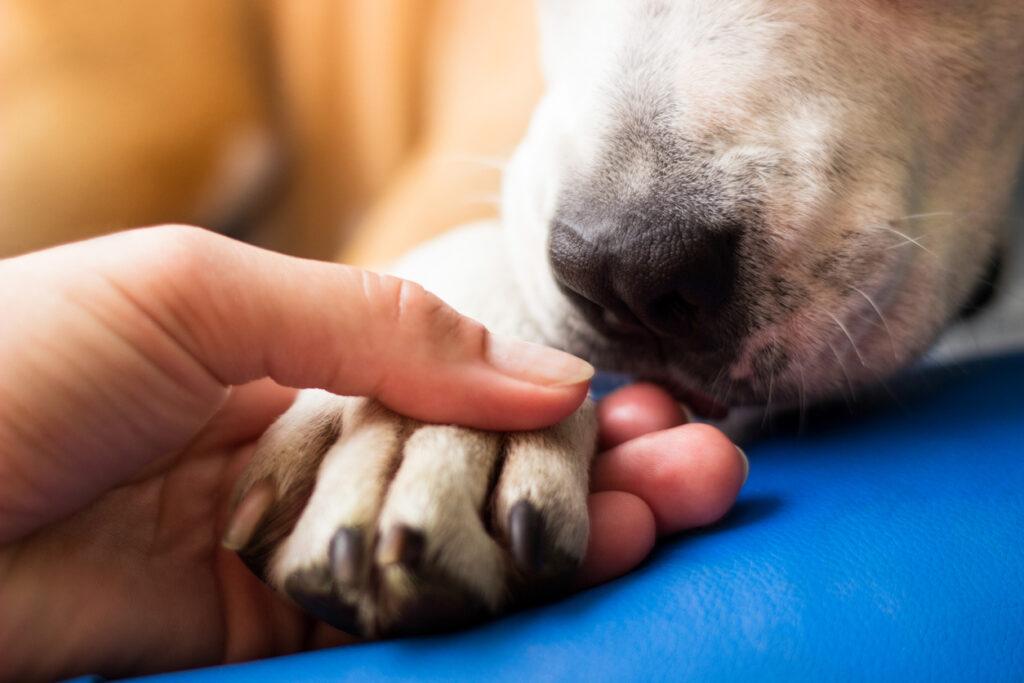
If you suspect a wrist injury in your dog, it’s crucial to seek veterinary attention promptly. The veterinarian will conduct a thorough examination, possibly including imaging, to diagnose the specific injury and recommend an appropriate treatment plan. Treatment may involve rest, medication, physical therapy, or in severe cases, surgical intervention. Early detection and intervention contribute to a better prognosis and faster recovery for your dog. If you are interested in a Posh Carpel/Wrist Brace or have questions you can contact us via our contact form or visit our Facebook Page.
Articles from the Posh Dog Knee Brace team — a group effort with our licensed veterinary technicians and brace specialists, sharing 15+ years of experience helping dogs recover from CCL/ACL injuries and mobility challenges.
Dog knee braces, also known as stifle braces, are orthopedic devices designed to provide support, stability. These braces are commonly used in the management of various knee-related issues, including ligament injuries, osteoarthritis, or after surgical procedures. The science behind dog knee braces involves biomechanics, support, and the promotion of healing. Here are some key aspects:
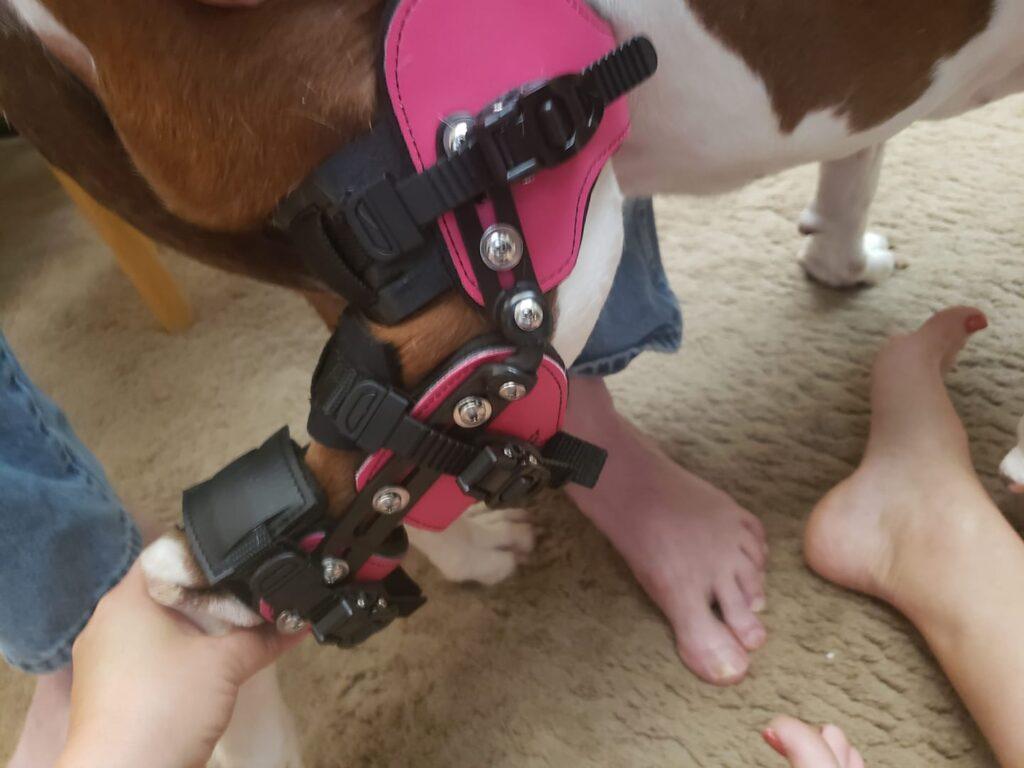
While knee braces can be beneficial, they are not a one-size-fits-all solution, and their effectiveness may vary depending on the nature and severity of the knee issue. Always consult with a veterinarian for a proper diagnosis and guidance on the use of knee braces for your dog’s specific condition. Also check the materials, and make sure the brace is custom.
If you are interested in a Posh Dog Knee Brace you can order online or contact us with more information, visit our Facebook Page to see what our customers have to say.
Articles from the Posh Dog Knee Brace team — a group effort with our licensed veterinary technicians and brace specialists, sharing 15+ years of experience helping dogs recover from CCL/ACL injuries and mobility challenges.
Dogs can be prone to injuries related to various physical activities. Understanding the types of injuries associated with specific activities can help dog owners take preventive measures and seek appropriate veterinary care when needed. Here are common activity-related dog injuries:
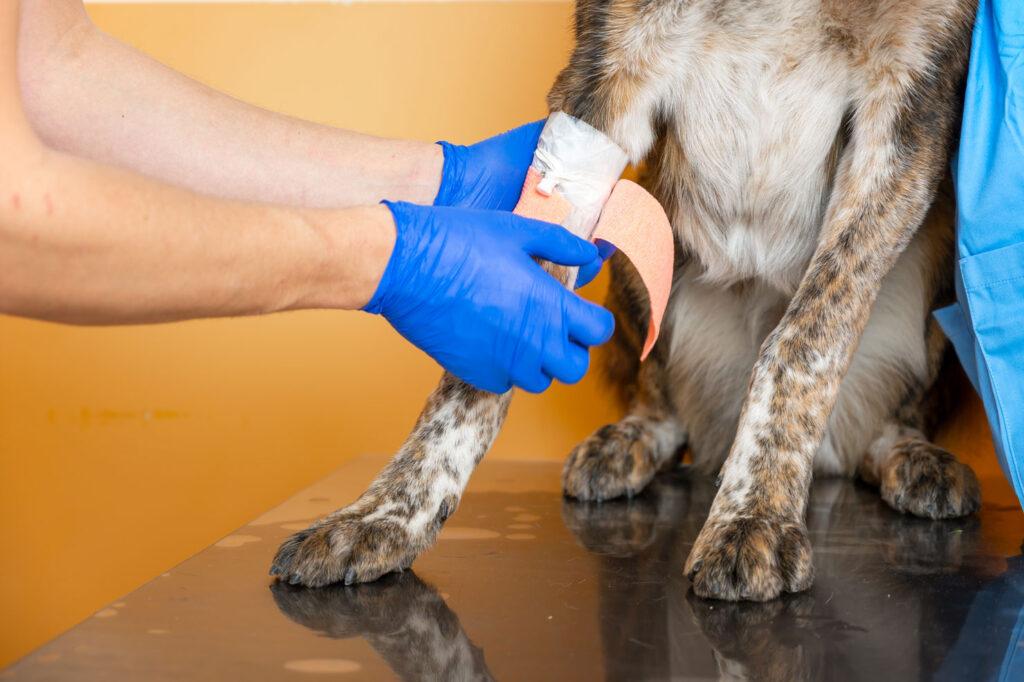
Preventing activity-related injuries involves being mindful of your dog’s limitations, ensuring they are adequately conditioned for the activity, and providing proper warm-up and cool-down periods. Regular veterinary check-ups can help detect and address any underlying health issues that might predispose a dog to injuries during physical activities. If an injury occurs, prompt veterinary attention is essential to ensure proper diagnosis and treatment.
For more information about related injuries or if you would like information about our brace contact us via our contact form or visit our Facebook page.
Articles from the Posh Dog Knee Brace team — a group effort with our licensed veterinary technicians and brace specialists, sharing 15+ years of experience helping dogs recover from CCL/ACL injuries and mobility challenges.
Hello! This is Nikki, Lead Veterinary Technician with Posh Dog Knee Braces. Today let’s go over how to break-in a new Posh Custom Dog Brace. First, we want to take things nice and slow. You wouldn’t take a brand new pair of boots to Disneyland resort for 10 miles of walking each day I hope. Neither should we put a custom brace on a dog for 8-12 hours without first working into that time. Just like in people, a dog’s skin needs some time to get adjusted to wearing something.
Over the next few weeks, as we gradually increase the times we have them in the brace, the skin will start to thicken and get stronger. Just like our feet do with a new pair of shoes. After a few short weeks, they should be able to tolerate wearing the brace longer and longer.
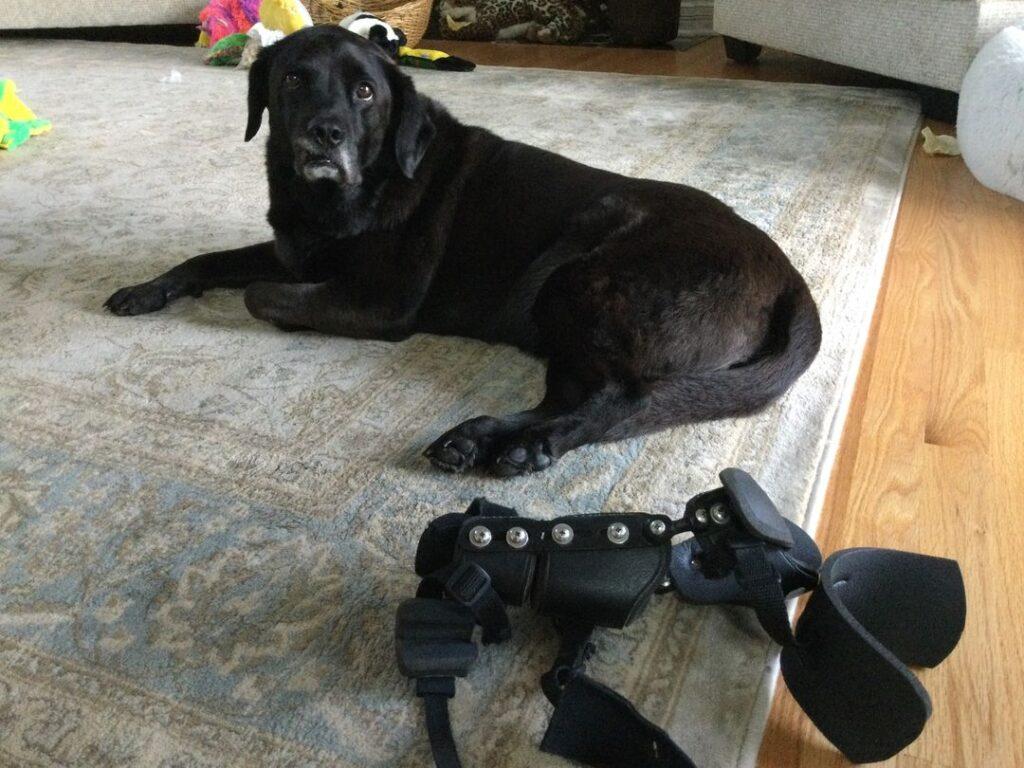
In the first 1-2 weeks, we suggest only using the brace during short leashed walks. This is to get your dog used to walking in the brace, to prevent soreness, and to get their skin used to having something touching. It can take a patient sometimes up to 3-4 weeks for the soreness in the muscle to get better, just like if we did physical therapy.
You wouldn’t want to run a 10K marathon with no practice or training, right? Even if your dog was walking 4+ miles each day before the injury, we now have atrophy and muscle loss (yes even if its only been a few weeks). Starting out with nice slow walks, and building up the times slowly, will really help prevent soreness and rubbing issues.
We typically don’t see rubbing sores with Posh, because we are so clear on our direction to our clients. Wearing the brace gradually more and more each week, really helps them adapt to having something touching their sensitive areas. The upper groin and ankle area seem to be the most common areas we see any irritation, and usually if the brace was worn for too long too fast. Doing 10-15 minutes twice daily for 2 weeks, then adding 15 minutes weekly to their walk schedule will really help.
We have this break-in schedule completely broken down for our clients in the handouts we send after the brace has been fit properly with a technician. A custom brace should never be worn right off without some sort of consultation, to ensure proper fit and make sure your dog is using the brace properly. Any company that does not do this is a red flag in my book.
Let me know if you have any questions about our break-in schedule! Please contact us via our contact page or visit our Facebook Page.
Nikki, Posh Lead Veterinary Technician
Articles from the Posh Dog Knee Brace team — a group effort with our licensed veterinary technicians and brace specialists, sharing 15+ years of experience helping dogs recover from CCL/ACL injuries and mobility challenges.
Holistic treatment for your dog’s injuries involves considering the overall well-being of the animal, addressing physical, emotional, and environmental factors. Always consult with a holistic veterinarian before implementing holistic approaches to ensure they are safe and suitable for your dog’s specific condition. Here are some holistic strategies for treating your dog’s injuries:
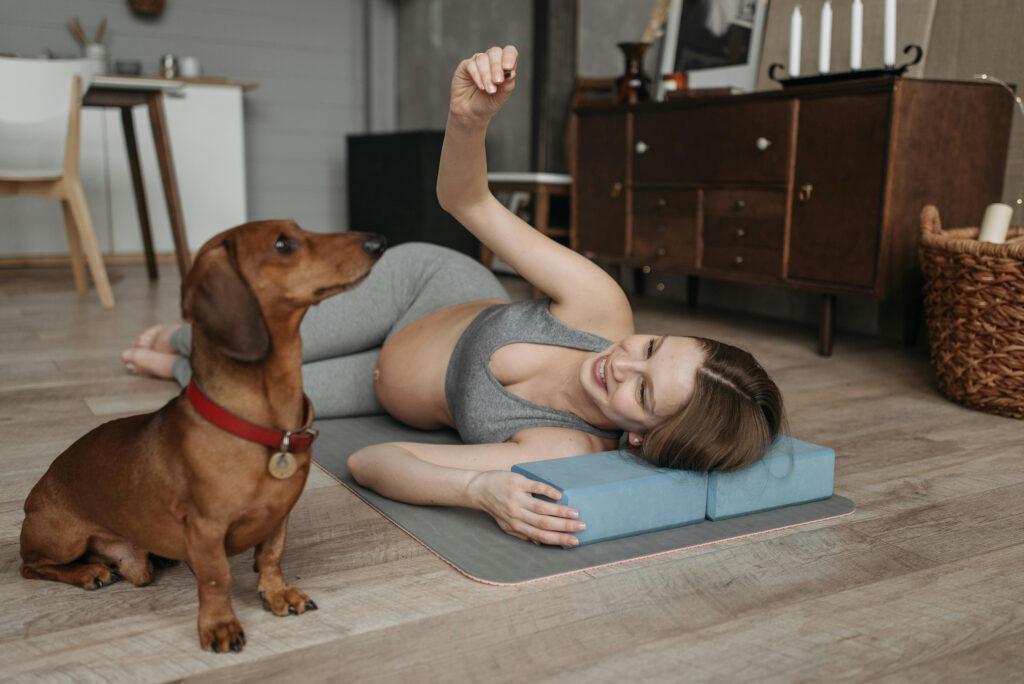
Remember that holistic approaches should complement, not replace, conventional veterinary care. It’s important to work closely with a veterinarian who has experience in holistic or integrative medicine to create a comprehensive and safe treatment plan tailored to your dog’s specific needs.
If you are interested in one of our Posh Dog Braces you contact us via our contact page or visit our Facebook Page for more information.
Articles from the Posh Dog Knee Brace team — a group effort with our licensed veterinary technicians and brace specialists, sharing 15+ years of experience helping dogs recover from CCL/ACL injuries and mobility challenges.