Enzyme therapy is a holistic approach that involves the use of specific enzymes to support the healing process in injured dogs. While some anecdotal evidence and studies suggest potential benefits, it’s important to note that this approach should be used under the guidance of a holistic veterinarian, and more research is needed to fully understand its efficacy. Here are some aspects of enzyme therapy that may be considered for quick dog injury recovery:
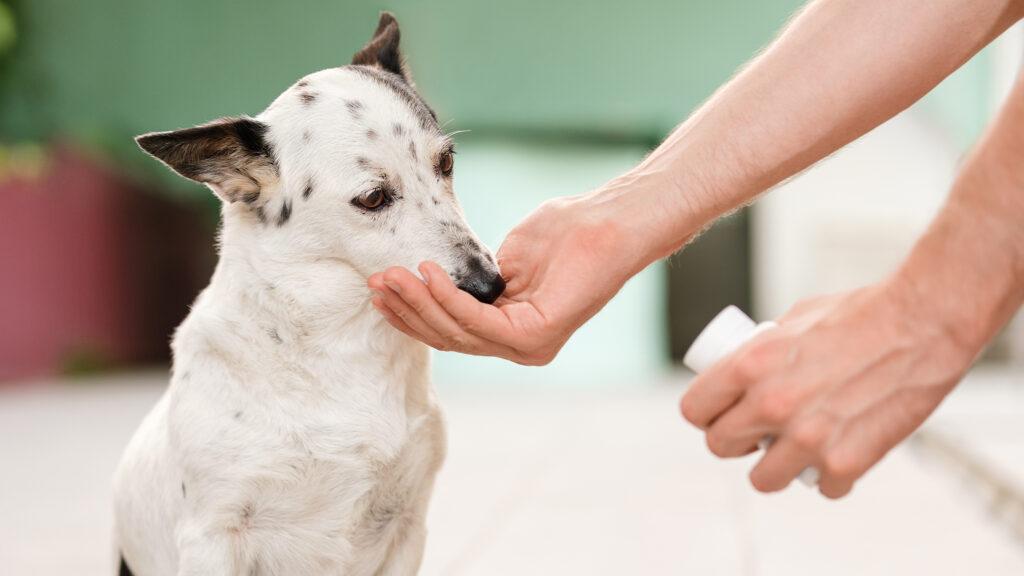
It’s essential to approach therapy with caution and only after consultation with a veterinarian. Enzyme supplements may interact with medications or have contraindications for certain medical conditions. Additionally, the quality and source of supplements can vary, so it’s important to choose products from reputable manufacturers.
While some pet owners report positive experiences with this therapy, it should not replace traditional veterinary care. Veterinary guidance is crucial to ensure that the chosen therapy is appropriate for the specific injury and overall health of the dog. Always discuss any complementary or alternative therapies with your veterinarian before incorporating them into your dog’s treatment plan.
If you are interested in a Posh Dog Knee Brace contact us via our contact form or visit our Facebook Page for more information.
Articles from the Posh Dog Knee Brace team — a group effort with our licensed veterinary technicians and brace specialists, sharing 15+ years of experience helping dogs recover from CCL/ACL injuries and mobility challenges.
Reiki is a form of alternative therapy that originated in Japan and is based on the concept of channeling healing energy through the practitioner’s hands. While scientific evidence supporting the effectiveness of Reiki is limited, some dog owners and practitioners believe that it can provide various benefits for dogs. It’s essential to note that Reiki should not replace conventional veterinary care but can be used as a complementary approach.
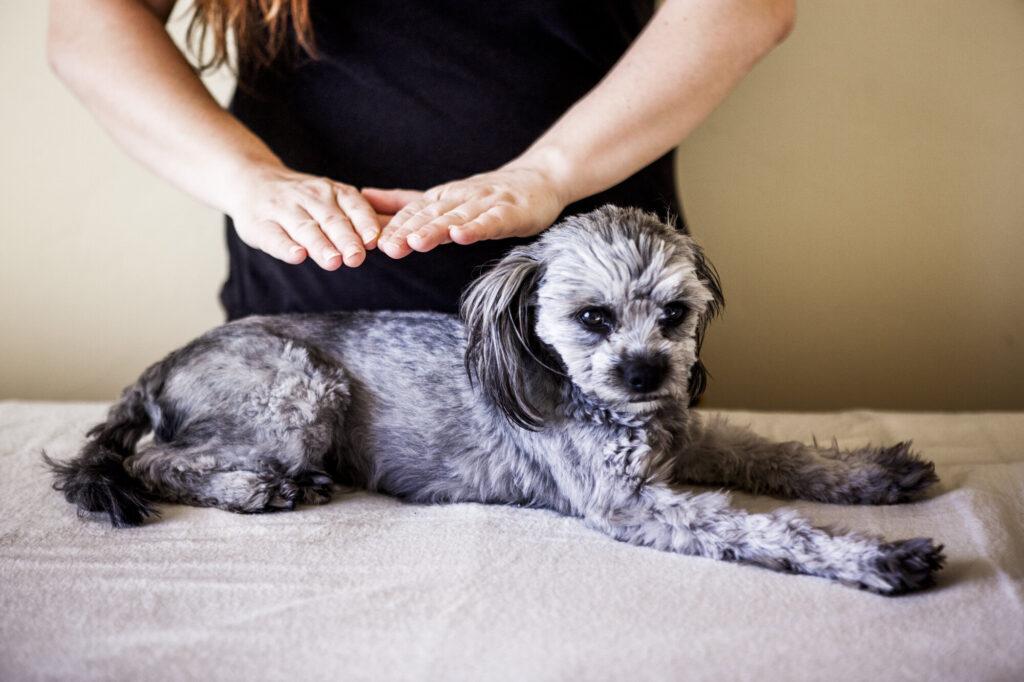
While some dog owners report positive experiences with Reiki, it’s important to approach it with an open mind and consult with a veterinarian before incorporating it into your dog’s care plan. Always prioritize conventional veterinary care for diagnosing and treating medical conditions.
For more information on how to help your dog recover with their injuries or if you are interested in a Posh Dog Knee Brace you can contact us via our contact page or visit us on Facebook.
Articles from the Posh Dog Knee Brace team — a group effort with our licensed veterinary technicians and brace specialists, sharing 15+ years of experience helping dogs recover from CCL/ACL injuries and mobility challenges.
Making your own top-quality dog treats at home is a great way to ensure that your furry friend is getting safe and wholesome treats tailored to their dietary needs and preferences. Here’s a simple recipe to get you started:
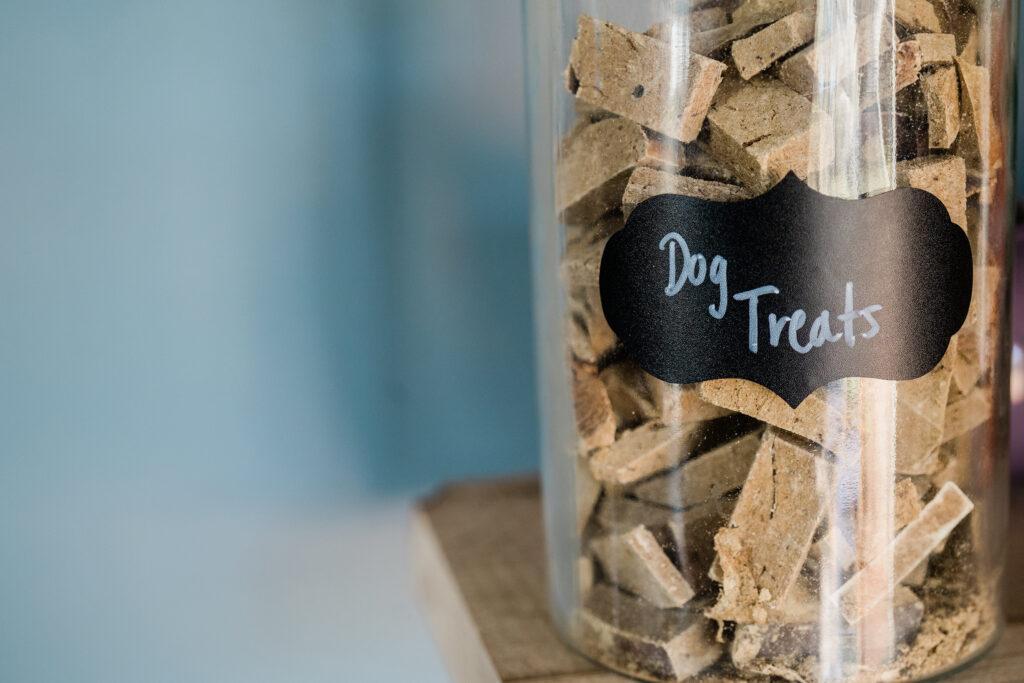
Remember to adjust the recipe according to your dog’s dietary needs and any potential food allergies they may have. Before introducing any new dog treats into your dog’s diet, it’s a good idea to consult with your veterinarian, especially if your dog has specific dietary restrictions or health conditions. Homemade treats can be a delightful and nutritious addition to your dog’s diet, and they’ll surely appreciate the love and effort you put into making them!
If you are interested in one of our dog braces please contact us via our contact form or visit our Facebook Page.
Articles from the Posh Dog Knee Brace team — a group effort with our licensed veterinary technicians and brace specialists, sharing 15+ years of experience helping dogs recover from CCL/ACL injuries and mobility challenges.
Hey guys, this is Nikki lead Veterinary Technician with Posh Dog Knee Braces. Let’s talk about the cruciate ligament, and what it does for us. As the name states, the cruciate ligaments form a cross behind the dog’s knee. The Cranial Cruciate Ligament in dogs is the same as the anterior cruciate ligament (ACL) in humans. This is made up of many different fibers that work to attach the femur to the tibia, which keeps the tibia from moving.
This is why in order to diagnose a CCL rupture, your veterinarian will do what is called a “drawer test” in which they check the movement and shifting of the tibia. If the ligaments are healthy, there should be no movement, or positive drawer sign.
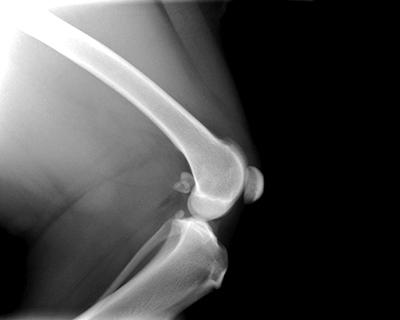
Trauma or degenerative disease to the ligament can damage some of the fibers that make up this ligament. Sometimes you may be told it is a “partial” or a “full” cruciate ligaments tear, however, this is impossible to fully know without going into the joint arthroscopically, or having an MRI done.
We can’t know if the ligaments are simply diseased and stretching more than they should, or fully ruptured which then puts strain on the meniscus. With a trauma, these fibers tear all at once, causing pain and inflammation, and more acute symptoms. Degenerative disease is like a fraying rope, those fibers break over time, and you may not notice the subtle signs. Or your dog may limp here or there, but not all the time.
Unfortunately, most ruptures in a dog are the result of long-term degeneration, where things get weaker and tear over a period of time. Genetics are one of the reasons for degeneration, these breeds include Labradors, rottweilers, boxers, west highland terriers, and newfoundlands. There are more breeds, but these are the most common. Some family lines can be checked out, and I would encourage asking about any history on a future puppy in one of these breeds. It can be detrimental to have a healthy 2 or 3 year old dog with bilateral CCL tears, and we do unfortunately see that.
Another factor to think about would be early spay or neuter. I have another blog on this subject if you would like more information, but to summarize we should not be spaying or neutering until a dog has reached maturity. By doing so, we cause the tibia to continue to grow, which can change the angle in the knee stretching the ligaments. At least a year as a minimum, some large breeds should be 2 years before sterilizing.
Fraying of the ligament can trigger a lot of internal things, such as pain and lameness. Usually with degeneration, there is already osteoarthritis present. The goal here is to stop the movement of the knee, either with a surgical procedure or the less invasive knee bracing options. Bracing will stop the movement of the tibial thrust, as well as acting as a shock absorber, allowing a patient to fully weight bear with the brace on. This will help with getting back to walks and a happy lifestyle.
The more osteoarthritis present, the less successful a patient will be with surgery. As the majority of cases are degenerative, bracing seems to be one of the better solutions. Please email us with any questions, and check us out on Facebook. Let’s help improve his life and yours with our Posh Dog Knee Brace. Custom Crafted Dog Knee Brace, is much more effective than a ready to wear or a soft dog ACL/CCL brace. You can contact Posh Dog Knee Brace via phone at 509-412-3065.
Articles from the Posh Dog Knee Brace team — a group effort with our licensed veterinary technicians and brace specialists, sharing 15+ years of experience helping dogs recover from CCL/ACL injuries and mobility challenges.
Managing your dog’s osteoarthritis through complementary therapies can help improve their quality of life and provide additional support alongside traditional veterinary treatments. Always consult with your veterinarian before implementing any complementary therapies to ensure they are appropriate for your dog’s specific condition. Here are some complementary therapies that can be beneficial for dogs with osteoarthritis:
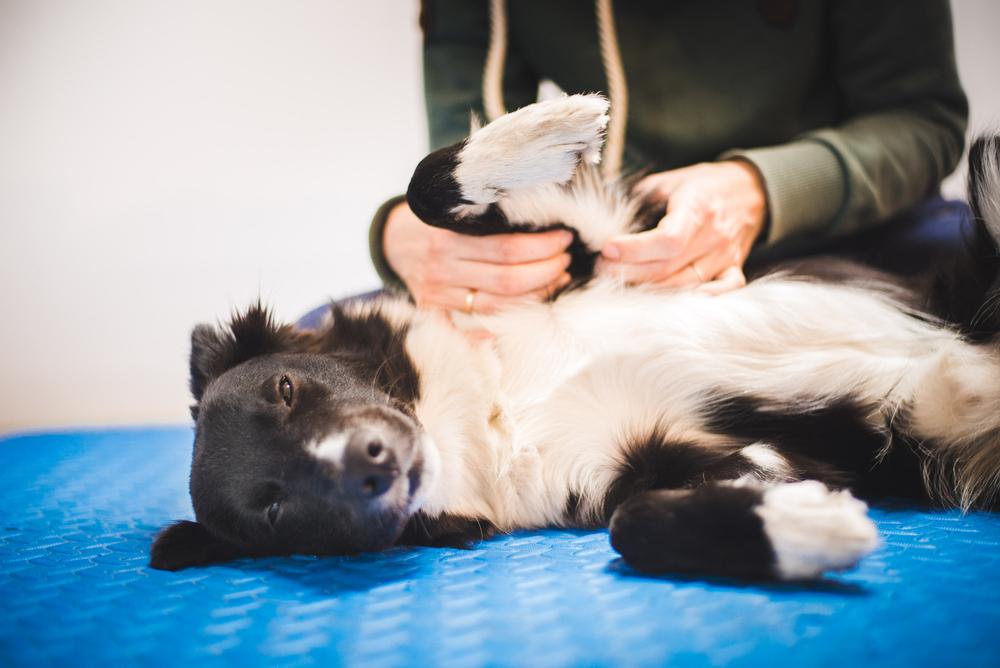
Remember that complementary therapies should complement traditional veterinary care, not replace it. Always discuss any new treatments with your veterinarian, as they can provide guidance and ensure that the chosen therapies are safe and appropriate for your dog’s specific needs. A multimodal approach that combines traditional veterinary treatments with complementary therapies can have a positive impact on managing your dog’s osteoarthritis and enhancing their well-being.
If you would like more information on our Posh Dog Knee Brace you can contact us via our contact form or visit our Facebook Page.
Articles from the Posh Dog Knee Brace team — a group effort with our licensed veterinary technicians and brace specialists, sharing 15+ years of experience helping dogs recover from CCL/ACL injuries and mobility challenges.
Knee injuries are relatively common in dogs and can lead to varying degrees of pain, lameness, and mobility issues. One of the most prevalent knee injuries in dogs is a torn cranial cruciate ligament (CCL), which is analogous to the anterior cruciate ligament (ACL) in humans. The CCL helps stabilize the knee joint and prevent excessive movement between the femur and tibia bones.
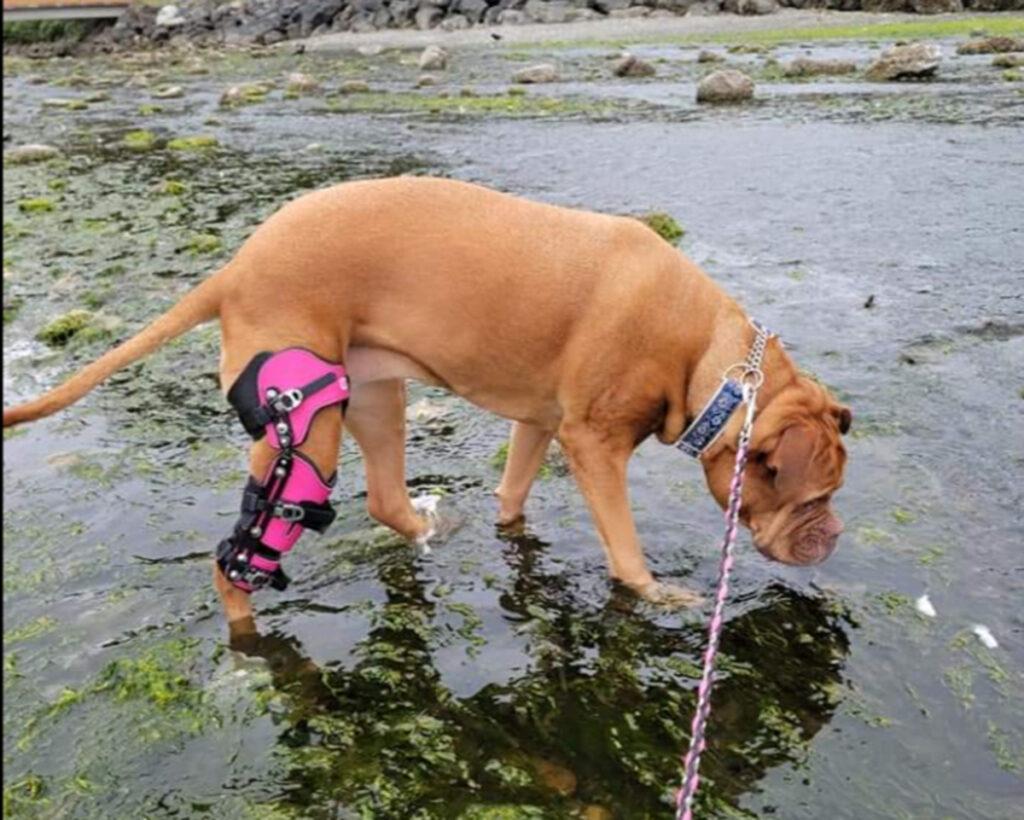
If you suspect your dog has a knee injury or is experiencing any of the above symptoms, it’s essential to seek veterinary attention promptly. Your veterinarian will conduct a thorough physical examination, possibly including X-rays or other imaging tests, to diagnose the specific knee injury and develop an appropriate treatment plan.
The choice of treatment will depend on the severity of the injury, the dog’s age and overall health, and the veterinarian’s recommendation. Early diagnosis and appropriate treatment are crucial for improving the dog’s comfort and mobility and preventing further joint damage or complications.
If you are interested in purchasing a Posh Dog Knee Brace you can order from our shopping page or if you have questions about our brace you can reach out to us via our contact form or visit our Facebook page for more information.
Articles from the Posh Dog Knee Brace team — a group effort with our licensed veterinary technicians and brace specialists, sharing 15+ years of experience helping dogs recover from CCL/ACL injuries and mobility challenges.
Teaching your dog to stop running out the door is essential for their safety and the safety of others. Here are some steps you can take to stop a dog from running out the door:
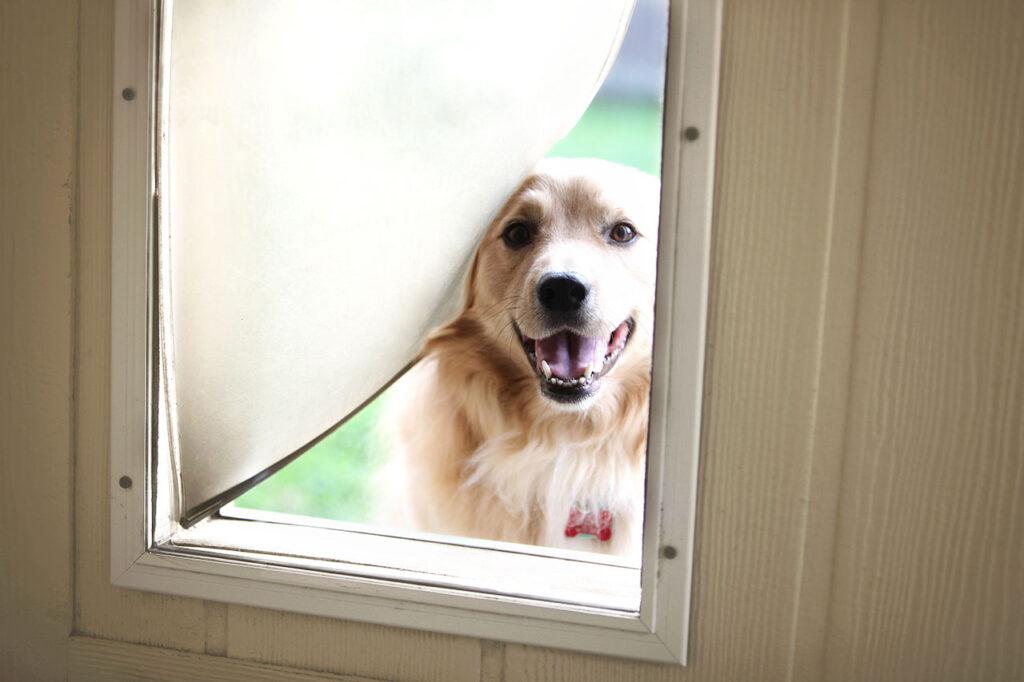
Remember that each dog is unique, and some may require more time and training than others to learn new behaviors. Positive reinforcement and patience are crucial in training your dog to stop running out the door. If you encounter challenges or your dog’s behavior does not improve, consider seeking guidance from a professional dog trainer or behaviorist for personalized assistance.
We a lot of different braces to help your dog recover from their injuries if you are intererested in learning more you can contact us via our contact page or visit our Facebook Page for more information.
Articles from the Posh Dog Knee Brace team — a group effort with our licensed veterinary technicians and brace specialists, sharing 15+ years of experience helping dogs recover from CCL/ACL injuries and mobility challenges.
Christmas gifts for dogs are great for several reasons:
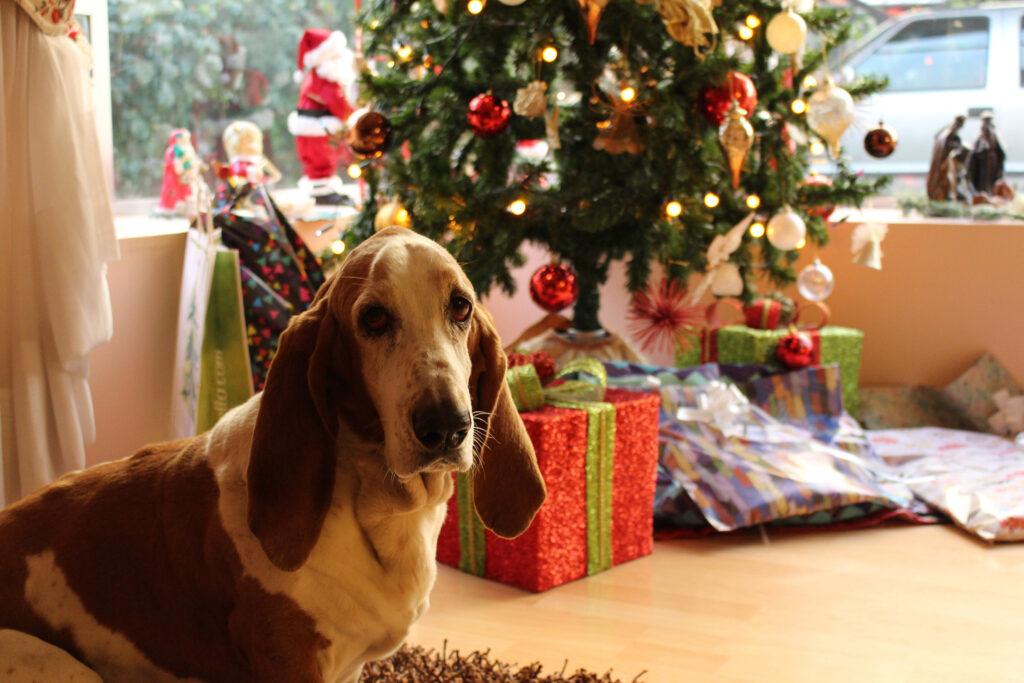
1. Joyful Surprise: Dogs, like humans, appreciate surprises and new experiences. Christmas gifts can bring excitement and joy to their lives.
2. Bonding Opportunity: Choosing and giving a gift to your dog can strengthen the bond between pet and owner. It’s a shared experience that fosters a sense of connection.
3. Enrichment and Stimulation: Many dog gifts, such as interactive toys or puzzle feeders, provide mental and physical stimulation. These contribute to a dog’s overall well-being and happiness.
4. Seasonal Festivity: Including dogs in holiday celebrations adds a festive and inclusive atmosphere to the household. Special gifts make them feel like a part of the family’s joyous occasions.
5. Practical Benefits: Some Christmas gifts, like cozy beds or grooming tools, offer practical benefits by enhancing the dog’s comfort, health, or grooming routine.
6. Expressing Love and Care: Gifting a dog something special shows love and care. It’s a way for owners to express gratitude for the companionship and joy their furry friends bring to their lives.
7. Creating Memories: The act of giving and receiving gifts during the holiday season creates lasting memories. It becomes a part of the shared history between the dog and its family.
8. Fulfilling Needs: Christmas gifts can address specific needs or preferences of the dog, whether it’s a new chew toy, a cozy blanket, or tasty treats.
1. Personalized dog tags: Adds a personal touch while ensuring pet safety.
2. Interactive treat-dispensing toys: Keeps pets mentally stimulated and entertained.
3. Cozy pet bed with memory foam: Provides comfort and supports joint health.
4. Customized pet portrait: A unique and sentimental keepsake for pet parents.
5. Pet subscription box: Offers a variety of treats, toys, and accessories regularly.
6. GPS pet tracker: Ensures peace of mind by helping locate pets if they wander.
7. Pet-friendly spa day: A pampering experience for both pets and their owners.
8. High-quality pet food or treats: Shows care for the pet’s well-being and health.
9. Pet DNA testing kit: Provides insights into the pet’s breed and health history.
10. Stylish pet apparel: Adds a fun and fashionable element to pet ownership.
11. Pet camera with treat dispenser: Allows interaction and monitoring remotely.
12. Elevated food and water bowls: Enhances comfort and reduces strain on pets’ necks.
13. Pet grooming kit: Useful for regular grooming sessions, fostering a bond.
14. Pet-friendly puzzle games: Mental stimulation and a fun bonding activity.
15. Automatic pet feeder: Convenient for pet parents and ensures timely meals.
16. Pet-friendly holiday advent calendar: Adds excitement to holiday celebrations.
17. Pet massage or acupuncture session: Promotes relaxation and well-being.
18. Pet-friendly tech gadgets: Fun and innovative devices for tech-savvy pet parents.
19. Pet first aid kit: Essential for handling minor injuries or emergencies.
20. Comfy pet blanket or throw: Provides warmth and a cozy spot for pets.
21. Pet-friendly travel accessories: Useful for pet parents who love to travel with their companions.
22. Pet-friendly subscription service (e.g., toys, treats): A continuous supply of goodies.
23. Pet training classes or sessions: Enhances the bond between pets and owners.
24. Pet-friendly fitness tracker: Encourages an active lifestyle for both pets and owners.
In summary, Christmas gifts for dogs contribute to the overall well-being, happiness, and shared experiences between pets and their owners, making the holiday season more memorable and enjoyable for everyone involved.
If you were interested in one of our products or have questions you can contact us via our contact form or visit us on Facebook page.
Articles from the Posh Dog Knee Brace team — a group effort with our licensed veterinary technicians and brace specialists, sharing 15+ years of experience helping dogs recover from CCL/ACL injuries and mobility challenges.
Dogs are drawn to squeaky toys because of their natural instincts and behaviors, which the toys trigger and reinforce. There are several reasons why dogs are fond of squeaky toys:
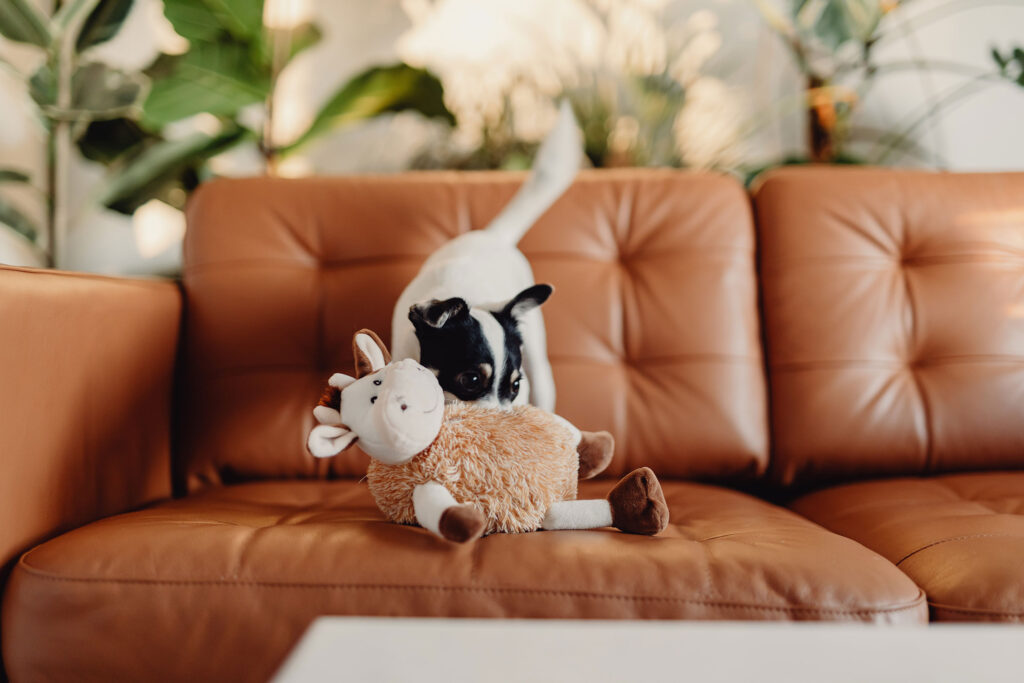
There are various types of dog toys designed to cater to different play styles and preferences. Here are some common types:
It’s important to note that not all dogs are interested in squeaky toys, and individual preferences can vary. Additionally, some dogs may be overstimulated or become obsessive with squeaky toys, leading to potential behavior problems or compulsive chewing. As with any toy, it’s essential to supervise your dog while playing and ensure that the toy is safe and appropriate for their size and chewing habits.
If your dog enjoys squeaky toys, they can be a fun and engaging way to provide mental stimulation and interactive play. However, always consider your dog’s preferences, safety, and play style when choosing toys to keep them entertained and happy.
For more information about our Posh Dog Knee Brace you can contact us via or contact form or if you would like to follow us on Facebook click here.
Articles from the Posh Dog Knee Brace team — a group effort with our licensed veterinary technicians and brace specialists, sharing 15+ years of experience helping dogs recover from CCL/ACL injuries and mobility challenges.
The amount of exercise a dog needs can vary depending on factors such as their breed, age, size, and overall health. However, most dogs require a combination of physical and mental exercise to stay healthy and happy. Here are some general guidelines for the amount of exercise dogs need based on their life stage:
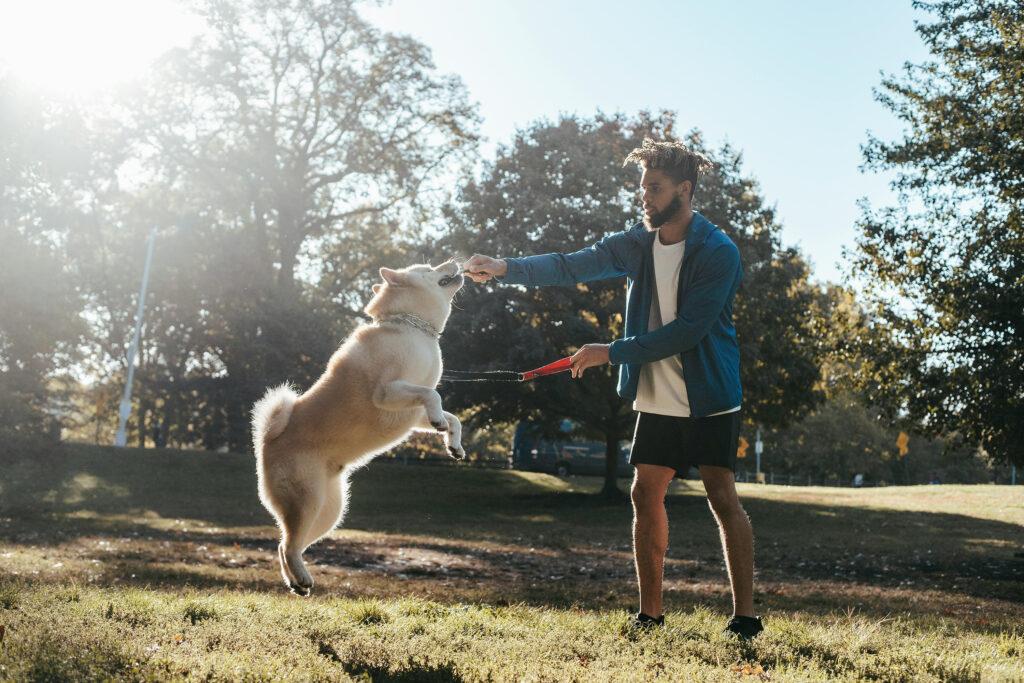
Puppies: Puppies have boundless energy and need frequent, short bursts of play and activity throughout the day. As they grow, their activity can gradually increase. Aim for a total of 30 minutes to 2 hours of exercise daily, spread across several short play sessions.
Adult Dogs: Adult dogs generally require around 30 minutes to 2 hours of exercise each day, depending on their breed and activity level. Breeds with high energy levels, such as Border Collies or Retrievers, may need closer to 1-2 hours of activity daily, while smaller or less active breeds may be content with 30 minutes to an hour.
Senior Dogs: Older dogs may have reduced energy levels and mobility, but they still benefit from regular exercise. Lighter and shorter exercise sessions are more appropriate for seniors, typically around 30 minutes per day. Keep in mind that senior dogs may need more frequent breaks and slower-paced walks.
In addition to physical exercise, mental stimulation is crucial for all dogs, regardless of age. Mental exercises, such as puzzle toys, training sessions, and interactive games, help keep their minds sharp and prevent boredom.
Remember that these are general guidelines, and individual dogs may have different needs. It’s essential to observe your dog’s behavior and adjust their exercise routine accordingly. Some signs that your dog may need more exercise include restlessness, excessive barking, destructive behavior, or weight gain. On the other hand, if your dog appears tired, lethargic, or is experiencing difficulty exercising, consider reducing the intensity or duration of their activities.
If you have any questions you can contact us via our contact page or visit our Facebook page for more information.
Articles from the Posh Dog Knee Brace team — a group effort with our licensed veterinary technicians and brace specialists, sharing 15+ years of experience helping dogs recover from CCL/ACL injuries and mobility challenges.
When preparing homemade dog food, it’s essential to include a balanced combination of ingredients that provide the necessary nutrients for your dog’s health and well-being. Here are three essential foods for dogs that you can incorporate into homemade dog food recipes:
Always consult with your veterinarian to ensure that the homemade dog food recipe meets your dog’s specific nutritional requirements, taking into account their age, size, breed, and any health conditions they may have.
Keep in mind that homemade dog food should be properly balanced and varied to provide a complete and nutritionally adequate diet. A qualified veterinary nutritionist can help you create a balanced homemade diet plan tailored to your dog’s individual needs and preferences.
If you are interested in one of our products you can check out our Shopping Page, if you would like to join our Facebook page click here.
Articles from the Posh Dog Knee Brace team — a group effort with our licensed veterinary technicians and brace specialists, sharing 15+ years of experience helping dogs recover from CCL/ACL injuries and mobility challenges.
Today I would like to talk about recommended activity levels with a brace or CCL tear. It is still important to remember that this is not a race. Recovery from a CCL takes time, which is why we use a gradual increase in activities.
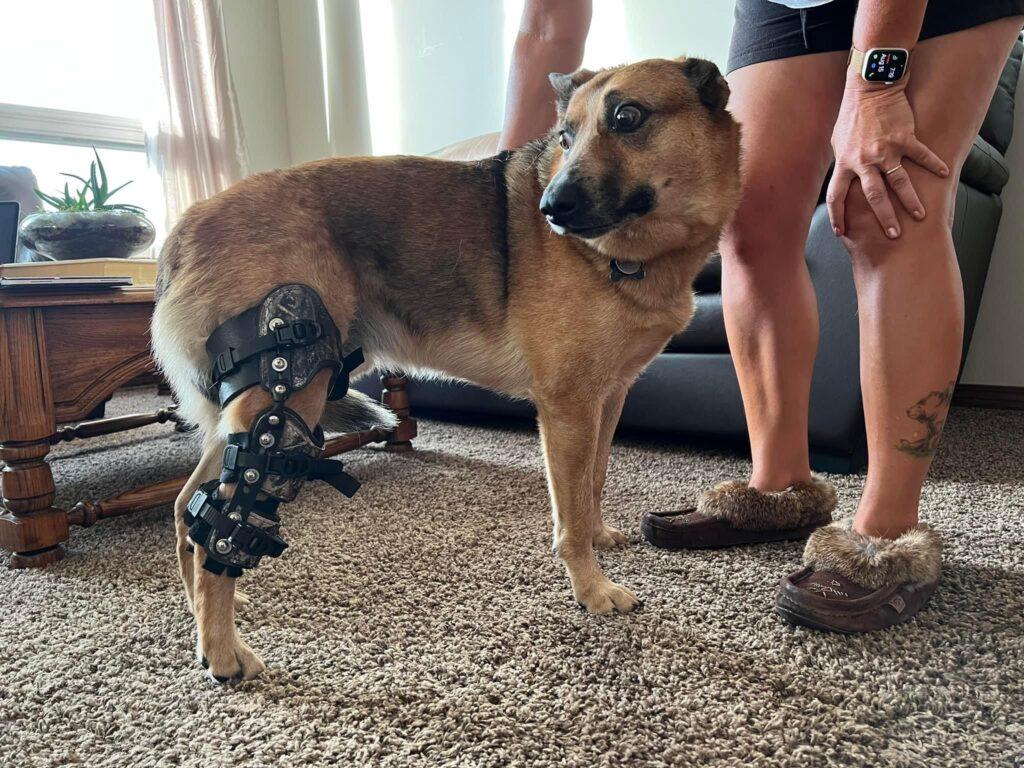
Initially, we start with walks and light physical therapy and massage. Gradually, we can increase activities, such as adding hills or inclines to the walk, sit stands, more muscle building activities.
It is not recommended to let your dog run off leash while in recovery. This can lead to injury of the other leg potentially. Braced walks are meant to be nice and slow, not a jog. The goal is to have your dog placing full weight down on his leg. If you walk or run too fast, they will skip and not place full weight on the leg.
We will get to a point where your pup can play off leash, but ask first, and take things slow. Feel free to email or send in a contact request with any questions, we are happy to help!
Give Your Dog a Big Hug From Us!
Nikki, Posh Lead Veterinary Technician
Looking for more information about our Posh Dog Knee Brace contact us via our contact form or visit our Facebook Page.
Articles from the Posh Dog Knee Brace team — a group effort with our licensed veterinary technicians and brace specialists, sharing 15+ years of experience helping dogs recover from CCL/ACL injuries and mobility challenges.
Trimming your dog’s nails is an important part of their grooming routine to ensure their comfort and health. Long nails can be uncomfortable for your dog and can even lead to health issues. Here’s a step-by-step guide on how to trim your dog’s nails:
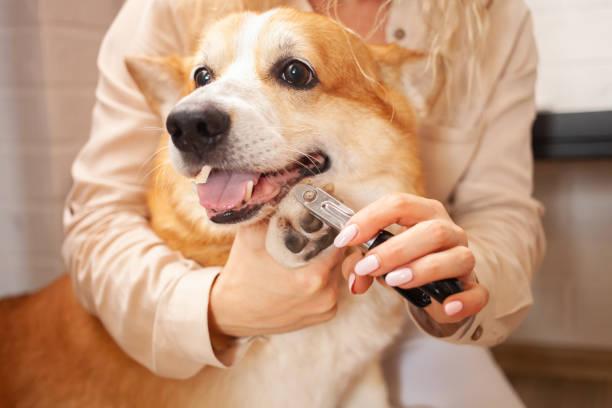
1. Gather your supplies:
2. Familiarize yourself with your dog’s nails:
3. Prepare your dog:
4. Choose a comfortable location:
5. Trim the nails:
6. Use proper technique:
7. Monitor the progress:
8. Stop bleeding (if necessary):
9. Continue with the other nails:
10. Reward and praise:
11. Maintain a regular schedule:
If you are unsure about trimming your dog’s nails or if your dog becomes overly stressed during the process, consider having a professional groomer or your veterinarian do it for you. They have the experience and tools to ensure a safe and comfortable nail trim for your pet.
If you are interested in a Posh Dog Knee Brace contact us via our contact form or visit our Facebook Page.
Articles from the Posh Dog Knee Brace team — a group effort with our licensed veterinary technicians and brace specialists, sharing 15+ years of experience helping dogs recover from CCL/ACL injuries and mobility challenges.
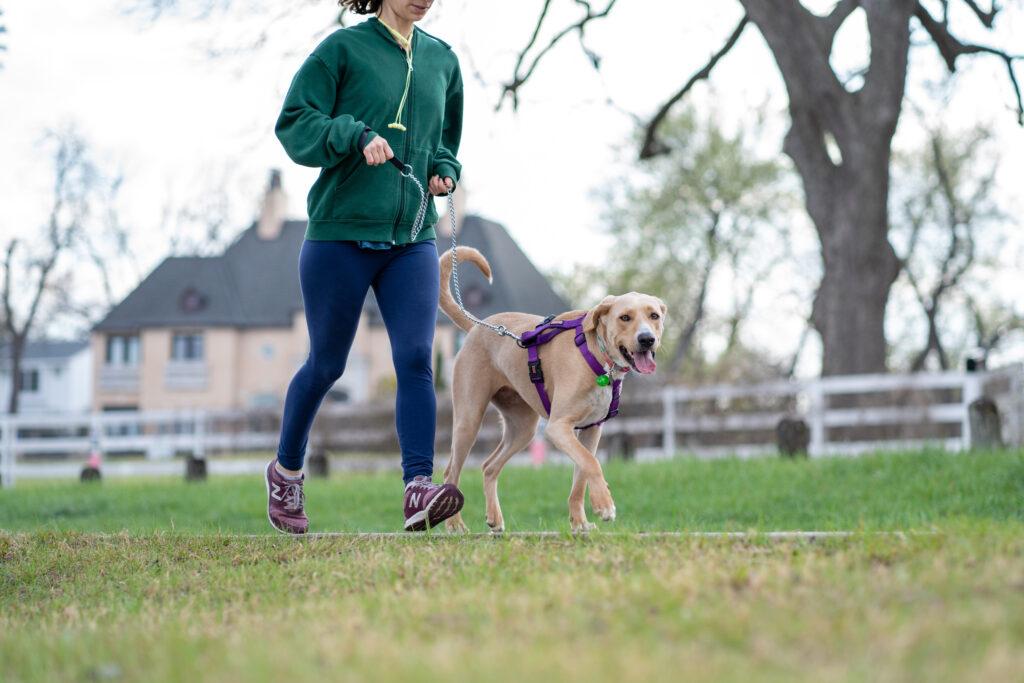
For dogs to maintain their physical and mental health, regular dog exercise is crucial. To avoid injuries, it’s important to select workouts that are suitable for your dog’s age, breed, size, and degree of fitness. The following canine workouts and injury prevention advice:
If you are interested in more information you can contact us via our contact page or visit our Facebook page.
Articles from the Posh Dog Knee Brace team — a group effort with our licensed veterinary technicians and brace specialists, sharing 15+ years of experience helping dogs recover from CCL/ACL injuries and mobility challenges.
Hey guys, this is Nikki Lead Veterinary technician with posh. Today let’s talk about treats. I have so many clients that are taking charge of what their dog is eating, and I want to elaborate a bit on that. In my other blog, we discussed the importance of finding a food that is without corn, wheat, and soy, and finding a good protein as the first ingredient. Some will even go as far as raw feeding, and that is great for those that have the time!
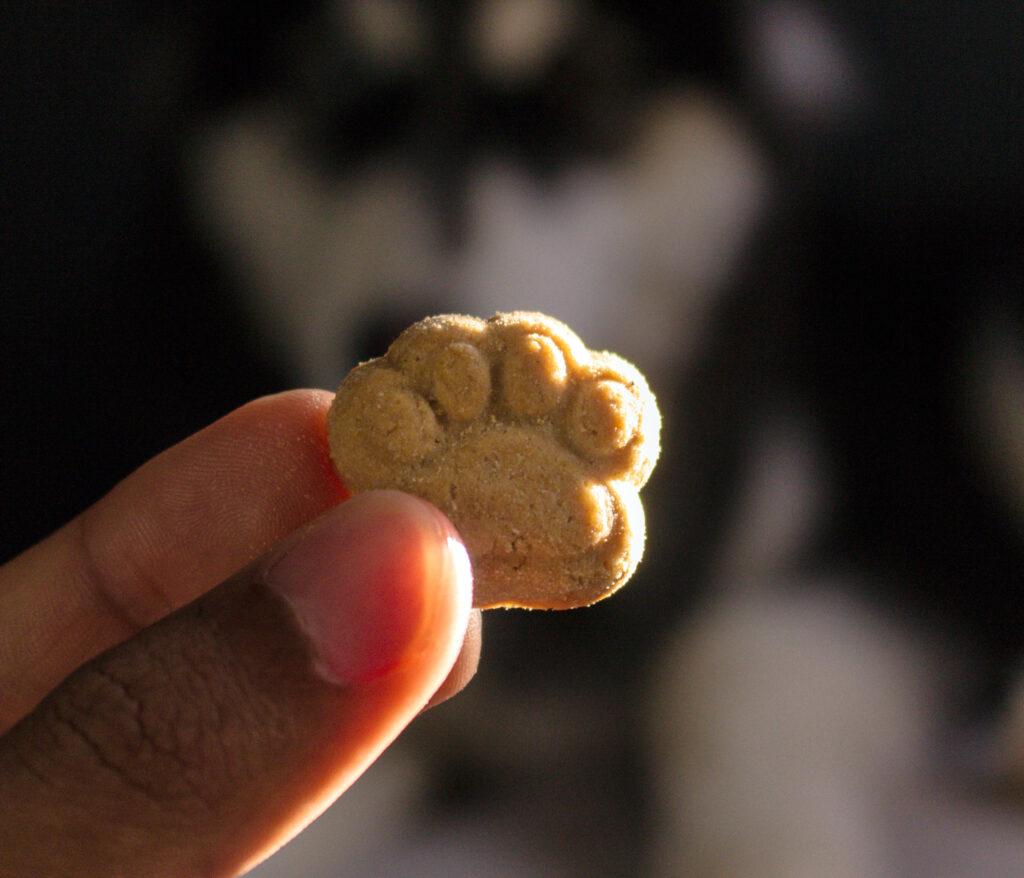
So, you have done all this research, found a dog food that fits your dog’s healthy lifestyle, but they are still showing signs of skin issues, obesity, and inflammation? This means it is time to find out exactly what goes into your dog’s mouth each day, you will actually be surprised how many treats and things your dog actually gets per day.
First off, start by placing a treat inside a bag for every treat you give your dog. If you give them a milk bone for example, you put one into the bag as well. At the end of the day, take note of what you gave your dog, plus what treats you used.
You will be amazed how many people don’t think about treats, and are spending literally hundreds of dollars every month on good quality dog food. Yet, after just one milk bone, you have basically undone all of the good you were doing. Did you know the main ingredient in common dog treats is wheat? That is the first ingredient. The second is some kind of by product, then corn, and so on.
Do you see the problem? Dog’s can’t digest wheat and corn well, and they can cause all sorts of issues with their digestive system. So, please stop giving milk bones to your dog if they have any injuries, itchy skin, or you are trying to get them to loose weight.
Now I am not telling you to stop giving treats, not at all! My sweet girl gets her treats daily, but we give her healthy treats, and are more aware of what she gets. Probiotic treats are great! My all time favorite is freeze dried treats. They are a bit more costly than milk bones, but only have one ingredient! Beef liver, or chicken, lamb, even bison if your dog is food protein sensitive.
So, please look into freeze dried treats, sweet potato, cooked vegetables, or some cooked chicken instead of grabbing those milk bones! Please let me know if you have any other questions! You can reach me at poshintake1@gmail.com , or www.poshdogkneebrace.com. Or you can you visit our Facebook Page for more information.
Articles from the Posh Dog Knee Brace team — a group effort with our licensed veterinary technicians and brace specialists, sharing 15+ years of experience helping dogs recover from CCL/ACL injuries and mobility challenges.