Improved cognitive performance, joint flexibility, and immune function, including the prevention of mild skin allergies, are just a few advantages of salmon oil for dogs.
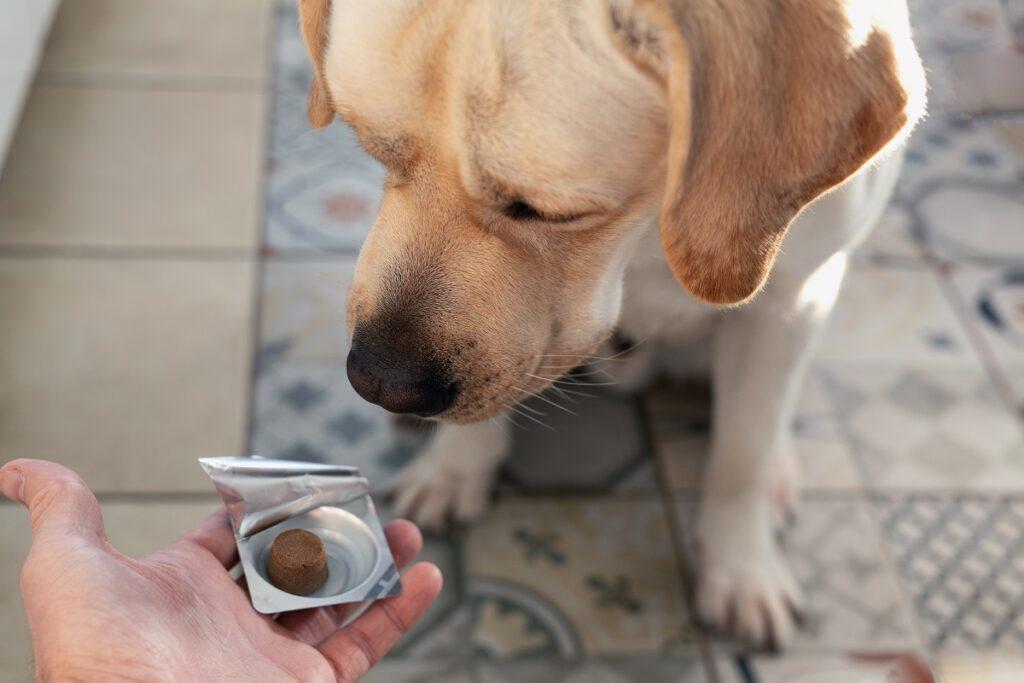
In addition, fish oil can help dogs with heart and kidney problems, and DHA is believed to help with eye and brain development in puppies.
The omega-3 fatty acids eicosapentaenoic acid (EPA) and docosahexaenoic acid (DHA) should both be present in the salmon oil supplement you choose for your dog.
Wild, cold-water fish that have just been captured is the best source of fish oil supplements. You want a product that has been screened for impurities like heavy metals and is produced by a company that employs sustainable fishing methods.
Choose brands bearing the National Animal Supplement Council (NASC) mark to verify that high-quality ingredients are utilized and that the contents correspond to the claims on the label because pet supplements are not FDA-regulated.
Work your way up to a dose of salmon oil that is approximately 25% of the recommended amount listed on the product label. Maximum doses are not always tolerated by all canines.
Some adverse effects of are:
Salmon oil should probably be avoided by dogs who have clotting issues. Always consult your veterinarian to determine whether salmon oil is appropriate for your dog, given his health history, current diet (which may already include omega-3 fatty acids), and medications. Medication interactions with other medications, such as NSAIDs, are possible.
All fish oil products should be safely stored away from direct sunlight in a cool environment.
If you are interested in any of our products or have questions you can visit our contact form for more information or you can check out our Facebook Page.
Articles from the Posh Dog Knee Brace team — a group effort with our licensed veterinary technicians and brace specialists, sharing 15+ years of experience helping dogs recover from CCL/ACL injuries and mobility challenges.
Dog feeding recommendations, including how much to feed a puppy, are merely a general suggestion. Here’s how to properly feed your dog.
The amount of food to feed your dog will vary depending on the dog’s size, age, breed, degree of activity, and genetics. How much food to give your dog can also depend on whether it has been neutered or spayed.
There are no formal food recommendations for dogs because of this. Calories determine how much food to give your dog, just as they do for humans, and each dog has a different caloric requirement.
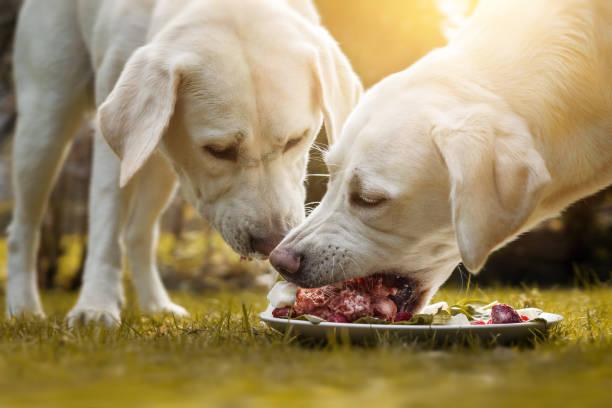
According to the American College of Veterinary Nutritionists, there are between 300 and over 700 calories per cup in various brands of kibble. That represents a huge gap. Thankfully, the majority of pet food producers now provide the number of calories in a cup of their food.
The “resting energy requirement (RER)” is a general term for the amount of calories your dog needs to consume to maintain their ideal weight. Divide the dog’s optimum weight in pounds by 2.2 to get kilos to get your dog’s RER. Then add 70 and multiply that result by 30.
So let’s suppose your dog should weigh 90 pounds at its ideal size. 90 lb divided by 2.2 equals 40.9 kilograms. Add 70 and multiply by 30 to get 40.9 x 30 = 1,227 + 70 = 1,297. Therefore, a 90-pound dog needs 1,297 calories per day (without additional exercise) only to carry out basic bodily activities.
Examine the meal you are feeding next. Let’s suppose each cup has 380 calories. Therefore, divide 1,297 calories by 380, or the number of calories in one cup of food, to get the following result: An average 90-lb dog needs 3.41 cups of food per day divided by 1,297 380. However, not all dogs are average, and all dogs need get at least some exercise.
To maintain a healthy weight, the RER must be multiplied by the dog’s energy requirements and then adjusted upward or downward. Since individual dogs can differ significantly from estimated numbers, you need still make adjustments to the number you receive in order to get your dog to a healthy weight and then keep it there.
Obese dogs should be fed at the RER for their optimal weight in order to shed weight. Working dogs who are active can require two to five times the RER to maintain weight. The RER x 1.6 is required for typical active neutered dogs. With typical labor, intact adult dogs require RER x 1.8.
At the very least, check your dog’s body once a month with your touch if you can’t weigh him on a scale. He should always have ribs that you can feel and a waist that you can see when you glance down over his topline. Your dog is too overweight if his ribs aren’t discernible. In these conditions, a lower-calorie dog food might be helpful to some extent, but ultimately, he will need to have smaller servings each day.
Do away with snacks and treats. For the majority of dogs, reducing your dog’s meal quantities by 25% is a straightforward, secure, and efficient method of weight loss. Take part of the kibble he would normally receive at mealtime and use that for treats if you’re teaching your dog.
Measure: To measure your dog’s food, use a regular measuring cup. Do not load food into the top centromedicorelaxesalute.it of the cup; instead, use level measures!
Nutrients: Choose a food that is formulated to fulfill the American Association of Feed Control Officials (AAFCO) recommendations for nutrients. The majority of mature dogs thrive on “maintenance” foods. Moms, puppies, and energetic dogs require extra calories, protein, and fat. These canines require food designed for “all life stages.”
Schedules: All dogs should be fed at least twice daily, and pups should be fed at least three times daily. Never give your dog a free-choice diet. Even those dogs who don’t gulp it up right away shouldn’t be free-fed because the majority of dogs will at least try to eat it all in one sitting. If you let your dog “graze” all day, it will take you much longer to realize that he no longer has an appetite.
Table scraps: Unless there is a need (such as a fussy eater, a senior dog, or a dog who is on boiled ground beef or chicken with rice owing to an upset digestive tract) or unless you reduce his regular food quantity correspondingly, don’t ruin all your hard work by offering your dog table scraps. If additional “leftovers” account for more than 25% of his daily caloric intake, you run the risk of throwing off the balance of a “complete and balanced” diet.
For more information about any of our products please contact us via our contact form or visit or Facebook Page.
Articles from the Posh Dog Knee Brace team — a group effort with our licensed veterinary technicians and brace specialists, sharing 15+ years of experience helping dogs recover from CCL/ACL injuries and mobility challenges.
Can dogs drink apple cider vinegar? Folk remedies for a wide range of human maladies have long used this affordable liquid. It provides exactly as many advantages for dogs when used topically or taken as a supplement.
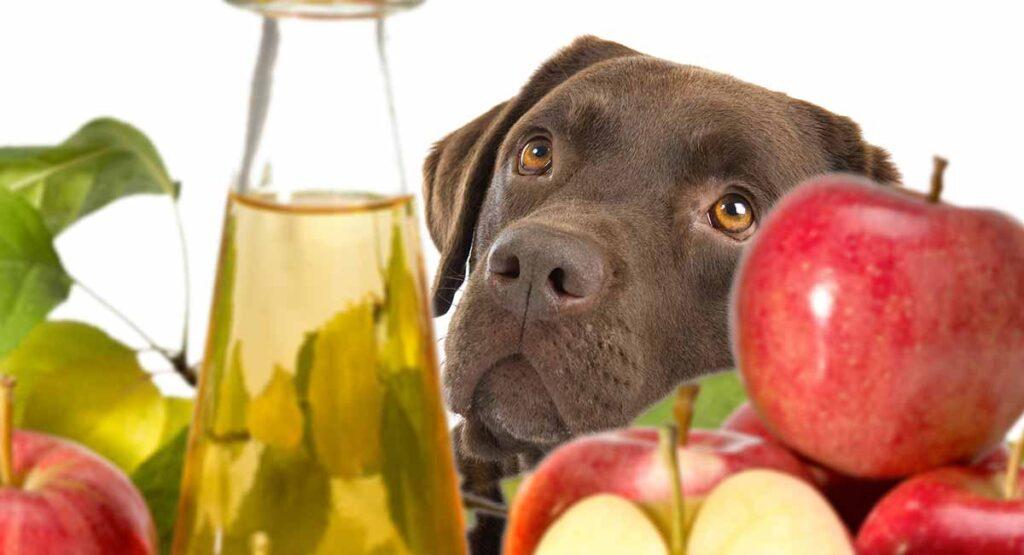
Apple cider vinegar (ACV) is touted by proponents as one of the least priced, most adaptable, and most powerful canine health remedies.
It’s a well-liked treatment when applied topically for:
When ingested, apple cider vinegar is alleged to:
In the beginning, cider vinegar is a mixture of water and apples or apple pectin, a soluble fiber. All vinegars are made from liquids containing sugar. The natural sugars in apples undergo fermentation and turn into alcohol when they are exposed to air, which enables yeasts to flourish. Acetic acid bacteria convert the alcohol over the course of fermentation into acetic acid, the primary constituent of vinegar. Vinegar’s characteristic flavor, aroma, and qualities are all due to acetic acid.
Given its culinary use, most supermarkets have a range of vinegars, including balsamic (a thick, extremely flavorful grape vinegar), white or red wine vinegar, and vinegars derived from malt, rice, champagne, sherry, beer, and various fruits.
In the US, distilled white vinegar is commonly available. It is a common ingredient in salad dressings, pickles, catsup, and barbecue sauces and is made from grains. It is also used as a home cleaning agent.
Apple cider vinegar, on the other hand, is sometimes offered as a raw (unpasteurized) product that also includes the vinegar’s “mother,” a hazy liquid that contains acetic acid bacteria that have not been filtered. Some who view vinegar as a health supplement favor unpasteurized, unfiltered vinegar.
While no clinical research examining cider vinegar’s impact on dogs have been published in the medical literature, reports regarding its health advantages are anecdotal. This doesn’t mean that the claims regarding its applications have been refuted; rather, they haven’t been put to the test, mostly because apple cider vinegar is cheap, generally accessible, and unpatentable.
A few of the assertions are overstated. For instance, cider vinegar is sometimes referred to as a nutritious powerhouse that is packed with vitamins and minerals, but this is untrue. The sole important nutrient in raw cider vinegar, according to the U.S. Department of Agriculture, is 11 milligrams (mg) of potassium per tablespoon.
While it might help avoid urinary tract infections, apple cider vinegar is not a treatment for that ailment. It also won’t cure the cancer that your dog has.
The usual dosage of apple cider vinegar for dogs is as follows:
The following techniques can be utilized to use apple cider vinegar as a gentle cleanser and disinfectant:
To enhance the coat, digestion, or general health of your dog:
The majority of herbal tinctures contain alcohol, however cider vinegar is the recommended solvent for canine tinctures. Rosemary Gladstar, a herbalist and dog lover, suggests putting chopped fresh or dried herbs in a glass jar (if using dried herbs, fill the jar only halfway to allow for expansion), gently heating raw organic cider vinegar, covering the herbs with warm (not hot) vinegar, leaving a 2- to 3-inch margin, covering the herbs with vinegar, closing the lid, and letting the herbs soak for four to six weeks. Each day, shake the jar. Put the tincture through a strainer, bottle it in amber or cobalt glass with a label, and keep it away from heat and light.
A garlic/dandelion vinegar tincture is suggested as a general tonic and to aid dogs in parasite prevention in addition to the plants described in her books and in canine herbal literature. Use equal amounts of fresh or dried dandelion leaves, roots, and blossoms together with equal amounts of garlic and proceed as directed above.
Tinctures should be progressively increased to 1/4 teaspoon per 20 pounds of body weight per day and added to your dog’s diet.
For the majority of canine uses, cider vinegar needs to be diluted due to its acidity. Although vinegar will sting if applied to broken skin, keep it away from the eyes, mucous membranes, and open cuts or abrasions.
Anywhere wood floors, cabinets, or granite countertops could be stained or damaged, vinegar should not be used. Because cider vinegar is orange-brown in color, it should not be used topically to dogs with white or light-colored coats or in areas where it might discolor white or light-colored carpets or fabrics.
Test a small patch of exposed skin with diluted cider vinegar before to applying it to a dog with sensitive skin, and after 24 hours, look for any signs of irritation, itching, or scratching. Use mild doses like those mentioned above if your dog doesn’t respond negatively. Too much cider vinegar consumption can cause mouth discomfort, vomiting, and tooth enamel erosion.
If you need more information about any of supplements or questions about our Posh Dog Knee Brace you can contact us through our contact form or Facebook Page.
Articles from the Posh Dog Knee Brace team — a group effort with our licensed veterinary technicians and brace specialists, sharing 15+ years of experience helping dogs recover from CCL/ACL injuries and mobility challenges.
When traveling in your car with your dog, restrain him with a safety harness and seat belt, or confine him to a properly secured crate. Also, avoid letting your dog sit on your lap or drive with his head out the window.
Most of us enjoy traveling with our dogs. And in most cases, this entails transporting them in our car, truck, or SUV. Yet, poor driving habits can turn a simple journey into a trip that changes your life. Both canine and human passengers must adhere to good driving safety. Dogs injured in cars due to poor safety precautions are a common occurrence among emergency veterinarians. This applies to situations where passengers are not properly restrained, such as sitting on the driver’s lap or sticking their heads out the window.
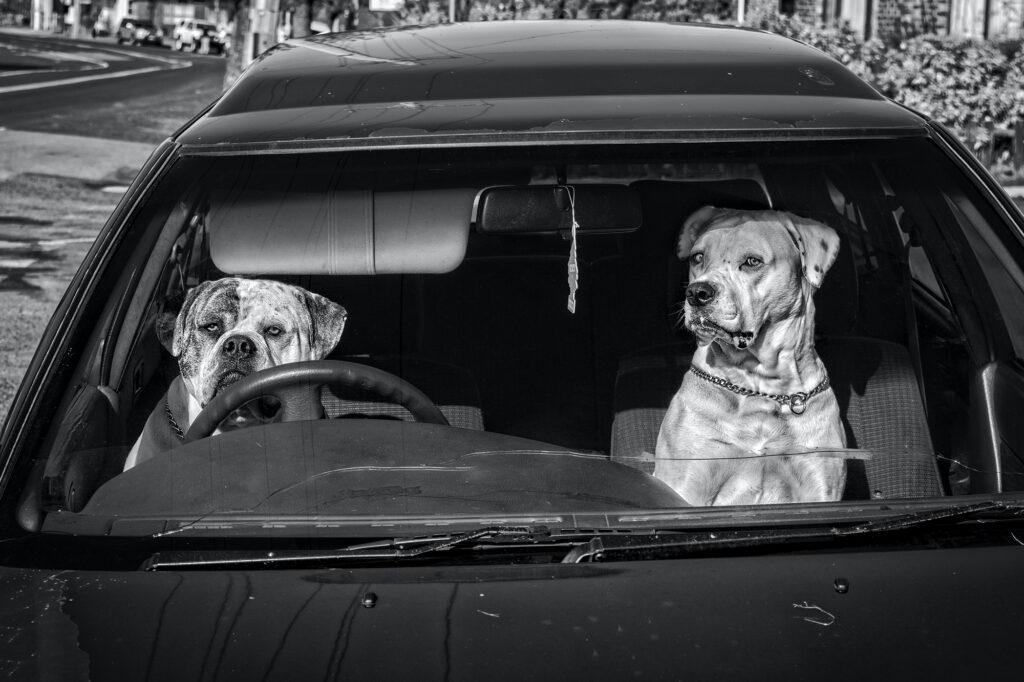
It is really alluring to drive with your small dog on your lap. They are adorable and enjoy cuddling. And what possible harm might your six-pound Maltese or Chihuahua cause by riding in your lap?
Your airbag is likely to deploy if you are in an accident. The airbag is designed to keep you safe in a collision. As the airbag inflates, if your small dog is sitting on your lap, the force of the airbag could seriously hurt it. Little dogs hit by an airbag frequently sustain fractures and spinal cord trauma that causes paralysis.
In a car accident, unrestrained dogs can potentially become projectiles. Being catapulted into the windshield and suffering a head injury is typical. Little dogs being catapulted out of the driver’s side window during an accident is another frequent occurrence seen by emergency vets. This occurs when the tiny dog is seated in the driver’s lap with their paws on the door and the driver’s window is down. In the event of an accident, the small dog may fly out the window and strike the pavement below, landing on its head. Traumatic brain injury or sudden deaths are frequent outcomes of this kind of injury.
The best way to transport a dog safely in a car is in a secured travel container made specifically for use in cars or airplanes, or harnessed into a dog car safety belt or harness. Tiny dogs can travel in a car seat made for dogs as long as they are restrained with a safety harness.
Big dogs frequently ride in the rear seat, away from air bags, but they still run the risk of getting hurt if a window is left open. As a result of flying objects, dogs who ride with their heads out the window are more likely to sustain eye and/or ear problems. Unrestrained dogs jumping out the window of a moving car are another frequent injury. When they fall on the pavement, these canines could break a limb. Also, owners have been known to mistakenly run their own dogs over after the animal jumped out the back window, according to emergency vets!
When the windows are rolled down in your automobile, installing a dog window guard or screen on each rear window can assist safeguard your dog. There are wire mesh panels made of welded steel that are specifically manufactured to fit your car’s rear windows. There are available screens made of polyester mesh cloth. When installed, each of these screens and panels enables regular window functioning in your car.
Accidents can occur when we least anticipate them. Don’t allow poor driving practices disrupt your outing!
You can always contact us about our Posh Dog Knee Brace or any other supplements for you dog by our contact page or visit our Facebook Page as well.
Articles from the Posh Dog Knee Brace team — a group effort with our licensed veterinary technicians and brace specialists, sharing 15+ years of experience helping dogs recover from CCL/ACL injuries and mobility challenges.
Hey guys, this is Nikki Lead Veterinary Technician with Posh Dog knee Braces. This is one of my most common questions asked will my dog need a knee brace forever for a CCL/ACL tear?, and I would like to dive deeper to answer this question, as there is more to the answer than simply No.
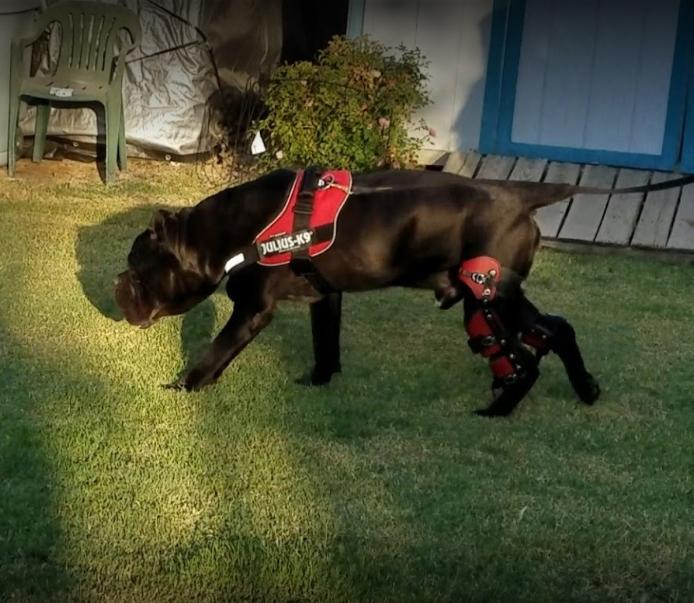
First off, the majority of my patients will use the posh dog knee brace for about 9 months, sometimes up to 12 months if they are a larger breed or have a minor meniscal tear. We know that scar tissue is mature by the 9-12 month point, and at the juvenile stage around month 2-3. If someone tells you that your dog will be permanently using the knee brace, they are simply misinformed. There are actually quite a few studies in both humans and animals, proving the timeline of scar tissue formation.
In surgical sites, or areas of soft tissue, scar tissue can form much faster, forming a thickened scar within weeks. This is different from the fibrous tissue that forms in a joint, and gives us regained stability. Let me ask you this, have you ever sprained your ankle or injured a joint?
Did you use a splint or a knee brace to help that joint recover? I know I have. Depending on the joint, and amount of muscle you were able to keep with physical therapy, also plays a key role in the longevity of using the brace. We do not want to keep the brace on forever, however, in some severe arthritis cases, or luxating patella issues, bracing longer term as needed may be necessary.
How do you know when it is time to take your dog out of the knee brace? Time will tell on this one. Most dogs are ready to go, and fully weight bearing by 9-12 months. However, if you were unable to complete the physical therapy recommendations during the recovery times, your dog may need longer in the brace while they acclimate slowly to walking without the brace on.
This needs to be a slow weaning process, so as not to cause a re-injury. Take your dog for a nice leash walk, without the brace. If you dog does great, and has no sign of a limp or gait that is off, then you can continue to leash walk without the brace for a bit longer until you feel comfortable letting your dog resume activites.
Some dogs may need a little longer than 12 months, such as patients with meniscal tears or arthritis, or if there was a re-injury during the healing process. This is still not forever, I would take things month by month until you are successful at walks without the brace on. Our service technicians are happy to answer any questions you may have about this process, and there is really not a wrong answer. If you feel more comfortable having your dog wear the brace longer, and your dog is doing great, that’s ok!
I would suggest our Posh led support group on Facebook, where you can talk with thousands of other clients who have all used the posh brace to recover. This is a great place to learn more about what to expect, and get great advice from both our technicians and previous customers.
To sum everything up, we do need to make sure to use the brace as directed for at least 9 months, but that is usually adequate for the majority of our clients. Please check out our website, poshdogkneebrace.com, for further tips and information that may also be very helpful, you can also reach out to our facebook page as well for information.
Articles from the Posh Dog Knee Brace team — a group effort with our licensed veterinary technicians and brace specialists, sharing 15+ years of experience helping dogs recover from CCL/ACL injuries and mobility challenges.
Today we will go over some common asked questions about custom braces for dogs.
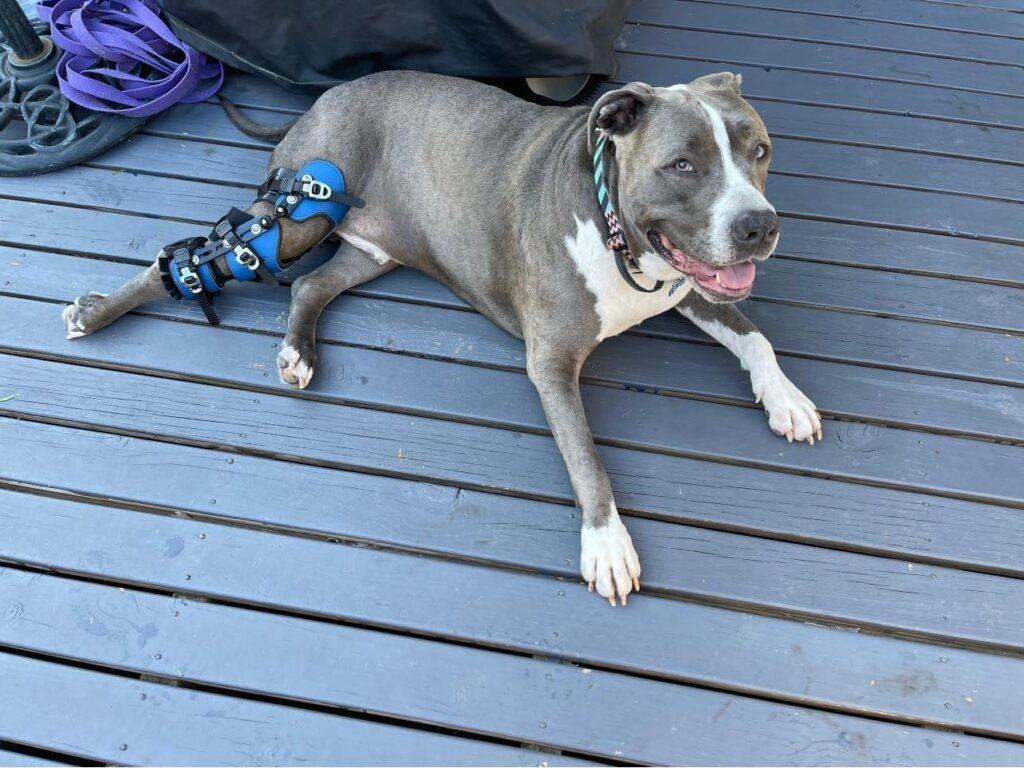
Why does our brace cost more than the over the counter options for $400-$500?
This is a good question! First off, most custom orthotics will be in the $900-$1200 range, as there is much more involved in the production than the over the counter options. For instance, with our brace each client gets 4+ hours of customer service with our veterinary technicians, both guiding them in measurements, fitting calls, rehab assistance, and supplement/diet help. There is also a lot more production time needed for custom products, and we do not start until we have the measurements from the patient. Over the counter braces are a “one brace fits all” product, so they have sized like small, medium, and large.
They do not take into account patients that are more bow legged like our staffies, or patients that need the top shell brought down a bit more to accommodate shorter legs. Plus, we do have a warranty on the parts of our brace, where a non-custom product is not only non refundable, but there is no warranty. The buyer essentially takes on all of the risk. I have many patients that have purchased a non-custom brace first, only to find it did not fit well, and were stuck. Then, they went with our Posh Dog knee Brace, and loved the custom fit, non sliding option.
Does a custom product have straps that go over the back?
No, custom braces will not have straps or stirrups that hold them in place. This is because we are a direct fit to the patient. Non-custom products are not made for your dog’s leg, so they must be held up by straps and stirrups. Our brace utilizes a hock wrap, that goes around the ankle, to help keep things from slipping down. This, and our unique strapping system, make it so our brace is much more simple to use.
Do custom dog braces need to be casted? My vet told me only to use casted braces
No, at Posh Dog Knee Braces we use a proprietary online program, that allows us to make a digital model of your dog’s leg, using specific measurements. This is why we have a veterinary technician watching and helping each patient take the measurements that we need. Our process is much faster and easier than casting, and production typically only 3-4 business days, with express shipping.
What is the materials of a custom vs. non custom brace? Are they made of the same stuff?
Again, great question. A non custom, over the counter brace is made of cheaper materials, such as neoprene and sometimes a cheaper metal hinge. This means they are not going to last you long, and will not be waterproof. Our Posh Brace is made of only the best orthotic materials, similar to pediatric orthotics, so that they are both durable, comfortable, and easily cleaned. Our dog knee brace can also be used in hydrotherapy.
For more information you can reach us via our contact form or visit our Facebook Page.
Articles from the Posh Dog Knee Brace team — a group effort with our licensed veterinary technicians and brace specialists, sharing 15+ years of experience helping dogs recover from CCL/ACL injuries and mobility challenges.
Hey guys, Nikki with posh dog knee braces here. So, first of all I can’t stress enough the need to do some form of physical therapy. We send every patient home with a 12 week recovery calendar and exercises, however, we need you to keep those up for the full 9 months. Whether you find a holistic or physical therapy clinic to help you with water treadmill or PT, you need to keep you dog active in some way.
Lack of activity will cause a joint to “lock up” after the scar tissue has formed, meaning there is not going to be the same amount of range of motion there. There also can be loss of muscle. The brace alone is not enough to build muscle, you will need to keep walking your dog, and doing some form of exercise program. This is needed whether you do surgery, Conservative management, or bracing. Doing nothing will result in loss of muscle, loss of range of motion, and most likely arthritis and pain down the road.
We have a lovely list of holistic veterinarians and rehab clinics around the US and in Canada, so reach out if you are struggling to find a clinic. The clinics on our list are partners with posh, and know how to treat our patients, as well as measure and fit the brace if needed. We do have some things we can have you do from home as well, if PT is just not in the budget. I am happy with walks, simple exercises, and passive range of motion.
What is PROM? This is you gently bending and flexing the knee, as well as the hip. I have videos we send to you on how to do this stretching, but this is key to keep flexibility in the joint, and not end up with lack of movement there.
Please let us know if you have any questions, poshdogkneebrace.com or visit our Facebook Page. Thanks!
Articles from the Posh Dog Knee Brace team — a group effort with our licensed veterinary technicians and brace specialists, sharing 15+ years of experience helping dogs recover from CCL/ACL injuries and mobility challenges.
Although vitamin E is beneficial and secure for dogs, not all canines require it. But, dogs taking fish oil may benefit from taking a vitamin E supplement.
Although knowledge about vitamin E dosages may leave you dizzy, vitamin E is healthy for dogs. The recommended vitamin E dosages for dogs seem to vary widely. Even worse, dosages may be indicated in milligrams or international units (IUs) (mgs).
The fact that there are two main types of vitamin E—natural and synthetic—with varying potencies and, consequently, various vitamin E dosages, just adds to the confusion. Although there is a lot to take in, we have the information you require regarding vitamin E supplements for dogs.
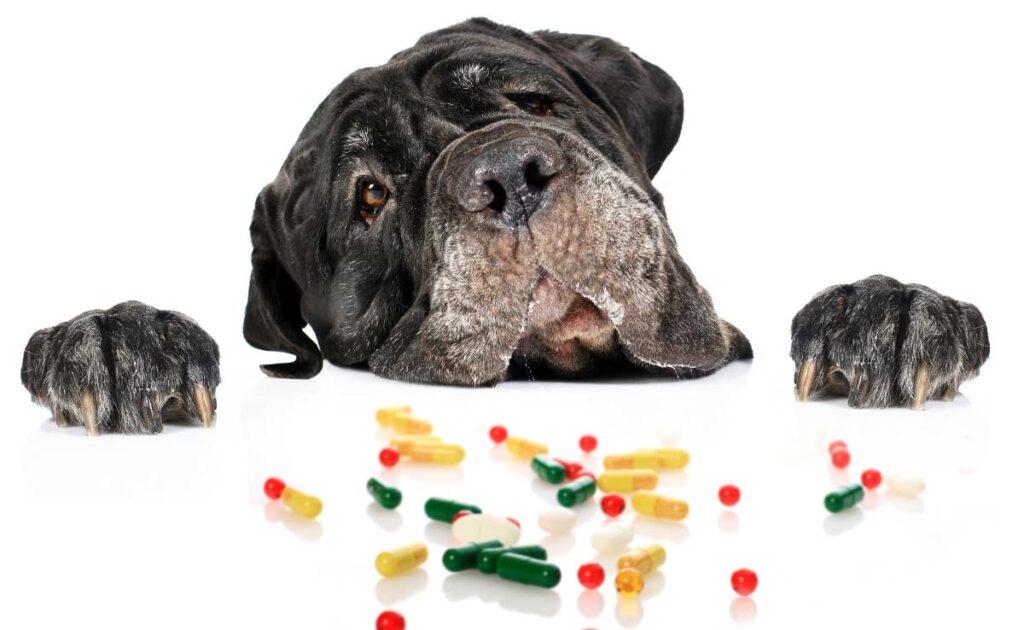
Since vitamin E is an antioxidant, it aids in defending the body’s cell membranes. It contributes to fat metabolism, strengthens immunity, and increases fertility. Your dog’s skin, hair, muscles, and vision will all benefit from it.
Although canines can safely consume vitamin E, not all dogs require a supplement. Canine vitamin E insufficiency is uncommon because most dogs consume plenty of it in a balanced diet. If you’re worried, your veterinarian can order blood tests to determine whether your dog actually has a deficiency.
It’s okay to apply topical vitamin E oil to dogs. Alpha tocopherol and an oil, like virgin olive oil, should be listed under ingredients. It can be used to paw pads, dry cracked nostrils, and irritated or crusty skin regions.
Vitamin E may be advantageous for dogs using fish oil. The beneficial polyunsaturated fatty acids in fish oil for your dog can eventually deplete the body’s vitamin E reserves. The tiny quantity of vitamin E found in fish oil supplements mostly serves as a preservative and is typically present in proportions that are too low to raise your dog’s levels. For dogs getting fish oil, the most typical guideline for vitamin E supplementation is 400 IU of vitamin E for every 1,000 mg of fish oil.
You must first identify the type of vitamin E present in the bottle you bought in order to estimate the recommended dosage for your dog:
Vitamin E occurs naturally as d-alpha tocopherol (d-).
You’ll then need to perform some math. Keep in mind: 2 mg of synthetic vitamin E (dL-) are equivalent to 1 mg of natural vitamin E (d-).
You may also need to convert IU to mg or mg to IU, which isn’t difficult:
So, using these formulas, here are examples:
Of course, aside from the fish oil indicated above, that still leaves open the question of how much vitamin E to give your dog. As a result, we list a few issues in our chart below, along with suggested dosages, that your dog may benefit from vitamin E supplementation for.
Please note that while all of these dosage suggestions are off-label, they were all drawn from renowned veterinary medicine formularies. Never administer a supplement of any kind to your dog without first consulting your veterinarian.
In dogs, vitamin E is mostly harmless; overdose problems are uncommon. Accidental acute overdose typically causes gastrointestinal distress, including vomiting and diarrhea. Persistent overload may result in problems with the other fat-soluble vitamins’ absorption (A, D, and K). When fed too much vitamin E, dogs with low vitamin K levels may experience excessive bleeding due to coagulation issues.
For more information about Vitamins contact us via our contact page or visit our Facebook page.
Articles from the Posh Dog Knee Brace team — a group effort with our licensed veterinary technicians and brace specialists, sharing 15+ years of experience helping dogs recover from CCL/ACL injuries and mobility challenges.
Hey guys, this is Nikki Lead Veterinary technician with posh. Today let’s talk about dog treats. I have so many clients that are taking charge of what their dog is eating, and I want to elaborate a bit on that. In my other blog, we discussed the importance of finding a food that is without corn, wheat, and soy, and finding a good protein as the first ingredient. Some will even go as far as raw feeding, and that is great for those that have the time!
So, you have done all this research, found a dog food that fits your dog’s healthy lifestyle, but they are still showing signs of skin issues, obesity, and inflammation? This means it is time to find out exactly what goes into your dog’s mouth each day, you will actually be surprised how many treats and things your dog actually gets per day.
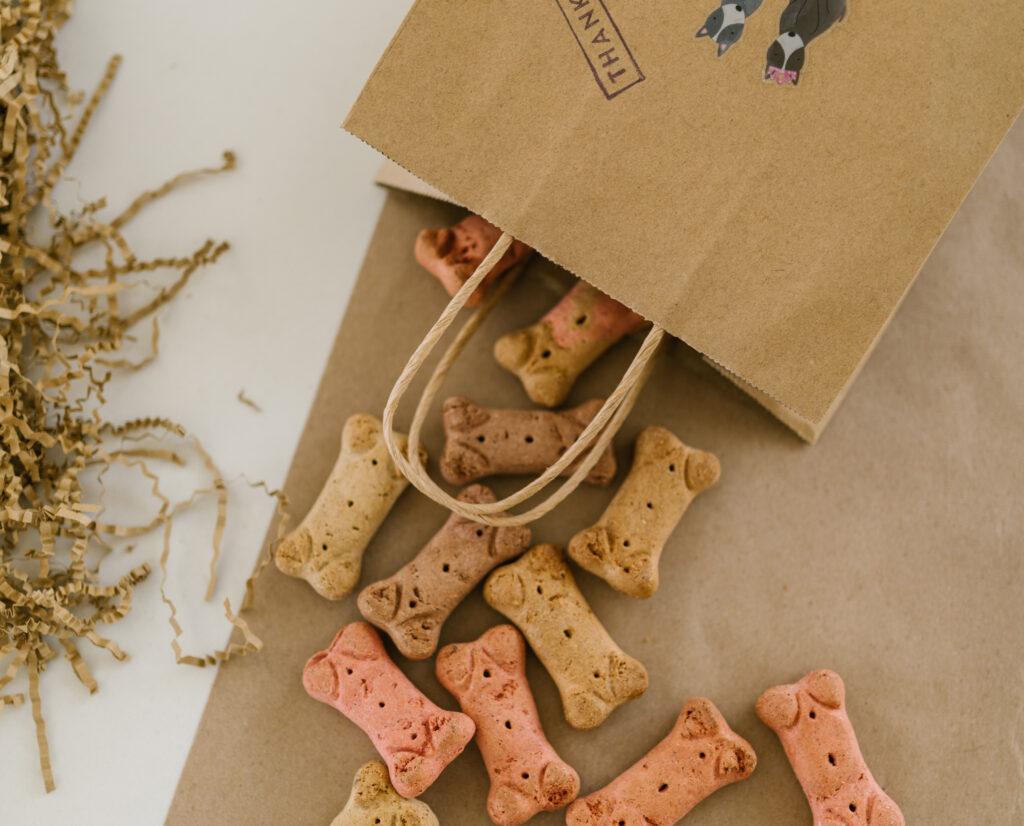
First off, start by placing a treat inside a bag for every treat you give your dog. If you give them a milk bone for example, you put one into the bag as well. At the end of the day, take note of what you gave your dog, plus what treats you used.
You will be amazed how many people don’t think about dog treats, and are spending literally hundreds of dollars every month on good quality dog food. Yet, after just one milk bone, you have basically undone all of the good you were doing. Did you know the main ingredient in common dog treats is wheat? That is the first ingredient. The second is some kind of by product, then corn, and so on.
Do you see the problem? Dog’s can’t digest wheat and corn well, and they can cause all sorts of issues with their digestive system. So, please stop giving milk bones to your dog if they have any injuries, itchy skin, or you are trying to get them to loose weight.
Now I am not telling you to stop giving dog treats, not at all! My sweet girl gets her treats daily, but we give her healthy treats, and are more aware of what she gets. Probiotic treats are great! My all time favorite is freeze dried treats. They are a bit more costly than milk bones, but only have one ingredient! Beef liver, or chicken, lamb, even bison if your dog is food protein sensitive.
So, please look into freeze dried treats, sweet potato, cooked vegetables, or some cooked chicken instead of grabbing those milk bones! Please let me know if you have any other questions! You can reach me at poshintake1@gmail.com , poshdogkneebrace.com or visit our Facebook Page.
Articles from the Posh Dog Knee Brace team — a group effort with our licensed veterinary technicians and brace specialists, sharing 15+ years of experience helping dogs recover from CCL/ACL injuries and mobility challenges.
Hi everyone! Today I would like to talk about dog behavior!
This is Kristi. I’m one of the veterinary technicians with Posh Dog Knee Brace.
Today I want to talk a little bit about what we have been seeing over the last year or so. We all know how covid put a damper on EVERYTHING and so it seemed one bit of happiness was getting a new dog or puppy. Remember how shelters across the country were saying “we’ve adopted out all our animals!” Yay! We have homes for them!
On the flip side of things, these animals were being brought into homes were everyone in the family was home 24/7 and so being left alone or being socialized with other animals and people didn’t happen. Let’s fast forward to when things started to get back to normal. Our dog has been with his family for the better part of a year and now all of a sudden no one is home with them. This has created a lot of separation and social anxiety for these dogs.
It’s really important to do your research and assess your living situation before getting an animal, especially dogs. Dogs a very social animals and they need to be able to interact properly with their families but also with other people and other animals as well. Puppy classes or training classes in general are highly recommend at any point in a dog’s life but especially new puppies and adopted dogs.
Everyone can teach their dog to sit and stay but what about reacting to other dogs on a leash or feeling comfortable with touch? Petting their head, a little bit is not the same as trimming nails or cleaning ears, letting a veterinarian look for areas that hurt. Taking them to classes or using a behaviorist can help immensely with these problems.
Maybe you are reading this and thinking, “that’s my dog, but he’s older than a puppy.” It’s not too late for them. You will have to put time and effort into their training and I highly recommend a behaviorist if you dog is really nervous or has behaviors you don’t like but things can change for the better. You just have to be willing to work with them and be patient with them. This will take time and consistency but learning your dog’s language will help you learn how to communicate with your dog in a positive way.
I like to use myself as an example. I have grown up with dachshunds (wiener dogs) my whole life and I have an old guy now. If anyone doesn’t know a doxy’s personality, let me tell you they are a big dog in a small dog package. They can be loud and love to bark at anything! When I was doing classes with my girl, one thing I asked the trainer was how do I get her to stop barking when someone comes over? I’m yelling at her to stop and she keeps going for 5 -10 minutes.
The trainer said, she doesn’t understand English, she understands emotions. When you are yelling and giving her attention, you are basically saying to her “THERE’S SOMEONE HERE, WE NEED TO BARK!” And she is thinking “THERE’S SOMEONE HERE, YOU ARE BARKING TOO, LETS ALL BARK TOGETHER. YAY, THIS SO MUCH FUN!” I thought hmmm…ok so what should I do? Ignore her. What? Ignore her. It will take some time but if you pretend, she doesn’t exist, she will figure out there’s nothing to bark at.
Tell people before they come, that you are working on teaching her to not bark so they MUST ignore her as well. Do not give her the time of day until she gives you the behavior you want.
The behavior I wanted was for her to not bark. I will be honest, this took a while, like several months, but eventually, she would bark a maybe a minute and then be done as opposed to her barking for 5-10 minutes.
The point is, if you want a well-behaved dog and a dog you can work with, especially when they are injured or not feeling well, it’s important to establish good communication with your dog. Trainers and behaviorists are excellent resources and worth the investment to have a well-behaved dog. Your relationship with your dog will be so much better too.
Always feel free to contact Posh with any questions or concerns you can reach us on our contact page or Facebook page.
Thanks,
Kristi, CVT Posh Dog Knee Brace
Articles from the Posh Dog Knee Brace team — a group effort with our licensed veterinary technicians and brace specialists, sharing 15+ years of experience helping dogs recover from CCL/ACL injuries and mobility challenges.
Lasserriffic has what you need! Use coupon code “POSHDOG” to receive $500 off the price of laser therapy.

Dr Yukiko Kuwahara, (also known as Dr. Youkey) received her Doctorate in Veterinary Medicine from Colorado State University. She has a vast 45 years of experience in the pet industry including a Hospital Administrator of a busy 24 Hour Emergency & Referral hospital, President of a pet toy manufacturing firm, operating a humane animal breeding facility providing pets for the pet stores, starting a non-profit charity to help the pets of the homeless, and a radio talk show host of the “The Wild & Wacky World of Pets & Animals” on two syndicated radio stations.
She has also been an On-Set-Vet ensuring that the animals used on movie sets & commercial shoots are not harmed but treated humanely. Currently, she is a mobile laser acupuncturist helping patients in 7 states. She also sells over 33 lasers from 13 companies and distributes many other select veterinary equipment.
She continues to lecture worldwide teaching other vets how to select their lasers and to use them properly. She has authored 4 books and created an app that helps to use their laser to its optimum level. If you catch her at one of her live lectures, she will entertain you & you won’t be bored when you sit in one of her joyous lectures. She enjoys WATCHING others hike while she participates in the more relaxing world of books and movies.
If you have any questions you can contact us through or contact page or visit our Facebook Page.
Articles from the Posh Dog Knee Brace team — a group effort with our licensed veterinary technicians and brace specialists, sharing 15+ years of experience helping dogs recover from CCL/ACL injuries and mobility challenges.
Hey guys, this is Nikki Lead Veterinary Technician with Posh Dog Knee Braces. Today, let’s talk about Cranial Cruciate Ligament Repair (CCL/ACL) tears in a dog, and what your options are. First of all, if your dog is limping on the hind leg, be sure to get a diagnosis from your veterinarian before making any decisions. Once that takes place, be firm with your Veterinarian if needed and ask for the exact diagnosis. If they feel that your dog has a Cranial Cruciate Ligament tear, or CCL tear, then you do have some decisions to make moving forward. Let’s go into the options, and the pros and cons, as well as long term expectations.
First off, depending on your veterinarian, they may refer you to a specialist to verify the diagnosis. This is completely up to you, but do know that if you go to a specialist, they are typically surgeons, and will not be happy without scheduling your dog for surgery. Please know that you can say no. I can’t stress enough how important it is for you to take a breath, and go over all options before signing that dotted line.
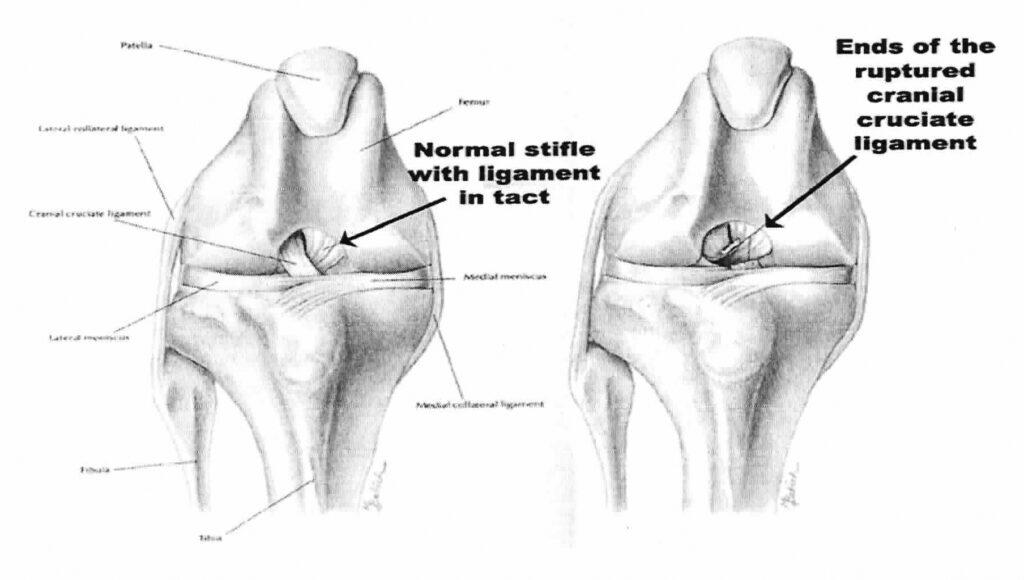
Choosing to do just conservative management, with no support or surgery. This seems to be gaining momentum and popularity, because obviously options can cost money. There are supportive things to do, such as keeping your dog in a kennel, leash walks outside, supplements, acupuncture, laser, prp, ect. While this option is better for the budget, it is not for the busy owner, or owners with small children and other pets. While it sounds great, reality is that there is a great chance your pup will continue to re-injure their knee. At some point, the door will open, and your dog will want to run.
Someone will forget, your dog looks like he is dong better at 3 months, and in he comes with the leg hiked all the way up to the groin. Sound familiar? This can be a tough cycle, and the bones in the knee are still able to move, causing pressure on the meniscus as well increasing your dog’s chance of arthritis down the road. So, can a knee heal with conservative management alone? Possibly, but there could be long term issues if you do not do passive range of motion, PT, and exercising along with CM alone.
This is by far my favorite option, from years of experience working with orthopedics. Using an orthotic Brace in conjunction with PROM and PT, as well as supplements and support. Now I am not talking about the cheap over the counter neoprene braces that have a spiderweb of straps connecting to the harness or back, those are no better than just letting the knee recover alone.
I am talking about a custom made premium orthotic brace, such as the Posh Dog Knee Brace. Posh Brace fully stabilizes the knee, allowing for range of motion and squatting, while also acting as a shock absorber for the meniscus. This is going to help give a smoother recovery, and allow that scar tissue to form without a lot of re-injuries. Thus, this is one of the safer options, and definitely still less than surgery.
Tightrope, lateral suture, or extracapsular repair. This is the cheapest of the surgical options, and should only be used on patients under 30-40lbs, as the suture has double the chance of failing in larger breed patients. This method usually is in the $2k-$3k ballpark range now, and is literally using fishing line/or suture to wrap around the knee joint to keep things in place. There are several ways this can and usually does fail. The crimps can come off, the suture can break, the suture can slip, ect.
These patients are immobile for months, and do get a lot of atrophy in the joint. This seems to be sore to recover from, and without a brace post op, your dog is going to need to be kenneled for weeks to months, to allow for scar tissue to properly form. This technique is similar to if you braced, however, without the full stabilization and support, and double the cost.
TPLO or TTA surgery. Both of these will be suggested by your vet or surgeon, usually first. They both entail cutting of the tibia bone, and re-alignment using a plate and screws. This is permanent, and there is no going back if something doesn’t go the way it was meant to. I always save this for my last option, as it is extremely invasive, expensive, and does not give a guarantee of working. Too many patients have had lifelong lameness due to choosing this option, and are not able to recover fully.
There are many weeks needed for kenneling, so the leg will atrophy. This also causes overcompensating on the good knee, which again increases the chances of another CCL tear in that leg. If surgery does go well, and you are able to do a full Physical Therapy Program post op with a professional, your dog may have a good outcome, but this is not without risk.
Please email me at poshintake1@gmail.com if you would like to ask more questions about Cranial Cruciate Ligament Repair, CCL/ACL tears in dogs, and what the best options are for your pup. You can also contact via our forms or visit our Facebook page.
Articles from the Posh Dog Knee Brace team — a group effort with our licensed veterinary technicians and brace specialists, sharing 15+ years of experience helping dogs recover from CCL/ACL injuries and mobility challenges.
How to exercise your dog using our brace. Hey guys, this is Nikki Lead Veterinary Technician with Posh Dog Knee Braces,we are going to talk about excerises for your dog. Today let’s talk about how to keep your injured dog active using our brace and how to exercise with it. As you know, after surgery there is several weeks that you would need to have your dog kenneled with no exercising, leading to atrophy of the muscles and overcompensating on the other joints. With our brace, patients are able to fully weight bear and start walks right away, decreasing the chances for overcompensating.
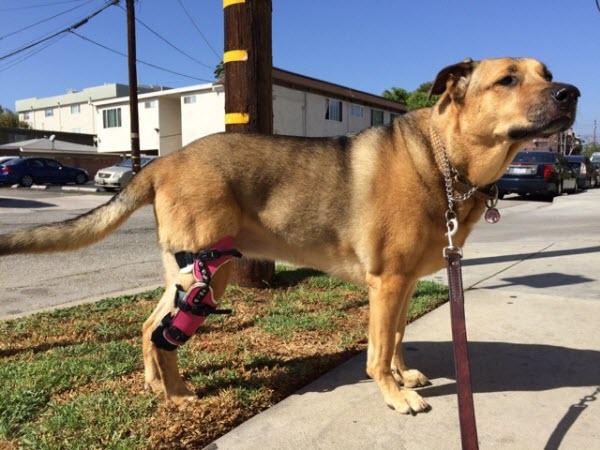
Just like us, we want to start out slowly, so as not to over-use those muscles that have been unused since the onset of the injury. I suggest starting out with no more than 2 fifteen minute walks per day for excerising, and gradually increasing the amount of walking each week by about 10-15 minutes, as the patient starts getting stronger. Each patient is different in the amount you are able to start walks, and there may be some initial soreness for the first 2 weeks. This will go away as we start gaining muscle back.
Once our patients are able to walk comfortably for at least 20-30 minutes, after a few weeks, we can start encouraging things like swimming, hills, beach walking, and curbwork for exercises. Swimming can be at a physical therapy clinic, swimming pool, or a beach. Just no jumping into the water and climbing yet. Short hills and small hikes are great tools to keep those muscles working out.
We do offer a 12 week physical therapy program with each of our patients, which includes stretches and different exercises, such as figure 8’s, curb work, walks, hydrotherapy, ect. It is important to keep up with passive range of motion as you work into more activities, to prevent soreness and stiffness in the muscles and joints. As we are developing scar tissue, we want to keep up with gentle movements in the knee. This is important to help the development of healthy scar tissues.
After a few months, gentle trots and increased activities will be ok, as long as the patient is supervised. As we start to approach the 6-9 month mark, there should be more and more stability to the joint, even without the brace on. As the knee begins to stabilize, we can do more and more activities. We still need to refrain from excessive running, jumping, twisting, or playing fetch until things are fully recovered. This is usually after about 12 months. Always ask our technicians if you have any questions on activities planned.
For more information about how to exercise your dog you can contact through our contact form or visit or Facebook Page.
Articles from the Posh Dog Knee Brace team — a group effort with our licensed veterinary technicians and brace specialists, sharing 15+ years of experience helping dogs recover from CCL/ACL injuries and mobility challenges.
Although fish oil has been shown to have many health benefits for dogs with arthritis, it can also aid your dog’s skin irritation, brain function, and other conditions.
Veterinarians frequently suggest fish oil for canine arthritis. This is due to the fact that this oil is a natural anti-inflammatory that has been shown to relieve sore joints.
When supplementation began, arthritis-ridden dogs “had a considerably increased ability to rise from a resting position and play at six weeks and enhanced ability to walk at 12 and 24 weeks, compared with control dogs.” But that’s the problem. You must allow the fish oil time to function. Clinical progress might not be seen for at least a few months.
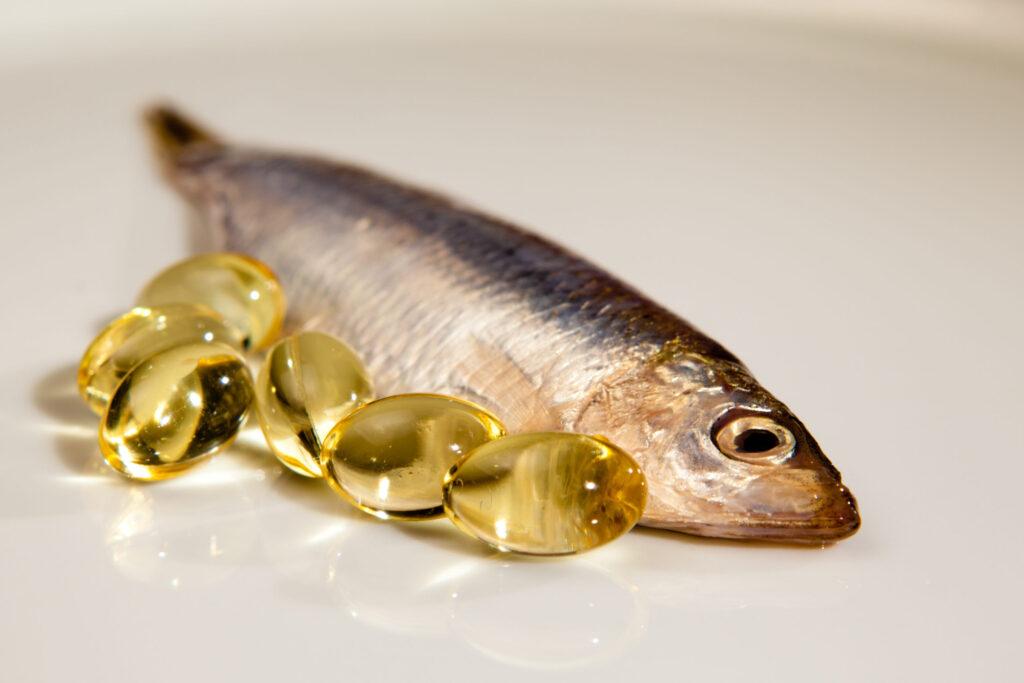
This supplement can help with the following in addition to arthritis:
Salmon, sardines, and anchovies, which are cold water fish, are the typical sources of this oil.
Eicosapentaenoic acid (EPA) and docosahexaenoic acid are two of the omega-3 fatty acids that are abundant in fish oils (DHA). The anti-inflammatory effects of EPA and DHA provide advantages for the skin, heart, kidney, brain, and joints.
You can begin taking fish oil supplements at any age, but if your dog is still a puppy or taking medication, talk to your physician first. For an energetic, athletic dog, sooner is preferable to later.
Depending on the ailment being treated, the recommended dosage of combined EPA and DHA (omega-3 fatty acids; see sidebar) ranges from 70 to 310 milligrams per kilogram (mg/kg) of body weight, or 1 mg per 2.2 pounds of your dog’s body weight. The National Research Council (NRC) states that 370 mg/kg is the maximum safe level.
Introduce your dog to fish oil gradually to ensure that it is tolerated because some dogs can be sensitive to them, particularly if they have a history of pancreatic or gastrointestinal problems. Dogs who consume too much may get vomiting, pancreatitis, and greasy diarrhea.
Make sure to include the fat content of fish oil in your dog’s calorie budget if your dog is overweight. The veterinarian of your dog should be consulted if you are unclear of the recommended dosage for your dog.
What Benefits Does Fish Oil Provide Dogs?
The quality of supplements like fish oil is not regulated by the American Food and Drug Administration (FDA). To ensure that you are giving your dog is safe and devoid of toxins like heavy metals or polychlorinated biphenyls, please make sure you buy it from a reliable supplier (PCBs).
We advise selecting a fish oil dietary supplement that bears the National Animal Supplement Council (NASC) seal. The NASC is an independent organization that makes certain that its member businesses follow the high requirements for ingredient quality and advertising techniques.
If you would like to know more about supplements for your dogs ormore information on our Posh Dog Knee Brace, you can contact us via our form, click here, if you would like to check out our Facebook Community click here.
Give Your Dog a Big Hug from Us! Let Your Dog Recover With Our Custom Dog Knee Brace!
We’ve Helped Thousands Of Dogs, Now We Want To Help Yours… The Most Comfortable Dog Knee Brace For Dogs With A Torn CCL/ACL!
We Accept Care Credit Financing.
Our Custom Dog Knee Brace Is Much More Effective Than A Ready To Wear, Or A Soft Dog CCL Brace. The No-Casting Posh Dog Knee Brace: We Made The Cast, An “Ordeal” Of The Past.
Articles from the Posh Dog Knee Brace team — a group effort with our licensed veterinary technicians and brace specialists, sharing 15+ years of experience helping dogs recover from CCL/ACL injuries and mobility challenges.
CBD for dogs can benefit dogs with a variety of problems, including pain and anxiety, but you must choose a canine CBD product from a trustworthy supplier.
Cannabidiol (CBD), a cannabis plant derivative that has no psychotropic ingredients, is now widely available in pet supplements.
According to “Pet Supplements in the U.S.,” 21% of dog owners bought CBD dietary supplements in 2020. According to Packaged Facts, sales of CBD for dogs products are expected to reach $95 million in 2020, a 217% rise from the previous year. Additionally, all of the nation’s top chains of pet supply stores have established retail ties with the producers of CBD dietary supplements.
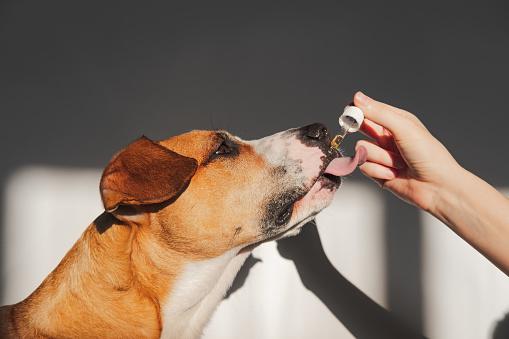
You can see that there are many different CBD for dog products available. How do you decide?
Products made from hemp but without CBD may have health benefits, but if you want your dog to specifically benefit from CBD for dogs, you must choose a CBD-containing product!
Verify the dates! Reputable manufacturers provide the lab results for their items on their websites or have QR codes that link to online reports. The report must include the date, a detailed description of the tested item, as well as the name, contact information, and phone number of the test provider.
To ensure that you can administer dosages consistently for a predictable impact, the lab report should list the cannabinoids that are present in the product and their concentrations.
Avoid a firm’s items if the product label or company material implies that it is a panacea for all of your dog’s ailments. Avoid “treats” as well, which are considered foods and are therefore prohibited from having CBD. “CBD dog treats for anxiety” is one example. Laws governing labeling violations are a sign of a novice or dishonest product maker. Avoid the business in either case.
The findings of a research that examined goods that contained hemp or cannabidiol compounds were released by the U.S. Food & Drug Administration (FDA) in 2021. Tests were performed on nearly 150 goods to identify the cannabinoids that were present in them. Less than half of the surveyed items had cannabidiol concentrations that were 20% or less of what was stated on the label.
Such outcomes are intended to be avoided by using certification from the NASC and third-party lab testing.
First-time users will benefit from advice on dosage and what kind of product will work best for their dogs. Since veterinarians aren’t allowed to discuss CBD for dogs with their patients in most states, let alone recommend a specific product, the next-best resource is an experienced user who has a close, long-term retail relationship with ethical product suppliers.
An increasing number of dog owners who support CBD for dogs do so because they feel it treats cancer and immune-mediated disorders while reducing anxiety, seizures, discomfort, and allergies. Manufacturers of CBD supplements, however, who are subject to regulation under the Dietary Supplement Health and Education Act of 1994 (DSHEA), are not permitted to make “drug” claims about how CBD treats or alleviates any illness or medical symptom.
Because there were considerable legal obstacles for both academic and commercial study into CBD, as well as restrictions for growing and harvesting these plants, then refining and marketing products that include CBD for dogs, up until recently, CBD’s appeal has been largely driven by anecdotal evidence. When the Agriculture Improvement Act, also known as the Farm Bill, was passed in 2018, it descheduled cannabis species with less than 0.3% dry weight of delta-9 tetrahydrocannabinol (THC), removing these obstacles and opening the door to both commercial production of CBD-containing goods and research into its safety and advantages.
Studies have so far shown promise. Researchers from Cornell University conducted a 2018 study on dogs with osteoarthritis that revealed no adverse effects, a considerable reduction in pain, and an increase in activity. A tiny Colorado State University study (16 dogs) examined the use of CBD for dogs to treat canine idiopathic seizures and discovered that canines receiving CBD experienced an 89% decrease in seizure frequency.
Without plenty of anecdotal evidence that at least some of the products are beneficial to dogs, it is difficult to see how the CBD for dogs market could have expanded so quickly. In any young, rapidly expanding market, there are plenty of con artists, but few individuals keep buying useless products over and over again. The industry’s amazing rise indicates that they are effective, and the startling paucity of tales of negative experiences should persuade you to try CBD for your dog.
If you would like more information onthe CBD for dogs you can contact us through our contact page or check out our Facebook Page.
Articles from the Posh Dog Knee Brace team — a group effort with our licensed veterinary technicians and brace specialists, sharing 15+ years of experience helping dogs recover from CCL/ACL injuries and mobility challenges.