The amount of exercise a dog needs can vary depending on factors such as their breed, age, size, and overall health. However, most dogs require a combination of physical and mental exercise to stay healthy and happy. Here are some general guidelines for the amount of exercise dogs need based on their life stage:
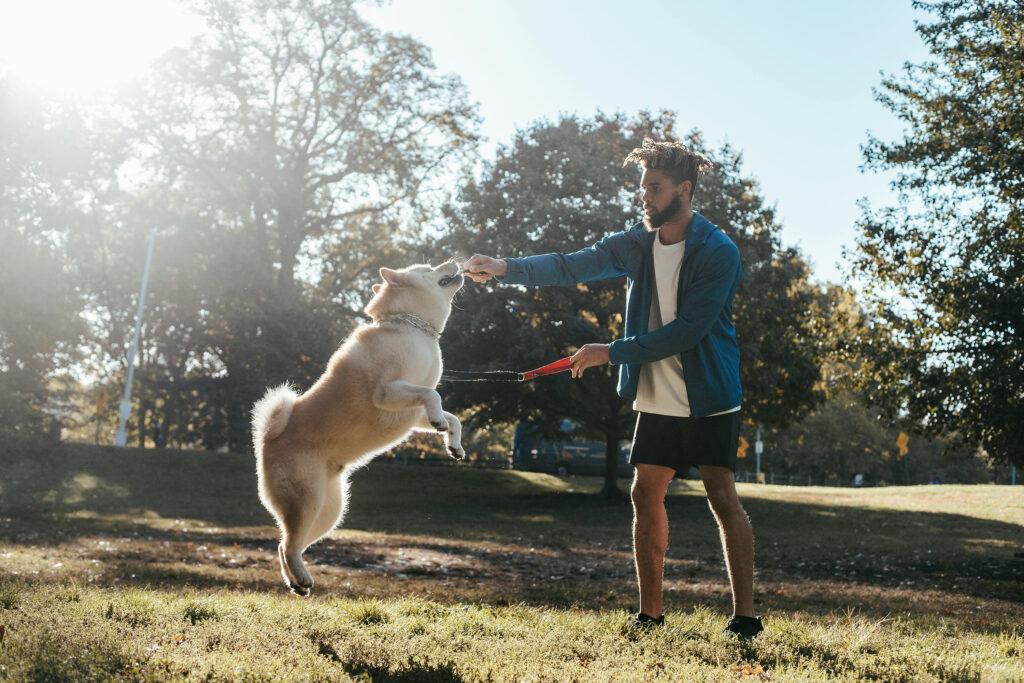
Puppies: Puppies have boundless energy and need frequent, short bursts of play and activity throughout the day. As they grow, their activity can gradually increase. Aim for a total of 30 minutes to 2 hours of exercise daily, spread across several short play sessions.
Adult Dogs: Adult dogs generally require around 30 minutes to 2 hours of exercise each day, depending on their breed and activity level. Breeds with high energy levels, such as Border Collies or Retrievers, may need closer to 1-2 hours of activity daily, while smaller or less active breeds may be content with 30 minutes to an hour.
Senior Dogs: Older dogs may have reduced energy levels and mobility, but they still benefit from regular exercise. Lighter and shorter exercise sessions are more appropriate for seniors, typically around 30 minutes per day. Keep in mind that senior dogs may need more frequent breaks and slower-paced walks.
In addition to physical exercise, mental stimulation is crucial for all dogs, regardless of age. Mental exercises, such as puzzle toys, training sessions, and interactive games, help keep their minds sharp and prevent boredom.
Remember that these are general guidelines, and individual dogs may have different needs. It’s essential to observe your dog’s behavior and adjust their exercise routine accordingly. Some signs that your dog may need more exercise include restlessness, excessive barking, destructive behavior, or weight gain. On the other hand, if your dog appears tired, lethargic, or is experiencing difficulty exercising, consider reducing the intensity or duration of their activities.
If you have any questions you can contact us via our contact page or visit our Facebook page for more information.
Articles from the Posh Dog Knee Brace team — a group effort with our licensed veterinary technicians and brace specialists, sharing 15+ years of experience helping dogs recover from CCL/ACL injuries and mobility challenges.
When preparing homemade dog food, it’s essential to include a balanced combination of ingredients that provide the necessary nutrients for your dog’s health and well-being. Here are three essential foods for dogs that you can incorporate into homemade dog food recipes:
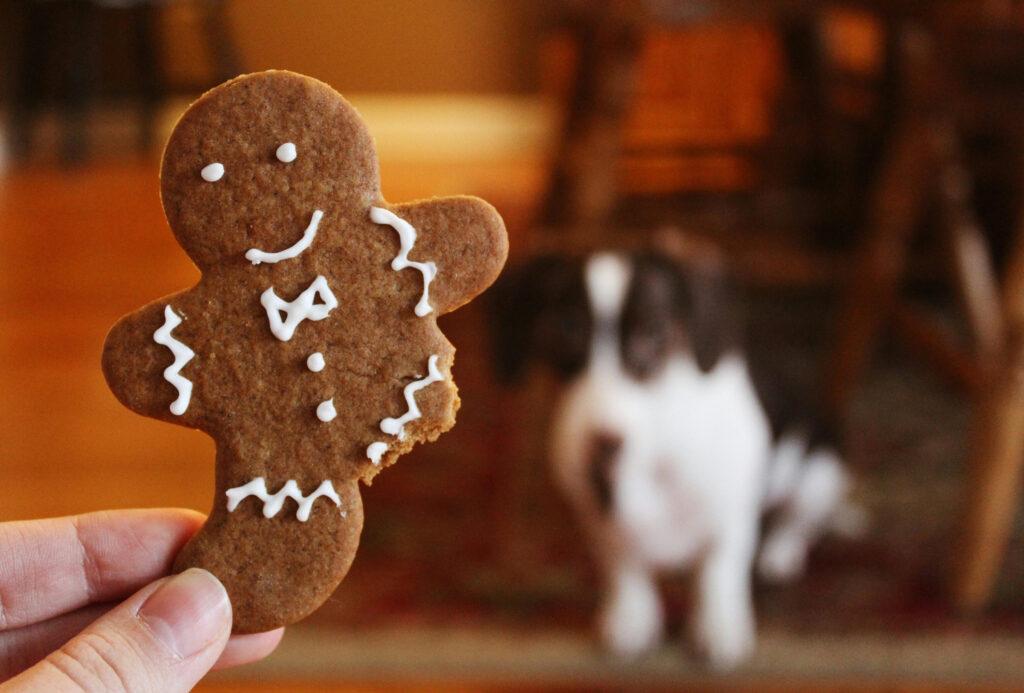
Always consult with your veterinarian to ensure that the homemade dog food recipe meets your dog’s specific nutritional requirements, taking into account their age, size, breed, and any health conditions they may have.
Keep in mind that homemade dog food should be properly balanced and varied to provide a complete and nutritionally adequate diet. A qualified veterinary nutritionist can help you create a balanced homemade diet plan tailored to your dog’s individual needs and preferences.
If you are interested in one of our products you can check out our Shopping Page, if you would like to join our Facebook page click here.
Articles from the Posh Dog Knee Brace team — a group effort with our licensed veterinary technicians and brace specialists, sharing 15+ years of experience helping dogs recover from CCL/ACL injuries and mobility challenges.
Today I would like to talk about recommended activity levels with a brace or CCL tear. It is still important to remember that this is not a race. Recovery from a CCL takes time, which is why we use a gradual increase in activities.
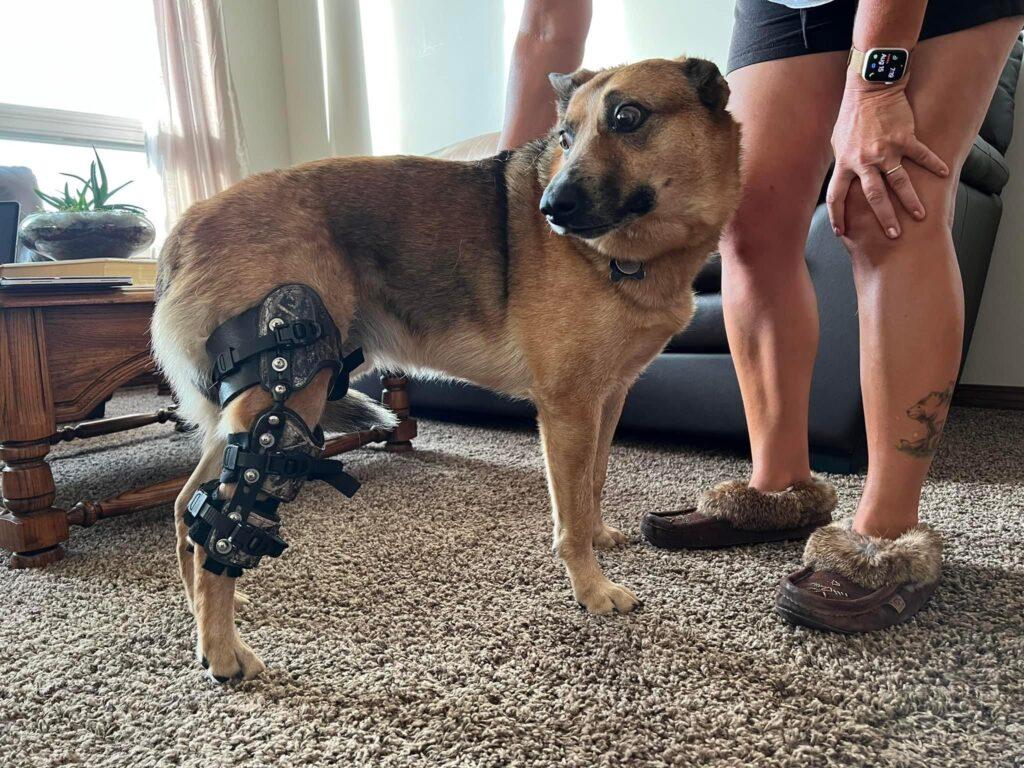
Initially, we start with walks and light physical therapy and massage. Gradually, we can increase activities, such as adding hills or inclines to the walk, sit stands, more muscle building activities.
It is not recommended to let your dog run off leash while in recovery. This can lead to injury of the other leg potentially. Braced walks are meant to be nice and slow, not a jog. The goal is to have your dog placing full weight down on his leg. If you walk or run too fast, they will skip and not place full weight on the leg.
We will get to a point where your pup can play off leash, but ask first, and take things slow. Feel free to email or send in a contact request with any questions, we are happy to help!
Give Your Dog a Big Hug From Us!
Nikki, Posh Lead Veterinary Technician
Looking for more information about our Posh Dog Knee Brace contact us via our contact form or visit our Facebook Page.
Articles from the Posh Dog Knee Brace team — a group effort with our licensed veterinary technicians and brace specialists, sharing 15+ years of experience helping dogs recover from CCL/ACL injuries and mobility challenges.
Trimming your dog’s nails is an important part of their grooming routine to ensure their comfort and health. Long nails can be uncomfortable for your dog and can even lead to health issues. Here’s a step-by-step guide on how to trim your dog’s nails:
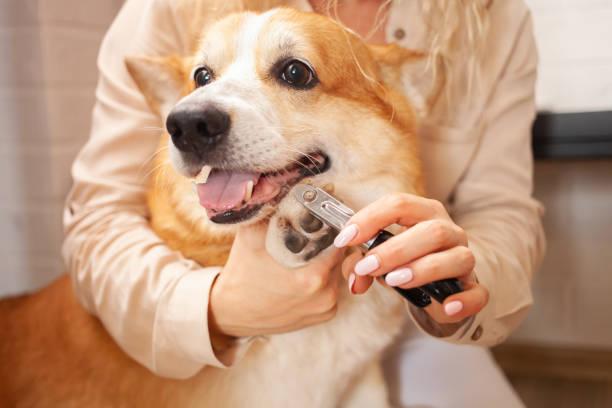
1. Gather your supplies:
2. Familiarize yourself with your dog’s nails:
3. Prepare your dog:
4. Choose a comfortable location:
5. Trim the nails:
6. Use proper technique:
7. Monitor the progress:
8. Stop bleeding (if necessary):
9. Continue with the other nails:
10. Reward and praise:
11. Maintain a regular schedule:
If you are unsure about trimming your dog’s nails or if your dog becomes overly stressed during the process, consider having a professional groomer or your veterinarian do it for you. They have the experience and tools to ensure a safe and comfortable nail trim for your pet.
If you are interested in a Posh Dog Knee Brace contact us via our contact form or visit our Facebook Page.
Articles from the Posh Dog Knee Brace team — a group effort with our licensed veterinary technicians and brace specialists, sharing 15+ years of experience helping dogs recover from CCL/ACL injuries and mobility challenges.
For dogs to maintain their physical and mental health, regular dog exercise is crucial. To avoid injuries, it’s important to select workouts that are suitable for your dog’s age, breed, size, and degree of fitness. The following canine workouts and injury prevention advice:
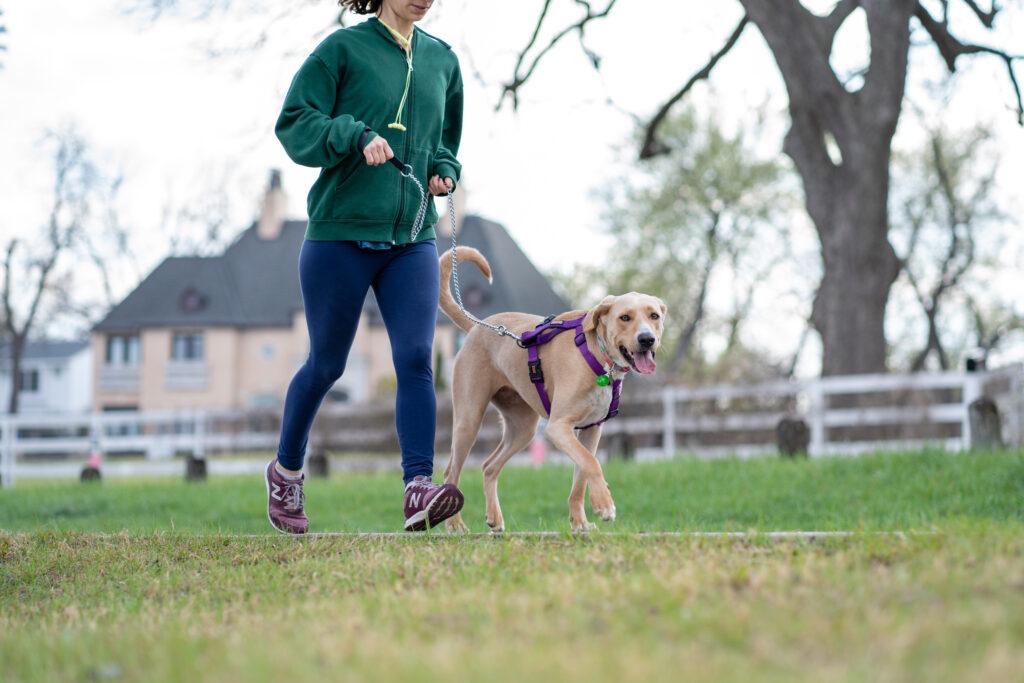
If you are interested in more information you can contact us via our contact page or visit our Facebook page.
Articles from the Posh Dog Knee Brace team — a group effort with our licensed veterinary technicians and brace specialists, sharing 15+ years of experience helping dogs recover from CCL/ACL injuries and mobility challenges.
Hey guys, this is Nikki Lead Veterinary technician with posh. Today let’s talk about treats. I have so many clients that are taking charge of what their dog is eating, and I want to elaborate a bit on that. In my other blog, we discussed the importance of finding a food that is without corn, wheat, and soy, and finding a good protein as the first ingredient. Some will even go as far as raw feeding, and that is great for those that have the time!
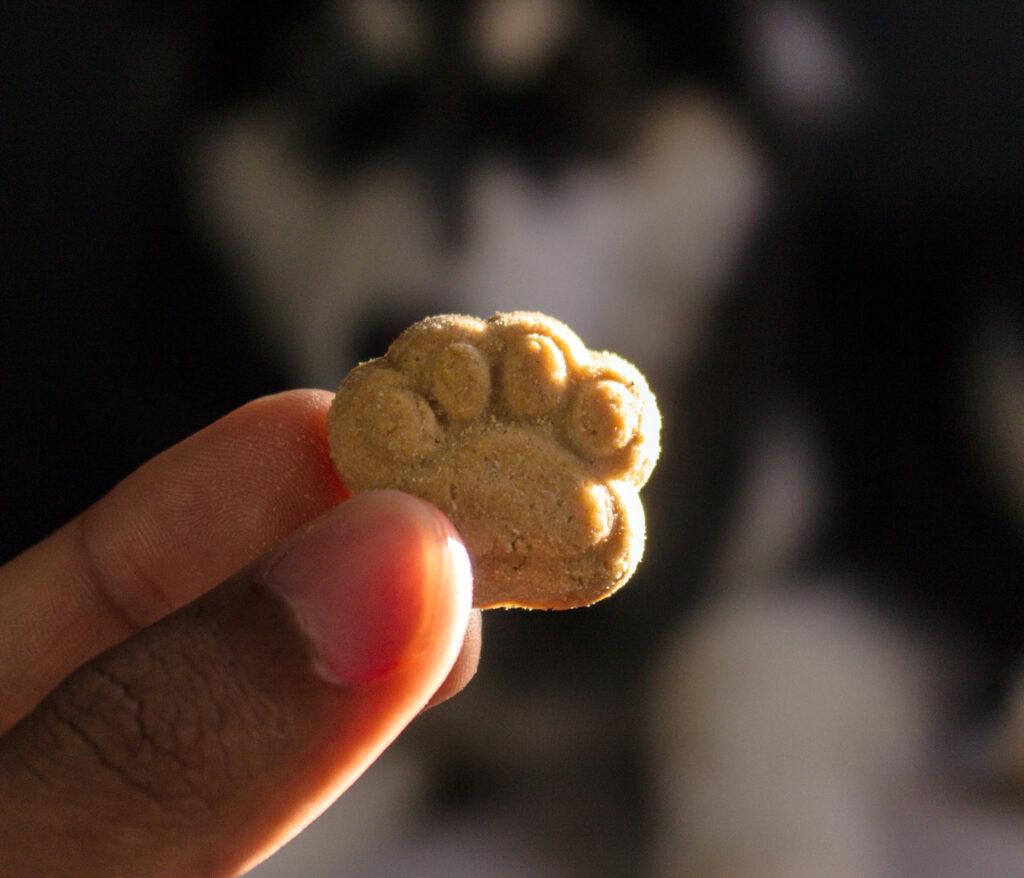
So, you have done all this research, found a dog food that fits your dog’s healthy lifestyle, but they are still showing signs of skin issues, obesity, and inflammation? This means it is time to find out exactly what goes into your dog’s mouth each day, you will actually be surprised how many treats and things your dog actually gets per day.
First off, start by placing a treat inside a bag for every treat you give your dog. If you give them a milk bone for example, you put one into the bag as well. At the end of the day, take note of what you gave your dog, plus what treats you used.
You will be amazed how many people don’t think about treats, and are spending literally hundreds of dollars every month on good quality dog food. Yet, after just one milk bone, you have basically undone all of the good you were doing. Did you know the main ingredient in common dog treats is wheat? That is the first ingredient. The second is some kind of by product, then corn, and so on.
Do you see the problem? Dog’s can’t digest wheat and corn well, and they can cause all sorts of issues with their digestive system. So, please stop giving milk bones to your dog if they have any injuries, itchy skin, or you are trying to get them to loose weight.
Now I am not telling you to stop giving treats, not at all! My sweet girl gets her treats daily, but we give her healthy treats, and are more aware of what she gets. Probiotic treats are great! My all time favorite is freeze dried treats. They are a bit more costly than milk bones, but only have one ingredient! Beef liver, or chicken, lamb, even bison if your dog is food protein sensitive.
So, please look into freeze dried treats, sweet potato, cooked vegetables, or some cooked chicken instead of grabbing those milk bones! Please let me know if you have any other questions! You can reach me at poshintake1@gmail.com , or www.poshdogkneebrace.com. Or you can you visit our Facebook Page for more information.
Articles from the Posh Dog Knee Brace team — a group effort with our licensed veterinary technicians and brace specialists, sharing 15+ years of experience helping dogs recover from CCL/ACL injuries and mobility challenges.
When looking to buy therapeutic-quality essential oils for dogs, it’s essential to be cautious and choose products that are safe and suitable for canine use. Here are some tips to help you identify and purchase high-quality essential oils for your furry friend:
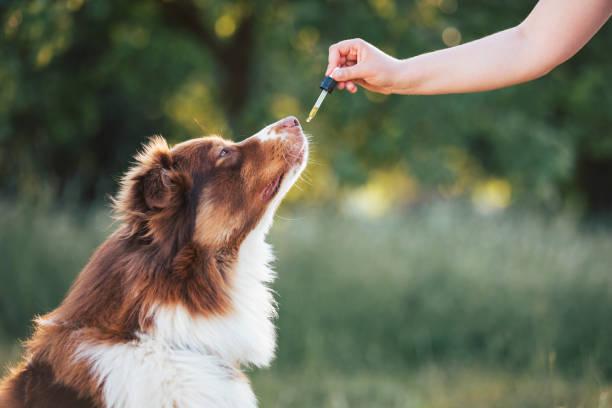
Remember that each dog is unique, and what works well for one dog may not be suitable for another. Always prioritize your dog’s safety and well-being, and seek professional advice if you have any doubts about using essential oils for your canine companion.
If you are interested in a Posh Dog Knee Brace you can contact us via our form or visit our Facebook Page.
Articles from the Posh Dog Knee Brace team — a group effort with our licensed veterinary technicians and brace specialists, sharing 15+ years of experience helping dogs recover from CCL/ACL injuries and mobility challenges.
Protecting your dog from potentially toxic chewy treats is essential for their health and well-being. Here are five ways to ensure your dog’s safety:
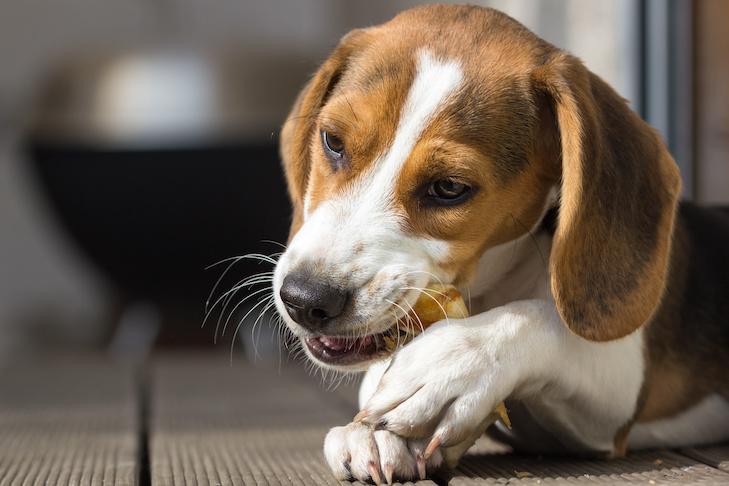
Additionally, consider making homemade dog treats using simple and safe ingredients. Many online resources offer easy and healthy recipes for homemade treats that you can tailor to your dog’s preferences and dietary needs.
Remember, your dog’s safety and well-being should always be a top priority. By being mindful of the treats you give your furry friend and staying informed about potential risks, you can help protect them from potentially toxic chewy substances and keep them happy and healthy. If you have any concerns about your dog’s health or diet and want to know about toxic chewy treats, don’t hesitate to consult your veterinarian for professional advice.
For more information about our Posh Dog Knee Brace contact via our contact form or visit our Facebook Page.
Articles from the Posh Dog Knee Brace team — a group effort with our licensed veterinary technicians and brace specialists, sharing 15+ years of experience helping dogs recover from CCL/ACL injuries and mobility challenges.
Diabetes in dogs is a chronic metabolic disorder that occurs when the body is unable to properly regulate blood sugar (glucose) levels. It is similar to diabetes in humans and can lead to various health complications if not managed effectively. There are two main types of diabetes that can affect dogs:
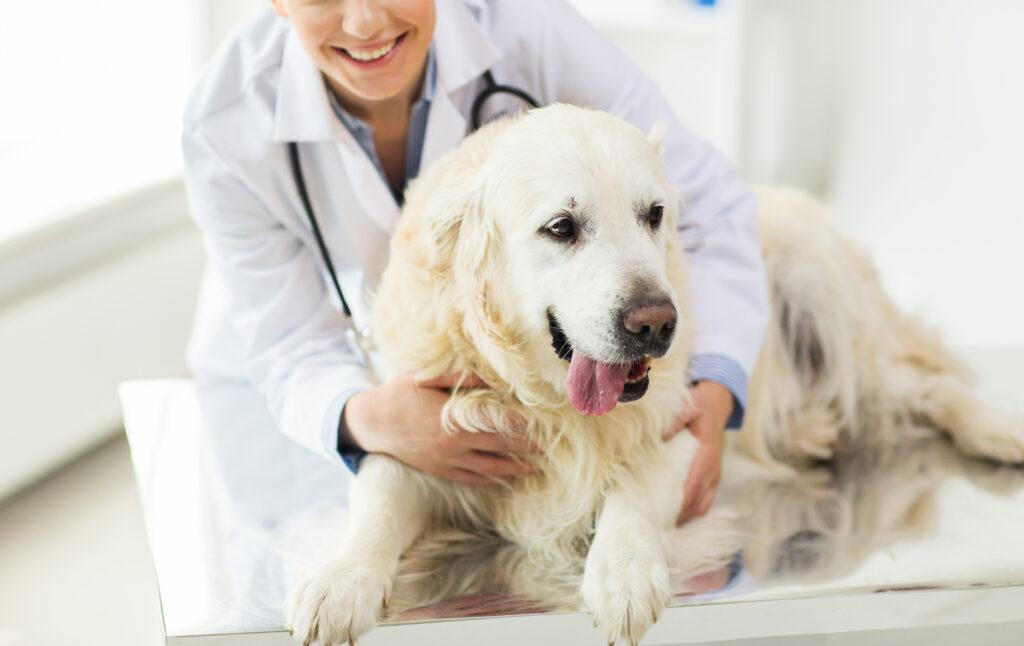
The exact cause of diabetes in dogs is not always known, but certain factors can contribute to its development:
Symptoms of Diabetes in Dogs: Symptoms of diabetes in dogs can be gradual and may include:
If you observe any of these symptoms in your dog, it’s crucial to seek veterinary attention promptly.
Diagnosis and Treatment: A veterinarian will diagnose diabetes through blood and urine tests that measure glucose levels. Once diagnosed, the primary treatment for diabetes in dogs is insulin therapy. Most diabetic dogs require regular insulin injections to manage their blood sugar levels.
In addition to insulin therapy, managing diabetes in dogs involves:
Regular veterinary check-ups are essential for monitoring the dog’s condition and adjusting the treatment plan as needed.
With proper management and care, many dogs with diabetes can lead happy and fulfilling lives. Early detection and intervention are vital for improving the prognosis and quality of life for diabetic dogs.
If you are interested in more information you can contact via our contact page or visit our Facebook Page.
Articles from the Posh Dog Knee Brace team — a group effort with our licensed veterinary technicians and brace specialists, sharing 15+ years of experience helping dogs recover from CCL/ACL injuries and mobility challenges.
The main difference between a cold pack and a hot pack for arthritic dogs lies in their application and the therapeutic effects they provide. Both cold and hot packs are used to manage arthritic pain and inflammation, but they serve different purposes and are applied at different stages of the condition. Here’s a breakdown of the differences:
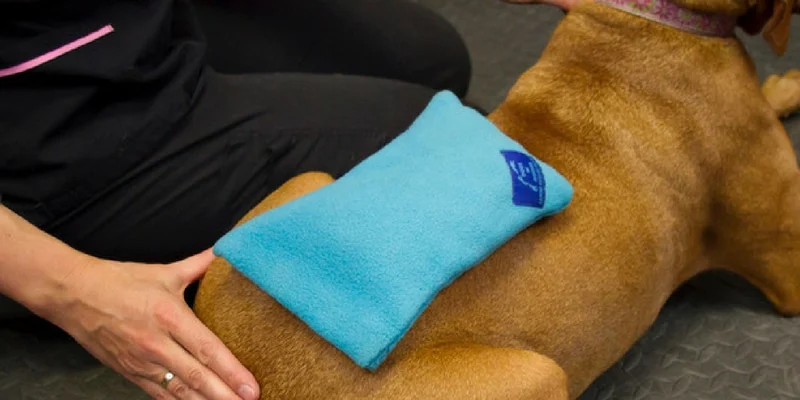
It’s essential to consult with your veterinarian before using either cold or hot packs on your arthritic dog to ensure that it is appropriate for their specific condition and to determine the proper application and duration of therapy. Additionally, other complementary therapies and medications may be recommended to provide comprehensive pain management and improve your dog’s overall comfort and mobility.
To learn more you can contact us via our contact form or visit our Facebook page.
Articles from the Posh Dog Knee Brace team — a group effort with our licensed veterinary technicians and brace specialists, sharing 15+ years of experience helping dogs recover from CCL/ACL injuries and mobility challenges.
Hey guys! Nikki, Lead Veterinary Technician with Posh Dog Knee Braces here. Let’s talk about the importance of pet insurance. I know I have touched on this before, but let’s explain the benefits, especially where orthopedics are concerned. If you asked me 2 years ago, I did not have my dog’s insured, and thought they were healthy, so it’s a waste of money right? Boy was I wrong. My very healthy 8 year old athletic dog went down suddenly, not wanting to get up or eat. I immediately took her to the emergency vet, where it was diagnosed she had a ruptured splenic tumor.
Let’s just say the bills from this visit were astronomical, and still I couldn’t save my dog. Now I am still paying off a bill for a dog that has been gone for over 2 years now. I can’t blame the vet, they did everything they could to save my girl. I can only blame myself, because I knew about insurance for her and still held off.

Now with my new girl Coco, we immediately got pet insurance. She has had cheat grass in her ears, tummy infections, and everything was covered. I would be another few thousand in debt if I did not have insurance on my girl.
Let me tell you about a family member’s dog. He developed a cough, which turned out to be the start of heart failure. To treat him for just 2 days, in order to get him stable to go home, was over $5,000. They were not ready to say goodbye to their fur baby, and of course put this on their credit card. They are now into their dog about $10,000. He is doing much better, but they will also be paying for his care many years after he has passed.
My insurance will cover up to 90%, leaving only $97 if I ever need a custom posh brace for Coco. Now that $35/month is sounding better and better I bet. Or, if your dog has any other orthopedic issues, such as luxating patella, shoulder issues, spinal issues, those are all covered.
I have another scenario that happened to a client’s dog. He was diagnosed with degenerative disc disease, common in daschunds and other small breeds, and one day could not walk on his hind legs. He needed emergency surgery, which was over $10,000, in order to walk again. Thankfully the owner had insurance, and was able to do the surgery with under $1k out of pocket. He went on to live another 5 years, running and playing like nothing happened.
So, I urge you, if you are on the fence about insurance, please take some time to call a few companies. There are many to choose from now, and most are very affordable. Much more affordable than a monthly credit card bill for treatments. Don’t let money ever be the reason to say goodbye to your best friend. Feel free to reach out to us if you would like some suggestions on companies that we know work with braces. Thanks!
You can contact us via our contact page or you can visit our Facebook page to talk to others who have used our brace.
Articles from the Posh Dog Knee Brace team — a group effort with our licensed veterinary technicians and brace specialists, sharing 15+ years of experience helping dogs recover from CCL/ACL injuries and mobility challenges.
Hey guys, this is Nikki Lead Veterinary Technician with Posh Dog Knee Braces. Today let’s talk about exercise in our cute little furry babies that we all love! Puppies are so cute, running around with those giant feet that don’t seem to match their bodies. Have you noticed how puppies tend to be very clumsy? Always falling over, tripping, slipping on hard surfaces? We think it is cute, but did you know there is a reason? Let’s talk about that today.
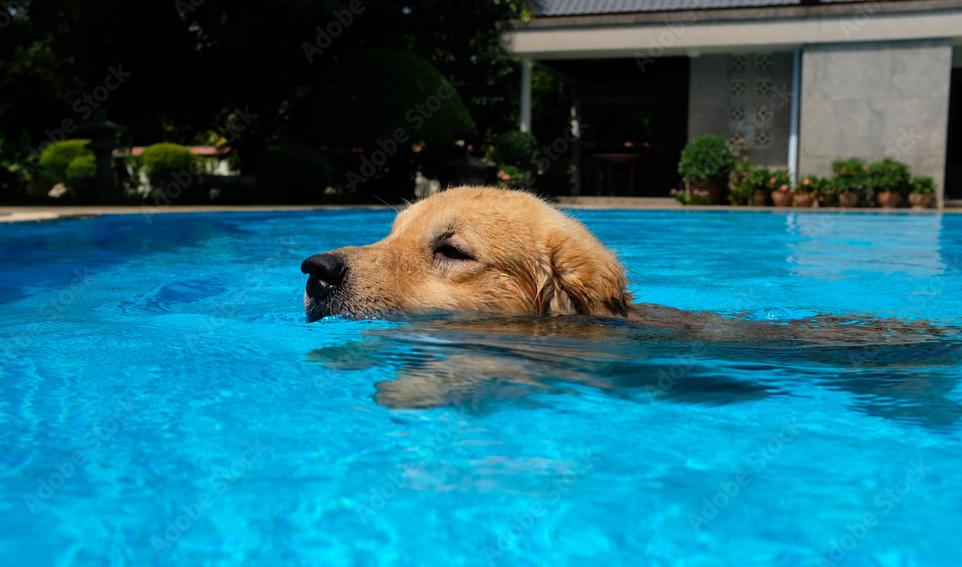
Did you know that a puppies bones do not even touch when you bring home that cute little 8 week old puppy? Their little joints are made of muscle, tendons, and ligaments with skin covering. Nothing is fitting tightly like a true socket. It can take 4-6 months for the joints to start developing, and 8 months and up for those growth plates to start to fuse. Some large breeds take 15+ months for their growth plates to finish. What does this mean?
This means that we have to be very careful as to not run a young dog excessively. This means restricting and supervising your puppy’s exercise, to stop them from being over-active. Each time they have a big jump, or an excessive run, this causes impacts between the bones. In a reasonable amount this is not a big deal, and is completely normal play. However, if you are letting your puppy jump up and down off furniture, taking them on long walks and hikes, you can potentially be damaging those forming joints, and this could cost you in the near future.
You see that puppy scrambling on the tile with no traction, and think it is a funny tik tok video, right? This is actually damaging their joints. Puppies need traction. Sliding into things, and scrambling, is not normal for a dog. Think about their wild ancestors, do you think their pups are walking on tile and sliding all the time? Nope! Neither should our pups. Every time that pup does the splits, you risk tearing the tendons in the hip. These can not be fixed.
There are far too many puppies having an FHO (where they have to remove the femoral head) due to slipping on surfaces. Either get your puppy toe grips, or have runners all over for them not to slip and slide.
You only have one chance to let your puppy grow in a healthy way. Once grown, you will have a lifetime to spend playing and engaging them, showing them, doing activities. So, keep it calm while they are still growing, engage them in fun safe activities. Taking them to puppy school is a great way to bond and get the wiggles out. Teach them commands and how to walk on a leash.
Puppies who are much to active have much higher chance of developing osteoarthritis, ligament tears like the CCL, patella issues, hip injuries and issues, and much more. I am not saying you can’t play with your puppy, but taking a 4 month old on a mountain hike is too much. Learn about what they should be developmentally doing at this age. Ask your Veterinarian or staff for help. Feel free to email us with any questions, we give free consults you can contact us via contact form on our website or visit our Facebook Page for more information.
Improve his life and yours with our custom crafted dog knee brace. It’s much more effective than a ready to wear or a soft dog ccl brace.Order yours today at Posh Dog Knee Brace or call us at 509-412-3065.
Articles from the Posh Dog Knee Brace team — a group effort with our licensed veterinary technicians and brace specialists, sharing 15+ years of experience helping dogs recover from CCL/ACL injuries and mobility challenges.
Acupuncture for dogs is a form of alternative or complementary therapy that involves the insertion of thin, sterile needles into specific points on the dog’s body. The practice of acupuncture is based on Traditional Chinese Medicine (TCM) principles, which believe in the flow of energy or “qi” (pronounced “chee”) along specific pathways called meridians. When the flow of qi is disrupted, it can lead to imbalances and health issues.
The goal of acupuncture for dogs is to restore the balance of qi and promote the body’s natural healing abilities. The insertion of needles into the acupuncture points is believed to stimulate nerves, muscles, and connective tissues, which can trigger various physiological responses. These responses may include the release of endorphins (natural painkillers), improved blood circulation, and the reduction of inflammation.
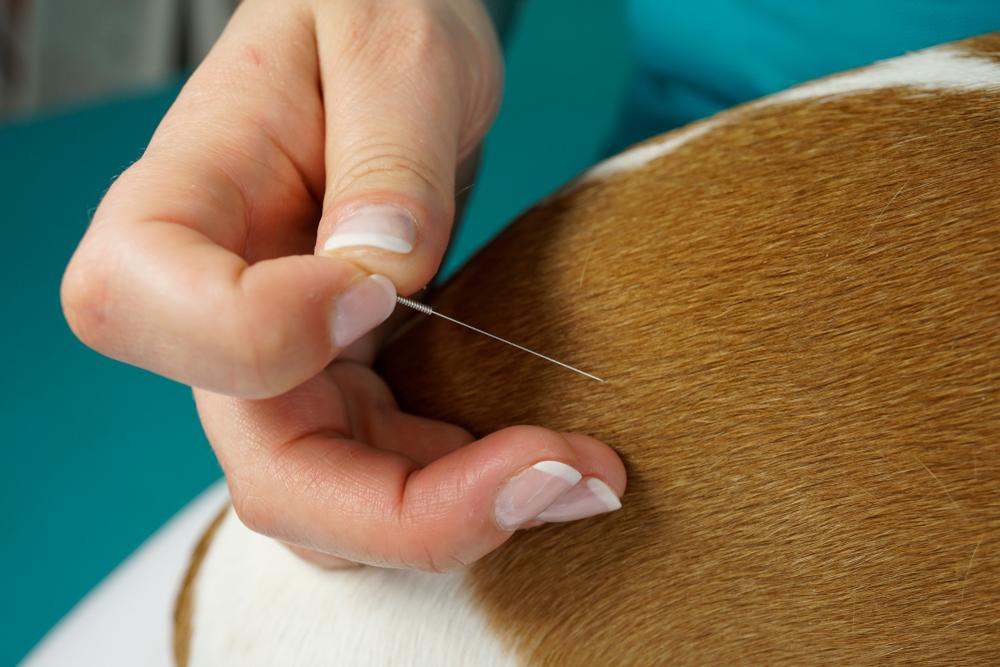
It’s important to note that while acupuncture for dogs can be beneficial for many dogs, it is not a replacement for traditional veterinary care. Always consult with a qualified veterinarian before pursuing acupuncture for your dog. A veterinarian who is trained in veterinary acupuncture or a certified veterinary acupuncturist (CVA) will be able to assess your dog’s condition and determine whether acupuncture is a suitable treatment option.
During an acupuncture session, the dog typically experiences minimal discomfort, and many dogs tolerate the procedure well. The number of sessions required will depend on the dog’s condition and response to treatment. If you are interested in trying acupuncture for your dog, seek a qualified professional who has experience in providing acupuncture for animals and who can ensure the safety and well-being of your pet during the treatment.
If you have any questions acupuncture for dogs or about our Posh Dog Knee Brace you can contact us via our contact form or visit our Facebook Page.
Articles from the Posh Dog Knee Brace team — a group effort with our licensed veterinary technicians and brace specialists, sharing 15+ years of experience helping dogs recover from CCL/ACL injuries and mobility challenges.
Rehabilitation therapy, also known as physical therapy or physiotherapy for dogs, offers a wide range of benefits that can significantly improve their overall health, mobility, and quality of life. It is especially beneficial for dogs recovering from injuries, surgeries, or managing chronic conditions.
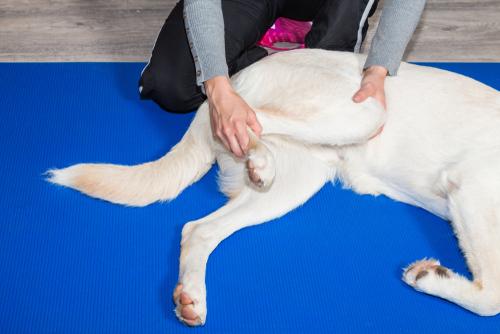
Rehabilitation therapy for dogs is typically provided by licensed veterinary professionals, such as certified canine rehabilitation therapists (CCRT) or veterinarians with specialized training in physical therapy. If you believe your dog could benefit from rehabilitation therapy, consult with your veterinarian to discuss the best options for your dog’s specific condition and needs.
If you are interested in a Posh Dog Knee Brace visit our store page to purchase and if you need more information or would like to keep up to date on new things with Posh Dog Knee Brace visit our Facebook page.
Articles from the Posh Dog Knee Brace team — a group effort with our licensed veterinary technicians and brace specialists, sharing 15+ years of experience helping dogs recover from CCL/ACL injuries and mobility challenges.
Stretching your dog can indeed help reduce the chance of muscle tears and improve their overall flexibility and mobility. Just like humans, dogs can benefit from regular stretching exercises to keep their muscles and joints supple and healthy. Here are some important points to consider when stretching your dog:
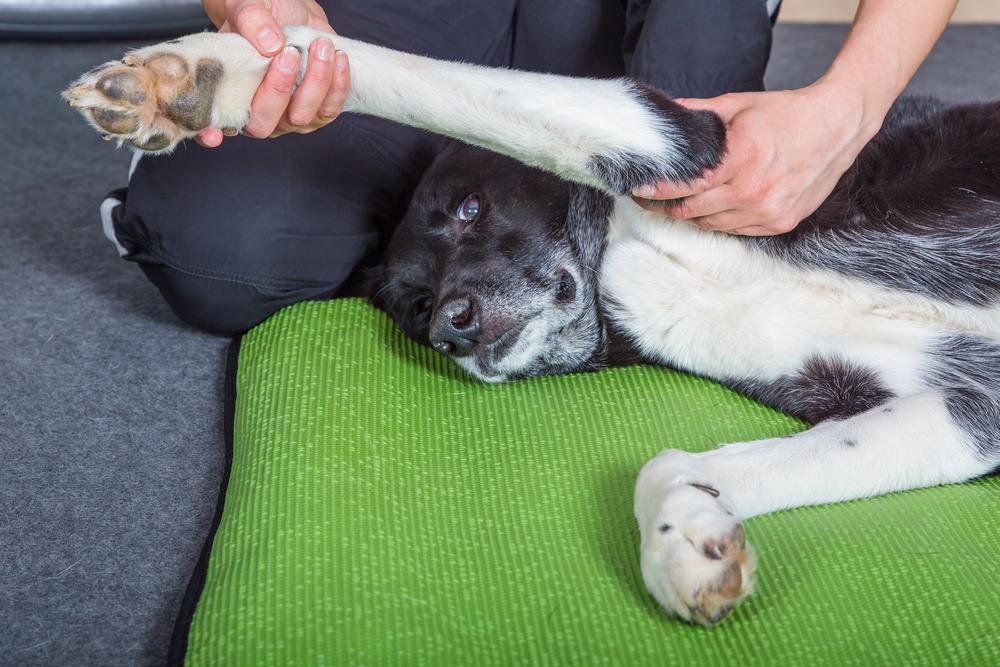
Stretching is just one component of overall canine fitness and injury prevention. Regular exercise, appropriate nutrition, and routine veterinary check-ups are essential for maintaining your dog’s overall health and well-being.
If you need any more information about what exercises you can be se to help your dog with their muscle tears you can contact us via our contact form, or visit our Facebook Page. If you would like to purchase a Posh Dog Knee Brace you can place your order on our store page.
Articles from the Posh Dog Knee Brace team — a group effort with our licensed veterinary technicians and brace specialists, sharing 15+ years of experience helping dogs recover from CCL/ACL injuries and mobility challenges.