Hey guys, let’s talk about your dog limping front leg issues today, and reasons this may happen. This can be as simple as a sliver or foreign body in the paw to trauma. If you can’t find anything externally causing your dog to limp, it is important to seek a veterinarian, especially if the limping persists. Some common reasons are: strains or tears in ligement or tendon/muscle, something in paw, insect bite/sting, trauma/broken bones, vascular issues, lymes disease, inflammatory condition, osteoarthritis.
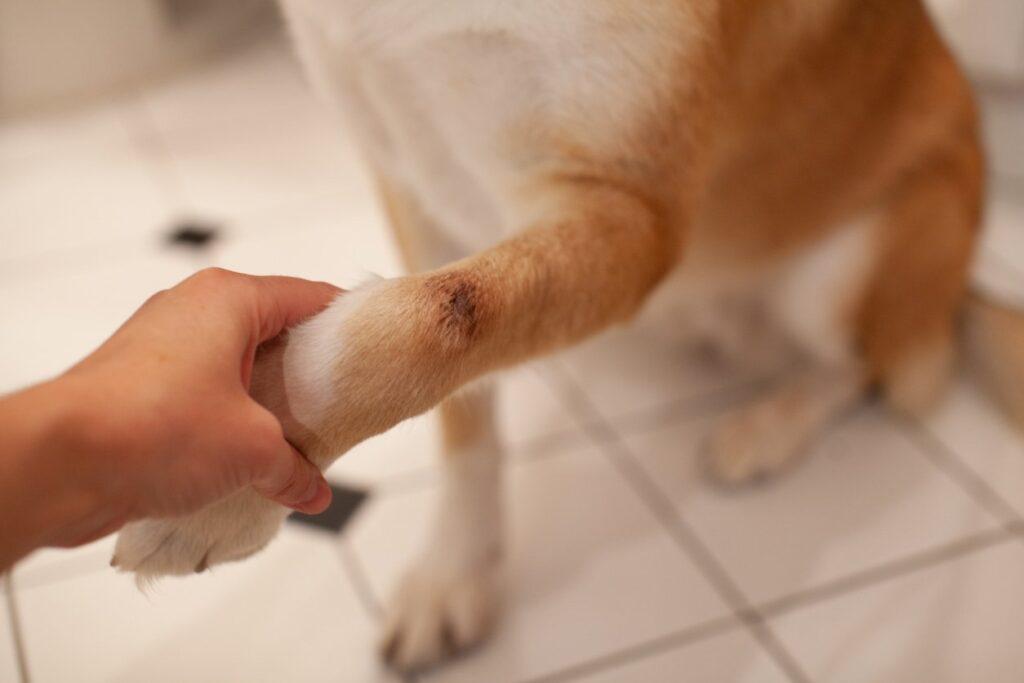
Now, depending on where the issue is happening may give us more information on what to do to help. For instance, your veterinarian will usually begin with the toes and work their way up to the neck/spine. Sometimes we need to give the veterinarian any information needed to be helpful. Such as, did you see your dog’s injury? Did this happen suddenly, acutely?
Was it something that is getting slowly worse day by day? Did your dog jump out of something like the car or back of a truck? Did your dog slip on ice or flooring, causing the front legs to go out to the side? Did your dog get it’s foot caught in something and try to yank it out? Have you had your dog on flea and tick prevention during the tick season? Have you seen any ticks on your dog?
All of these are really good questions to ask yourself and remember to tell your veterinarian, to help with diagnosing your dog. Things like a tick you found a week ago could mean your veterinarian needs to titer test your dog, to make sure he is ok and does not have lymes. Or if you didn’t think about the fact that your dog jumped down from the deck or bed, and now seems to be limping.
It could be that your dog is a large breed, and during growing developed OCD, Osteochondritis, in the shoulder, which will need surgery to fix. Or, perhaps you have an older dog who is showing pain, and could have arthritis showing up in the elbow or shoulder area. These are all good reasons to give your Veterinarian all the information you can, so that they can correctly diagnose.
We do have an elbow brace here at posh dog knee braces, that can help to stabilize any issues in the elbow joint, and relieve pain, if it is found to be an issue in the elbow. Let us know if you have any questions!
If you are interested in purchasing a Posh Dog Knee Brace for your dog limping front leg you can order your brace from our store, if you would like to join our Facebook community click here.
Articles from the Posh Dog Knee Brace team — a group effort with our licensed veterinary technicians and brace specialists, sharing 15+ years of experience helping dogs recover from CCL/ACL injuries and mobility challenges.
Give your dog a designated digging area and restrict him unsupervised access to the areas where you don’t want holes to be dug if you want to completely stop undesired digging.
Digging is among many dogs’ favorite pastimes when it comes to their natural behavior. Digging is frequently discouraged for dogs who live with people, which is unfortunate.
There are many reasons why dogs dig holes in the ground:
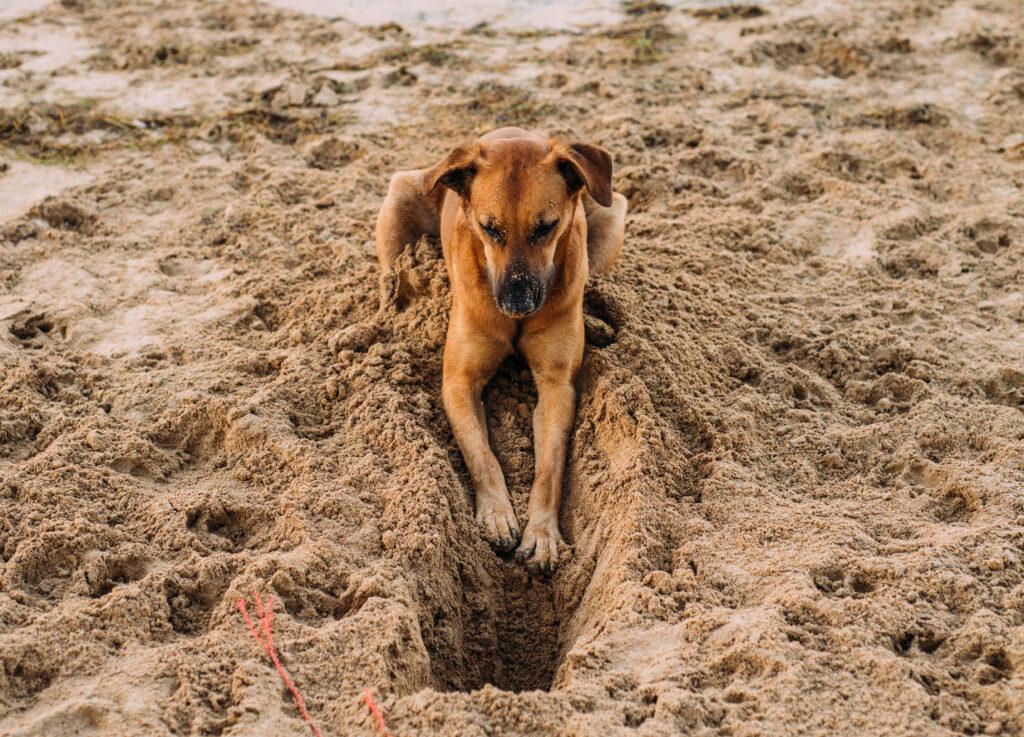
Avoiding digging entirely is the best solution. Until you’re sure your doggy can amuse himself without digging, don’t leave him outside unattended. Look around your yard to find the best sites for digging, such as gopher mounds, regions with loose ground, or damp areas that are conducive to digging. Of course, some dogs may dig wherever they feel like it, but removing the temptation makes it simpler to focus your dog’s attention on better habits.
If you must leave your digging doggy alone in the yard, use management to help stop practice sessions for the undesirable activity. If your dog likes to dig, you might want to consider a secure enclosure like a dog run or utilize a reliable exercise pen that is set up to prevent access to certain places. Just while she is learning, though; it won’t last forever!
It’s a good idea to assess your dog’s overall enrichment honestly. Does your dog go for daily walks outside of the house and/or yard? Is the path always the same? Do you vary your routine by doing some exercise while you walk? Does your dog ever accompany you on errands to new (dog-friendly) locations if he is comfortable in public? Dogs frequently dig when they’re bored. Ask him honestly what else he has planned for the week to see if you can shake things up a bit.
If your dog has a history of digging up stuff, try some of the following:
Create a digging pit by filling a plastic wading pool or a child’s sandbox with sand or dirt. Compared to dirt, sand leaves less of a mess. bury the toys your dog enjoys most. Show him the reward pit and assist him in finding it with excitement. Don’t forget to replace the toys buried within the pit and continue assisting him in finding the treasures. The “hides” may get smaller and more difficult to spot as he improves.
Digging holes at random? Try replacing the majority of the dirt in the hole, adding some of your dog’s waste on top, then covering it with the remaining earth. Digging for fun and discovering waste can be very unpleasant for some dogs. As your dog tries out new digging techniques, you’ll probably need to repeat this process a few times, but for many dogs, the regular experience of uncovering waste will cause them to reevaluate their backyard behavior, especially when combined with your efforts to give them more enjoyable activities.
You find it difficult to poop in your dog’s favorite holes. Use the same method, except instead of excrement, use a piece of chicken wire that has been cut to fit the hole’s surface area.
We advise creating a trough along the fence for fence diggers, then filling it with massive, upright stone pavers. Another option is to bury an 18-inch-tall chicken wire trip about a foot beneath the bottom of a wooden fence.
Most crucial, keep in mind that behavior doesn’t alter suddenly. It may take up to a few months of consistency before you notice a noticeable difference in your dog’s digging, so you’ll need to be consistent in your efforts to lessen it using a combination of teaching and management. Avoid digging yourself a deeper hole by giving up too soon!
If you are interested in purchasing a Dog Knee Brace from us please check out our store and if you are interested in join our Facebook Page click here.
Articles from the Posh Dog Knee Brace team — a group effort with our licensed veterinary technicians and brace specialists, sharing 15+ years of experience helping dogs recover from CCL/ACL injuries and mobility challenges.
Hey guys, let’s talk about different braces for dogs that are out there. We will go over the cheaper, over the counter options, as well as custom braces, and casted braces, and which may be the better option for your and your furry best friend. First, before purchasing or looking for any type of brace for your dog, please make sure the injury is in the knee. There are other issues that can look just like knee injuries, however, it may be something else going on. So, always have your dog checked out by a Veterinarian or naturalpath before purchasing any orthotic for your dog.
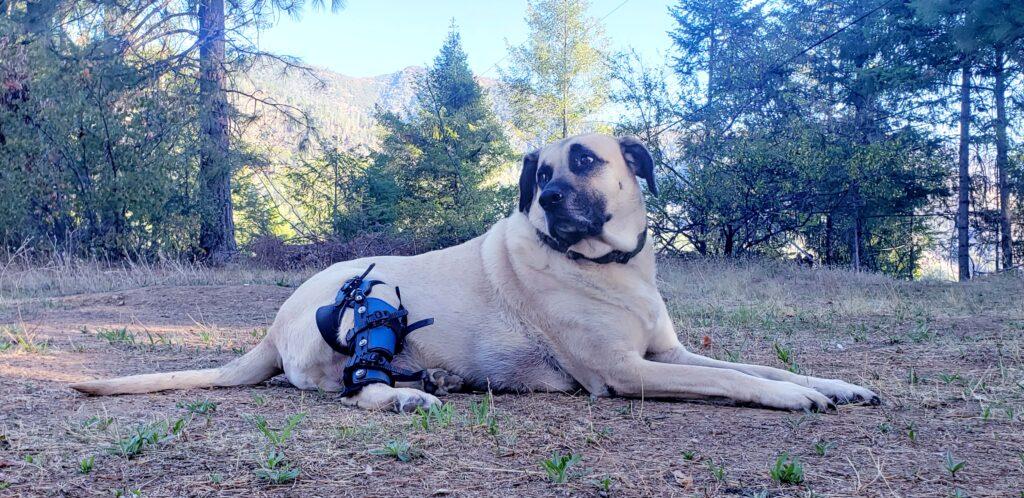
You know, the ones you can find on chewy or amazon, sometimes even online, that advertise amazing results for under $200. Sounds great, right? Well, truthfully these products are not meant for full stability. If your dog has a minor strain or sprain, and just needs to take things easy for a couple of weeks, a lot of people feel they need to get right in there and put a soft brace on their dog. This can actually cause the injury to worsen, cause rubbing sores, and really did not do anything to help your poor dog.
While they may be budget friendly, they really are not in the end. More than 80% of people that purchase these “non refundable” soft braces online end up getting a custom orthotic anyways. Sadly, some of these companies are charging up to $500 for these non-custom products, promising great results. Don’t fall for these, anything that needs a strap or stirrup to go up over the back or connect to a collar or harness is not a custom product, and will not work long term for your dog’s injury.
If your dog only has a small sprain, just let them recover by keeping them quiet and leashed for a few weeks, and they will be just fine, no need to spend your money on soft braces. Unlike with people, a dog knee is just too angled for these to fit properly without the need for straps, and they will not stay up.
You will see a few companies that try to say casted braces are the only way to go custom. Well, that is not necessarily correct. If you are in a local area for one of these places, and are able to go into their manufacturing facilities to have them actually do the cast, then you may be ok, however, in our experience, even veterinarians get casts wrong, and this can be a huge headache. Then, you will need to remake your appointment at the vet’s office, possibly re-sedate your poor dog, and remake the cast again. And if your dog has hair, this can be quite a painful process.
Then, if all of that is finally finished, you now have a hard plastic, not forgiving, brace. How would you like to have hard plastic up against your sensitive areas/groin? Or on the soft tissue of your ankle? And you can imagine that if your dog starts to get back into walks and gains muscle back, now there is a new issue. The brace was made for your dog’s leg circumference at the time of casting, but if your dog looses weight or gains muscle, the brace no longer will fit, and you are looking at a lot of modifications, or most likely the need to completely remake the brace. Not really cost effective anymore, is it?
You can tell that this brace was made with our dog’s comfort and daily activities in mind. There is no need for casting, we do everything through our proprietary computer software, that allows us to make a perfect fitting dog knee brace the first time. Also, our custom dog knee brace will last you for the rest of your dog’s life. It is waterproof, weather proof, easy to care for, comfortable, and actually made with decades of experienced hands.
Not only that, but we do a fitting video call with all of our clients, so you get to have one on one time with our certified veterinary technicians to help with physical therapy, walk schedules, and supplements. No other company offers this, for free, with the brace. I know, right? Posh is one of a kind, as there is no hard plastic touching your poor dog’s sensitive areas. Most people comment that they want us to make them a brace, as it is so well made! The semi-rigid shells provide support for the knee, without taking away the comfort.
So, there you have it! The 3 types of braces for dogs. Let us know if you have any questions!
If you are interested in our braces for dogs please check out out store page or visit our Facebook Page for more information.
Articles from the Posh Dog Knee Brace team — a group effort with our licensed veterinary technicians and brace specialists, sharing 15+ years of experience helping dogs recover from CCL/ACL injuries and mobility challenges.
When dogs wag their tails and strike objects with them repeatedly, they commonly suffer from this dog tail injury.
Nobody is thrilled if your dog develops what is known as “happy tail syndrome,” though. Dog tail injuries are common, especially in cheerful dogs, but they are challenging to treat.
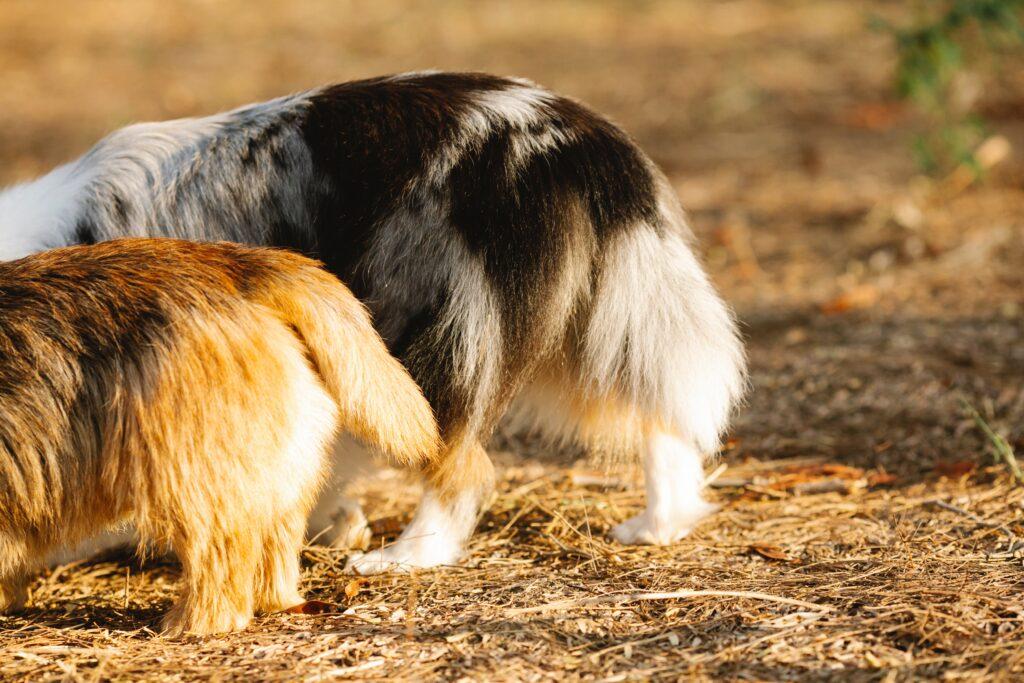
Dogs with long, slender tails that wag vigorously and traumatize the tip of their tail when it strikes a hard surface are said to have “happy tail syndrome.” Every time they bang the tail, they cause more harm to the skin there. It also bleeds. A lot. While the dog is at rest, it might create a clot or scab, but as soon as the dog is up and wagging—or strikes something—the scab falls off, the wound cracks open, and the bleeding resumes. It’s extremely frustrating.
Now what? Finding a means to shield the tail tip from the recurrent damage is a key component of happy tail syndrome treatment. You might be able to encourage it to heal if you can.
The key is creativity. These wild happy tails are difficult to maintain bandaged, and dogs aren’t always ready to do so. People have experimented with a wide variety of items, including pool noodles, toilet paper rolls, chopped water bottles, foam pipe insulating tubes, and syringe casings from your veterinarian. There are commercial kits that use cushioning devices that fit into a bandage on the tail to protect the dog’s tail.
Here are a few pointers: Try to keep it as light as you can. The likelihood that the bandage may go winging off with the wagging increases with its weight. I apply white first-aid tape that extends several inches down the tail before being incorporated into the bandage covering the wound. The goal is to increase the bandage’s “grab” so that it will adhere better. Make sure it’s not too tight! Keep the protective tube’s end open to allow air to flow to the tail tip.
Sadly, even if you are successful in helping your dog’s tail recover, it will probably reoccur again. You could try padding the walls, corners, and other surfaces where he constantly bumping his tail, but that’s difficult to accomplish and not very appealing when visitors are over. Only where there is room can you try to interact with your dog, but that is also impractical.
In Conclusion! Talk to your veterinarian about having the tail amputated if you can’t get it to mend or if you’re sick of returning home to a bloody scene straight out of a horror movie. If you go short enough, the surgery will take care of the traumatized tip and ensure that it never happens again. These dogs occasionally develop adorable tiny bob tails. You won’t get any blood splatter, and they are still free to wag as fiercely as they want.
Let Your Dog Recover With Our Custom Dog Knee Brace!
We’ve Helped Thousands Of Dogs, Now We Want To Help Yours…
The Posh Dog Knee Brace is a 100% custom Dog knee brace, hand made only for your Dog. We make our custom brace with no casting. Our state-of-the-art brace for Dogs is very durable, waterproof, sand proof, and easily adjustable by customers. Our Veterinary Technicians provide personal live video supervision of measuring, and fitting of your Dog ACL brace in the comfort of your own home.
If your dog is in need of a Posh Dog Knee Brace you can order from our Shop page if you would like to join our Facebook Group please click here. Thank you for reading this article for more information you can contact us anytime.
Articles from the Posh Dog Knee Brace team — a group effort with our licensed veterinary technicians and brace specialists, sharing 15+ years of experience helping dogs recover from CCL/ACL injuries and mobility challenges.
One of the first things you’ll do to help your dog adjust to his new home is potty training, and there are several different approaches you can take. To ensure success for both you and your dog, try these seven tips.
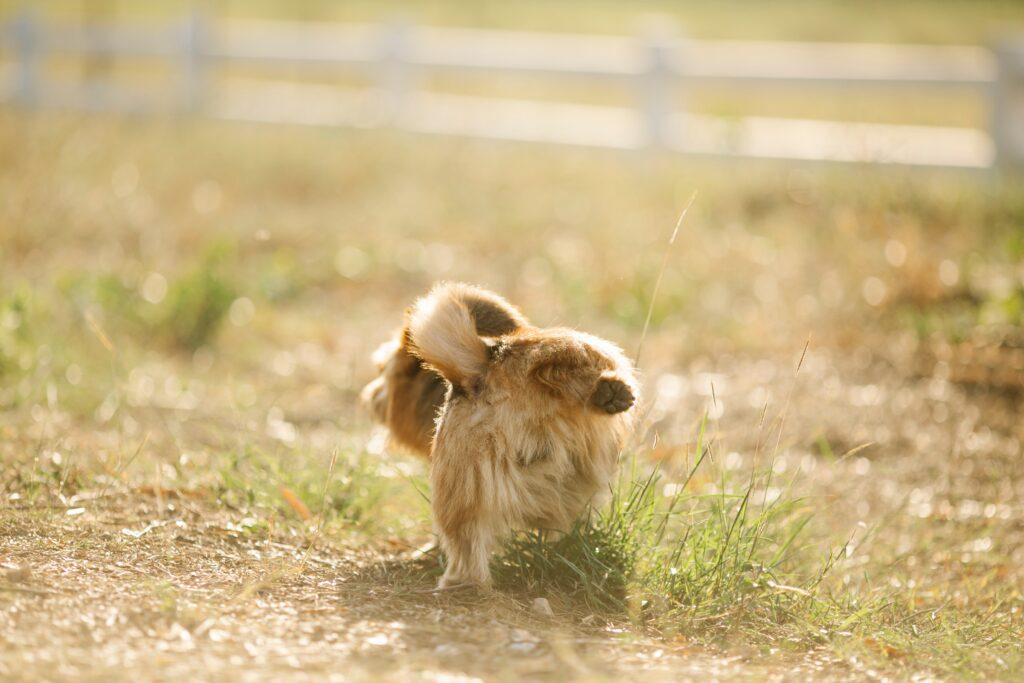
Decide where you want your new friend to “go” outside the house before you start potty training. Do you have a yard? Point them in the direction of a place that is easy to reach from the door. Dogs living in apartments should also be able to recognize open, accessible natural terrain that isn’t blocked by people or vehicles.
Once you’ve chosen the location you’ll take your dog during this potty training phase, be sure to take them there each time they need to go outdoors. Consistency is key while teaching a puppy to use the bathroom since dogs can scent their territory.
Although your new puppy may not be able to communicate with you in your native tongue, they will nonetheless make an effort to let you know when they need to go potty. Fortunately, there are several indicators you can watch for. As soon as you see them, take your dog outdoors to their designated potty training area:
When your dog exhibits the final symptom on the list, it might already be too late. So that they are aware that their customary space is up for grabs before they go in the wrong location, be prepared to open the door nonetheless.
Plan beforehand so you can swiftly take your dog outside if you see any of these symptoms. Keep a leash directly by the door so you can quickly lead the pet outside. Keep in mind to direct your dog to the same location each time they need to urinate. Once they are aware of the location of their designated bathroom, they will go there on their own.
Maintain a routine for all meal and snack times while potty training a dog. This is beneficial in two ways: The first benefit of planned meals is that they will teach your dog when to expect meals throughout the day. Second, if you feed your dog at regular intervals, you may follow up and take them to their designated potty training area in the knowledge that they’ll be prepared to relieve themselves shortly after they finish eating.
It’s likely that your dog will urinate frequently if they consume a lot of water. During the potty training stage, take your puppy outside soon after drinking so that they are in the appropriate location at the appropriate time.
Take your dog outside as soon as you wake up, after each feeding, and whenever you notice signs that they might need to relieve themselves. A lot of dogs have a bowel movement 30 minutes after eating. Until you have a better understanding of how frequently your dog does potty, take them outside every hour to prevent accidents. Based on their age, the following are some rough guidelines for how long puppies can “hold it”:
While small breeds with smaller bladders may require more frequent bathroom breaks, big breeds have a stronger ability to wait. Most dogs can wait seven hours or more by the time they are seven months old. They ought to know how to alert you when they need to go outside by that age. Always take your dog out before you go to bed to prevent 3 a.m. wake-up calls or morning surprises.
Everyone enjoys being told when they are doing a good job, and your dog will benefit greatly from this encouragement. It doesn’t matter if you give them treats or just pat them while saying “excellent work.” Just make sure they understand how much you value their attempts to conduct themselves properly. To teach the command “go to the bathroom,” think about identifying the deed. For instance, you might tell your dog to “take a break” before engaging in play.
Puppies prefer not to go potty close to where they eat or sleep. By crate training your dog, you can use it to reinforce housetraining. A puppy can easily relieve themselves in one part of a bathroom or laundry room while sleeping and playing in the remaining areas. If you need to use the phone or check your email while keeping an eye on your young dog, keep them in their kennel.
They will let you know if they need to use the restroom because they won’t want to mess up this place. Put them back in the kennel when you reach home if they play unproductively while outside. A crucial lesson that every puppy should learn is that if they mess up the kennel, they will have to temporarily live with it.
Accidents happen frequently during house training. When your dog needs to go outdoors to the designated pee place, quietly direct them there immediately away. Punishing a puppy could exacerbate the problem and lead to more accidents at home.
Clear the space right away. Ammonia should be avoided since it smells a lot like pee. While disinfecting, bleach cannot get rid of odors. Your dog will probably go potty there again if they smell feces in your house. Use an enzymatic cleanser or odor neutralizer made especially for pet excrement to clean the stained area. While it dries, keep your dog away from the area.
When encountering new people or animals, puppies may squat out of excitement or respect. Before meet-and-greets, give them bathroom breaks to prevent a mess. Take frequent bathroom breaks while traveling as well. If you want to board your dog while you are away, make sure to provide the facility detailed instructions to ensure consistency. Restart house training if you move to a new residence. Limit them to one area of the house, show them where the new toilet is, and give them praise when they behave well.
Many dogs don’t like going outside in the rain or don’t like going potty in the snow. A puppy may be terrified of the cold and rain for the first time, but even older dogs prefer to potty in comfort. To provide some weather protection, keep an umbrella close at hand.
Create a trail to your dog’s chosen bathroom location so they can go without exposing their tails to the bitterly cold ground. Increase their reward for using the restroom in poor weather by giving them twice as many treats. This will lessen the likelihood of unpleasant surprises beneath the piano bench. Even the best-trained dogs are more likely to have accidents in the house if they are overly anxious, stressed out, or afraid. Consult your veterinarian to rule out any health issues whenever your house-trained dog has a number of accidents.
Not all dogs pick things up at the same rate. By eight or ten weeks old, some puppies are experts at house training. Other puppies, such those of toy breeds, may take longer to grasp your expectations and may not show consistency until they are a few months old. In most circumstances, all dogs can learn to relieve themselves in a permitted area with your patience, encouragement, and persistence.
If you are interested in our Posh Dog Knee Brace you can purchase one through our Store or if you have any questions you can reach us on our contact page. If you would like to learn more about us you can also check out our Facebook Page and community.
Articles from the Posh Dog Knee Brace team — a group effort with our licensed veterinary technicians and brace specialists, sharing 15+ years of experience helping dogs recover from CCL/ACL injuries and mobility challenges.
After they poop, dogs will occasionally use their hind feet to scratch or kick the ground. Give them freedom to; we don’t know why they do it, but it seems they like it.
It’s a routine ritual. A dog urinates or defecates, then scuffs dirt, grass, or gravel into the air in what appears to be an accomplishment or at the very least, a mark of celebration. What motivates canines to behave in this way?
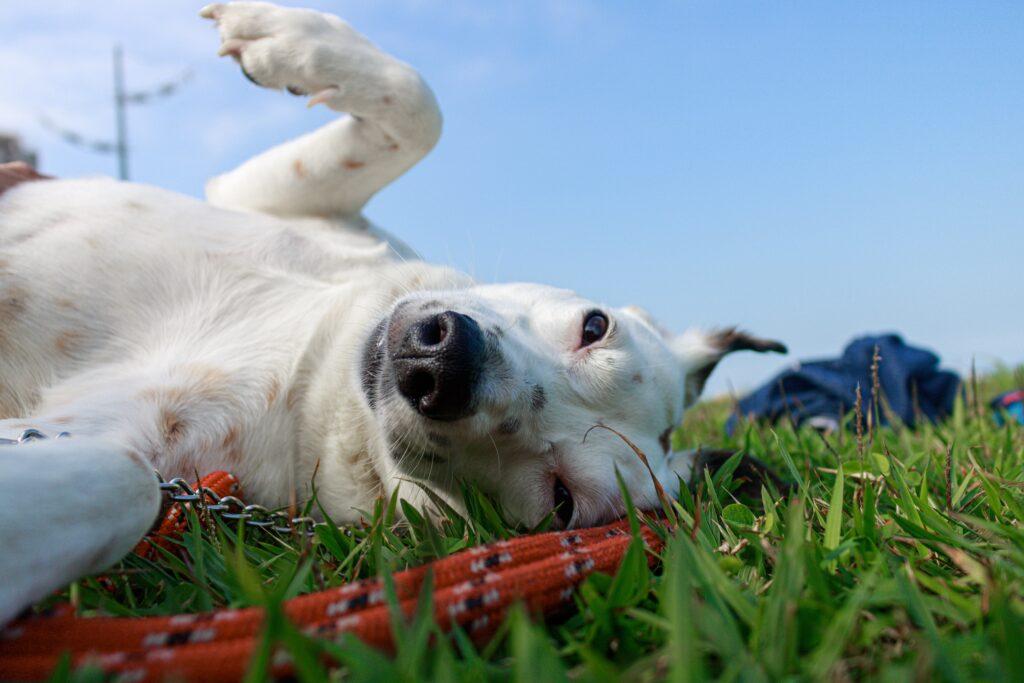
According to certain research, males engage in this behavior substantially more frequently than females when other dogs are present.
Dogs may do this for a variety of reasons, depending on the people present and what they are attempting to convey through visual, olfactory, and aural cues. He claims that dogs who exhibit this behavior appreciate it and that it appears to have significance for them.
If your dog’s grass kicking harms your yard or causes other issues, find entertaining diversionary strategies and encourage other habits until this one is under control. If not, wait until your dog has finished speaking before moving on with your walk. This will allow them to finish their message.
The Posh Dog Knee Brace is a 100% custom Dog knee brace, hand made only for your Dog. We make our custom brace with no casting. Our state-of-the-art brace for Dogs is very durable, waterproof, sand proof, and easily adjustable by customers.
If you are interested in a Posh Dog Knee Brace you can contact us on our contact page or you can order from our store. If you would like to check out our community page on Facebook click here.
Articles from the Posh Dog Knee Brace team — a group effort with our licensed veterinary technicians and brace specialists, sharing 15+ years of experience helping dogs recover from CCL/ACL injuries and mobility challenges.
How frequently to feed your dog is one of the most contentious topics in the world of dog owners. Do you fed them breakfast in the morning, then lunch and dinner, or does that run the risk of overfeeding them? Do you fed them all at once or do you wait until the end of the day? No matter your dog’s age, take a look at the finest food options to keep them nourished and healthy.
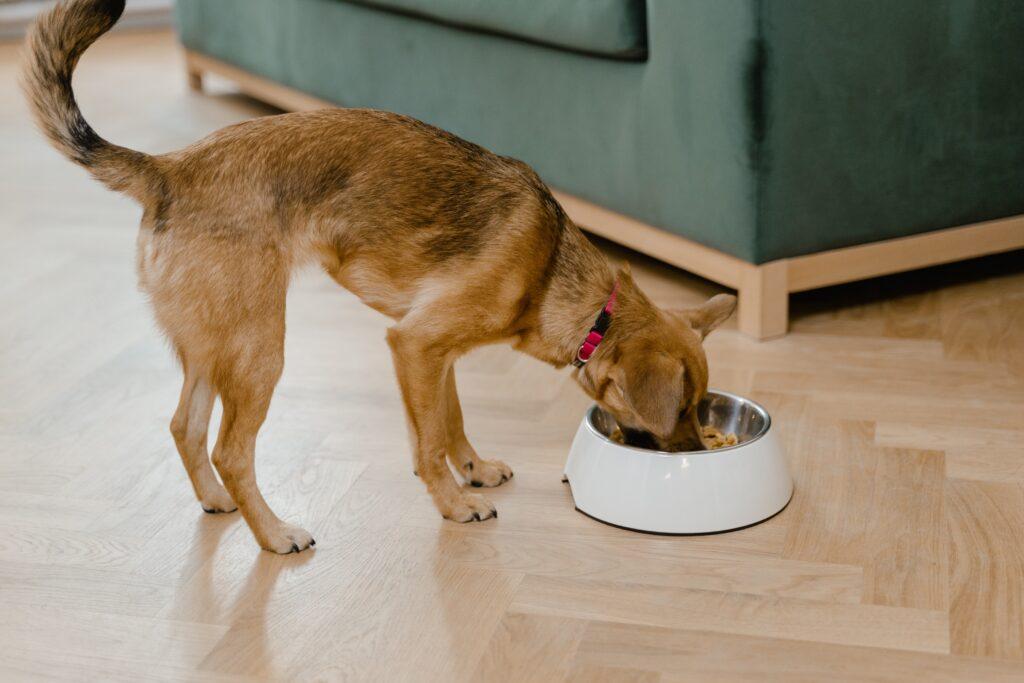
Ideally, you ought to give your dog food twice daily. Most crucial, these two meals need to be served every day at the same time. They will eventually develop a regular schedule for going to the restroom each day. You can also keep an eye out for any health problems. Dogs who are feeling under the weather might not eat as much. As a result, if your dog follows a regular eating schedule, any problems will be obvious.
Ensuring they don’t receive more food than what your veterinarian advises is crucial. For optimal feeding, it’s essential to speak with your veterinarian because some food labels might be deceptive. Remember that less priced dog feeds may not provide your dog with the same nutrients as products that adhere to the Association of American Feed Control Officials (AAFCO) nutritional requirements since they contain fillers like maize and brewers rice.
The feeding method that most dog experts advise against is letting your dog graze on a full bowl of dog food all day. This choice could be the simplest for dog owners with a hectic schedule, but your dog won’t gain anything from it.
When dogs have constant access to food, there is a greater likelihood that they may overeat, which can cause complications as they age like excessive weight gain or health problems like heart disease or diabetes.
Young puppies actually require a number of smaller, distinct meals in order to develop into healthy, powerful animals. As early as three to four weeks old, puppies are ready to begin eating solid foods. At that young age, it can be necessary to feed them up to five times per day. When using dog foods designed specifically for puppies, just keep the portions modest. The right amount of food for your puppy’s age and breed should be determined by your veterinarian.
When your dog reaches the age of six weeks, you can cut back on the number of meals to three or four per day. No matter what breed your dog is, three meals a day should be sufficient for them after eight weeks. Keep in mind that pups that are teething can start eating less for a while. Puppies between the ages of three and six months typically experience this.
Due to inactivity or health problems, dogs’ appetites may decline as they get older. They might not have the same amount of energy to run around as they did when they were younger, thus they won’t require as much food. You might wish to switch them to a senior dog chow that has fewer calories at this stage of their life, or just start feeding them less frequently.
Some older dogs are more vulnerable to a variety of ailments. In order to keep them healthy as they age, they will need to keep an eye on their eating patterns and maintain a healthy weight.
Please keep in mind that dogs have sensitive stomachs when feeding your pet. Frequently changing pet food brands could make them uncomfortable. If you decide to switch, make sure to do so gradually over a few weeks so they have time to adjust to the new flavor and recipe.
Overall, your dog is the finest resource for determining its needs. You can be overfeeding them if they appear to be in wonderful health but aren’t finishing all of their food. They may be deficient in important nutrients if they are constantly hungry.
It’s critical to understand what your dog eats. The quantity, rate, and manner in which they digest their meal will give you a decent idea of their health, level of activity, and general contentment.
If you are interested in any other information you can reach out to us on our contact page or visit our Facebook Page.
Articles from the Posh Dog Knee Brace team — a group effort with our licensed veterinary technicians and brace specialists, sharing 15+ years of experience helping dogs recover from CCL/ACL injuries and mobility challenges.
Without any negative consequences, milk and other milk-based foods are enjoyed and beneficial by many dogs. If you want to include dairy products in your dog’s diet, stick to these recommendations.
Any food given to dogs may cause conflict, but dairy products cause conflict more frequently than most.
Due to their high levels of protein, calcium, potassium, vitamin D, B vitamins, zinc, and other minerals, milk and dairy products are highly appreciated. Because of this plus the fact that the majority of dogs adore dairy products, milk and other milk-based foods continue to be common additions to canine diets.
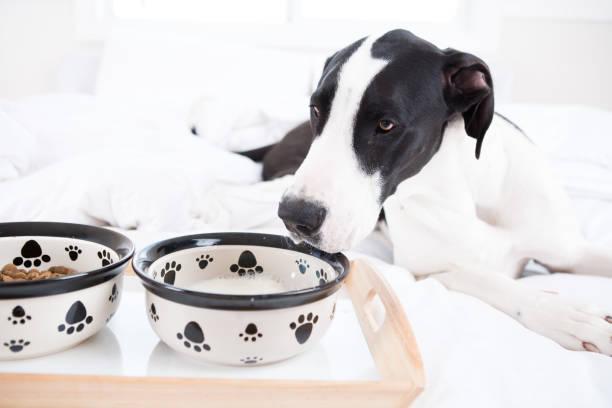
Healthy young puppies may easily digest their mother’s milk, but adult dogs frequently struggle to process lactose, the sugar found naturally in milk. Diarrhea, vomiting, appetite loss, bloating, gas, and other lactose intolerance symptoms are attributed to the lactose in cow’s milk.
The discussion of dairy for dogs up until recently centered on the production and processing of milk. Dairy cattle are frequently raised in cramped quarters nowadays, fed unsuitable diet, and given hormone and antibiotic treatments that leave residues and lower milk quality. People who believe milk is the best nourishment for adult dogs and puppies call for a return to small-scale, ethical, organic, grass-fed dairy farming.
The nutritional value of milk is said to have decreased as a result of pasteurization. Milk is pasteurized to eliminate dangerous bacteria, yeast, and molds; ultra-pasteurization (treatment at higher temperatures) further increases shelf life.
Critics of these practices assert that pasteurization kills the valuable enzymes in milk and changes the proteins in milk. These people recommend raw milk as the cure. Updates, resources, and safety information on raw milk are available from the Campaign for Real Milk (realmilk.org). While laws differ from state to state, raw milk products for dogs are available in a number of states at pet supply stores.
Additionally, homogenizing is criticized. As cream separates from fresh whole milk, it rises to the top. The majority of dairies sell homogenized milk, which has been processed under high pressure to break the cream into small particles and produce a homogenous combination. Some dairies sell whole milk with a layer of cream on top. It is uncommon to homogenize goat’s milk or sheep’s milk because the fat molecules are already tiny enough to produce a consistent texture.
While milk production and processing techniques continue to be important issues, genetics has altered the dairy for dogs discussion. A1 beta-casein, a milk protein, is produced by a mutation that affects over half of America’s dairy cows. Recent studies have suggested a connection between human health issues like allergies, dyspepsia, and possibly autoimmune illnesses and the consumption of A1 milk, which is produced by Holstein cattle, the most productive dairy cows in America.
In contrast, the older, original A2 gene is more prevalent in cows like Guernsey, Jersey, Charolai, Limousin, Norwegian Reds, and Brown Swiss cows. A Systematic Review of the Gastrointestinal Effects of A1 Compared with A2 Beta-Casein, published in the September issue of the journal Advanced Nutrition, is one of more than 200 studies comparing the effects of A1 and A2 milk in the medical literature. According to that study, both rodents and people who consume A1 milk experience gastrointestinal discomfort and have inflammatory response markers.
While there haven’t been any scientific studies comparing A1 and A2 milk’s effects on dogs, anecdotal tales from vets, breeders, and owners describe dogs with dyspepsia brought on by dairy doing better on A2 milk.
In American supermarkets and natural food stores, it is now simple to locate milk that is branded as A2 or A2A2 (which denotes that both parents of the cows who produced the milk have the A2-milk producing genes).
Sheep, goats, bison, camels, donkeys, and yaks are additional animals that can produce A2 milk. Any of these milks can be given as a supplement for young puppies or as a way to help sick or elderly dogs recover from their illnesses.
Dairy products manufactured from milk, particularly cow’s milk, may cause dogs either no issues at all or severe stomach disturbances. The common explanation for complaints is lactose intolerance.
In comparison to whole milk, cottage, Swiss, and cheddar cheese have much lower lactose content per ounce. Most dogs can accept string cheese or young (as opposed to aged) cheddar training rewards better than old hard cheeses. Mycotoxins, which can be poisonous to dogs, are present in ripened cheeses including Roquefort, blue cheeses, and Stilton. These veined, fragrant cheeses are made with roquefortine C, a toxin that can make dogs throw up, have fever, and even have convulsions.
The salt level in feta and various other forms of aged, hard cheese is considerable. Dogs with heart illness, Addison’s disease, advanced kidney disease, and other disorders that call for a low-salt diet might suffer from too much salt. Goat, Swiss, mozzarella, cottage, and ricotta cheeses often have minimal salt content.
The fat content of cheese, which can cause weight gain and, in rare situations, pancreatitis, a serious condition in dogs, is another issue. Mozzarella, cottage cheese, and cheeses marked “low fat” or “reduced fat” are examples of cheeses that are lower in fat. Moderation is your best cheese-feeding advice because eating large amounts of any cheese can lead to issues.
Whey, a leftover substance from producing cheese, has historically been fed to farm animals, including dogs. Whey protein powder is marketed as a sports supplement that can help canine athletes and dogs who are recuperating from illness or injury perform better. Consult your veterinarian and make any necessary dietary changes for your dog if they think they would benefit from a whey supplement. Some retailers and farms sell liquid raw-milk whey; visit getrawmilk.com for more information.
A microbiome is an umbrella word that encompasses colonies of bacteria, viruses, fungus, and other microbes in the body, particularly in the digestive tract.
Beneficial or “friendly” microorganisms emit substances that kill off undesirable bacteria. Colonies of good bacteria starve dangerous microorganisms by denying them resources and space if they are present in sufficient quantities. The immune system’s first line of protection is a healthy microbiome.
Dogs with yeast infections, inflammation, skin problems, allergies, and digestive disorders are frequently advised to consume lactofermented dairy products, which are probiotics that maintain the microbiome.
The most well-known fermented dairy products are yogurt and kefir, both of which have recently gained popularity as dog food. Especially after receiving antibiotic therapy, they support the body’s healthy bacteria by restoring digestion, boosting the immune system, and strengthening the immune system.
In natural food markets and pet supply stores, a variety of yogurt and kefir products, some of which include extra ingredients, are sold. These goods include fresh or frozen goat’s milk and cow’s milk products (check labels). Making your own plain, unflavored, sugar-free yogurt or kefir is the most economical and straightforward option.
Yogurt starters and live milk kefir starter grains that have been dehydrated are widely accessible. Both the fermentation process and active cultures, which continue to digest lactose while the cultured milk is refrigerated, aid in reducing the amount of lactose in milk.
While kefir ferments at ambient temperature, yogurt must be made in a warm, consistent environment, such an electric yogurt maker. Use organic, pasture-raised A2A2 milk or goat’s milk if you can. Kefir and yogurt should be refrigerated or frozen for long-term storage. Search online for “make your own yogurt or kefir” to find how-to videos on YouTube.com and other websites that walk you through the process.
Start introducing these foods to your dog’s diet in tiny doses, such as 1 teaspoon per 20 pounds of body weight. Wait 24 hours before checking for gastrointestinal issues like diarrhea. Add more the next day if your dog likes the taste and appears healthy. According to some experts, you should give your dog up to 2 tablespoons of yogurt or kefir per 20 pounds of body weight each day, but many healthy dogs consume much more. For the best outcomes, keep an eye on your dog’s reaction and consult your veterinarian.
Dogs enjoy frozen dairy treats much like their owners do, but it’s possible that the treats don’t reciprocate. Cow’s milk ice cream is likely to be artificially flavored, rich in fat, high in lactose (and presumably high in A1 milk proteins), and sweetened with sugar. Always check the ingredients; xylitol, which is highly poisonous to dogs, is a component of certain ice cream.
Typically lactose- and xylitol-free, dog-specific ice cream products may nevertheless contain sweeteners like maltodextrin, polydextrose, sorbitol, and other dubious substances.
Making a healthier substitute is as simple as freezing plain yogurt or kefir in popsicle molds, ice cube trays, or freezer pop molds. Before freezing, fresh fruit, peanut butter, or other sugar-free flavorings can be added. Wooden sticks can also be used to hold the dog treats.
It’s no secret that dogs adore dairy products! Your dogs can fall in love with milk-based products that love them back thanks to carefully chosen ingredients. If you are looking for more information you can contact us through our contact form or you can visit our Facebook Page.
Articles from the Posh Dog Knee Brace team — a group effort with our licensed veterinary technicians and brace specialists, sharing 15+ years of experience helping dogs recover from CCL/ACL injuries and mobility challenges.
Here is the best advice and tips on how to bathe a dog, from selecting the right shampoo to washing a dog’s head.
A little shampoo, some water…. How challenging can bathing a dog be? Occasionally, harder than you’d expect. Regular dog baths are an essential element of pet care, regardless of whether your dog enjoys them or flees when you say “B-A-T-H.”
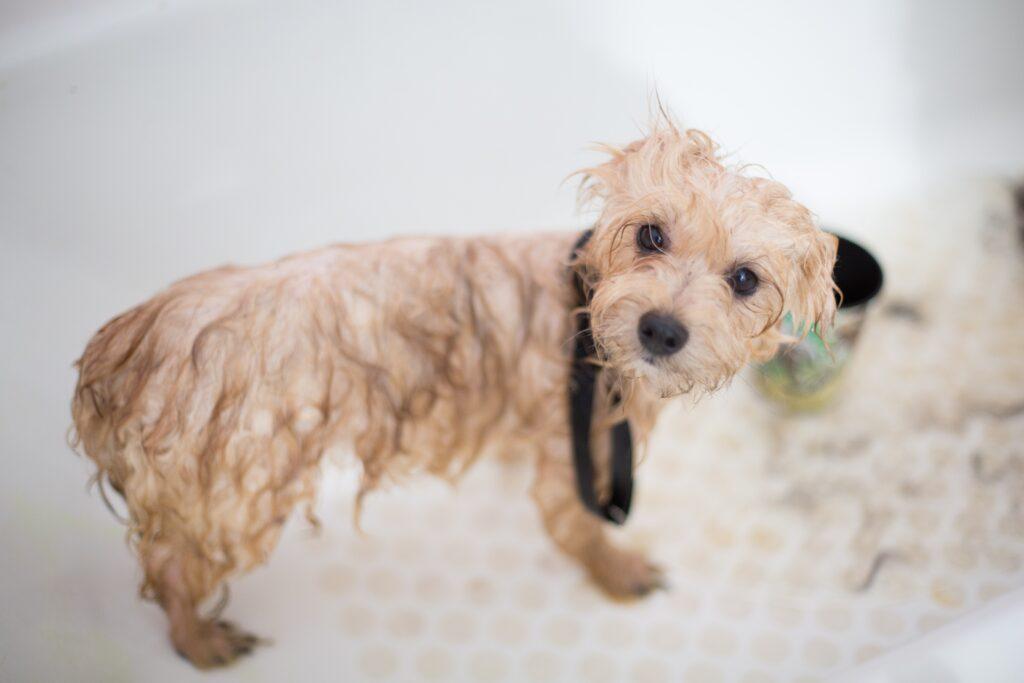
You usually don’t need to bathe your dog more frequently than once a month, unless your pet had spent the afternoon playing about in mud puddles. Breed-specific factors come into play here; for example, longer-coated dogs may need more regular bathing or even visits to a groomer. Consult a groomer or your veterinarian if you’re unsure how frequently to soap up your dog. (IMPORTANT TIP) Giving a bath once a month is crucial, though.
Dogs develop a completely new layer of skin cells every 30 days or so. “The aged cells therefore slough off. Dander and other similar products are produced in this way. Therefore, regular grooming or bathing helps to reduce that dander.
Your initial choice will probably be where you will bathe your dog. Your decision will probably be influenced by the size of your dog. A little dog might fit in the kitchen sink for a bath, but a large dog will need more room. Some pet owners like dog-specific bathtubs, whether they are standalone units, built-in units, or located in a DIY dog bath facility. Fur and filth can be prevented from blocking your family bathtub by using a designated dog bath space. But it’s also acceptable if you want to bathe your dog in the household bathtub. Simply pick a location where you can bring your dog in and out of the cleaning area without risk.
Then, make sure you have all your supplies and tools close at hand before turning on the faucet. You don’t want to have to go around your house chasing a wet dog in search of conditioner. Of course, you’ll need towels, shampoo, and conditioner on your supplies list. Just in case, you might also want an eye wash and a non-slip bath mat.
You need to start with the correct supplies if you want to give your dog a thorough bath. Make careful to use shampoo designed exclusively for pets. Dogs’ skin has a different pH than people’s. Therefore, they are more alkaline. It can irritate someone’s skin if they use shampoo designed for people.
Puppy-specific shampoo may be a good idea when bathing a puppy. Puppy shampoo’s pH is similar to that of a dog’s eyes, so if any goes in there, it won’t bother the eyes as much.
Ask a groomer what products they use if you’re unclear of the ones to choose for your particular dog. Use a gentle shampoo, a shampoo made to treat the ailment your dog is having, such as itchy skin, may be the best option.
The crucial next step is applying a conditioner to your dog’s coat after shampooing. When doing your own grooming at home, you should always follow up with a conditioner because using shampoo strips the skin and hair of many of their natural oils. Therefore, your conditioner both hydrates the epidermis and seals up every cell on the exterior of the hair shaft itself. “Basically, using the conditioner is rehydrating.”
The real fun starts once you have selected the ideal location and ready-to-use supplies. Here is our bathing process:
One of the trickiest steps in giving your dog a bath is washing his head. Avoid getting water or soap in your dog’s eyes, nose, or other delicate body parts. Delaying this step until after the bath and suggests wiping your pet’s face with a washcloth.
Your dog’s head and face should be gently washed with the washcloth dipped in soapy water. After that, rinse with clear water using a fresh washcloth. Make sure all of the soap is removed from those locations.
You should try to avoid the eye area as much as possible when applying shampoo, even if the shampoo is intended to be gentler on puppies’ eyes. Have an eye wash on hand to use if shampoo does get in your dog’s eyes. Moistening eye goobers on your dog before gently removing them with a toothbrush.
Even though some dog breeds adore the water (golden retrievers come to mind), many dogs tremble at the mere sound of the bath tap going on. Give your dog lots of praise while bathing him to help combat this. Treats are preferable to praise. When your dog next sees you gathering the dog shampoo, make sure he associates it with good things.
Having a companion hold the dog while you give him a wash is also beneficial. Additionally, if at all feasible, begin bathing your dog as a puppy to get him accustomed to the experience.
First, try your best to towel-dry your dog. Then, put a human hairdryer to a medium or cool setting or use a hairdryer designed specifically for dogs. When your dog is drying off, start brushing him. As long as your dog doesn’t shiver excessively or get the chills, you might also let him air dry.
“Every 10 or 15 minutes run a brush through them as they’re drying and that’ll help avoid mats or help separate mats if they have them,” if you’re air-drying your dog.
Your dog will look and smell better after a bath. Additionally, you will feel good knowing that you did something good for your dog’s wellbeing and appearance.
If you have any questions you can reach out to us through our contact form or you can check us out on Facebook.
Articles from the Posh Dog Knee Brace team — a group effort with our licensed veterinary technicians and brace specialists, sharing 15+ years of experience helping dogs recover from CCL/ACL injuries and mobility challenges.
Hey guys, today let’s discuss hips and joints, and why it is so important to do your research if adopting a dog from a “breeder”. Unfortunately, just because a puppy has a hefty price tag, does not mean they have had proper health screening. Today we will explain why this simple step can save you literally thousands of dollars, and a lot of heartbreak. So, you see an add for a cute little fluffy golden retriever puppy (maybe a doodle mix), not papered, and for a great price. Good deal, right? You aren’t planning to breed, so in your mind it is meant to be, and the price is half what you have seen other goldens/doodles go for.
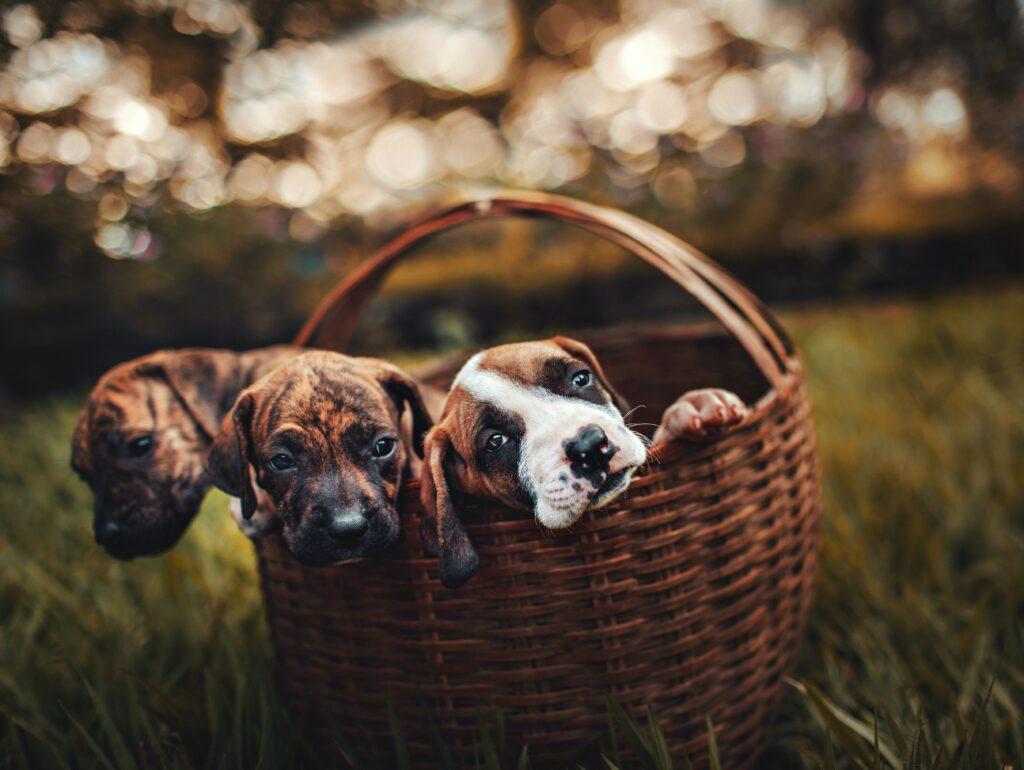
Wrong! Backyard breeders, those who are breeding just for the profit, do not do any health screening. Unfortunately, they get away with this quite frequently. These poor puppies end up with so many health related issues. Did you know that golden’s are the poster child for bad hips and joints, due to people not doing proper health checks and background checks, and overbreeding them? Yes, the parents may seem healthy and well taken care of, vet records look good, vaccinated, but how about their joints and eyes?
I can’t tell you how many broken hearts I have seen, because someone brings in a 9 month old puppy that has bilateral hip dysplasia, so bad that there is barely a socket. In these cases, each hip can cost up and above $10,000 each, not to mention the elbows and the knees will most likely be terrible. Now, this adorable 9 month old otherwise healthy puppy is looking at a lifetime of extreme pain, and being completely crippled by age 2 without extreme surgeries.
This is not that uncommon; I just had a case last week. This scenario is completely preventable as well if the breeders had just done their part. Even if you have dog insurance, 20% of $20,000+ in surgeries is still a good chunk of change. Goldens are not the only breeds affected, many large breeds suffer from hip and joint arthritis. Small breeds tend to get luxating patellas and eye issues, which can also be genetic. If the parents have a major joint issue, you can bet the pups may as well.
What can you do as a potential adopter? Ask to see the hip and elbow certifications, prior to visiting a puppy. Do not visit the puppy before asking, you will fall in love with the pup and take him/her home, trust me😊 Make sure that the owners have done either OFA certification of both hips and elbows, or at the very least Pennhip certification. If either of the parents is under 2 years of age, you can bet they did not do the certifications, as they pup needs to be at least 2 years of age to OFA certify the hips, and at least 6-9 months for pennhips.
These are not perfect, however, they are a good indicator of future health concerns. Do not adopt a pup from any breeder with hips that are less than “good”. They go “excellent”, then “good”, “fair”, and of course “poor”. Fair and poor are obviously bad, and should not be ever bred. A first puppy wellness exam is not good enough. They are just checking teeth, weight, and for hernias (also genetic). This will absolutely not tell you if this pup will be healthy still in 9 months.
Now, if you find yourself adopting a puppy or adult dog from a shelter, make sure they have a proper vet examination prior to taking them home. You usually have 3 days to do so. I have had many people take home a dog to find out that the knees both have CCL tears or severe dysplasia. Unfortunately, you can’t insure this with any pet insurance, as it was a previous condition. Make sure that you are in a financial spot to take care of this sweet dog, so he/she is not carted back to the shelter and stressed even more.
We can definitely help you with bracing the CCL tears if needed, however, make sure you know exactly what health issues there are prior to adopting. If you adopt a puppy, I certainly would get insurance right away. Also, there are many good breeders, who have generations upon generations of certified dogs, all health screened and with sound hips. Just make sure you find the right one.
The takeaway here is that it is always a good idea to health screen and find out the history of your potential new family member, prior to adopting. Even if the breeder has a health guarantee, could you honestly take back a 9 month old puppy that your family has bonded with, knowing they will be most likely put down? It breaks my heart to talk to someone that has a very young dog with preventable diseases.
Unfortunately, by purchasing these dogs to ‘save’ them from the breeder is just encouraging that breeder to keep going. The only way to stop the cycle is to stop purchasing puppies from breeders who do not do the proper health screens. If purchasing a small breed, such as a breed that is brachycephalic or a “squished” cute nose, make sure the eyes have been certified. These breeds are very prone to cataract issues, and can go blind at a young age without surgery.
Perhaps instead of going to a breeder, it is better to adopt from the shelter, as most shelter dogs come with a full vet exam, and at least you will know what they have prior to adopting and can prepare. Most shelters have certified technicians and vets on staff, that would be more than happy to explain any health issues, and what you are looking at. If you have any questions, or need advice, always feel free to contact us or visit our Facebook Page for more tips!
Articles from the Posh Dog Knee Brace team — a group effort with our licensed veterinary technicians and brace specialists, sharing 15+ years of experience helping dogs recover from CCL/ACL injuries and mobility challenges.
Hey guys! This is Nikki, Lead Veterinary technician with Posh Dog Knee Braces, and today I would like to discuss the hard decision of how to pick conservative management, and if that is the path for you. I am going to be attaching an excellent article, written by Dr. Narda Robinson, DVM, from Colorado State University. Note, this article is from 2012, but sadly what she said is still 100% true, and most studies done are still being ignored, even if they show proof that surgery is not always the best option for our beloved furry family members.
https://www.veterinarypracticenews.com/questioning-canine-cruciate-ligament-surgery/
Here Dr. Robinson goes on to talk about 8 false claims that surgery is best for your dog. Have I mentioned I love her! Her genuine honesty in the Veterinary field is a breath of fresh air. In this article, she uses actual facts and her experience to back up false claims that TPLO is the ONLY option for every dog with a CCL/ACL or meniscus tear.
She also dives into the diversity comparing humans to dog knees, and why the veterinary field is so quick to tell you they are different. Because they know that in human medicine, people choose conservative management, and go on to lead perfectly healthy and active lives ALL the time. They also know, that in no way would a person elect to have their tibia completely severed in pieces, and literally screwed back together to fix a ligament tear.
Just last week, I took my son to a human orthopedic Dr. for a recheck of his arm. We got to talking about our pets, and he told me that his 8 year old Labrador retriever had a CCL tear in the left hind leg. I asked if he was considering the surgery, and he immediately said no. He said there was no way he would put his dog through that expensive surgery right off, without at least giving his dog a few weeks to see if he made any improvements.
We discussed bracing and Conservative Management , and he immediately took my card and said what a great option we had. So, here we have a trained orthopedic surgeon for humans refusing to do surgery on his dog, because he knew from experience that it was not always warranted.
We can always do more with conservative care, such as weight loss, supplements, diet changes, PRP, massage, acupuncture, laser, hydrotherapy, and much more! I always tell people, you have a lot of options initially, and surgery may eventually be warranted, however, you do have some time to explore alternative solutions first. We can always do more Conservative Management, but once you cut the bone, there is no going back from that, especially if your dog is the 1 in 4 that has a lifelong complication.
Please check us out at poshdogkneebrace.com, or you can leave us a message on our contact page if you have any questions about Conservative Management.
~Nikki, Posh Lead Veterinary Technician
The Posh Dog Knee Brace is a 100% custom Dog knee brace, hand made only for your Dog. We make our custom brace with no casting. Our state-of-the-art brace for Dogs is very durable, waterproof, sand proof, and easily adjustable by customers. If you are interesed in purchasing a Posh Dog Knee Brace you can order a brace online or you can contact us with any questions you may have about or dog knee brace.
Articles from the Posh Dog Knee Brace team — a group effort with our licensed veterinary technicians and brace specialists, sharing 15+ years of experience helping dogs recover from CCL/ACL injuries and mobility challenges.
Hey guys, this is Nikki, Lead Veterinary technician with Posh Dog Knee Braces. Today let’s discuss bracing after surgery. So, your dog had CCL surgery, be it TPLO, TTA, or Lateral suture. Now you are wondering what can be done so that your dog does not have to go through that a second time. Is there a way to prevent a second knee injury? Let’s dive deeper into this very controversial topic.
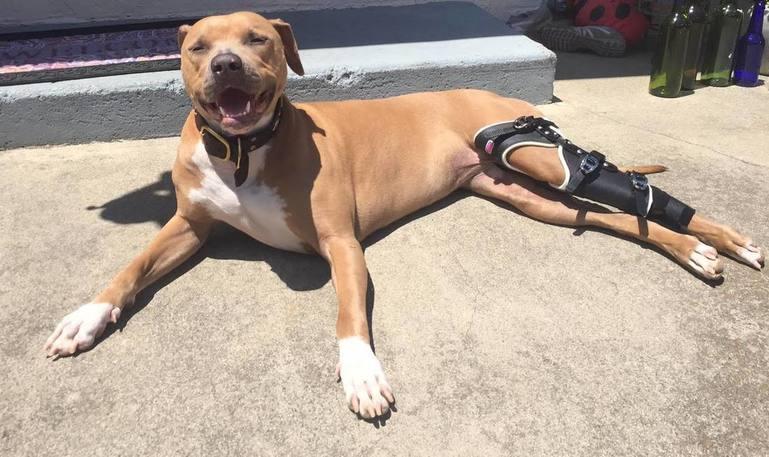
First off, the statistics don’t lie. Once a dog has a CCL tear, there is a good chance the other leg will go. Now, this is not a guarantee, but it is very common. The reason? Your dog is now overcompensating on the good legs, as the injured leg is not able to weight bear as it used to. Even after surgery, which can take about 8+ weeks to recover, there is a 2 month plus period where your dog is still overcompensating on the other side. In order to help your dog recover smoothly, you might consider a knee brace for bracing.
What can a knee brace do for the good leg? Well, it can help prevent an injury. After surgery, your dog will need to be on bed rest for the 2 month period, however, after that there will be a time to do physical therapy. There will be some amount of atrophy in the surgical leg, until we get mobility back, and it is hard to say how long they will overcompensate. This is why there is a higher incidence of second knee injuries in patients that have surgery. Now, if we brace post-operatively, we can hopefully prevent the second knee from tearing, and give your dog a much smoother recovery period.
Some patients will also choose to brace the post-op leg as well, depending on the surgery performed. If you chose to do the lateral suture surgery, then I would definitely brace both legs post-op, as the time of overcompensating post lateral suture is much more than with TPLO or TTA.
So, by bracing the second leg we can not only help your dog with a much smoother recovery period, but we might be preventing a second injury all together. Many of our patients brace post-op with great results so far. This gives you peace of mind that you are doing everything possible to get your pup back in top form.
As always let us know if you have any questions about bracing! You can email us through our contact form, and my phone number is 509-412-3065. You can also check out more information on our Facebook Page.
Articles from the Posh Dog Knee Brace team — a group effort with our licensed veterinary technicians and brace specialists, sharing 15+ years of experience helping dogs recover from CCL/ACL injuries and mobility challenges.
Dog Toys are not a luxury but rather an absolute necessity for dogs and other pets.
The well-being of your dog depends on its toys. When you must leave your dog at home, toys keep them entertained and reassure them when they’re anxious. Even the development of some negative behaviors in your dog can be delayed with the use of toys.
Dogs are frequently more than happy to play with whatever object they can get their paws on. To avoid any “unscheduled” activities, you will therefore need to monitor your dog’s playtime carefully.
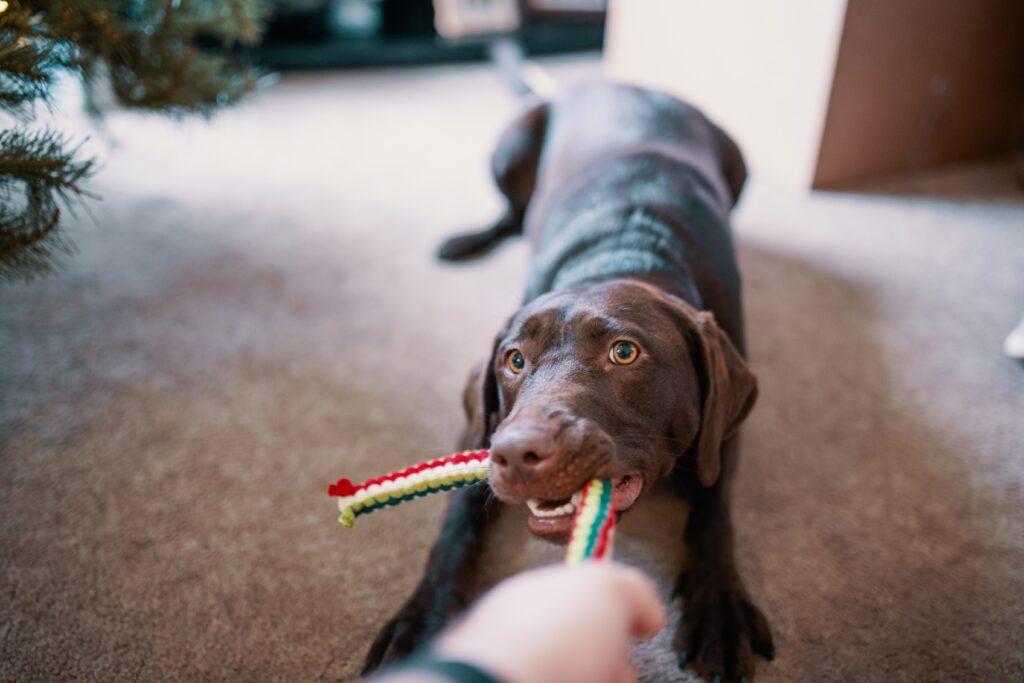
The size, activity level, and preferences of your dog all play a part in determining whether a dog toy is safe or dangerous. The environment in which your dog spends their time is another factor to take into account. The safety of any particular toy cannot be guaranteed, however we can provide the following recommendations.
Dogs typically find the most dangerous things to be the things that they find most appealing. Remove all strings, ribbons, rubber bands, children’s toys, pantyhose, and other potentially ingestible materials from your home to dog-proof it.
Make sure the dog toys you buy for your dog are the right size. Smaller toys run the risk of being ingested or getting stuck in your dog’s throat.
If you don’t watch your dog playing with squeaky toys, they can eat the squeaking object since they feel the need to find and destroy it.
Toys that aren’t “dog-proof” should be avoided or modified by taking out any ribbons, strings, eyeballs, or other pieces that could be chewed off and consumed. Dog Toys that are tearing or starting to shatter into pieces should be thrown away. Check the labels on plush animals to make sure they are suitable for children under three and don’t have any poisonous fillings. Nutshells and polystyrene beads are examples of problematic fillings, but even “safe” fillings aren’t actually digestible. Though certain soft dog toys are more durable than others, keep in mind that they are not invincible. Soft toys ought to be washable in the machine.
If you’re considering giving your dog a rawhide chew toy, make sure to ask your vet which ones are secure and suitable for your dog. Give these toys to your dog only when you can keep an eye on them as they may present choking concerns.
Rawhide is a byproduct of the brutal international fur trade in large quantities. Consider toys made of extremely firm rubber, which are safer and last longer, as a kinder substitute.
Industry insiders categorize dog toys into many categories since they are now so common and diversified. Here are five categories for toys:
Tennis balls are excellent fetching toys for dogs, but they don’t hold up well to chewing. Tennis balls that have been eaten through should be thrown away since they could choke your pet.
An old t-shirt, pillowcase, towel, or other piece of filthy laundry, especially one that smells like you, can be quite comforting to a dog. Be aware that diligent fluffing, transporting, and nosing may result in the item being.
Puppies develop the impulse to chew on everything between the ages of 12 weeks and 6 months as their baby teeth fall out and their adult teeth begin to erupt through their gums. Providing children with teething toys will increase their comfort and protect your hands, shoes, and furniture. Rubber toys and sturdy nylon bones can withstand weeks of chewing without shattering into fragments that could be ingested. You may purchase specialist puppy teething toys that can be frozen and have calming textures printed on them.
Only have a few toys available at once to ensure weekly toy rotation for your dog. Maintain a range of accessible kinds. You might want to keep a favorite toy for your dog out at all times if it is soft.
Give your dog toys that may be used in a variety of ways, including carrying, rolling, shaking, and comforting.
Toys that are “found” are frequently considerably more appealing than toys that are clearly introduced. Your dog will burn off excess energy by playing the game of “find the toy” or “find the treat” without the need for much space.
Your dog should have a lot of engaging toys. Because dogs want active “people time,” interactive play is crucial for strengthening the link between you and your pet. Toys that promote the attachment between a person and their pet include balls, flying discs, and other items.
Your dog can release pent-up mental and physical energy from boredom by concentrating on a particular task, such as continuously returning a ball, or Frisbee or playing “hide-and-seek” with treats or toys, in a constrained period of time and area. Interactive play provides a chance for socialization and teaches young, hyperactive, untrained dogs about proper and improper behavior, such as jumping up or being mouthy.
For more information you can each out to us via our contact form or visit our Facebook Page.
Read reviews check out our Google Reviews online. Click Here
Articles from the Posh Dog Knee Brace team — a group effort with our licensed veterinary technicians and brace specialists, sharing 15+ years of experience helping dogs recover from CCL/ACL injuries and mobility challenges.
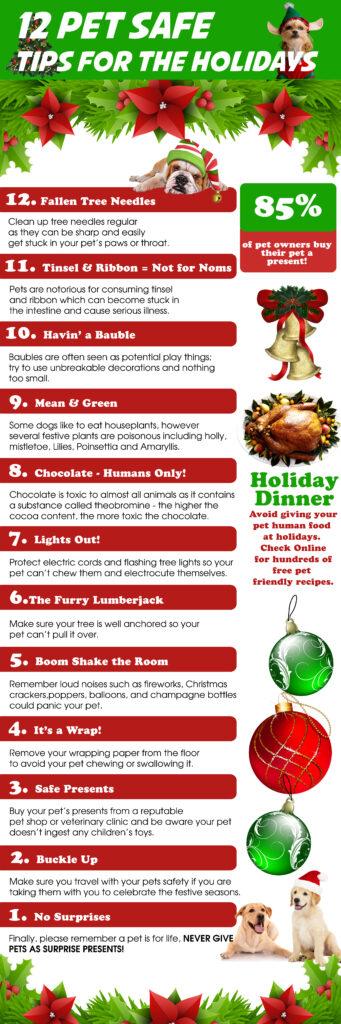
Keep your pet off of Santa’s bad list right up until his arrival! It’s the holiday season!
It’s likely that your furry family member will be present to take part in the celebrations when everyone is gathered around the tree to open gifts and spread joy and laughter. However, your pet might find the ideal moment to cause some trouble while everyone is preoccupied with presenting gifts and playing with new toys.
Your tree is probably going to be the focal point of the celebrations this year, but it may also be a tremendous temptation for your dog! Make careful to hang the shiny tinsel, bright lights, and ornaments in the shape of tennis balls out of reach of your animal pets. Some mischievous dogs could still attempt to jump on the tree, so leaving something noisy, like crumpled aluminum foil or a bottle filled with tiny objects, can alert the dancer of imminent danger. Additionally, if you have a live tree, make sure to pick up all of the fallen needles since if consumed, they can cause serious stomach discomfort in your pet.
Your pet’s health and safety are at risk from holiday plants other than trees. Keep in mind that plants like holly, mistletoe, and poinsettias are harmful to dogs, so keep them out of reach!
It could be a good idea to inspect all electrical decorations, both indoors and outdoors. To prevent your furry pals from getting caught and creating a mess, tape the wires to the wall!
When it’s time to unwrap presents, be sure to have a garbage bag on hand to dispose of wrapping paper, twine, and tape as soon as they’re no longer required.
It might be wise to confine your pet to a comfortable area with access to water if you’re expecting a large number of guests, at least until the ruckus dies down. Before your guests arrive, you might want to review your dog’s obedience commands; we don’t want Grandma to trip over a huge, puppy hug! Additionally, it’s crucial to let your visitors know they shouldn’t give your pets any table food. You wouldn’t want your dog to eat too much and have to spend the rest of the holidays taking care of their stomach ache, even if some foods aren’t particularly dangerous to them.
The team at Posh Dog Knee Brace hopes that these simple reminders allow your pet to have fun with the family this holiday season! If you would like any information on our brace you can reach out to us via our contact form or visit our Facebook page.
Read reviews check out our Google Reviews online. Click Here
Articles from the Posh Dog Knee Brace team — a group effort with our licensed veterinary technicians and brace specialists, sharing 15+ years of experience helping dogs recover from CCL/ACL injuries and mobility challenges.
We love to hear from our customers and how we helped their amazing pets! If you have a story you would like to share with us we would love to hear them. Here are a few success stories from our customers. If you would like more information about our brace you can contact us through or contact form our reach out to us through our Facebook page.
I have been very impressed with the Posh Knee Brace. Speaking with you a number of times before purchasing the knee brace for our dog as I told you on the phone when we spoke as an Exercise Physiologist and understanding the human physiology and movement you were able to explain to me how the brace works on a canine. I was very impressed by our conversations. I was also able to talk to 3 different veterinarians about the surgery compared to the brace. Two of the three liked the idea of trying the brace first and seeing if our dog improved, one wanted to only do surgery.
A couple of issues with braces in the past.
Braces slip — Well I can tell you Posh has not slipped on us once since we were trained on Tuesday Nov 23.
Dogs. chew it, bite it — Well our dog has had zero issues
Dogs do not like it — After the first day our dog does not mind us putting it on her at all
This past week we have been able to work with her and we have seen the improvement. Her gait is improving with the brace and without. Her leg strength and flexibility is improving daily. I have been very impressed with it seeing her improvement. I am taking her to a couple of veterinarians so they can see how this brace works instead of surgery. Hopefully, they will like it too.
Jim Smith
Mahi, our PitLab mix girl had a full Cranial Cruciate Ligament (CCL) rupture on her rear left knee in Feb 2016, when she was only 3 years old. We consulted couple of OrthoVets who are considered Best in the industry. Everyone of them recommended the dreaded TPLO surgery. Being an intuitive dog Mom, we decided to take the long, sometimes frustrating Holistic treatment route, and thus, started our research to find a Knee Brace that can help in our ACL journey. (Of course with an open mind, in case the holistic treatment fails, we will go the surgery route).
Given the varied options of Dog Knee braces out there, we were confused which one to pick for Mahi. Posh was recommended to us by an acquaintance. After speaking with Jim (owner) and Rick (Technician), we placed the order for our 1st brace. I was amazed how invested Posh is in our Dog’s well-being. We were just not a ‘Sale Account’ for them! They ensured the brace fits Mahi properly; they did frequent check-ins to make sure we don’t have any issue; they provided their recommendations on supplements, exercises, and many other stuff.
https://youtu.be/QZAQx29wMkU : The 1st Video shows Mahi’s condition before we got her the Posh Knee brace. Fast forward to today, June 2017, Mahi is going REGULARLY for close to 2 miles Hike on an uneven terrain. She also started playing fetch (briefly) – a game she loved and enjoyed before her accident. Thanks to POSH for helping our Girl be what she is…. a DOG, who loves to run and play with other dogs. I couldn’t even think of letting her run the way she is doing without those amazing Knee Braces!
https://youtu.be/Om4D4KkIils – Mahi enjoying to be a DOG, thanks to POSH
https://youtu.be/3ncojGjprI0 – Mahi loving being the Guard dog along with her Big Brother, Casper.
THANK YOU POSH. Much Love and Wags from our family to your entire team for being the AWESOME TEAM/COMPANY that you are.

NOTE From Posh Dog Knee Brace: Our Beloved Golden Angel Pasha had a complete rupture of her CCL and a severely damaged meniscus in her left hind leg in May 2013. Each day, we had been taking her to St. Augustine beach to play since 2007. From the very first Posh brace we put on Pasha in 2013, we designed our Posh brace to be marine proof, including salt water. It is wonderful to see Ollie frolicking at the beach wearing his flexible, salt water proof Posh Brace!
“When we first found Posh Dog Knee brace, we were skeptical; could it be that great? Well, we researched it a bit further. All of the reviews were positive (and the videos do not lie!). We decided to contact them for more information. From the beginning their customer services has been honest, quick, and, most importantly, consistent. They answered all my questions and it did not feel like just another sale, so we decided to move forward with the purchase.
In less than 2 months, Ollie has made incredible progress. We understand the healing process for all dogs is different, but nothing beats having Posh available to answer all our questions. I know that I can email them at any time and I will get an honest and quick answer to help my boy.
Ollie celebrated his 9th birthday swimming naturally with his brace on and this is only possible because of Posh; Ollie is enjoying himself and being a dog WHILE he recovers. I am forever thankful for Posh.”
FROM: PoshDogKneeBrace.com – Aprils’ father, Randy contacted us late Saturday evening on October 22, 2016. By Wednesday October26, 2016, this absolutely adorable girl April, was wearing a custom Posh Dog Knee Brace. It took us 3 days, not 3 weeks, to help April. This is because we have eliminated casting and are faster than any other custom Dog knee brace company, on the planet!
Not only do we make the best CCL brace, but we make sure it fits with a free video call with one of our superb Veterinary Technicians, as we did with April. Our passion is helping Dogs, and we would love to help yours.
“April is a mixed breed female tri-pawed, that we originally fostered for The Big Fluffy Dog Rescue. We failed at fostering and adopted into our family. She is a little over 3 years old with 4 surgeries currently under her collar. Three of the them on the same leg. You can follow her story on Facebook @Ionlyneedtwolegs (April’s Story).
About a year ago, we noticed her favoring her good rear leg. The diagnosis, a twisted CCL. We tried various remedies, laser therapy, massage, swimming, but each time she would eventually start favoring that leg. Very discouraging since surgery would be her only option, and well outside our budget. We questioned if any type of brace would help, but was told none existed. Luckily we saw a story on custom fitted braces for dogs diagnosed with a CCL injury. We contacted Posh Dog Knee Brace https://poshdogkneebrace.com/.
Although it was late on a Monday by the time we had all of the pictures and measurements approved/submitted, with rush delivery, we had the Posh Dog Knee Brace before noon on Wednesday. When the brace arrived the instructions and videos made it easy to ensure properly wearing. With a follow up Skype chat with the Vet Tech confirmed it was on correctly. Posh Dog Knee Brace has been available each step of the way.
Prior to receiving her brace April would stand on 2 legs with her injured leg shaking. The hip muscle was tight, and a noticeable loss of muscle tone. After 4 weeks of wearing the brace she is using the leg, the muscle is relaxed, and muscle is returning. Her mental attitude and zest for life has fully returned. She even seems to look forward to wearing the brace.
April is happy that we chose Posh Dog Knee Brace, and that they have provided her with a non-surgical solution. Without this option, we were beginning to feel a sense of failure in keeping the commitment to her care when we made her a member of the family.

FROM: PoshDogKneeBrace.com – Kelly shows and breeds gorgeous, healthy Great Danes. Please read her story about her experience with Posh Dog Knee Brace and one of our superb Licensed Veterinary Technicians. Helping injured Dogs recover from a painful cruciate injury – with NO surgery – is what we love to do!
“Our Journey on the Cruciate Injury Trail
On July 21, 2017 our then 14.5 month old Brindle Great Dane Buddy presented with an injury to his right rear leg. We first thought he pulled something or just landed wrong causing soreness after being outside in the dog yard playing. After 3 days of seeing no improvement we took him in to our vet to see what was going on. After researching we had a good idea that it was a cruciate injury but we were hoping for the best. It was in fact a partial cruciate ligament tear of the right knee.
Course of treatment was strict crate rest, a round of Ad e quan injections, supplements and Pulsed Electro Magnetic Field Therapy sessions weekly. I also wanted to look into braces for him for that added stability so that his leg had extra support when he went out on a leash or even in the house when he wasn’t in his crate.
Posh Dog Knee Braces came highly recommended by many and was my choice based off of construction alone. Buddy is a show dog and he needed a brace that would fit him well, was lightweight, very strong and flexible so that once cleared by our vet he could start getting fit again for the show ring and still be able to wear his brace on a continued basis for extra support.
Luckily a long time good friend of ours happened to have a Posh Dog Knee Brace that was for her Dane Admiral who is very close in size to Buddy. Thanks to Jami A. we were able to use a Posh Dog Knee Brace until we could purchase Buddy’s. This alone secured the fact that a Posh Dog Knee Brace was the best brace option for Buddy. I could not have asked for better customer service within a company like what we received. They made the purchase smooth and Jami came out to our house to measure Buddy for his and also came back out to make sure it fit him perfectly.
Fast forward to October 16, 2017 which was 13 weeks and 3 days post injury Buddy was cleared by Dr. Lori Cavitt at Henderson Animal Care Hospital to return to the show ring once he was fit. She was almost shocked at the quick healing time for Buddy. Between Pulsed Electro Magnetic Field Therapy, the Posh Dog Knee Brace and being very strict with him during his recovery, Dr. Cavitt mentioned that his healing was phenomenal for only being injured 13 weeks prior.
I can’t say enough nice things about the brace and the company itself. When any pet gets injured it’s tough seeing them hurt and being able to help reduce the strain of that injury and get them back to 100% means the world to their owner. I know it did for us. To be able to have Buddy return to the show ring at all, much less 13 weeks post injury is a godsend. Thank you Posh Dog for building a quality brace that was an integral part of Buddy’s recovery and will continue to help him through out his life when he needs extra support.
Kelly & Shawn F.
KindleFire Great Danes
Exhibitors of AKC Great Danes in Conformation, Obedience & Rally”

FROM: PoshDogKneeBrace.com – Jamie contacted us about her 20 Lb. Terrier Mix, Tilly, in July 2017. Typically
smaller Dogs leg topography can present a fitting issue. We gladly modified Tilly’s small brace, using new designs, until it fit perfectly. All at no extra charge.
“Posh Dog Knee Brace operates out of Palm Coast, Florida and produces knee braces for dogs who have suffered from CCL, ACL or other leg injuries.
I purchased one of their braces after having no luck with a similar company (Mutt Knee Dog Brace, the review is on their Yelp page if you are interested.) I found them online and saw some positive reviews on Facebook.
My wife and I decided to use this kind of treatment after ruling out surgery as we felt it would be too invasive and the risks were too great. Our vet basically told me that there was no guarantee that surgery would be beneficial and that recovery would take months anyway. We didn’t want to put my dog through the stress of surgery and the rehabilitation period, so opted for a brace instead. The brace itself was only about $200 cheaper than surgery would have been but we still felt that it was the right way to go.
Our dog is a 20lb chihuahua mix and her small size makes forming a proper brace somewhat of a challenge. Her CCL was badly torn in the rear left leg. She had been limping for about 3 months because the previous brace gave her no support and the vet insisted that surgery was the only option.
PDKB were really helpful every step of the ordering process. There was an initial skype measurement consultation with an affiliated vet tech to ensure that the owner takes the correct measurements. After the measurements were recorded I waited about a week for the brace to arrive. Unfortunately, the brace didn’t fit quite right and was sent back to PDKB to be adjusted. When I got it back PDKB set up another Skype consultation but it still wasn’t fitting properly.
The next thing I know, the owner of the company Skyped me and walked me through everything, taking a bunch of notes on the fit of the brace. I sent it back one last time for an adjustment and when I got it back, had another skype consultation to check that everything was working right. PDKB held my hand through the entire process and never made me feel like I was an inconvenience. Everyone really seemed to care about my dog’s recovery.
The brace itself is a simple polymer shell with an EVA foam type lining that is stitched together. The pieces are riveted together with nylon webbing, velcro, and D straps allowing for adjustment. It’s not a medical grade job or a mass-produced medical accessory. It’s clearly handmade, but I couldn’t care less about that. The thing is well thought out, provides plenty of support to the leg and allows for adjustment as the leg regains muscle mass. This was an important factor in choosing this particular brace because my dog’s leg had atrophied due to the injury.
My dog has been using the brace for about 6 weeks now and she’s gone from not bearing any weight at all to walking normally with and without the brace. I still ensure that she wears the brace on walks as it provides a lot of lateral support, but she runs around the house and even stands on her rear legs without the need for the brace.
I honestly wasn’t sure about PDKB after my terrible experience with the Mutt Knee Brace but I’m glad I opted to go this route instead of getting the surgery.
The recovery she’s made has been miraculous. There was a time when I didn’t know if she would ever walk normally, let alone run, again. Now she’s playing fetch and going swimming as if nothing ever happened.
The one criticism I do have about PDKB is that their website really needs a better UI/UX design. It looks like an Angelfire website from the late 90s. A lot of spammy text, not much transparency. It left me initially very hesitant to buy the brace.
For example, a video of a vet talking about the brace but no actual address for the company or name of the owner. I even know the name of the owner’s dog Pasha, who suffered a leg injury and was the first dog to recover by using a PDKB (so the story goes.) To me this seems like they don’t want to be held legally responsible for dogs who don’t recover. I had to sign a bunch of paperwork during the process so I think the company is covered in this regard. There needs to be a more personal touch. Is it bad for business if this thing wasn’t invented by a vet? I don’t think so. There are already videos of vets who give their stamp of approval. Why does it matter if the guy who founded the company isn’t a vet?
If I knew the name of the owner (the guy who helped me on Skype, sorry, forgot his name) I would thank him personally for creating this contraption! Job well done!”
Additional Note From Posh: We use Velcro, not micro-buckles on smaller Dogs, due to limited space. We totally agree with Jamie about our website and we are going to launch a new state-of-the-art site before August 2018. (We loved her analysis of our current site – so true!) We also apologize for failing to name the owners of PoshDogKneeBrace.com / Posh Ortho Dog Inc. – Jim and Beth Morrison, Pasha’s parents. We thank Jamie for her constructive analysis!


Read reviews check out our Google Reviews online. Click Here
Articles from the Posh Dog Knee Brace team — a group effort with our licensed veterinary technicians and brace specialists, sharing 15+ years of experience helping dogs recover from CCL/ACL injuries and mobility challenges.