Today I want to discuss a popular topic, and that is early spay and neutering, and the correlation with ligament tears. Now, we are not saying that you should not fix your dog, only the reasons that you should wait until the appropriate age (depending on breed) to do so.
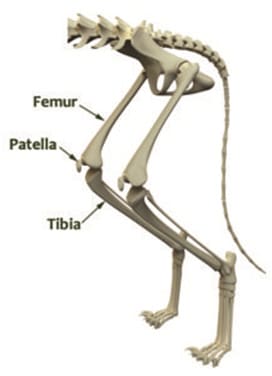
For most breeds, especially our giant breeds, we need to wait 12-18 months, to give the hormones a chance to work, and for our bones to finish growing. The Femur and tibia can take up to 14 months to finish growing, and if we take away the hormones too early, then it can cause these bones to grow longer than they should, thus altering the knee angle, and putting too much pressure on the knee, hips, and spine.
In recent studies, it is shown that dogs being fixed too early are 2 times more likely to have a CCL tear, and 3 times more likely to develop Luxating patella issues. Also, in a closed study it was shown that 97% of patients getting hydrotherapy for hip dysplasia had been spayed or neutered before 1 year of age.
Looking for more information? You can reach out to us through our contact form or Facebook page.
Read reviews check out our Google Reviews online. Click Here
Articles from the Posh Dog Knee Brace team — a group effort with our licensed veterinary technicians and brace specialists, sharing 15+ years of experience helping dogs recover from CCL/ACL injuries and mobility challenges.
Hi guys, this is Nikki, lead veterinary technician with Posh Dog Knee Braces. Today, let’s discus osteoarthritis (OA) in dogs. Osteoarthritis is the most common form of arthritis in dogs, affecting about 25% of our dog populations. This is a chronic, not acute, disease that is due to loss of joint cartilage (our buffers), thickening of the joint, and bone formation around the joint leading to pain and limping. A lot of our OA patients have other developmental issues or disease, which predisposes them to having OA. This includes Cruciate disease, hip dysplasia, elbow dysplasia, OCD, patella luxation.
Sometimes, there may not be a reason that this occurs, and a patient just develops for no known reason. Some factors that can make this worse include obesity, gender, breed, exercise, and diet.
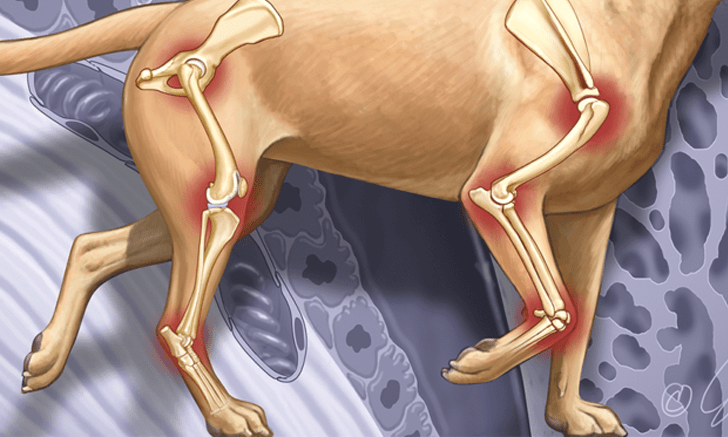
Signs of OA are sometimes reluctance to walk or exercise, acting stiff, limping, bunny hoping while running. Pain on palpation, possible aggression or discomfort is also usually present. They hurt and ache.
This is why it is always good to have an xray with limping patients over 6 years old, to rule out other things that can cause limping such as OA.
Treatment of OA includes weight and diet control, such as feeding Raw diet or diets with better protein, less carbs. Limiting the higher impact activities, such as running or jumping, replace with leash walks and range of motion activities. Physical therapy can really help build back those lost muscles, such as swimming. Laser therapy can also really help.
Supplements with fatty acids, such as fish oils, or green lipped muscle have shown to really improve quality. Adequan injections are one of the only leading products right now specifically formulated to fight OA, and prevent things from getting worse, I strongly recommend. Bracing may also be needed, to help alleviate the pressure on the joint, and act as a support and shock absorber, especially if it was due to CCL disease. Bracing may also help build back lost muscle, and alleviate the pain with walks.
Lastly, some form of anti-inflammatory may be recommended, but there are several natural anti-inflammatories that may be tummy safe, such as CBD oil or white willow bark.
Dogs that have undergone surgery, such as TPLO, have been shown in many studies to have more 77% more OA just 8 weeks post op than before on radiographs. So, if a patient has had TPLO, there is a much higher chance that dog will develop arthritis later on.
Thanks, and please visit poshdogkneebrace.com with any questions, or visit our Facebook page we are happy to help!
Read reviews check out our Google Reviews online. Click Here
Articles from the Posh Dog Knee Brace team — a group effort with our licensed veterinary technicians and brace specialists, sharing 15+ years of experience helping dogs recover from CCL/ACL injuries and mobility challenges.
We are used to reading that regular walking will keep your dog healthy. How frequently do you walk your dog though? How often should you do this? How much activity do dogs actually require? How can I make the most of a dog walk? Find all of those answers right here!
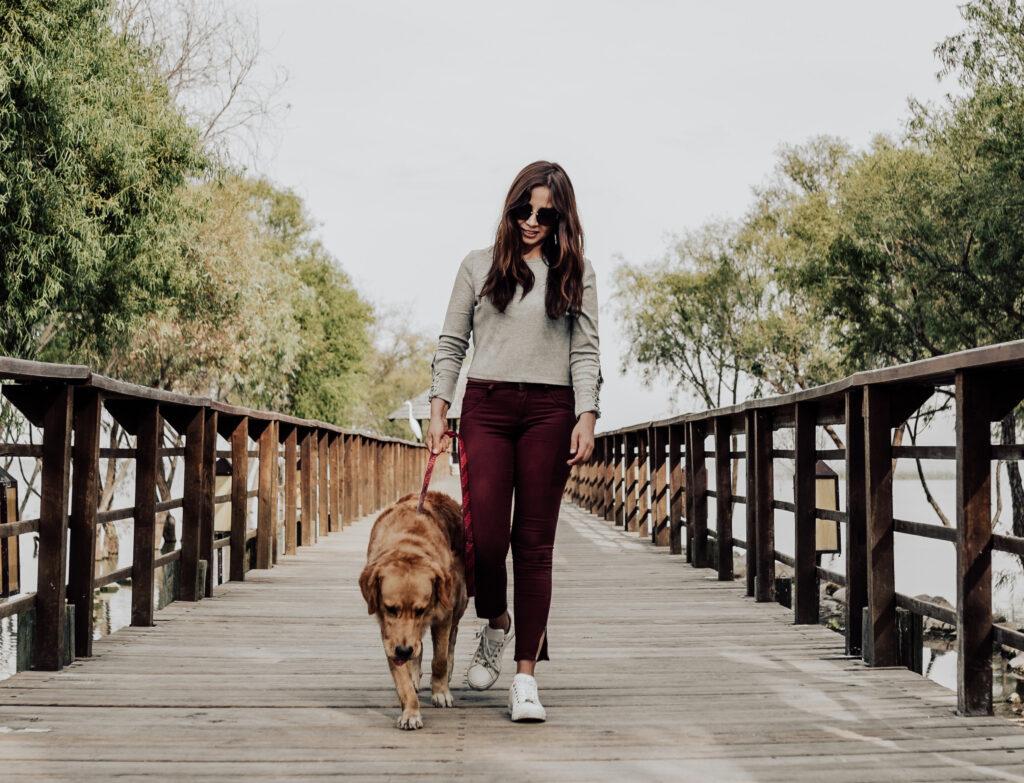
It’s generally advised to take your dog on a walk for at least 15 minutes three to four times every day. However, this may change depending on your dogs:
Smaller dogs might benefit from just one daily stroll, but high-energy dog types will need multiple walks. Is one of those breeds your dog? Are you an active person who wishes to spend more time exercising with your dog? Perhaps you are unsure of the precise amount of exercise your dog need. A trip to the vet is advised in that situation. They will be pleased to offer you practical hints and walking guidance tailored to the particular conditions involving your dog.
Every dog belongs to a distinct breed group, and every breed has unique exercise requirements and restrictions. Giving you a good idea of how much activity to aim for, it’s simple to stay on track after your daily goal has been established.
The amount of sleep your dog receives is as crucial to how much walking you should undertake. After all, a full day of action calls for a restful sleep. Learn your dog’s sleeping patterns, check to make sure they’re getting enough (quality) sleep, and determine if anything seems off. For instance, excessive sleeping could be a warning that you should consult your veterinarian.
If you’re a really active person, these high-energy breeds will fit your lifestyle:
Outdoor activities are the ideal method to develop a relationship with these animals. Your dog will make the trip more enjoyable whether you choose to stroll, hike, or run.
These dog breeds require more exercise than others:
If your dog falls into one of these categories, aim to push them beyond their physical limits while also testing their training and cognitive abilities. The dogs in these categories will find ordinary games dull, so feel free to get inventive!
Did you realize? These dogs need a minimum of 2.5 hours of intense activity per day.
This can readily be translated into at least four daily walks of 20–25 minutes each. Due to their high intelligence, dogs in this category should also be given mental challenges. A minimum of 30 minutes should be set up each day for intelligence game sessions with them. Make sure to outfit these puppies with an activity monitor so you can follow them on all of their outside escapades.
Terrier dogs come out as little, vivacious, strong-willed, and trainable. Although there are only a few dogs in this pack, they nevertheless require a lot of exercise.
Advice: Terriers require at least 1.5 hours of exercise each day.
A reasonable walking routine might involve three 20–25 minute walks each day. For this group, you might want to add some games that need cerebral exercise. It should be difficult enough for 20 minutes a day to keep them active.
Breeds belonging to this group, such as:
Definitely need a challenge in the activities. For them, a minimal amount of daily walking and exercise is one and a half hours. Since these dog breeds enjoy running as well, feel free to begin a running exercise with them as long as you take your time and account for your dog’s age.
It’s important to remember that dogs in this group should take at least three daily walks of at least 30 minutes each, in addition to engaging in cognitive activities.
Chihuahuas and other small dog breeds are typically what we refer to as companion animals today. Avoid subjecting these low-energy breeds to long periods of strenuous activity. Instead, allocate shorter amounts of time for enjoyable activities like games and regular strolls to keep the kids active.
Overly active dogs, such as those with short hair, can have detrimental effects. Since they have less fur, they are more prone to respiratory problems and easy overheating. Take these breeds on quick, uncomplicated strolls. Activity monitor your dog to keep tabs on your tiny dog’s daily exercise to make sure it doesn’t exceed recommended levels.
Watch out: These dog breeds only need two daily, brief walks.
There are several benefits for your dog in frequently walking with you. Some of these explanations have to do with your dog’s health, while others have to do with its training. While following you and moving at your pace while on a leash, your dog might learn discipline.
Are there any considerations you should make when walking your dog? Safety comes first as usual.
Only when you are confident your dog won’t run away and you are in a safe, unpopulated place should you try off-leash dog walks.
Don’t punish your dog if they do manage to escape. Your dog must not identify your return with any sense of wrongdoing or resentment. Keep your dog on a leash at all times if you find that they have a tendency to run away. Make sure to teach your dog the fundamental safety commands as another safety advice. They are not only simple to teach, but they can shield you and your animal companion from risky circumstances.
A dog parent’s life includes taking their dog for walks frequently. A short stroll helps your dog behave better in social situations and strengthens the connection you share with your dog. You may have fun while working to keep your dog healthy if you view dog walks as enjoyable times of the day.
Another way to lessen destructive chewing or scratching is to take your dog for a walk (should this be an issue your dog is facing).
However, the advantages extend beyond your dog! In fact, going outside to spend time with your dog can improve your general wellbeing and level of fitness. Daily walks can reduce your risk of developing diabetes, strengthen your bones, and lower your blood pressure. So, why are you still waiting? Get your dog outside and walking!
For more information you can reach us on our contact page or visit our Facebook page for more tips.
Read reviews check out our Google Reviews online. Click Here
Articles from the Posh Dog Knee Brace team — a group effort with our licensed veterinary technicians and brace specialists, sharing 15+ years of experience helping dogs recover from CCL/ACL injuries and mobility challenges.
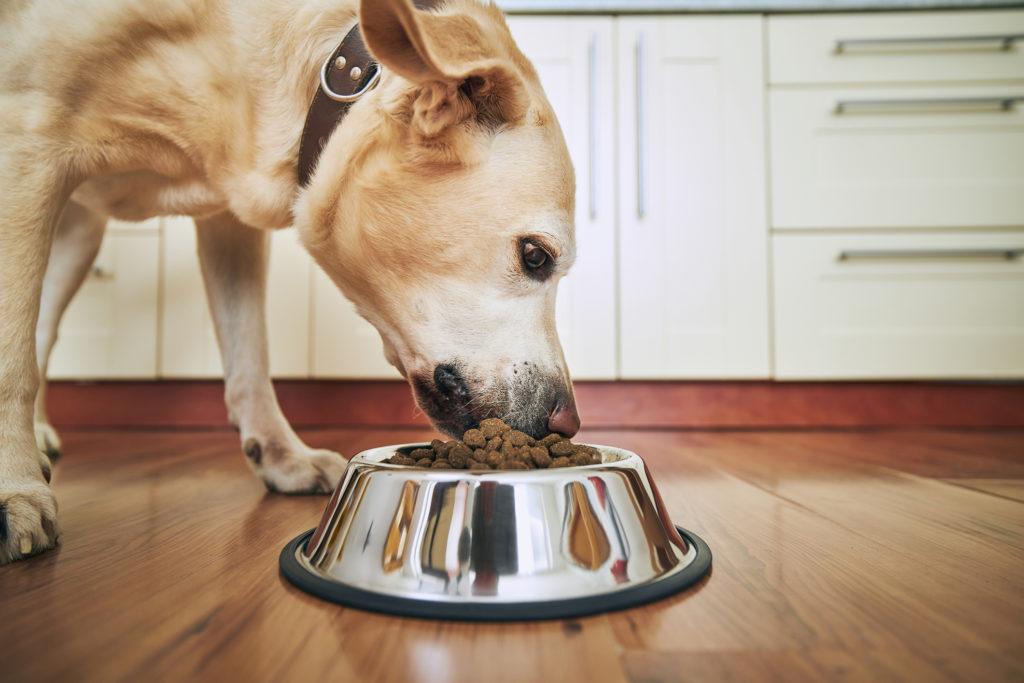
Hey guys! Nikki here, lead veterinary technician with Posh Dog Knee Braces. Today I would like to discuss the different food energies proteins (cooling, neutral, warming, and hot). Our bodies natural energy requires a balance that can be attained through many factors, the main one diet. Having an imbalance of our dog’s food energy can cause symptoms such as itchiness, food sensitivities, skin irritation, excessive panting, feeling cold all the time, or feeling hot all the time seeking cool surfaces.
Let’s talk about the different types of energies. First, Cold energy pets tend to always try to get warm. Does your little dog always seek heat, or like to snuggle under a blanket all day? I personally have a boston terrier that is a cold energy, and he even has his own heating pad. Totally not spoiled, right? Also, pets with arthritis that are affected by the cold can also be within this energy.
Please note: Sometimes our energy is different depending on the season. My dog for instance hates to be cold, so I put him on a warming diet in the winter, however, in the summer I give him a neutral protein. I will get into the proteins in a little.
Next up we have Hot energies (hot dogs!) These dogs tend to be warm/hot to the touch, and seek out colder things. Usually dog’s like my parent’s golden retriever, who love to lay down on cold tiles or on top of the air vents. They love the snow and cold weather, and maybe even going swimming in cool water. They may exhibit red eyes, red skin, and pant all the time (IE Bulldogs). By giving these pups a neutral or cooling food, we can help them create balance, and hopefully get those symptoms under control.
Another sample of the hot energy might be an injury, where there is a lot if inflammation going on in the body. These dogs may benefit from a temporary switch to cooling or neutral proteins, just until the injury is better.
Here are some samples of the different proteins by energy (*note* this is just a sample, there are a lot more available online. Also, please do not cold turkey switch your dog food, or you will cause diarrhea and bloating. If you have a sensitive tummy dog, it may be good to discuss the change with a health professional first).
Rabbit
Whitefish
Pollock
Duck
Beef
Pork
Salmon
Bison
Qual
Tuna
Chicken
Anchovy
Pheasant
Turkey
Venison
Goat
Lamb
If you have any questions you can reach out to us through our contact form or visit our Facebook page for more tips.
Read reviews check out our Google Reviews online. Click Here
Articles from the Posh Dog Knee Brace team — a group effort with our licensed veterinary technicians and brace specialists, sharing 15+ years of experience helping dogs recover from CCL/ACL injuries and mobility challenges.
Thanksgiving is a holiday of family and food, so don’t leave your fur family out of the festivities. While allowing your dogs to partake in the holiday feast may seem simple, there are a few things to bear in mind to ensure their happiness and wellbeing. There will be less need for emergency room visits, better canine digestive health, and an all-around happy doggie if you can manage to ignore the lovely puppy-dog eyes peeking out from under the table during dinner and pleading for human food.
Remember that dogs depend on humans for their health and wellbeing when you question, “What Thanksgiving meal can dogs eat?”. While it’s true that you’re allowed to indulge, your dog cannot. This is due to the fact that dogs and other pets may actually be in grave risk from the typical Thanksgiving menu. In actuality, dogs shouldn’t eat table scraps at any time of the year. Try some healthier Thanksgiving dog-friendly food alternatives rather than caving in to their cute nudges and whimpers.
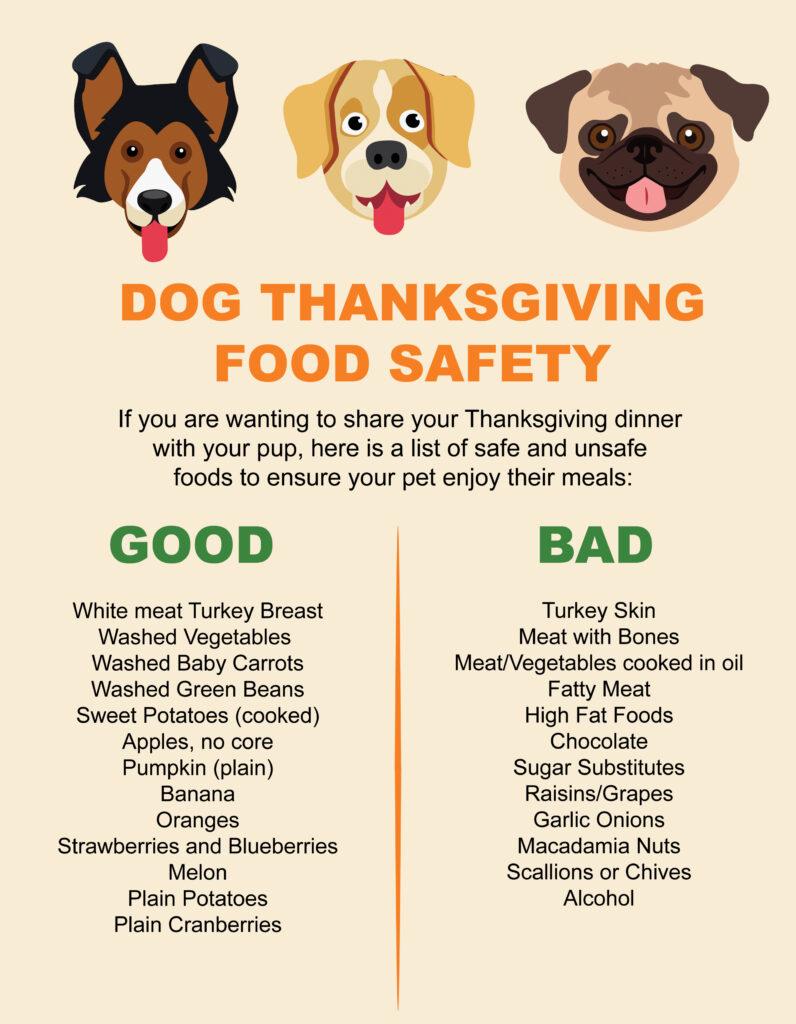
Below is a list of Dog friendly food you can feed your dog during Thanksgiving!
Thanksgiving will soon be here, which means there will be plenty of delectable food. Many popular human recipes, though, are unhealthy for pets to eat. It’s crucial to keep in mind which meals are unhealthy for dogs. Particularly at holiday feasts when dogs beg for table scraps and guests can be duped by their adorable features.
Here is a list of Thanksgiving meals that may be worse for your dog than they are for you. For your pets to remain healthy during Thanksgiving, make sure to keep them away from them. Also, remember to let your family and dinner guests know about these possibly harmful or toxic pet foods so they won’t feed them to your four-legged family members.
If your pets ingest any of these foods this Thanksgiving, be sure to call your veterinarian immediately. The most important part of holiday pet safety is early action, which may prevent more costly and serious complications from developing. Have a happy and safe Thanksgiving! If you have any questions you can reach us through our contact form or visit our Facebook page.
Read reviews check out our Google Reviews online. Click Here
Articles from the Posh Dog Knee Brace team — a group effort with our licensed veterinary technicians and brace specialists, sharing 15+ years of experience helping dogs recover from CCL/ACL injuries and mobility challenges.
Hey guys! I just wanted to make a note about brace “slipping” questions. It came to my attention that some people were concerned about if our brace slips down. Here are some things to consider if this happens. Also, on small note, when sending us pics, always include a bent knee picture. Sometimes what looks to be slipping on a straight leg picture, is actually a perfect knee center on a bent knee. Something to keep in mind, bent knee is key! #slippingquestion
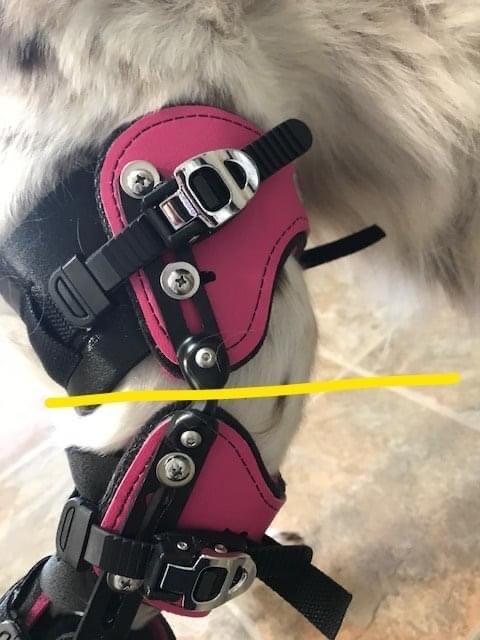
1. When I did the fitting call with Lady and her brace, we initially have the top edge of the middle shell right at the tibial tuberosity bump. It is completely normal for the brace to “adjust” down about 1 finger below this point. This is because the joint center of the brace is finding the correct pivot point of the knee. This is normal, and why we have you re-tighten the middle shell after 5-10 minutes into your walk.
2. If the lower shell and pad stay above the hock (which is where they should be) then the brace is not truly slipping down. We have designed our brace to stay on the ankle, and if it does slip down past the bend of the ankle, please let us know about it.
There are a few reasons this may happen, number one being that the tensions were not correct. number 2 is that the tibial shell may bee too short, number 3 being that the upper shell is too high in the groin (meaning that the belly or short femur may be causing the brace to slip down), number 4 is your dog sat/layed down on the brace, and possibly released the buckle levers, causing brace to loosen up. All these scenerios we can help you with if having an issue, so that they do not happen again.
3. Please email us in service if you have any fit questions, as only one of our technicians will be able to help if you need an adjustment made. Do not do any adjustments on your own, like moving shells, or there will be a charge to fix it (unless we have directed you to do so), and you may void your warranty. You are welcome to shorten straps, though, without us:)
4. Trust us, we have fit over 6500+ patients in braces, we know what we are talking about, and we want what is best for your pup.
5. As always, if you have any concerns regarding the brace fit, you have our service phone number and email, and we will always get back to you within 24 hours. If you have any questions before ordering a brace, send me a contact form, and I can answer any questions for you! Thanks!! Also visit our Facebook page for more helpful tips.
Read reviews check out our Google Reviews online. Click Here
Articles from the Posh Dog Knee Brace team — a group effort with our licensed veterinary technicians and brace specialists, sharing 15+ years of experience helping dogs recover from CCL/ACL injuries and mobility challenges.
Hey guys, this is Nikki, lead veterinary technician with Posh Dog Knee Braces. Today, lets discuss weight management in our spayed and neutered pups. It is well known that spaying and neutering, after a certain safe age, is recommended by almost every veterinarian. It is very important in the prevention of overpopulation, and other health concerns, however, it also predisposes our pups to obesity. Unfortunately, many vets are so quick to schedule your dog for surgery, and there is simply no information given to the owners as far as where to go now.
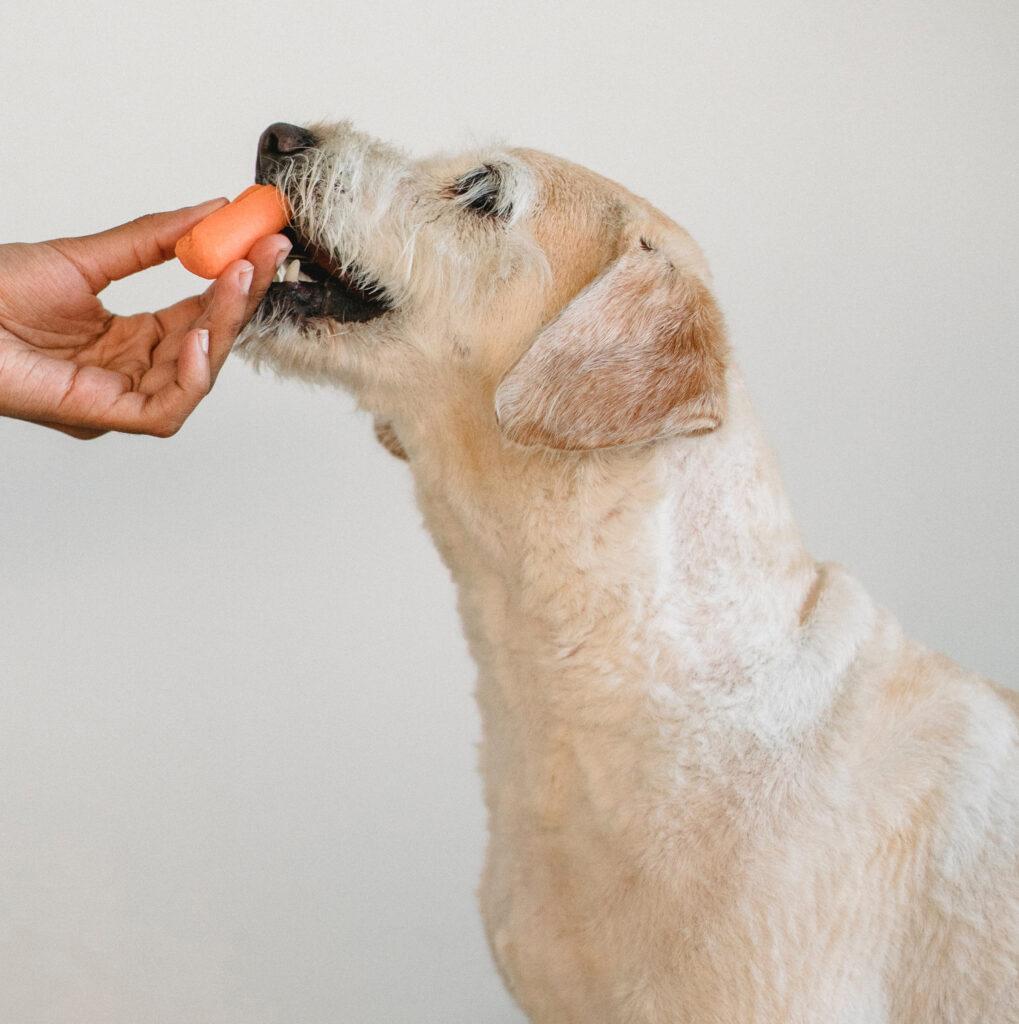
So, now we have this relatively healthy dog, young and probably more active, and we just took away the hormones that helped keep their weight in check. Post spay and neuter, their metabolic energy decreases significantly. This means that we need to also be cutting back the calories, by at least 25%. The other issue, especially with females, is that the hormone estrogen helps to keep their appetite at bay. Taking this hormone away can give your dog an increase in appetite, which is bad in a patient that needs to decrease the calories taken in per day.
So, now you go back in for your annual checkup, to find your baby has gained weight. The veterinarian possibly tells you that your dog needs to go on a weight loss diet, or be given less food per day. So, now you have a dog that just went through major hormonal changes, and has increased food cravings, yet you are feeding them barely any food.
Sound familiar? This equals out to an unhappy dog, and in return and unhappy owner. So, what is the solution, because it is also essential that we spay and neuter to be good pet parents, and do our part to prevent overpopulation.
This is where it is time to get proactive. Feel free to include your veterinarian in your plan, as you will need a way to weigh your dog every 2-4 weeks to check their weight. The good news is this is free😊 Now, it is time to implement the proper spay and neuter diet. For those that feed a raw diet already, you should not need to make any real changes.
The key is to increase protein and fiber, but keep in mind it needs to be healthy fiber. There are a few expensive brand foods marketed to spayed and neutered pets that the first ingredient is chicken by product. Double yuck! Just keep in mind that carbs will not help with weight loss. Foods with lots of rice for example are not meant for weight loss. It may be bland, but it will cause weight gain.
Try discussing with your veterinarian before you plan to spay or neuter, ask them to help you develop a proper diet to keep your dog healthy for years to come! This also will help prevent issues with joints potentially in the future.
Please let me know if you have any questions, you can contact us through our contact form or visit us on our Facebook page.
Read reviews check out our Google Reviews online. Click Here
Articles from the Posh Dog Knee Brace team — a group effort with our licensed veterinary technicians and brace specialists, sharing 15+ years of experience helping dogs recover from CCL/ACL injuries and mobility challenges.
Hey guys, this is Nikki, Lead Veterinary technician with Posh Dog Knee Braces. So, today I would like to talk about feeding raw diets, pros cons and why it has been clinically proven. First off, studies show that puppies that are raw fed starting at 8 weeks old have a significant decrease in their chances of Atopic dermatitis, and much less chance of developing obesity and cholesterol/glucose issues later on, such as diabetes. They also have an increased resistance to roundworms, which is great news. There is also shinier coats, healthy skin, cleaner teeth, more energy, smaller stools, and most important is healthy weight.
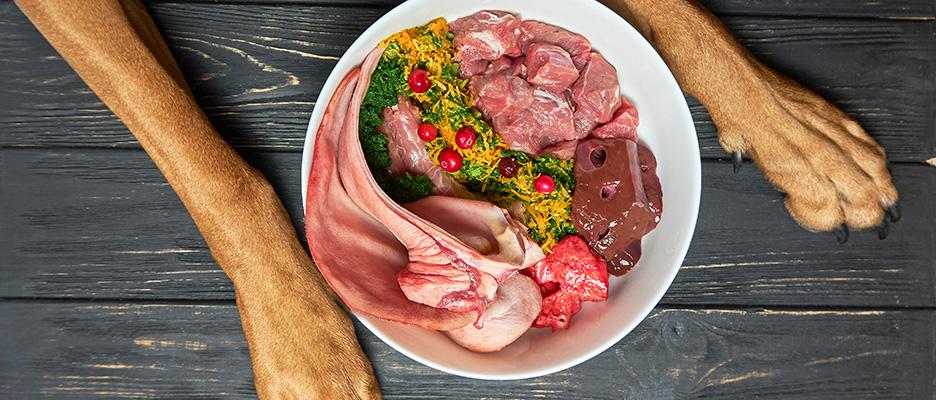
It has been shown to be a great support for joint health, so dogs with CCL tears! Crushed bone provides calcium, phosphorus, glucosamine, chondroitin, collagen, and marrow. This also helps immune systems!
The biggest questions we hearis, Is it safe to feed or dog a raw diet feed? Well, this is a great question. It depends on how you are raw feeding. Some meat may have chemical contaminants, microbial pathogens such as salmonella or e. colli, or there is the issue of feeding whole bones, or unbalanced diet. Bones if not ground properly, or supervised, can cause impactions, or gastric tears, fractures on teeth, etc. So, it is very important if you choose to Raw feed, please do your homework.
What is raw diet food? Typically, this includes muscle meat (not by products), bones whole or ground (I prefer ground), organ meat, raw egg, vegetables, fruit, some probiotics. This can be either via homemade diet, or via pre-made packages. The nice thing about purchasing packaged raw food is that they must provide cleansing methods to prevent contaminations, and grind down any bone material, so it is a bit safer.
There are many companies that can provide frozen raw diets for your pup, just make sure to look at ingredients to ensure they include things that your dog should be eating. One good thing about feeding frozen raw already prepared, is most will have supplements your dog needs already as a part of the diet.
So, whether you feed kibble currently or raw, your dog’s diet is a big decision. We all know that dogs were not meant to eat things like wheat, corn, and soy. Some carbohydrates are required for energy, so there needs to be a good balance. Raw feeding is a huge life change, and can sometimes not be as budget friendly as commercial diets, so that is another thing to consider before making the change. I am not trying to sway you either way, just giving you all the facts on both sides. Let us know if you have any questions, send us a message through our contact form or visit our Facebook page.
Read reviews check out our Google Reviews online. Click Here
Articles from the Posh Dog Knee Brace team — a group effort with our licensed veterinary technicians and brace specialists, sharing 15+ years of experience helping dogs recover from CCL/ACL injuries and mobility challenges.
Hey guys, this is Nikki, Lead Veterinary technician with Posh Dog Knee Braces. So, today I would like to talk about probiotics for your dog. Let’s face it, we have all had a dog with diarrhea or gastritis at one point, and it is not fun. Weather you have a new puppy, and are switching to a better quality puppy food, or a dog that maybe likes to dumpster dive, or one that licks out of that gross water puddle on your walk, probiotics may be a good option for you.
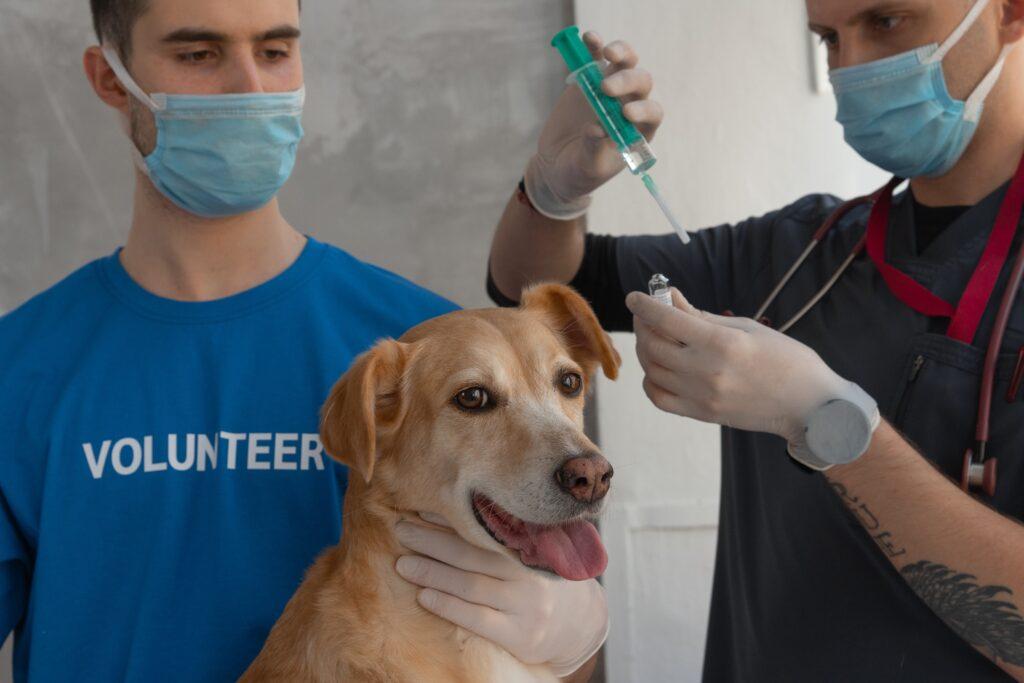
They help with diarrhea, intestinal upset, and can also help with dog allergies. If you have a female dog, they may also help in countering UTI’s, or even anxiety. Some dog food manufacturers are getting on the probiotic train, and may already be adding this to their diet, especially some of the Raw food diets out there.
I like to give my dog probiotics proactively, such as before I leave on a trip, if there will be a petsitter coming. That is a stressful event, and I don’t need my dog to get a stressful tummy, or anxiety. They can also be given as a daily part of long-term health.
Did you know that 70% of your dog’s immune system is their GI tract? It goes the same for people in that sense. So, by taking care of your dog’s tummy, it makes for an easier transition if they need to take pain medications, supplements, stressful events coming up, or if they have acute diarrhea. I typically will give at least 7-10 day course for a dog with loose stool/diarrhea, or a new puppy. They can really help in prevention of stress colitis, and that very expensive veterinary visit that follows. You can also add a tablespoon of canned pumpkin along with the probiotics if treating diarrhea, such as a new puppy.
The good news is that there are lots of great probiotics available both by your veterinarian and online. I really like Fortiflora personally, by purina, however, Zesty Paws also has a really nice product. Just do your research, and make sure they have good reviews before purchasing. Let me know if you have any questions, poshdogkneebrace.com or you can visit our Facebook page.
Read reviews check out our Google Reviews online. Click Here
Articles from the Posh Dog Knee Brace team — a group effort with our licensed veterinary technicians and brace specialists, sharing 15+ years of experience helping dogs recover from CCL/ACL injuries and mobility challenges.
Hey guys, this is Nikki, lead veterinary technician with Posh Dog Knee Braces, and today let’s talk about pain in our dogs. I hear so often owners say they don’t feel their dog is in pain, or that they don’t know what to look for. Today I would like to cover things to look for, and how to see those subtle hints your dog is giving you.
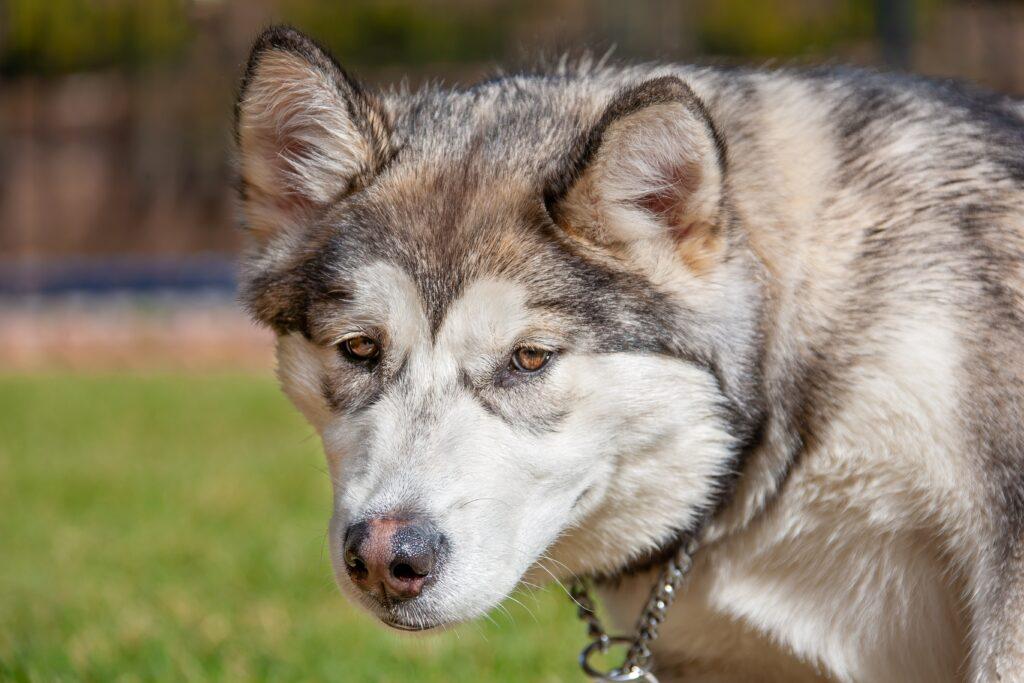
First, does your dog show any signs of panting, licking a certain area or paw/leg, pacing, trouble laying down or standing, chewing an area, legs shaking/body shaking, trouble standing from a laying position, holding a leg up, low whimpering/whining, growling or biting out of character, flinching when touched in an area? If you can answer yes to any of these symptoms, there is a good chance your dog is experiencing discomfort.
Dogs are extremely stoic, which means it is against their nature to show they are hurting outwardly like we would. A child is easy, they will hold the sore area, cry, and tell us what happened or that it hurts them. With our dogs, it can be a bit of a challenge to identify if they are in pain, and when to give the appropriate relief.
One of the most painful injuries to a dog is a CCL injury. This is significant agony, and your dog needs proper relief to get them through the first few weeks. There will be a lot of swelling present, and they may be cranky and sore during this time.
The first 2-3 weeks it is important to keep them on some form of anti-inflammatory. I hear a lot of people learn about nsaids, and immediately take their dog off of them within the first 1-2 weeks of an injury, stating their dog doesn’t look in pain any longer. I understand not wanting nsaids, however, I guarantee your dog is still in pain within the first 3 weeks of this injury. There are other alternatives to nsaids, which I go over in another blog, but that does not mean to withdraw all pain relief.
If suddenly taken off of pain relief, dogs (like people), will experience something called withdrawal. This means that their body is shocked with sudden pain, that has not been effectively treated, and it will be very difficult to get them feeling better without a strong med like a narcotic, something to calm and partially sedate them until pain management is achieved. So, please do not suddenly remove pain relief without having something else to start. If stopping an nsaid, you need to wait at least 24 hours before starting something like willow bark, to make sure the tummy does not get upset, and sometimes waiting for severe pain to stop before doing so might be best.
I always suggest resting 2-3 weeks, even if we are fast and you receive the brace in the first couple weeks of the acute injury, still wait a bit to begin walks. Give your pup time to get through the painful parts, then we can start bracing and PT. They will get better, and feel better, but it is our job as their owner to keep them comfortable. It will make all of our jobs much easier as we begin recovery.
Please let me know if you have any questions about how we can help your dog live a happy and pain-free life, poshdogkneebrace.com, or email me at poshintake1@gmail.com or visit our Facebook page.
Let Your Dog Recover With Our Custom Dog Knee Brace! We’ve Helped Thousands Of Dogs, Now We Want To Help Yours…
Read reviews check out our Google Reviews online. Click Here
Articles from the Posh Dog Knee Brace team — a group effort with our licensed veterinary technicians and brace specialists, sharing 15+ years of experience helping dogs recover from CCL/ACL injuries and mobility challenges.
Hey guys, Nikki lead veterinary technician with Posh Dog Knee Braces here. Today, lets discuss what a luxating patella is, and what that means for our pups. First off, a luxating patella simply means that the kneecap is not staying in the nice little happy groove that it was meant to on the femur. There is a groove, like a valley, cut out in the femur, that the kneecap is supposed to stay inside. A kneecap, or patella, is only supposed to glide in that grove up and down, as our pup bends the knee, just like our kneecaps do.
Unfortunately, due to sometimes genetics, this groove is too shallow for the kneecap to be happy and stay put. Also, if the patient has a bow to the femur or leg, the tendon that holds the kneecap in place, makes that kneecap straight up and down. Well, this causes an issue if our dog in fact has a crooked or bowed femur.
Certain breeds are more pre-disposed to this issue, and those would be most poodles, yorkies, chihuahua, bulldogs including smaller bulldog breeds, spaniels, terriers, and even some large breeds. Some of the signs we will see is intermittent hind limb skipping, lameness, stretching the leg out behind them. The more a kneecap moves out of place, the worse the issue gets.
There are 4 grades of lameness for these guys. Grade 1, the kneecap comes out of position, but is easily put back into place. This usually does not cause an issue for the dog, and minor symptoms. Grade 2 the kneecap shifts out of position with pressure, and can remain displaced until adjusted. There may be damage to cartilage on these from moving out of place. Grade 3, the kneecap is disjointed most of the time, but can be returned to normal position, however, once pressure is removed it luxates back out. Dogs will exibit some lameness, and cartilage damage. Grade 4, the kneecap is permanently dislodged from position, and can impair limb function.
Some dog’s with a luxating patella are more prone to having a CCL tear, and so we may suggest bracing them as a grade 2 or less, in order to help support the knee and take some pressure off the knee. Bracing will not hold the kneecap in place, such as for a grade 3 or 4, but will provide some stabilizing of the joint itself, helping to prevent the CCL tear.
Most grade 1 or 2 can be managed conservatively with supplements and rehab, possibly bracing. Unfortunately, if the grade is 3 or above, sometimes they do need surgery to correct the issue, such as deepening that groove the kneecap sits on, or moving the actual tibial bone laterally, which makes the kneecap sit much better in the groove.
If your dog does have surgery, it is recommended to brace post op, to restrict pressure on the knee, otherwise the patient must be restricted to a kennel or crate. PT is really helpful as well.
Thank you, and please visit Poshdogkneebrace.com with any questions about Luxating Patella or you can visit our Facebook page.
Read reviews check out our Google Reviews online. Click Here
Articles from the Posh Dog Knee Brace team — a group effort with our licensed veterinary technicians and brace specialists, sharing 15+ years of experience helping dogs recover from CCL/ACL injuries and mobility challenges.
Hey guys, this is Nikki, Lead Veterinary technician with Posh Dog Knee Braces. So, today I would like to talk about Laser Therapy for Dog’s with knee injuries ACL/CCL, or arthritis, and how it can help! First off, what is Laser therapy? Laser therapy is taking a simple beam of light to penetrate deep into the tissues and produce positive tissue changes. First used on hair regrowth, Laser therapy has been a growing success.
There are 2 types of treatment you will hear. Cold laser, which focuses on the surface of the skin, and blood circulation, while hot laser are for deeper tissues. Hot laser should only be done by medical professionals, as it is used for cutting and burning, as well as healing.
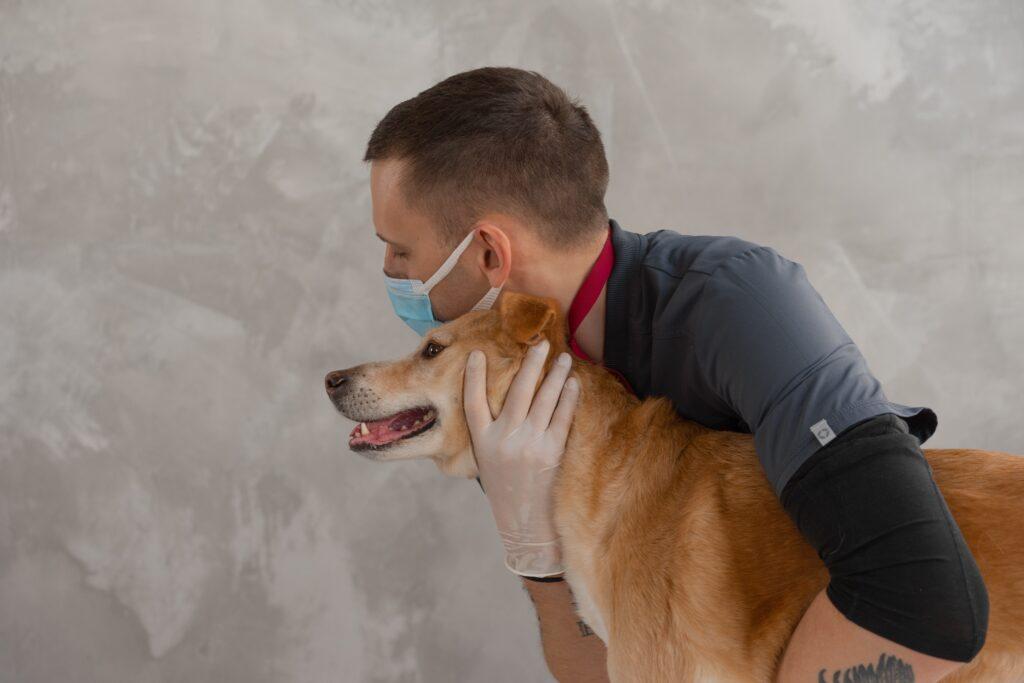
In most practices, we use low-level laser, or class IV laser therapy. Depending on the class of the laser, will tell you if it is something you can do from home or by a clinician. Quality laser equipment is very expensive, thus most will opt for therapy with their holistic vet, chiropractor, or veterinarian.
So, how do dogs react to having laser therapy done? They find it very relaxing. Laser therapy releases endorphins, so dogs usually find it relaxing and positive. Another benefit, is that your dog will not need to be sedated for laser, they can be resting and wide awake. There is no need to clip the hair away either, like other treatments. There is usually no side effects, the type of lasers used should not cause any burns to the skin.
So how will this help a dog with a ccl tear? Cold laser therapy for dogs with cruciate ligament injuries, restore health to damaged tissue cells by stimulating their ability to grow and survive, and heal naturally. It helps relieve pain and limping as well. If used with conjunction with an orthotic (brace) this would give your pup a good chance of fully recovering with less pain.
Please call or email with any questions! Poshintake1@gmail.com, or 509-412-3065. You can also leave us a message on our contact form or visit our Facebook page.
Thanks!
Read reviews check out our Google Reviews online. Click Here
Articles from the Posh Dog Knee Brace team — a group effort with our licensed veterinary technicians and brace specialists, sharing 15+ years of experience helping dogs recover from CCL/ACL injuries and mobility challenges.
This is about half of the people I speak with on a daily basis. Puppies are wonderful, and really do bring our families and other dogs joy, but sometimes that comes with a cost. Whether you bring home the puppy before an injury on your older dog, or after, we still need to be careful when they play. Rough play, such as puppy jumping on their back or playing tug of war, can result in new injuries, or aggravating an older injury. Puppies bring on a youthful playing with our older dogs, which is fun to watch, however, it can encourage injuries, so please be careful.
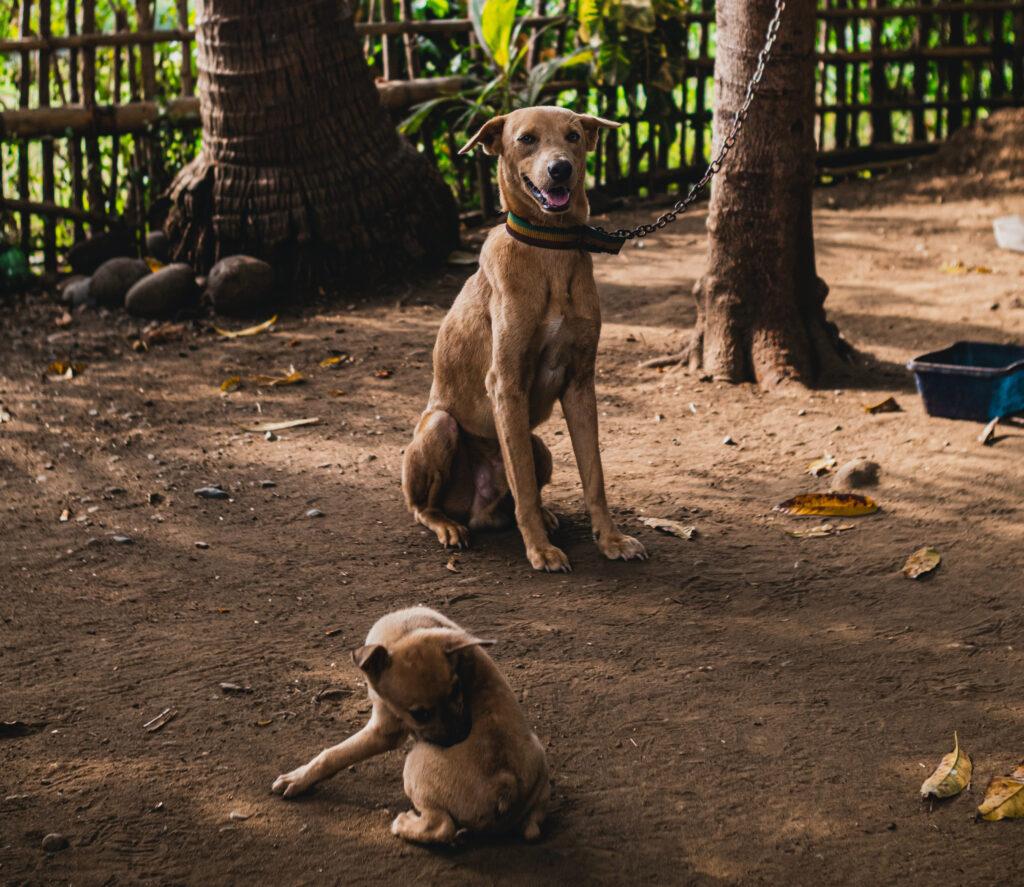
Choose a breed carefully. If, for example, you have a small breed older animal, and bring home a large breed puppy, there is going to be some potential to be injured. Puppies, as part of play, will try to jump on the other dog’s back. This is their natural tendencies trying to establish dominance. Well, if your poor older animal has hip or knee issues, you can imagine that this may not be the best case scenario. Thus, it is important, to only let them have supervised play times, and not be left alone to rough play all the time.
This is especially true if your other pet has a recovering knee injury. Not only is it going to be tough to get that knee to recover with a puppy wanting to play, but the puppy will also be very curious about this really cool chew toy on their leg! So, again, supervision at all times is going to be needed. I’m not saying you can’t get a new puppy, but think the scenarios through before you adopt. Or, perhaps look into adopting an older doggy instead of a new puppy.
Puppies are going to be growing and teething for at least a year, if not more. This means their energy will be high, and your injured dog’s tolerance for this may be low. Make sure you have the means to keep them separated when you are not home or there to supervise, because that would not be otherwise fair to your older injured dog.
Get lots of fun distracting toys for the puppy to play with (and don’t forget your older pup!). This really helps keep them distracted, and happy. If your older dog has a posh brace on, to support a CCL injury, it is ok to have them play for a little while with the puppy, but only directly supervised. The brace does act as a shock absorber, so a little play is ok, but no running or jumping while playing. My puppy likes to stand up on her back legs to “box” with my other dog. This would not go over well if my other dog had an injured leg.
Again, feel free to check us out at poshdogkneebrace.com, or email us through our contact form or visit us on our Facebook page.
Read reviews check out our Google Reviews online. Click Here
Articles from the Posh Dog Knee Brace team — a group effort with our licensed veterinary technicians and brace specialists, sharing 15+ years of experience helping dogs recover from CCL/ACL injuries and mobility challenges.
Hey guys, this is Nikki, Lead Veterinary technician with Posh Dog Knee Braces. Today let’s talk about puppies! Who doesn’t love puppies, right? All those little sharp teeth chewing on everything😊 Well, this is the best time to get your new puppy used to people and being handled.
First, never force your puppy to do something, or yell and be cross. The literally have a 30 second memory, so they just know mom or dad is yelling, and no idea what they did wrong. Never every hit your puppy, especially in the first few months of growing. Puppies have 3 very important learning times right around 8, 10, 15 weeks where they are the most sensitive and receptive to negative behavior from us. This is when we need to be really gently, soothing voice, and friendly with them, even if they just chewed up your favorite pair of shoes!
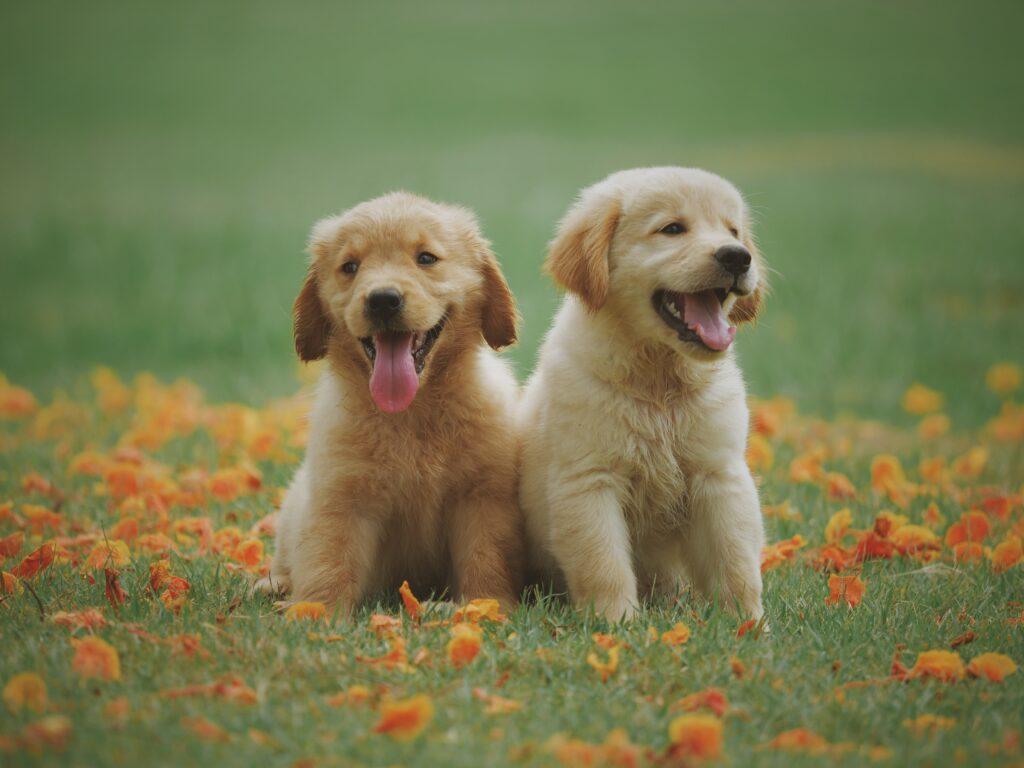
Start with a treat, or a few treats, that your puppy likes. Puppies want to please us, and are very food driven! Even peanut butter smeared on the wall for them to lick is great. Offer them a treat in one hand, and with the other hand gently touch their ears, massaging the tips, and work down to their toes. Spend at least 5 minutes a day giving them treats in replacement of you touching them on toes/feet/legs/ and ears. Especially if you have a floppy eared dog like I do, as they can be prone to ear infections.
This will really be helpful for you in the future. They will trust you and others to touch them, or for the veterinarian to complete their exam. I personally love puppy training classes, as they socialize your dog to other people, dogs, and get them even more bonded to your family in a safe environment. Little dogs tend to be nervous as it is, and can be nippy with toe nail trims. This can all be avoided if you take the time as a puppy to get them used to touch and other people.
Once your puppy is used to you touching their feet without flinching them back, start bringing out the toe nail clippers. Just let puppy sniff, and give them a treat. Then maybe try to do one nail, and treat right away. Do not force your dog to do all their toe nails at once, especially if they are afraid. This is a great way to make a toe nail fear biter, and cost you a lot in grooming fees.
Desensitization can be helpful now, because if your puppy grows up and unfortunately gets a CCL tear someday, putting something on their leg like our brace will be no problem, because you have set them up to succeed!
Feel free to email me at poshintake1@gmail.com with any questions, or visit us at poshdogkneebrace.com you can also check out our Facebook page.
Read reviews check out our Google Reviews online. Click Here
Articles from the Posh Dog Knee Brace team — a group effort with our licensed veterinary technicians and brace specialists, sharing 15+ years of experience helping dogs recover from CCL/ACL injuries and mobility challenges.
Genetics do factor in sometimes on whether our dogs will have a CCL tear or not. Such as, I don’t see tears as much in sporting breeds like springer spaniels or setters, but do in rotties and newfies. Not saying I have never had a sporting breed like springer or setter come in with an acute injury, but I don’t feel their genetically prone to the issue like other breeds are.
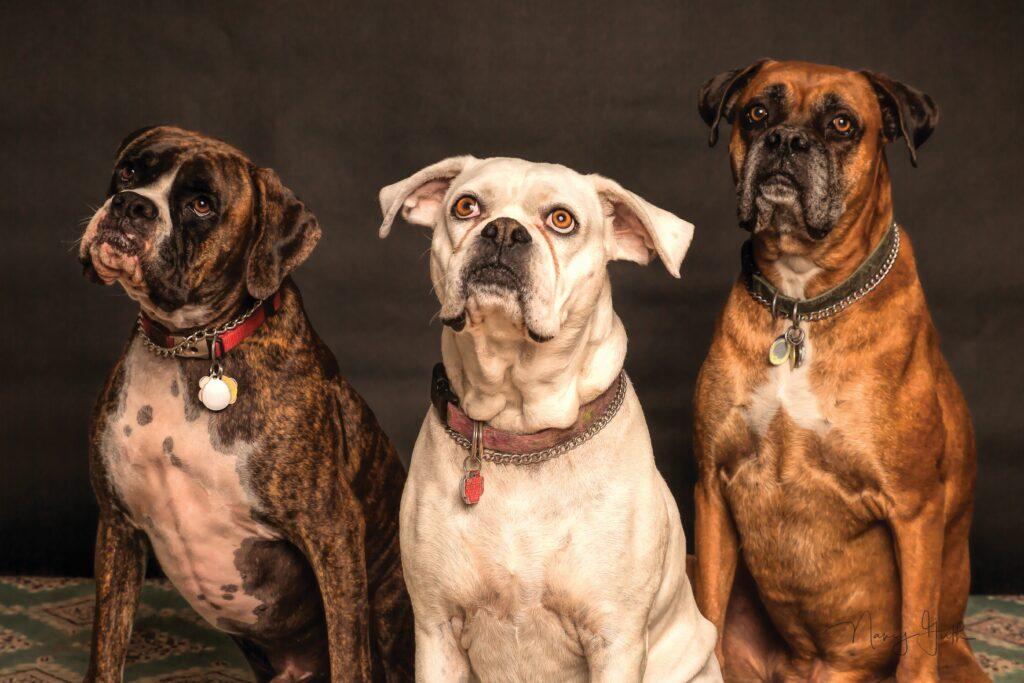
The following breeds have much higher chances of CCL injuries, including bilateral injuries. Mastiffs, Newfoundlands, akitas, St. Bernard’s, rottweilers, Chesapeake bay retrievers, American Staffordshire terrier, and laborador retrievers. Also Golden retrievers seem to also be affected more often that smaller breeds.
Toy breeds tend to have luxating patella issues, where the kneecap moves back and forth, thus causing concurrent CCL tears secondary to the LP issue. We do see a fair share of chihuahuas, maltese, shihtzu’s, and Pomeranians as well.
So what if your dog is on the list? What can we do? Well, there are a few things you can do. First off, don’t spay and neuter before they have reached maturity (~14 months), feed a breed appropriate diet with no bye products. Diet correlates to muscle and ligament growth so much, which is why it is so important to start your puppy out the right way, on a good diet. Preventing your dog from jumping in the air to play fetch, or turn corners too sharply.
Instead, roll the ball on the ground for them to run after. Getting them on a good bone supplement may help, we need to feed those growing ligaments all the goodies we can, and sometimes they need more than their food will provide.
Bones with marrow are great, bone broth is great, shark cartilage is good. There are many things you can give that are good for your pup. Taking your dog on regular leashed walks, and exercising them properly will also help. Especially with our more lazy breeds, you know who you are! 😊
Dogs with more bowing in the knee tend to also get tears more frequently, such as rottweilers and any staffy breeds. Again, try to keep these pups from jumping or rough play, as that can put stress on the joints.
Let us know if you have any questions, poshdogkneebrace.com, or email me on our contact form or visit our Facebook page.
Read reviews check out our Google Reviews online. Click Here
Articles from the Posh Dog Knee Brace team — a group effort with our licensed veterinary technicians and brace specialists, sharing 15+ years of experience helping dogs recover from CCL/ACL injuries and mobility challenges.