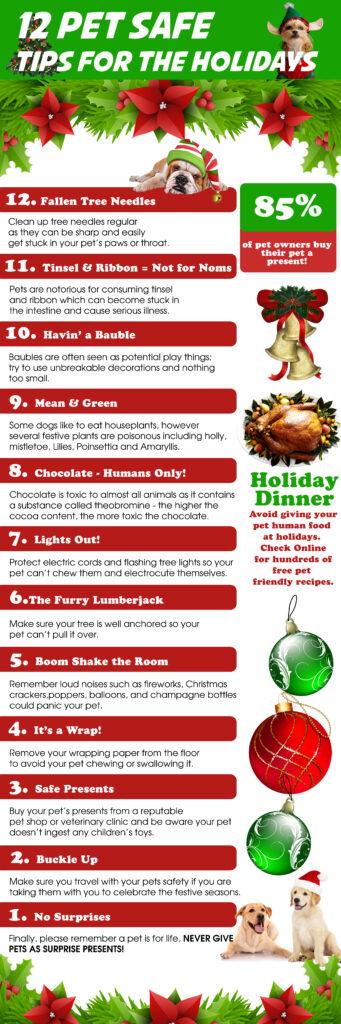
Keep your pet off of Santa’s bad list right up until his arrival! It’s the holiday season!
It’s likely that your furry family member will be present to take part in the celebrations when everyone is gathered around the tree to open gifts and spread joy and laughter. However, your pet might find the ideal moment to cause some trouble while everyone is preoccupied with presenting gifts and playing with new toys.
Your tree is probably going to be the focal point of the celebrations this year, but it may also be a tremendous temptation for your dog! Make careful to hang the shiny tinsel, bright lights, and ornaments in the shape of tennis balls out of reach of your animal pets. Some mischievous dogs could still attempt to jump on the tree, so leaving something noisy, like crumpled aluminum foil or a bottle filled with tiny objects, can alert the dancer of imminent danger. Additionally, if you have a live tree, make sure to pick up all of the fallen needles since if consumed, they can cause serious stomach discomfort in your pet.
Your pet’s health and safety are at risk from holiday plants other than trees. Keep in mind that plants like holly, mistletoe, and poinsettias are harmful to dogs, so keep them out of reach!
It could be a good idea to inspect all electrical decorations, both indoors and outdoors. To prevent your furry pals from getting caught and creating a mess, tape the wires to the wall!
When it’s time to unwrap presents, be sure to have a garbage bag on hand to dispose of wrapping paper, twine, and tape as soon as they’re no longer required.
It might be wise to confine your pet to a comfortable area with access to water if you’re expecting a large number of guests, at least until the ruckus dies down. Before your guests arrive, you might want to review your dog’s obedience commands; we don’t want Grandma to trip over a huge, puppy hug! Additionally, it’s crucial to let your visitors know they shouldn’t give your pets any table food. You wouldn’t want your dog to eat too much and have to spend the rest of the holidays taking care of their stomach ache, even if some foods aren’t particularly dangerous to them.
The team at Posh Dog Knee Brace hopes that these simple reminders allow your pet to have fun with the family this holiday season! If you would like any information on our brace you can reach out to us via our contact form or visit our Facebook page.
Read reviews check out our Google Reviews online. Click Here
Today I want to discuss a popular topic, and that is early spay and neutering, and the correlation with ligament tears. Now, we are not saying that you should not fix your dog, only the reasons that you should wait until the appropriate age (depending on breed) to do so.
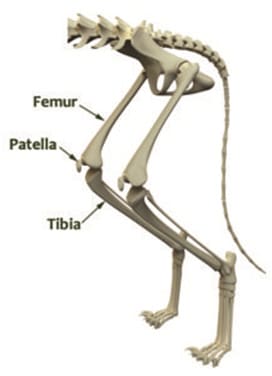
For most breeds, especially our giant breeds, we need to wait 12-18 months, to give the hormones a chance to work, and for our bones to finish growing. The Femur and tibia can take up to 14 months to finish growing, and if we take away the hormones too early, then it can cause these bones to grow longer than they should, thus altering the knee angle, and putting too much pressure on the knee, hips, and spine.
In recent studies, it is shown that dogs being fixed too early are 2 times more likely to have a CCL tear, and 3 times more likely to develop Luxating patella issues. Also, in a closed study it was shown that 97% of patients getting hydrotherapy for hip dysplasia had been spayed or neutered before 1 year of age.
Looking for more information? You can reach out to us through our contact form or Facebook page.
Read reviews check out our Google Reviews online. Click Here
We are used to reading that regular walking will keep your dog healthy. How frequently do you walk your dog though? How often should you do this? How much activity do dogs actually require? How can I make the most of a dog walk? Find all of those answers right here!
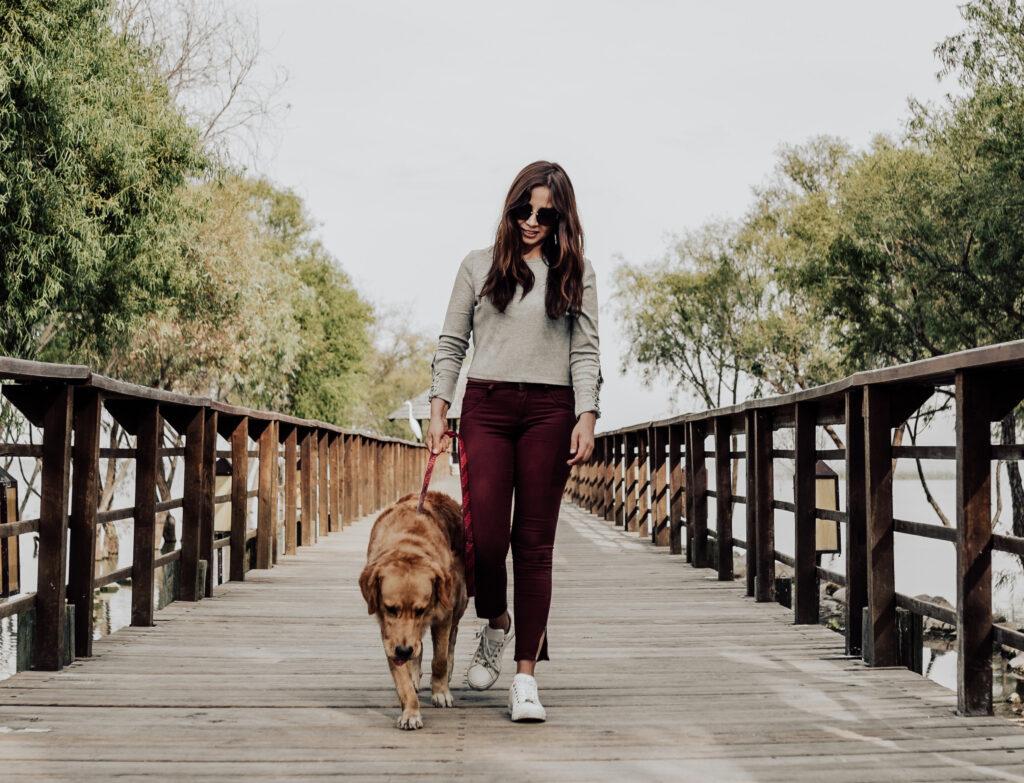
It’s generally advised to take your dog on a walk for at least 15 minutes three to four times every day. However, this may change depending on your dogs:
Smaller dogs might benefit from just one daily stroll, but high-energy dog types will need multiple walks. Is one of those breeds your dog? Are you an active person who wishes to spend more time exercising with your dog? Perhaps you are unsure of the precise amount of exercise your dog need. A trip to the vet is advised in that situation. They will be pleased to offer you practical hints and walking guidance tailored to the particular conditions involving your dog.
Every dog belongs to a distinct breed group, and every breed has unique exercise requirements and restrictions. Giving you a good idea of how much activity to aim for, it’s simple to stay on track after your daily goal has been established.
The amount of sleep your dog receives is as crucial to how much walking you should undertake. After all, a full day of action calls for a restful sleep. Learn your dog’s sleeping patterns, check to make sure they’re getting enough (quality) sleep, and determine if anything seems off. For instance, excessive sleeping could be a warning that you should consult your veterinarian.
If you’re a really active person, these high-energy breeds will fit your lifestyle:
Outdoor activities are the ideal method to develop a relationship with these animals. Your dog will make the trip more enjoyable whether you choose to stroll, hike, or run.
These dog breeds require more exercise than others:
If your dog falls into one of these categories, aim to push them beyond their physical limits while also testing their training and cognitive abilities. The dogs in these categories will find ordinary games dull, so feel free to get inventive!
Did you realize? These dogs need a minimum of 2.5 hours of intense activity per day.
This can readily be translated into at least four daily walks of 20–25 minutes each. Due to their high intelligence, dogs in this category should also be given mental challenges. A minimum of 30 minutes should be set up each day for intelligence game sessions with them. Make sure to outfit these puppies with an activity monitor so you can follow them on all of their outside escapades.
Terrier dogs come out as little, vivacious, strong-willed, and trainable. Although there are only a few dogs in this pack, they nevertheless require a lot of exercise.
Advice: Terriers require at least 1.5 hours of exercise each day.
A reasonable walking routine might involve three 20–25 minute walks each day. For this group, you might want to add some games that need cerebral exercise. It should be difficult enough for 20 minutes a day to keep them active.
Breeds belonging to this group, such as:
Definitely need a challenge in the activities. For them, a minimal amount of daily walking and exercise is one and a half hours. Since these dog breeds enjoy running as well, feel free to begin a running exercise with them as long as you take your time and account for your dog’s age.
It’s important to remember that dogs in this group should take at least three daily walks of at least 30 minutes each, in addition to engaging in cognitive activities.
Chihuahuas and other small dog breeds are typically what we refer to as companion animals today. Avoid subjecting these low-energy breeds to long periods of strenuous activity. Instead, allocate shorter amounts of time for enjoyable activities like games and regular strolls to keep the kids active.
Overly active dogs, such as those with short hair, can have detrimental effects. Since they have less fur, they are more prone to respiratory problems and easy overheating. Take these breeds on quick, uncomplicated strolls. Activity monitor your dog to keep tabs on your tiny dog’s daily exercise to make sure it doesn’t exceed recommended levels.
Watch out: These dog breeds only need two daily, brief walks.
There are several benefits for your dog in frequently walking with you. Some of these explanations have to do with your dog’s health, while others have to do with its training. While following you and moving at your pace while on a leash, your dog might learn discipline.
Are there any considerations you should make when walking your dog? Safety comes first as usual.
Only when you are confident your dog won’t run away and you are in a safe, unpopulated place should you try off-leash dog walks.
Don’t punish your dog if they do manage to escape. Your dog must not identify your return with any sense of wrongdoing or resentment. Keep your dog on a leash at all times if you find that they have a tendency to run away. Make sure to teach your dog the fundamental safety commands as another safety advice. They are not only simple to teach, but they can shield you and your animal companion from risky circumstances.
A dog parent’s life includes taking their dog for walks frequently. A short stroll helps your dog behave better in social situations and strengthens the connection you share with your dog. You may have fun while working to keep your dog healthy if you view dog walks as enjoyable times of the day.
Another way to lessen destructive chewing or scratching is to take your dog for a walk (should this be an issue your dog is facing).
However, the advantages extend beyond your dog! In fact, going outside to spend time with your dog can improve your general wellbeing and level of fitness. Daily walks can reduce your risk of developing diabetes, strengthen your bones, and lower your blood pressure. So, why are you still waiting? Get your dog outside and walking!
For more information you can reach us on our contact page or visit our Facebook page for more tips.
Read reviews check out our Google Reviews online. Click Here
Hey guys, this is Nikki, lead veterinary technician with Posh Dog Knee Braces. Today, lets discuss weight management in our spayed and neutered pups. It is well known that spaying and neutering, after a certain safe age, is recommended by almost every veterinarian. It is very important in the prevention of overpopulation, and other health concerns, however, it also predisposes our pups to obesity. Unfortunately, many vets are so quick to schedule your dog for surgery, and there is simply no information given to the owners as far as where to go now.
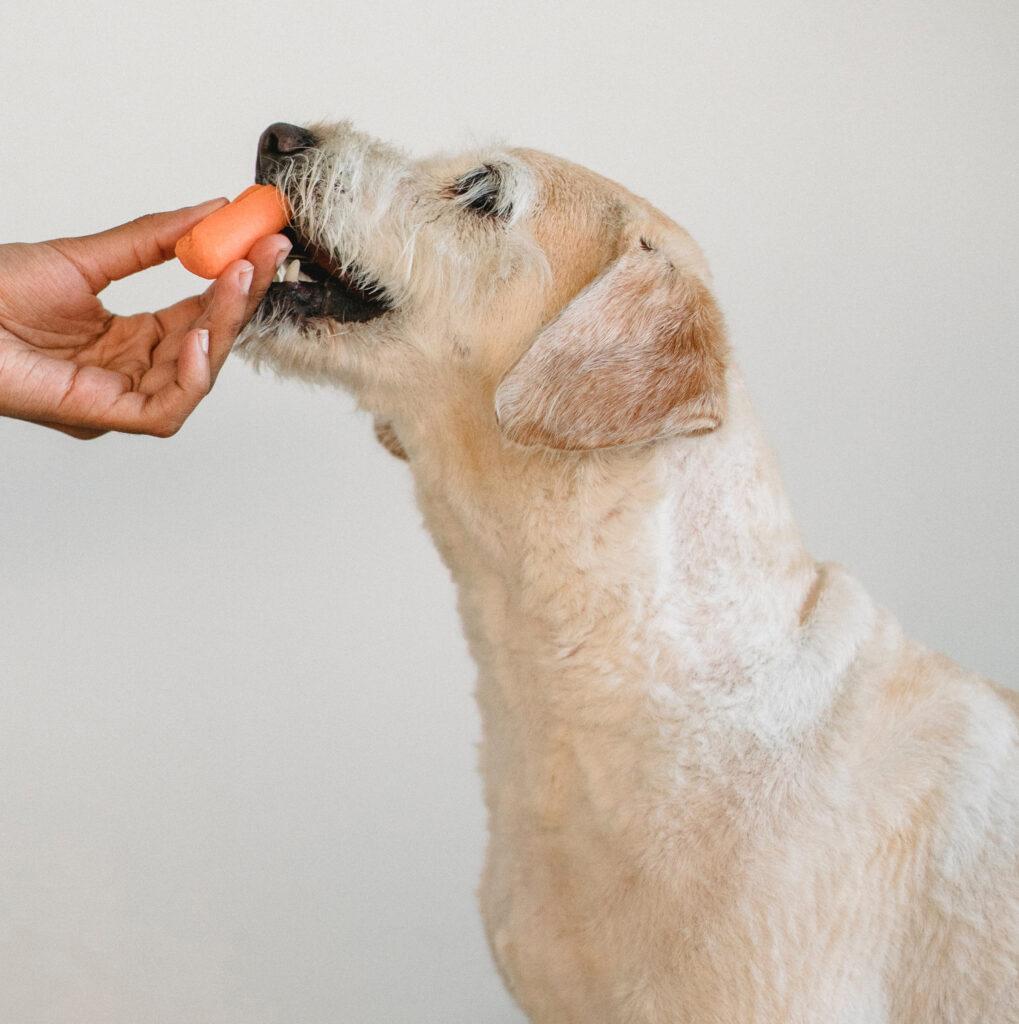
So, now we have this relatively healthy dog, young and probably more active, and we just took away the hormones that helped keep their weight in check. Post spay and neuter, their metabolic energy decreases significantly. This means that we need to also be cutting back the calories, by at least 25%. The other issue, especially with females, is that the hormone estrogen helps to keep their appetite at bay. Taking this hormone away can give your dog an increase in appetite, which is bad in a patient that needs to decrease the calories taken in per day.
So, now you go back in for your annual checkup, to find your baby has gained weight. The veterinarian possibly tells you that your dog needs to go on a weight loss diet, or be given less food per day. So, now you have a dog that just went through major hormonal changes, and has increased food cravings, yet you are feeding them barely any food.
Sound familiar? This equals out to an unhappy dog, and in return and unhappy owner. So, what is the solution, because it is also essential that we spay and neuter to be good pet parents, and do our part to prevent overpopulation.
This is where it is time to get proactive. Feel free to include your veterinarian in your plan, as you will need a way to weigh your dog every 2-4 weeks to check their weight. The good news is this is free😊 Now, it is time to implement the proper spay and neuter diet. For those that feed a raw diet already, you should not need to make any real changes.
The key is to increase protein and fiber, but keep in mind it needs to be healthy fiber. There are a few expensive brand foods marketed to spayed and neutered pets that the first ingredient is chicken by product. Double yuck! Just keep in mind that carbs will not help with weight loss. Foods with lots of rice for example are not meant for weight loss. It may be bland, but it will cause weight gain.
Try discussing with your veterinarian before you plan to spay or neuter, ask them to help you develop a proper diet to keep your dog healthy for years to come! This also will help prevent issues with joints potentially in the future.
Please let me know if you have any questions, you can contact us through our contact form or visit us on our Facebook page.
Read reviews check out our Google Reviews online. Click Here
Hey guys, this is Nikki, lead veterinary technician with Posh Dog Knee Braces, and today let’s talk about pain in our dogs. I hear so often owners say they don’t feel their dog is in pain, or that they don’t know what to look for. Today I would like to cover things to look for, and how to see those subtle hints your dog is giving you.
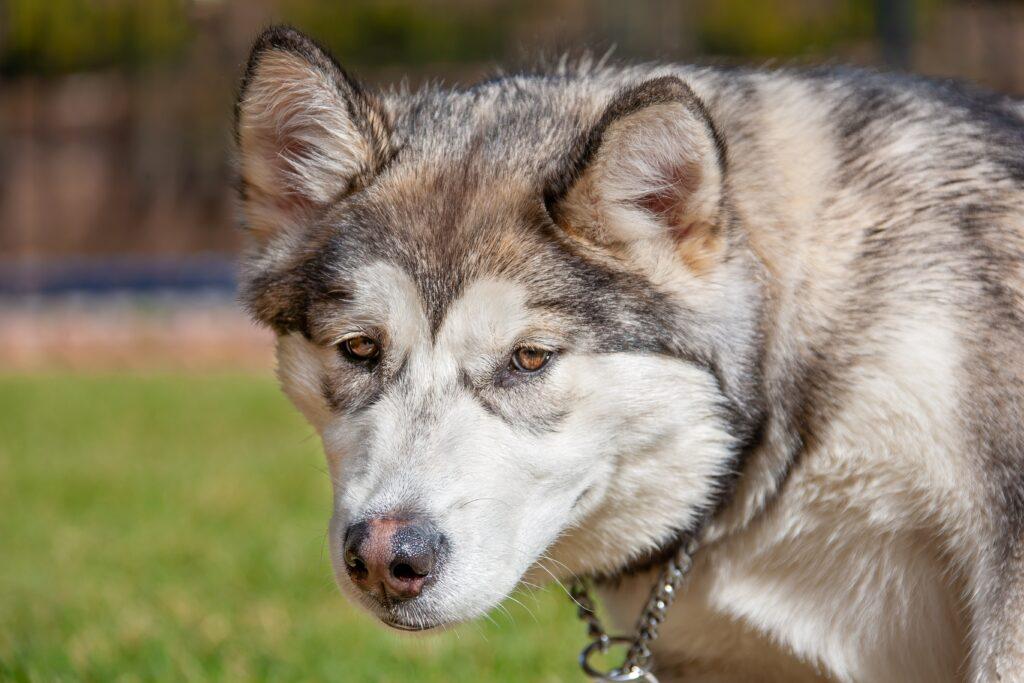
First, does your dog show any signs of panting, licking a certain area or paw/leg, pacing, trouble laying down or standing, chewing an area, legs shaking/body shaking, trouble standing from a laying position, holding a leg up, low whimpering/whining, growling or biting out of character, flinching when touched in an area? If you can answer yes to any of these symptoms, there is a good chance your dog is experiencing discomfort.
Dogs are extremely stoic, which means it is against their nature to show they are hurting outwardly like we would. A child is easy, they will hold the sore area, cry, and tell us what happened or that it hurts them. With our dogs, it can be a bit of a challenge to identify if they are in pain, and when to give the appropriate relief.
One of the most painful injuries to a dog is a CCL injury. This is significant agony, and your dog needs proper relief to get them through the first few weeks. There will be a lot of swelling present, and they may be cranky and sore during this time.
The first 2-3 weeks it is important to keep them on some form of anti-inflammatory. I hear a lot of people learn about nsaids, and immediately take their dog off of them within the first 1-2 weeks of an injury, stating their dog doesn’t look in pain any longer. I understand not wanting nsaids, however, I guarantee your dog is still in pain within the first 3 weeks of this injury. There are other alternatives to nsaids, which I go over in another blog, but that does not mean to withdraw all pain relief.
If suddenly taken off of pain relief, dogs (like people), will experience something called withdrawal. This means that their body is shocked with sudden pain, that has not been effectively treated, and it will be very difficult to get them feeling better without a strong med like a narcotic, something to calm and partially sedate them until pain management is achieved. So, please do not suddenly remove pain relief without having something else to start. If stopping an nsaid, you need to wait at least 24 hours before starting something like willow bark, to make sure the tummy does not get upset, and sometimes waiting for severe pain to stop before doing so might be best.
I always suggest resting 2-3 weeks, even if we are fast and you receive the brace in the first couple weeks of the acute injury, still wait a bit to begin walks. Give your pup time to get through the painful parts, then we can start bracing and PT. They will get better, and feel better, but it is our job as their owner to keep them comfortable. It will make all of our jobs much easier as we begin recovery.
Please let me know if you have any questions about how we can help your dog live a happy and pain-free life, poshdogkneebrace.com, or email me at poshintake1@gmail.com or visit our Facebook page.
Let Your Dog Recover With Our Custom Dog Knee Brace! We’ve Helped Thousands Of Dogs, Now We Want To Help Yours…
Read reviews check out our Google Reviews online. Click Here
This is about half of the people I speak with on a daily basis. Puppies are wonderful, and really do bring our families and other dogs joy, but sometimes that comes with a cost. Whether you bring home the puppy before an injury on your older dog, or after, we still need to be careful when they play. Rough play, such as puppy jumping on their back or playing tug of war, can result in new injuries, or aggravating an older injury. Puppies bring on a youthful playing with our older dogs, which is fun to watch, however, it can encourage injuries, so please be careful.
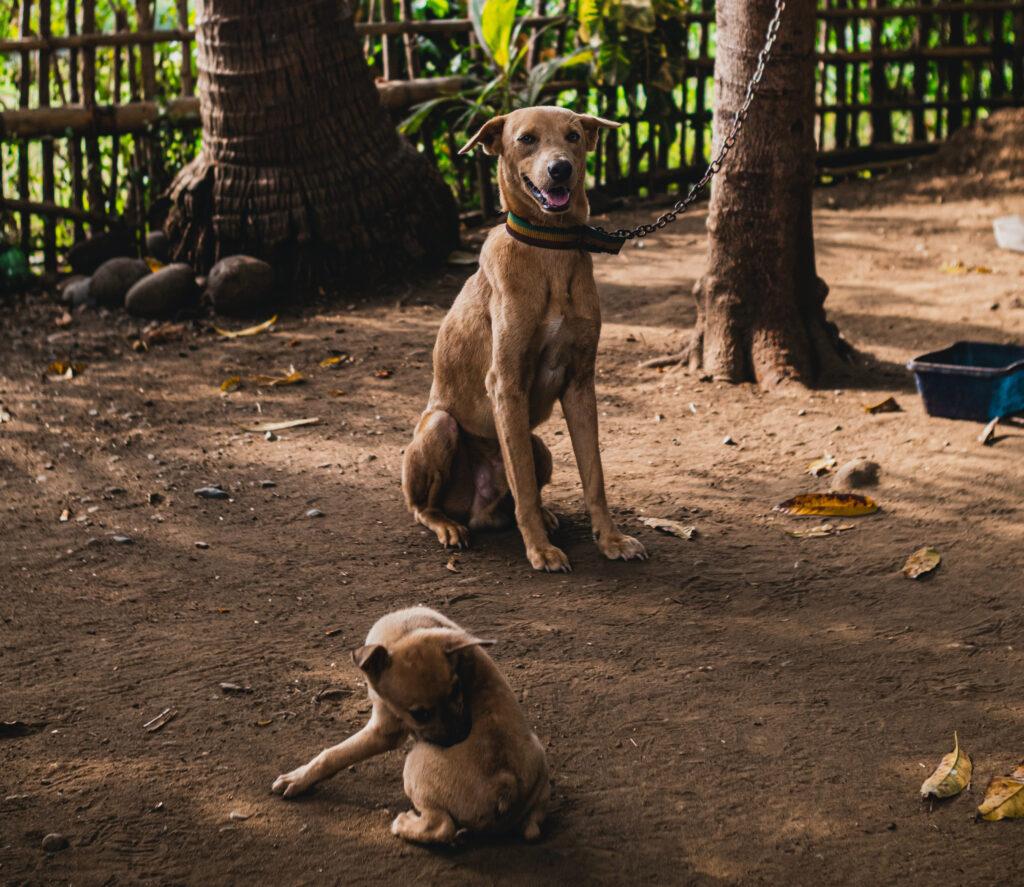
Choose a breed carefully. If, for example, you have a small breed older animal, and bring home a large breed puppy, there is going to be some potential to be injured. Puppies, as part of play, will try to jump on the other dog’s back. This is their natural tendencies trying to establish dominance. Well, if your poor older animal has hip or knee issues, you can imagine that this may not be the best case scenario. Thus, it is important, to only let them have supervised play times, and not be left alone to rough play all the time.
This is especially true if your other pet has a recovering knee injury. Not only is it going to be tough to get that knee to recover with a puppy wanting to play, but the puppy will also be very curious about this really cool chew toy on their leg! So, again, supervision at all times is going to be needed. I’m not saying you can’t get a new puppy, but think the scenarios through before you adopt. Or, perhaps look into adopting an older doggy instead of a new puppy.
Puppies are going to be growing and teething for at least a year, if not more. This means their energy will be high, and your injured dog’s tolerance for this may be low. Make sure you have the means to keep them separated when you are not home or there to supervise, because that would not be otherwise fair to your older injured dog.
Get lots of fun distracting toys for the puppy to play with (and don’t forget your older pup!). This really helps keep them distracted, and happy. If your older dog has a posh brace on, to support a CCL injury, it is ok to have them play for a little while with the puppy, but only directly supervised. The brace does act as a shock absorber, so a little play is ok, but no running or jumping while playing. My puppy likes to stand up on her back legs to “box” with my other dog. This would not go over well if my other dog had an injured leg.
Again, feel free to check us out at poshdogkneebrace.com, or email us through our contact form or visit us on our Facebook page.
Read reviews check out our Google Reviews online. Click Here
Hey guys, this is Nikki, Lead Veterinary technician with Posh Dog Knee Braces. Today let’s talk about puppies! Who doesn’t love puppies, right? All those little sharp teeth chewing on everything😊 Well, this is the best time to get your new puppy used to people and being handled.
First, never force your puppy to do something, or yell and be cross. The literally have a 30 second memory, so they just know mom or dad is yelling, and no idea what they did wrong. Never every hit your puppy, especially in the first few months of growing. Puppies have 3 very important learning times right around 8, 10, 15 weeks where they are the most sensitive and receptive to negative behavior from us. This is when we need to be really gently, soothing voice, and friendly with them, even if they just chewed up your favorite pair of shoes!
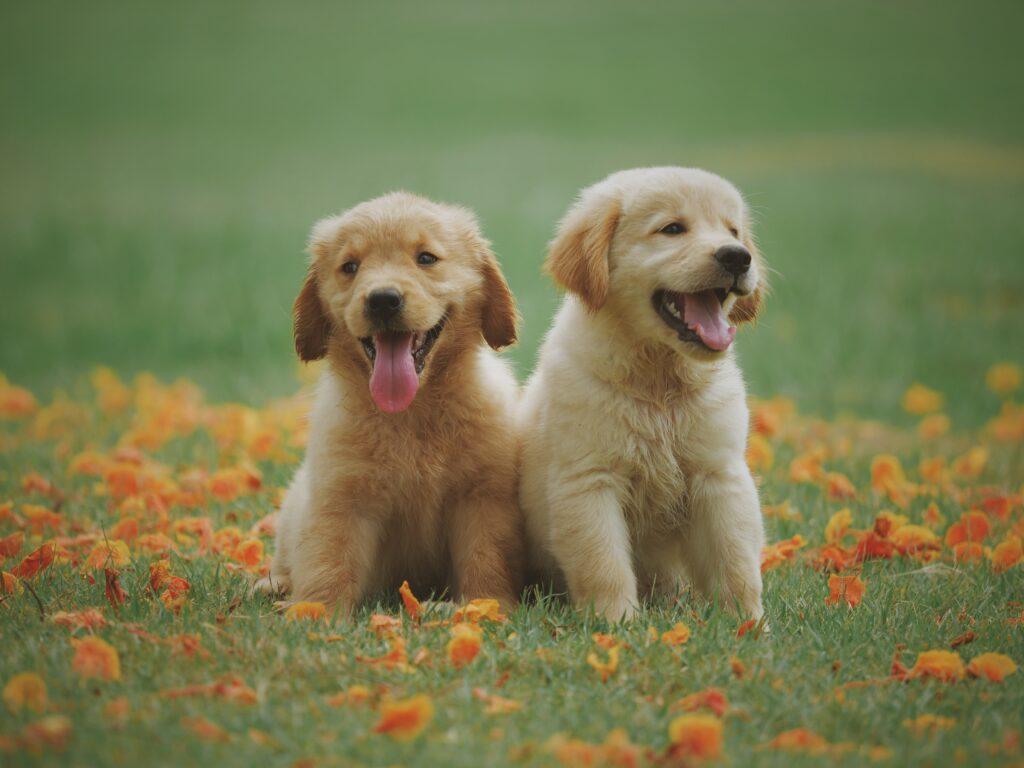
Start with a treat, or a few treats, that your puppy likes. Puppies want to please us, and are very food driven! Even peanut butter smeared on the wall for them to lick is great. Offer them a treat in one hand, and with the other hand gently touch their ears, massaging the tips, and work down to their toes. Spend at least 5 minutes a day giving them treats in replacement of you touching them on toes/feet/legs/ and ears. Especially if you have a floppy eared dog like I do, as they can be prone to ear infections.
This will really be helpful for you in the future. They will trust you and others to touch them, or for the veterinarian to complete their exam. I personally love puppy training classes, as they socialize your dog to other people, dogs, and get them even more bonded to your family in a safe environment. Little dogs tend to be nervous as it is, and can be nippy with toe nail trims. This can all be avoided if you take the time as a puppy to get them used to touch and other people.
Once your puppy is used to you touching their feet without flinching them back, start bringing out the toe nail clippers. Just let puppy sniff, and give them a treat. Then maybe try to do one nail, and treat right away. Do not force your dog to do all their toe nails at once, especially if they are afraid. This is a great way to make a toe nail fear biter, and cost you a lot in grooming fees.
Desensitization can be helpful now, because if your puppy grows up and unfortunately gets a CCL tear someday, putting something on their leg like our brace will be no problem, because you have set them up to succeed!
Feel free to email me at poshintake1@gmail.com with any questions, or visit us at poshdogkneebrace.com you can also check out our Facebook page.
Read reviews check out our Google Reviews online. Click Here
Today I would like to talk about Moist Heat and icing, and when to use both of these. So when we have an acute injury, ice is the first choice. We have lots of swelling and tissue inflammation initially, so we want to use Ice, which will vasoconstrict the blood vessels, and slow down the bleeding/swelling. When we use ice therapy, I prefer to use a gel ice pad that can be left in the freezer. Frozen veggies or popcorn kernels can also work if you need something quick.
Apply the ice pack for about 15 minutes two to three times daily, until swelling is better, or about a week or two after the initial injury. This also helps with pain initially, by taking the pressure and swelling down.
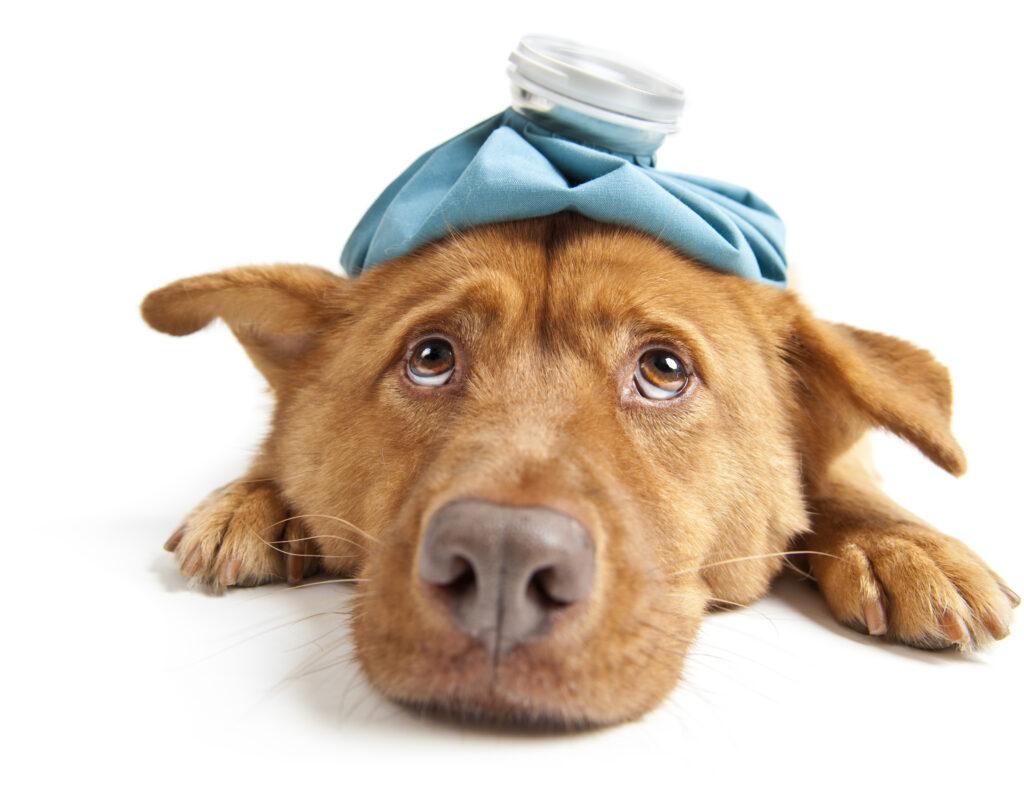
It is important not to do moist heat too quickly after a joint injury, as heat will vasodilate and increase blood flow to the affected area. We don’t want to do this when we have an initial injury with swelling present. After the first 2 weeks, we can start the transition to moist heat.
Now when applying an ice pack, a nice tip is to wrap the ice pack with warm wash cloth. This is a nice gradual cooling, instead of the initial cold shock. Your pup will thank you!
After 2 weeks, we will be switching to moist heat. To make your own moist heat, simply fill a sock with white rice (I double layer mine for washing). This makes a nice moist heat when you warm it in the microwave for 1-2 minutes. Wrap in a towel to make sure we don’t burn our pups.
Moist heat is different that dry heat, like an electric pad. Moist heat gets better penetration into the tissues, and is a very good pain relief. It opens up the area, so that our supplements can penetrate the area. Our knee does not have a great blood supply, so it is good to help with moist heat as much as we can. Do this 2-3 times daily for 15 minute intervals.
I like to do this before we walk, or start physical therapy. It relaxes and makes the knee comfortable. Do this process for up to 12 months, especially with meniscus tears. If you pup is sore after a walk, you can also do icing after the walk as well. Please let us know if you have any questions! You can contact us through our contact form or check out our Facebook Page for more information.
Read reviews check out our Google Reviews online. Click Here