Hi! Today I would like to talk about muscle atrophy in dogs, especially with CCL injuries. One of the biggest muscles in the body is the thigh muscle, which is needed in order to have full range of motion with the hind legs.
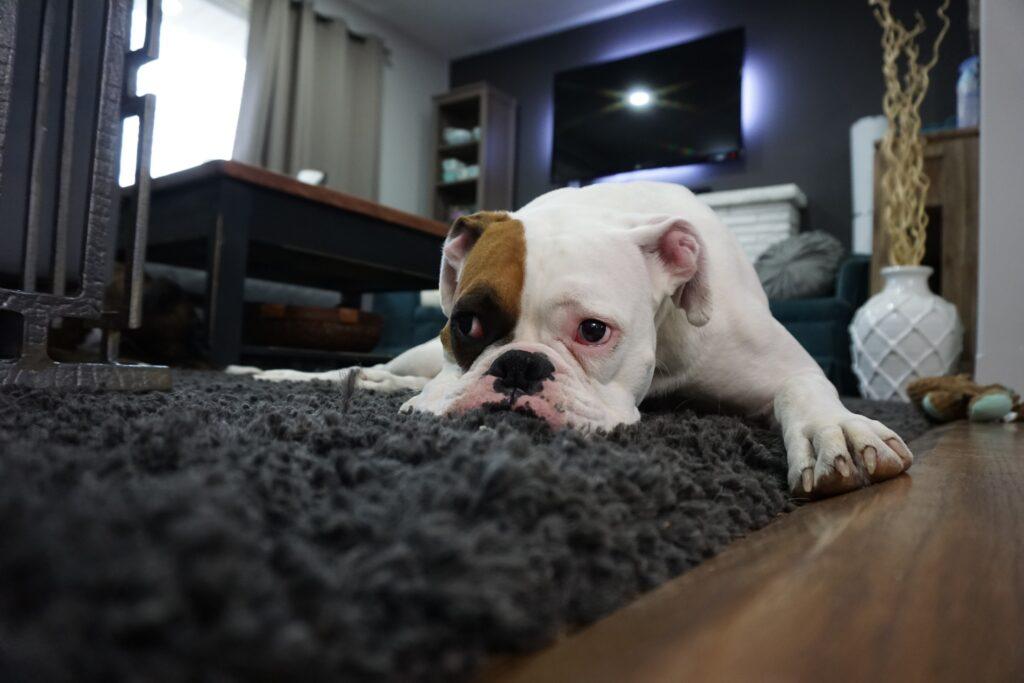
Without this muscle, we would be unable to completely lift our leg up and take a normal step. Dog’s that have an injury atrophy quickly. This is why it is really important to keep our patients active, while still letting the knee injury stabilize. With bracing, we are still able to place full weight on the thigh muscle, which may become sore initially, however, then we can start building this muscle back up, keeping it healthy.
This is another reason bracing can be better for patients than surgery, as with surgery there is a long period where you will need to confine your dog to keep them from hurting the surgical site. In the 8 weeks it takes to recover with surgery, there can be significant atrophy that sets in.
This is another reason that we include physical therapy with our patients, and walking schedules, to keep our dogs active, and using those muscles.
You may also need the help of a sling or a harness that includes handles as well, so that you can help your dog walk initially, until we start getting strength back in the thigh muscle. Our technicians are happy to help you with this, and with time we can get the muscles back. If you need more information you can reach out to us through our contact form or visit us on our Facebook Page.
Read reviews check out our Google Reviews online. Click Here
Articles from the Posh Dog Knee Brace team — a group effort with our licensed veterinary technicians and brace specialists, sharing 15+ years of experience helping dogs recover from CCL/ACL injuries and mobility challenges.
Today I would like to go over what a CCL in a dog is, as well as it’s function. First off, a CCL in a dog is the same as saying ACL in a person.
The CCL is a connective tissue in the knee that stabilizes the lower leg to the upper leg. It connects the tibia to the femur. Without this ligament, there can be partial or complete joint instability, pain, and lameness present.
The CCL holds the tibia in place, andprevents internal rotation and hyperextension (which is over stretching the leg). The meniscus (located between the femur and tibia) absorb impact and provide a gliding surface between the femur and tibial plateau/tuberosity. Sometimes the medial meniscus can become torn when the knee is unstable from a CCL tear.
Symptoms of a rupture include crepitus (crackling or popping sound), decreased range of motion, hind leg extended when sitting (when the injured leg is off to one side), pain to the touch, not wanting to move as much, sore after a walk, swelling, and turning the leg out to the side when standing.
Leaving a ruptured ligament alone, without the aid of bracing, can leave misaligned joint causing further damage, inflammation, and pain. This can lead to early joint disease and further meniscus tears.
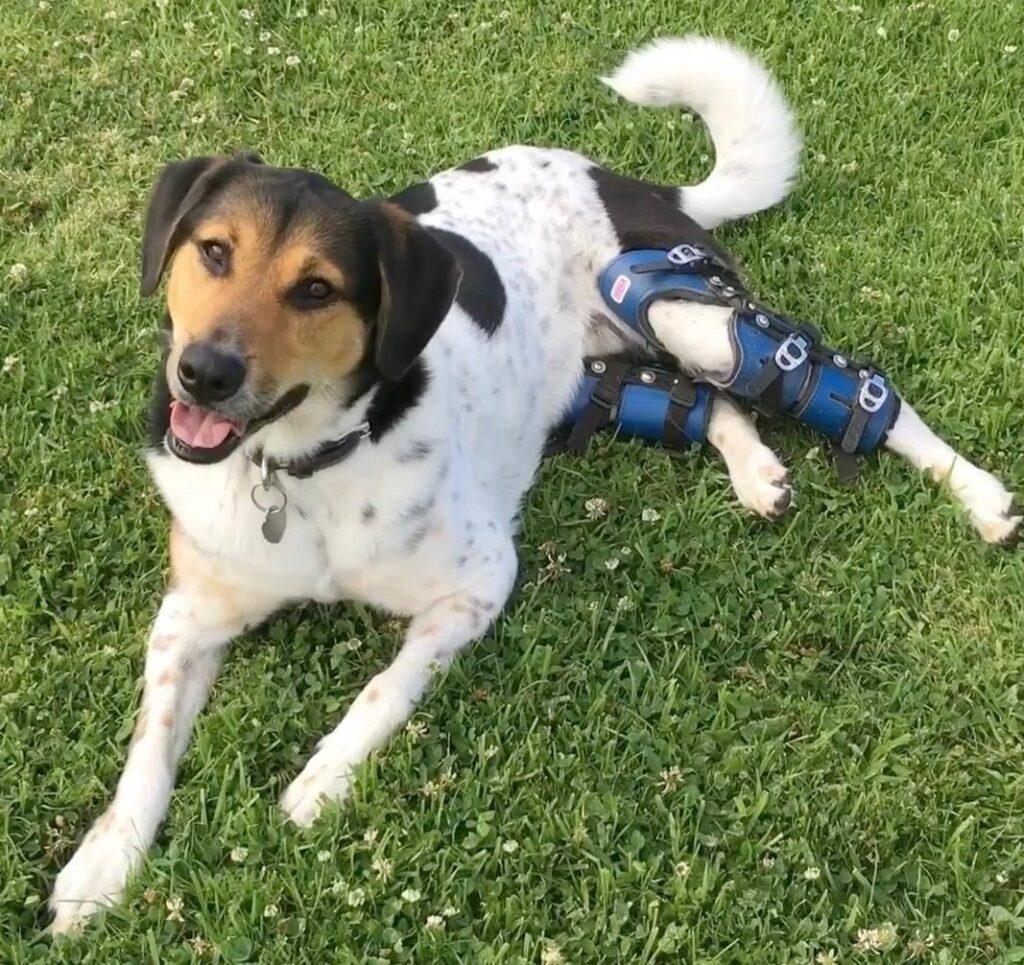
Bracing helps to hold the tibia in place, while acting as a buffer or shock absorber, preventing further movement and issues from occurring. If you need more information you can contact us through our contact form or visit our Facebook Page.
Read reviews check out our Google Reviews online. Click Here
Articles from the Posh Dog Knee Brace team — a group effort with our licensed veterinary technicians and brace specialists, sharing 15+ years of experience helping dogs recover from CCL/ACL injuries and mobility challenges.