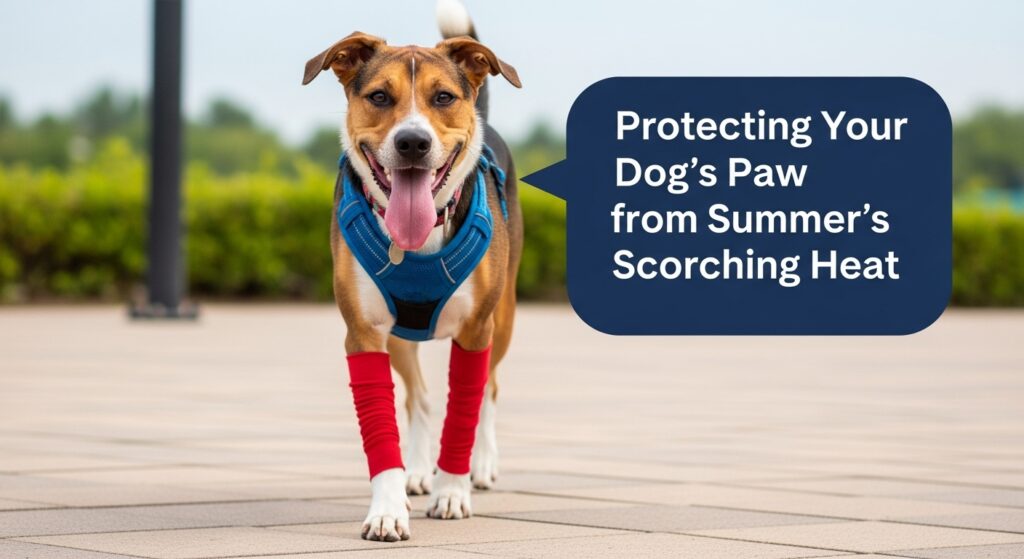
Protecting Your Dog’s Paws from Summer’s Scorching Heat
Summer is a time for joyful walks and outdoor adventures with our dogs. But as the sun beats down, a silent danger lurks beneath our feet: hot pavement. While our shoes offer protection, our dogs’ paw pads are directly exposed to scorching surfaces, which can reach temperatures far higher than the ambient air, causing painful burns and even long-term damage.
Understanding this hidden hazard and taking proactive steps is crucial for keeping your dog’s paws healthy and happy all summer long.
The “Sizzle” Factor: Why Pavement Gets So Hot
Asphalt, concrete, and even brick absorb and retain heat incredibly well. On a sunny 77°F (25°C) day, asphalt can hit a blistering 125°F (51°C). When the air temperature climbs to 85°F (29°C), pavement can reach a staggering 135°F (57°C) or more. These temperatures are hot enough to cook an egg in minutes, and they can cause painful burns on your dog’s sensitive paw pads in as little as 60 seconds.
Signs of Burned Paws:
Limping or refusing to walk
Excessive licking or chewing at their paws
Red, swollen, or discolored paw pads
Blisters or open sores
Pads that are missing pieces or look “melted”
If you notice any of these signs, seek veterinary attention immediately.
Your Best Defense: The “Five-Second Rule”
Before every walk, do this simple, life-saving test:
Place the back of your hand flat on the pavement.
Hold it there for five to seven seconds.
If it’s too hot for your hand to hold comfortably, it’s definitely too hot for your dog’s paws.
If the pavement fails the test, change your plans!
Proactive Protection: Keeping Paws Safe
Time Your Walks Wisely:
Early Mornings & Late Evenings: These are the coolest parts of the day. Plan your longer walks or runs for before 8 AM or after 7 PM, when the sun’s intensity has significantly decreased.
Avoid Midday: Steer clear of walks between 10 AM and 4 PM (or even later on very hot days), when pavement temperatures are at their peak.
Stick to Cooler Surfaces:
Grass is Your Friend: Whenever possible, walk your dog on grassy areas, dirt paths, or shaded trails. These surfaces don’t absorb and retain heat like pavement does.
Seek Shade: If you must walk on pavement, choose routes that are consistently shaded by trees or buildings.
Invest in Paw Protection:
Dog Boots/Shoes: This is the most effective barrier between hot pavement and sensitive paws. It might take some time and positive reinforcement to get your dog used to wearing them, but the protection they offer is invaluable. Look for breathable materials and sturdy, insulated soles.
Paw Waxes/Balms: Products like Musher’s Secret create a protective, breathable barrier on your dog’s paw pads. While not a substitute for boots on scorching pavement, they can offer some protection against minor heat and help prevent cracking and drying, which can make paws more susceptible to burns. Apply 5-10 minutes before walks.
Disposable Paw Pads: Adhesive pads that stick to your dog’s paws can offer a temporary solution for short exposures to warm surfaces.
Regular Paw Maintenance:
Moisturize: Just like human skin, paw pads can benefit from moisturizing to prevent dryness and cracking, which can make them more vulnerable to injury. Use dog-specific paw balms.
Trim Paw Hair: Excess hair between paw pads can trap heat and make it harder for air to circulate. Keep this hair trimmed flush with the pads.
Daily Inspection: Make it a habit to check your dog’s paw pads daily for any signs of redness, blisters, tenderness, or foreign objects.
Hydrate Your Dog: A well-hydrated dog is better equipped to regulate their overall body temperature, which indirectly helps with paw health. Always carry fresh water for your dog on walks.
Don’t let the summer sun put a damper on your dog’s outdoor fun. By being mindful of pavement temperatures and utilizing these protective strategies, you can ensure your dog’s paws stay cool, comfortable, and ready for all your summer adventures!
If you are interested in a Posh Brace you can contact us via our contact page or visit us on Facebook.
Articles from the Posh Dog Knee Brace team — a group effort with our licensed veterinary technicians and brace specialists, sharing 15+ years of experience helping dogs recover from CCL/ACL injuries and mobility challenges.
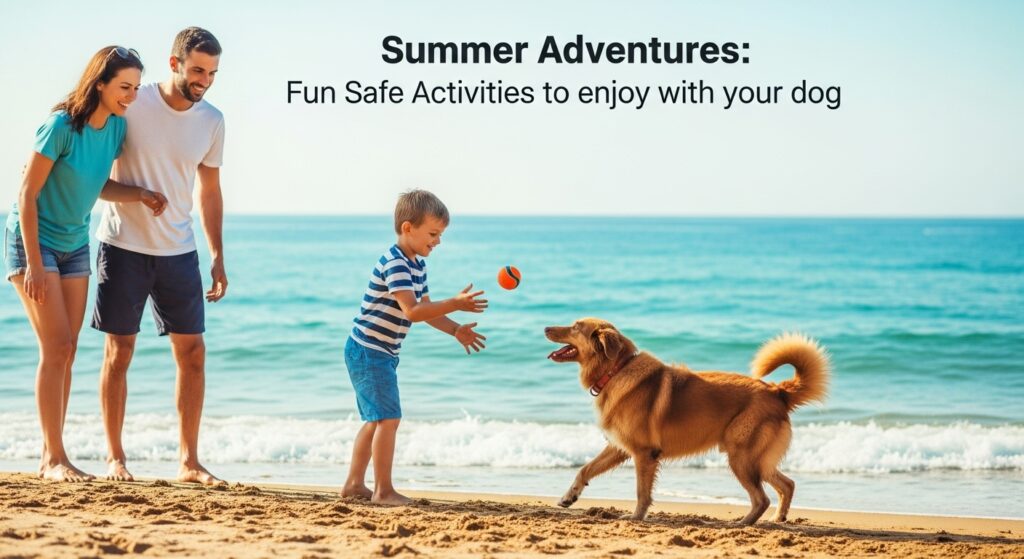
Summer Adventures: Fun & Safe Activities to Enjoy with Your Dog
Summer is the perfect season to make unforgettable memories with your furry best friend! With longer days and warmer weather, the possibilities for shared adventures are endless. However, it’s crucial to balance the fun with safety, especially when it comes to the summer heat and new environments.
Ready to explore? Here are some fun and safe summer activities to enjoy with your dog, ensuring both of you have a fantastic time!
1. Hit the Trails: Hiking with Your Hound
Why it’s great: Hiking offers incredible exercise, mental stimulation from new smells, and beautiful scenery for both of you. Safety Tips:
Choose Dog-Friendly Trails: Research trails that allow dogs and check leash laws.
Paws Protection: Hot ground can burn paws. Test the pavement/trail surface with your hand. Consider dog booties for rocky terrain or very hot days.
Hydration is Key: Bring plenty of water for both of you. A portable dog bowl is a must!
Tick Checks: After every hike, thoroughly check your dog for ticks.
Know Your Dog’s Limits: Don’t push your dog too hard, especially in warmer weather or if they’re not used to long hikes.
2. Make a Splash: Water Fun!
Why it’s great: Swimming and playing in water is a fantastic way for dogs to cool down and get exercise without overheating. Safety Tips:
Dog-Friendly Beaches/Lakes: Find designated dog beaches or lakes.
Life Vest: Even strong swimmers can benefit from a dog life vest, especially in open water or for older/less confident swimmers. It provides buoyancy and a handle for easy retrieval.
Freshwater Rinse: Rinse your dog after swimming to remove salt, chlorine, or lake residue.
Ear Care: Dry their ears thoroughly to prevent ear infections.
Supervision: Always supervise your dog around water, just like you would a child. Be aware of currents, sharp objects, and drop-offs.
Algae Alert: Avoid stagnant water or areas with green or blue-green algae, which can be toxic.
3. Park Playdates & Picnic Fun
Why it’s great: Dog parks offer opportunities for socialization and off-leash play (if permitted), while picnics allow for relaxed outdoor time. Safety Tips:
Dog Park Etiquette: Ensure your dog is well-socialized and up-to-date on vaccinations before visiting a dog park. Supervise interactions closely.
Shade & Water: Choose parks with shaded areas and access to fresh water.
Picnic Perils: Keep all human food out of your dog’s reach. Many picnic staples (grapes, onions, chocolate, alcohol) are toxic to dogs. Pack dog-specific treats.
Why it’s great: You don’t always need to go far for an adventure! Your backyard can be a perfect summer playground. Safety Tips:
Kiddie Pool Fun: A shallow plastic kiddie pool filled with a few inches of water can be a great way for dogs to cool off.
Sprinkler Play: Many dogs love to chase and play in the sprinkler.
Shade & Hydration: Ensure your yard has plenty of shade and always have fresh water available.
Toxic Plants: Check your garden for any plants that are toxic to dogs.
Secure Fencing: Double-check your fence for any escape routes.
5. Urban Explorers: Dog-Friendly Patios & Stores
Why it’s great: Many businesses are becoming increasingly dog-friendly, allowing you to include your pup in more daily activities. Safety Tips:
Research First: Always call ahead to confirm a place is dog-friendly and understand their specific rules.
Leash Manners: Ensure your dog has good leash manners and can relax in public settings.
Quiet Times: If your dog is easily overstimulated, try visiting during off-peak hours.
Pavement Check: Remember the “five-second rule” for hot pavement.
Water Bowl: Ask for a water bowl or bring your own.
Summer Safety First!
No matter what adventure you choose, always prioritize your dog’s safety:
Avoid the Mid-Day Heat: Schedule outdoor activities for early mornings or late evenings.
Know Heatstroke Signs: Be vigilant for excessive panting, lethargy, vomiting, or disorientation. If you suspect heatstroke, seek vet attention immediately.
Pest Protection: Ensure your dog is up-to-date on flea, tick, and heartworm prevention.
Sunburn: Short-haired or light-colored dogs can get sunburned. Consult your vet about pet-safe sunscreens.
Embrace the warmth, sunshine, and long days, and make this summer the best one yet for you and your beloved canine companion!
For information about our Posh Dog Knee Brace contact us via our contact form or visit us on Facebook.
Articles from the Posh Dog Knee Brace team — a group effort with our licensed veterinary technicians and brace specialists, sharing 15+ years of experience helping dogs recover from CCL/ACL injuries and mobility challenges.
Summer is officially here, and with it comes the irresistible aroma of backyard BBQs! While we love sharing good times (and maybe a little food) with our loved ones, it’s crucial to remember that our canine companions can be easily overlooked when it comes to grilling safety. A backyard barbecue, while fun for humans, can present a minefield of hidden dangers for curious pups.
As you fire up the grill and gather with friends and family, keep your furry best friend safe by following these essential tips.
1. The “No Scraps” Rule: What’s Off-Limits (and Why!)
It’s tempting to slip your dog a tasty morsel from the grill, but many common BBQ foods are dangerous for dogs.
Bones (Cooked or Raw): Cooked bones can splinter and cause choking, internal injuries, or blockages. Raw bones also carry bacterial risks. NEVER give your dog any bones from the grill.
Corn on the Cob: While corn itself isn’t toxic, the cob is a huge choking hazard and can cause a serious intestinal blockage requiring emergency surgery.
Fatty Trimmings & Skin: Excessive fat from meat trimmings, bacon, or chicken skin can lead to pancreatitis, a painful and potentially life-threatening inflammation of the pancreas.
Onions, Garlic, Chives: These common BBQ seasonings (often found in marinades, sauces, and cooked dishes) are toxic to dogs and can cause red blood cell damage.
Avocado: Contains Persin, which can be toxic to dogs in large quantities.
Alcohol: Even small amounts of alcohol can be dangerous, leading to intoxication, vomiting, disorientation, and even coma. Keep all alcoholic beverages out of paw’s reach.
Desserts & Sweeteners: Chocolate is toxic, and artificial sweeteners like Xylitol (found in some sugar-free gum, candies, and baked goods) are highly poisonous, causing rapid
2. Safe Sharing: A Few Dog-Friendly Bites
While many BBQ foods are off-limits, there are a few safe options in moderation:
Plain Cooked Meat (Small Amounts): A small piece of plain, unseasoned, boneless, skinless grilled chicken or lean beef is generally safe. Ensure it’s fully cooked and cut into small, manageable pieces.
Plain Vegetables: Small amounts of cooked carrots, green beans, or sweet potatoes (without butter or seasonings) can be healthy treats.
Dog-Specific Treats: The safest bet is always to stick to treats formulated for dogs.
3. Grill Safety: Keep Paws Away during the Summer!
The grill itself is a major hazard.
Hot Surfaces: Grills get incredibly hot. Keep your dog a safe distance away to prevent burns from the grill grates or stray coals.
Flare-ups: Sudden flare-ups can startle your dog or cause burns.
Grease Drippings: Dripping fat can be tempting but can cause digestive upset if ingested.
Lighter Fluid/Propane: Store these chemicals securely and away from curious noses.
Coals and Ash: Dispose of hot coals properly and ensure they are completely cool before your dog can access them. Ingesting ash or leftover charcoal can be dangerous.
4. Manage the Mess: Prevent “Counter-Surfing” and Spills
BBQs often involve many open containers and food within easy reach.
Supervise Food: Never leave plates of food, garbage bags, or picnic baskets unattended where your dog can get into them.
Secure Trash: Dispose of bones, skewers, aluminum foil, and food wrappers in a lidded, secured trash can that your dog cannot access. Even innocuous-looking items can cause internal problems.
Clean Spills Immediately: Wipe up any dropped food or drinks right away.
5. Create a “Safe Zone” for Your Pup
With all the excitement, new smells, and extra people, some dogs can get stressed or overstimulated.
Quiet Retreat: Ensure your dog has a comfortable, quiet place away from the main party area where they can relax if needed (e.g., a crate indoors, a shaded spot in a quiet corner of the yard).
Check In Regularly: Make sure your dog has fresh water and opportunities for potty breaks.
By being mindful and prepared, you can enjoy your summer BBQs knowing your canine pal is happy, healthy, and safe. Here’s to a summer filled with good food, great company, and wagging tails!
If you are interested in a Posh Dog Brace you can contact us via our contact page or visit us on Facebook.
Articles from the Posh Dog Knee Brace team — a group effort with our licensed veterinary technicians and brace specialists, sharing 15+ years of experience helping dogs recover from CCL/ACL injuries and mobility challenges.
Beat the Heat: Essential Tips for Keeping Your Dog Cool This Summer
Summer is here, and while we’re all looking forward to longer days and outdoor adventures, the rising temperatures can pose a serious risk to our beloved canine companions. Dogs don’t regulate heat the same way humans do, making them highly susceptible to overheating and potentially life-threatening heatstroke.
As responsible pet parents, it’s crucial to take proactive steps to ensure our furry friends stay cool, comfortable, and safe throughout the summer months. Here are some essential tips to help your dog beat the heat:
1. Hydration is Key: Water, Water, Everywhere!
Just like us, dogs need plenty of water to stay hydrated.
Always provide fresh, cool water: Keep water bowls full inside and outside your home.
Carry water on walks: Invest in a portable dog water bottle or collapsible bowl for walks, hikes, and car rides. Don’t rely on finding water sources on the go.
Add ice cubes: A few ice cubes in their water bowl can help keep it cool longer.
Consider dog-friendly frozen treats: Ice cubes, frozen Kongs filled with peanut butter, or specialized dog ice cream can be refreshing.
2. Time Your Walks Wisely
Avoid the hottest parts of the day for walks and outdoor exercise.
Early mornings and late evenings: Aim for walks before 8 AM and after 7 PM when temperatures are significantly lower.
Test the pavement: Place the back of your hand on the asphalt for five seconds. If it’s too hot for your hand, it’s too hot for your dog’s paws! Hot pavement can cause painful burns.
3. Provide Ample Shade and Cool Spaces in the Heat
If your dog spends time outdoors, ensure they have access to cool, shaded areas.
Natural shade: Trees are ideal.
Artificial shade: Umbrellas, canopies, or tarps can provide relief.
Cooling mats and elevated beds: These can help dissipate heat and keep your dog off hot surfaces.
Indoors is best: On extremely hot days, keep your dog inside with air conditioning or fans.
4. Never Leave Your Dog in a Parked Car
This tip cannot be stressed enough. Never, ever leave your dog unattended in a parked car, even with the windows cracked. The temperature inside a car can skyrocket to dangerous levels in minutes, even on a seemingly mild day, leading to heatstroke and death.
“Not even for a minute” should be your mantra. If your destination isn’t dog-friendly, leave your pup at home.
5. Know the Signs of Heatstroke
Recognizing the symptoms of heatstroke early can be life-saving.
Excessive panting: More intense and rapid than usual.
Difficulty breathing: Labored or noisy breathing.
Drooling: Thick, excessive drooling.
Vomiting or diarrhea.
Lethargy or weakness.
Dizziness or disorientation: Stumbling, wobbly gait.
Bright red gums or tongue.
Seizures or collapse.
If you suspect heatstroke, act immediately: Move your dog to a cooler area, apply cool (not cold) water to their body (especially paws, ears, and belly), offer small amounts of water, and contact your veterinarian immediately or head to the nearest emergency vet clinic.
6. Consider a Summer Grooming Schedule
For dogs with thick or long coats, a summer trim can help them stay cooler, but avoid shaving double-coated breeds down to the skin as their coats provide insulation against heat and sun protection. Consult with a professional groomer.
7. Explore Cooling Accessories for the Heat
There’s a wide range of products designed to help dogs stay cool:
Cooling vests or bandanas: These can be soaked in water to provide evaporative cooling.
Cooling pads: Gel-filled or water-activated mats that stay cool for hours.
Kiddie pools: A shallow pool in the backyard can be a fun way for your dog to cool off (always supervised).
Stay Safe and Enjoy Summer!
By following these essential tips, you can help ensure your dog enjoys a safe and comfortable summer. Be vigilant, be prepared, and prioritize your furry friend’s well-being in the heat. Here’s to a paw-some and cool summer for you and your best friend!
For more information about Posh Dog Knee Brace you can use our contact form to contact us or visit us on Facebook.
Articles from the Posh Dog Knee Brace team — a group effort with our licensed veterinary technicians and brace specialists, sharing 15+ years of experience helping dogs recover from CCL/ACL injuries and mobility challenges.
The Ultimate Checklist for Summer Doggy Day Trip
Summer is here, and the call of adventure is strong, we have the ultimate checklist for you! Whether it’s a hike in the mountains, a splash at the beach, a visit to a dog-friendly town, or simply an extended playdate at the park, a day trip with your dog can be the highlight of the season. But spontaneous fun requires smart preparation, especially when your best friend is coming along.
To ensure your summer doggy day trip is filled with joy and free of worries, we’ve compiled the ultimate checklist. Pack these essentials, and you’ll be ready for anything!
Before You Go: The Essential Doggy Day Trip Checklist
Vet Check-Up & Vaccinations: Ensure your dog is up-to-date on all vaccinations (especially rabies, distemper, parvovirus, and kennel cough if visiting dog parks) and parasite preventatives (fleas, ticks, heartworm).
ID Tags & Microchip: Double-check that your dog’s collar has up-to-date ID tags with your current phone number. Confirm your microchip registration information is current.
Research Your Destination:
Dog-Friendly Status: Is the park, beach, or trail truly dog-friendly? Are there specific leash laws?
Hours & Fees: Are there any entry fees or specific operating hours?
Amenities: Are there water sources, shade, or waste disposal stations?
Restrictions: Are certain areas off-limits to dogs?
Emergency Vet: Locate the nearest emergency veterinary clinic to your destination, just in case.
Weather Check: Always check the weather forecast. Avoid extremely hot days for strenuous activities. Remember the “five-second rule” for pavement!
Practice Runs (if new to adventures): If your dog isn’t used to car rides or new environments, try a few shorter practice runs first.
The Doggy Day Trip Packing Checklist: Must-Haves for Your Pup’s Bag
Hydration & Nourishment Checklist:
Plenty of Fresh Water: Pack way more than you think you’ll need. Dehydration is a major risk in summer.
Portable Water Bowl: Collapsible silicone bowls are perfect for on-the-go.
Dog Food/Treats: Enough for the day, plus a few extra for emergencies or unexpected delays. Pack high-value treats for training/distraction.
Kongs or Puzzle Toys: If you plan downtime, these can keep your dog entertained.
Safety & Control Checklist:
Leash & Collar/Harness: Always have a secure leash. Consider a hands-free leash for hiking.
Safety Harness/Crate (for car travel): Ensure your dog is safely restrained in the car.
Dog Life Vest (if near water): Even if your dog can swim, a life vest with a handle provides extra safety and easy retrieval.
Poop Bags (LOTS of them!): Be a responsible pet parent and leave no trace.
Pet First-Aid Kit:
Antiseptic wipes
Sterile gauze pads/rolls
Adhesive tape
Blunt-tipped scissors
Tweezers (for splinters/ticks)
Hydrogen peroxide (consult vet before use for inducing vomiting)
Benadryl (liquid or tablets, consult vet for dosage for allergic reactions)
Paw balm or wax (for rough terrain)
Vet wrap
Identification: Ensure ID tags are on the collar and your microchip is registered.
Comfort & Fun Checklist:
Dog Towel(s): Essential for wet paws, muddy bodies, or after a swim.
Cooling Gear: Cooling vest, bandana, or mat for hot days.
Booties (optional): For hot pavement, rocky trails, or very cold surfaces.
Favorite Toy(s): A comfort item or something for fetch.
Portable Dog Bed/Blanket: For comfort during rest stops or at your destination.
Shade: If your destination lacks natural shade, consider a portable umbrella or pop-up canopy.
Documentation (Copies/Digital Photos on your phone) Checklist:
Vaccination Records: Especially rabies certificate.
Vet Contact Information: Your regular vet and the emergency vet near your destination.
Proof of Microchip Registration.
During the Trip: On-the-Go Smarts
Frequent Potty Breaks: Stop every few hours for bathroom breaks and to stretch legs.
Never Leave Dog in Hot Car: This is non-negotiable. Temperatures can rise rapidly, leading to heatstroke.
Stay Hydrated: Offer water frequently, especially after activity.
Monitor for Overheating: Watch for excessive panting, lethargy, or disorientation.
Respect Rules: Adhere to all leash laws, clean-up policies, and park regulations.
With this ultimate summer doggy day trip checklist in hand, you’re not just ready for an outing – you’re ready for an unforgettable adventure with your best friend, ensuring their safety and happiness every step of the way! Happy trails (and tales)!
If you are interested in a Posh Brace contact us via our contact page or visit us on Facebook for more informtaion.
Articles from the Posh Dog Knee Brace team — a group effort with our licensed veterinary technicians and brace specialists, sharing 15+ years of experience helping dogs recover from CCL/ACL injuries and mobility challenges.
Road to Recovery: Rehabilitating Your Dog’s Knee Joint
A knee injury can sideline even the most energetic dog, impacting their mobility and overall quality of life. Whether the injury is due to a cruciate ligament tear, patellar luxation, or another issue, proper rehabilitation is crucial for a successful recovery. This article explores the importance of knee joint rehabilitation in dogs and outlines the key components of a comprehensive recovery plan.
Understanding the Importance of Rehabilitation:
Rehabilitation isn’t just about rest; it’s an active process designed to restore function, reduce pain, and prevent further injury. A well-structured rehabilitation program after a knee injury or surgery offers numerous benefits:
Reduced Pain and Inflammation: Targeted therapies can minimize pain and swelling, making your dog more comfortable.
Improved Range of Motion: Exercises help restore flexibility and mobility in the knee joint.
Strengthened Muscles: Rehabilitation focuses on strengthening the muscles surrounding the knee, providing better support and stability.
Enhanced Proprioception: Proprioception is the body’s awareness of its position in space. Rehabilitation helps improve balance and coordination, reducing the risk of re-injury.
Faster Recovery: A structured program can accelerate the healing process and help your dog return to normal activity sooner.
Prevention of Further Injury: By strengthening supporting structures and improving proprioception, rehabilitation can help prevent future knee problems.
Components of a Knee Joint Rehabilitation Program:
A comprehensive knee rehabilitation program for dogs typically includes several key components:
Rest and Controlled Activity: Initially, rest is crucial to allow the knee to heal. Your veterinarian will recommend a gradual increase in activity as your dog progresses through rehabilitation. Controlled leash walks, avoiding running, jumping, and playing, are essential in the early stages.
Pain Management: Pain management is crucial for comfort and allows your dog to participate more effectively in rehabilitation exercises. Your veterinarian may prescribe pain medications, anti-inflammatories, or other therapies.
Therapeutic Exercises: Specific exercises are designed to improve range of motion, strength, and balance. These may include:
Passive Range of Motion (PROM): Gently moving the knee through its range of motion.
Assisted Exercises: Such as weight shifting and balancing exercises.
Active Exercises: Like walking on inclines or over cavaletti poles.
Hydrotherapy: Water-based therapy can be very beneficial. Swimming or underwater treadmill walking provides low-impact exercise, reducing stress on the joint while improving strength and range of motion.
Massage Therapy: Massage can help reduce muscle tension, improve circulation, and decrease pain.
Laser Therapy: Laser therapy can stimulate tissue healing and reduce inflammation.
Acupuncture: Some dogs benefit from acupuncture, which can help manage pain and promote healing.
Home Care: Your veterinarian or a certified canine rehabilitation therapist will provide you with instructions for exercises and activities to perform at home. Consistency is key to a successful recovery.
Working with a Canine Rehabilitation Specialist:
A certified canine rehabilitation therapist can play a crucial role in your dog’s recovery. They have specialized training in designing and implementing rehabilitation programs. They can assess your dog’s specific needs, develop a tailored plan, and guide you through the exercises and therapies.
Phases of Rehabilitation:
Knee rehabilitation typically progresses through several phases:
Phase 1 (Acute Phase): Focuses on pain management and reducing swelling. Rest is paramount.
Phase 2 (Early Mobilization Phase): Gentle exercises to improve range of motion and begin strengthening.
Phase 3 (Strengthening Phase): Focuses on building muscle strength and improving balance.
Phase 4 (Return to Activity Phase): Gradual return to normal activity levels.
Importance of Consistency and Patience:
Rehabilitating a knee injury takes time and dedication. Consistency with the prescribed exercises and therapies is essential for a successful outcome. Be patient with your dog, and celebrate their progress along the way.
Conclusion:
Knee joint injuries can be challenging for dogs, but with proper rehabilitation, they can often regain mobility and enjoy a good quality of life. Working closely with your veterinarian and a certified canine rehabilitation therapist is crucial for developing and implementing a comprehensive recovery plan. With patience, consistency, and a lot of love, you can help your canine companion get back on their feet and back to enjoying life’s adventures. For more information about Posh Dog Knee Brace you can contact us via our contact form or visit our Facebook Page.
Articles from the Posh Dog Knee Brace team — a group effort with our licensed veterinary technicians and brace specialists, sharing 15+ years of experience helping dogs recover from CCL/ACL injuries and mobility challenges.
Joint Pain – When Every Step Hurts: Understanding and Managing Limping and Joint Pain in Dogs
Our canine companions bring so much joy to our lives, but it’s heartbreaking to see them in pain. Limping is a common sign of discomfort in dogs, often stemming from joint issues. Understanding the causes of limping and joint pain, along with available management strategies, is crucial for any dog owner.
Why is My Dog Limping?
Limping can be caused by a wide range of factors, from minor injuries to chronic conditions. Some common culprits include:
Soft Tissue Injuries: Sprains, strains, and bruises affecting muscles, tendons, and ligaments.
Paw Problems: Torn nails, embedded objects, infections.
Other: Lyme disease, tick-borne illnesses, certain autoimmune diseases.
Recognizing the Signs of Joint Pain:
While limping is the most obvious sign, other indicators of joint pain in dogs include:
Reluctance to Move: Hesitation to get up, climb stairs, jump, or play.
Stiffness: Difficulty moving after rest, often improving slightly with gentle exercise.
Licking or Biting: Focusing on a specific joint.
Swelling: Visible swelling around a joint.
Changes in Behavior: Irritability, decreased appetite, or withdrawn behavior.
Vocalization: Whining, whimpering, or yelping when touched or moved.
What to Do if Your Dog is Limping:
Rest: Limit your dog’s activity and prevent them from running or jumping.
Examine: Check your dog’s paws for injuries or foreign objects. Gently feel their legs and joints for swelling or tenderness.
Consult Your Veterinarian: It’s crucial to schedule a veterinary appointment, especially if the limping is severe, sudden, persistent, or accompanied by other symptoms like fever, lethargy, or loss of appetite.
Diagnosis and Treatment:
Your veterinarian will perform a physical examination, assess your dog’s gait, and may recommend diagnostic tests, such as:
X-rays: To visualize bones and joints.
Blood Tests: To check for infections, inflammation, or other underlying conditions.
Urine Tests: To rule out urinary tract infections or other issues.
Joint Fluid Analysis: To assess the health of the joint fluid.
MRI or CT Scan: For more detailed imaging of soft tissues and bones.
Treatment will depend on the underlying cause of the limping and joint pain. Options may include:
Pain Management: Medications like NSAIDs (non-steroidal anti-inflammatory drugs) or other pain relievers. Never give human pain medication to your dog without veterinary guidance.
Joint Supplements: Glucosamine, chondroitin, and other supplements can support joint health.
Physical Therapy: Therapeutic exercises, hydrotherapy, and other modalities to improve strength, flexibility, and range of motion.
Weight Management: Maintaining a healthy weight reduces stress on joints.
Surgery: May be necessary for certain conditions, such as fractures, ligament tears, or severe arthritis.
Alternative Therapies: Acupuncture, laser therapy, and other complementary therapies may be beneficial for some dogs.
Bracing: If it is a ligament tear, arthritis, or bad sprain a custom knee brace like Posh Dog Knee Braces would be a great option.
Supporting Your Dog at Home:
Beyond veterinary treatment, you can take steps to make your dog more comfortable:
Provide a Comfortable Bed: An orthopedic bed can cushion joints and provide support.
Modify Your Home: Ramps can help dogs access furniture or cars. Non-slip flooring can prevent falls.
Gentle Exercise: Even with joint pain, some controlled movement is important. Talk to your vet about appropriate exercises.
Adequate Nutrition: A balanced diet supports overall health and can help manage weight.
Preventing Joint Problems:
While some conditions are unavoidable, you can take steps to minimize the risk of joint problems:
Maintain a Healthy Weight: This is one of the most important things you can do for your dog’s joint health.
Provide Regular Exercise: Regular, moderate exercise strengthens muscles and supports joints.
Choose a Reputable Breeder: If you’re getting a puppy, research breeders carefully to minimize the risk of inherited joint conditions.
Conclusion:
Limping and joint pain can significantly impact a dog’s quality of life. Early diagnosis and appropriate management are crucial for ensuring your furry friend remains comfortable and mobile. If your dog is limping, don’t hesitate to consult with your veterinarian. With proper care and support, many dogs with joint problems can live happy and fulfilling lives. For more information you can contact us via our contact form or visit us on Facebook.
Articles from the Posh Dog Knee Brace team — a group effort with our licensed veterinary technicians and brace specialists, sharing 15+ years of experience helping dogs recover from CCL/ACL injuries and mobility challenges.
Should my dog wear the Posh Dog Brace ALL DAY?
Posh dog brace is the only dog brace for a torn knee ligament which uses a flexible shell and frame system, instead of the rigid and problematic inflexible plastic all other dog leg brace companies still use. Our patent-pending design is called our “flexi-shell” system. Our dog braces are fabricated from high grade professional orthotic materials which dramatically reduce irritation, rubbing and other fit problems still experienced by the other stifle braces made by other companies.
When to wear your Posh Dog Brace
Our flexi-shell frames allow for total conformation of your dog’s leg, without losing any of the structural integrity of the device, which suppresses the tibial thrust while correctly aligning the femur and tibia bones.
We recommend that your dog wear our brace during physical therapy exercises such as walking and periods when your dog is more active. Most older dogs lay around for much of the day, in which case the brace is not needed all day. Yet other dogs with ACL tears are more active. If you have a younger dog who is still quite active, then bracing may be appropriate more frequently during the day, under supervised conditions. The posh dog knee brace is needed during any activity, including: using stairs at anytime, walks, playing around, etc.
Only one other company actually recommends that a dog wear their custom made brace for an unnecessarily long 18 hours PER day. Our opinion regarding usages is quite different. We know that many dogs cannot tolerate such excessive and unnecessary wearing time. This other company states that their $1,200 dog knee brace should be worn: “ALL DAY – EVERYDAY.” Dog leg braces made by other companies which are worn “all day – everyday” can create irritation, chafing, open sores, and can be comfortable for your dog.
Use our dog brace only when it is needed during exercise and activity, not for 12 – 18 hours a day. If your dog does not chew on the brace, you may leave it on for longer periods. Doing conservative management for your dog with a torn CCL, is a critical part of the recovery process.
When you take your dog outside for a potty break, you should keep your dog leashed for 3 – 4 weeks after the initial injury, until the knee starts naturally healing. Using a brace for a potty break when your dog is leashed is not necessary. Leashing prevents your dog from chasing things like lizards, birds or just running around and stressing the injured leg. Then after some healing has occurred, you can likely abandon the leashing for potty breaks, and put the brace on instead, so your dog can use your backyard as a play spot.
You can resume short walks with your dog, while using our dog brace, usually within a week after the initial injury. As time goes by, you can increase the distance of the walks. Many dogs walk for over an hour each day within a few weeks of wearing our brace. For more information about our brace you can contact us via or contact page or visit us on Facebook.
Articles from the Posh Dog Knee Brace team — a group effort with our licensed veterinary technicians and brace specialists, sharing 15+ years of experience helping dogs recover from CCL/ACL injuries and mobility challenges.
How do you make a custom brace without a cast from my vet?
Some dog knee brace companies are telling dog patents that the only way to make a correct mold of a dogs’ leg is with a cast. Up until almost two years ago, that was mostly true. After a year of research, development and testing, our innovative company figured a few considerations about the out-dated casting requirements still used by everyone (but us).
What Makes Us Different from Cast Braces?
Price: depending on whether your vet is honest, they will charge you $100 to as high as $600 for “anesthesia, lab work, x rays” etc.
Effectiveness: The first vet who made a cast of our dogs’ leg was highly recommended by western brace company in May 2013. That vet made a cast which was defective, unnatural, and incorrectly molded our dogs’ leg, which was 30 degrees outward during the casting appointment, and the brace which we paid for and we received never fit correctly. DOf with a CCL injury will often tilt their injured leg outwards from their body to mitigate pain.
Remakes of defective casts: Recently we were contacted by a customer who intended to use a competitors brace. That person paid for a casting kit, then paid the vet made the cast, then sent it overnight to my pets brace. Total charges exceeded $285. The computer brace then advised the customer that the cast was not correct, and told them to pay for another kit and another vet fee.
This loving dog parent contacted us; since we have eliminated the dog knee cast process. Because of the delay, she had already endured from competitor brace and her former vet, we rushed her order, with no extra rush charge. Six days later, her dog was wearing our posh CCL dog leg brace, which fit beautifully.
With our patent pending, proprietary system, you need not worry about any of these problems. Just expect a truly custom fit like no other dog knee brace manufacturer can deliver, in half the time. Our company own by dog parents, not dog “owners.” Your dog is our customer, and our priority.
Making our measurements is very easy and takes less than 30 minutes with us on a video call: so easy that any lay person can take simple measurements we need, along with 4 pictures. If you do it yourself, you only need a soft measuring tape, watch our measuring video, and read our instructions we send [after payment]. We do not require that you or your vet make a cast of your dogs’ leg, because we make an accurate mold of your dogs’ leg without using a casting impression.
You just send us the measurements and pictures, then, using technology and our software program, we use our proprietary system to convert that data into an extremely accurate mold of your dogs’ leg. It took over a year of research, development, and testing to launch our groundbreaking system. Since mid-2015, we eliminated casting with great results! See our testimonial page. Our posh brace fits better than any other company.
From there, we make the custom dog stifle brace for your dog which fits even better than what we used to make when we relied upon casts sent to us. As we have said: old fashioned, obsolete casts, even from vets, are often quite defective and do NOT reflect the correct topography and anatomy of you dogs’ leg provided by our software system.
We hope that you understand, but please do not ask us questions or specifics about our patent pending proprietary methods, processes, techniques, software, etc. as we will be unable to answer them. We closely guard that sensitive information from competitors [proxies for same] and outsiders. It took us a lot of time and capital investment to develop our unique system. We are happy to answer any general questions you can contact us via our contact page or visit our Facebook page for more information.
Articles from the Posh Dog Knee Brace team — a group effort with our licensed veterinary technicians and brace specialists, sharing 15+ years of experience helping dogs recover from CCL/ACL injuries and mobility challenges.
5 Tips to Stop Your Dog From Chewing Furniture
Chewing is a natural behavior for dogs, but it can be destructive when they target your furniture. Here are some tips to help curb this habit:
1. Provide Plenty of Chew Toys:
Ensure your dog has a variety of toys to satisfy their instincts.
Rotate toys to keep them interesting and prevent boredom.
Choose toys that are durable and appropriate for your dog’s mouth strength.
2. Make Furniture Unappealing:
Use bitter apple spray or other pet-safe deterrents on furniture.
Cover furniture with blankets or sheets to create a barrier.
Place motion-activated deterrents near furniture to startle and discourage chewing.
3. Supervise and Redirect:
When you’re home, keep an eye on your dog and redirect them to a toy if they start chewing on furniture.
Use positive reinforcement to reward them for chewing on appropriate items.
4. Exercise and Mental Stimulation:
Ensure your dog gets enough physical exercise to burn off energy.
Provide mental stimulation through training, puzzles, and games.
A tired and mentally stimulated dog is less likely to resort to destructive chewing.
5. Address Underlying Issues:
If your dog’s chewing is excessive or sudden, consult a veterinarian or behaviorist.
They can help identify any underlying medical or behavioral issues contributing to the problem.
Remember: Consistency and patience are key. With the right approach, you can teach your dog to chew on appropriate items and protect your furniture.
Additional Tips:
Don’t punish your dog after the fact. They won’t understand why they’re being punished and it can damage your relationship.
Avoid leaving your dog alone for long periods. Boredom and anxiety can lead to destructive chewing.
Consider crate training. A crate can provide a safe space for your dog and prevent them from accessing furniture when you’re away.
By following these tips, you can create a harmonious environment where your dog’s chewing needs are met without sacrificing your furniture. If you are interested in a Posh Dog Knee Brace or want more information you can contact us via our contact form or visit us on Facebook.
Articles from the Posh Dog Knee Brace team — a group effort with our licensed veterinary technicians and brace specialists, sharing 15+ years of experience helping dogs recover from CCL/ACL injuries and mobility challenges.
The Benefits of Acupuncture for Dogs: A Holistic Approach to Pain Management
Acupuncture approach to pain management, an ancient Chinese medicine practice, has gained significant traction in veterinary medicine as a holistic approach to managing various health conditions in dogs. By inserting thin needles into specific points on the body, acupuncture stimulates the nervous system, promoting the release of endorphins and other natural pain-relieving chemicals. This can offer a valuable alternative or complementary therapy to traditional pain medications for dogs.
Key Benefits of Acupuncture for Dogs for Pain Management:
Pain Management: Acupuncture is particularly effective in managing chronic pain conditions such as arthritis, intervertebral disc disease, and post-surgical discomfort. It can help reduce inflammation, improve mobility, and enhance overall quality of life for dogs suffering from these conditions.
Reduced Reliance on Medications: Acupuncture can help reduce the need for conventional pain medications, which can have potential side effects. This is especially beneficial for dogs with sensitive stomachs or those who have difficulty tolerating certain drugs.
Improved Circulation: Acupuncture stimulates blood flow, which can improve oxygen and nutrient delivery to tissues and organs. This can aid in healing and recovery from injuries and surgeries.
Immune System Support: Some studies suggest that acupuncture may help boost the immune system, making it a valuable adjunct therapy for dogs with certain health conditions.
Reduced Anxiety and Stress: Acupuncture can have a calming effect on dogs, helping to reduce anxiety and stress associated with various situations, such as travel, vet visits, or fireworks.
Conditions That May Benefit from Acupuncture:
Musculoskeletal Conditions: Arthritis, hip dysplasia, back pain, and other joint problems.
Neurological Conditions: Intervertebral disc disease, nerve pain, and certain forms of paralysis.
Gastrointestinal Disorders: Vomiting, diarrhea, and inflammatory bowel disease.
Respiratory Problems: Asthma, allergies, and chronic bronchitis.
Skin Conditions: Allergies, hot spots, and other inflammatory skin issues.
Cancer Pain Management: Acupuncture can help manage pain and improve quality of life for dogs undergoing cancer treatment.
How Acupuncture Works:
Acupuncture points are located along specific meridians or pathways in the body. When needles are inserted into these points, they stimulate the nervous system, triggering the release of endorphins, natural pain-relieving chemicals. Acupuncture also helps to regulate the flow of qi (pronounced “chee”), which is believed to be the vital energy that flows through the body.
Finding a Qualified Veterinarian:
If you’re considering acupuncture for your dog, it’s essential to find a qualified and experienced veterinarian who specializes in this field. Look for veterinarians who are certified by the International Veterinary Acupuncture Society (IVAS) or similar organizations.
Conclusion:
Conclusion:
Acupuncture can be a safe and effective holistic approach to managing pain and other health conditions in dogs. By stimulating the body’s natural healing mechanisms, acupuncture can help improve your dog’s quality of life and reduce reliance on medications. If you’re considering acupuncture for your dog, consult with a qualified veterinarian to discuss whether it’s the right option for your pet.
Disclaimer: This information is for educational purposes only and should not be considered medical advice. Always consult with a qualified veterinarian before making any decisions about your dog’s health care.
For more information about acupuncture or our Posh Dog Knee Brace you can contact us via our contact form or visit us on Facebook.
Articles from the Posh Dog Knee Brace team — a group effort with our licensed veterinary technicians and brace specialists, sharing 15+ years of experience helping dogs recover from CCL/ACL injuries and mobility challenges.
5 Mental Stimulation Games and Puzzles for Dogs
Here are some engaging mental stimulation games and puzzles for dogs:
1. Mental Stimulation Treat Puzzles:
Puzzle Toys: These come in various levels of difficulty, from simple treat-dispensing balls to intricate mazes. They challenge your dog to use their paws and noses to retrieve hidden treats.
Lick Mats: Spread peanut butter, yogurt, or wet food on a lick mat to keep your dog occupied for a while.
Frozen Treats: Freeze a Kong toy filled with treats or broth for a long-lasting, cooling treat.
2. Mental Stimulation Scent Work Games:
Hide-and-Seek: Hide treats around the house or yard and let your dog use their nose to find them. You can increase the difficulty by hiding the treats under blankets or in boxes.
Scent Trails: Create a scent trail by dragging a treat along the ground, then let your dog follow the scent to find the reward.
3. Mental Stimulation Training Games:
Teach New Tricks: Learning new commands and tricks like “sit,” “stay,” “roll over,” and “fetch” provides mental stimulation and strengthens your bond with your dog.
Agility Courses: Set up a simple obstacle course in your home or yard using household items like chairs, blankets, and tunnels.
4. Mental Stimulation Interactive Toys:
Puzzle Toys: These toys require your dog to interact with them to get a reward, such as a squeaky toy or a ball that dispenses treats.
Tug-of-War: A classic game that provides both physical and mental stimulation.
Fetch: A great way to exercise your dog’s mind and body.
5. DIY Games:
Muffin Tin Game: Fill a muffin tin with treats and cover them with tennis balls or other small objects. Your dog will have to use their paws to uncover the treats.
Cardboard Box Maze: Create a simple maze out of cardboard boxes and let your dog navigate it to find a treat at the end.
Tips for Success:
Start with easy puzzles: Gradually increase the difficulty as your dog progresses.
Make it fun: Keep training sessions short and positive.
Use high-value treats: This will motivate your dog to work harder.
Be patient: It may take some time for your dog to understand the game.
Rotate toys: Keep your dog engaged by rotating the toys you use.
Remember to always supervise your dog during playtime to ensure their safety.
I hope these ideas help you provide your dog with plenty of mental stimulation!
For more information on how to help your dog use their Posh Dog Knee Brace contact us via our contact page or visit our Facebook.
Articles from the Posh Dog Knee Brace team — a group effort with our licensed veterinary technicians and brace specialists, sharing 15+ years of experience helping dogs recover from CCL/ACL injuries and mobility challenges.
4 Dog Weight Management Using Safe and Natural Approaches
This is for informational purposes only. For medical advice or diagnosis, consult a professional.
Absolutely! Here’s a breakdown of safe and natural approaches to dog weight management, keeping in mind that it’s always best to consult your veterinarian for personalized advice:
Weight Management Diet:
High-Quality Dog Food: Choose a diet formulated for weight management. These foods are typically lower in fat and calories while still providing essential nutrients. Look for options with high-quality protein sources (like chicken, fish, or lean meats) and whole grains or vegetables.
Portion Control: Accurately measure your dog’s food to avoid overfeeding. Follow the feeding guidelines on the food bag, but remember that these are just a starting point. Adjust portions based on your dog’s activity level and weight loss progress.
Limit Treats: Treats should be a small part of your dog’s daily calorie intake. Opt for low-calorie options like small pieces of fruit or vegetables, or special weight-management treats.
Avoid Table Scraps: Human food is often high in fat, sugar, and salt, which can contribute to weight gain in dogs.
Exercise:
Regular Walks: Daily walks are essential for weight management and overall health. Aim for at least 30 minutes of brisk walking most days of the week.
Playtime: Engage in interactive play sessions with your dog, such as fetch, tug-of-war, or hide-and-seek.
Swimming: If your dog enjoys swimming, it’s a great low-impact exercise that can help burn calories.
Lifestyle Changes:
Puzzle Toys: Food puzzle toys can make mealtime more challenging and mentally stimulating, helping your dog burn extra calories.
Avoid Overfeeding: Don’t free-feed your dog. Instead, offer meals at specific times and remove any uneaten food after a set period.
Gradual Changes: Introduce dietary and exercise changes gradually to avoid stress for your dog.
Important Considerations:
Veterinary Guidance: Consult your vet before making any significant changes to your dog’s diet or exercise routine, especially if they have any underlying health conditions.
Monitor Progress: Regularly weigh your dog and track their weight loss progress. Adjust their diet and exercise plan as needed.
Patience: Weight loss takes time and consistency. Don’t get discouraged if you don’t see results immediately.
Natural Supplements (Consult Your Vet First):
L-carnitine: This amino acid can help convert fat into energy.
Glucosamine and Chondroitin: These supplements can support joint health, which is important during weight loss.
Fiber Supplements: Fiber can help your dog feel full and may aid in weight management.
Remember: Always prioritize your dog’s overall health and well-being. If you have any concerns about your dog’s weight or health, consult your veterinarian for personalized advice.
If you have any questions about weight manangement or would like more information about our brace you can contact us via our contact page or visit us on Facebook.
Articles from the Posh Dog Knee Brace team — a group effort with our licensed veterinary technicians and brace specialists, sharing 15+ years of experience helping dogs recover from CCL/ACL injuries and mobility challenges.
The Power of Aromatherapy for Pets: Essential Oils for Calm and Healing for Dogs
Aromatherapy, the practice of using essential oils for therapeutic benefits, isn’t just for humans. It can also offer a range of benefits for our furry friends, particularly dogs. Essential oils, derived from plants, possess potent compounds that can promote relaxation, reduce anxiety, and even aid in physical healing.
Why Aromatherapy for Dogs?
Dogs, like humans, have a strong sense of smell. When they inhale essential oils, these aromatic compounds interact with their olfactory system, triggering various physiological and emotional responses. This can lead to a multitude of benefits, including:
Reduced Anxiety: Certain essential oils, such as lavender and chamomile, have calming properties that can help soothe anxious dogs.
Improved Mood: Citrus oils like lemon and orange can uplift a dog’s mood and increase alertness.
Pain Relief: Some essential oils, such as peppermint and eucalyptus, have analgesic properties that can help alleviate pain and discomfort.
Enhanced Sleep: Lavender and chamomile can also promote restful sleep, especially for dogs with anxiety-related insomnia.
How to Use Essential Oils Safely for Dogs
While aromatherapy can be incredibly beneficial for dogs, it’s essential to use essential oils safely and responsibly. Here are some tips:
Consult Your Veterinarian: Always consult your veterinarian before using essential oils on your dog, especially if they have any underlying health conditions or are taking medications.
Dilute the Oils: Never apply undiluted essential oils directly to your dog’s skin. Dilute them in a carrier oil, such as coconut oil or jojoba oil, before applying.
Avoid Toxic Oils: Some essential oils, such as tea tree oil and wintergreen oil, can be toxic to dogs. It’s crucial to avoid these oils altogether.
Diffuse Safely: When using a diffuser, ensure it’s designed for pet-safe essential oils and place it in a well-ventilated area.
Monitor Your Dog: Keep a close eye on your dog after using essential oils. If you notice any adverse reactions, such as skin irritation or respiratory issues, discontinue use immediately and consult your veterinarian.
Popular Essential Oils for Dogs
Lavender: Calming and relaxing, lavender can help reduce anxiety and promote sleep.
Chamomile: Soothing and anti-inflammatory, chamomile can help alleviate anxiety and discomfort.
Peppermint: Refreshing and analgesic, peppermint can help relieve pain and improve digestion.
Eucalyptus: Antiseptic and decongestant, eucalyptus can help clear respiratory congestion.
By using essential oils responsibly and under the guidance of a veterinarian, you can harness the power of aromatherapy to improve your dog’s overall well-being. For more information about our Posh Dog Knee Brace you can contact us via our contact page or visit our Facebook page.
Articles from the Posh Dog Knee Brace team — a group effort with our licensed veterinary technicians and brace specialists, sharing 15+ years of experience helping dogs recover from CCL/ACL injuries and mobility challenges.
How to Create a Holistic First Aid Kit for Your Pet: 6 Essentials and Tips
Creating a Holistic First Aid Kit for Your Pet
A well-stocked first aid kit is essential for any pet owner. Here’s a comprehensive guide to creating a holistic kit that combines traditional and natural remedies:
Essential Supplies:
Basic Holistic First Aid Kit:
Gauze pads in various sizes
Adhesive tape
Cotton balls or swabs
Tweezers
Scissors with blunt tips
Disposable gloves
Thermometer
Hydrogen peroxide (3%) – for cleaning wounds, but consult your vet before use
Saline solution – for eye irritations or cleaning wounds
Antibiotic ointment
Muzzle (for larger dogs)
Holistic Additions:
Herbal Remedies:
Calendula ointment – for skin irritations and minor wounds
Plantain leaf – for soothing bites and stings
Comfrey leaf – for muscle and joint pain
Yarrow – for bleeding and inflammation
Homeopathic Remedies:
Arnica – for bruising, soreness, and inflammation
Belladonna – for fever and inflammation
Rhus toxicodendron – for muscle and joint pain and stiffness
Essential Oils:
Lavender – for calming and relaxation
Tea tree oil – for antiseptic and antifungal properties (dilute before use)
Tips for Creating a Holistic First Aid Kit:
Consult Your Veterinarian: Before incorporating any new remedies into your pet’s first aid kit, consult your veterinarian. They can provide personalized advice and ensure that the chosen remedies are safe and appropriate for your pet’s specific needs.
Store Properly: Keep your first aid kit in a cool, dry place, away from direct sunlight.
Label Clearly: Label all items in your kit, including expiration dates.
Practice First Aid: Take a pet first aid course to learn essential skills like CPR, wound care, and how to handle emergencies.
Emergency Contact Information: Keep a list of emergency contact numbers, including your veterinarian’s phone number and the nearest animal hospital.
Regularly Check and Replenish: Inspect your kit regularly to ensure that all supplies are present and in good condition. Replace any expired items promptly.
By creating a holistic first aid kit, you’ll be well-prepared to handle a variety of pet emergencies. Remember, while these remedies can be effective, they should not replace professional veterinary care. Always seek professional advice for serious injuries or illnesses.
For more information or have questions please contact us via our contact page or visit us on Facebook.
Articles from the Posh Dog Knee Brace team — a group effort with our licensed veterinary technicians and brace specialists, sharing 15+ years of experience helping dogs recover from CCL/ACL injuries and mobility challenges.